Some restaurants quietly earn a reputation that spreads far beyond their city block. Word gets around about a place that bakes its own bread every morning, cures its own pastrami, and somehow makes a French toast feel like a special occasion.
Atlanta has one of those spots, and it sits in a neighborhood most visitors might never stumble across on their own. From a Michelin recommendation to a devoted local following, this deli has figured out how to honor old-world Jewish deli traditions while still surprising people with every visit.
The pecan-crusted challah French toast alone is worth the trip, but that dish is just the beginning of what makes this place genuinely worth talking about.
The Challah That Started The Conversation
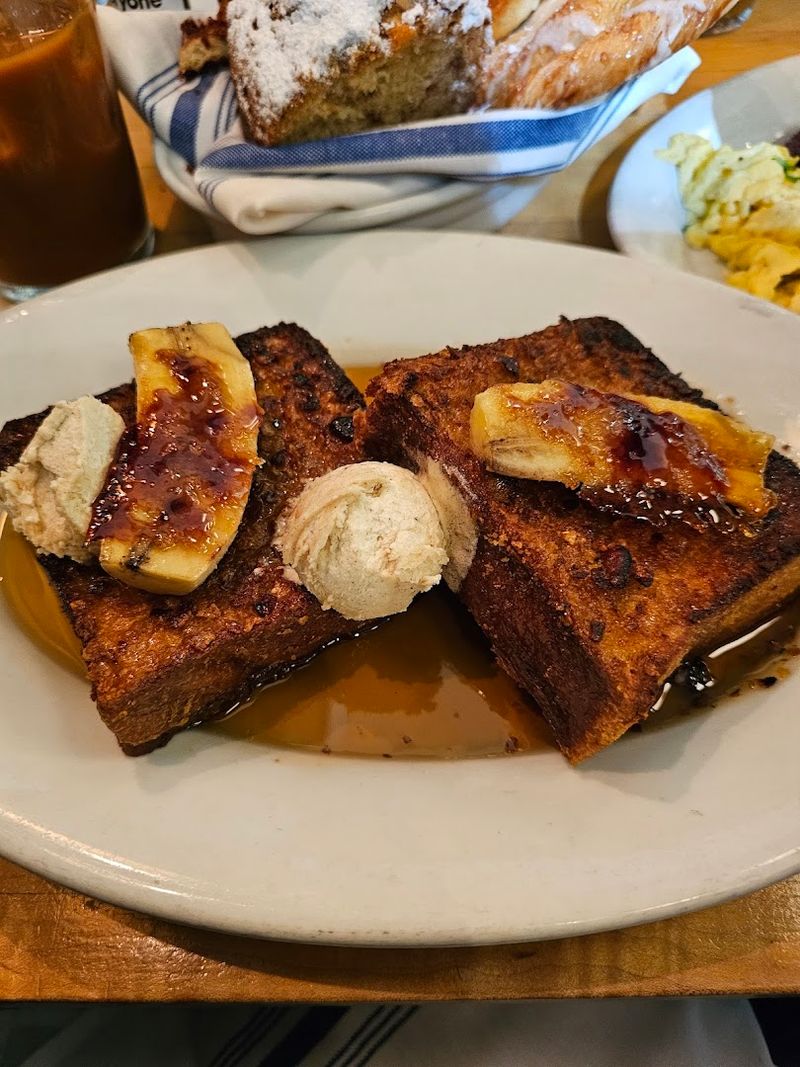
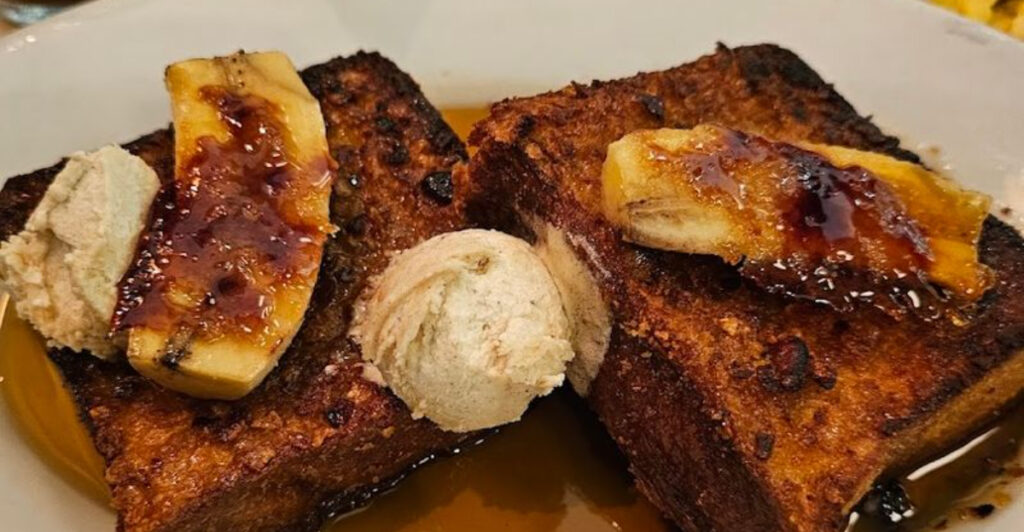
The dish that earns the most attention on weekend mornings is the pecan-crusted challah French toast. It starts with challah that the kitchen bakes in-house, which already sets it apart from most brunch spots that use store-bought bread and hope nobody notices.
The challah itself is soft, slightly sweet, and rich with egg, giving it a density that holds up beautifully when soaked and cooked. The pecan crust adds a layer of crunch and a nutty warmth that plays well against the softness of the bread underneath.
What makes this dish feel different from generic French toast is the care built into every step. The bread is not an afterthought.
It is the foundation, and the kitchen clearly treats it that way. For a place that takes its deli identity seriously, turning house-baked challah into something this satisfying feels completely on brand and genuinely impressive to anyone who orders it.
A Deli With A Michelin Nod
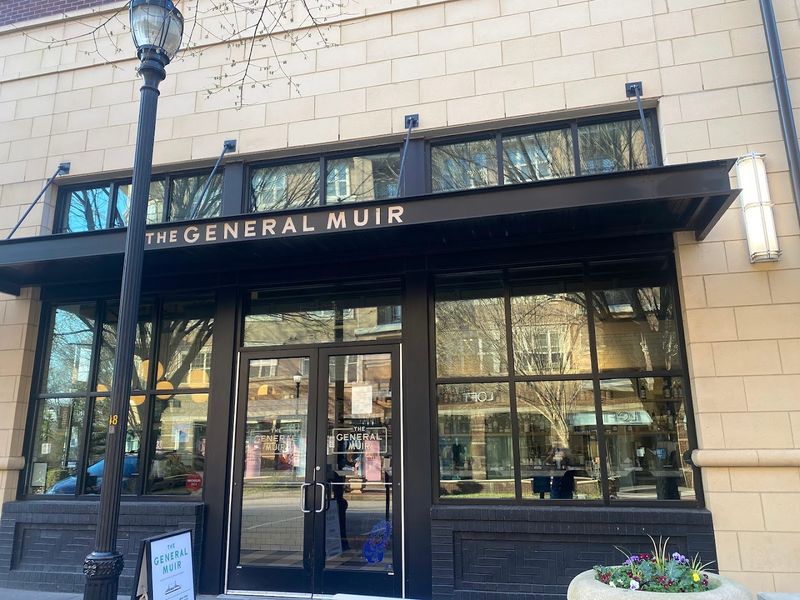
Michelin recognition in Atlanta is not handed out casually, which makes it worth mentioning that The General Muir has earned a Michelin recommendation. That kind of acknowledgment tends to raise expectations, and the restaurant largely meets them, though the experience can vary depending on when you visit and what you order.
The Michelin nod reflects what the kitchen does consistently well, which includes house-cured meats, freshly baked bread, and a menu that takes deli classics seriously without treating them as museum pieces. The restaurant approaches each dish with enough craft to justify the recognition.
For regular diners, the Michelin mention is a nice confirmation of something they already knew. For first-time visitors who heard about the place through a food show or a friend, it adds a layer of confidence before the food even arrives.
The restaurant does not lean heavily on the accolade, but it does not need to either.
The Pastrami Is The Real Centerpiece
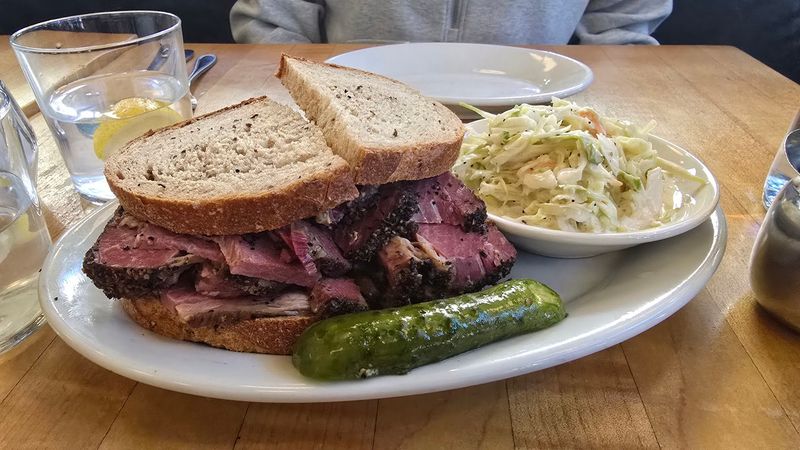
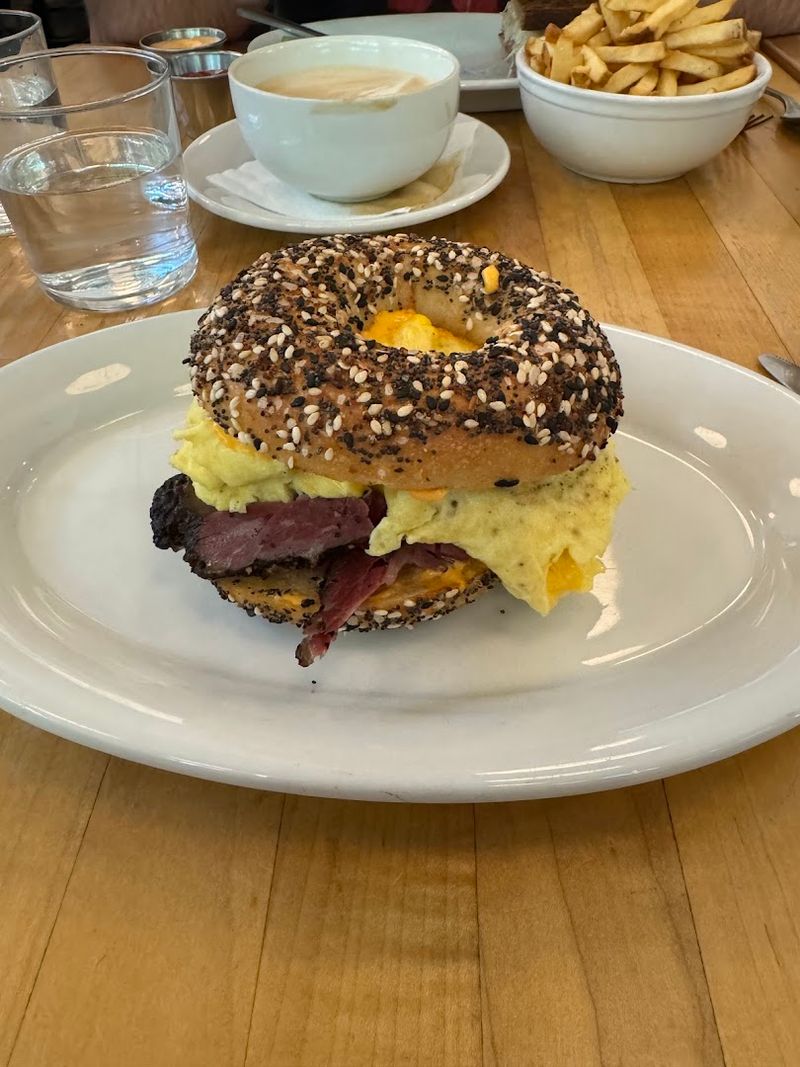
If the French toast draws the brunch crowd, the pastrami keeps the lunch regulars loyal. The General Muir makes its own pastrami in-house, and the result is a sandwich that earns the words piled high without any irony.
The meat is thick-cut, tender, and deeply flavored from the curing and smoking process.
Pastrami done right takes time and patience, and cutting corners shows immediately. Here, the kitchen puts in the work, and the sandwich reflects that.
The rye bread has its own character, though opinions on it tend to vary among people who grew up eating New York deli food and have strong feelings about rye.
The price point surprises some first-timers, with the pastrami sandwich sitting at the higher end of lunch pricing in Atlanta. Most people who order it feel the quality justifies the cost.
A few do not, but they usually come back for something else on the menu anyway.
Matzoh Ball Soup That Earns Its Reputation
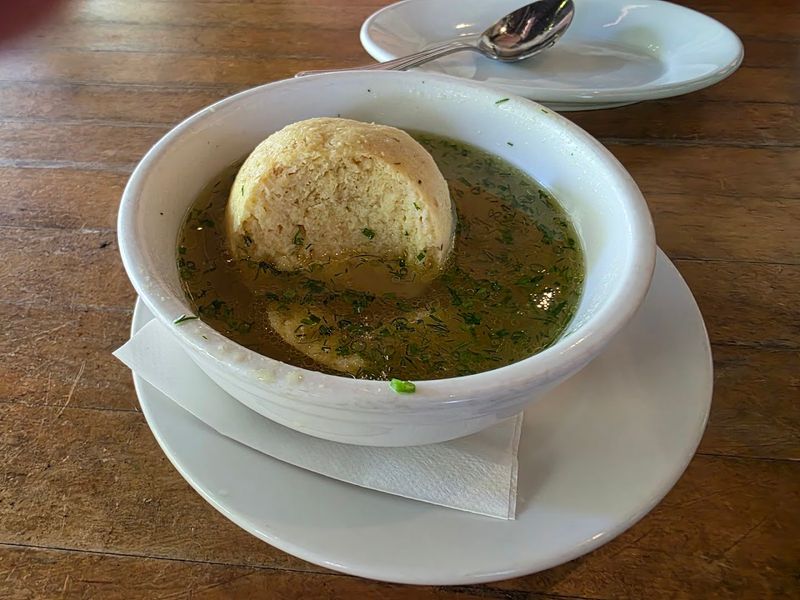
There is a version of matzoh ball soup that tastes like it came from a can, and then there is the version served at The General Muir. The difference is noticeable from the first spoonful.
The broth runs golden and savory, and the matzoh ball itself is generous in size, almost surprisingly so when it first arrives.
Cut it open and mix it into the broth, and the texture opens up in a way that feels comforting without being heavy. The soup works year-round but hits differently on a cold or rainy Atlanta day when you need something that actually warms you from the inside.
It is also available for takeout, which turns it into one of those meals you can bring home and still feel good about. For anyone who grew up eating this dish and has struggled to find a reliable version in the South, this bowl offers a genuinely satisfying answer.
The Menu Goes Further Than You Might Expect
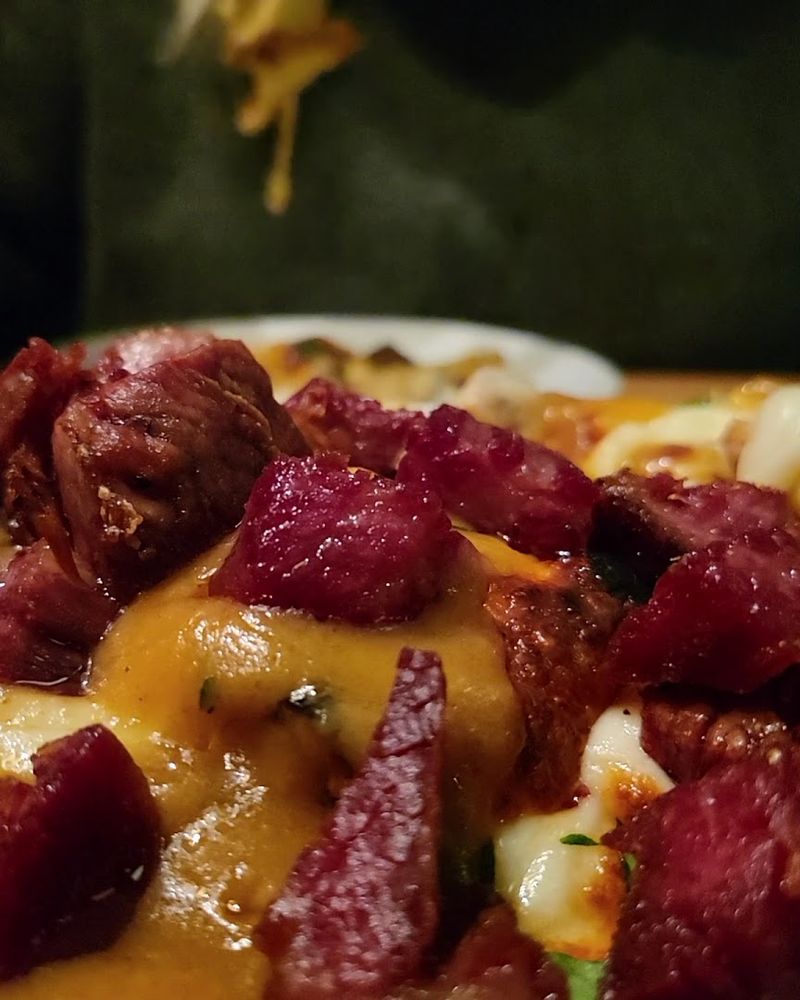
Beyond the pastrami and the French toast, the menu at The General Muir covers a lot of ground. The Reuben sandwich shows up on many tables, and the fish and potatoes dish layers latkes over hash browns with a creamy cheese mixture and apple sticks on top, which sounds unusual until you taste how well it works together.
Chopped liver, latkes, deviled eggs, smoked fish platters, and poutine with pastrami all appear on the menu, giving the kitchen a wide range to work with. The poutine in particular reflects how the restaurant blends deli tradition with more contemporary comfort food ideas.
The chicken club sandwich has developed its own following among regulars who describe it as one of the better sandwiches in the city. Portion sizes tend to run generous across the board, which helps justify the mid-to-upper price range.
The menu rewards adventurous eaters but also takes care of anyone who just wants something familiar done well.
What The Subway Tiles Say About The Design
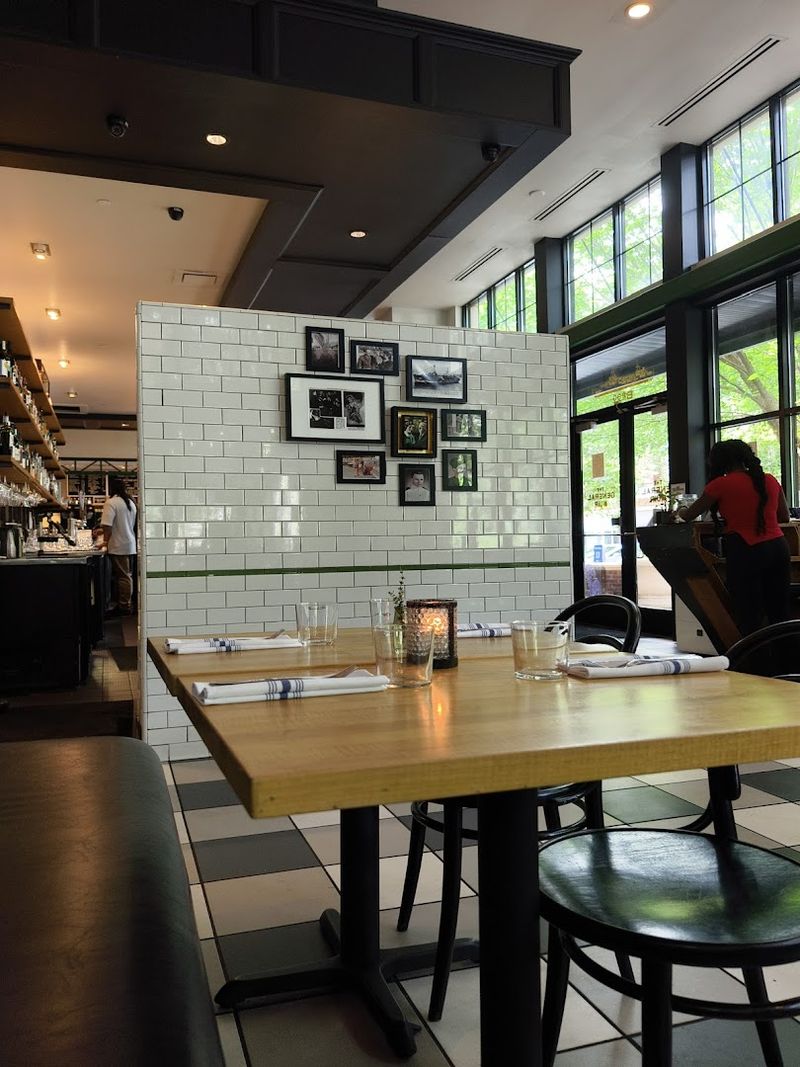
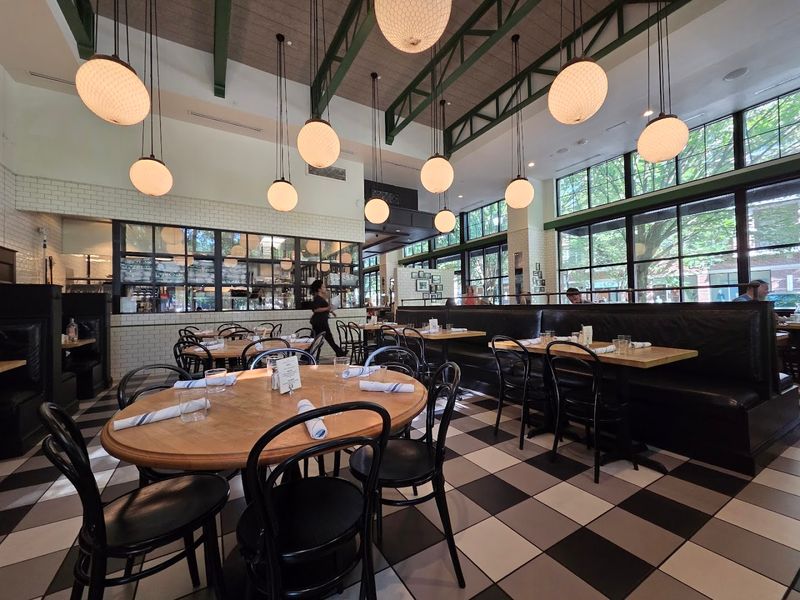
The interior of The General Muir uses subway tiles as a primary design element, which immediately signals a connection to classic New York deli aesthetics without trying to be a replica. The tiles give the space a clean, familiar visual anchor while the rest of the design stays modern and comfortable.
The layout includes bar seating, table seating, and enough open space to feel lively during a busy brunch service without becoming overwhelming. The ambiance sits somewhere between casual and polished, which suits the food well.
You can come in dressed down on a Saturday morning or slightly more put-together for a weekday lunch and feel equally at ease.
Natural light plays a role in how the space feels, and the overall atmosphere reads as welcoming rather than stiff. For a deli that takes its food seriously, the design choices reinforce that seriousness without making the place feel like a museum dedicated to deli culture.
Brunch Service Runs Its Own Rhythm
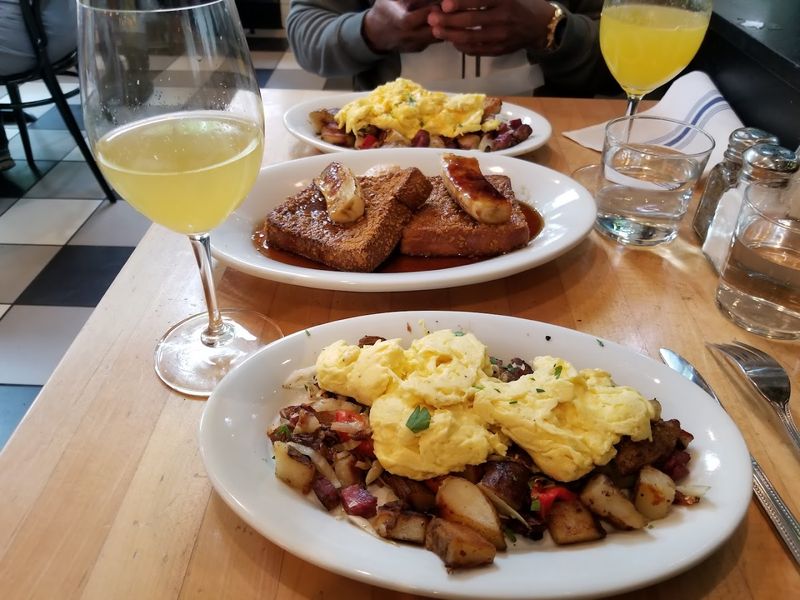
Weekend brunch at The General Muir operates at a pace that reflects how popular the place has become. The restaurant opens at 8 AM Tuesday through Sunday, and the morning hours tend to fill up faster than you might anticipate, especially on Saturdays when the neighborhood around Emory Point sees heavy foot traffic.
Service during busy periods can slow down, which is something regular visitors factor into their plans. The kitchen is clearly working hard to keep up, and the food quality does not seem to suffer for the volume.
Arriving early on a weekend morning tends to produce a smoother experience overall.
The coffee program holds up well alongside the food. The cortado has been noted by more than a few regulars as a solid finish to a meal, and the Vietnamese iced coffee on the menu adds a small but interesting twist to what you might expect from a deli drink list.
The Pastry Basket Deserves Its Own Moment
Not every table orders the pastry basket, but the ones that do tend to remember it. The basket showcases the kitchen’s baking program, which is central to what makes The General Muir feel different from a deli that simply assembles ingredients.
When a restaurant bakes its own challah, its own rye, and offers a pastry basket worth sharing, baking is clearly taken seriously here.
The French roast coffee pairs well with the basket, and the combination makes for a slower, more deliberate start to a meal. It is the kind of opening course that does not rush you, which fits the overall tone of a weekend morning at this restaurant.
The cinnamon roll has appeared on the menu as part of the pastry offerings, though opinions on it have been mixed. The basket overall tends to land better than any single item within it, making it a group-friendly way to start a table off on the right note.
Fusion Dishes That Earn Their Place
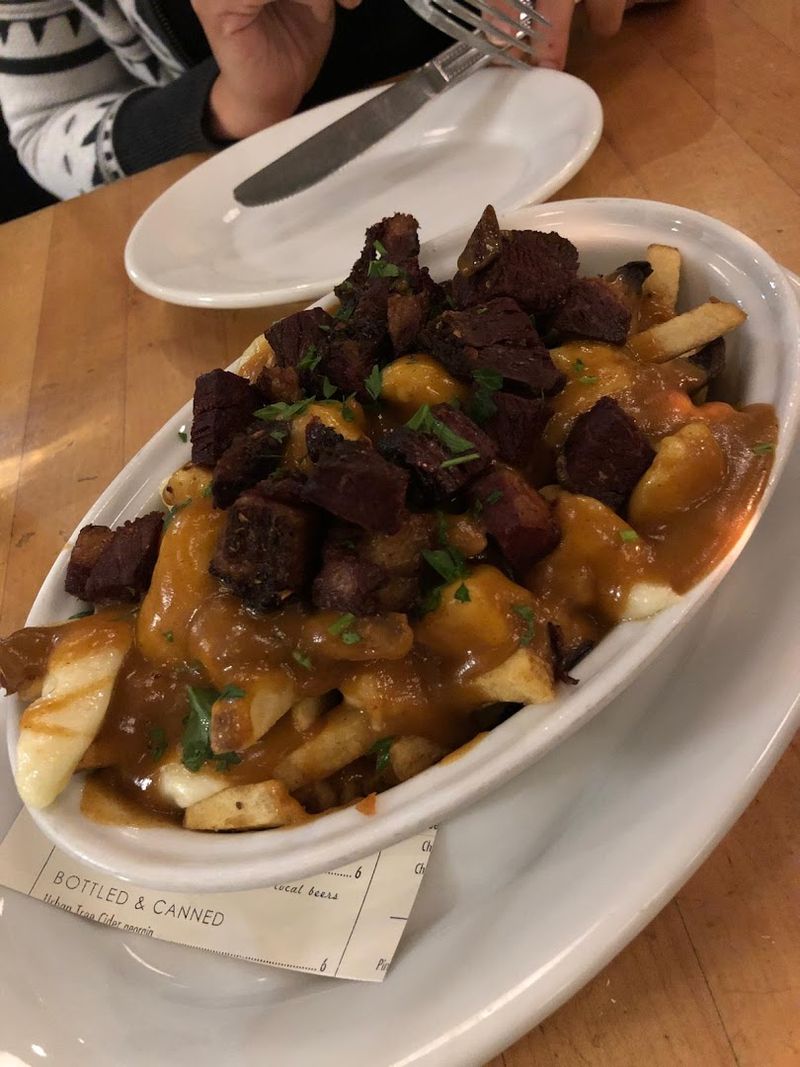
A Jewish deli that also serves pastrami banh mi and pastrami poutine might raise an eyebrow or two, but at The General Muir, these dishes feel like natural extensions of the kitchen’s identity rather than gimmicks designed to attract attention. The pastrami is good enough to carry the flavor in any context it lands in.
The poutine takes the house-cured pastrami and builds it into a dish that satisfies on multiple levels. The fries provide the base, the gravy ties everything together, and the pastrami adds the salty, smoky element that makes the whole thing work.
It is a dish that crosses cultural lines without losing the thread of what makes the deli special.
The banh mi approach reflects a similar logic. Atlanta is a city with a strong Vietnamese food community, and the Vietnamese iced coffee on the menu suggests the kitchen pays attention to that.
These crossovers feel considered rather than accidental.
Dessert Gets A Serious Treatment Too
The dessert menu at The General Muir takes the same approach as the rest of the kitchen, which means house-made and carefully considered. The New York cheesecake has developed a following among regulars who describe it as dense, rich, and satisfying when it is at its best.
The pistachio raspberry version has earned particular praise from people who tried it.
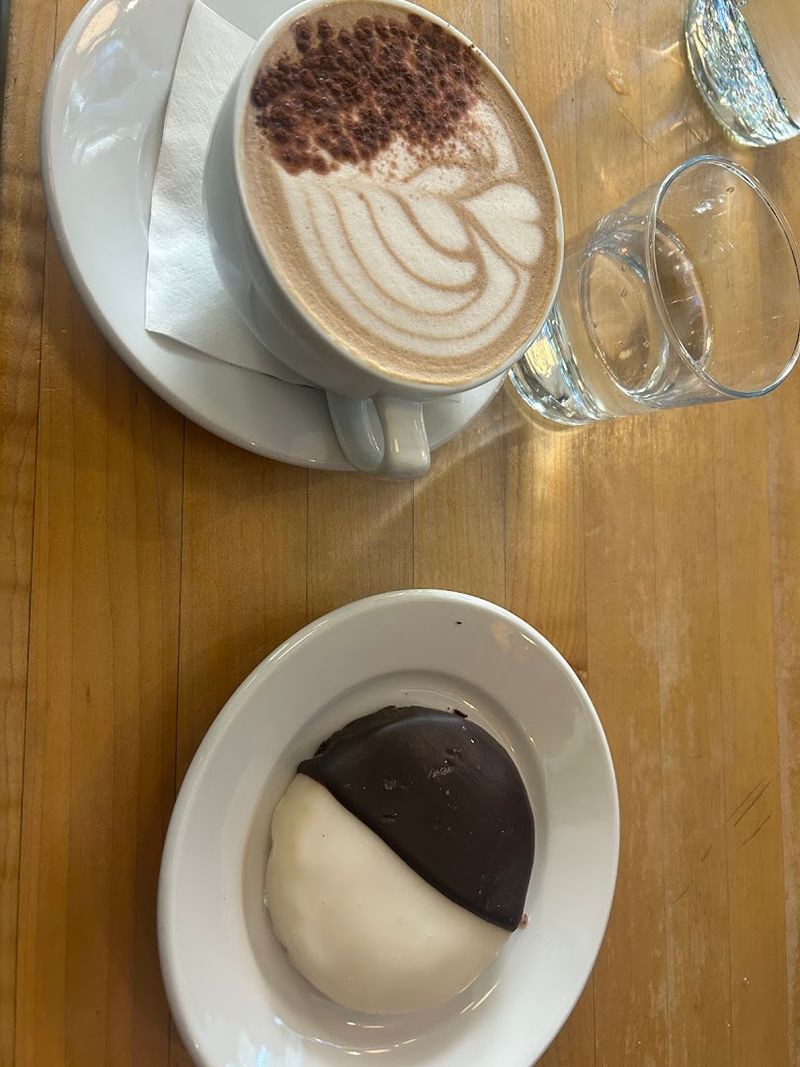
The warm chocolate chip cookie served alongside a cortado has become something of a signature ending for lunch diners. It is a small, simple touch that lands well after a heavier meal and gives the whole experience a comfortable close.
Opinions on the cheesecake do vary, as they tend to with any dish that carries high expectations. Some visitors find it exactly what they were hoping for, while others have found it less dense than they prefer.
The cookie, however, seems to earn consistent appreciation across the board without much debate.
Why People Keep Coming Back
A restaurant with a 4.5-star rating across more than 2,200 reviews has clearly figured out something that resonates. The General Muir earns repeat visits not because every single dish lands perfectly every time, but because the overall experience consistently delivers something worth returning for.
The combination of house-made ingredients, a menu with genuine range, and a space that feels comfortable keeps people coming back.
The location near Emory makes it a natural stop for the academic community, but the clientele extends well beyond that. Families, solo diners at the bar, groups celebrating birthdays, and people on their lunch break from work all seem to find something that fits their needs on the menu.
For anyone visiting Atlanta who wants to eat somewhere that feels specific to its city while also connecting to a broader culinary tradition, this deli offers that combination. The challah French toast alone might be reason enough, but the full picture is even better.
Where The General Muir Actually Lives
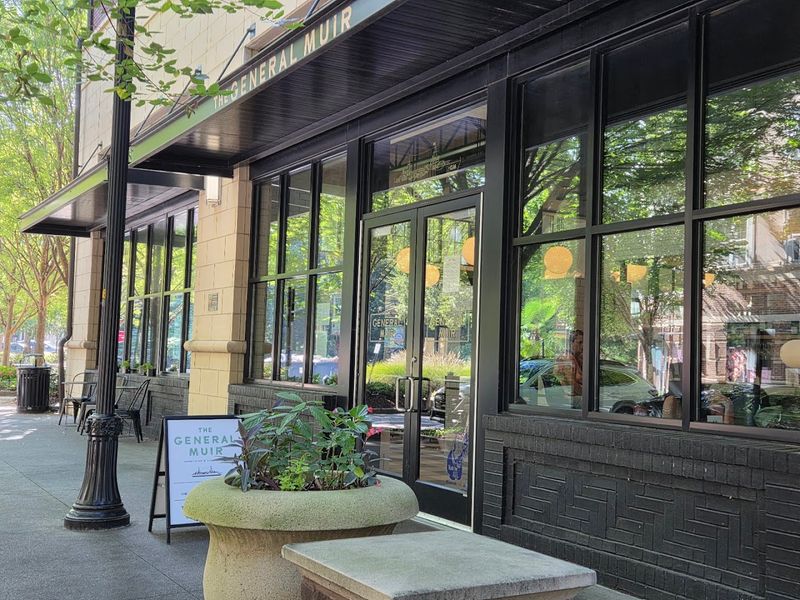
Not every great meal starts with an easy-to-find address, but once you locate this one, you will understand why people keep coming back. The General Muir sits at 1540 Avenue Pl B-230, Atlanta, GA 30329, tucked inside a mixed-use development near Emory University in the Emory Point neighborhood.
The area feels polished without being pretentious. There is a parking garage nearby, and the restaurant actually validates parking, though some first-time visitors do not find that out until they are already on their way home.
The location puts it close to the Emory campus crowd but also draws regulars from across the city.
Atlanta is not typically the first city people associate with Jewish deli culture, but The General Muir has spent years quietly changing that assumption. Its presence in this neighborhood feels intentional, like someone decided this part of town deserved something genuinely worth sitting down for.
Share this story