History is full of kingdoms, republics, and sultanates that rose to power and then quietly disappeared from the map. Some were conquered, some were absorbed by larger empires, and others simply transformed into something new.
Island nations, surrounded by water and often isolated from the rest of the world, built unique cultures and governments that lasted for centuries. Here are 14 fascinating island nations that once existed but are now gone.
1. Kingdom of Hawaii (1795-1893)
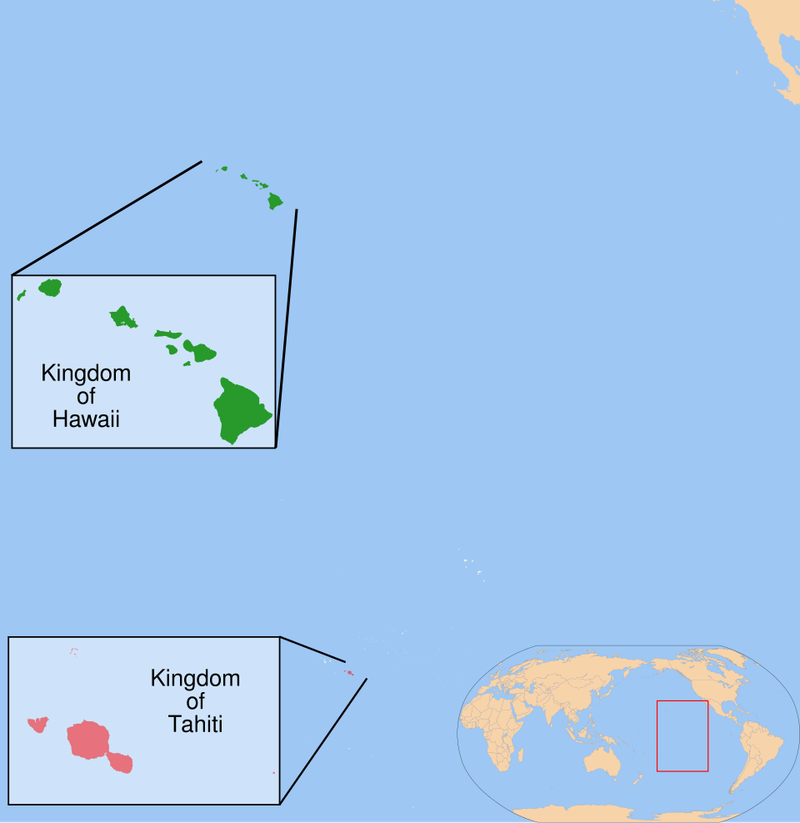
Few island kingdoms captured the world’s imagination quite like the Kingdom of Hawaii. Founded by King Kamehameha I, who united the Hawaiian Islands through both diplomacy and war, this Pacific monarchy stood as a proud, independent nation for nearly a century.
Hawaiian rulers built schools, established a constitution, and even sent ambassadors to foreign nations. The kingdom was internationally recognized and traded with the United States, Britain, and beyond.
Everything changed in 1893 when American business interests, backed by U.S. Marines, helped overthrow Queen Liliuokalani, Hawaii’s last reigning monarch.
She was placed under house arrest inside her own palace. Five years later, the United States formally annexed Hawaii.
Today, a growing movement among Native Hawaiians continues to seek recognition and restoration of their sovereign rights.
2. Kingdom of Tahiti (1788-1880)
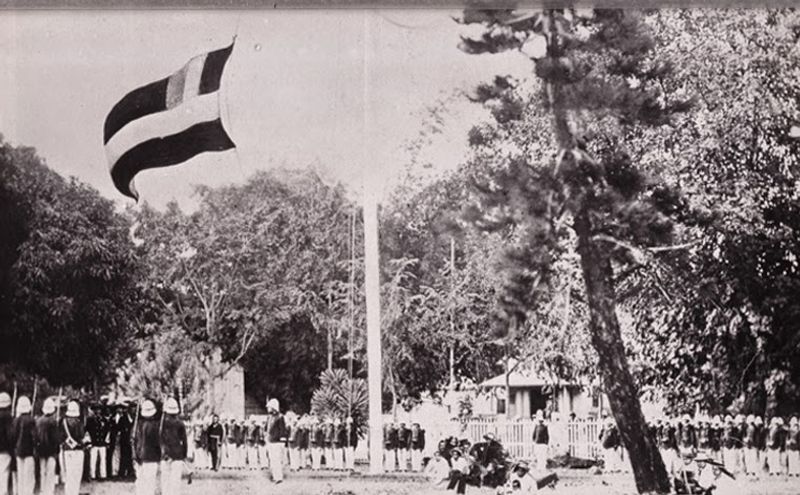
Tahiti was once ruled by the Pomare dynasty, a royal family that unified the island and its neighbors into a recognized Polynesian monarchy. King Pomare I began consolidating power in the late 1700s, and his descendants built a kingdom that lasted nearly a century.
European missionaries arrived early and had a strong influence on the royal court, converting the monarchs to Christianity. Despite this outside influence, the Tahitian rulers maintained real political authority for decades.
France began pressuring the kingdom in the 1840s, eventually establishing a protectorate. Queen Pomare IV resisted French control for years, but the pressure proved too great.
After her death, her son Pomare V signed documents in 1880 transferring sovereignty to France. Tahiti became a French colony, and its royal line ended forever.
Today it remains part of French Polynesia.
3. Kingdom of Raiatea and Taha’a (until 1888)
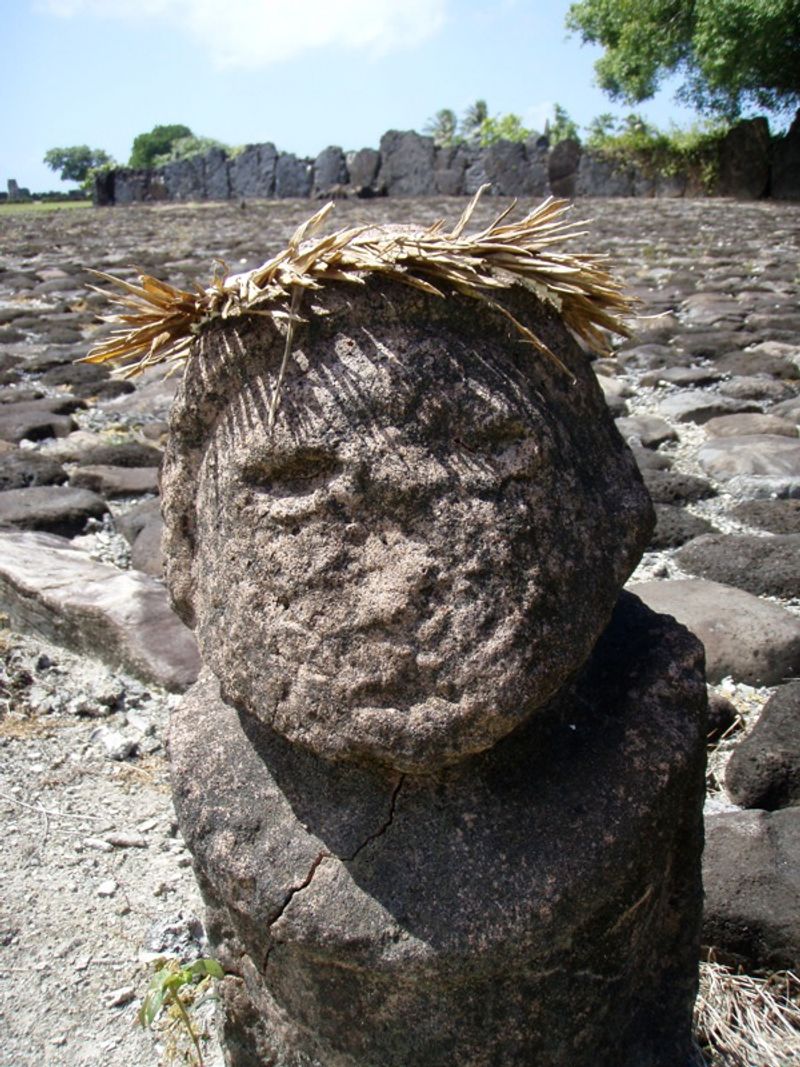
Raiatea holds a special place in Polynesian history. Ancient Polynesians considered it the sacred center of their world, home to the famous Taputapuatea marae, a religious site that drew travelers from across the Pacific.
This spiritual importance gave the island’s rulers enormous prestige.
The kingdom of Raiatea and neighboring Taha’a maintained independence long after many other Society Islands fell under French influence. Local chiefs resisted colonial pressure with remarkable determination, refusing to accept French authority for years.
Armed resistance finally collapsed in 1888 when French forces took direct control of the islands. Chief Tamatoa and other leaders were exiled to New Caledonia, thousands of miles away, to prevent any further uprisings.
The kingdom was dissolved, and both islands were folded into what would become French Polynesia. The marae still stands today as a UNESCO World Heritage Site.
4. Kingdom of Bora Bora (until 1888)
Bora Bora is famous today as a luxury vacation destination, but long before the overwater bungalows arrived, it was an independent island kingdom with its own chiefs and royal traditions. The island’s dramatic volcanic peak and stunning lagoon made it one of the most striking places in the Pacific.
Like other Society Islands, Bora Bora had complex political relationships with neighboring islands. Chiefs maintained authority through both lineage and military strength.
The arrival of European ships brought trade but also outside interference.
France extended its reach across French Polynesia in the 1880s, and Bora Bora was formally annexed in 1888. Local leadership was replaced by French colonial administration.
The island’s independent political identity vanished, though its cultural heritage survived. During World War II, the United States built a military base on Bora Bora, leaving behind infrastructure that shaped its later development as a tourism hub.
5. Kingdom of Huahine (until 1895)
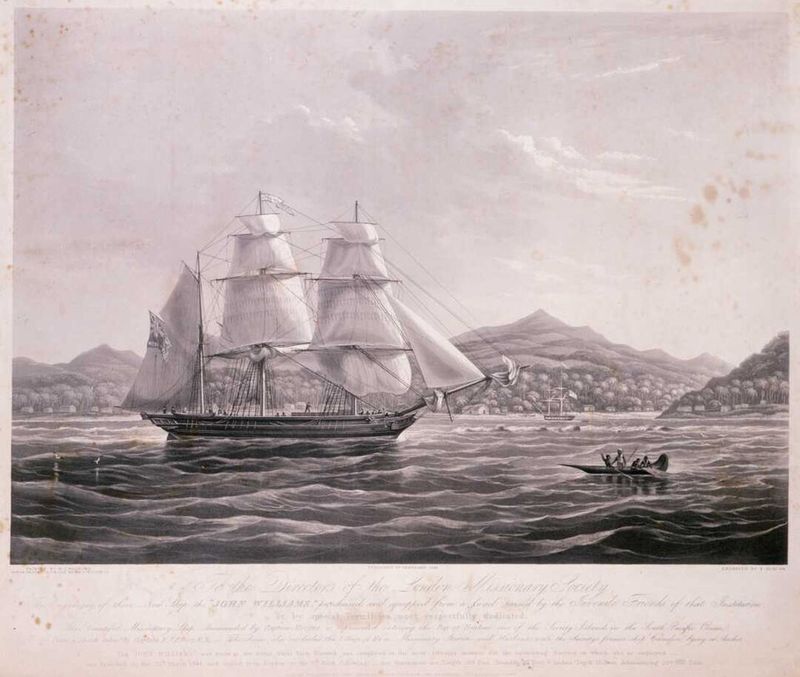
Huahine was one of the last holdouts among the Society Islands, clinging to its independence years after France had absorbed its neighbors. The island’s chiefs were fiercely protective of their sovereignty, and local resistance to French rule was stronger here than almost anywhere else in the region.
The island is divided into two parts, Huahine Nui and Huahine Iti, connected by a small bridge. Ancient marae temples dot the landscape, pointing to a rich ceremonial past that shaped the identity of its people for generations.
French forces finally subdued the island in 1895, ending its status as an independent kingdom. Leaders who resisted were exiled, and the political structure that had governed the island for centuries was dismantled.
Huahine joined the expanding French colonial territory in the Pacific. Today it remains one of the least-touristed Society Islands, preserving a quieter, more traditional way of life.
6. Kingdom of Rarotonga (1858-1901)
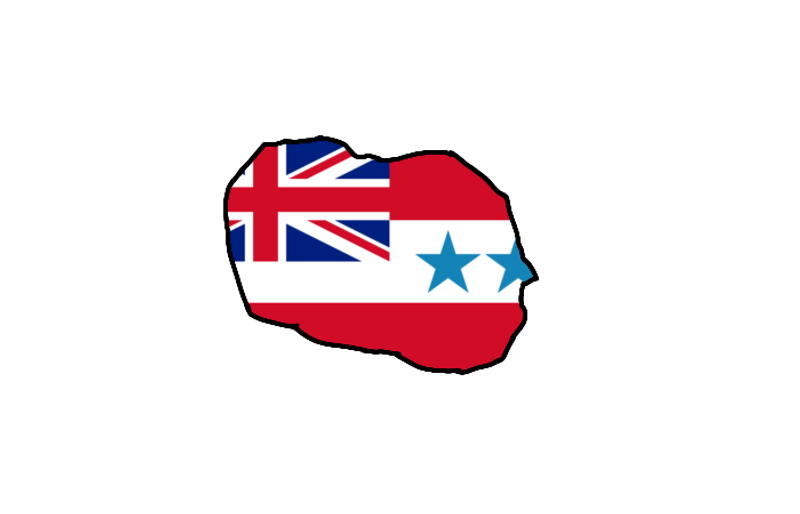
Rarotonga, the largest of the Cook Islands, developed a formal kingdom structure in the mid-1800s as local chiefs sought to organize politically against the growing pressure of European colonialism. The kingdom was never a single unified monarchy in the traditional sense but rather a confederation of ariki, or high chiefs, who cooperated under shared governance.
Britain established a protectorate over the Cook Islands in 1888, though local leaders retained some authority for a time. The relationship between the chiefs and British administrators was complicated and often tense.
By 1901, New Zealand took over administration of the Cook Islands from Britain, and Rarotonga’s political independence effectively ended. New Zealand governed the islands for decades.
Today, the Cook Islands exist in a unique free association with New Zealand, giving citizens dual nationality while maintaining self-governance. The ariki system still holds cultural significance in modern Rarotonga.
7. Kingdom of Uvea (Wallis) (until 1887)
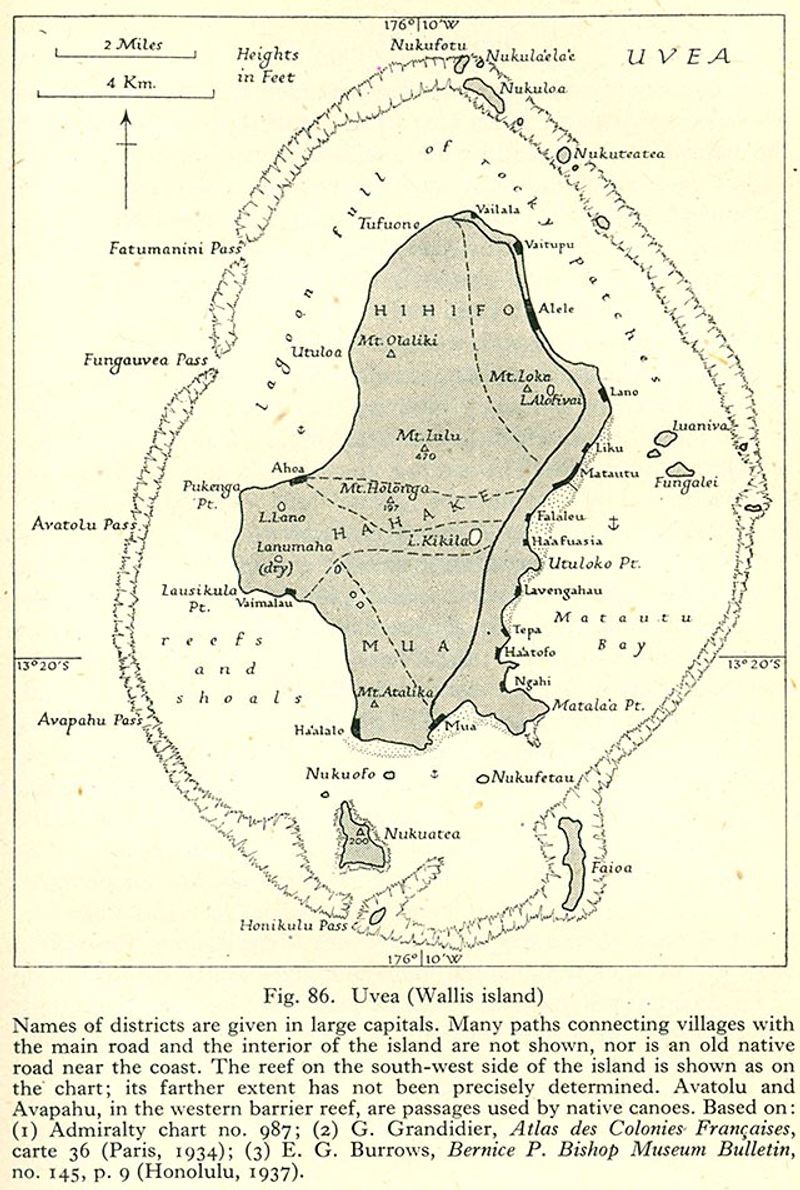
The island of Uvea, known today as Wallis Island, was home to a Polynesian kingdom with a long royal tradition. The Lavelua, or king of Uvea, held both political and spiritual authority over the island’s people.
This dual role gave the monarchy unusual staying power even as European influence spread across the Pacific.
French Catholic missionaries arrived in the 1830s and quickly gained enormous influence. The entire island converted to Catholicism, and the church became deeply intertwined with local governance.
This relationship between faith and politics shaped Uvea’s identity in ways that persisted well beyond the colonial era.
In 1887, Queen Amelia of Uvea signed a treaty accepting French protection, effectively ending the kingdom’s independence. France later combined Uvea with nearby Futuna to create the territory of Wallis and Futuna.
Remarkably, the traditional kingship still exists today in a ceremonial role, making it one of the few surviving Polynesian royal titles.
8. Sultanate of the Maldives (1153-1968)
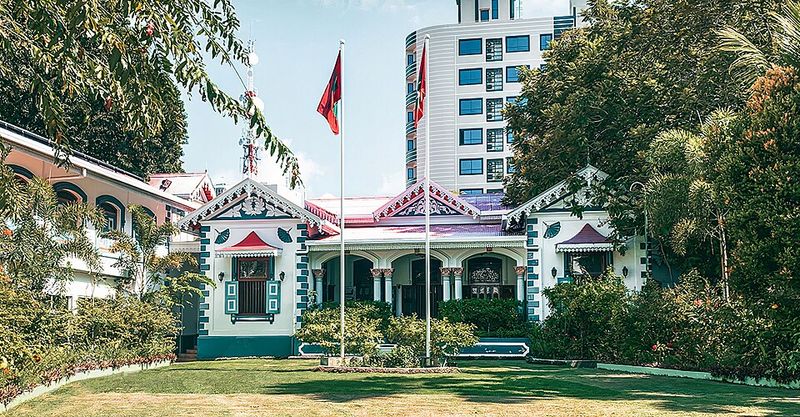
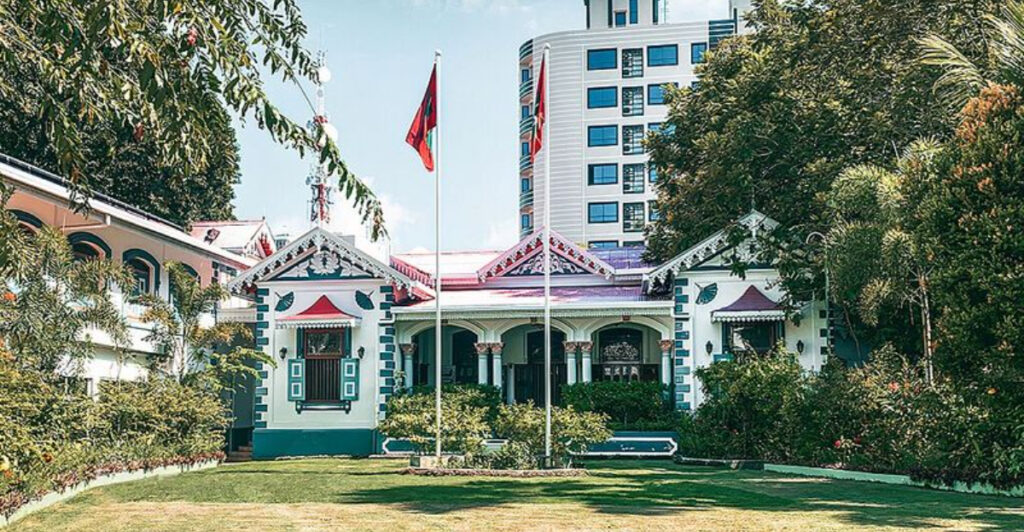
For over 800 years, the Maldives was governed as a sultanate, making it one of the longest-lasting island monarchies in world history. The sultanate began in 1153 when the islands converted to Islam, and the title of sultan became the central institution of Maldivian political life.
Portuguese, Dutch, and British forces each tried to control the islands at various points, but the Maldivian sultanate proved remarkably resilient. Even during periods of foreign influence, the sultan remained the symbolic and often practical head of government.
The sultanate survived into the modern era, but a 1953 referendum briefly replaced it with a republic before restoring the monarchy. A second referendum in 1968 permanently abolished the sultanate, and the Republic of Maldives was born.
Today the Maldives is known worldwide for its stunning coral atolls, but its centuries-long royal history is far less familiar to most visitors.
9. Kingdom of the Comoros (1975)
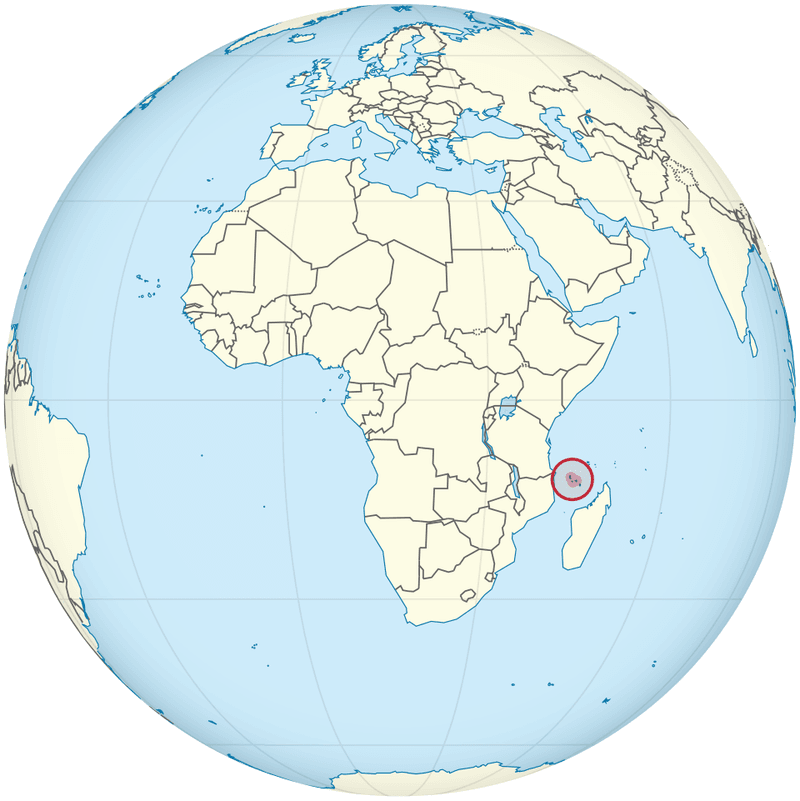
The Comoros Islands declared independence from France on July 6, 1975, becoming one of the newest nations in the world at that moment. The newly independent state was briefly established as a constitutional monarchy under Ahmed Abdallah, making the Comoros a kingdom for only a matter of months.
Political instability struck almost immediately. Just weeks after independence, a mercenary-led coup overthrew the government, and the constitutional monarchy was dissolved.
The islands lurched through a series of political changes, coups, and constitutional rewrites over the following decades.
The Comoros holds the record for one of the highest numbers of coups per capita in history, with more than 20 attempted or successful overthrows since independence. The short-lived kingdom is largely forgotten in the story of this small Indian Ocean archipelago.
Today the Union of the Comoros is a federal republic, still navigating the challenges of political stability.
10. Republic of Formosa (1895)
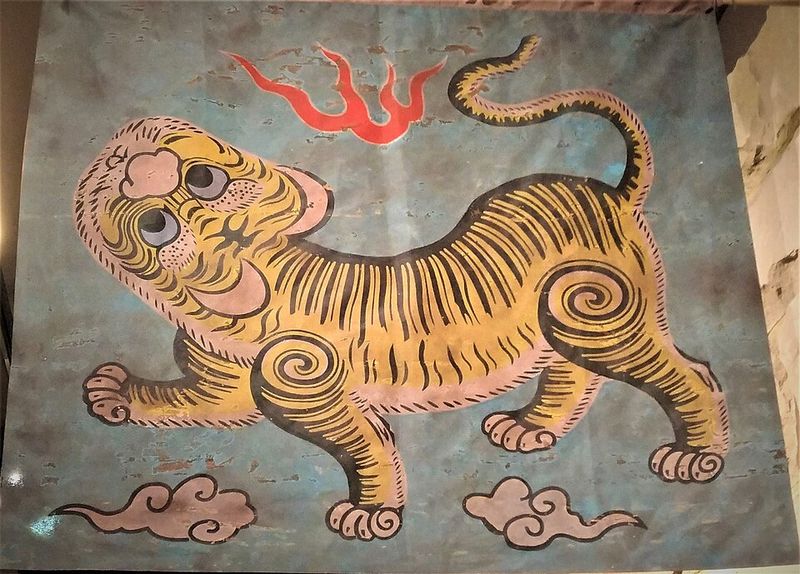
When the Qing Dynasty of China lost the First Sino-Japanese War in 1895, it was forced to hand Taiwan over to Japan under the Treaty of Shimonoseki. Local leaders and officials refused to accept this transfer and made a bold move: they declared Taiwan an independent republic.
The Republic of Formosa, established in May 1895, was one of Asia’s earliest republics. Its leaders hoped that declaring independence would encourage Western powers to intervene and prevent Japanese annexation.
That support never came.
Japanese forces landed on the island in late May and faced fierce resistance from both Formosan troops and irregular fighters. Despite determined opposition, the republic collapsed by October 1895, lasting only about five months.
Taiwan then spent the next 50 years under Japanese colonial rule. The Republic of Formosa remains a fascinating and often overlooked chapter in Taiwanese history.
11. Republic of Ezo (1869)
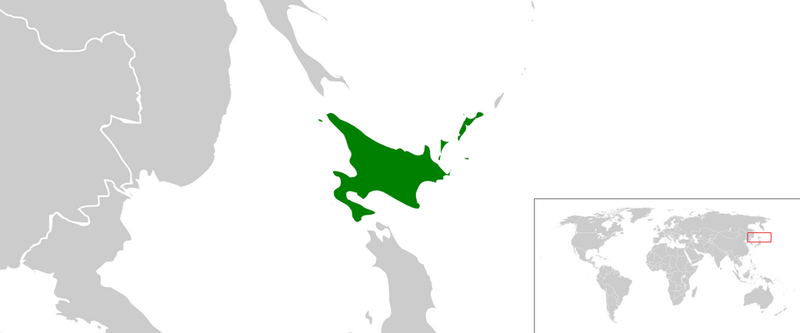
At the end of Japan’s Boshin War, a group of former Tokugawa shogunate loyalists fled north to Hokkaido and did something extraordinary: they declared their own republic. The Republic of Ezo, established in January 1869, was one of the first attempts at democratic governance in Japanese history.
Admirals Enomoto Takeaki led the breakaway government, which held elections and established a cabinet modeled partly on Western systems. The republic controlled Hokkaido and the surrounding islands for several months, operating as a genuine political entity with its own administration.
Imperial Japanese forces launched a military campaign to crush the rebellion. The decisive Battle of Hakodate in May 1869 ended the republic after only four months of existence.
Enomoto surrendered and was later pardoned, going on to serve the Meiji government. The Republic of Ezo stands as a remarkable footnote in Japanese history, a democratic experiment born from defeat.
12. Republic of Madagascar (1958-1975)
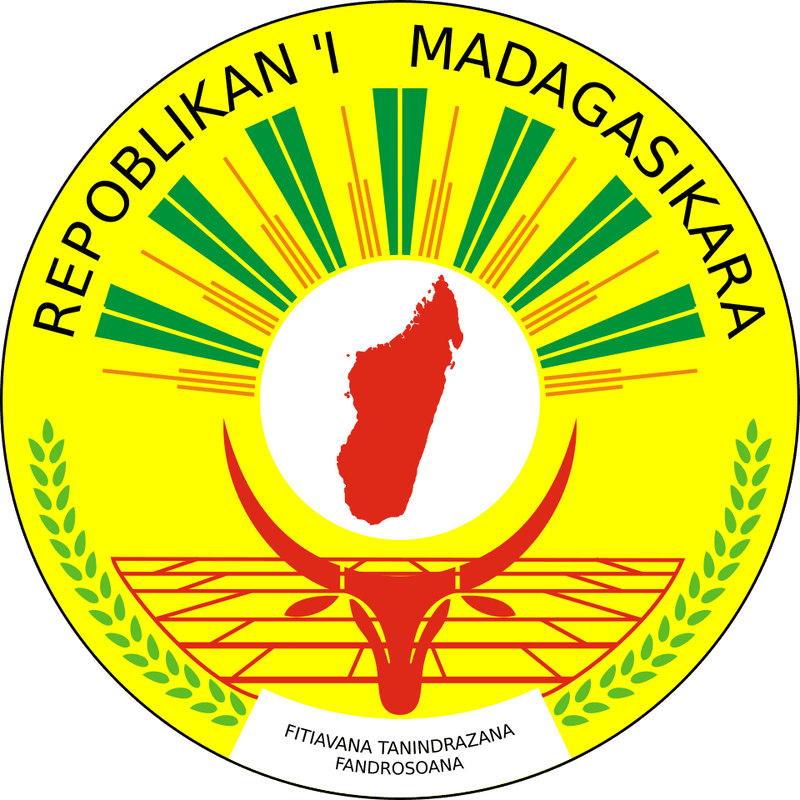
Madagascar achieved independence from France in 1960, becoming the Malagasy Republic. The large island nation off the southeastern coast of Africa had its own distinct culture, language, and history that set it apart from mainland African nations.
Its people descended from both Austronesian and Bantu ancestors, creating a uniquely blended civilization.
The First Republic, as it became known, was governed under a constitution modeled partly on French political structures. President Philibert Tsiranana led the country through its early independent years, maintaining close ties with France.
Growing social unrest and political pressure led to major changes. A military coup in 1972 weakened the republic, and by 1975 a new government declared Madagascar the Democratic Republic of Madagascar, then later the Socialist Republic.
The original republic was gone, replaced by a series of constitutional transformations. Madagascar has continued to evolve politically, now operating as the Republic of Madagascar under a different framework.
13. Kingdom of Mann and the Isles (until 1765)
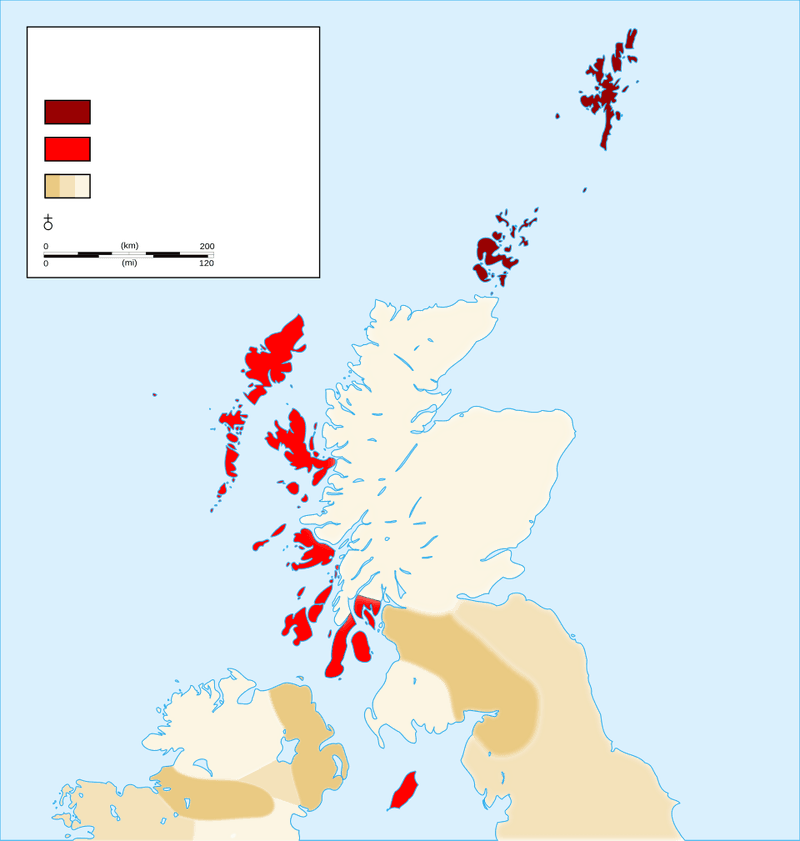
The Kingdom of Mann and the Isles was a Norse-Gaelic realm that dominated the Irish Sea for centuries. Centered on the Isle of Man, it also encompassed the Hebrides and other islands off the Scottish coast.
Vikings established control over these islands in the 9th century, and their descendants blended Norse and Gaelic cultures into something entirely their own.
The kingdom changed hands multiple times between Norwegian and Scottish control during the medieval period. The 1266 Treaty of Perth transferred the Hebrides to Scotland, shrinking the kingdom significantly.
The Isle of Man itself continued under varying lords and dynasties.
By 1765, the British Crown purchased the remaining rights to the Isle of Man from the Atholl family in what became known as the Revestment. This ended any remaining claim to independent governance.
The Isle of Man today operates as a Crown dependency with its own parliament, Tynwald, one of the oldest continuous parliaments in the world.
14. Ryukyu Kingdom (1429-1879)
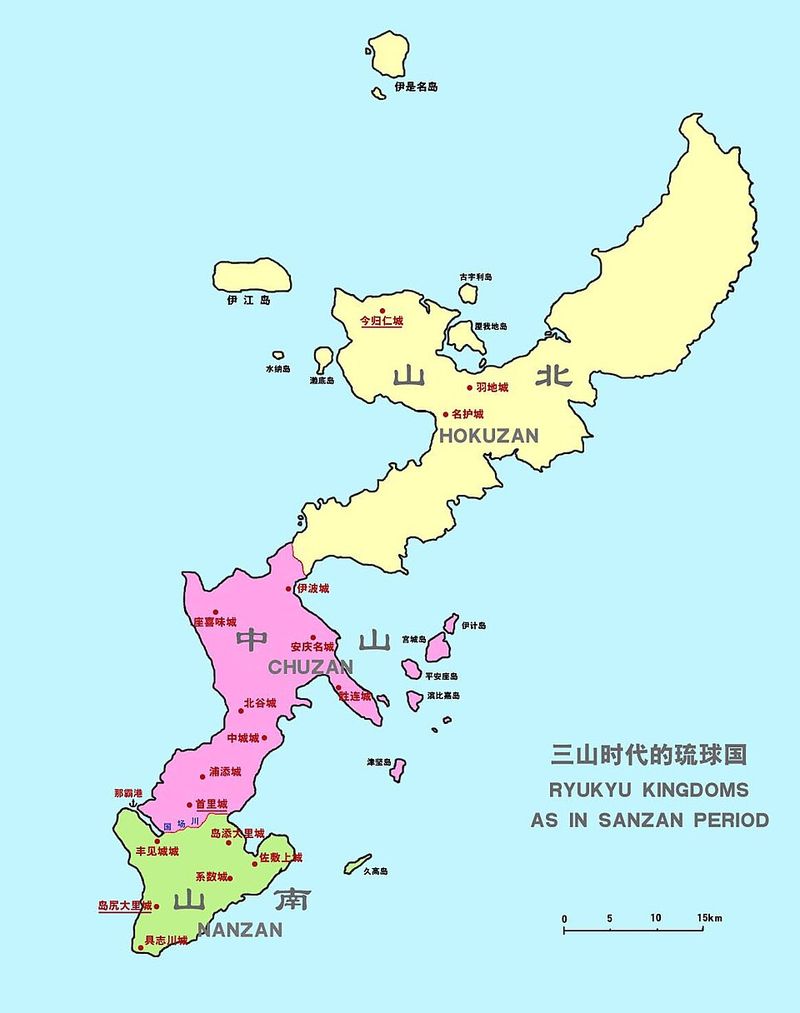
Tucked between Japan and China, the Ryukyu Kingdom built one of the most remarkable trading empires in East Asian history. Centered on the island of Okinawa, the kingdom unified the Ryukyu Islands in 1429 under King Sho Hashi and became a major hub for maritime trade across Southeast Asia, China, Japan, and Korea.
Ryukyuan culture blended Japanese, Chinese, and Southeast Asian influences into something truly distinctive. The kingdom had its own language, music, dance, and martial arts tradition, including what would eventually influence modern karate.
Shuri Castle served as the royal palace and cultural heart of the kingdom.
In 1609, the Japanese Satsuma domain invaded and made the kingdom a tributary state, though it maintained nominal independence. That ended in 1879 when Japan formally annexed the islands and renamed them Okinawa Prefecture.
The last Ryukyuan king, Sho Tai, was taken to Tokyo. Okinawan identity and culture have survived, though the kingdom itself is long gone.
Share this story