Some places on Earth are so far from everything else that just getting there is an adventure in itself. Whether cut off by frozen tundra, vast oceans, or towering mountains, these towns exist at the very edges of the world.
The people who call them home live lives that most of us can barely imagine. From the icy Arctic to the scorching Australian outback, here are 15 of the most isolated towns on the planet.
1. Ittoqqortoormiit, Greenland
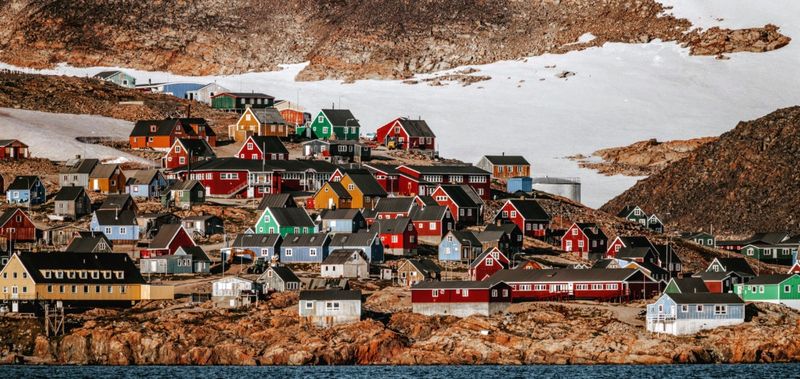
Tucked into the rugged northeastern coast of Greenland, Ittoqqortoormiit sits in one of the most remote corners of the inhabited world. With fewer than 400 residents, this tiny settlement is surrounded by the world’s largest national park and frozen fjords that stretch as far as the eye can see.
Getting here is no small feat.
For most of the year, a helicopter is the only way in or out. During the brief summer season, a supply ship can navigate the thawing waters, bringing essential goods to locals who rely on hunting and fishing to survive.
The nearest town, Scoresbysund, is hundreds of miles away.
Life here moves at its own pace, shaped by the Arctic seasons and deep Greenlandic traditions. Polar bears roam nearby, and the northern lights paint the winter sky.
It is raw, breathtaking, and unlike anywhere else on Earth.
2. Tristan da Cunha, South Atlantic
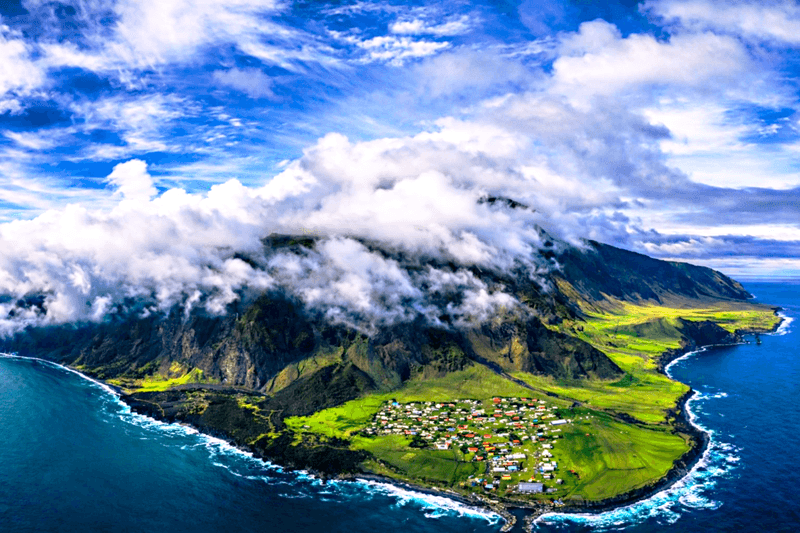
Imagine living on an island so remote that your closest neighbors are more than 1,700 miles away. That is everyday life for the roughly 250 people who call Tristan da Cunha home.
There is no airport here, which means the only way to reach this British Overseas Territory is by a six-day boat ride from South Africa.
The island has a single settlement called Edinburgh of the Seven Seas, named after a royal visit in 1867. Residents share just eight family surnames, a reflection of how small and close-knit this community has always been.
A volcanic eruption in 1961 forced everyone to evacuate, but most returned within two years because they simply could not imagine living anywhere else.
Fresh produce, medical care, and modern conveniences are limited, yet the islanders maintain a strong sense of community and pride. Tristan da Cunha is proof that belonging somewhere matters more than convenience.
3. Longyearbyen, Svalbard, Norway
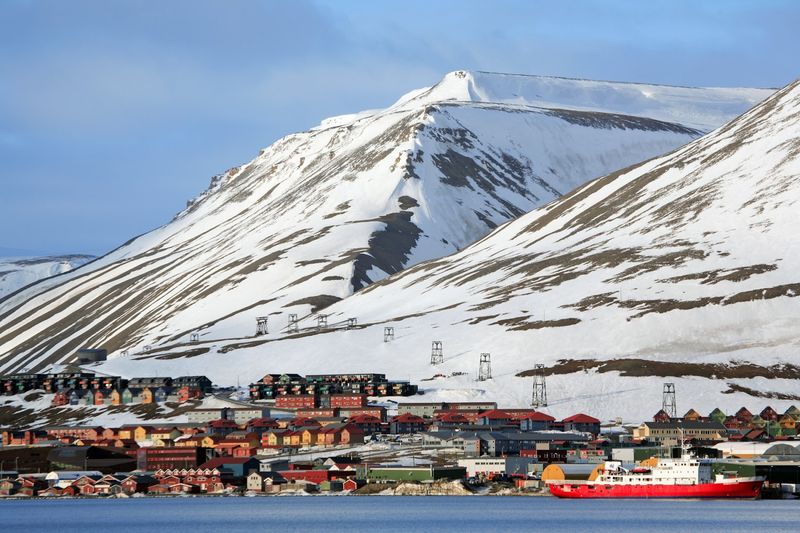
At 78 degrees north latitude, Longyearbyen holds the title of the northernmost town with a significant permanent population anywhere on Earth. Around 2,400 people live here year-round, navigating months of total darkness in winter and endless daylight in summer.
Polar bears outnumber people on the Svalbard archipelago, so residents are actually required to carry rifles when traveling outside town.
Originally built as a coal-mining settlement in the early 1900s, Longyearbyen has evolved into a hub for Arctic research and ecotourism. The town has a university, a hospital, a supermarket, and even a global seed vault carved into the permafrost nearby.
It is surprisingly well-equipped for such an extreme location.
One quirky local rule stands out: it is illegal to be born or to die in Longyearbyen, because the permafrost prevents proper burial and the hospital lacks maternity facilities. Residents must travel south for both life events.
4. Coober Pedy, South Australia
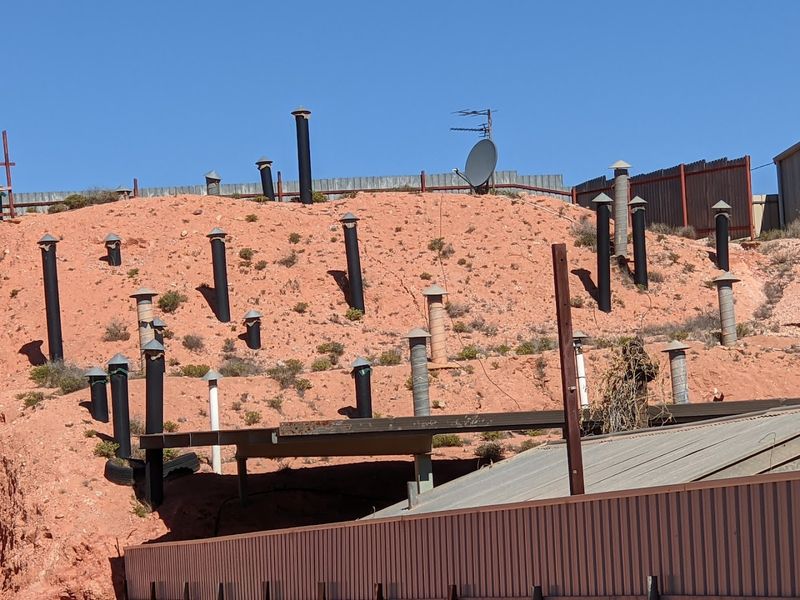
When the sun beats down at over 50 degrees Celsius, you do what the people of Coober Pedy did: move underground. This outback mining town in South Australia is famous for its subterranean homes, called dugouts, which stay naturally cool no matter how brutal the desert heat gets above ground.
About half the town’s 1,700 residents live below the surface.
Coober Pedy produces more than 70 percent of the world’s opals, making it one of the most valuable patches of dirt on the planet despite its remote location. The town sits roughly 850 kilometers north of Adelaide, and the surrounding landscape is so alien-looking that filmmakers have used it as a stand-in for other planets in movies.
Churches, hotels, and even a bookstore have been carved directly into the rock. Visitors who come expecting a typical Australian town leave completely amazed by this underground world hiding beneath the red desert floor.
5. La Rinconada, Peru
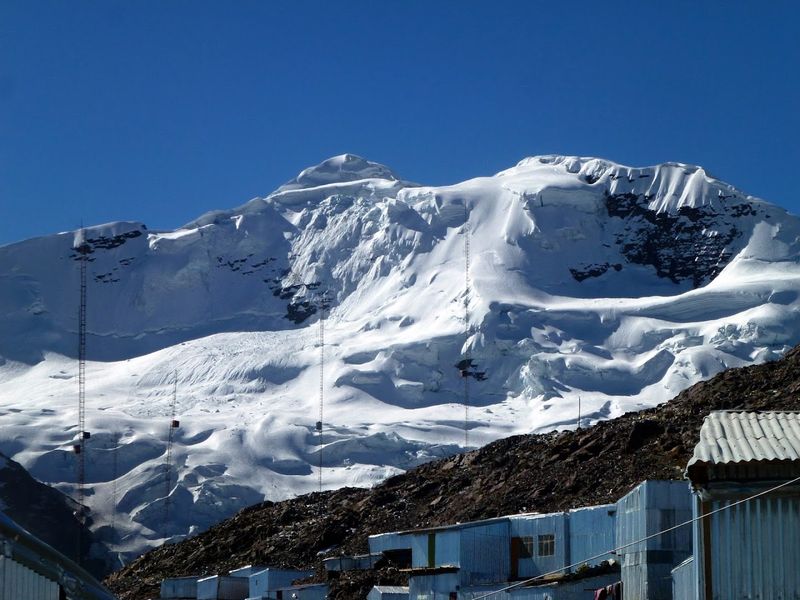
Perched on a glacier in the Peruvian Andes at more than 16,700 feet above sea level, La Rinconada holds the record as the highest permanent human settlement on Earth. The air here contains about 40 percent less oxygen than at sea level, making even simple tasks feel exhausting for anyone not accustomed to altitude.
Despite these brutal conditions, around 50,000 people live here chasing gold.
The town grew rapidly during a gold rush in the early 2000s and has few modern amenities. There is no running water, no sewage system, and roads are often impassable.
Many workers operate under an ancient payment system called cachorreo, where they work for free for 30 days and then get to keep whatever ore they can carry out on the 31st day.
La Rinconada is a place of enormous hardship and fierce hope. The people who stay do so because the promise of gold feels worth every sacrifice made at this staggering altitude.
6. Supai, Arizona, USA
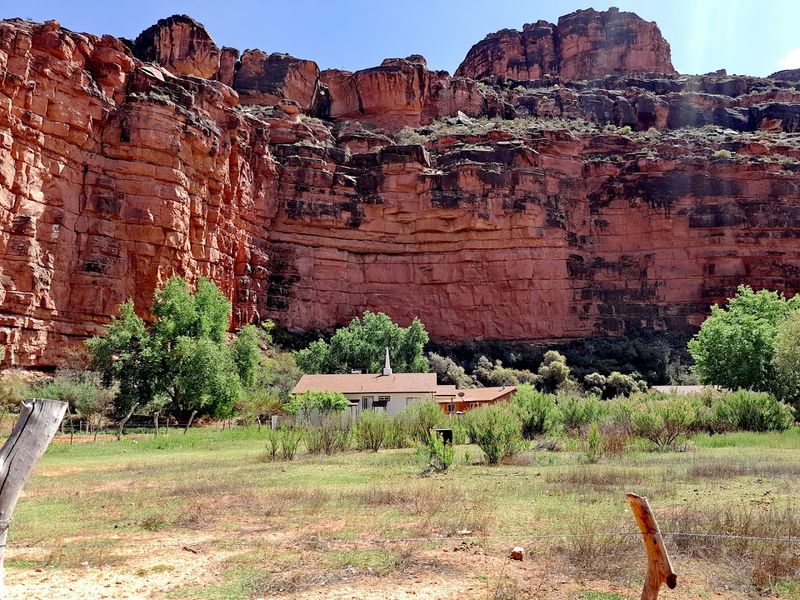
Eight miles below the canyon rim, reachable only by foot, horseback, or helicopter, Supai is unlike any other town in the United States. About 450 members of the Havasupai tribe live here, tucked deep inside the Grand Canyon where towering red walls rise on all sides.
It is the only community in the country where mail is still delivered by mule train.
The Havasupai people have called this canyon home for over 800 years, long before the United States existed as a nation. Their reservation is home to some of the most stunning turquoise-blue waterfalls in the world, drawing thousands of hikers each year who must obtain a permit in advance.
Despite the tourist interest, daily life remains deeply traditional.
Groceries, medicine, and building materials all arrive by mule or helicopter. School children must hike or ride out of the canyon to attend classes beyond the eighth grade.
It is a world apart, even by American standards.
7. Hanga Roa, Easter Island, Chile
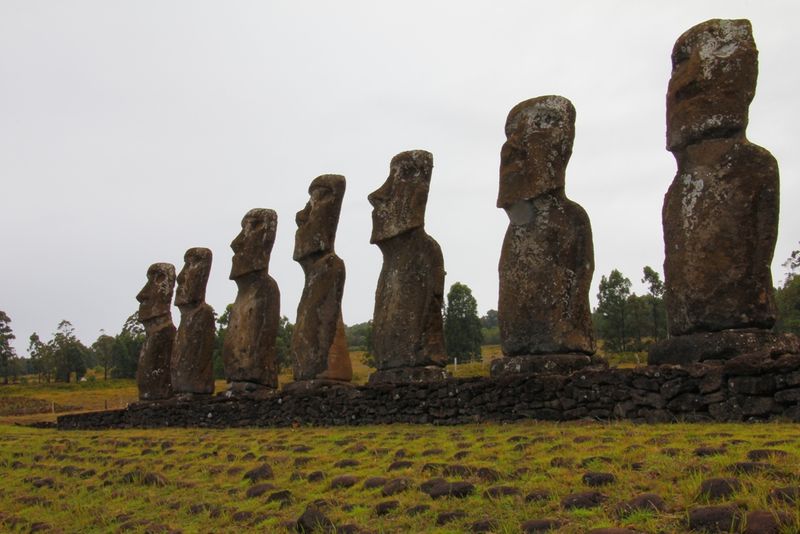
Easter Island sits in the middle of the South Pacific Ocean, more than 2,000 miles from mainland Chile and roughly 1,300 miles from the nearest inhabited island. Hanga Roa is the only town on this tiny volcanic island and is home to around 7,000 people, most of whom are descendants of the original Rapa Nui people.
The island is world-famous for its nearly 1,000 mysterious stone statues called moai.
Getting to Easter Island means a five-hour flight from Santiago, and there are no other commercial flight options. Supply ships arrive periodically, and nearly everything from fuel to food must be imported.
The island has a hospital, a school, and a small but growing tourism industry centered on its remarkable archaeological sites.
Despite its isolation, Hanga Roa has a warm, vibrant culture. Residents celebrate the annual Tapati Rapa Nui festival with traditional music, dance, and athletic competitions that keep ancient traditions fully alive.
8. Oymyakon, Sakha Republic, Russia
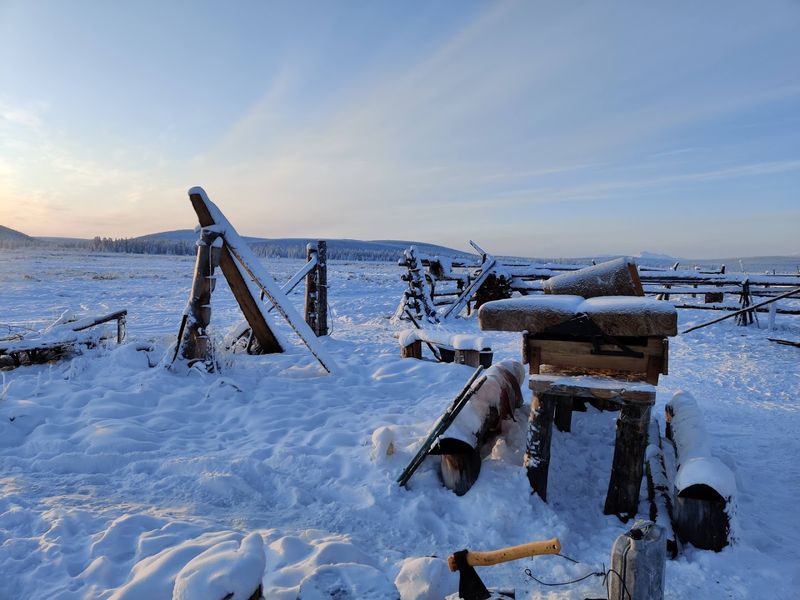
Known as the Pole of Cold, Oymyakon in northeastern Siberia regularly records the lowest temperatures of any permanently inhabited place on Earth. In January 1924, a temperature of minus 71.2 degrees Celsius was recorded nearby, a number that is almost impossible to imagine.
Today, around 500 people still live here year-round, enduring winters that last most of the year.
At these temperatures, eyelashes freeze, cars must be kept running at all times or they will not restart, and even ballpoint pens stop working. The ground is permanently frozen, so crops cannot grow, and residents rely almost entirely on reindeer meat and fish for their diet.
The name Oymyakon actually translates to unfrozen water, referring to a nearby thermal spring.
Tourists have started visiting in recent years, drawn by the challenge and curiosity of experiencing such extreme cold. Locals, however, take it all in stride with a matter-of-fact toughness that is genuinely admirable.
9. McMurdo Station, Antarctica
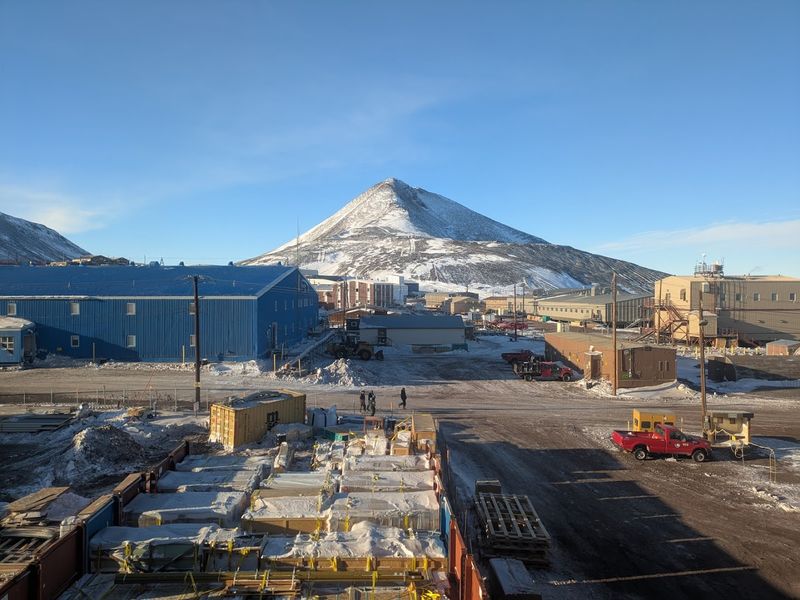
Antarctica has no native population, but McMurdo Station comes as close to a real town as the frozen continent gets. Run by the United States Antarctic Program, this research base on Ross Island can house up to 1,000 people during the busy summer season, though that number drops to around 150 in the brutal winter months.
It has a post office, a general store, a gym, and even a coffee house.
Getting to McMurdo requires a military flight from Christchurch, New Zealand, a journey of about five hours over open ocean and ice. During winter, the station is completely cut off because no aircraft can safely land in the darkness and extreme weather.
Anyone who stays through the winter must be fully prepared for months of total isolation.
Scientists conduct research on topics ranging from climate change to astronomy, taking advantage of the uniquely clear skies and pristine environment. McMurdo is science at the bottom of the world.
10. Kulusuk, Greenland
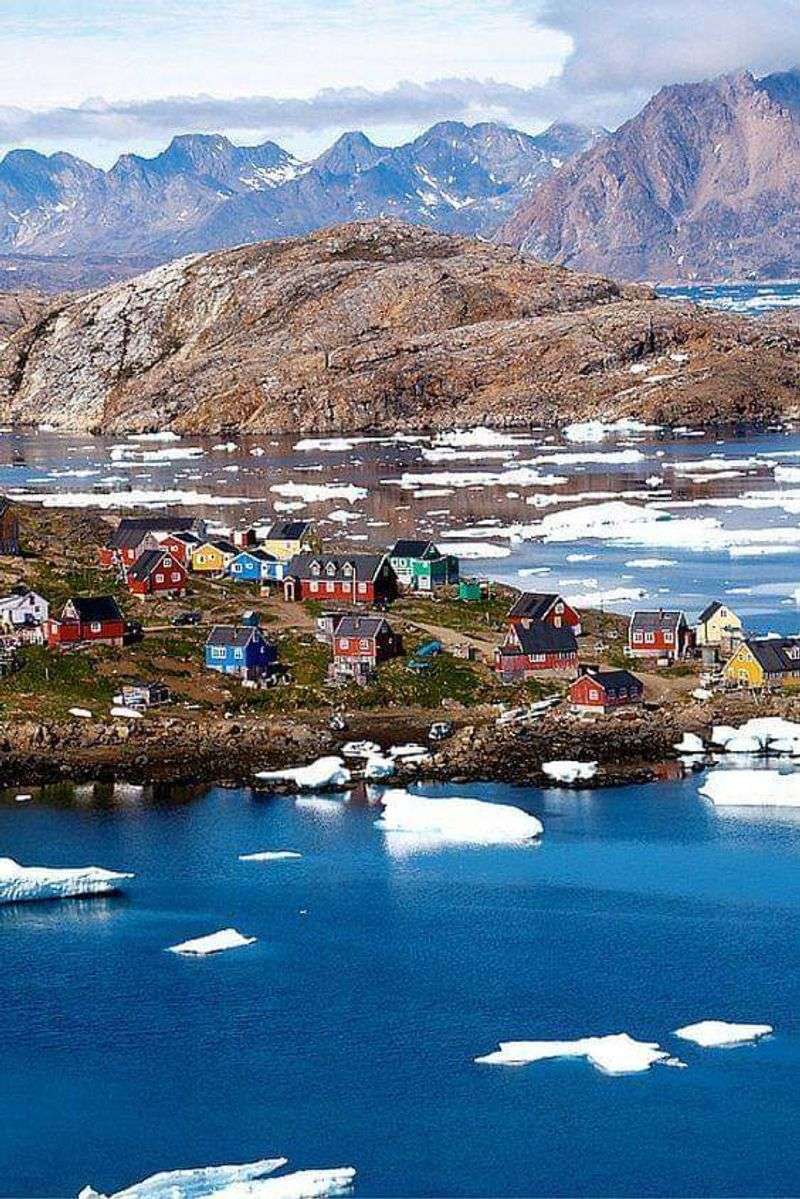
With fewer than 300 residents, Kulusuk is one of the smallest and most remote communities in all of Greenland. Located on a small island off the eastern coast, this Inuit village can only be reached by helicopter or small propeller aircraft.
There are no roads connecting it to anywhere else, and the sea around it remains frozen for much of the year.
Life in Kulusuk revolves around hunting and fishing, traditions that have sustained the local Inuit population for thousands of years. Residents hunt seals, polar bears, and Arctic char, relying on skills passed down through generations.
The village has a small school and a church, but most other services require a trip to the larger town of Tasiilaq, still many miles away.
Day-trippers occasionally fly in from Iceland to experience the dramatic landscape of icebergs and glaciers. For the locals, though, this frozen world is simply home, and they would not trade it for anything.
11. Puerto Williams, Chile
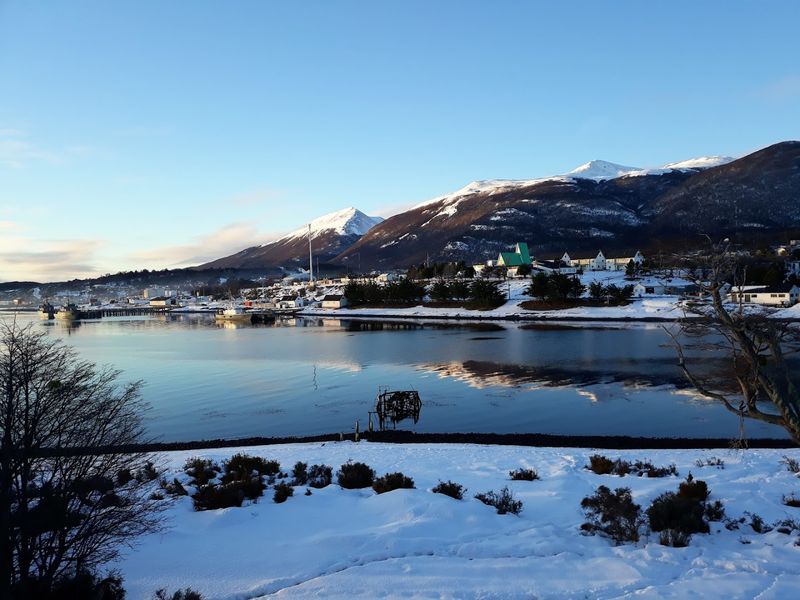
Sitting at the very southern tip of South America on Navarino Island, Puerto Williams is officially recognized as the southernmost city in the world. Around 2,500 people live here, mostly Chilean naval personnel and their families, along with a small indigenous Yahgan community.
The Beagle Channel, famous for Charles Darwin’s 19th-century voyage, runs just north of town.
Getting to Puerto Williams is not straightforward. Visitors can take a two-hour flight from Punta Arenas or a two-day ferry ride through the stunning fjords of Chilean Patagonia.
The town itself is small but functional, with a museum dedicated to the Yahgan people, a supermarket, and a few restaurants. Weather here is famously unpredictable, with fierce winds arriving without warning.
The surrounding wilderness is extraordinary, drawing sailors and trekkers from around the world who use Puerto Williams as a gateway to Cape Horn. It is a place where civilization and the wild edge of the Earth shake hands.
12. Tuktoyaktuk, Northwest Territories, Canada
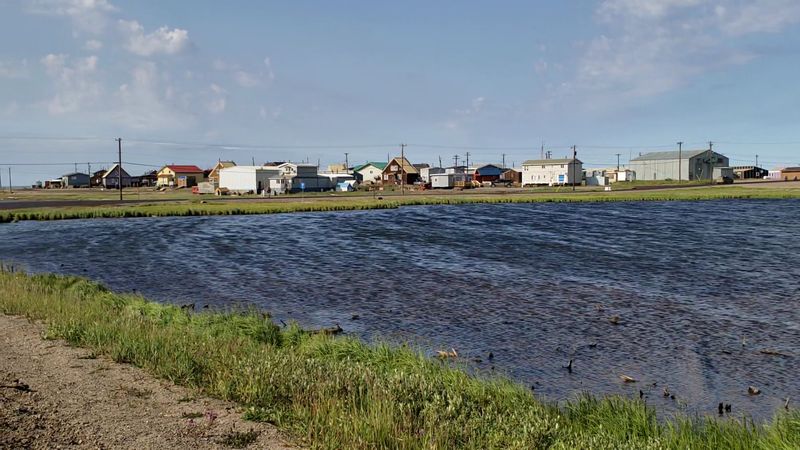
For most of its history, Tuktoyaktuk was only reachable by air or by an ice road that formed across the frozen tundra each winter. Then in 2017, an all-season highway finally connected this remote Arctic community to the rest of Canada’s road network, a moment that locals described as both exciting and bittersweet.
The drive from Inuvik still takes about two hours on a gravel road through barren tundra.
About 900 Inuvialuit people call Tuktoyaktuk home, living on the shore of the Beaufort Sea just a few hundred miles from the North Pole. The landscape is dotted with pingos, which are ice-cored hills unique to permafrost regions, and several of them are protected as a national landmark.
Hunting beluga whales and caribou remains central to the local culture and food supply.
Permafrost thaw caused by climate change is gradually eroding the coastline, threatening homes and infrastructure. Tuktoyaktuk is on the front lines of one of the world’s most urgent environmental challenges.
13. Norilsk, Russia
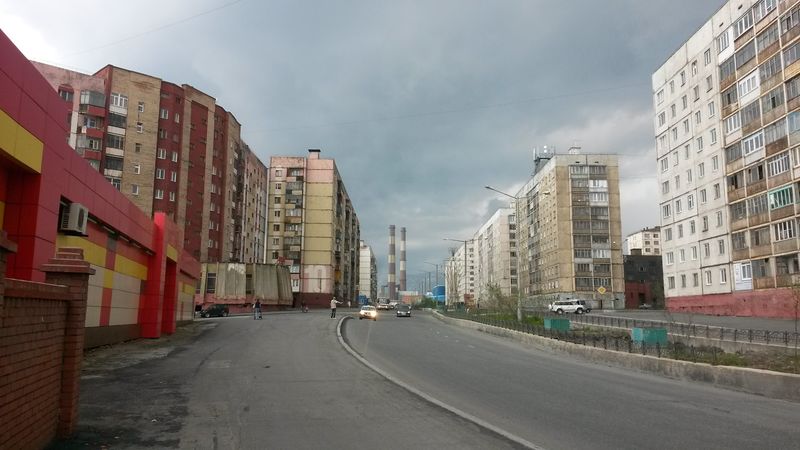
Built by Soviet forced laborers in the 1930s, Norilsk is one of the most unusual cities on Earth. It sits above the Arctic Circle in Siberia and is home to about 170,000 people, making it one of the largest cities in the world’s far north.
Despite its size, Norilsk is completely cut off from Russia’s road network and can only be reached by plane or by river barge during the brief summer thaw.
The city was built around one of the world’s largest deposits of nickel, copper, and palladium, and the mining and smelting operations here are massive. Unfortunately, they also make Norilsk one of the most polluted cities on the planet.
Snow sometimes turns black, and the air quality is consistently poor enough to cause serious health concerns for residents.
Foreign visitors are not allowed without special permission from Russian authorities, adding another layer of mystery to this industrial giant hidden deep in the Siberian Arctic.
14. Adamstown, Pitcairn Island
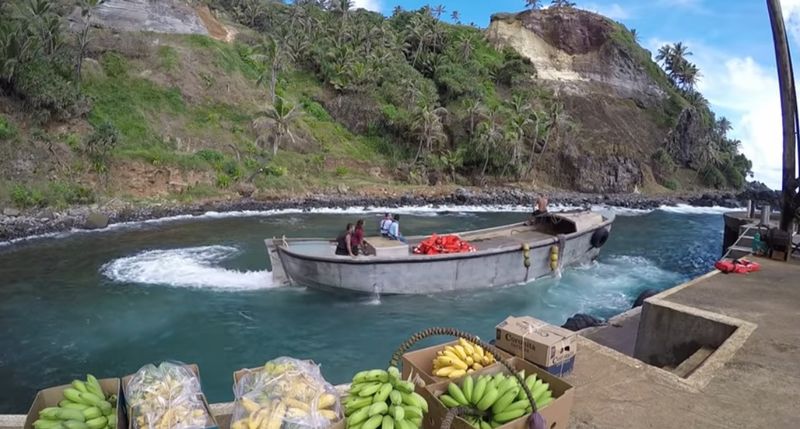
Adamstown holds a remarkable distinction: it is the capital of the least populous national jurisdiction on Earth. Pitcairn Island, a British Overseas Territory in the South Pacific, is home to fewer than 50 permanent residents, all descended from the Bounty mutineers and their Tahitian companions who settled here in 1790.
The story of the mutiny on the HMS Bounty is one of history’s most dramatic tales of rebellion and survival.
There is no airport on Pitcairn, and the nearest commercial flight route is in Tahiti, over 300 miles away. Supply ships visit only a few times a year, and residents row out in longboats to collect goods from the anchored vessels.
The island has no hotels, though visitors can arrange homestays with local families.
The community manages its own affairs with a mayor and a small local council. With so few people, everyone knows everyone, and cooperation is not optional but essential for survival on this tiny Pacific rock.
15. Alert, Nunavut, Canada
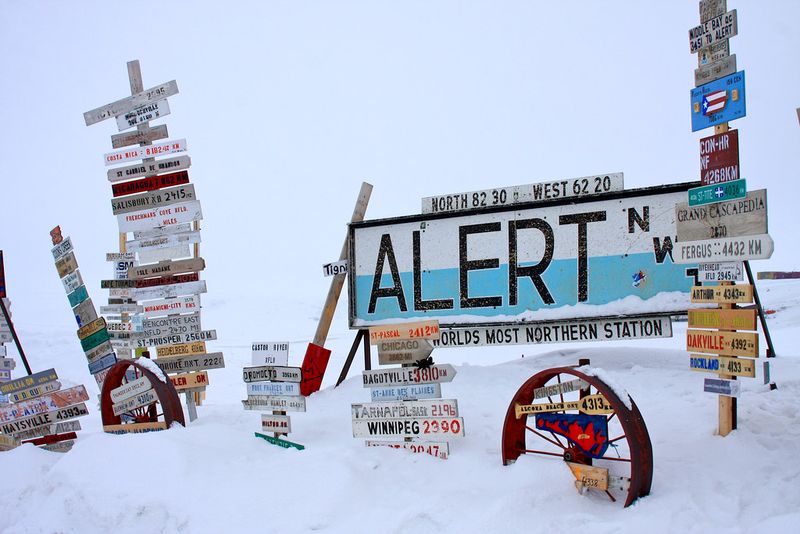
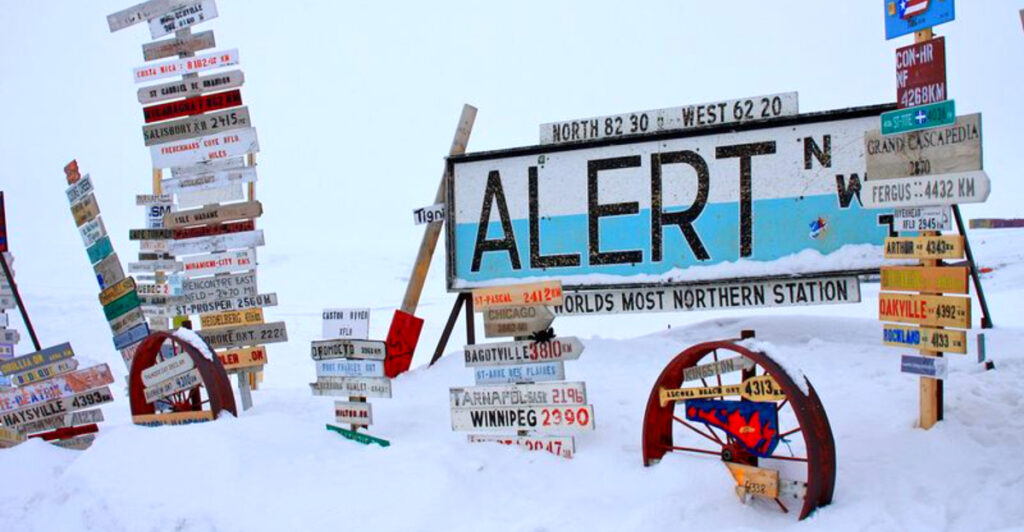
At 82 degrees north latitude, Alert is the northernmost permanently occupied place on Earth. Located on the northern tip of Ellesmere Island in Canada’s Nunavut territory, it sits just 817 kilometers from the North Pole.
No civilian community exists here; instead, Alert is home to a rotating group of Canadian military signals intelligence personnel and scientific researchers, typically numbering around 60 people at any given time.
The station was established in 1950 during the Cold War as a way to monitor Soviet communications across the Arctic. Today it continues to serve military and meteorological purposes.
The sun does not rise here for five months of the year, and temperatures regularly plunge below minus 40 degrees Celsius during the long polar night.
Supply runs happen by military aircraft from Thule Air Base in Greenland or from southern Canada. The isolation here is total and intentional.
Alert exists not because it is easy to live there, but because its strategic location makes it absolutely necessary.
Share this story