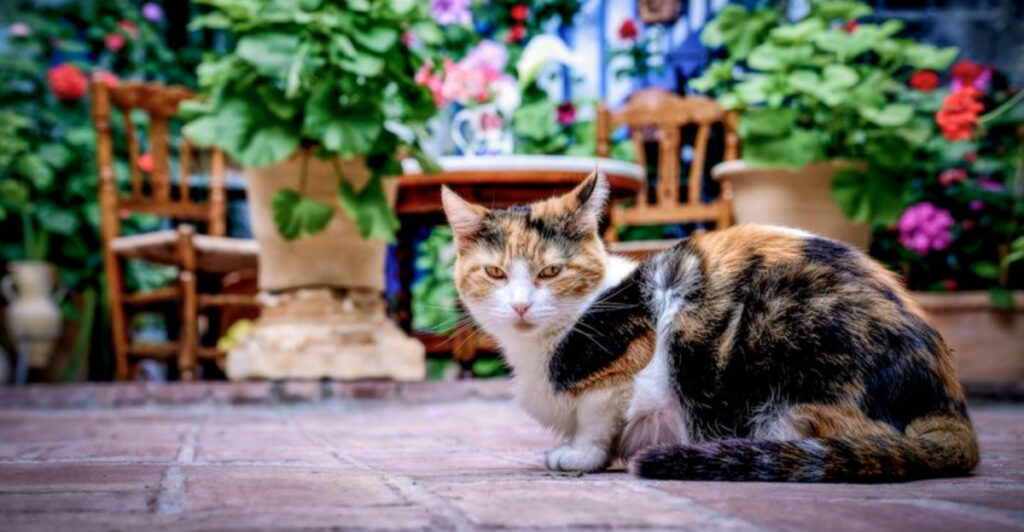
Cats have been living alongside humans for thousands of years, and today they are among the most popular pets on the planet. From cozy apartments in Tokyo to sprawling homes in Texas, millions of families choose cats as their furry companions.
Some countries have taken their love of cats to a whole new level, with tens of millions of pet cats calling those places home. Here is a look at the 15 countries with the largest pet cat populations in the world.
1. United States

No country on Earth comes close to the sheer number of pet cats living in the United States. With roughly 74 million cats kept as pets, Americans have made it clear that felines hold a very special place in their hearts and homes.
Cat ownership in the U.S. spans every state, from rural farmhouses to big-city studios. Many households own more than one cat, which helps push the total number so high.
Cats are popular partly because they adapt well to different living spaces and tend to be lower-maintenance than dogs.
American cats also enjoy a booming industry of food, toys, and healthcare products made just for them. The pet care market in the U.S. is worth billions of dollars annually, and cats are a huge part of that growth.
It is safe to say cats are a cornerstone of American pet culture.
2. China

China has experienced a remarkable surge in pet cat ownership over the past two decades. Today, the country is home to an estimated 70 million pet cats, making it the second-largest cat-owning nation in the world by a very slim margin.
As China’s middle class has grown, so has the desire to keep pets. Younger generations in cities like Shanghai and Beijing have embraced cats as ideal companions for busy urban lifestyles.
Cats fit well into smaller apartments and do not require outdoor walks, which suits city living perfectly.
The Chinese pet industry has exploded alongside this trend. Premium cat food brands, veterinary clinics, and even cat cafes have multiplied rapidly across major Chinese cities.
Social media platforms in China are filled with viral cat videos and celebrity feline accounts, reflecting just how deeply cats have embedded themselves in modern Chinese culture.
3. Brazil
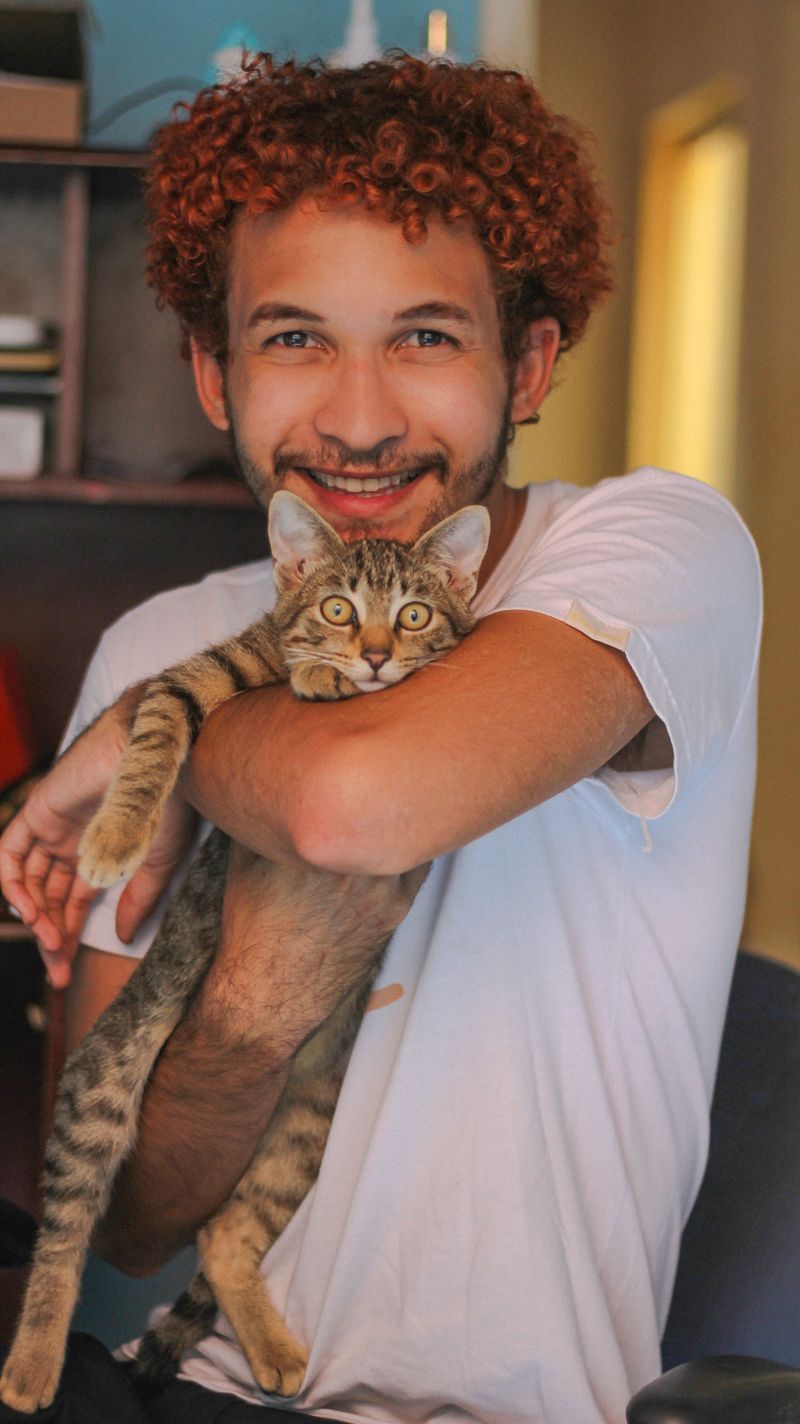
Brazil rounds out the top three with an impressive population of around 30 million pet cats. Brazilians have a warm, expressive culture, and that warmth extends to the animals they welcome into their homes.
Cat ownership has been rising steadily across Brazil, especially in urban centers like Sao Paulo and Rio de Janeiro. Many Brazilian families view their cats as full members of the household, often sharing meals, bedrooms, and daily routines with them.
This close bond reflects a broader Latin American tradition of treating pets like family.
Brazil also has a growing pet care industry that caters specifically to cats, including specialty foods, grooming services, and veterinary care. Animal welfare organizations in the country have worked hard to promote responsible cat ownership and spaying or neutering programs.
The combination of cultural affection and industry growth has helped Brazil secure its place among the world’s top cat-owning nations.
4. Russia
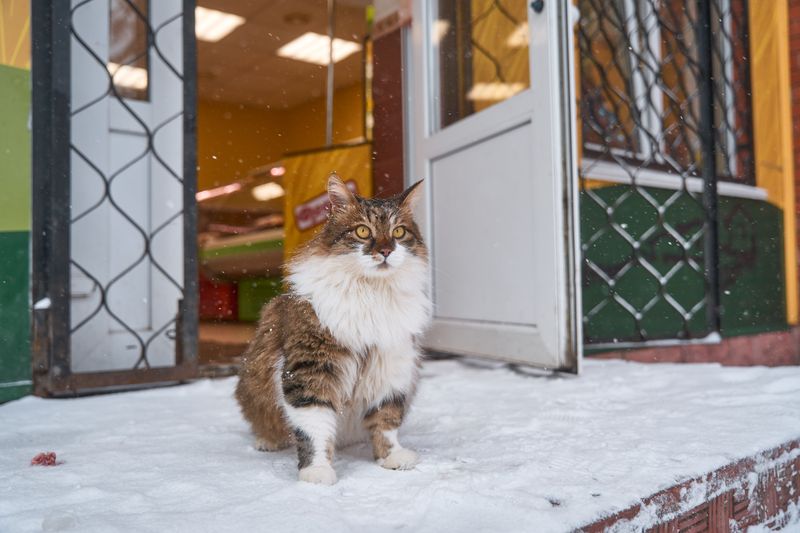
Russia has a long and storied relationship with cats, and it shows in the numbers. Around 23 million pet cats live in Russian homes, making it the fourth-largest cat-owning country in the world.
Cats have been cherished in Russian culture for centuries. The famous Hermitage Museum in Saint Petersburg even maintains a colony of cats that have lived there since the 18th century, tasked with protecting the art from rodents.
This historical connection reflects how deeply cats are woven into Russian life.
The Siberian cat, one of the most beloved and hypoallergenic breeds in the world, actually originates from Russia. Many Russian families prefer large, sturdy breeds that can handle the cold climate.
Despite economic challenges over the years, Russians have consistently prioritized caring for their pets, and cats remain one of the most popular animal companions across the country.
5. Germany
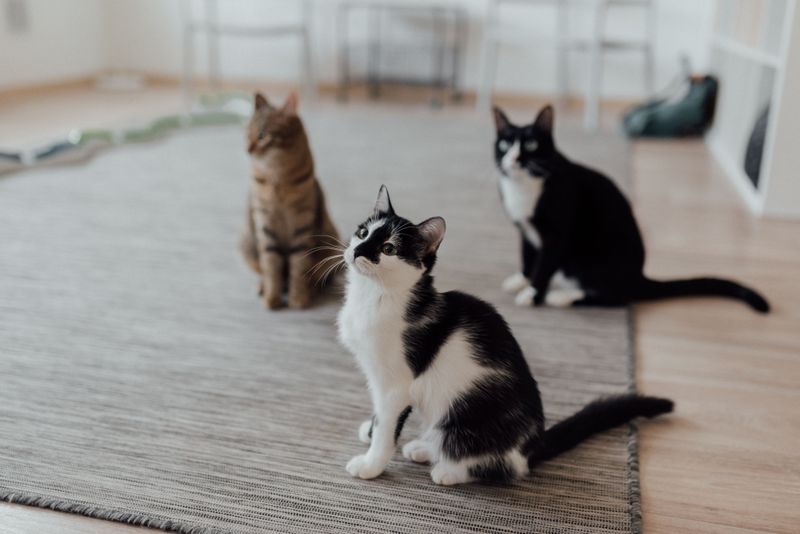
Germany shares the fifth spot on this list with France, each home to roughly 16 million pet cats. For a country known for its efficiency and order, it might be surprising to learn just how many Germans have embraced the unpredictable charm of a cat.
German pet owners tend to be very responsible, with high rates of veterinary visits, vaccinations, and microchipping among cat owners. Animal welfare laws in Germany are among the strictest in Europe, which means cats in the country generally enjoy a high standard of care and protection.
Cats are especially popular among city dwellers in Berlin, Munich, and Hamburg, where apartment living makes dogs less practical. Many Germans also appreciate the independent personality of cats, which fits well with a culture that values self-sufficiency.
Germany’s cat food and pet supply market is thriving, with a wide range of premium products available for feline companions.
6. France
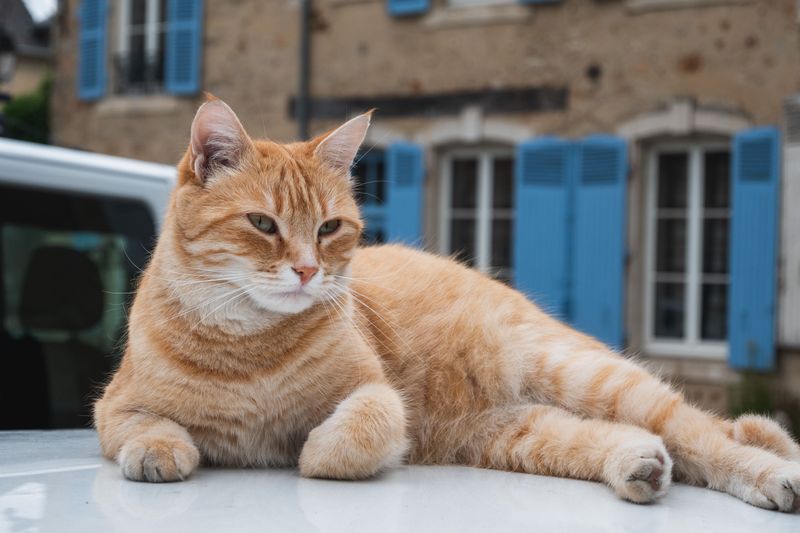
France ties with Germany at around 16 million pet cats, and the French relationship with felines has a certain elegance to it. Cats have long been admired in French art, literature, and daily life, with a reputation for matching the independent and sophisticated spirit that many associate with French culture.
French cat owners are known for treating their pets with great care. High-quality cat food, regular vet checkups, and even feline-specific insurance plans are common in France.
Cats are allowed in many French apartments, and landlords are generally more accepting of cat-owning tenants compared to dog owners.
Paris in particular has a rich cat culture, with cat-themed bookshops, cafes, and art galleries celebrating felines throughout the city. French animal protection organizations also play an active role in managing stray cat populations and promoting adoption.
Clearly, cats hold a cherished and enduring place in French society.
7. United Kingdom
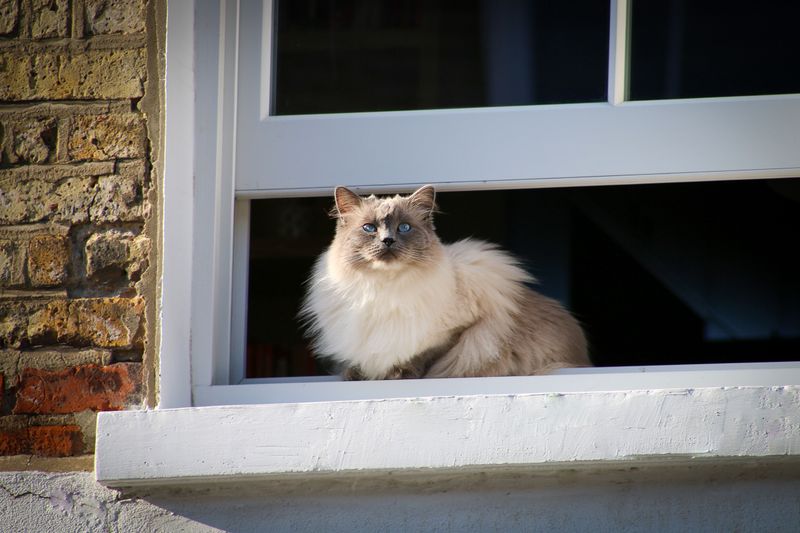
Britain and cats go together like tea and biscuits. The United Kingdom is home to approximately 12 million pet cats, and British culture has a long, affectionate history with felines that stretches back hundreds of years.
Perhaps no example captures this better than Downing Street’s official Chief Mouser, a cat who lives and works at the UK Prime Minister’s residence. The position has been held by various cats over the decades, showing just how seriously the British take their feline companions even at the highest levels of government.
In British homes, cats are often seen as the perfect housemates. They are independent enough to be left alone during the workday but affectionate enough to curl up on the sofa in the evenings.
The UK also has a strong network of animal charities, including Cats Protection, which works tirelessly to rehome and care for cats across the country.
8. Italy

Italy is famous for its art, food, and history, but it also has a deep affection for cats. Around 10 million pet cats live in Italian homes, and countless more roam freely in the country’s historic cities and towns.
Rome is particularly well known for its colonies of free-roaming cats that live among ancient ruins like the Colosseum and the Forum. These cats are protected by Italian law as part of the city’s cultural heritage, and volunteer groups called gattare, meaning cat ladies, care for them daily.
Inside Italian homes, cats are pampered and loved. Italian families tend to be very food-oriented, and that extends to their cats, with many owners preparing fresh food for their pets rather than relying solely on commercial products.
Italy’s pet industry is growing, and cats are at the center of that expansion, reflecting a culture that truly values la dolce vita for all its residents, furry or otherwise.
9. Japan

Japan’s relationship with cats borders on legendary. With around 9 million pet cats, Japan has turned feline admiration into a full-blown cultural phenomenon that extends far beyond the home.
Cat cafes, where visitors pay to enjoy a drink while spending time with resident cats, were invented in Japan and have spread worldwide. The famous Lucky Cat figurine, known as Maneki-neko, is a Japanese symbol of good fortune found in shops and homes across the country.
Even the beloved cartoon character Hello Kitty is a product of Japan’s deep affection for all things cat-related.
Japanese cat owners are known for being exceptionally attentive and caring. Many treat their cats like children, buying them premium food, stylish accessories, and regular veterinary care.
Urban living in cities like Tokyo makes cats a practical choice, and their calming presence is valued in a society that often deals with high levels of daily stress.
10. Canada

Canada matches Japan with approximately 9 million pet cats, and Canadians have proven to be some of the most devoted cat owners in the world. Across provinces from British Columbia to Nova Scotia, cats are a beloved fixture in millions of households.
Canada’s cold winters may actually help explain the popularity of cats as pets. They are warm, cozy companions that do not need to be walked in freezing temperatures, making them especially appealing during long winter months.
Canadian families in both urban and rural settings have embraced cats for their adaptability and easygoing personalities.
Canada is also home to a strong animal welfare culture. Organizations like the Canadian Federation of Humane Societies advocate for responsible pet ownership, including spaying, neutering, and adopting from shelters rather than buying from breeders.
This commitment to ethical pet ownership has helped maintain a healthy and well-cared-for cat population across the country.
11. Poland
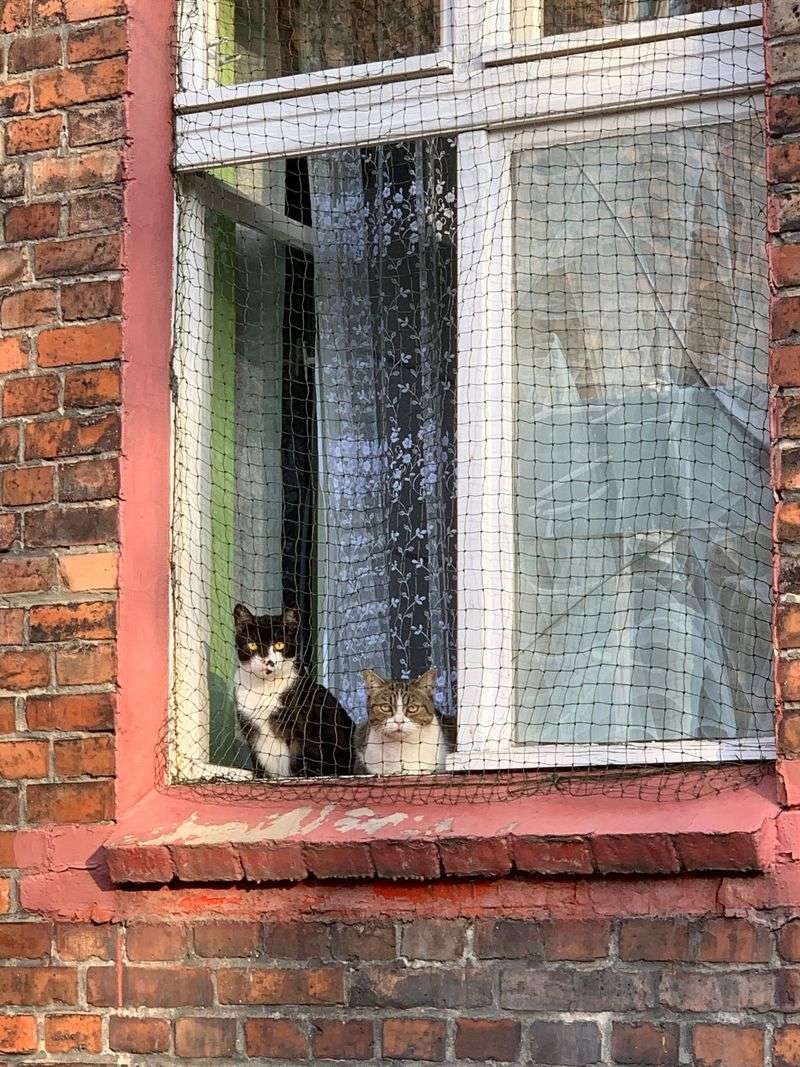
Poland may not be the first country that comes to mind when thinking about cat lovers, but with around 7 million pet cats, it has earned its spot on this list. Cat ownership in Poland has grown significantly over the past decade, driven by changing lifestyles and a younger generation that sees pets as essential companions.
Polish city dwellers, particularly in Warsaw and Krakow, have embraced cats as ideal apartment animals. As more young Poles live alone or in smaller households, cats have become popular for the companionship they offer without requiring a large living space or constant attention.
Poland also has an active community of animal rescue organizations and cat shelters that work to reduce the number of stray cats on the streets. Social media has played a big role in promoting cat adoption, with viral stories of rescued cats finding loving homes capturing the hearts of Poles across the country.
12. Ukraine
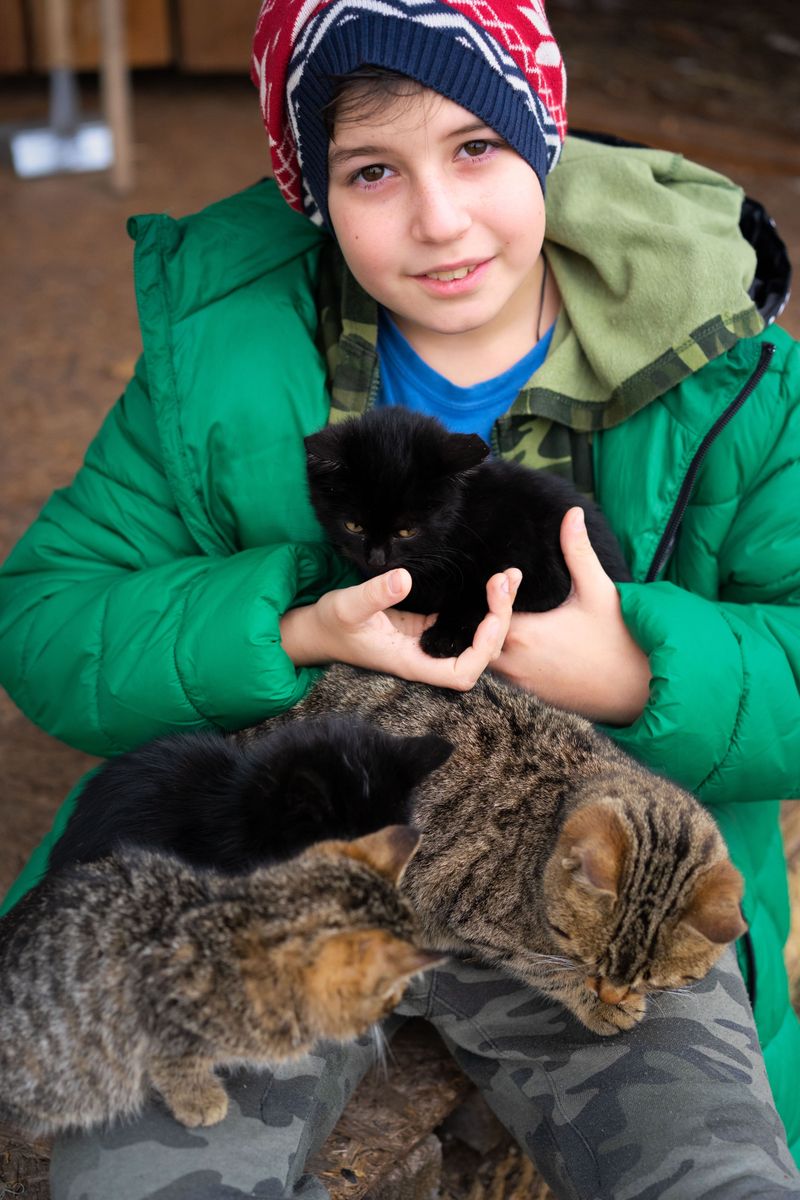
Ukraine shares the 7 million cat mark with Poland, though it is important to note that these figures come from estimates made before 2022. The ongoing conflict in Ukraine has caused significant displacement of both people and animals, making current numbers uncertain and difficult to track.
Before the conflict, cats were deeply embedded in Ukrainian home life. Many Ukrainian families kept cats both indoors and in rural settings where they helped control rodent populations.
The bond between Ukrainians and their animals is strong, and heartbreaking stories of people refusing to evacuate without their cats have emerged throughout the crisis.
Animal rescue organizations from around the world have worked to help evacuate and rehome cats and other pets displaced by the conflict. Despite the uncertainty surrounding current cat population numbers, one thing is clear: Ukrainians share a genuine and lasting love for their feline companions that no crisis can diminish.
13. Australia
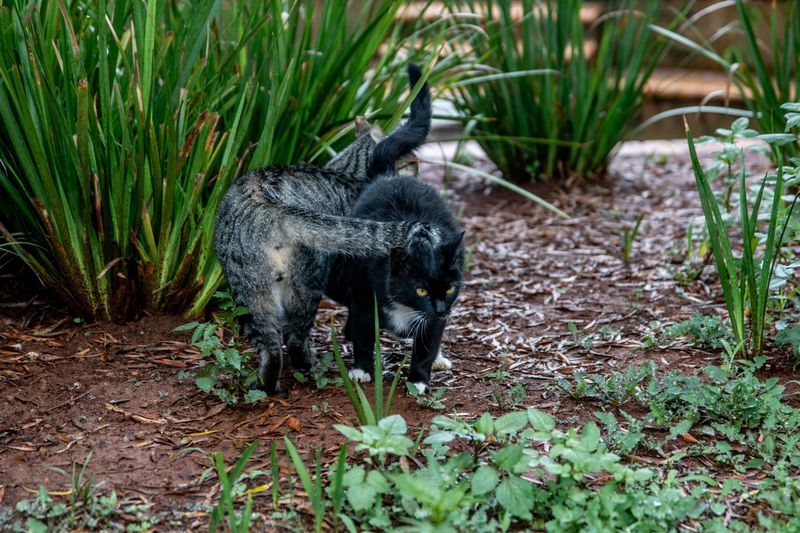
Australia is home to roughly 5 million pet cats, but the country’s relationship with felines is more complicated than in most other nations on this list. While Australians clearly love their cats, the country also faces serious environmental challenges related to cat predation on native wildlife.
Australia has some of the most unique and fragile ecosystems on Earth, and feral cats pose a significant threat to native birds, reptiles, and small mammals. Because of this, Australian authorities have introduced some of the world’s strictest regulations around cat ownership, including mandatory microchipping, curfews, and in some areas, requirements that cats be kept indoors at all times.
Responsible pet ownership is a major focus of Australian animal welfare campaigns. Many Australian cat owners have embraced the idea of keeping their cats indoors or in enclosed outdoor spaces called catios.
This approach allows people to enjoy the company of a cat while protecting the remarkable wildlife that makes Australia so special.
14. Mexico
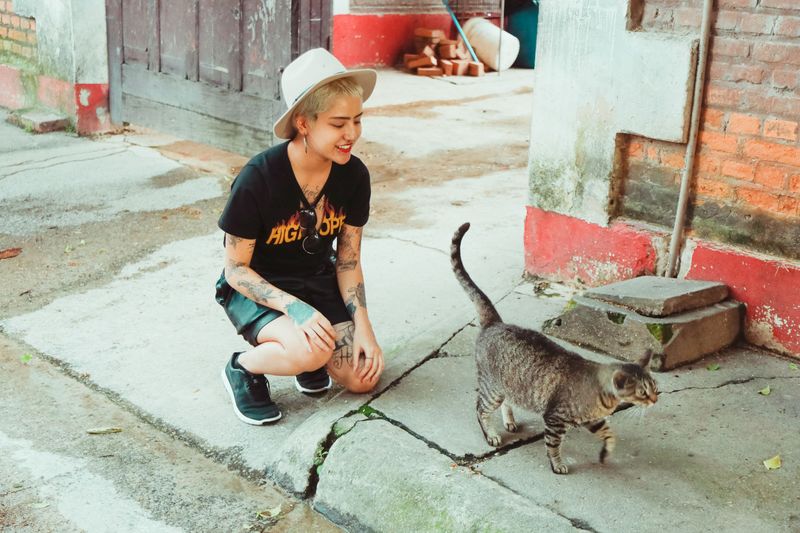
Mexico ties with Australia at approximately 5 million pet cats, and the country’s love of animals is deeply rooted in its rich cultural traditions. From ancient Aztec civilizations that revered animals to modern Mexican families who pamper their pets, the bond between Mexicans and their cats runs deep.
Cat ownership in Mexico is growing, particularly among younger urban residents in cities like Mexico City, Guadalajara, and Monterrey. As more people move into apartments and smaller living spaces, cats have become a natural fit.
They are low-cost to maintain compared to dogs and adapt easily to indoor environments.
Mexican street cats, known locally as gatos callejeros, are a common sight in many cities and towns. Community members often feed and care for these strays informally, reflecting a broader cultural attitude of compassion toward animals.
Animal welfare groups in Mexico are working to promote adoption and reduce the number of homeless cats through education and spay-neuter programs.
15. Spain
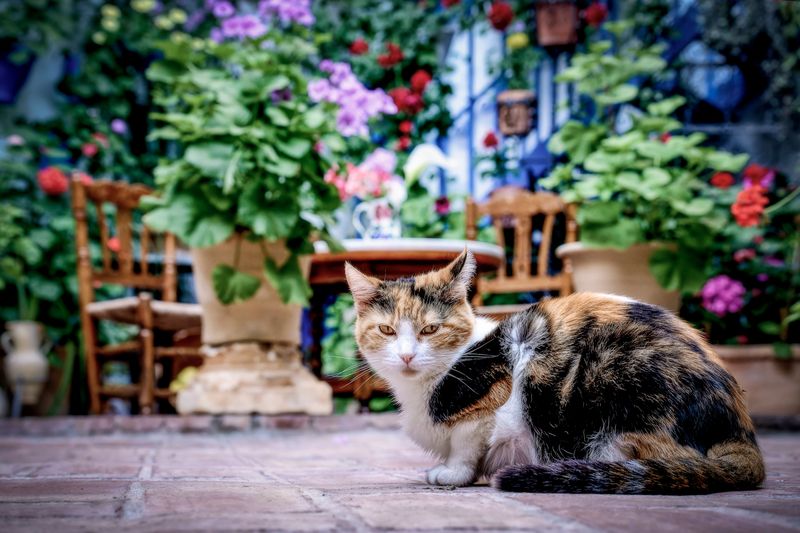
Rounding out the list is Spain, with around 4 million pet cats. While this number is smaller than others on the list, it reflects a growing and passionate cat-owning culture that has been expanding steadily in recent years.
Spanish cities like Barcelona and Madrid have seen a notable rise in cat ownership, especially among younger residents who appreciate cats as low-maintenance companions suited to busy urban schedules. Spain also has a tradition of community cat colonies, where groups of volunteers feed and provide basic care for stray cats living in public spaces.
Spanish animal welfare laws have been strengthened in recent years, with new legislation passed in 2023 recognizing animals as sentient beings and placing greater responsibilities on pet owners. This shift in legal status has raised awareness about responsible cat ownership across the country.
As attitudes toward animal welfare continue to evolve in Spain, the pet cat population is expected to grow even further in the coming years.
Share this story