There is a grand yellow mansion sitting quietly on the edge of Currituck Sound in North Carolina, and it holds more stories than most buildings twice its size. Built in the 1920s by a wealthy couple who refused to follow the rules of elite hunting clubs, this place has seen glamour, neglect, mystery, and a full-scale restoration that brought it back to life.
Today, visitors come for the daytime tours, the stunning waterfront views, and the architecture that feels almost too ornate for a coastal barrier island. But when the sun goes down and the tours turn spooky, the Whalehead Club takes on a whole different personality.
The Address, Location, and Setting of Whalehead Club
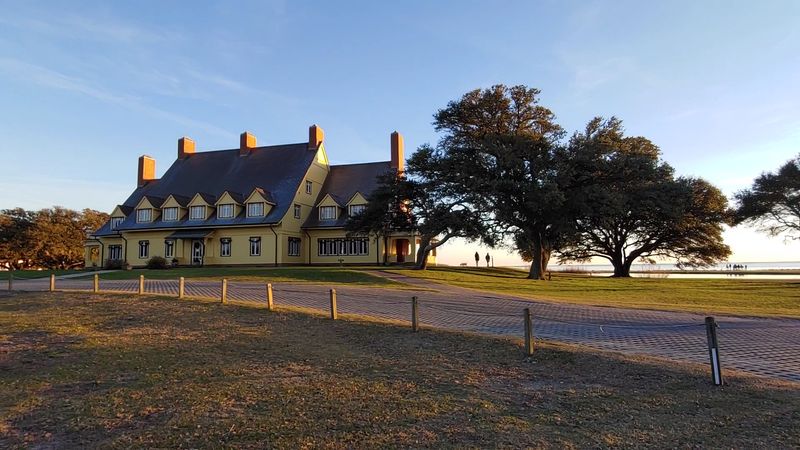
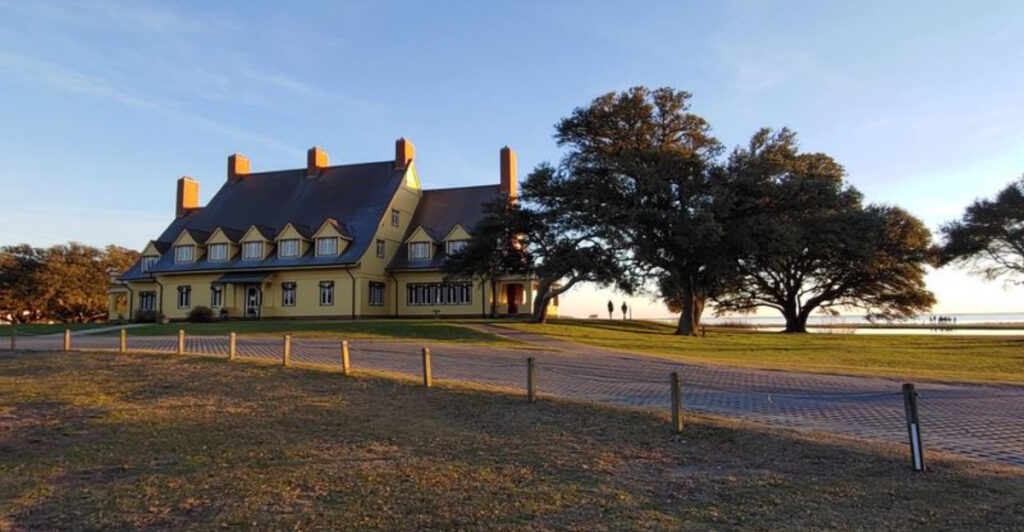
At 1100 Club Rd in Corolla, NC 27927, the Whalehead Club sits on the northern stretch of the Outer Banks, a barrier island region that most people associate with beach vacations rather than historic mansions.
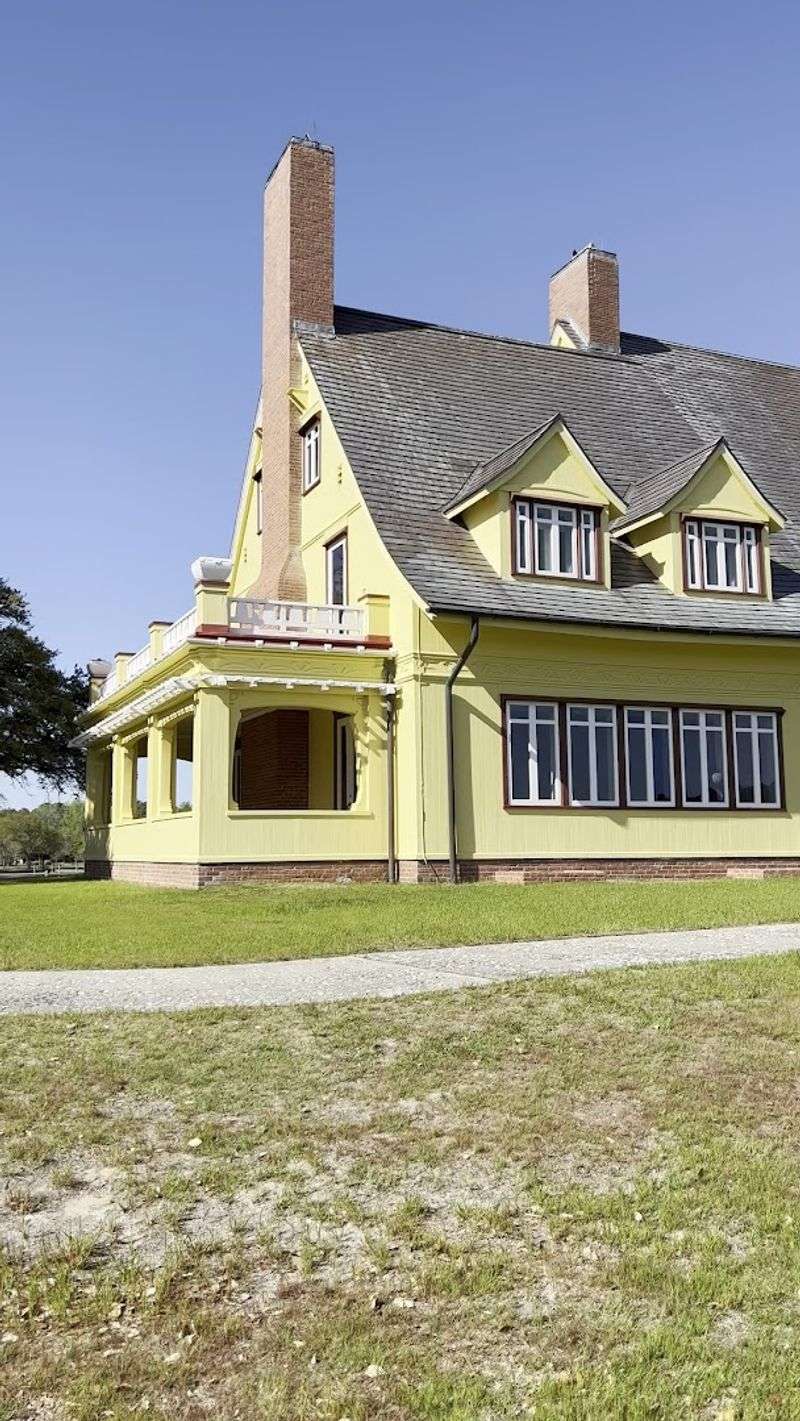
The building is hard to miss. Its bright yellow exterior, copper roof, and Art Nouveau details make it look like something transplanted from a European estate, not a coastal Carolina town with wild horses roaming nearby.
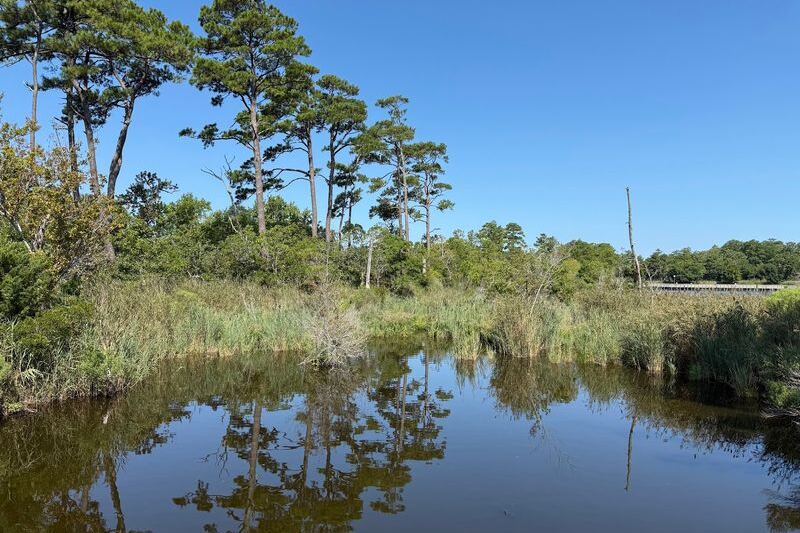
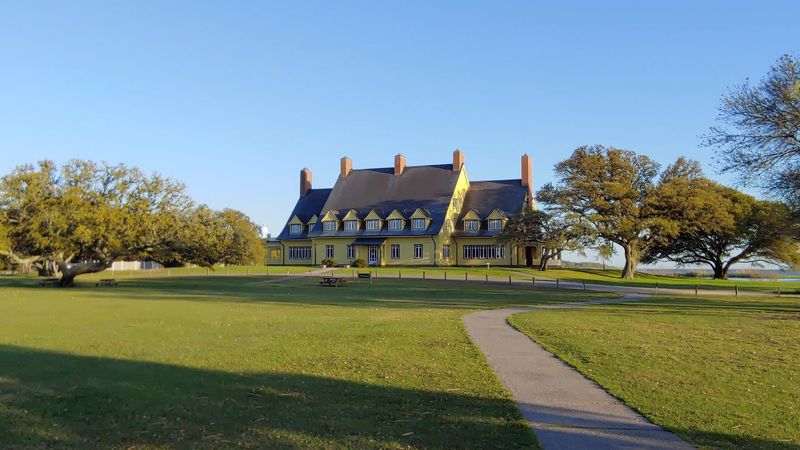
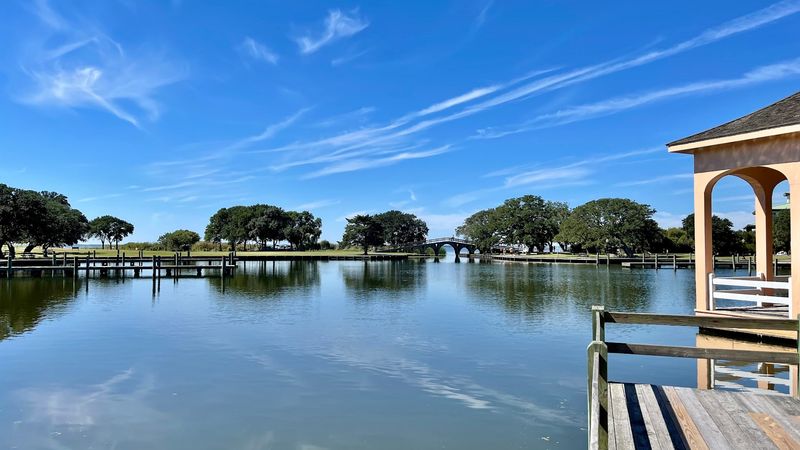
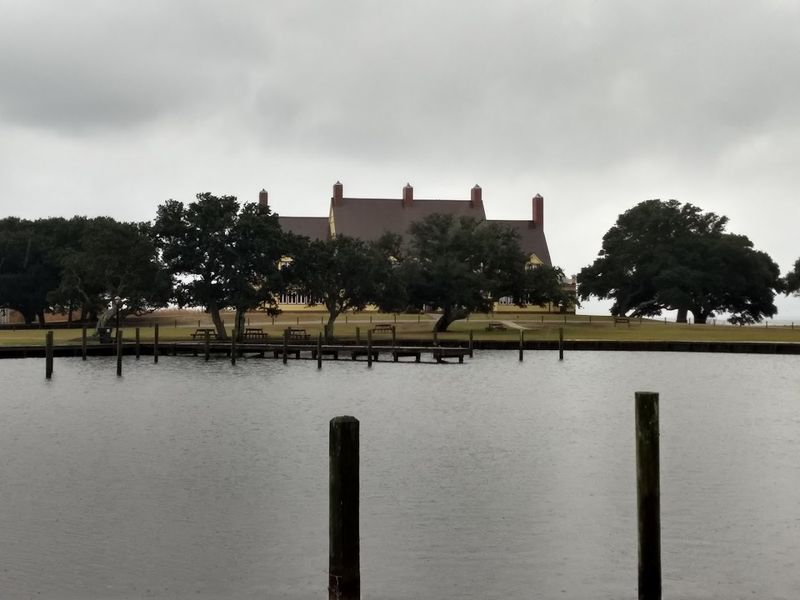
Currituck Sound stretches out behind the property, offering views that feel wide open and peaceful, especially during the golden hour before sunset. The grounds are part of Historic Corolla Park, which connects to the Currituck Beach Lighthouse and the Currituck Maritime Museum by boardwalks and pathways.
The whole area is walkable, which makes it easy to spend a full afternoon exploring without ever getting back in the car. The park itself draws birders, photographers, and history lovers in equal measure, and bald eagles have been spotted overhead on lucky days.
Reaching Corolla requires a drive up NC-12, and the remoteness of the location only adds to the sense that you are stepping somewhere genuinely off the beaten path.
The Story Behind the Mansion’s Construction
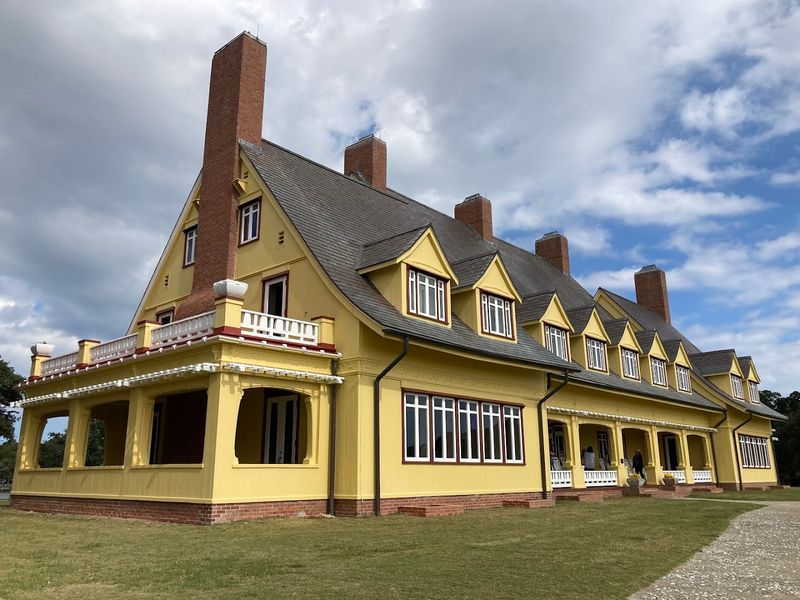
The Whalehead Club was built between 1922 and 1925 by Edward Collings Knight Jr., a Philadelphia industrialist, and his wife Marie-Louise LeBel Knight, a French-Canadian woman with a taste for the unconventional.
Marie-Louise had been turned away from the nearby Currituck Shooting Club because women were not allowed as members. Rather than accept that quietly, the Knights decided to build their own hunting and vacation retreat, and they spared absolutely no expense doing it.
The mansion cost an estimated $383,000 to construct, which translates to several million dollars by today’s standards. Every detail was chosen with care, from the cork flooring that muffled sound to the Tiffany-style light fixtures that gave each room a warm, amber glow.
The dining room is a particularly remarkable detail. It was originally part of the Knight family’s estate in Newport, Rhode Island, and was carefully disassembled and shipped south to be reassembled inside the Whalehead Club.
That level of commitment to personal taste and comfort says a great deal about who the Knights were. They did not build a hunting lodge; they built a full-scale luxury retreat that happened to sit on a remote barrier island.
The Architecture and Interior Design
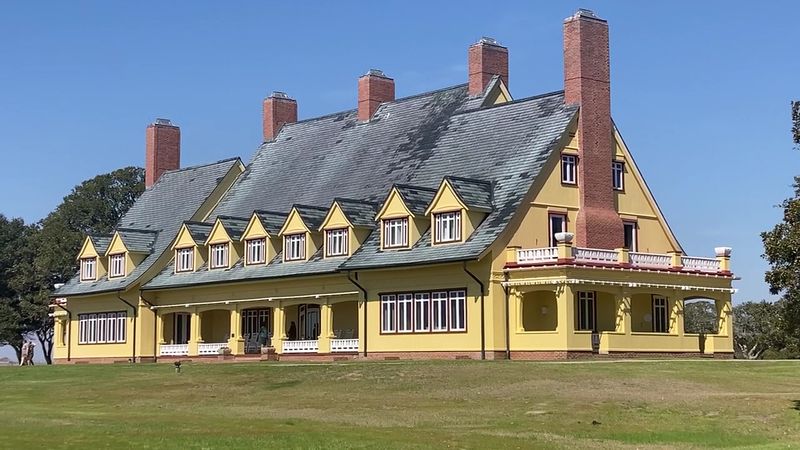
Few buildings on the Outer Banks come close to matching the Whalehead Club’s architectural personality. The style is Art Nouveau, which means organic curves, floral motifs, and an overall sense that the building grew rather than was constructed.
The copper roof has aged into a soft green patina that contrasts beautifully with the yellow stucco walls. Inside, the narrow hallways and low doorways give the home an intimate feel despite its large footprint across five floors including the basement and attic spaces.
Cork flooring runs through much of the house, originally installed to reduce noise so that guests could move quietly during early morning hunts. The Tiffany-style light fixtures are original and cast a warm, amber light that makes the interior feel like a living museum rather than a preserved relic.
The woodwork throughout the home is extraordinarily detailed, with hand-carved trim and built-in cabinetry that reflects the craftsmanship of the era. Photos are not permitted inside, which is frustrating for visitors but also keeps the focus on experiencing the space rather than documenting it.
Standing in the main hall, you get a strong sense that no corner was left unfinished and no detail was considered too small to perfect.
The Self-Guided Audio Tour Experience
The tour format at the Whalehead Club is a smart blend of self-paced exploration and structured guidance. Visitors follow a route through three floors of the home using iPad-based audio guides, which deliver information at each stop in a clear and engaging way.
Knowledgeable volunteers and staff are stationed throughout the home to answer questions and point out details that might otherwise be overlooked, like the original servant call box mounted on the wall or the electrical panel that can be opened to show the 1920s wiring system.
The tour covers the Knight family’s personal story, the mechanics of how the household operated, and the lives of the servants who kept everything running. That behind-the-scenes angle makes the experience feel more complete than a simple walk through pretty rooms.
The admission fee is modest, typically in the five to seven dollar range, which makes it one of the better value experiences on the Outer Banks. Plan for about an hour to move through the home at a comfortable pace without feeling rushed.
The tour is best suited for adults and older teens, as the no-touching and no-photography rules can be challenging for younger children who are naturally curious and energetic in new spaces.
The Ghost Tours After Dark
When the regular daytime tours close up and the last visitors head back to their rental cottages, the Whalehead Club takes on a completely different atmosphere. The after-hours ghost tours are what put this mansion on the radar for a whole new kind of traveler.
The tours are held seasonally and take small groups through the darkened rooms of the mansion, focusing on the strange events and unexplained occurrences that staff and visitors have reported over the years. The building’s long history of different uses, from a private retreat to a Coast Guard station to a boys rocket fuel research site, has layered it with stories that lend themselves naturally to a spooky retelling.
Guides are theatrical and well-prepared, mixing documented history with local legends in a way that keeps the energy high and the group engaged. The narrow hallways and dim lighting do most of the work on their own.
These tours are popular and tend to sell out, so booking ahead is strongly recommended. They are not designed to be terrifying in a horror movie sense, but rather atmospheric and entertaining, with enough genuine history to satisfy skeptics who prefer facts over fright.
The ghost tours have become the most talked-about seasonal offering at the property.
The Grounds, Park, and Surrounding Nature
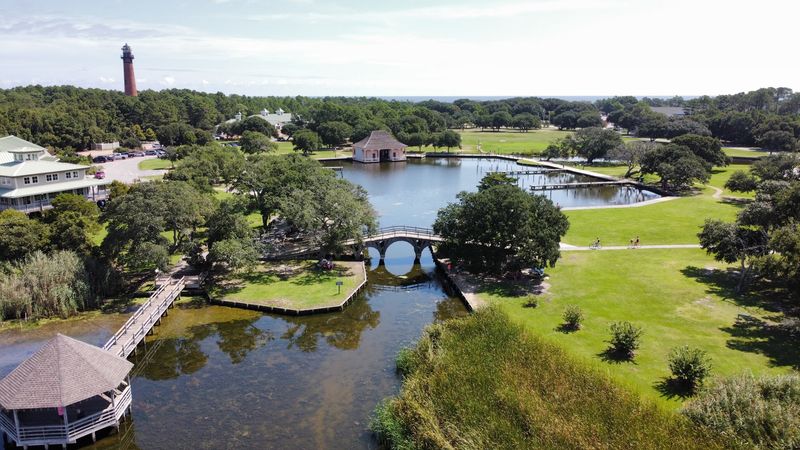
The Whalehead Club is surrounded by Historic Corolla Park, and the grounds alone are worth a visit even if you skip the indoor tour entirely. Wide open lawns stretch toward the sound, and the waterfront boardwalk offers some of the best unobstructed views on the northern Outer Banks.
Sunsets over Currituck Sound are genuinely spectacular here. The water reflects the orange and pink sky in a way that makes even the most casual photographer stop and reach for their phone.
The park is a strong spot for birdwatching, with herons, egrets, osprey, and the occasional bald eagle making appearances throughout the year. The flat, open landscape makes it easy to spot wildlife without needing binoculars, though they certainly help.
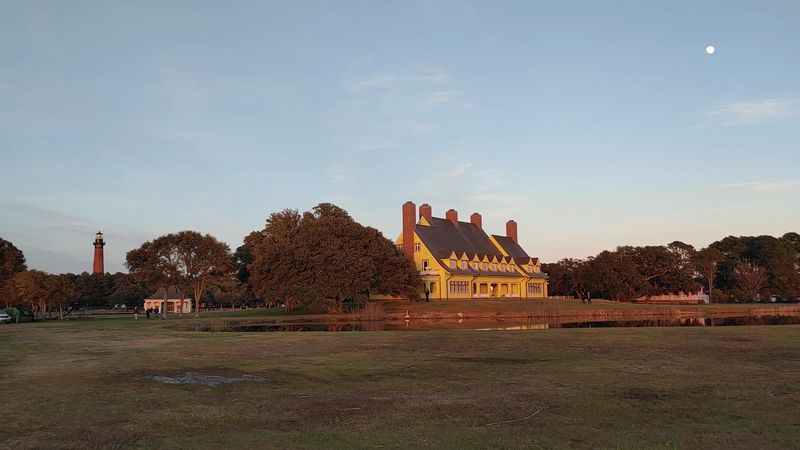
A network of boardwalks and pathways connects the Whalehead Club grounds to the Currituck Beach Lighthouse and the Maritime Museum, so a single afternoon can cover a surprising amount of history and scenery without much effort.
The area is clean and well-maintained, and the restrooms on the property have earned genuine praise for their cleanliness, which is a small but meaningful detail when you are spending a long afternoon outdoors.
The park is free to access even when the mansion itself is closed.
The Currituck Beach Lighthouse Next Door
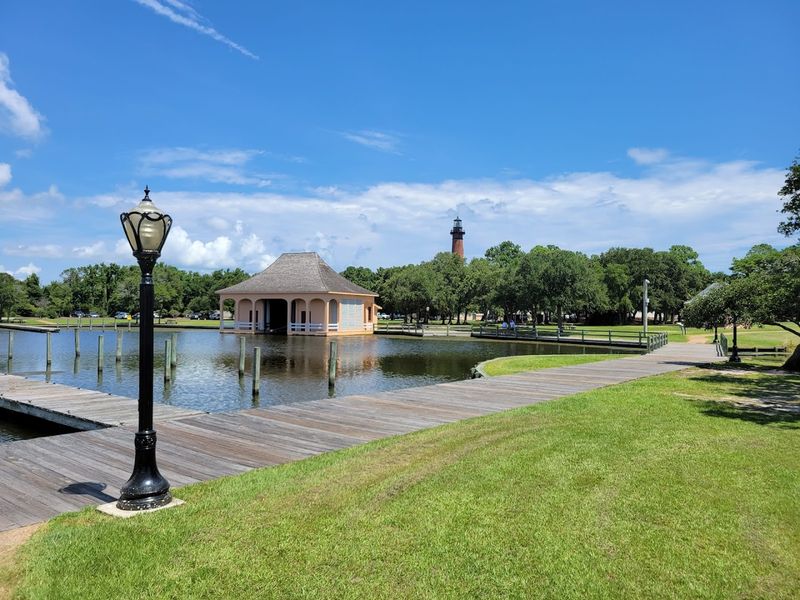
One of the best things about visiting the Whalehead Club is that you automatically get two major landmarks for the price of one afternoon. The Currituck Beach Lighthouse stands just a short walk away, its red brick tower rising above the surrounding trees in a way that is visible from the mansion’s grounds.
The lighthouse was completed in 1875 and remains an active aid to navigation. Visitors can climb its 214 steps to reach the top, where the views of the Outer Banks stretch in every direction, with the sound on one side and the Atlantic Ocean visible in the distance on the other.
The contrast between the two structures is part of what makes the visit memorable. The lighthouse is austere and functional, built for a single clear purpose, while the Whalehead Club is ornate and personal, built entirely around comfort and pleasure.
Together, they tell two very different stories about life on the Outer Banks in different eras and for very different kinds of people. Spending time at both in the same afternoon gives you a richer picture of the region’s history than either one could provide alone.
The lighthouse grounds are free to walk, and climbing fees are modest and well worth the effort for the panoramic payoff at the top.
The History of the Mansion After the Knights
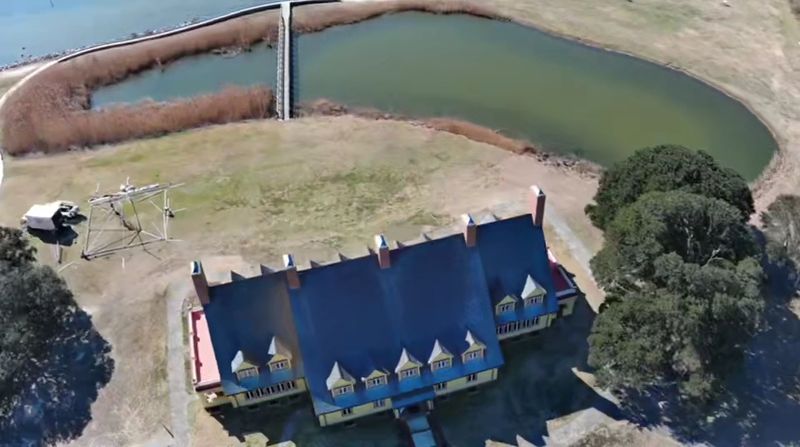
After Edward Knight passed away in 1936 and Marie-Louise sold the property in 1940, the Whalehead Club entered a long and complicated second chapter that almost ended in its permanent loss.
During World War II, the U.S. Coast Guard used the property as a station, filling the elegant rooms with military equipment and personnel.
After the war, it changed hands again and was used as a boys summer camp and later as a site for Atlantic Research Corporation, which conducted rocket fuel testing on the grounds during the 1950s and 1960s.
By the time the property was acquired by Currituck County in 1992, the building had fallen into serious disrepair after years of neglect and inconsistent use. The restoration project that followed was extensive and painstaking, with the goal of returning the mansion as closely as possible to its original 1920s appearance.
The county and local preservation groups invested significant resources to stabilize the structure, restore the original finishes, and source period-appropriate furnishings. The fact that so much of the original material survived, including the cork floors and light fixtures, made the restoration far more authentic than most comparable projects.
The reopened mansion stands as a testament to what a community can accomplish when it decides a piece of history is worth saving.
The Mansion as a Wedding and Event Venue
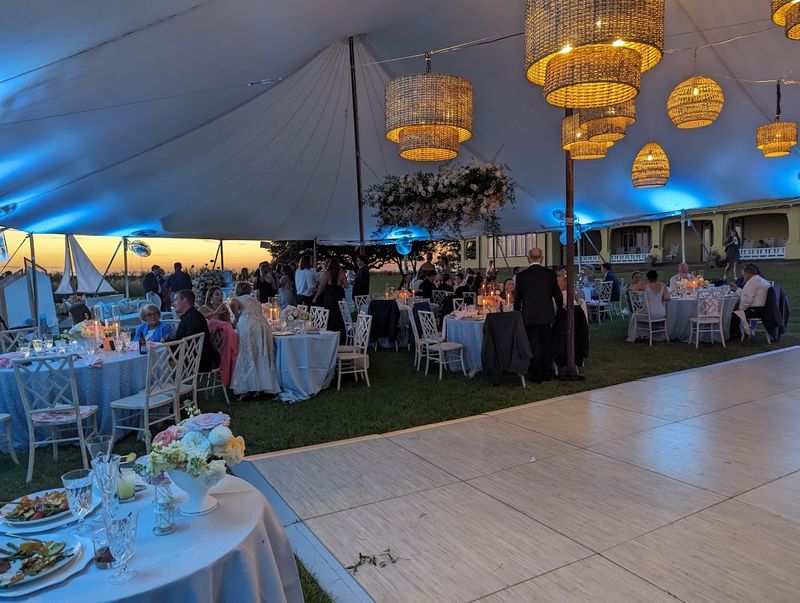
Beyond its role as a museum and tourist attraction, the Whalehead Club has carved out a strong reputation as one of the most photogenic wedding venues on the Outer Banks. The combination of the yellow mansion, the waterfront setting, and the manicured grounds creates a backdrop that is hard to replicate anywhere else in the region.
Events are typically held on the grounds rather than inside the mansion, which allows for large gatherings under a tent while keeping the historic interior protected. The property is spacious enough that ceremony and reception can both take place without guests needing to travel between locations.
The staff on site are consistently described as accommodating and professional, which matters enormously when coordinating a major event in a historic space with specific rules and restrictions. Couples who have held their weddings here frequently mention the sunset views as the highlight of the entire day.
The venue is also used for private events, corporate gatherings, and seasonal celebrations that take advantage of the dramatic setting. Signage for events could be clearer in certain areas of the grounds, which is worth keeping in mind if you are attending as a guest rather than an organizer.
Booking well in advance is essential, as popular dates fill up quickly given the venue’s strong word-of-mouth reputation.
Practical Tips for Planning Your Visit
Getting the most out of a visit to the Whalehead Club starts with checking the operating hours before you go. The mansion is open Wednesday through Thursday from 9 AM to 4 PM, and also Monday and Tuesday during the same hours, but it is closed on Friday, Saturday, and Sunday.
That schedule surprises many first-time visitors who assume a popular tourist attraction would be open on weekends. Calling ahead at +1 252-453-9040 or checking the website at northernouterbanks.com is the best way to confirm current hours and tour availability before making the drive.
Admission for the indoor tour runs approximately five to seven dollars, which is a reasonable price for the amount of history packed into a single visit. The grounds and park surrounding the mansion are free to access at any time, so even if the mansion itself is closed, the outdoor experience is still available.
Weekday mornings tend to be quieter, which makes for a more relaxed tour experience. If you plan to visit during a holiday week or summer season, arriving early in the day helps you avoid the larger afternoon crowds.
Comfortable walking shoes are a good call, since the grounds are expansive and the lighthouse climb next door adds extra steps to an already active afternoon.
What Makes the Interior Truly Unforgettable
There is a specific kind of quiet that settles over you when you walk through the Whalehead Club’s rooms, and it has everything to do with the density of detail surrounding you on all sides. Every surface seems to have been considered, from the hand-carved door frames to the built-in cabinetry that lines the walls of the main living areas.
The Tiffany-style light fixtures are a consistent highlight for visitors. They cast a warm, honeyed light that makes the rooms feel inhabited rather than preserved, as if the Knights simply stepped out for an afternoon and left everything exactly as it was.
The cork flooring is another sensory detail that catches people off guard. It is softer underfoot than wood, and the muffled sound it creates gives the interior a hushed, almost reverent quality that suits the space well.
The servant call box mounted near the kitchen area is one of the small details that tour guides point out with particular enthusiasm. It is a physical reminder of how the household actually functioned, with a full staff managing the day-to-day operations behind the scenes.
No photographs are allowed inside, which means the only way to truly experience this interior is to show up in person, which turns out to be the best reason of all to make the trip.
A Closing Thought on Why This Place Stays With You
Some places earn their reputation through spectacle, and some earn it through substance. The Whalehead Club in Corolla, NC manages to deliver both in a package that feels genuinely rare along the East Coast.
The daytime tours offer a layered, thoughtful look at 1920s wealth, domestic life, and the kind of personal defiance that builds a mansion on a remote barrier island just to prove a point. The ghost tours after dark offer something else entirely, a chance to experience the same dramatic spaces with a completely different emotional register.
The surrounding park, the waterfront views, the nearby lighthouse, and the carefully restored interior all reinforce the same central idea: this is a place that people fought hard to save, and the effort shows in every detail.
Whether you come for the history, the architecture, the spooky seasonal tours, or simply a quiet afternoon walk along the sound, the Whalehead Club rewards the visit in ways that are hard to fully anticipate before you arrive.
The yellow mansion on the edge of the water has outlasted neglect, multiple reinventions, and decades of uncertainty, and it is still here, still standing, still surprising people who thought they already knew what the Outer Banks had to offer.
Share this story