Planning your first trip to Europe can feel overwhelming, but some cities make the experience wonderfully easy. Excellent public transportation, walkable historic centers, friendly atmospheres, and plenty of iconic sights help first-time visitors feel comfortable while experiencing the best Europe has to offer.
Whether you’re traveling solo, with family, or as a couple, these cities are ideal introductions to the continent. Pack your bags and get ready for an adventure you’ll never forget.
London, England
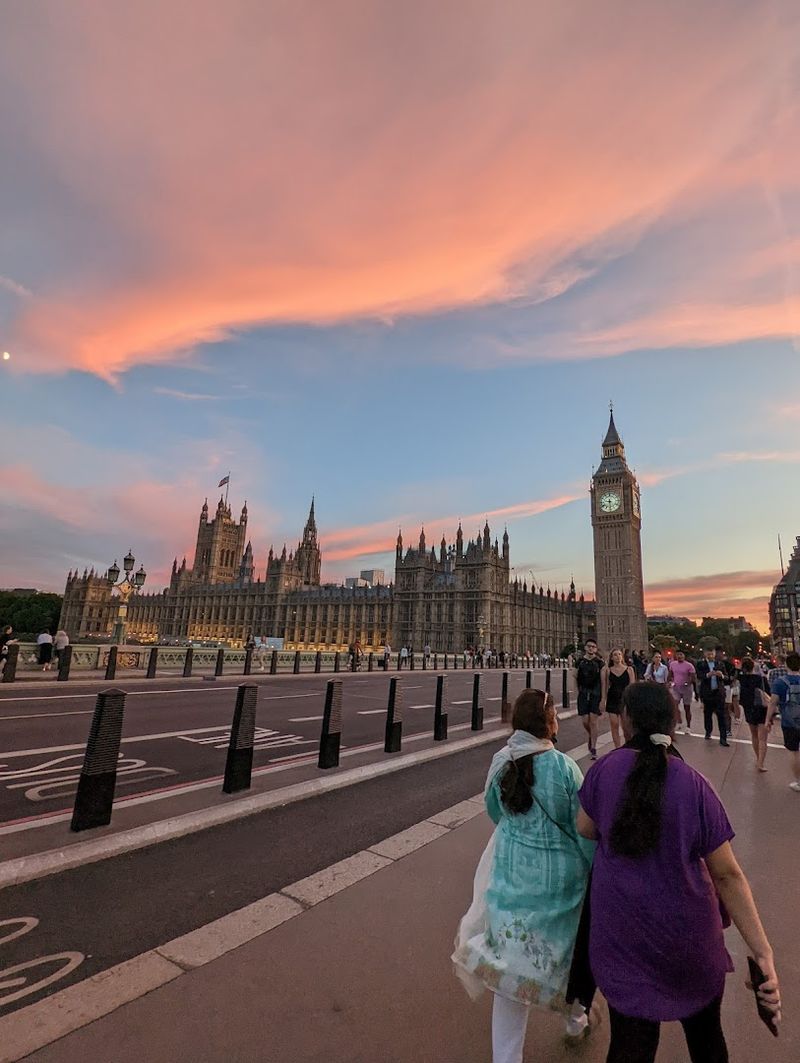
Every English-speaking traveler has a secret weapon in London: the language barrier simply doesn’t exist. You can hop on the famous red double-decker buses, read every sign, and chat with locals without missing a beat.
That alone takes a huge weight off any first-timer’s shoulders.
London’s top attractions are spread across the city but connected by the legendary Underground, nicknamed “the Tube.” Buckingham Palace, the Tower of London, Big Ben, and the British Museum are all within easy reach. Most of these landmarks are free or very affordable to visit.
Beyond the sights, London’s food scene has exploded in recent years. Borough Market is a brilliant spot to graze on street food from around the world.
The city’s neighborhoods each have their own personality, so even a week here won’t feel like enough. Don’t miss a stroll through Hyde Park on a sunny afternoon.
Paris, France
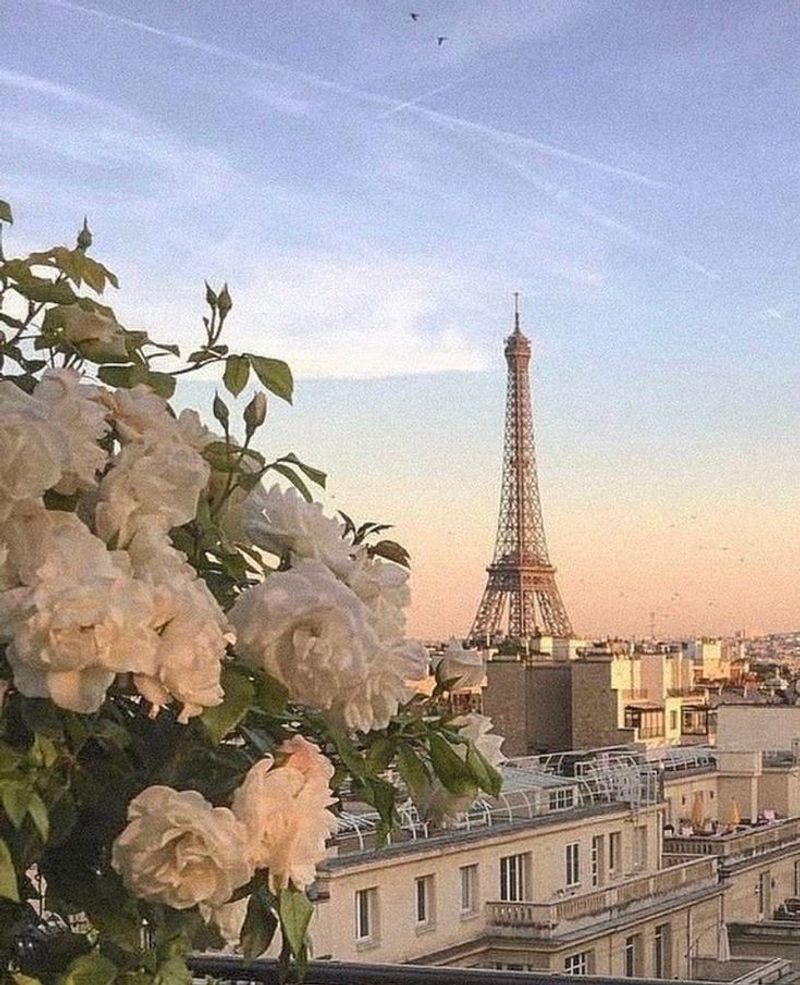
There’s a reason people have been dreaming about Paris for centuries. The city delivers on every expectation, from the shimmer of the Eiffel Tower at night to the smell of fresh croissants drifting out of a corner boulangerie.
Few cities on Earth match that kind of sensory magic.
Getting around is genuinely simple thanks to the Metro, one of the most extensive subway systems in the world. You can zip from the Louvre to Notre-Dame Cathedral to Montmartre in a single afternoon.
Pick up a carnet of Metro tickets and you’ll save money while moving like a local.
Paris rewards slow travelers too. Sitting at a sidewalk cafe with a coffee and watching the world go by is practically a sport here.
The Seine River cruise offers a relaxed way to see major landmarks from the water. First-timers often leave Paris already planning their return trip, which says everything you need to know.
Amsterdam, Netherlands
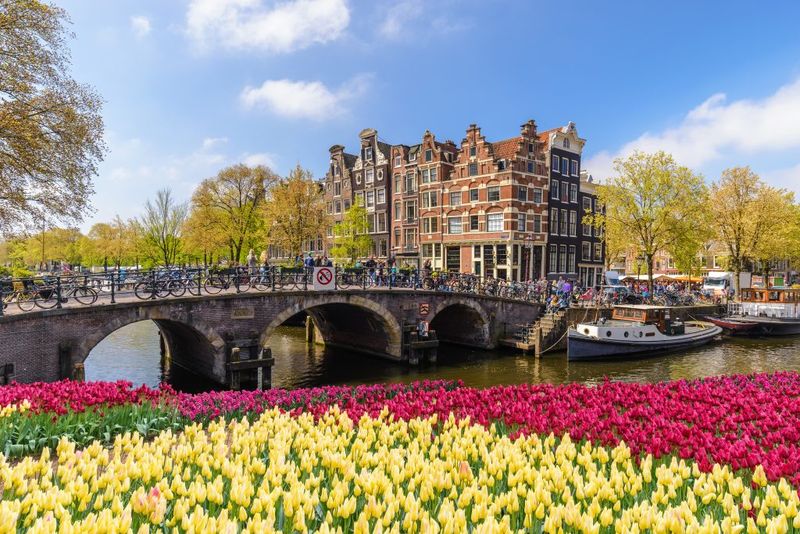
Bikes outnumber people in Amsterdam, and that tells you everything about how this city moves. The compact layout means most major attractions sit within a short ride or walk of each other.
First-time visitors are often amazed by how quickly they feel at home here.
The canal ring, a UNESCO World Heritage Site, is best explored on foot or by renting a bicycle for a few hours. You’ll pass charming houseboats, flower markets, and centuries-old gabled buildings that look straight out of a painting.
The Anne Frank House and the Rijksmuseum are must-visits that book up fast, so reserve tickets in advance.
Amsterdam’s locals are famously direct and speak excellent English, making communication effortless. The city also has a vibrant food scene, from Dutch stroopwafels at street stalls to Indonesian rijsttafel at cozy restaurants.
Evenings are lively but never overwhelming. It’s a city that feels both historic and refreshingly modern at the same time.
Lisbon, Portugal
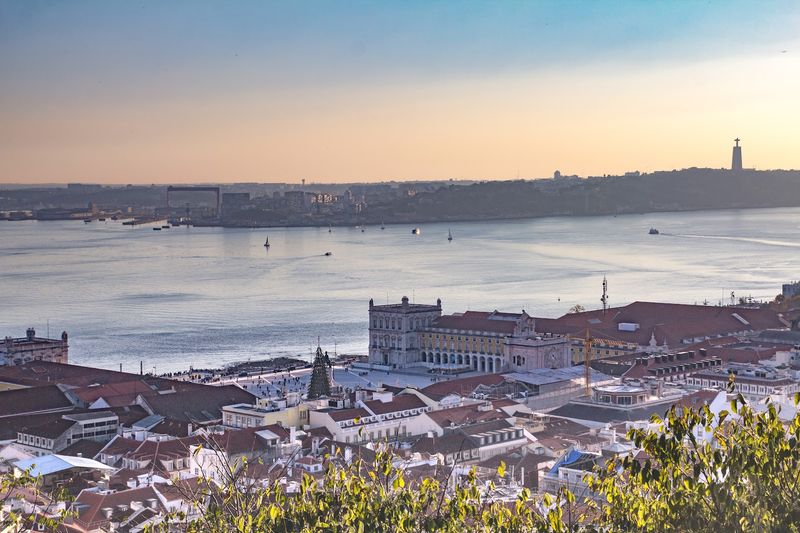
Lisbon is the kind of city that sneaks up on you. You arrive expecting a pleasant trip and leave completely head over heels for the place.
Its hilltop neighborhoods, ocean breezes, and golden light give it an almost dreamlike quality that photographs simply can’t capture.
The famous yellow trams weaving through narrow streets are both a practical way to get around and one of the most charming experiences in all of Europe. Tram 28 is the classic tourist route, passing through the Alfama district, Lisbon’s oldest neighborhood.
Grab a pastel de nata, the city’s beloved custard tart, from any local bakery and eat it warm.
Compared to other Western European capitals, Lisbon is genuinely affordable. Excellent meals, wine, and accommodation cost noticeably less than in Paris or London.
The city is also very walkable, though the hills can surprise you with a workout. Most locals speak English, and the overall atmosphere is relaxed, welcoming, and hard to leave behind.
Barcelona, Spain
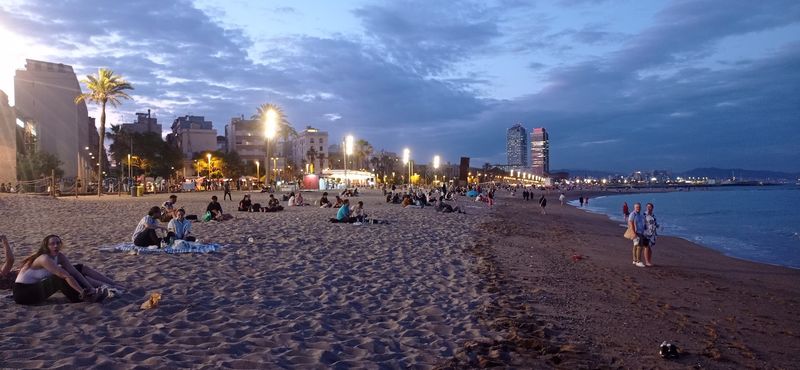
Barcelona has a trick up its sleeve that most cities can only dream about: world-class architecture sitting right next to beautiful Mediterranean beaches. You can spend the morning marveling at Gaudi’s surreal Sagrada Familia and the afternoon with your feet in warm sand.
Not many cities offer that kind of range.
The Gothic Quarter is a labyrinth of narrow medieval lanes that rewards aimless wandering. Las Ramblas, the city’s famous pedestrian boulevard, buzzes with energy from morning until late at night.
The metro system is clean, efficient, and covers nearly every corner of the city.
Barcelona’s food culture deserves its own paragraph. Tapas bars line nearly every street, and the Boqueria market is a sensory explosion of fresh produce, seafood, and local specialties.
The city’s relaxed Mediterranean pace means dinner rarely starts before 9 PM, so adjust your schedule and enjoy the rhythm. Barcelona suits travelers of all ages and interests with remarkable ease.
Rome, Italy
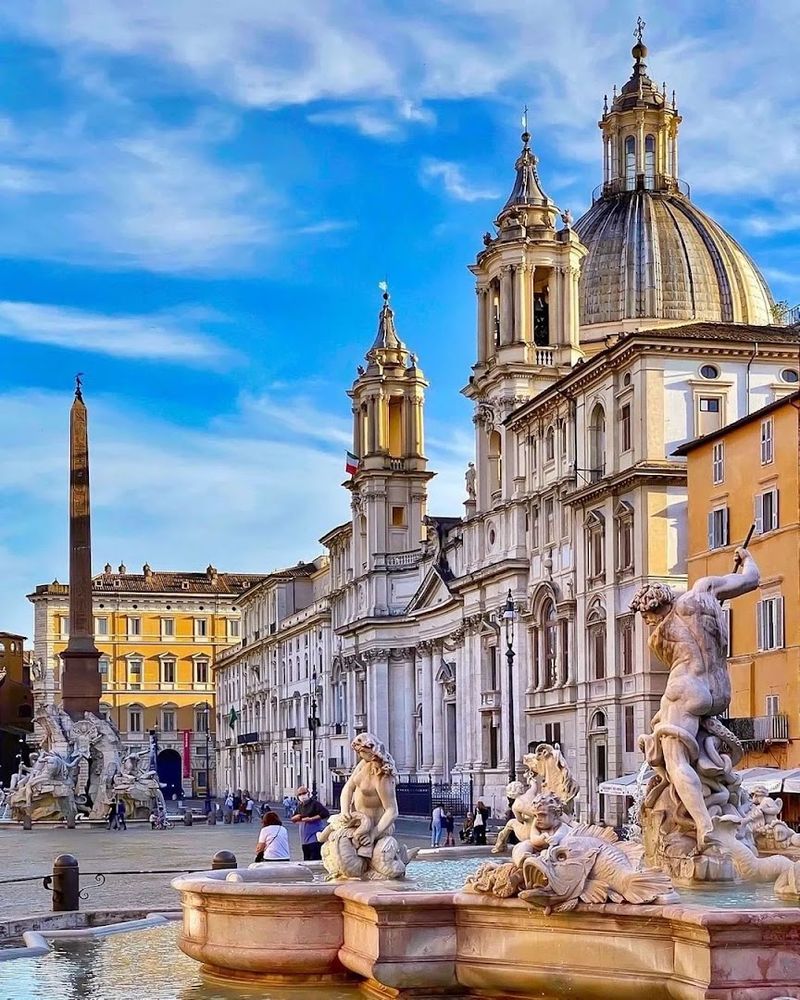
Walking through Rome feels like flipping through the world’s most dramatic history book, except everything is life-sized and you can touch most of it. The Colosseum, the Roman Forum, and the Pantheon are all clustered close together, making it possible to cover 2,000 years of history in a single morning.
That level of concentration is genuinely rare.
Vatican City sits within Rome’s borders and packs the Sistine Chapel, St. Peter’s Basilica, and the Vatican Museums into one extraordinary visit. Book tickets online well in advance to avoid the famously long lines.
The city’s charming piazzas are perfect for resting between sights while sipping an espresso like a local.
Rome’s public buses and a small metro system connect the major areas, though many central attractions are walkable. The food is extraordinary at almost every price point.
A simple plate of cacio e pepe pasta from a neighborhood trattoria can be the highlight of your entire trip. Rome rewards curious travelers who are willing to wander a little off the main tourist path.
Vienna, Austria
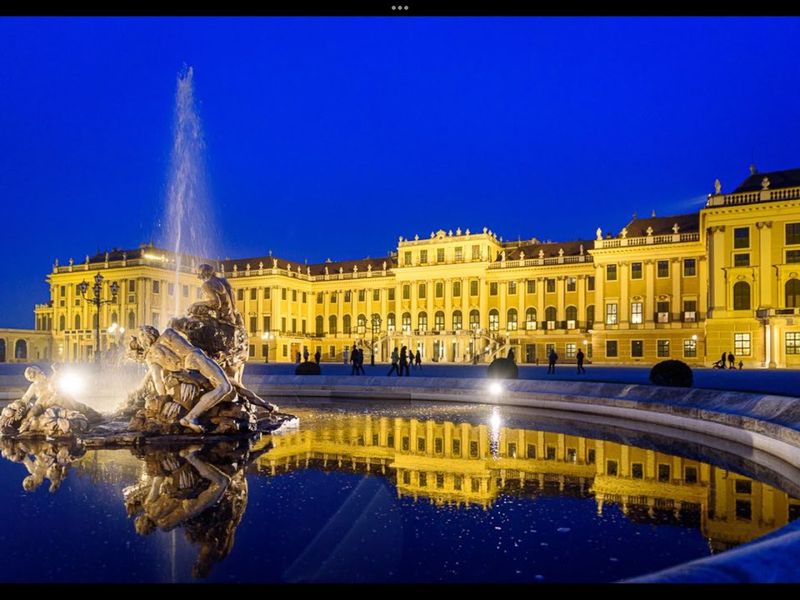
Vienna operates like a well-conducted symphony: everything is precise, elegant, and deeply satisfying. The city consistently ranks among the world’s most livable, and first-time travelers quickly understand why.
Clean streets, excellent public transit, and a stunning architectural backdrop make every day here feel effortless.
The U-Bahn, Vienna’s subway system, is one of Europe’s most punctual and easy to navigate. It connects the Schoenbrunn Palace, the Kunsthistorisches Museum, and the Vienna State Opera with remarkable convenience.
A single-day transit pass is excellent value and lets you cover the city without stress.
Vienna’s coffee house culture is something every visitor should experience. These historic cafes serve as social living rooms where locals linger for hours over a Melange coffee and a slice of Sachertorte cake.
The city also has a surprisingly vibrant modern food scene alongside its classical heritage. Classical music concerts are available at every budget, from grand opera performances to informal chamber music events in historic palaces.
Prague, Czechia
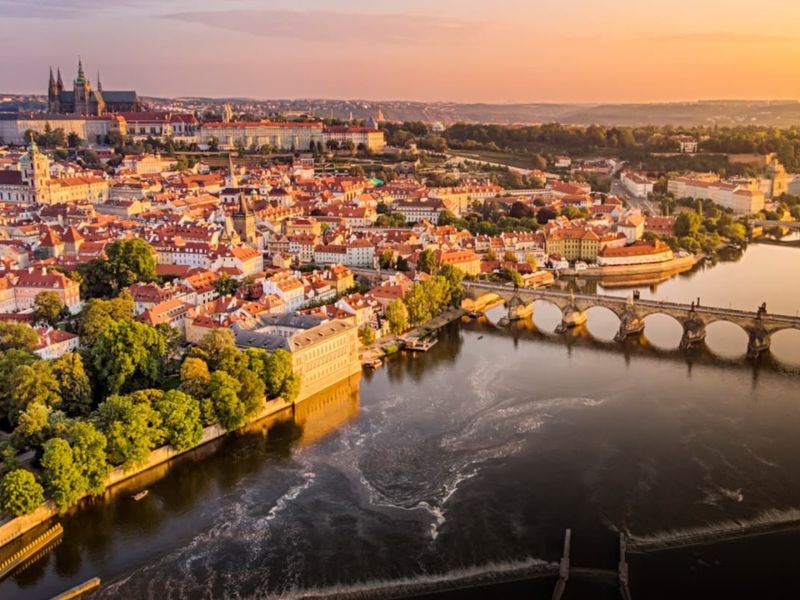
Prague looks like someone built an entire city specifically to be photographed. Cobblestone streets, Gothic towers, Baroque churches, and a medieval astronomical clock all compete for your attention within a remarkably small area.
It’s one of those places where every turn reveals another stunning view.
The Old Town is compact enough to explore almost entirely on foot, which is a major advantage for first-time travelers still getting their bearings. Charles Bridge, connecting the Old Town to the castle district, offers spectacular views of the Vltava River at any hour.
Arrive at sunrise and you’ll practically have it to yourself.
Prague is also one of Europe’s most affordable capitals, which means your travel budget goes significantly further here. Excellent Czech food, local Pilsner beer, and comfortable hotels all cost less than in Western European cities.
The locals are generally helpful, and English is widely spoken in tourist areas. Prague’s mix of history, beauty, and affordability makes it a genuinely hard city to leave after just a few days.
Copenhagen, Denmark
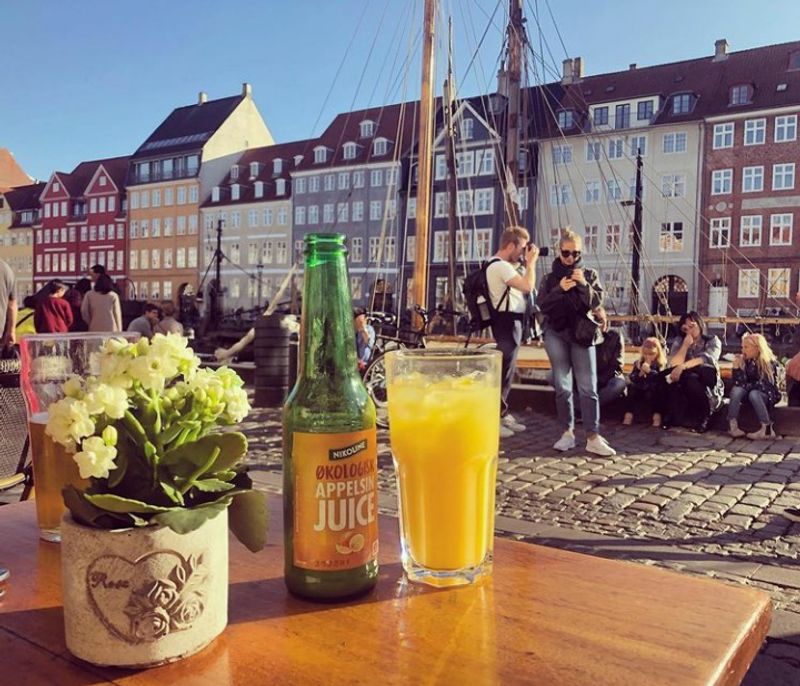
Copenhagen regularly tops global rankings for happiness, and a single afternoon in this city makes that completely understandable. The streets are clean, the people are relaxed, and the whole place hums along with a quiet confidence that feels infectious.
Even the rain here seems less annoying than elsewhere.
Nyhavn, the iconic canal lined with brightly colored townhouses and outdoor cafes, is the postcard image of Copenhagen and even better in real life. The city is extremely bike-friendly, with dedicated cycling lanes running throughout.
Renting a bike for a day is one of the best ways to experience the city like a local.
Scandinavia has a reputation for being expensive, and Copenhagen isn’t cheap, but smart travelers can manage costs with a Copenhagen Card, which covers most museum entries and unlimited public transit. The food scene here is world-famous, and you don’t need to visit a Michelin-starred restaurant to eat brilliantly.
Danish smorrebrod open-faced sandwiches from a local deli are affordable, delicious, and deeply satisfying.
Edinburgh, Scotland
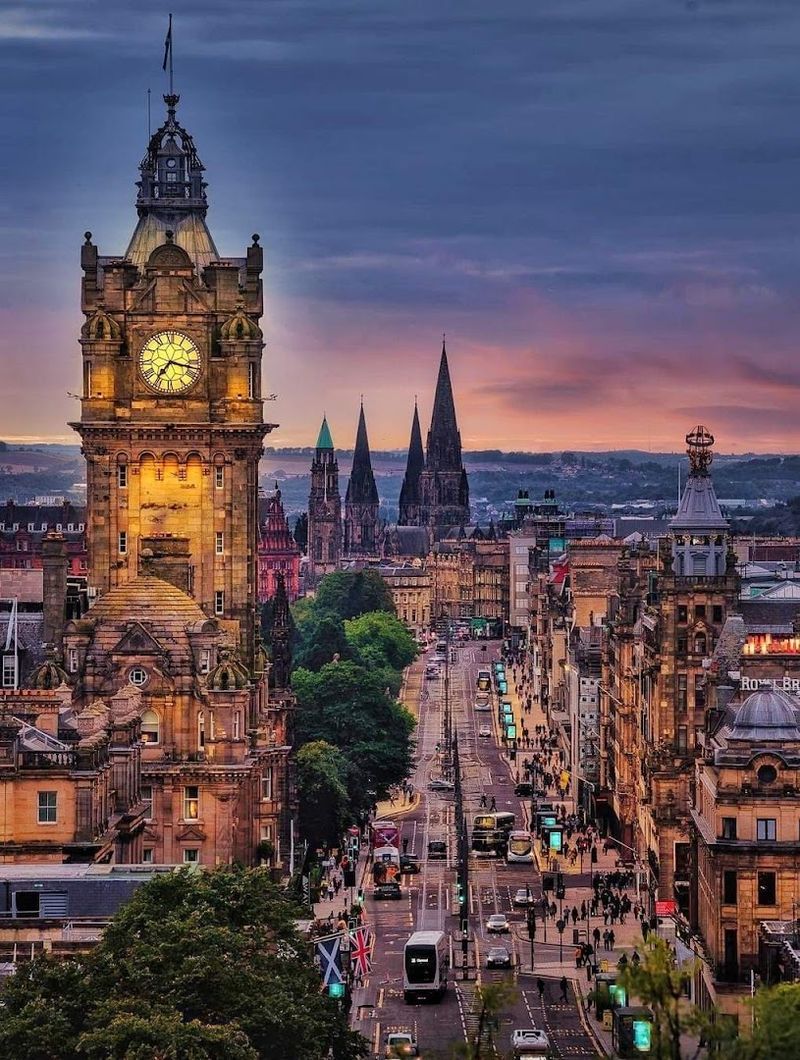
Few cities in Europe announce themselves quite like Edinburgh. The moment you spot the castle looming over the city from its volcanic rock perch, you understand that this place takes drama seriously.
It’s the kind of backdrop that makes every tourist photo look professionally staged.
The Royal Mile, stretching from Edinburgh Castle down to the Palace of Holyroodhouse, is the city’s historic spine and one of the most fascinating streets on the continent. Medieval closes, hidden courtyards, and independent shops branch off on both sides.
The entire route is completely walkable and packed with history at every step.
Edinburgh is compact enough that a first-time visitor can feel genuinely oriented within a day or two. Arthur’s Seat, an ancient volcano right in the heart of the city, offers a rewarding hike and panoramic views without requiring any special gear.
The city’s literary heritage is extraordinary too, with connections to Robert Louis Stevenson and J.K. Rowling.
Scottish hospitality is warm, genuine, and makes the whole experience feel personal rather than touristy.
Dublin, Ireland
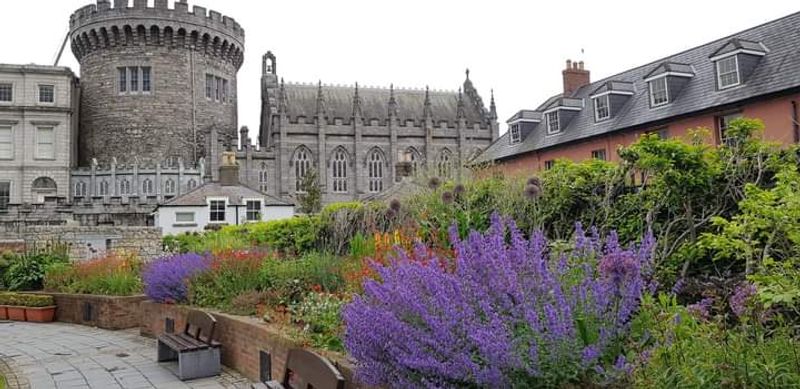
There’s a warmth to Dublin that hits you almost immediately upon arrival. Locals will strike up a conversation with you at a bus stop, a shop counter, or a pub without any prompting at all.
That natural friendliness makes the city feel less like a foreign destination and more like visiting a place where everyone already knows you.
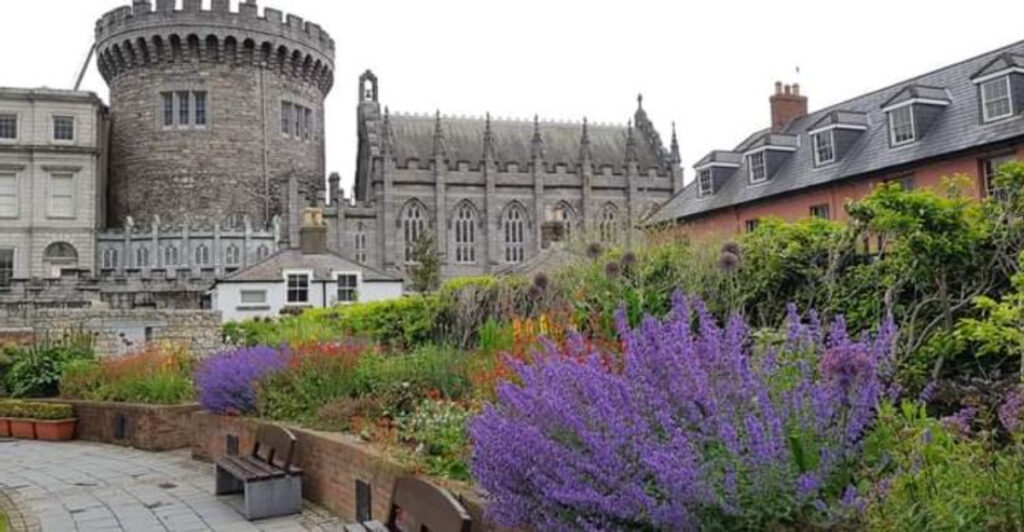
The city center is compact and very walkable, with Trinity College, Dublin Castle, and the Guinness Storehouse all reachable on foot or by a short bus ride. Trinity College’s Long Room library, housing over 200,000 ancient books, is one of the most breathtaking rooms in Europe and often surprises visitors who weren’t expecting it.
Dublin’s pub culture is legendary but also genuinely accessible for first-timers. A traditional Irish pub is a community gathering space, not just a bar, and live folk music sessions happen organically in many of them.
The city also has fantastic street food markets and a growing restaurant scene. Dublin’s literary history, tied to James Joyce and Oscar Wilde, adds an extra layer of richness to every corner you explore.
Budapest, Hungary
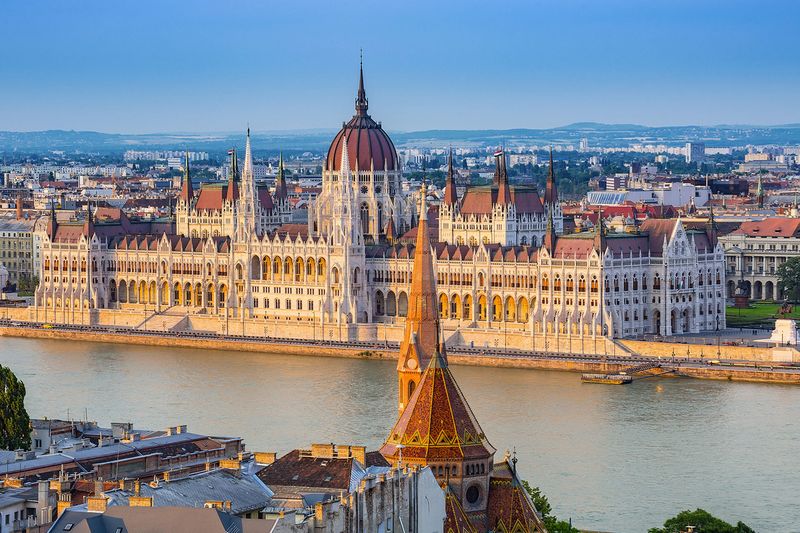
Budapest is secretly one of Europe’s most spectacular cities, and travelers who discover it tend to feel like they’ve found something most people haven’t caught onto yet. The Hungarian Parliament Building, lit up along the Danube at night, is one of the most breathtaking sights on the entire continent.
It genuinely stops people in their tracks.
The city is divided by the Danube into two distinct halves: hilly, historic Buda on one side and flat, vibrant Pest on the other. The metro system, one of the oldest in the world, connects both sides efficiently.
Chain Bridge and several other gorgeous spans make crossing the river a sightseeing experience on its own.
Budapest’s thermal baths are a unique cultural institution that every visitor should try. The Szechenyi and Gellert baths are the most famous, offering a genuinely relaxing experience inside stunning historic buildings.
Food and accommodation here cost significantly less than in Western Europe, making it a dream destination for budget-conscious travelers. The city’s ruin bars, housed in abandoned buildings turned into quirky venues, are unlike anything else in Europe.
Ljubljana, Slovenia
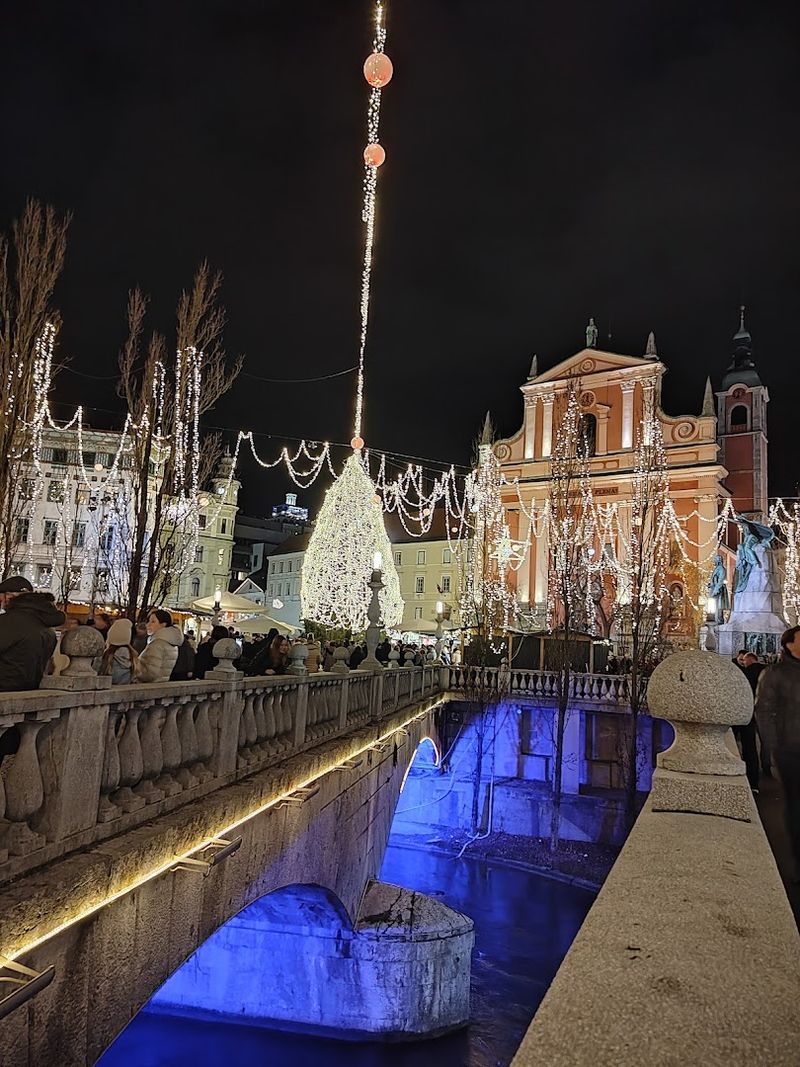
Ljubljana might be the most pleasant surprise in all of Europe. Most travelers have barely heard of Slovenia’s capital before visiting, and then spend their entire trip wondering why the rest of the world hasn’t figured this place out yet.
It’s small, gorgeous, stress-free, and completely enchanting.
The old town is entirely pedestrian-friendly, which means you can wander freely without worrying about traffic. The Ljubljanica River flows through the center, lined with outdoor cafe terraces that fill up on warm evenings with locals and visitors sharing the same relaxed energy.
Ljubljana Castle sits on a hill above the city and offers sweeping views that are well worth the short funicular ride up.
The city is genuinely green, with clean air, abundant parks, and a strong commitment to sustainability that earned it recognition as a European Green Capital. It’s also extremely safe, which is reassuring for solo travelers or families visiting Europe for the first time.
Slovenia is still discovering its tourism potential, which means Ljubljana feels refreshingly uncrowded compared to better-known European destinations. That alone makes it special.
Munich, Germany
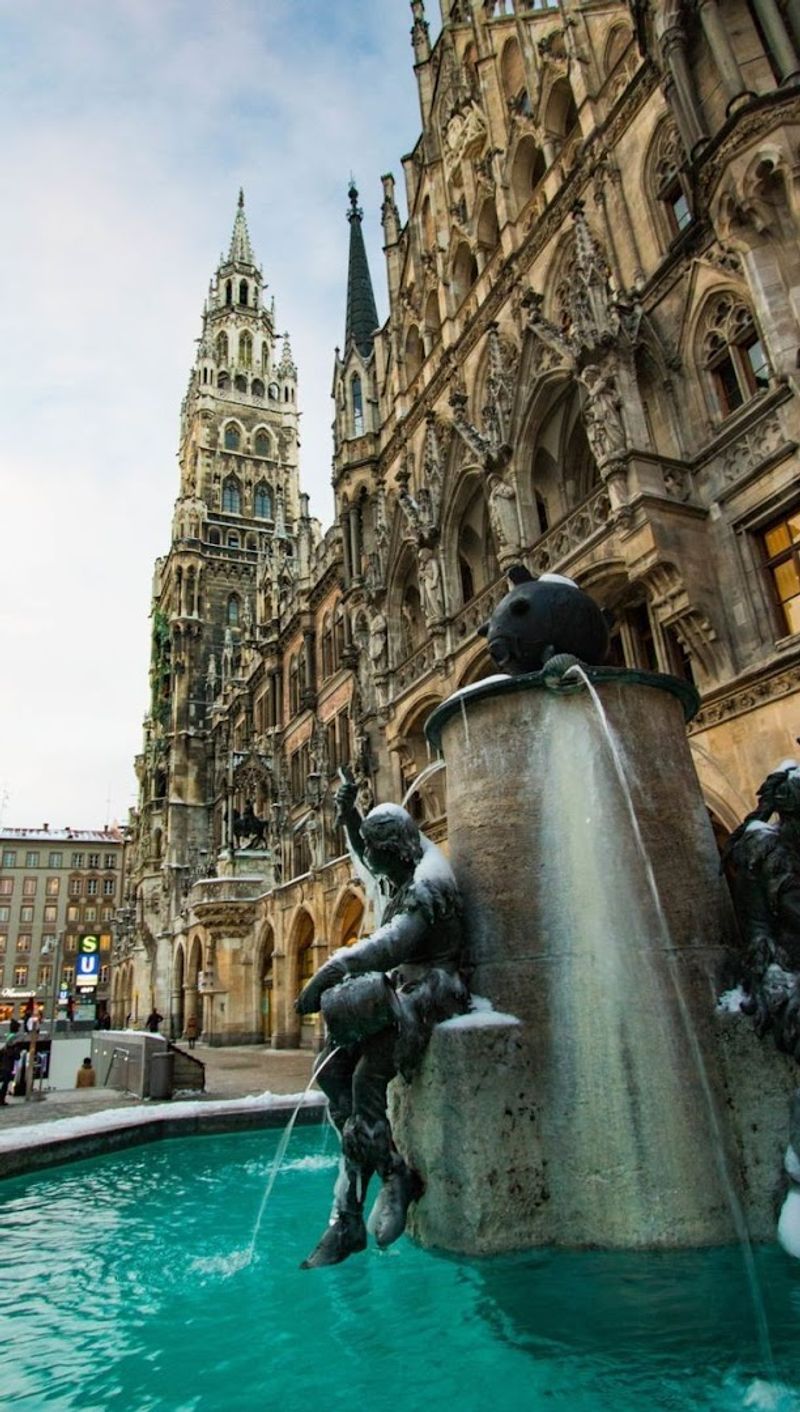
Munich runs with German precision and Bavarian charm in equal measure, which turns out to be an irresistible combination. The city’s public transportation system is so reliable that locals joke the trains run on time even before they’re scheduled to arrive.
For first-time international travelers still figuring out how to navigate a foreign city, that kind of dependability is priceless.
Marienplatz, the central square, anchors the city’s historic heart and is surrounded by stunning architecture, street performers, and excellent restaurants. The Deutsches Museum is one of the world’s greatest science and technology museums and could easily fill an entire day.
Munich’s English Garden, larger than New York’s Central Park, is a beloved local gathering space with beer gardens scattered throughout.
Beyond the city itself, Munich serves as one of Europe’s best bases for day trips. Neuschwanstein Castle, the fairy-tale fortress that inspired Disney, is just two hours away by train.
The Bavarian Alps and the crystal-clear Chiemsee lake are similarly accessible. Whether you spend all your time in the city or use it as a launching pad, Munich delivers extraordinary value for first-time European travelers.
Krakow, Poland
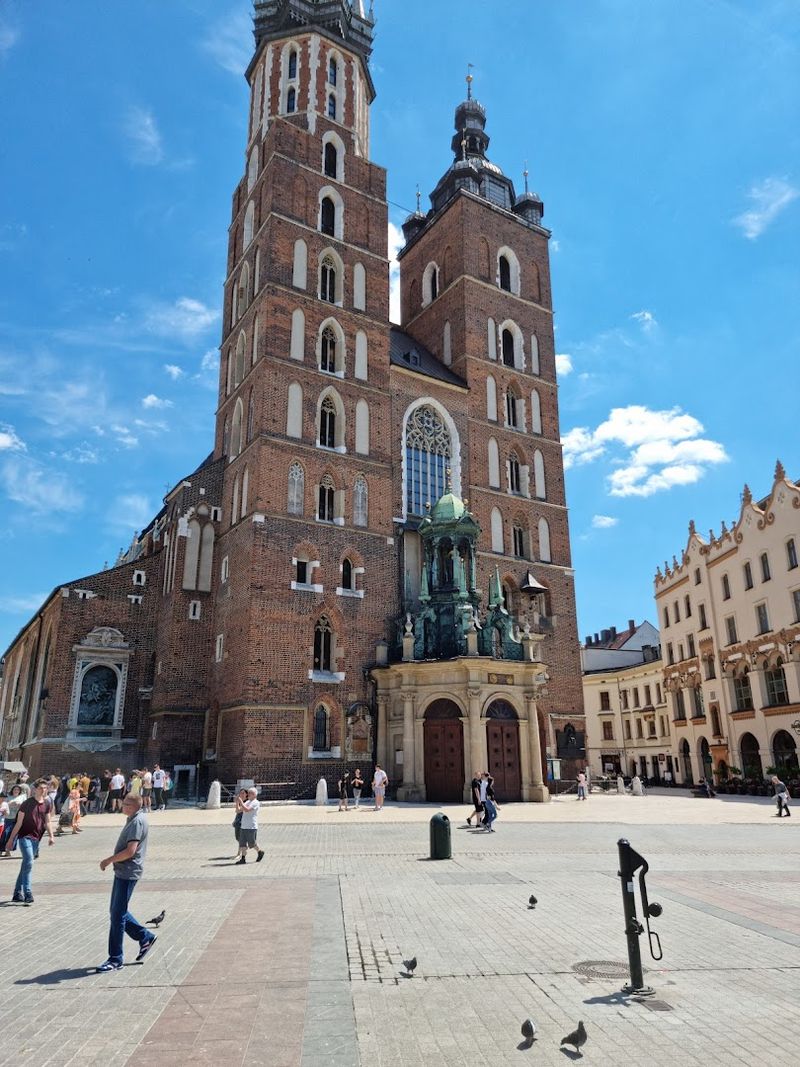
Krakow is the kind of city that makes you feel like you’ve traveled back in time, but with excellent coffee shops and fast Wi-Fi waiting around every corner. Its medieval Main Market Square is one of the largest and best-preserved in all of Europe, and it buzzes with energy from early morning until well past midnight.
History and modern life coexist here in the most satisfying way.
The Royal Wawel Castle, sitting above the city on a limestone hill, anchors Krakow’s skyline and holds centuries of Polish royal history within its walls. The Jewish Kazimierz district, once a thriving cultural hub, has been beautifully restored and is now home to atmospheric synagogues, independent bookshops, and some of the city’s best restaurants.
Walking between these neighborhoods takes only minutes.
Krakow is one of the most affordable cities in Europe, which means travelers can eat well, stay comfortably, and visit multiple museums without stretching their budget. English is widely spoken, especially among younger locals and anyone working in hospitality.
The city’s welcoming atmosphere, combined with its remarkable history and easy walkability, makes Krakow an outstanding first European destination for any traveler.
Share this story