Not every unforgettable getaway requires a major tourist destination. Across the United States, small cities offer beautiful scenery, charming downtowns, outdoor adventures, and a relaxed pace that makes every visit feel like a vacation.
Whether you are looking for mountain views, waterfront escapes, or historic streets, these hidden gems deserve a spot on your travel list.
Traverse City, Michigan
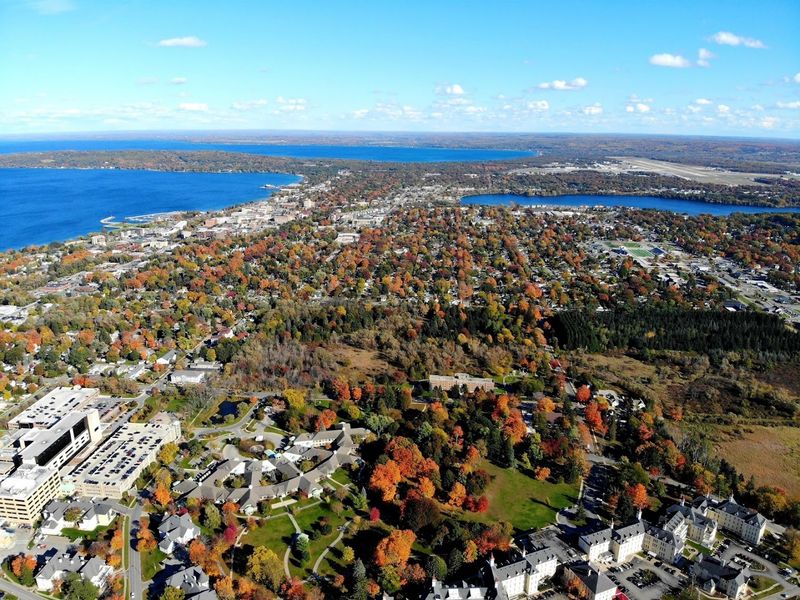
Sandy beaches, vineyard trails, and the smell of cherry blossoms in the air — welcome to Traverse City, one of Michigan’s most lovable small cities. Situated along the sparkling shores of Grand Traverse Bay, this lakeside gem packs a serious punch for its size.
Swimmers, sunbathers, and kayakers all find their happy place here during summer months.
The downtown area buzzes with local restaurants, wine bars, and boutique shops that are easy to spend an afternoon exploring. Traverse City is Michigan’s self-proclaimed cherry capital, hosting a National Cherry Festival every July that draws visitors from across the country.
It is one of those rare events where dessert feels like a civic duty.
Just outside town, Sleeping Bear Dunes National Lakeshore offers towering sand dunes, forested trails, and some of the most jaw-dropping views the Midwest has to offer. Hiking the dunes is a workout, but the panoramic lake views from the top make every step worthwhile.
Whether you visit in summer or fall when the colors peak, Traverse City delivers a vacation experience that feels both lively and deeply relaxing.
Beaufort, South Carolina
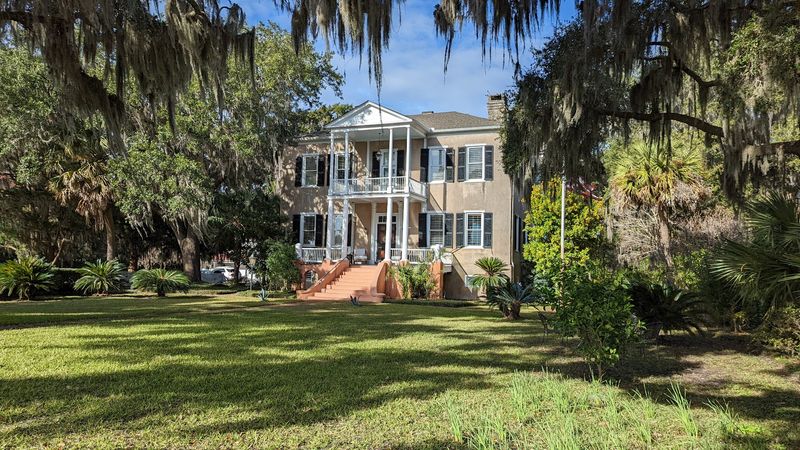
Spanish moss hangs like curtains from century-old oak trees, shading streets so beautiful they almost feel fictional. Beaufort sits in South Carolina’s Lowcountry, a region defined by tidal marshes, sea islands, and a pace of life that practically forces you to slow down and breathe.
It is the kind of place where a walk around the block turns into a two-hour stroll.
The historic district is packed with antebellum homes, many of which survived the Civil War and still stand today in remarkable condition. Beaufort’s waterfront park is perfect for watching egrets wade through the marsh while boats drift lazily past.
The town has appeared in several films and TV shows, which makes sense because it genuinely looks like a movie set.
Seafood lovers will feel right at home here, with local shrimp, oysters, and she-crab soup appearing on menus throughout town. Day trips to nearby Hunting Island State Park offer wild beaches, a historic lighthouse, and forested trails that feel wonderfully remote.
Beaufort rewards visitors who appreciate quiet charm over loud attractions, making it an ideal escape for anyone craving Southern hospitality without the tourist rush.
Bar Harbor, Maine
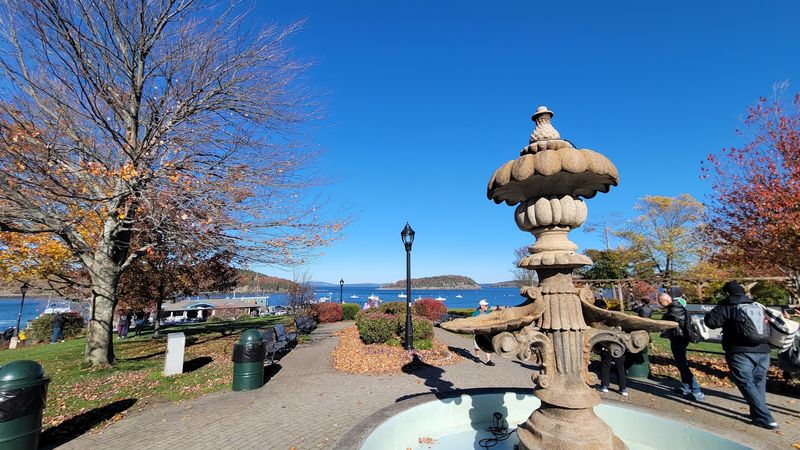
Lobster rolls, rocky shores, and a national park right at your doorstep — Bar Harbor is basically Maine in its most concentrated form. Tucked onto Mount Desert Island, this small coastal town serves as the main gateway to Acadia National Park, one of the most visited national parks in the entire country.
Yet somehow, Bar Harbor itself still manages to feel wonderfully intimate.
Whale watching tours depart from the harbor regularly, offering sightings of humpbacks and minkes that never get old no matter how many times you go. The town’s main street is lined with seafood shacks, ice cream shops, and outfitters ready to set you up with kayaks or bikes.
Fresh lobster here is not just a meal — it is practically a local tradition.
Acadia offers over 150 miles of hiking trails ranging from easy coastal walks to challenging summit climbs, including the famous Cadillac Mountain, where you can catch the first sunrise in the continental United States during certain times of year. Carriage roads built by John D.
Rockefeller Jr. wind through the park, perfect for cycling or a peaceful afternoon walk. Bar Harbor genuinely earns its reputation as one of New England’s finest small-city destinations.
St. Augustine, Florida
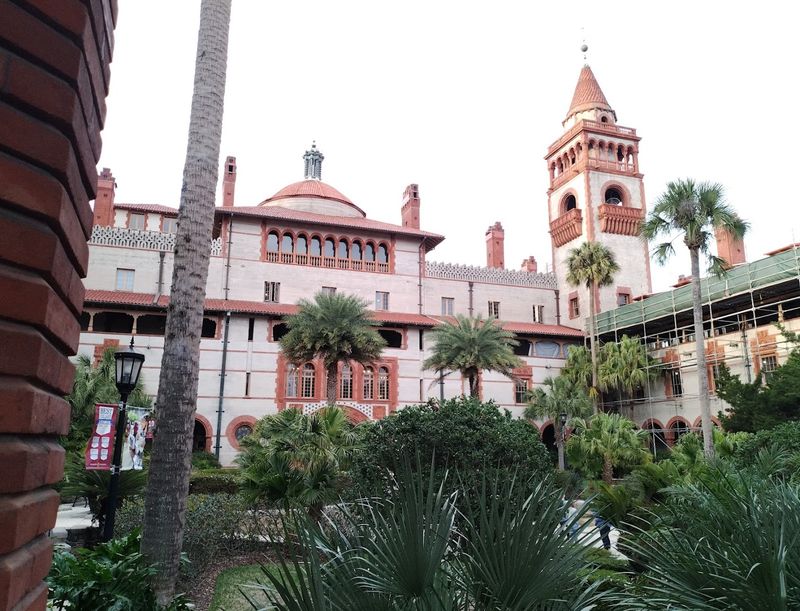
Founded in 1565, St. Augustine holds the title of the oldest continuously occupied European-established city in the United States, and it wears that history proudly on every cobblestone street. Walking through the old town feels like stepping back through centuries of Spanish, British, and American history layered on top of each other in the most fascinating way.
History class never looked this good.
The Castillo de San Marcos, a massive 17th-century Spanish fort made from coquina stone, is one of the most impressive historic structures in the Southeast and is absolutely worth an afternoon visit. Horse-drawn carriage tours wind through the narrow streets at dusk, offering a romantic and surprisingly informative way to see the city.
Ghost tours are wildly popular here too, given that a city this old has plenty of stories to tell.
Atlantic beaches sit just minutes away, giving visitors the rare combination of deep history and great swimming in a single trip. The city’s restaurant scene has grown impressively in recent years, with farm-to-table spots and fresh seafood joints earning serious attention.
St. Augustine manages to be educational, beautiful, and genuinely fun all at once, which is a combination that is harder to pull off than it sounds.
Sedona, Arizona
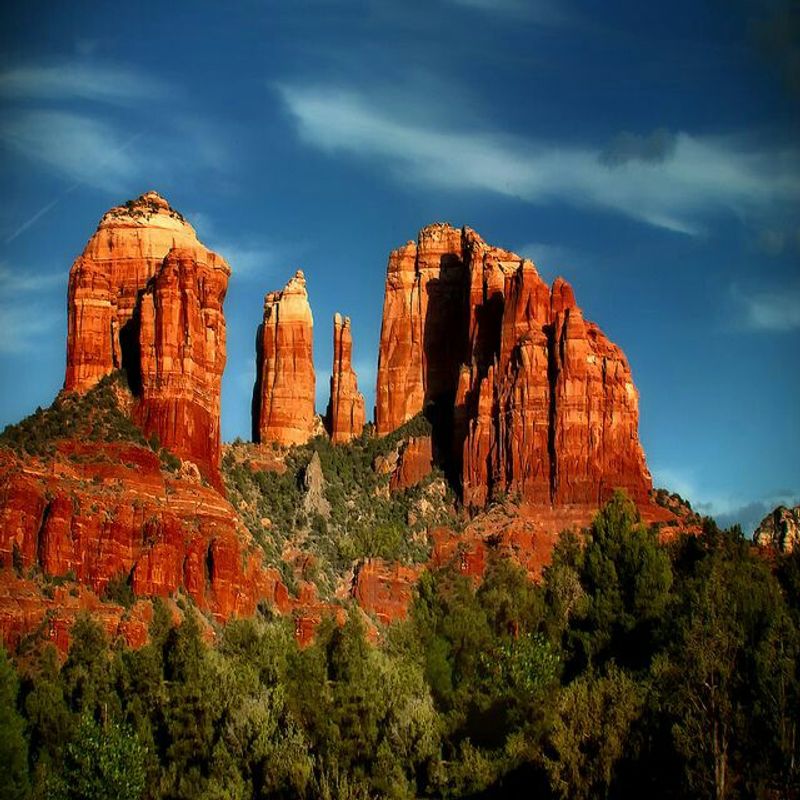
Few places on earth turn the color red into an art form quite like Sedona does. Surrounded by towering sandstone formations in shades of burnt orange, rust, and crimson, this small Arizona city looks like a landscape painting that somehow became a real place.
Sunrise and sunset here are genuinely worth setting an alarm for.
Hiking trails crisscross the red rock terrain at every difficulty level, from easy scenic walks to challenging technical climbs with views that reward every drop of sweat. Cathedral Rock and Bell Rock are two of the most photographed formations, and both offer accessible trails that put you right in the middle of that stunning scenery.
Mountain bikers also flock here for trails considered among the best in the American Southwest.
Sedona’s arts scene is equally impressive, with dozens of galleries showcasing Southwestern art, photography, and sculpture throughout the walkable Tlaquepaque Arts Village. Spa resorts have made the city a wellness destination, drawing visitors seeking both adventure and relaxation in equal measure.
Jeep tours through the backcountry are a local favorite, bouncing through canyons and washes that regular vehicles simply cannot reach. Sedona is one of those rare places that looks even better in person than in photos.
Galena, Illinois
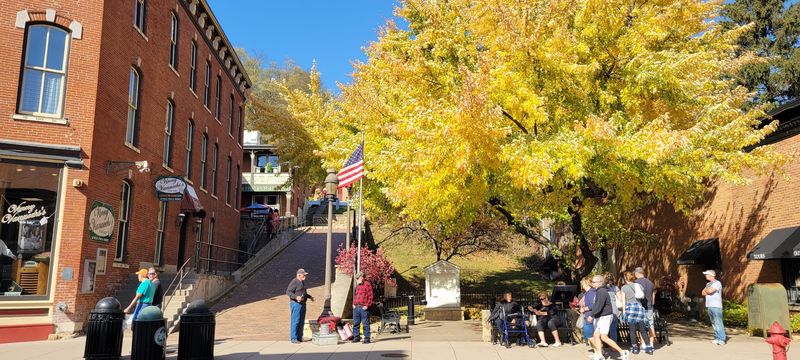
Galena looks like someone froze a 19th-century American town in time and then carefully polished every brick. Tucked into the rolling hills of northwestern Illinois, this beautifully preserved town sits in a part of the state that most people forget is absolutely gorgeous.
The surrounding landscape of bluffs and river valleys gives Galena a scenery advantage that most Midwestern towns simply cannot match.
Main Street is the heart of the experience, lined with historic storefronts housing antique dealers, wine bars, chocolate shops, and cozy restaurants. The town has long been a weekend escape for Chicago residents who need a break from the city, and once you see it, the appeal is immediately obvious.
Galena was also once home to Ulysses S. Grant, whose preserved home is open for tours and offers a genuinely interesting window into Civil War-era life.
Apple orchards, winery trails, and scenic drives through the Driftless Area make the surrounding countryside worth exploring beyond the downtown streets. Fall foliage season turns the hills into a rolling patchwork of gold, orange, and red that draws visitors from across the Midwest.
Galena proves that Illinois has far more to offer than most travelers ever take the time to discover.
Leavenworth, Washington
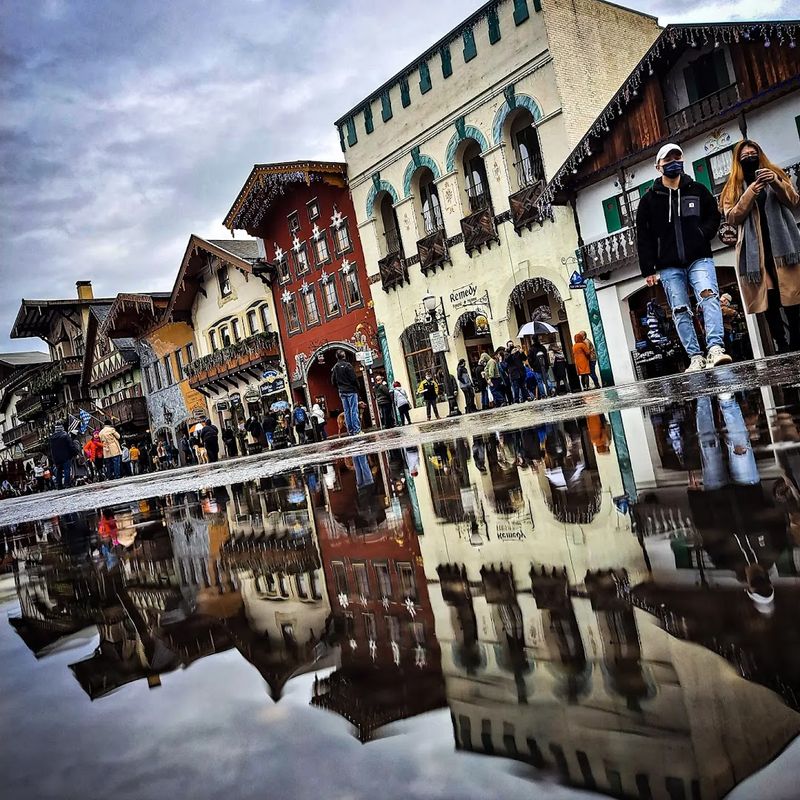
Picture a Bavarian alpine village dropped into the foothills of the Cascade Mountains and you have Leavenworth, Washington, in a nutshell. This small Washington city underwent a dramatic transformation in the 1960s when locals decided to rebuild the struggling town around a Bavarian theme, and the gamble paid off spectacularly.
Today it draws over two million visitors annually, which is remarkable for a town of fewer than 2,500 people.
The architecture is charmingly committed — even the McDonald’s here has a Bavarian facade, which is either delightful or deeply strange depending on your perspective. Festivals run throughout the year, from Oktoberfest celebrations to a Christmas Lighting Festival that turns the town into a winter wonderland of remarkable proportions.
Summer brings outdoor concerts and street performers that give the downtown a festive, almost theatrical energy.
Beyond the village itself, Leavenworth sits in an outdoor recreation paradise. The Wenatchee River offers excellent whitewater rafting in spring, while hiking trails into the Alpine Lakes Wilderness provide summer solitude and stunning mountain scenery.
Cross-country and downhill skiing keep things busy in winter. Leavenworth is genuinely fun in a way that feels a little theatrical but never hollow, and that is a balance most tourist towns never quite manage to strike.
Astoria, Oregon
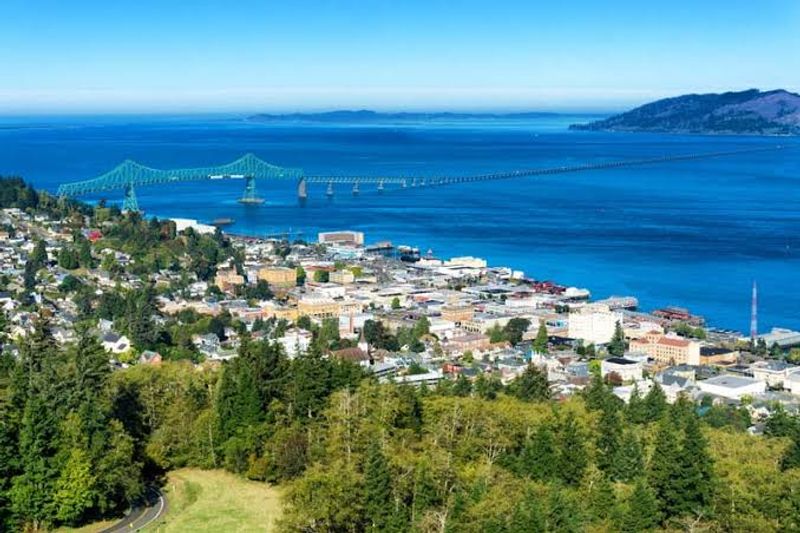
Sitting at the very spot where the mighty Columbia River finally meets the Pacific Ocean, Astoria carries a dramatic geography that matches its equally dramatic history. This is the oldest American settlement west of the Rocky Mountains, established in 1811, and the city has been quietly fascinating ever since.
It also served as the filming location for The Goonies, which earns it permanent cool points with a certain generation of travelers.
Victorian homes painted in vivid colors cling to the hillsides above the river, and the Astoria Column, a painted tower at the city’s highest point, offers a panoramic view that stretches for miles on a clear day. The Maritime Museum down on the waterfront tells the story of the Columbia River Bar, one of the most treacherous river mouths in the world, with exhibits that are genuinely gripping.
Craft beer culture thrives here, with several excellent breweries drawing serious appreciation from hop enthusiasts.
The nearby coastline offers wild beaches, sea stacks, and tide pools that feel like something from a nature documentary. Fort Clatsop, where Lewis and Clark spent the winter of 1805, sits just outside town and makes for a worthwhile historical side trip.
Astoria rewards curious travelers with layers of history, scenery, and character that keep revealing themselves the longer you stay.
Eureka Springs, Arkansas
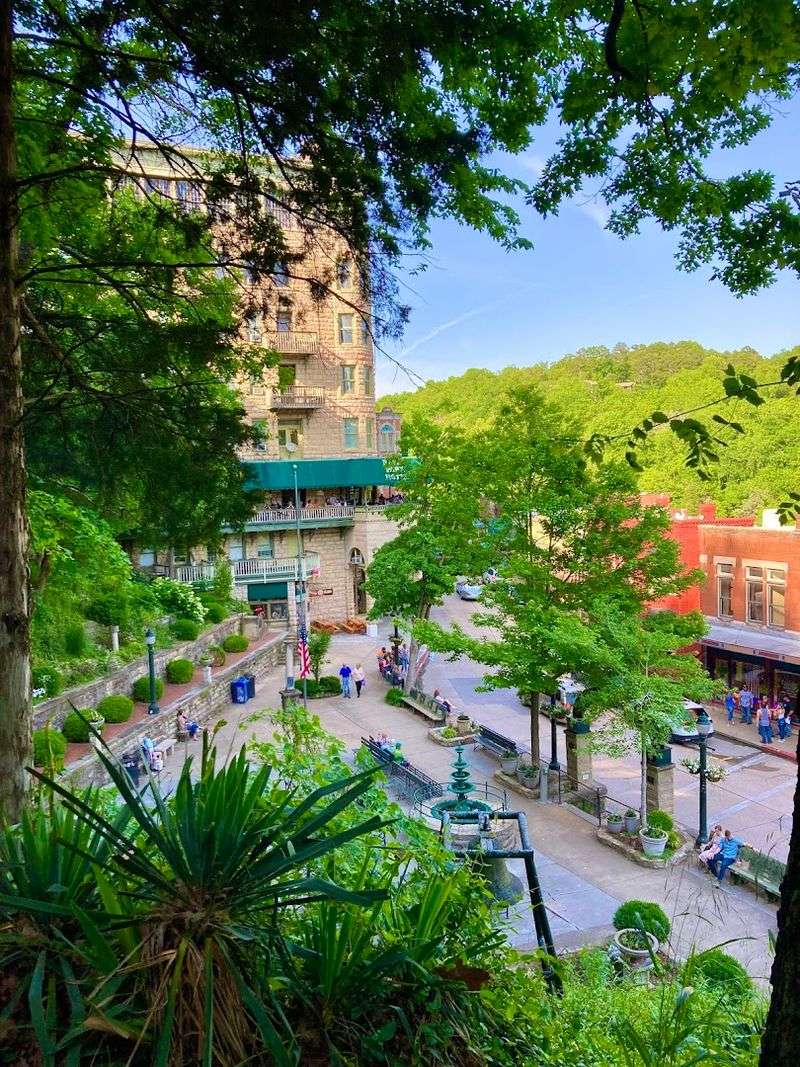
No two streets in Eureka Springs run parallel, which tells you almost everything you need to know about this wonderfully eccentric Arkansas town. Built into the steep hillsides of the Ozarks, the city’s winding roads and Victorian architecture create a layout so unusual that the entire downtown is listed on the National Register of Historic Places.
Getting pleasantly lost here is practically a feature, not a bug.
Natural springs were the original draw, attracting health seekers in the late 1800s who believed the waters had healing properties. Today the springs still bubble up throughout town, adding to the already dreamlike atmosphere of moss-covered stone and ornate buildings.
The arts community here is unusually vibrant for a town this size, with galleries, live music venues, and working studios scattered throughout the historic streets.
Outdoor adventures surround the city on all sides, with Beaver Lake offering boating, fishing, and swimming just minutes away. The Eureka Springs and North Arkansas Railway runs vintage steam train excursions through the surrounding hills, a genuinely charming way to see the Ozark landscape.
Local restaurants serve everything from farm-fresh Southern cooking to surprisingly sophisticated international cuisine. Eureka Springs is quirky, beautiful, and utterly unlike anywhere else in America, which is exactly why it deserves far more attention than it typically receives.
Fernandina Beach, Florida
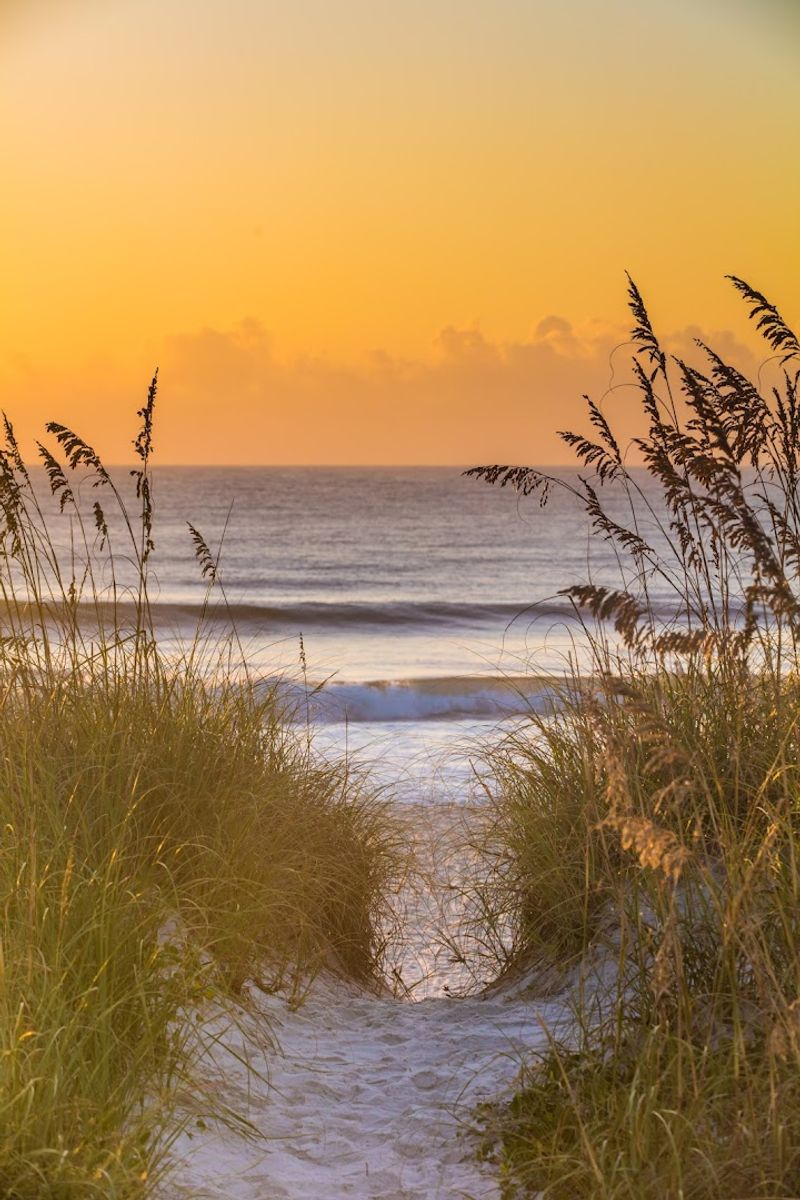
Amelia Island’s main town, Fernandina Beach, is the kind of Florida that most people do not know exists — unhurried, historic, and genuinely charming. While the rest of the state races to build the next theme park, Fernandina Beach has spent decades preserving its Victorian-era downtown and its reputation as one of Florida’s most relaxed coastal getaways.
It also claims to be the birthplace of the modern American shrimping industry, which is exactly the kind of fun fact that belongs on a trivia night card.
Centre Street is the main drag, lined with locally owned shops, seafood restaurants, and bars that feel lived-in rather than manufactured for tourists. The nearby beach stretches for miles of uncrowded, undeveloped shoreline backed by sea oats and dunes rather than high-rise condos.
Fort Clinch State Park, a remarkably well-preserved Civil War-era fort, adds a strong dose of history to the beach vacation experience.
Kayaking through the island’s salt marshes puts you face to face with dolphins, manatees, and shorebirds in their natural habitat. Fernandina Beach sits just across the Georgia border, making it an easy road trip destination from Savannah or Jacksonville.
For travelers who love Florida beaches but dread Florida crowds, this island town is essentially the answer to a prayer.
Hood River, Oregon
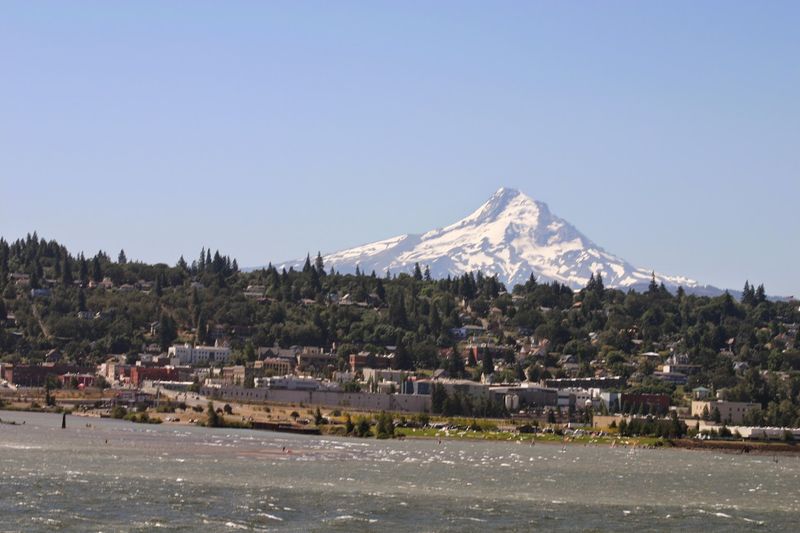
Windsurfers have known about Hood River for decades, drawn by the powerful winds that funnel through the Columbia River Gorge and turn the river into one of the world’s premier windsurfing destinations. But even visitors with no interest in water sports find plenty to love in this compact Oregon city perched above the river with Mount Hood towering in the background.
The scenery here operates at a level that feels almost unfair to neighboring towns.
The Hood River Valley is blanketed with apple and pear orchards that bloom spectacularly in spring and produce incredible fruit stands throughout summer and fall. The Fruit Loop, a scenic driving route through the valley, passes farms, wineries, lavender fields, and cideries that beg for multiple stops.
Local hard cider has become a serious culinary calling card for the region, and tasting rooms are enthusiastically welcoming.
Hiking trails lead up into the Mount Hood National Forest, where waterfalls, wildflower meadows, and glacier views reward those willing to lace up their boots. The downtown strip of Hood River is compact but packed with excellent restaurants, craft breweries, and independent shops.
Whether you come for the outdoor adventure, the food and drink scene, or simply the extraordinary views, Hood River consistently delivers more than visitors expect from a city this small.
Franklin, Tennessee
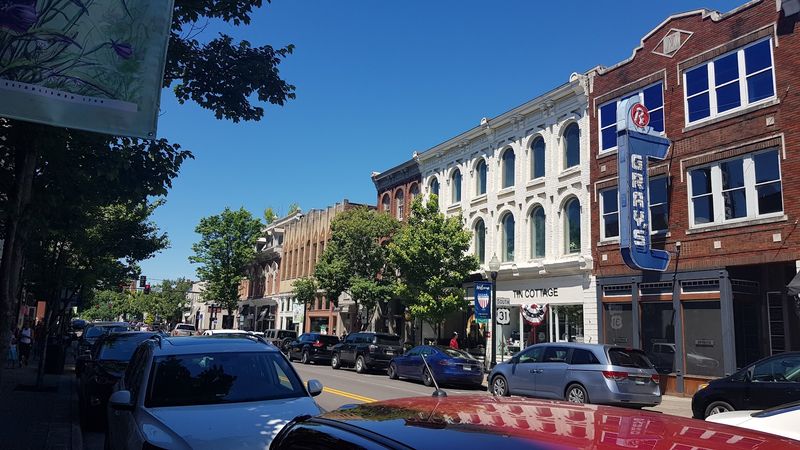
Just 20 miles south of Nashville, Franklin could easily be dismissed as a suburb — and that would be a serious mistake. This Tennessee city has one of the most beautifully preserved historic downtowns in the entire South, centered around a courthouse square lined with 19th-century brick buildings that now house excellent restaurants, boutiques, and live music venues.
The Civil War Battle of Franklin was fought here in 1864, and the city takes its history seriously without letting it overshadow the fun.
Main Street is endlessly walkable, packed with locally owned shops selling everything from vinyl records to artisan chocolates. The dining scene punches well above its weight, with chefs drawing on Nashville’s culinary energy while adding their own Southern-inflected creativity.
Several historic plantation homes in the surrounding area offer tours that provide sobering but important context about the region’s past.
The nearby Natchez Trace Parkway offers one of America’s most scenic and peaceful drives, winding through forested hills with almost no commercial development along its route. Live music flows freely in Franklin’s bars and restaurants, capturing a bit of Nashville’s famous energy in a decidedly calmer setting.
Franklin rewards visitors who appreciate the combination of genuine history, excellent food, walkable streets, and a community that actually seems proud of where it lives.
Whitefish, Montana
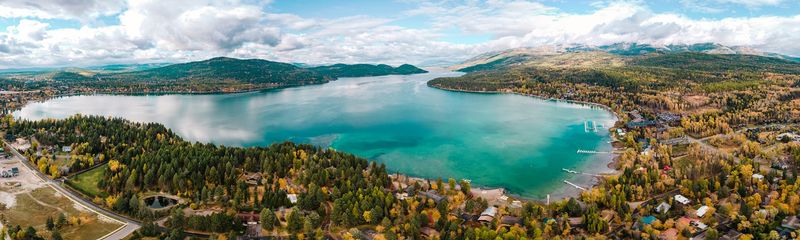
Glacier National Park gets all the glory, but Whitefish — the small Montana city sitting just outside its western entrance — is where savvy travelers set up their base camp. With a downtown that manages to feel both rugged and refined, Whitefish pulls off the rare trick of being a genuine mountain town that also has genuinely good restaurants and interesting shops.
The mountains here are not just a backdrop; they are the whole point.
Whitefish Mountain Resort offers skiing and snowboarding in winter with terrain that satisfies beginners and experts alike, while summer transforms the slopes into a network of mountain biking and hiking trails with sweeping views of the Flathead Valley. Whitefish Lake, right on the edge of town, is one of Montana’s clearest and most beautiful bodies of water, perfect for paddleboarding, swimming, or simply staring at until your problems feel appropriately small.
Day trips into Glacier National Park are spectacular, especially along the Going-to-the-Sun Road, one of the most dramatic drives in North America. Wildlife sightings — including bears, moose, and mountain goats — are common enough that they never quite stop feeling exciting.
Whitefish has grown in popularity in recent years, but it still retains the unpretentious, outdoorsy spirit that makes Montana towns so genuinely appealing to travelers who love wide open spaces.
Fredericksburg, Texas
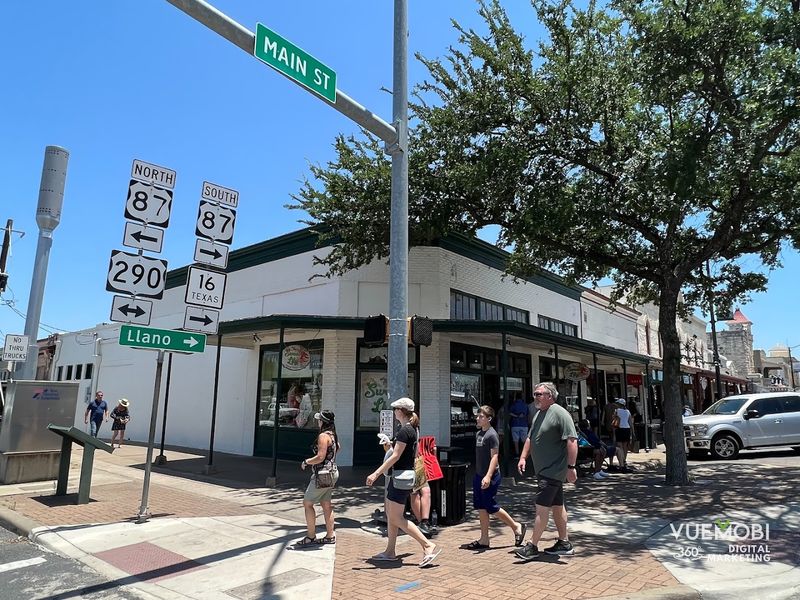
German settlers arrived in the Texas Hill Country in the 1840s and built Fredericksburg with limestone, determination, and an apparently hereditary love of good wine. Today the city is the heart of Texas wine country, surrounded by over 50 wineries producing bottles that have earned genuine national recognition.
The combination of European heritage and Texas swagger creates a cultural mix that is completely unique to this corner of the Hill Country.
Main Street stretches for nearly a mile and is packed with antique shops, bakeries, German restaurants, and boutiques that make it one of the most enjoyable walking streets in Texas. The National Museum of the Pacific War, dedicated to Admiral Chester Nimitz who was born here, is one of the finest World War II museums in the country and worth several hours of your time.
Wildflower season in spring turns the surrounding roadsides into rivers of bluebonnets, Indian paintbrush, and other Texas wildflowers that attract photographers from across the state.
Enchanted Rock State Natural Area sits just 18 miles north, offering a massive pink granite dome that hikers can climb for panoramic Hill Country views. Fredericksburg’s bed-and-breakfast scene is thriving, with historic Sunday Houses and charming guesthouses providing accommodations as memorable as the destination itself.
This is one Texas city that rewards slow, unhurried exploration.
Camden, Maine
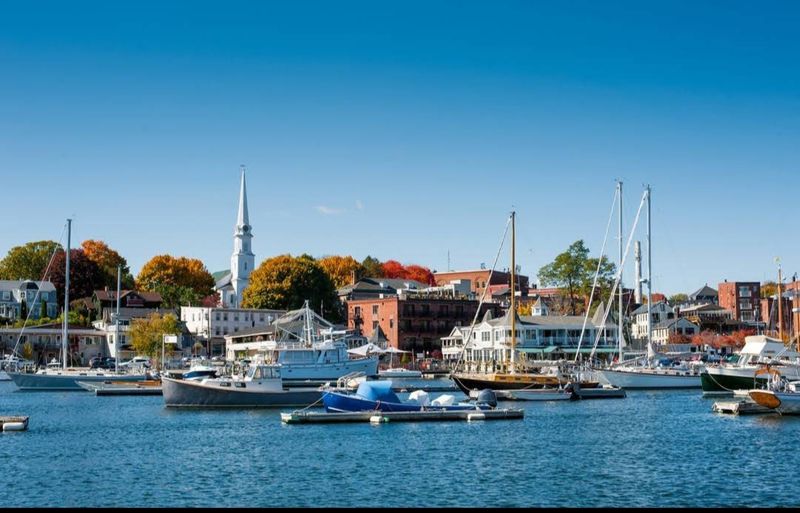
Camden is the kind of harbor town that makes people immediately start researching how much houses cost there. Tall-masted schooners fill the inner harbor, lobster boats chug past at dawn, and the Camden Hills rise dramatically right behind the main street, creating a postcard-perfect backdrop that is somehow even more beautiful in real life.
It has appeared on countless lists of the prettiest towns in America, and those lists are not wrong.
Camden Hills State Park sits practically in the town’s backyard, offering trails that climb to Mount Battie for one of the most rewarding views in all of New England. The summit can also be reached by car, which makes the panoramic view of Penobscot Bay accessible to visitors of all fitness levels.
Windjammer cruises departing from the harbor offer multi-day sailing adventures through the island-dotted waters of Midcoast Maine that are truly bucket-list worthy.
The downtown is compact but well-stocked with excellent bookshops, art galleries, and seafood restaurants where a bowl of chowder and a lobster roll make for a near-perfect lunch. Camden’s proximity to Rockland, home of the Farnsworth Art Museum with its impressive Andrew Wyeth collection, adds a strong cultural dimension to any visit.
Camden rewards travelers who appreciate natural beauty, maritime history, and the particular magic of a New England harbor town done absolutely right.
Marquette, Michigan
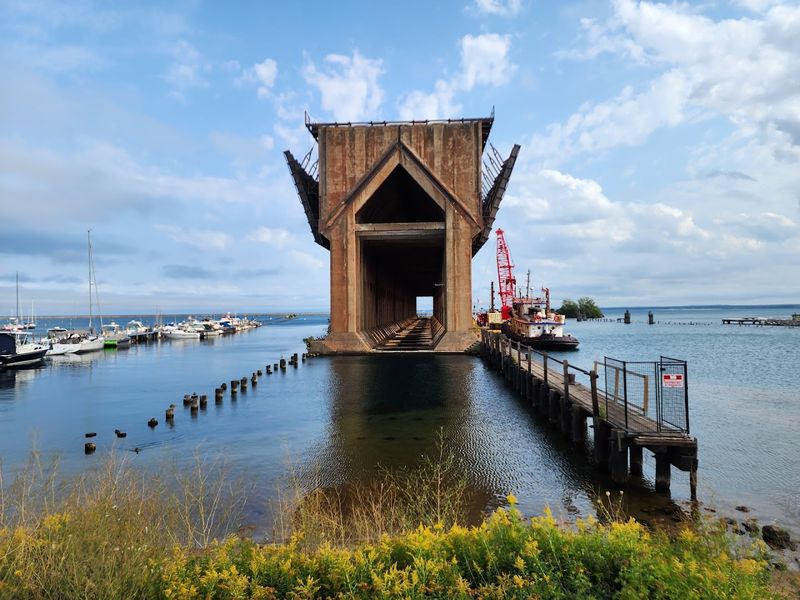
Lake Superior is the largest freshwater lake in the world by surface area, and Marquette sits on its southern shore like a city that knows it won the geographic lottery. Red sandstone cliffs drop directly into water so clear it looks tropical despite being absolutely, bracingly cold.
The Upper Peninsula of Michigan has a devoted following among travelers who love wild landscapes, and Marquette is the UP’s largest and most vibrant city.
Presque Isle Park, a forested peninsula jutting into Lake Superior right at the edge of town, offers miles of trails, rocky beaches, and sunset views that locals treat as a near-religious experience. The city’s downtown has developed a surprisingly lively restaurant and brewery scene, fueled in part by Northern Michigan University, which gives Marquette an energetic edge that many remote northern cities lack.
Iron ore mining shaped this region’s history, and the Marquette Regional History Center tells that story with impressive depth.
Pictured Rocks National Lakeshore, located about an hour east, features multicolored sandstone cliffs, sea caves, and waterfalls along one of the most spectacular stretches of freshwater coastline anywhere in North America. Winter transforms the region into a snowshoeing and cross-country skiing paradise, with snowfall totals that make Marquette one of the snowiest cities in the continental United States.
That is either a warning or a selling point, depending entirely on your relationship with winter.
Durango, Colorado
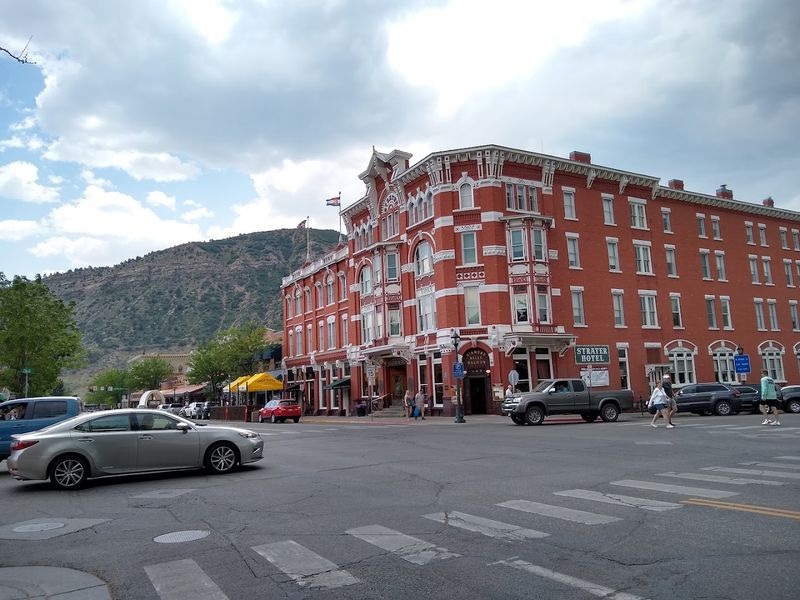
The Durango and Silverton Narrow Gauge Railroad has been running through the San Juan Mountains since 1882, and boarding that train is still one of the most thrillingly scenic things you can do in Colorado. Durango itself is a small city that manages to deliver an outsized amount of personality, outdoor adventure, and genuine historic character.
Sitting at the confluence of the Animas River and the surrounding mountain wilderness, it has always attracted people who want their towns a little rough around the edges.
The Animas River runs right through downtown, providing a corridor for rafting, kayaking, and riverside cycling that feels like a natural extension of the city itself. Mountain biking trails in the Durango area are legendary among enthusiasts, with the Colorado Trail offering epic backcountry riding for those willing to earn their views.
Purgatory Resort, just north of town, handles the skiing duties in winter with reliable snowfall and challenging terrain.
Downtown Durango’s historic Main Avenue is lined with Victorian-era buildings housing craft breweries, bookshops, and restaurants that reflect the city’s blend of Old West heritage and modern outdoor culture. Mesa Verde National Park, home to remarkable ancient Ancestral Puebloan cliff dwellings, sits about an hour west and adds a profound archaeological dimension to any visit.
Durango is the kind of place where a long weekend never feels quite long enough.
Port Townsend, Washington
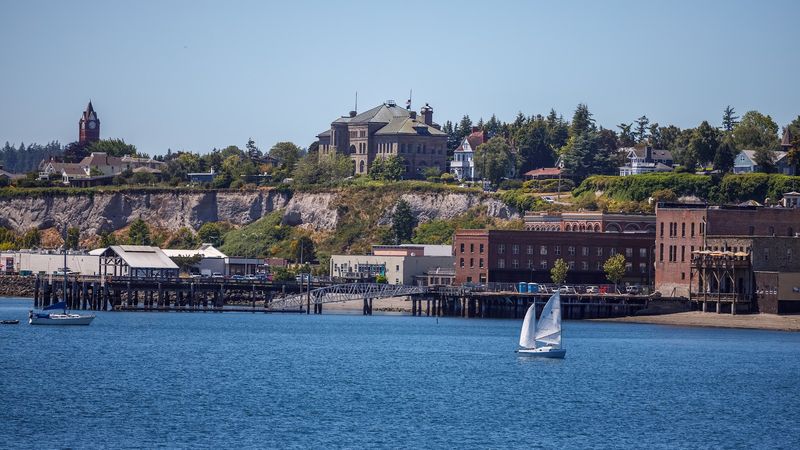
Port Townsend was supposed to become the next great Pacific Northwest city in the 1880s, a commercial hub destined to rival Seattle. The railroad never arrived, the boom faded, and the town was left with a remarkable collection of Victorian architecture that no one ever had reason to tear down.
That accidental preservation makes Port Townsend one of the most architecturally distinctive small cities on the entire West Coast.
The city splits into two distinct levels: the waterfront commercial district below and the residential bluffs above, connected by steep streets and staircases that give the town a pleasantly vertical character. The downtown is packed with independent bookshops, art galleries, coffee roasters, and oyster bars that reflect a community with strong creative instincts and excellent taste.
The Wooden Boat Festival, held every September, draws boat builders and sailing enthusiasts from around the world for a weekend celebration that feels genuinely joyful.
Fort Worden State Park, a former military installation at the edge of town, offers beaches, trails, historic gun batteries, and the Centrum arts organization, which hosts concerts and workshops throughout the year. The Olympic Peninsula stretches just beyond, offering Olympic National Park’s temperate rainforests, glacier-capped peaks, and wild ocean beaches within easy driving distance.
Port Townsend is a city that rewards the curious and the unhurried in equal measure.
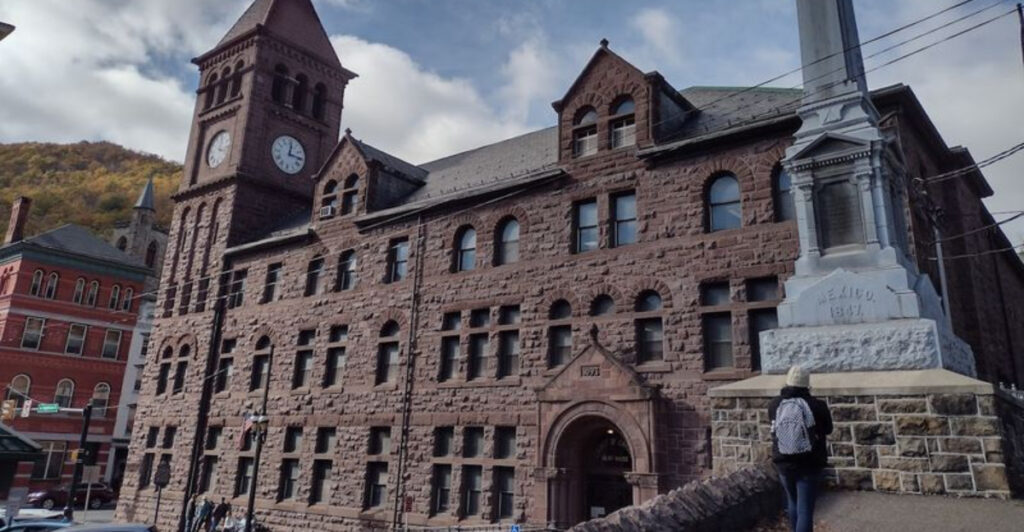
Jim Thorpe, Pennsylvania
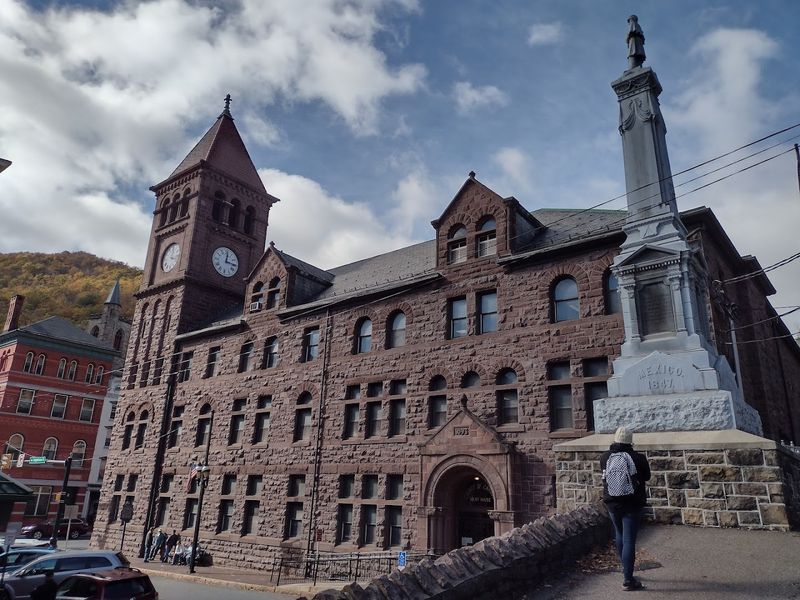
Nicknamed the “Switzerland of America” by Victorian-era tourists who were apparently very impressed by the scenery and very generous with comparisons, Jim Thorpe is a Pennsylvania town that genuinely earns its reputation for dramatic beauty. Nestled in a narrow gorge carved by the Lehigh River, the city’s colorful Victorian buildings cling to steep hillsides in a way that looks almost impossible until you are standing right in front of it.
Fall foliage season here is absolutely extraordinary.
The town was originally two separate communities — Mauch Chunk and East Mauch Chunk — that merged in 1954 and renamed themselves after the legendary Native American athlete and Olympic champion Jim Thorpe, whose remains are interred here in a striking mausoleum. The historic downtown is filled with antique shops, art galleries, and restaurants housed in beautifully preserved 19th-century buildings that have earned the area its “Little Switzerland” nickname.
Asa Packer Mansion, an ornate Italianate home overlooking the town, offers tours that reveal the extravagant lifestyle of a 19th-century railroad baron.
The Lehigh Gorge State Park provides world-class whitewater rafting in spring and a spectacular 26-mile rail trail for cycling and hiking in summer. Mountain biking on the trails of Blue Mountain adds another layer of outdoor adventure to an already activity-rich destination.
Jim Thorpe is one of those places that surprises nearly every visitor who was not sure what to expect.
Fairhope, Alabama
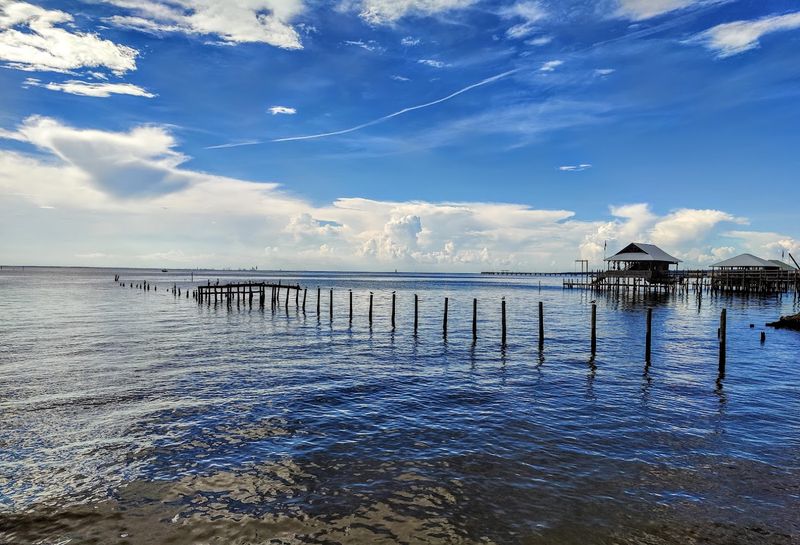
Flower baskets hang from every lamppost, art galleries line the main street, and the bluffs above Mobile Bay offer some of the most quietly spectacular sunset views on the entire Gulf Coast — Fairhope is Alabama’s best-kept secret, and it is only a secret because people forget to look this far south. Founded in 1894 as a utopian single-tax colony, the city has always attracted artists, free thinkers, and people who simply appreciate a beautiful place to live.
That founding spirit still flavors the community in the best possible way.
The downtown is wonderfully walkable, with independent bookshops, farm-to-table restaurants, and boutiques that reflect the tastes of a creative, tight-knit community. The Eastern Shore Art Center and numerous private galleries give Fairhope a visual arts scene that punches well above its population weight.
Pier Street leads down the bluff to a long public pier stretching into Mobile Bay, where locals fish, walk, and watch pelicans cruise overhead in the golden afternoon light.
The Eastern Shore Trail offers miles of scenic cycling and walking paths connecting Fairhope to neighboring towns along the bay. Day trips across the bay to Mobile open up access to a city with its own impressive history, Mardi Gras tradition, and excellent Gulf seafood.
Fairhope is the rare small city that manages to feel both deeply rooted and genuinely welcoming to everyone who wanders in.
Share this story