Somewhere in the North Georgia mountains, there is a building that has convinced skeptics, delighted kids, and sent grown adults home with Bigfoot-themed gift baskets. It does not take itself too seriously, but it does take its subject seriously enough to fill every corner with casts, maps, audio recordings, and artifacts that make you pause longer than you planned.
Whether you believe in Sasquatch or think the whole thing is a tall tale, this stop along a Georgia highway has a way of pulling you in and keeping you there for a good two hours. Road trips through Blue Ridge just got a lot more interesting.
The Founding Story Behind the Exhibits
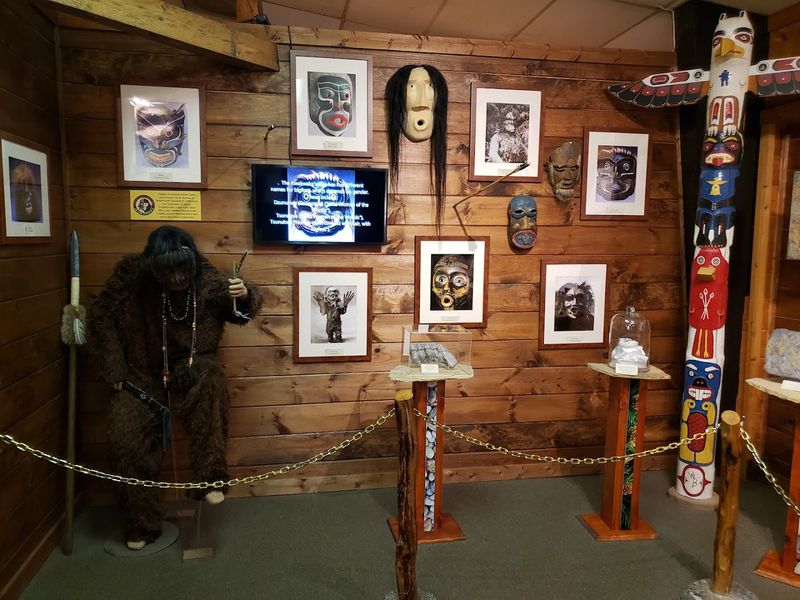
Museums about cryptids do not usually start with a serious research mission, but this one carries a genuine enthusiasm for documentation and history. The museum was created to compile and present decades worth of eyewitness accounts, physical evidence, and cultural history surrounding Bigfoot sightings across North America.
The founders approached the subject the way a natural history museum might approach paleontology, with organized displays, referenced materials, and a reference library visitors can browse. That combination of entertainment and earnest curiosity is what separates this place from a novelty shop with a mascot.
Every section of the museum was designed to walk visitors through a progression of evidence and storytelling rather than just stacking weird things in a room. The result feels more like a researched exhibit than a carnival attraction.
That deliberate organization is something even skeptical visitors tend to notice and appreciate once they spend time inside.
Life-Size Figures That Stop You Mid-Step
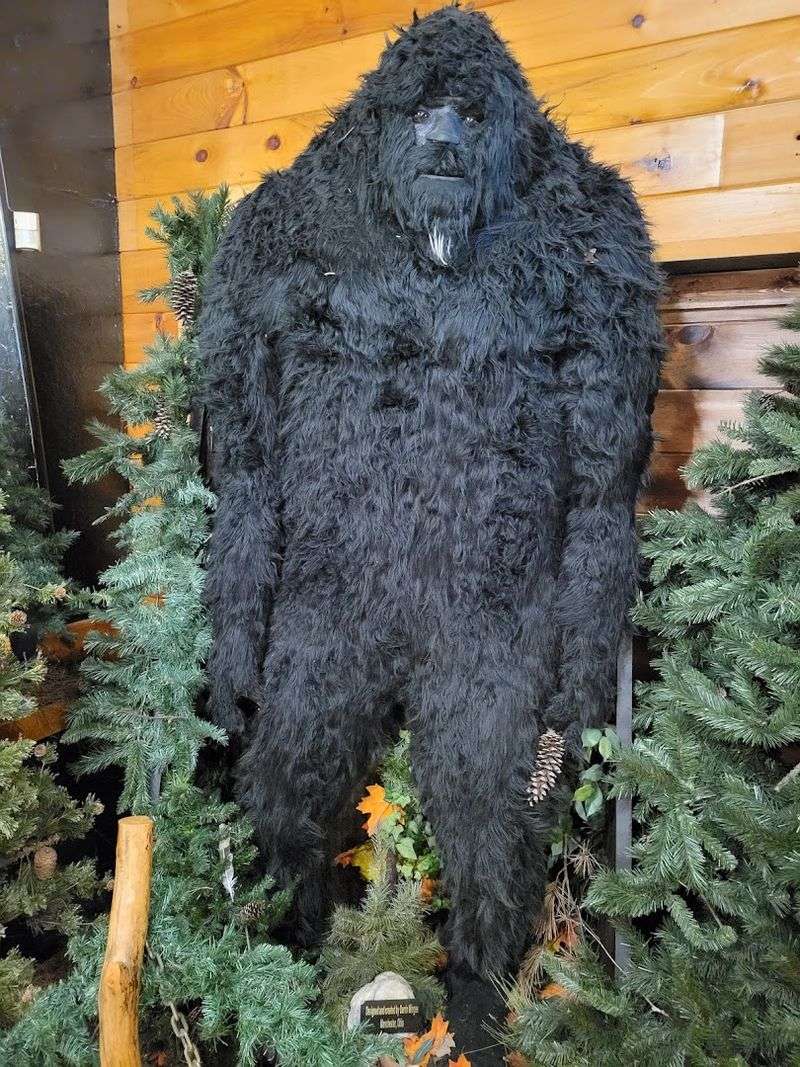
There is a moment inside the museum when you round a corner and come face to face with a life-size Sasquatch figure, and even if you were fully expecting it, your body still reacts. The figures are detailed and positioned within recreated scenes pulled from actual eyewitness accounts, which makes them feel less like props and more like illustrations of real reported events.
Each scene is built around a specific sighting story, giving the figures context that a standalone statue would not have. You are not just looking at a costume on a stand.
You are looking at a moment someone claims to have lived through, reconstructed as faithfully as the museum could manage.
For kids, these scenes are the highlight of the whole visit. For adults who came in skeptical, they tend to be the part that lingers in memory longest, which says something about how well they are executed.
The Cast Collection Is Surprisingly Convincing
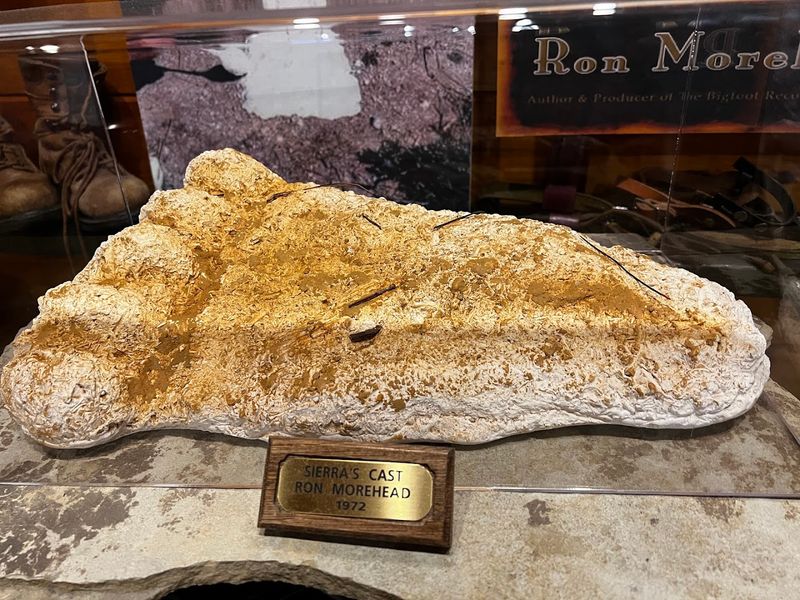
Footprint casts are one of the oldest and most debated categories of Bigfoot evidence, and the museum holds a substantial collection of them. Casts from different states and different decades line the walls and display cases, showing variations in size, shape, and depth that researchers have spent years trying to explain.
Among the more unusual pieces is what the museum describes as a cast of a Sasquatch impression on red velvet, which sounds absurd until you are standing in front of it trying to figure out what else could have made it. The collection also includes handprint casts and hair samples that have been submitted for analysis over the years.
Seeing so many casts together in one place shifts the experience from folklore to something that feels more like physical record-keeping. Whether the records point where believers think they do is a question the museum leaves entirely up to you.
Audio Stations That Change the Atmosphere
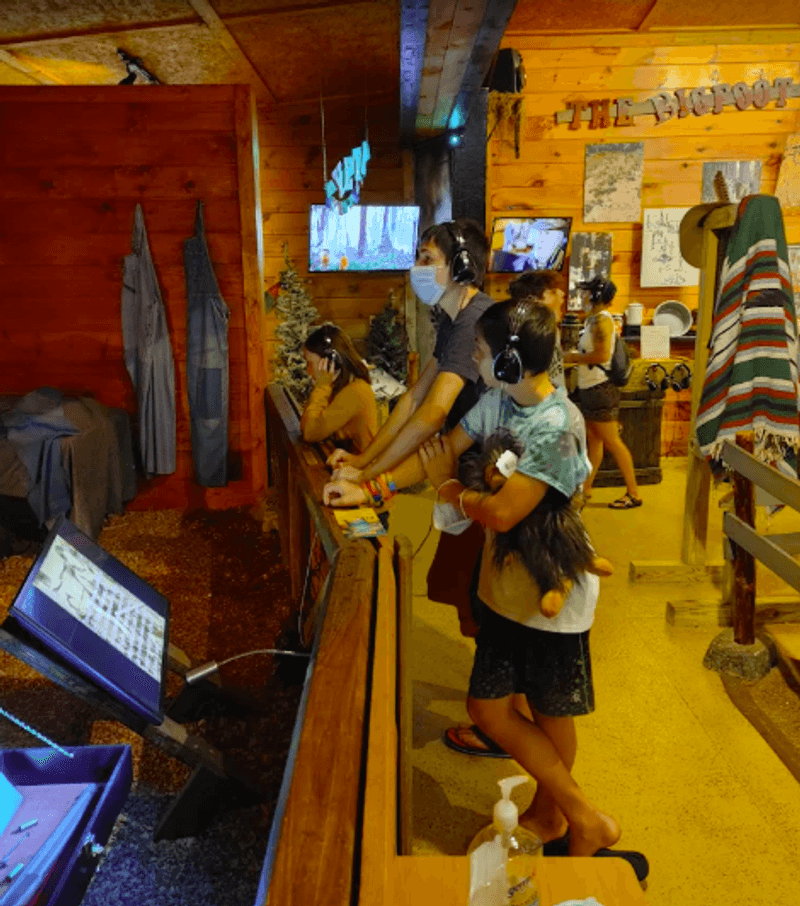
Reading about Bigfoot howls is one thing. Hearing recordings of what witnesses say they heard in the dark Georgia woods is a completely different experience.
The museum has audio listening stations where visitors can hear documented vocalizations, including recorded howls and grunts that researchers have collected from various sighting locations across North America.
These stations do something the visual displays cannot. They shift the setting from a well-lit museum floor to whatever forest or field the original witness was standing in.
Several visitors have described the audio as the part of the exhibit that genuinely unsettled them, even if nothing else did.
The recordings are presented with context about where and when they were captured, which keeps them grounded in the broader documentation effort rather than floating as unexplained sound bites. Combined with the surrounding exhibits, the audio stations make the whole room feel different once they are playing.
Native American Accounts Add Real Historical Depth
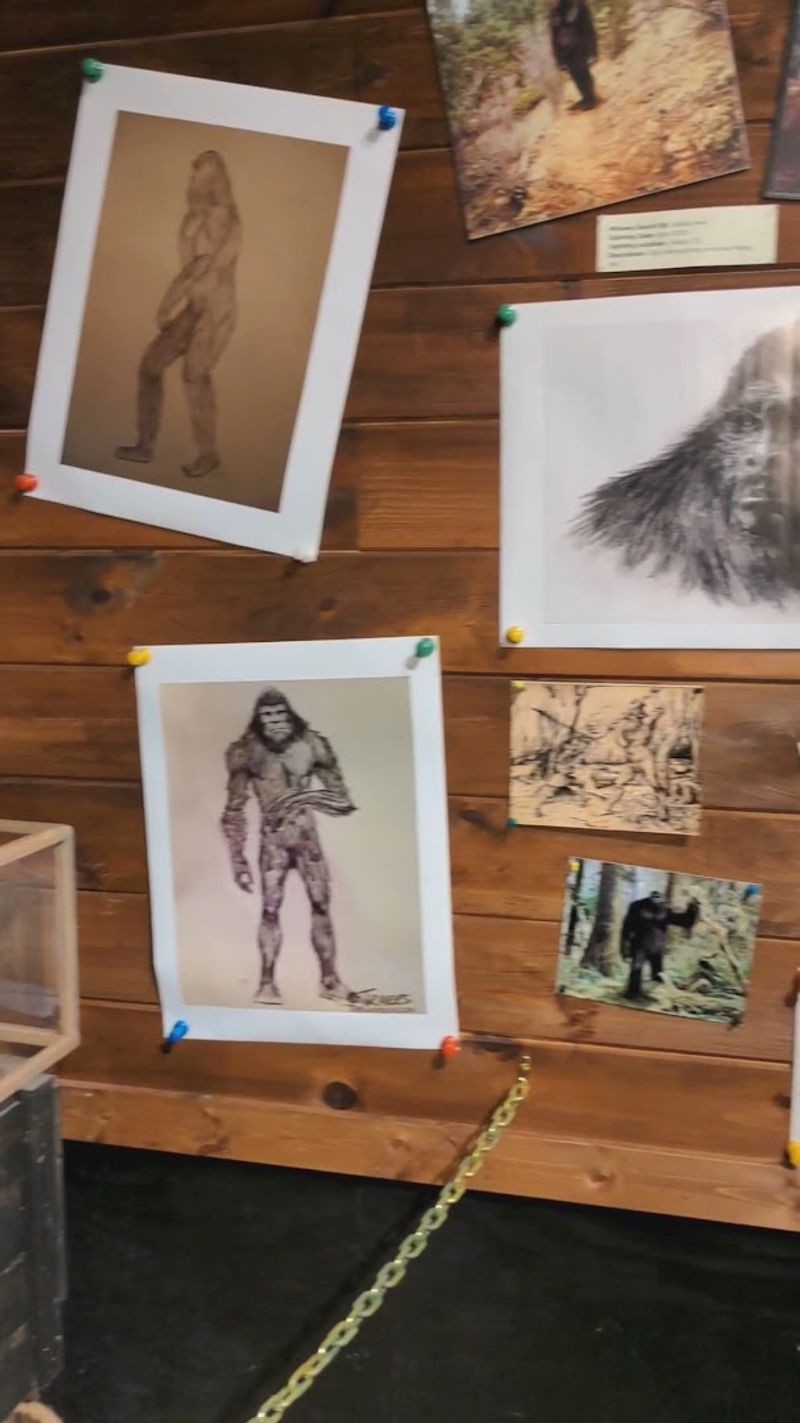
One section of the museum consistently surprises visitors who came in expecting only modern campfire stories. The exhibit dedicated to Native American accounts of Sasquatch-like beings stretches the history of these sightings back far beyond the twentieth century and connects the creature to cultural traditions that predate European settlement of North America.
Various Indigenous nations across the continent have names and stories for large, bipedal, forest-dwelling beings that match Bigfoot descriptions in significant ways. The museum presents these accounts with care, treating them as serious historical and cultural records rather than folktales to be dismissed.
For many visitors, this section reframes the entire conversation. The idea that dozens of unconnected Indigenous cultures across thousands of miles of territory independently developed similar descriptions of the same creature is a detail that tends to stick with people long after they leave.
It is the section most often mentioned by visitors who came in as non-believers.
The Sighting Map Covers the Whole Country
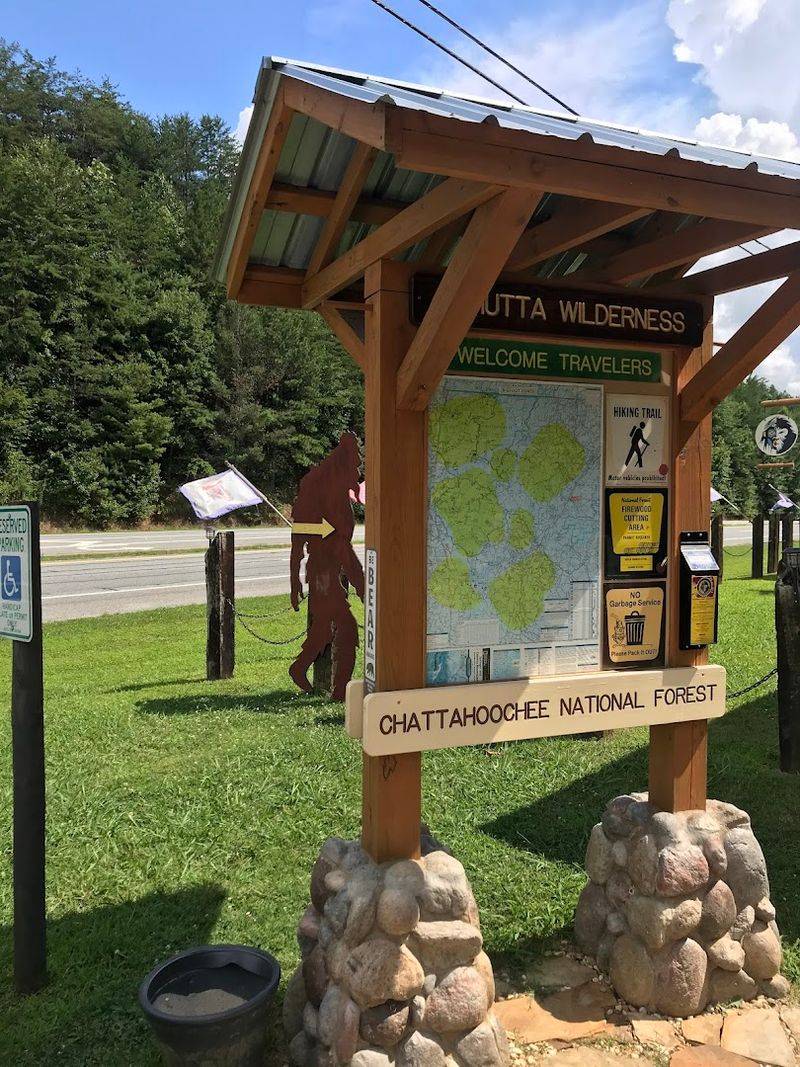
One wall of the museum holds a large map marked with reported Bigfoot sightings from across the United States and Canada. The density of pins in certain regions is striking, and the geographic spread of reports makes it harder to write the whole thing off as a regional legend tied to one particular area.
States like Washington, Oregon, and Ohio appear heavily marked, but Georgia and the surrounding Appalachian region hold their own on the map as well. Seeing your home state or the state you drove from represented on that map adds a personal layer to the exhibit that a national documentary cannot replicate.
The map is also one of the most photographed spots in the museum, partly because it is visually dramatic and partly because people want to show friends back home where sightings have been reported nearby. It turns out proximity to a reported sighting is a surprisingly effective conversation starter.
The Sasquatch Theater Rounds Out the Experience
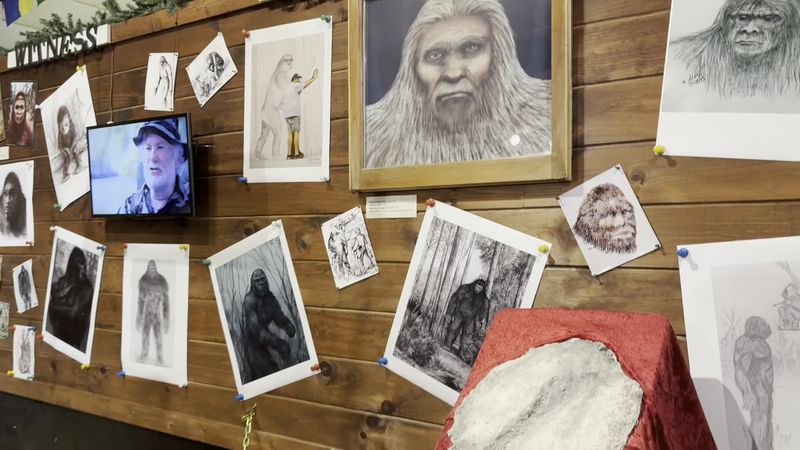
Tucked inside the museum is a dedicated screening room called the Sasquatch Theater, where short films related to Bigfoot research and sightings play for visitors. It is a quieter, more contained part of the experience that gives the information from the exhibits a chance to settle before you move on.
The films lean toward documentary style rather than horror or sensationalism, which fits the overall tone of the museum. The goal seems to be presenting the subject as something worth taking seriously, even if the viewer ultimately decides not to.
That restraint is noticeable and appreciated.
Families with younger kids sometimes use the theater as a reset moment mid-visit, and it works well for that. The seating is comfortable enough for a short film, and the content bridges the gap between what you read on the walls and what researchers have actually documented on camera over the decades.
It adds a dimension the static displays cannot.
Eyewitness Video Interviews Add Human Weight
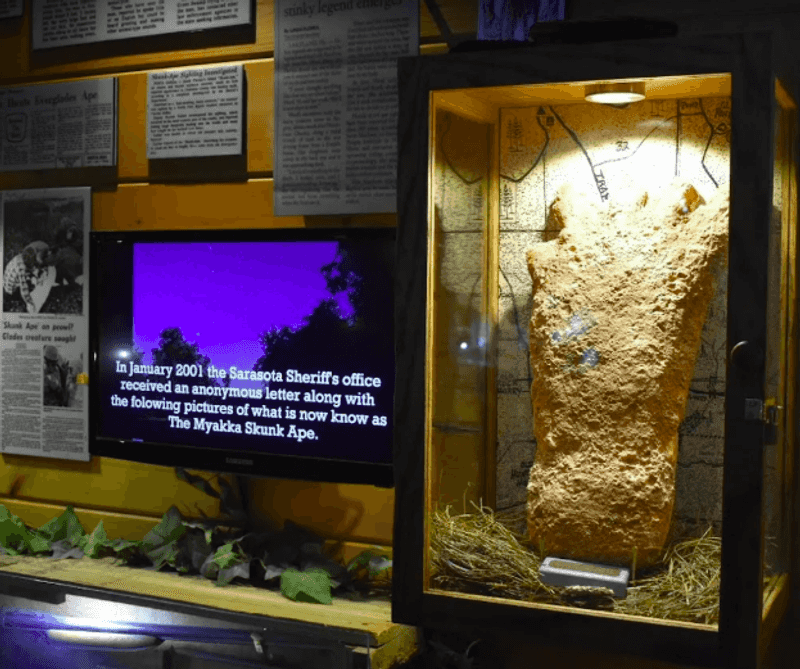
Photographs and casts can be faked. A person sitting in front of a camera describing what they saw in specific, emotional detail is harder to dismiss entirely.
The museum includes a collection of eyewitness video interviews where real people recount their reported Sasquatch encounters in their own words.
The interviews come from different states, different decades, and very different kinds of people. Hunters, hikers, farmers, and families all appear, and the consistency of certain details across unconnected accounts is what the museum uses these videos to illustrate.
You start noticing patterns without anyone pointing them out to you.
Watching someone describe an experience they clearly still think about years later carries a weight that a printed summary on a display card does not. The museum understood that when it built this section, and the result is one of the more emotionally engaging parts of the whole exhibit.
It is harder to leave this section quickly than most others.
The Research ATV and Field Equipment Display
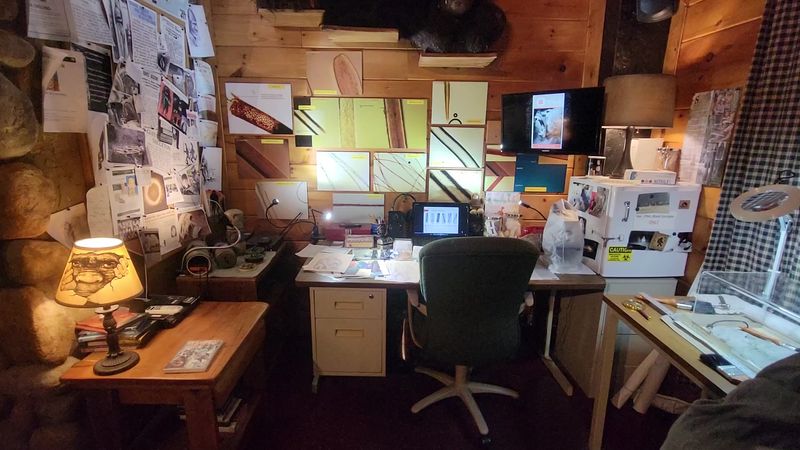
Not many museums about cryptids include actual field research equipment, but this one does. The museum features a high-tech research ATV rigged with the kind of gear that active Bigfoot researchers use in the field, including cameras and tracking equipment that serious investigators bring into the woods.
The display does something clever. It shifts the narrative from passive legend-collection to active ongoing investigation.
Bigfoot research is not just a hobby for some people. It is a structured field pursuit with equipment, methodology, and documentation standards, and the ATV display makes that tangible in a way that wall panels alone cannot.
Kids especially respond to the vehicle because it looks like something from an adventure film. Adults who follow Bigfoot research more closely tend to recognize the equipment and find it genuinely interesting rather than theatrical.
Either way, it is a conversation piece that earns its floor space and gives the museum a more active, forward-looking energy.
Ticket Prices That Make the Stop Easy to Justify
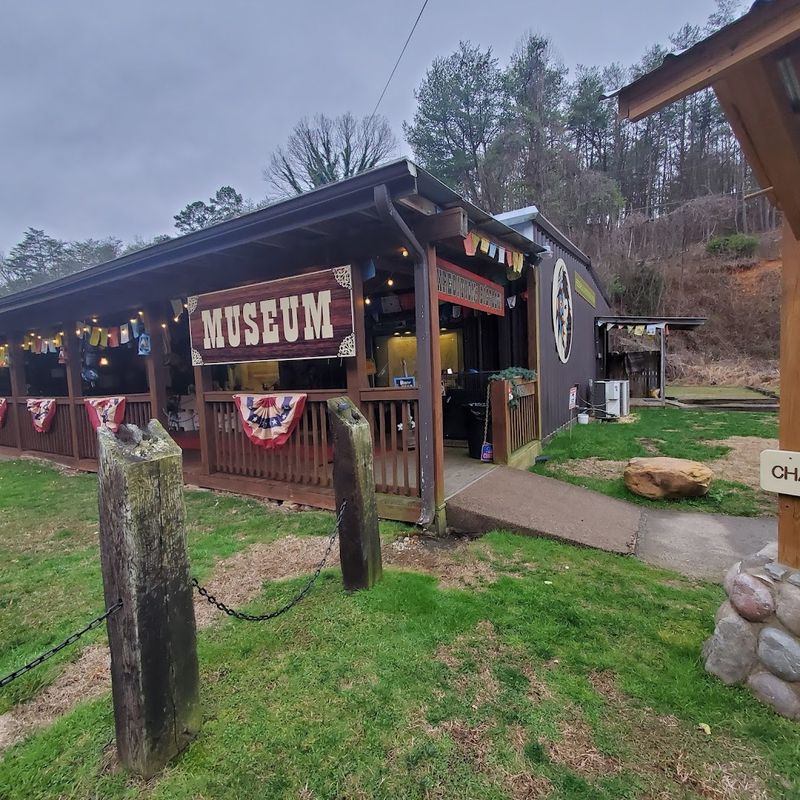
At around nine dollars per adult, this museum sits comfortably in the category of stops that are easy to say yes to on a road trip. The price point removes the mental friction that keeps people driving past interesting places they end up regretting later.
Senior discounts and military discounts are also available, which the staff applies without making visitors ask twice.
For a family, the math works out to a couple of hours of genuine entertainment at a cost that does not require much deliberation. Most visitors report spending between one and two hours inside, which is a solid return for the admission price by any standard.
The museum is open seven days a week from 10 AM to 5 PM, which makes it flexible enough to fit into almost any road trip schedule. No advance ticket purchase is required on most weekdays, though weekends during peak season can draw larger crowds worth planning around.
Where the Legend Lives on Highway 515
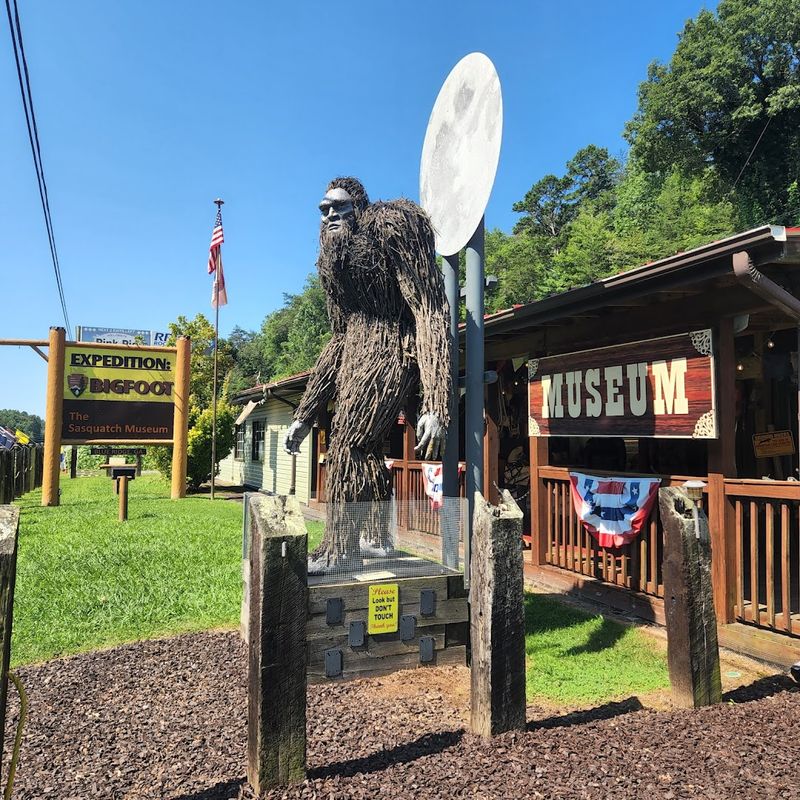
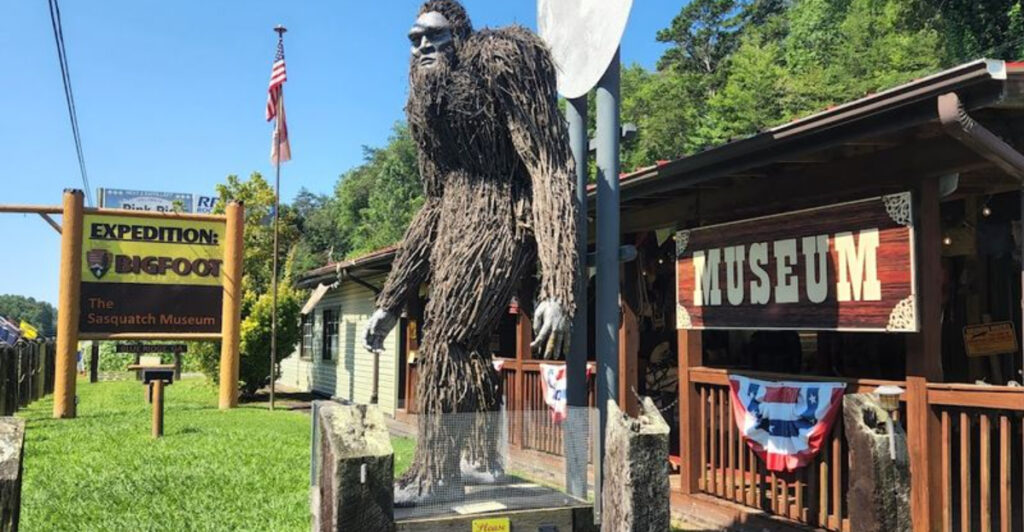
Not every museum announces itself with a life-size Sasquatch figure and a sign bold enough to spot from a moving car, but this one does. EXPEDITION:BIGFOOT!
The Sasquatch Museum sits at 1934 GA-515 in Blue Ridge, Georgia 30513, right along one of the most traveled mountain routes in the state. It is the kind of roadside stop that drivers have passed for years before finally deciding to pull in.
Blue Ridge itself is a small Appalachian town known for cabin rentals, the historic Blue Ridge Scenic Railway, and mountain scenery. Adding a Bigfoot museum to that mix sounds almost too on-brand for a Georgia mountain town, and yet it works completely.
The museum draws visitors from across the country, and the parking lot regularly fills with out-of-state plates.
You can reach them at 706-946-2601 or visit expeditionbigfoot.com before your trip to plan ahead.
Share this story