Few places in history have been as misunderstood as the Bastille, the medieval fortress that stood in the heart of Paris until the summer of 1789. Popular novels, Hollywood films, and centuries of storytelling have wrapped the building in layers of myth that often have little to do with documented history. The real Bastille was a complicated place, shaped by politics, class, and the shifting priorities of French royal power. What follows cuts through the legend to look at what historians have actually found in the records, and some of the answers are genuinely surprising.
1. Myth: The Bastille Was Always a Prison
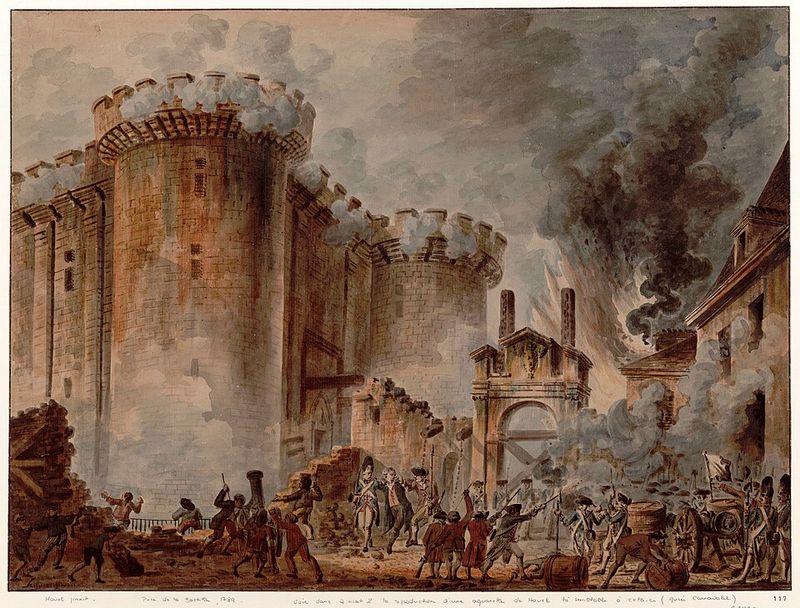
Construction on the Bastille began in 1370, and the workers who built it were not laying the foundations of a prison. The fortress was commissioned as a military defense structure meant to protect the eastern entrance to Paris during the Hundred Years’ War against England.
Its eight towers, thick stone walls, and wide moat were designed to stop armies, not hold individual detainees. For roughly two centuries after its completion in 1383, it functioned primarily as a military stronghold.
The transition to a state prison happened gradually during the 15th and 16th centuries, as French kings found it convenient to use the fortified space to hold political detainees. By the time the Bastille became famous as a symbol of royal power, its original military identity had been almost completely forgotten.
2. Myth: Thousands of Prisoners Were Freed on July 14, 1789
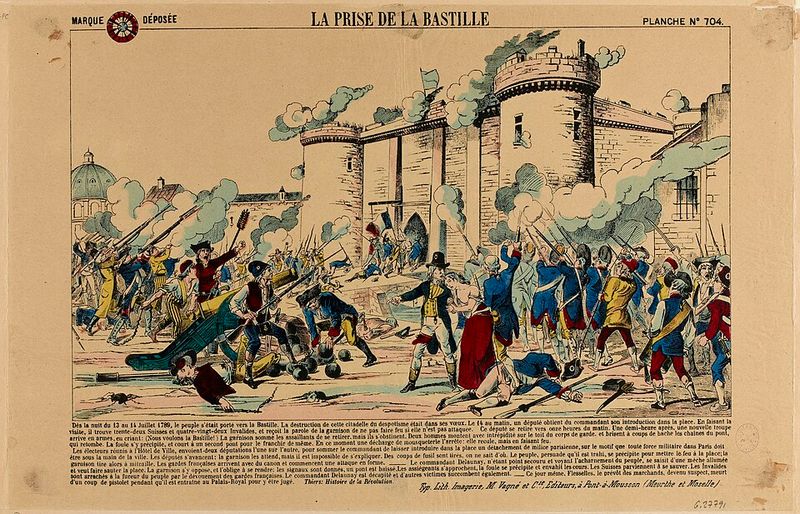
The image of jubilant crowds pouring into the Bastille to release hundreds of suffering prisoners is one of the most enduring pictures of the French Revolution. It is also almost entirely fictional.
When the fortress surrendered on July 14, 1789, the liberating crowd found exactly seven people inside. Four of them were forgers convicted of financial crimes. Two were described in prison records as mentally ill. The seventh was a young nobleman whose own family had requested his imprisonment to avoid a public scandal.
None of the seven were prominent political figures, and no dramatic liberation scene took place. The Bastille’s power as a symbol came entirely from what it represented rather than from what it actually contained on the day it fell. The story of mass liberation was built afterward, not discovered inside.
3. Myth: Marie Antoinette Was Imprisoned There
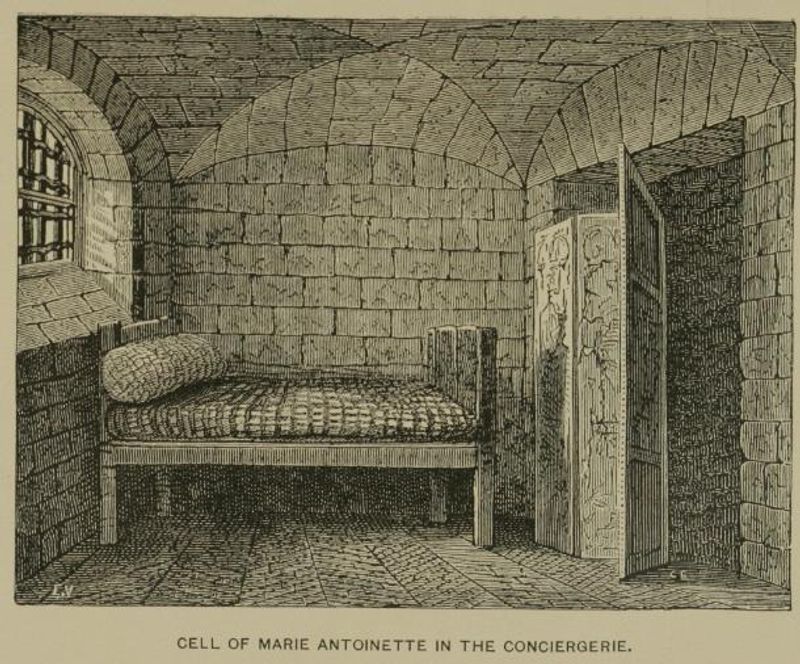
Marie Antoinette is so closely associated with the French Revolution’s most dramatic moments that many people assume the Bastille was part of her story. It was not.
After the monarchy collapsed in 1792, the royal family was held at the Temple Prison, a medieval tower in central Paris. Marie Antoinette was later transferred to the Conciergerie, a riverside prison near the Palais de Justice, where she remained until her execution in October 1793.
The Bastille had already been demolished by that point. The confusion likely comes from popular films and novels that blend the revolution’s many locations into a single dramatic backdrop. Historical records are clear: Marie Antoinette never spent a single night within the Bastille’s walls. Her imprisonment and the Bastille’s fall were separate chapters in the same larger story.
4. Myth: The Man in the Iron Mask Wore an Iron Mask
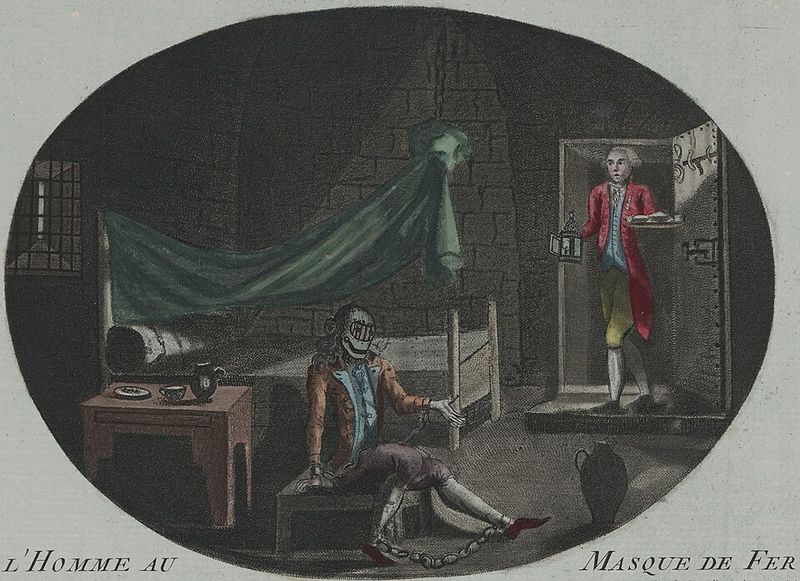
Alexandre Dumas made the iron mask famous in his 1848 novel, and the image of a prisoner condemned to wear a heavy metal face covering has stuck ever since. The actual historical record tells a different story.
The mysterious prisoner, whose identity remains genuinely unknown, was moved to the Bastille in 1698 after spending time in other French prisons. Contemporary accounts written by people who actually saw him consistently describe a black velvet mask, not an iron one.
The velvet mask was unusual enough on its own, suggesting the prisoner’s face was considered sensitive information worth concealing. Theories about his identity have ranged from an illegitimate royal to a disgraced diplomat, but none have been conclusively proven. Dumas upgraded the mask to iron for dramatic effect, and readers have preferred that version ever since.
5. Myth: Prisoners Were Routinely Tortured Inside the Bastille
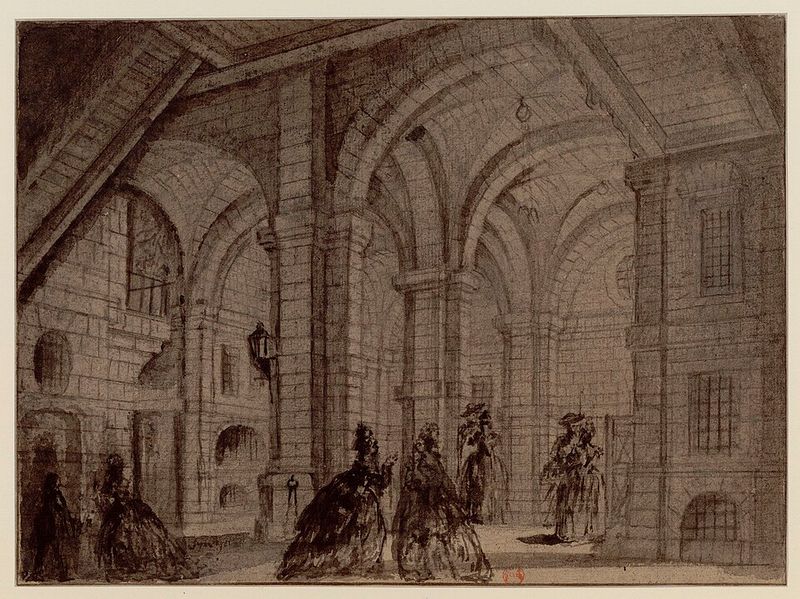
Revolutionary pamphlets written after 1789 described the Bastille as a chamber of horrors, complete with underground dungeons and instruments of suffering. When the fortress was actually torn down, workers found no torture chambers and no instruments of torture.
Interrogation under torture did exist in 18th century France, but it was conducted under judicial authority in separate locations, not inside the Bastille itself. The prison’s function was primarily detention rather than punishment in the physical sense.
By the reign of Louis XVI, conditions had improved noticeably for many inmates. The terrifying reputation was largely constructed through political literature designed to discredit the monarchy. That literature worked so effectively that even today, the word Bastille carries associations of brutality that the physical evidence simply does not support. The building’s symbolism became far more powerful than its actual history.
6. Myth: Everyone Sent to the Bastille Was a Dangerous Criminal
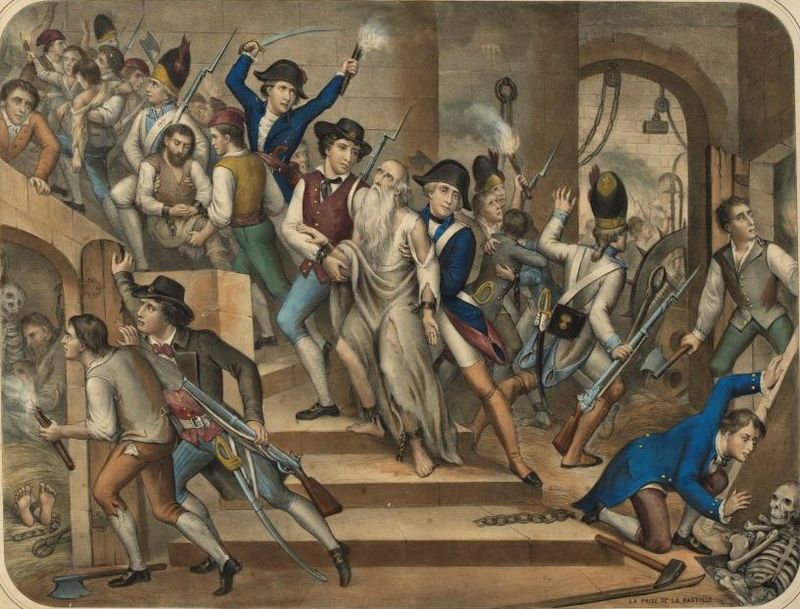
The Bastille’s inmate population was remarkably varied and would surprise anyone expecting a roster of hardened criminals. Writers, philosophers, minor nobles, and government officials all passed through its gates at different points in history.
Voltaire was imprisoned there twice. The Marquis de Sade spent time there before the revolution. Some inmates had written pamphlets that offended powerful ministers. Others had made the mistake of insulting the wrong aristocrat at the wrong moment.
A significant portion of inmates were sent not by royal decree but at the request of their own families, who used the lettres de cachet system to quietly manage relatives whose behavior had become embarrassing or financially threatening. The Bastille was, in many cases, less a place of punishment for public crimes and more a private tool for managing political and social inconveniences.
7. Myth: Voltaire Spent Years There
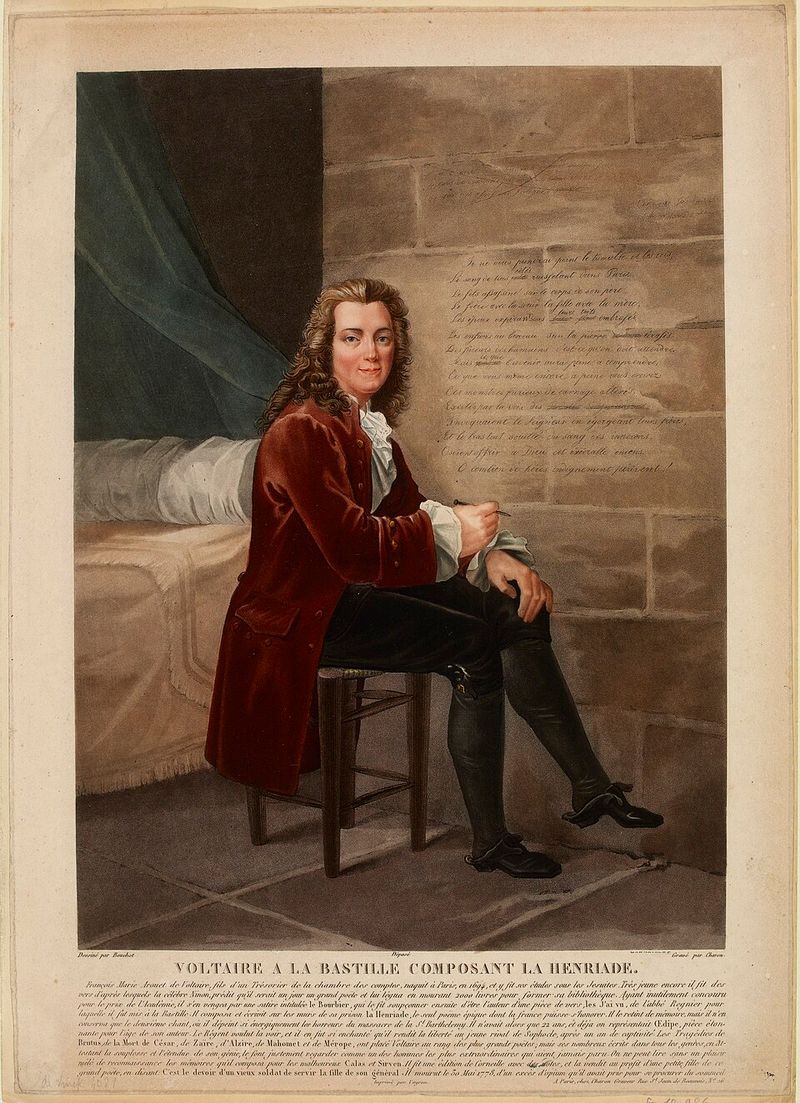
Voltaire’s connection to the Bastille is real, but the popular notion that he spent long stretches of his life locked inside its towers is an exaggeration. His actual time there was considerably shorter than the legend suggests.
His first imprisonment in 1717 lasted about eleven months, the result of satirical verses that were blamed on him and considered offensive to the regent. His second stay in 1726 ended relatively quickly when he agreed to leave France for England rather than remain in custody.
Voltaire actually used his first imprisonment productively, working on his play Oedipe while inside. The Bastille experience clearly left an impression on him, and his later writings frequently criticized arbitrary royal power. But characterizing him as a long-term prisoner misrepresents the actual timeline. His stays were significant but measured in months, not years.
8. Myth: The Bastille Was Impossible to Escape
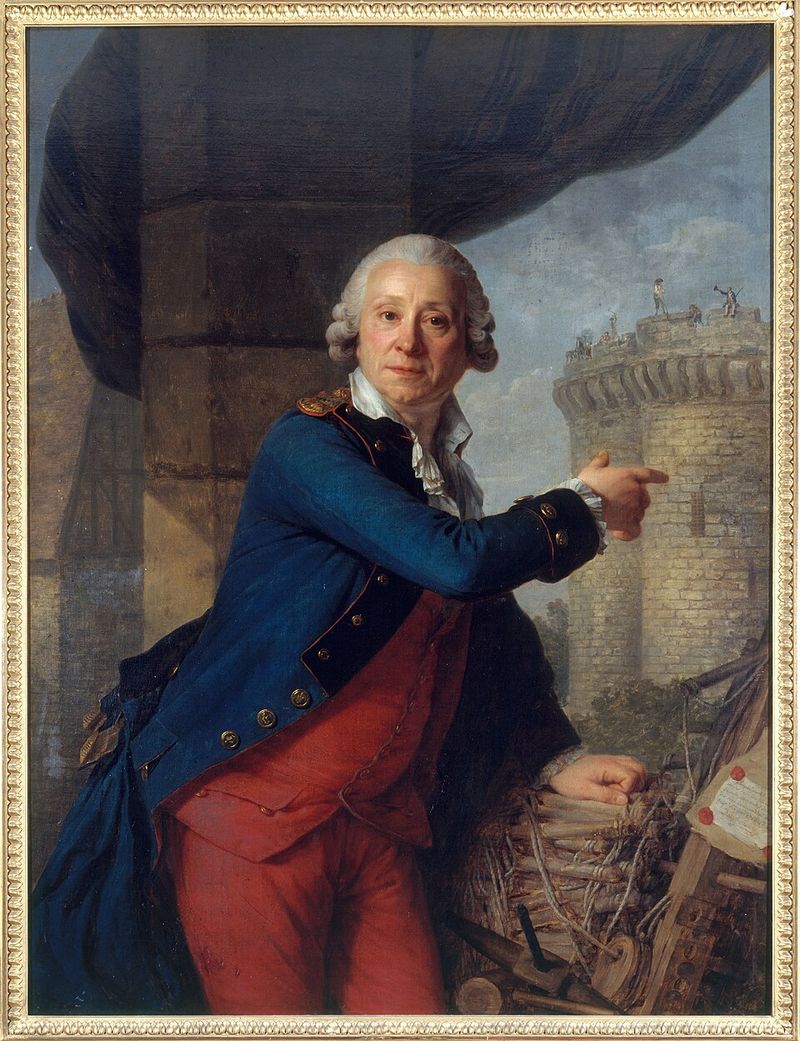
Eight towers, walls several feet thick, a moat, and armed guards made the Bastille look escape-proof on paper. In practice, a small number of determined prisoners managed to find ways out.
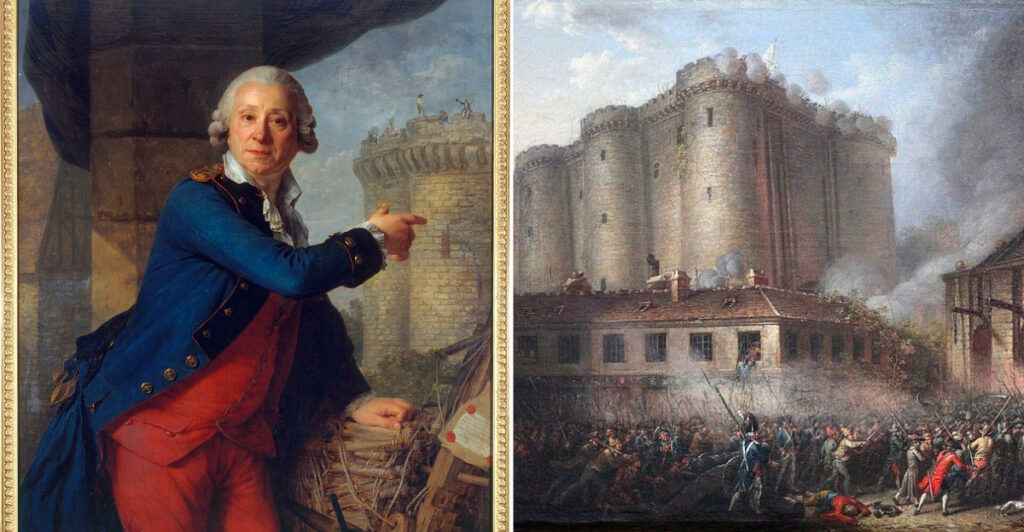
Henri Masers de Latude became the most famous Bastille escapee, managing to flee more than once using improvised ropes made from materials he had gathered inside. He was eventually recaptured each time, but his escapes were genuine, documented events rather than fiction.
After his final release, Latude published detailed memoirs describing his experiences and escapes. Those accounts became widely read and contributed significantly to the Bastille’s terrifying public reputation. His writings were part of a broader wave of anti-Bastille literature that shaped how ordinary French people thought about the prison well before 1789. The fortress was formidable, but not entirely inescapable.
9. Myth: Every Prisoner Lived in Horrific Conditions
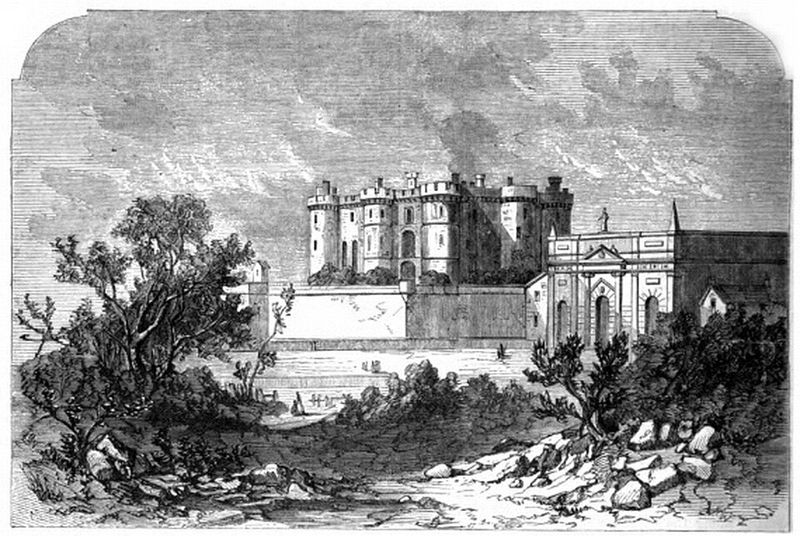
Conditions inside the Bastille were not uniform, and the gap between the best and worst accommodations was substantial. Social rank determined almost everything about a prisoner’s daily experience.
Wealthy or well-connected inmates could arrange for their own furniture to be brought in, order meals from outside, keep personal servants, and maintain extensive personal libraries. Some rooms in the upper towers were genuinely comfortable by 18th century standards.
Prisoners with fewer resources or lower social standing lived more simply, but even their conditions were generally considered better than those in many ordinary French jails of the same period. When revolutionaries entered the fortress in 1789, they reportedly found the remaining inmates in relatively adequate circumstances. The Bastille’s fearsome reputation was built on its political symbolism and its history of arbitrary imprisonment rather than on documented physical suffering across the board.
10. Myth: The Bastille Was Overflowing with Prisoners
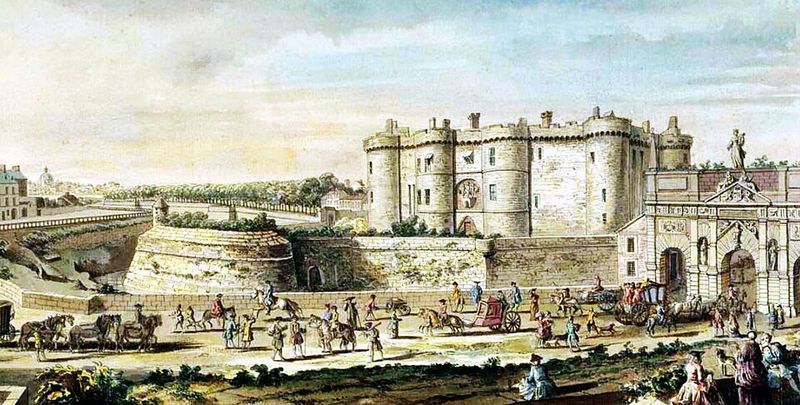
Given its eight towers and dozens of individual cells, the assumption that the Bastille was constantly packed with prisoners seems reasonable. The actual population records tell a much quieter story.
For much of its history as a prison, the Bastille held only a few dozen inmates at any given time. By the 1780s, that number had dropped further, and official reports from the period show that the government was already discussing whether the facility was worth maintaining.
A royal commission had actually recommended closing the Bastille before the revolution made the decision irrelevant. The cost of running the fortress relative to the small number of prisoners it held made it a financial burden. Its political symbolism far outpaced its practical use. The building that became the defining image of royal oppression was, in its final years, largely empty.
11. Myth: The King Personally Chose Every Prisoner
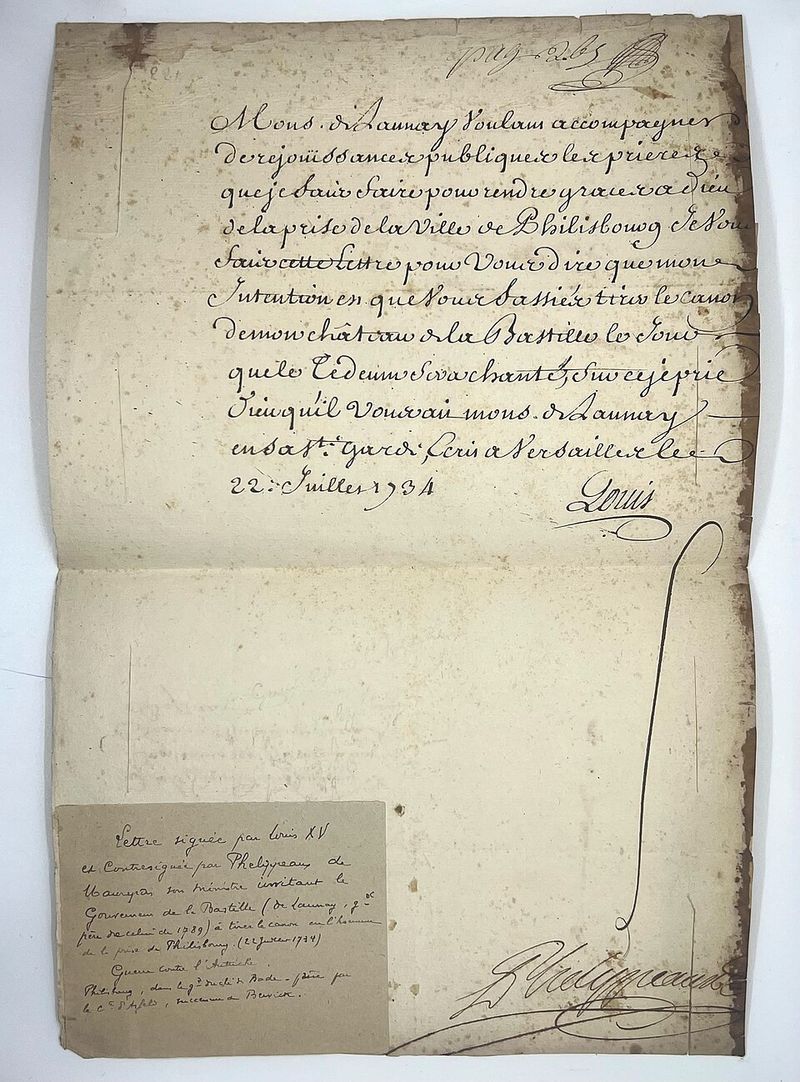
The phrase “sent to the Bastille by the king” implies a direct, personal decision by the monarch. The reality was far more bureaucratic and sometimes had nothing to do with the king’s own wishes.
Lettres de cachet were royal orders that authorized imprisonment without a public trial or formal charge. While they carried the king’s seal, they were frequently requested by ministers, court officials, and even private citizens who wanted someone removed from circulation without going through the courts.
Family members used the system to deal with relatives who were causing financial problems or public embarrassment. Powerful nobles used it against personal enemies. The king often signed these documents without detailed knowledge of the individual cases. The system gave the appearance of royal judgment while actually distributing that power widely among those with connections to the court.
12. Myth: Destroying the Bastille Happened Overnight
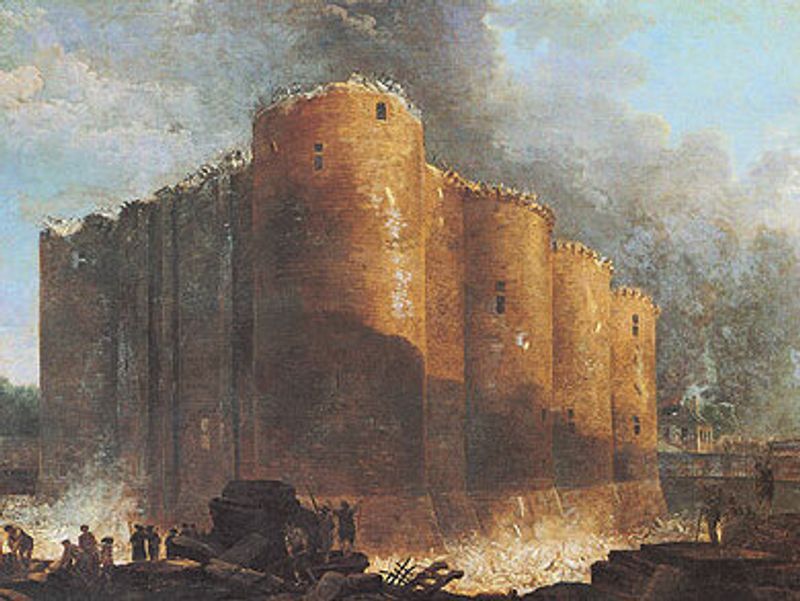
The popular image of the Bastille crumbling dramatically in the immediate aftermath of its storming makes for a satisfying narrative, but the actual demolition was a months-long professional operation.
A contractor named Pierre-Francois Palloy was hired to oversee the work, and he organized teams of laborers who carefully dismantled the fortress stone by stone beginning in the weeks after July 14, 1789. The process continued through the following year.
Palloy had a sharp commercial instinct. He arranged for some of the Bastille’s stones to be carved into miniature models of the fortress, which were then sold or distributed as souvenirs across France. Other stones were repurposed in new construction projects around Paris. The demolition was methodical, profitable, and surprisingly well-organized for something that began as a spontaneous act of revolution.
Nothing about it was overnight.
13. Myth: Nothing Remains of the Bastille Today
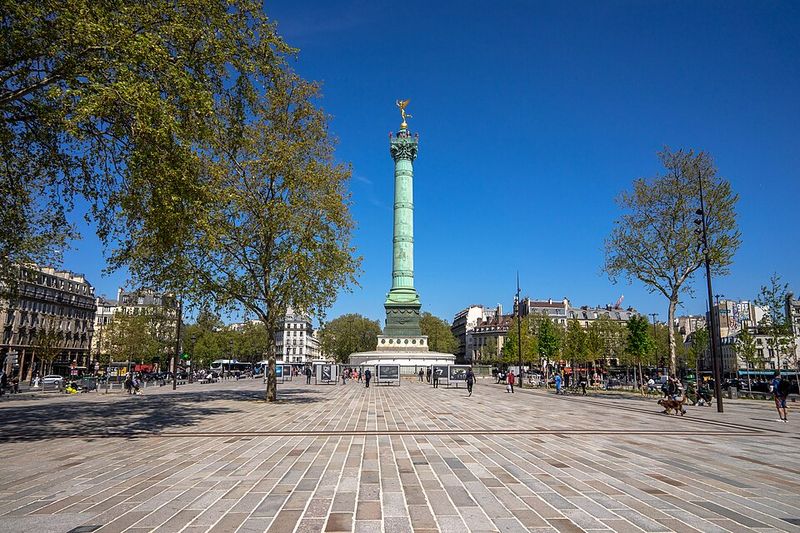
The Bastille was torn down so thoroughly that for many years it seemed nothing physical had survived. The truth is more interesting than total erasure.
Archaeological excavations conducted during Paris Metro construction in the 1980s uncovered significant remains of the original fortress foundations near the Place de la Bastille. Portions of one of the original towers were found and are now preserved and visible at the Bastille Metro station platform.
Additional stonework and structural remnants are displayed in Paris museums, and some original blocks were incorporated into the Pont de la Concorde bridge. The square itself, the Place de la Bastille, sits directly on the footprint of the former fortress. The July Column standing in its center commemorates the July Revolution of 1830, not 1789, which is itself a fact that surprises many visitors expecting a direct Bastille memorial.
14. Myth: The Storming of the Bastille Was Mainly About Freeing Prisoners
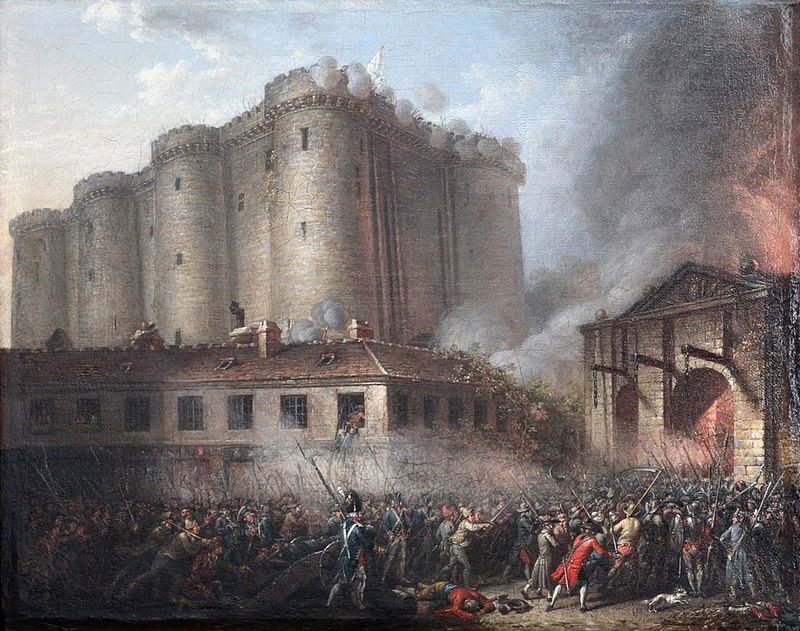
The liberation of prisoners makes for a compelling story, but the people who stormed the Bastille that morning had a more practical objective driving them toward its walls.
Earlier on July 14, a large crowd had already visited the Hotel des Invalides and seized roughly 28,000 muskets stored there. The problem was that muskets without gunpowder are essentially useless. The Bastille held an estimated 250 barrels of gunpowder, making it the logical next destination for a crowd that was preparing for potential military conflict with royal forces.
The seven prisoners found inside were freed, but they were incidental to the mission. The crowd came for ammunition. The symbolic value of capturing a royal fortress was recognized quickly afterward and became the dominant narrative, but the immediate tactical goal was securing the gunpowder needed to arm a citizen uprising.
15. Myth: The Bastille Became Famous Because of Its Size
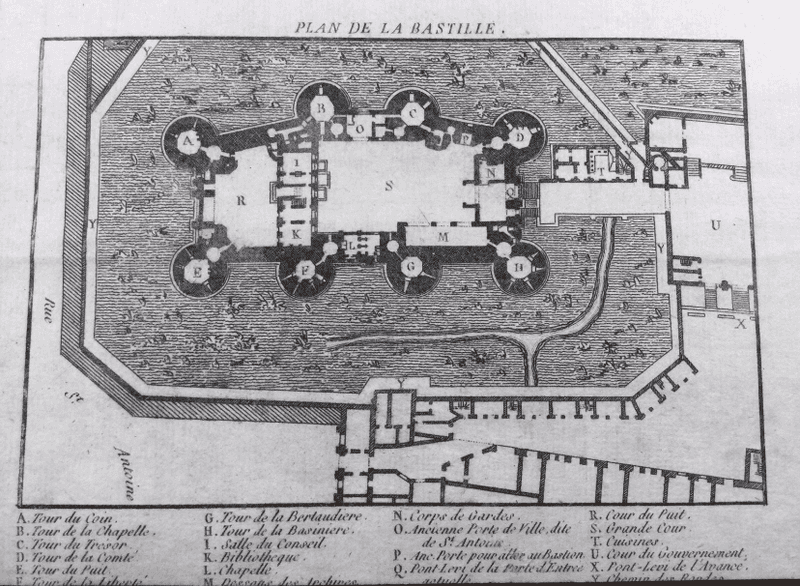
By European standards of the late 18th century, the Bastille was not a particularly impressive military structure. Larger and more formidable fortresses existed across France and throughout the continent.
French government officials in the years before 1789 viewed the Bastille as an outdated and costly facility. A royal commission had already recommended closing it before the revolution made that discussion irrelevant. Its walls were old, its military value was minimal, and its operating costs were considered disproportionate to its actual use.
What made the Bastille famous had nothing to do with its dimensions. Its fall on July 14, 1789 represented the moment when ordinary citizens physically challenged the symbol of arbitrary royal authority. That political meaning transformed a deteriorating medieval fortress into one of history’s most recognized landmarks. Size had nothing to do with it.
The idea it represented was the thing that mattered.
Share this story