There is a stone tower sitting near the edge of a ridge in the Great Smoky Mountains that most people have never heard of, and the ones who have tend to get a little obsessive about it. Getting there requires serious effort, a solid pair of boots, and a willingness to climb roughly 2,700 feet before the trail finally levels out.
The reward waiting at the top is a nearly 360-degree view stretching across Tennessee and North Carolina that stops most hikers in their tracks. If you have been looking for a hike that actually earns its ending, this one is worth every uphill step.
The History Behind The Tower That Still Stands
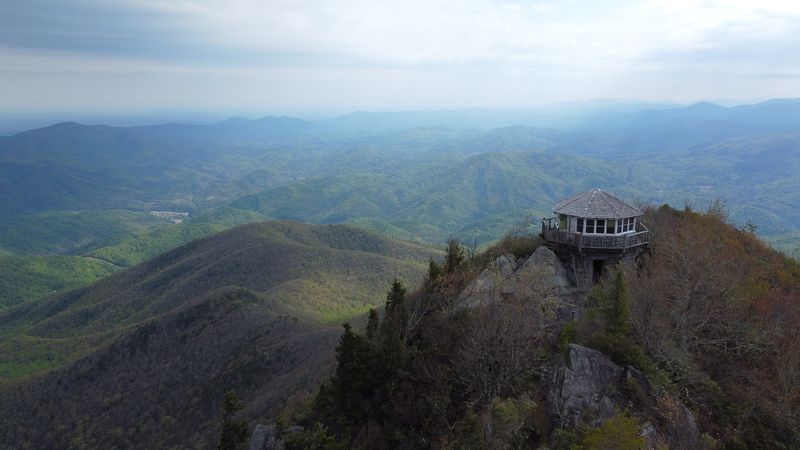
Built originally in 1927, the fire tower on Mount Cammerer has one of the more interesting backstories in the park. The Civilian Conservation Corps, a Depression-era federal work program, rebuilt and expanded the structure during the 1930s as part of a broader effort to protect the forests of the eastern United States from wildfire.
The tower is named after Arno Cammerer, who served as director of the National Park Service from 1933 to 1940. He was instrumental in establishing Great Smoky Mountains as a national park, which made naming this tower after him a fitting tribute.
The mountain itself was previously known as White Rock.
Over the decades, the tower fell out of active use as aerial fire detection became standard. Restoration efforts have since preserved the structure, and today it stands as one of the best-preserved examples of early fire lookout architecture in the southern Appalachians.
You can actually step inside it.
How Long The Hike Actually Takes
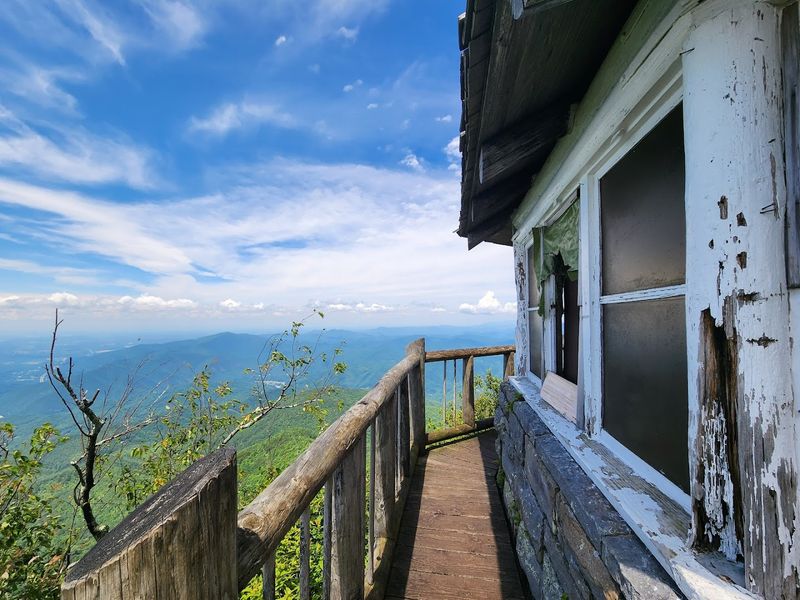
Most hikers clock the round trip somewhere between 11 and 13.5 miles depending on the route and how precisely their phone measures the trail. The most popular approach starts at the Cosby Campground trailhead and follows the Low Gap Trail before connecting with the Appalachian Trail toward the summit.
The total elevation gain hovers around 2,700 to 4,000 feet depending on the source.
Experienced hikers moving at a steady pace with short breaks typically finish the round trip in five to six hours. Slower hikers or those who linger at the top should plan for seven to eight hours.
Starting early is genuinely important here, not just as general hiking advice but because afternoon clouds in the Smokies can roll in fast and completely erase the view.
Some hikers start as early as 2 a.m. to time a sunrise arrival at the tower. That requires a headlamp and solid trail familiarity, but those who have done it tend to call it one of the best mornings of their hiking lives.
The First Three Miles Will Test Your Legs
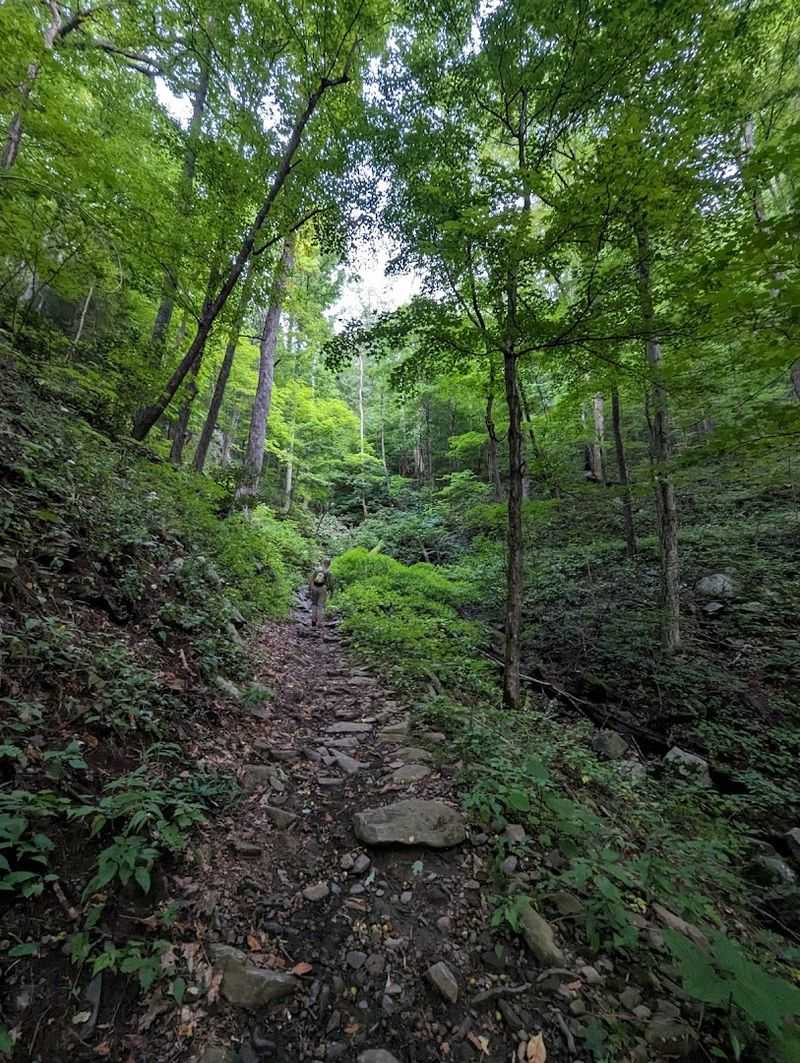
The Low Gap Trail out of Cosby Campground does not ease you in gently. The first 3.5 miles involve a relentless uphill climb that gains roughly 3,000 feet of elevation.
The trail surface includes loose rocks, exposed roots, and sections where the grade feels almost unreasonably steep. Good footwear is not optional on this one.
The saving grace is that the trail stays shaded for most of the climb. The forest canopy along the lower section is dense, which keeps temperatures cooler than you might expect even during summer months.
That shade disappears once you reach the rocky summit area, so sunscreen matters for the final stretch.
Once you reach the Appalachian Trail junction at Low Gap, the terrain shifts noticeably. The remaining two miles to the tower are still uphill but far more manageable, with occasional flat stretches that give your legs a brief chance to recover.
That transition point feels like a reward in itself after the grind of the lower trail.
What The View From The Top Actually Looks Like
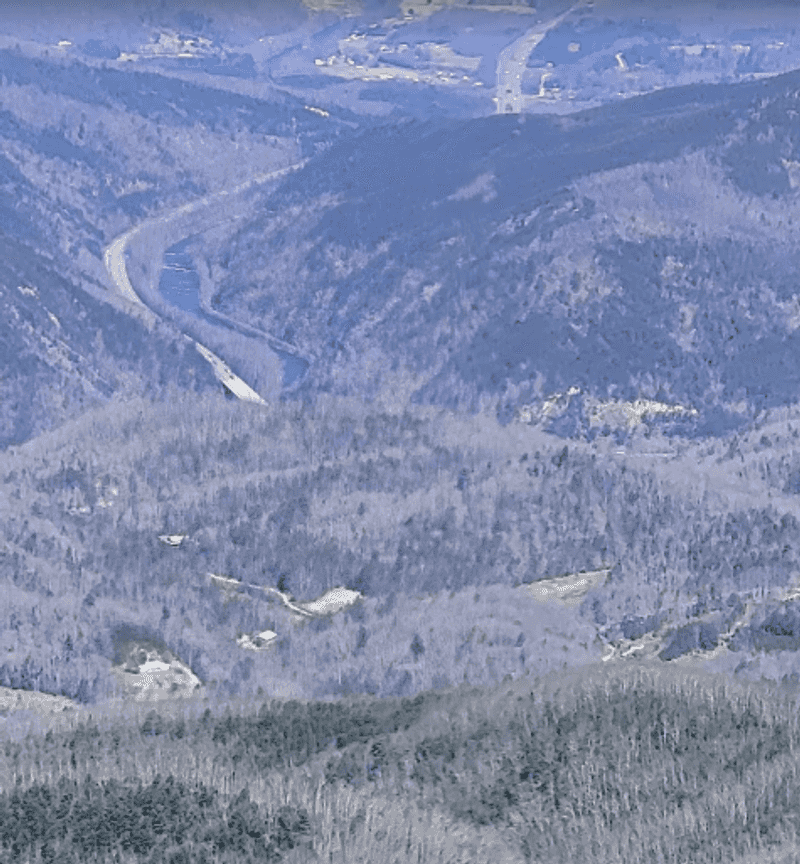
Standing inside or just outside the tower cab on a clear day, you get an almost unobstructed 360-degree view across the ridgelines of Tennessee and North Carolina. The layers of blue and green mountains stack up in every direction, and on a really clear morning, the visibility stretches far enough that the landscape starts to feel almost impossible in scale.
The rocky outcroppings just below the tower also offer wide open sightlines, and many hikers prefer sitting out on the rocks rather than crowding into the small cab. Rocky Top, a well-known viewpoint just before the tower on the Appalachian Trail, offers its own solid views and is worth a stop even if you are tired.
Weather plays a major role in what you actually see. Clouds move in quickly in the Smokies, sometimes reducing visibility to near zero within minutes.
Checking the forecast the morning of your hike and starting early both increase your odds of catching the view at its clearest and most open.
The Tower You Can Actually Step Inside
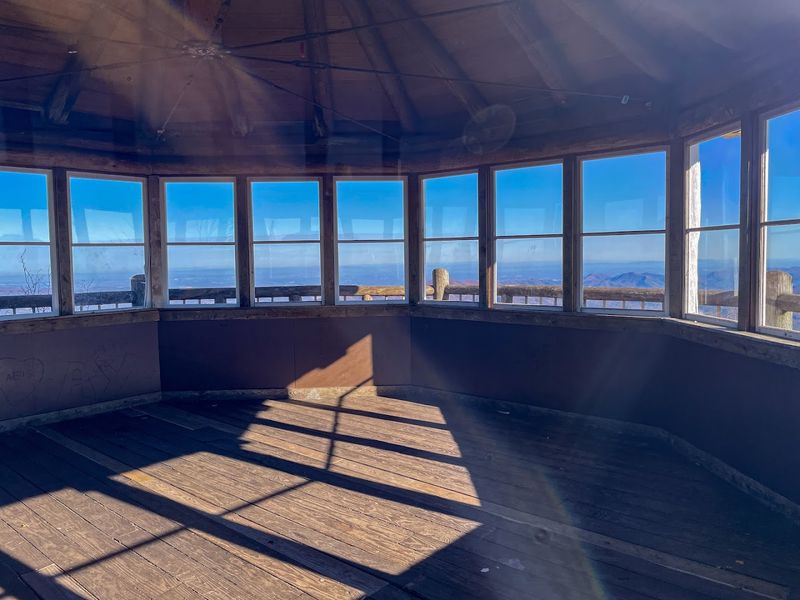
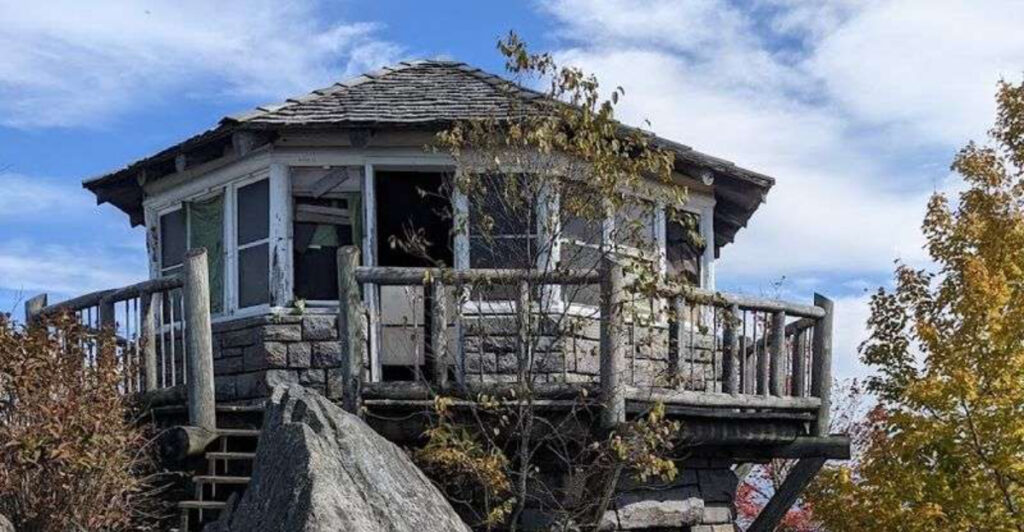
One of the things that surprises first-time visitors is that the tower is open. You can walk up the steps and step inside the cab, which gives you an elevated vantage point above even the rocky ridgeline.
The interior is simple, with wooden floors and windows on all sides, but standing inside a working-era fire lookout with the Smokies spread out below you is a genuinely different experience from just reaching a summit.
The structure is in remarkably good condition for a building that has been sitting on an exposed mountain ridge since the 1930s. Restoration work has kept the stone base solid and the cab functional.
It is a small space, so if multiple hikers arrive at the same time, you rotate in and out naturally.
Camping is permitted in the area near the tower with a backcountry permit, which means some hikers turn this into an overnight trip rather than a long day hike. Waking up near that tower at sunrise is apparently an experience that earns its own category of memory.
Wildlife You Might Encounter On The Way Up

The trail to Mount Cammerer runs through some of the most biodiverse forest in the eastern United States. On the way up, encounters with deer, wild turkeys, and various songbirds are common enough that most hikers stop keeping count after a while.
The forest understory is thick with ferns and wildflowers during spring and early summer, and the trail itself feels alive in a way that flat woodland paths rarely do.
The summit area introduces a different kind of wildlife awareness. Timber rattlesnakes are known to sun themselves on the warm rocks near the top, particularly on clear days when the exposed stone heats up quickly.
Most experienced hikers watch where they step and where they sit without making a big event of it, but knowing they are there is genuinely useful information before your first visit.
Bears are also present throughout the park, including along this trail corridor. Standard bear safety practices apply: keep food secured, make noise on the trail, and do not approach wildlife regardless of how relaxed the animal appears.
Why The Cosby Section Of The Park Feels Different
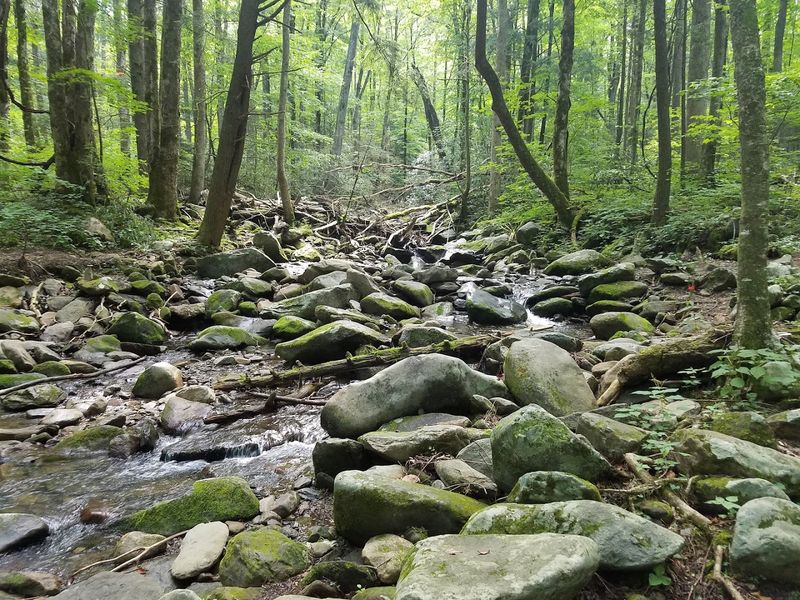
Cosby is the third-largest campground in Great Smoky Mountains National Park, but it consistently draws far fewer visitors than Gatlinburg or Cherokee. That quieter atmosphere carries over to the trails that start here.
The Cosby section of the park has a different pace, and the parking area at the trailhead for Mount Cammerer reflects that difference, especially on weekday mornings.
The campground itself sits along Cosby Creek and is surrounded by old-growth hemlock and tulip poplar trees. The setting is genuinely pretty in a low-key way, and spending a night at the campground before an early morning push to the tower is a reasonable strategy for hikers who want to avoid a very long drive-and-hike day.
The Cosby area also has its own short nature trails and picnic areas that work well for families or less experienced hikers who are not ready for the full climb to the tower. It functions as a real basecamp rather than just a parking lot at the edge of the park.
How This Hike Compares To Others In The Park
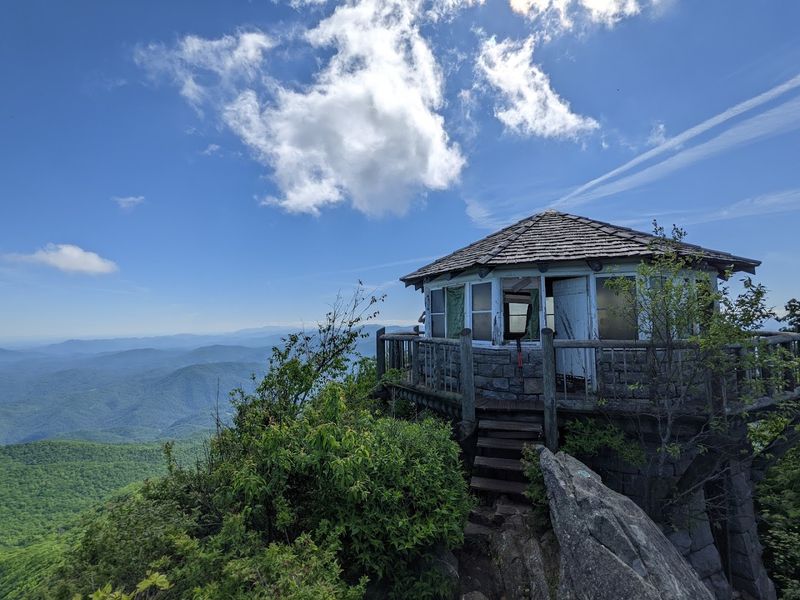
Great Smoky Mountains National Park has no shortage of serious hikes, but Mount Cammerer holds its own in a specific way. The view from the top is frequently described by experienced Smokies hikers as superior to Mount LeConte in terms of open sightlines, largely because the rocky summit and tower position at Cammerer eliminate the tree obstruction that limits some views at LeConte.
The hike is also less trafficked than Alum Cave Trail or Chimney Tops, which means the summit experience tends to feel less crowded even on good weather weekends. That relative solitude at the top is part of what makes the effort feel worthwhile.
The difficulty level is real, though. This is not a beginner trail or a casual afternoon walk.
The elevation gain and trail length put it firmly in the advanced category for day hikes in the park. Hikers with knee problems or limited trail experience should honestly assess whether this particular route matches their current fitness level before committing to it.
The Best Time Of Year To Make The Climb
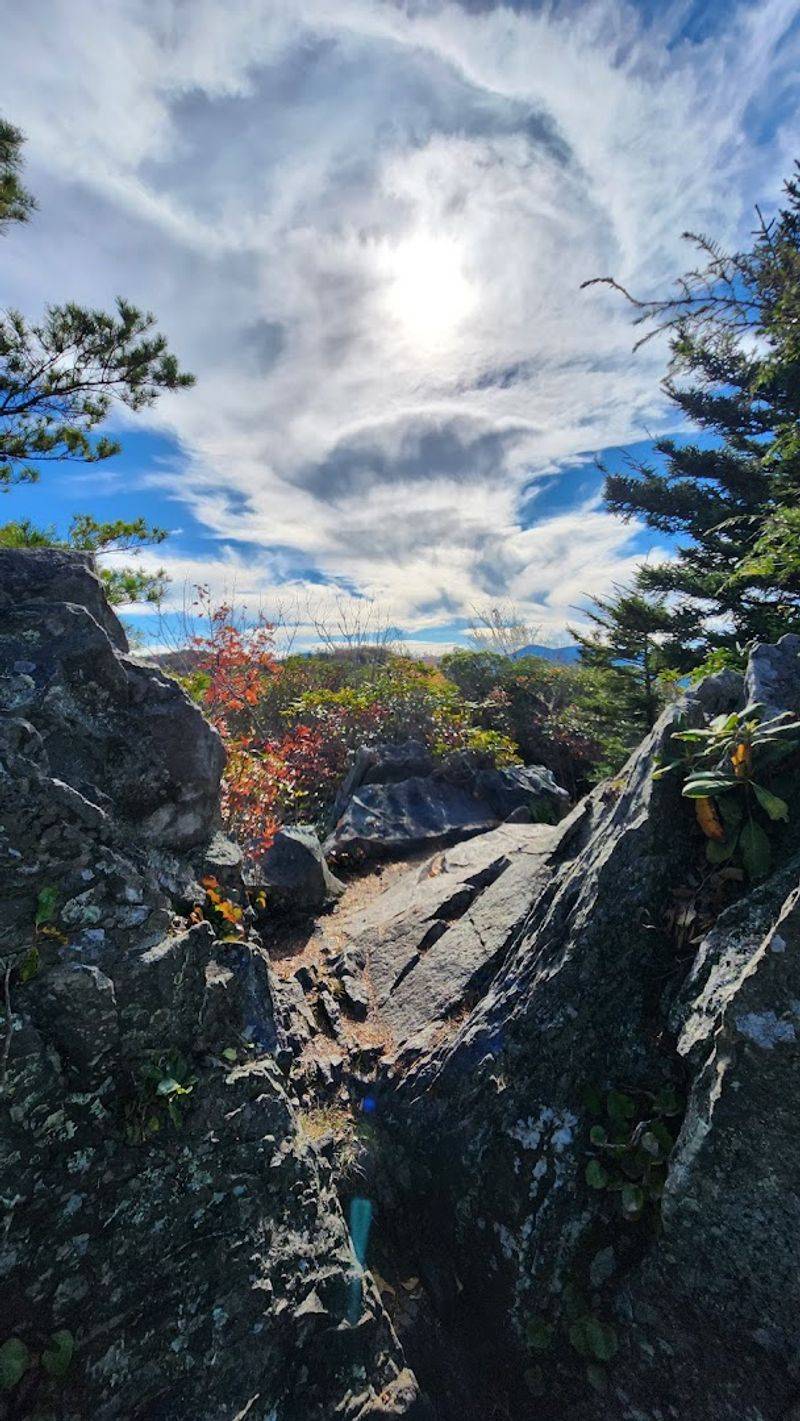
Fall is widely considered the best season for this hike, and the reasons are straightforward. The foliage across the ridgelines of Tennessee and North Carolina turns in October and early November, and from the tower, you are looking down onto a canopy of orange, red, and yellow that covers the mountains in every direction.
The cooler temperatures also make the climb more comfortable than a summer push.
Spring brings wildflowers along the lower trail sections and generally clear skies before the summer humidity settles in. Late April and May offer some of the most pleasant hiking conditions in the Smokies, with moderate temperatures and good visibility on clear days.
Summer is doable but demands an early start. Afternoon thunderstorms are common from June through August, and the combination of heat, humidity, and elevation gain makes midday climbing genuinely unpleasant.
Winter hikers do attempt this trail, but ice on the upper sections and the rocky summit area adds a layer of difficulty that requires microspikes and cold-weather gear.
Practical Gear And Preparation Tips
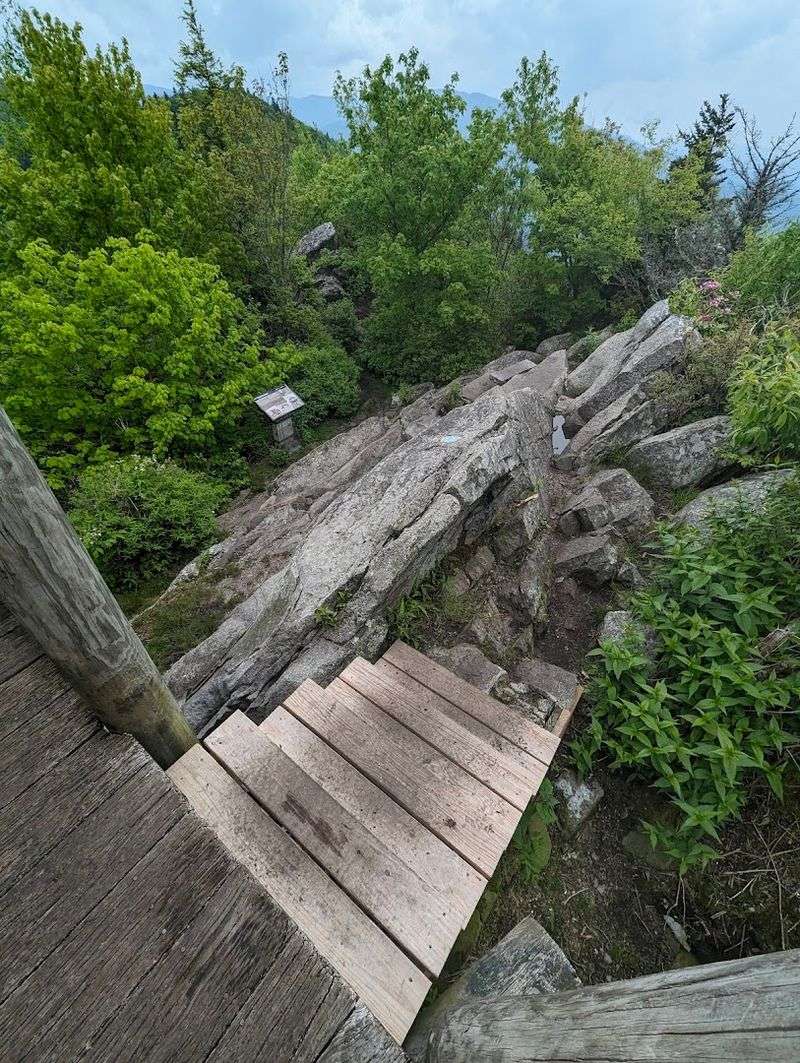
Water is the most important thing to get right on this hike. The round trip covers 11 to 13 miles with significant elevation change, and there are no reliable water sources along the trail that most day hikers would use without a filter.
Carrying at least two to three liters is the standard recommendation, and more is smarter on warm days.
Trekking poles make a real difference on the descent. The downhill miles back to Cosby are hard on knees, and the loose rock sections on the lower trail require more stability than a flat path would.
Multiple hikers who have done this trail more than once specifically mention poles as something they wish they had brought on their first attempt.
Boots with ankle support and a grippy sole matter more here than on smoother trails. Trail runners work for experienced hikers who know the terrain, but for a first visit, a proper hiking boot handles the loose rock and root sections with more confidence.
Bring snacks, start early, and check the weather before you leave the car.
Why People Keep Coming Back To This Trail
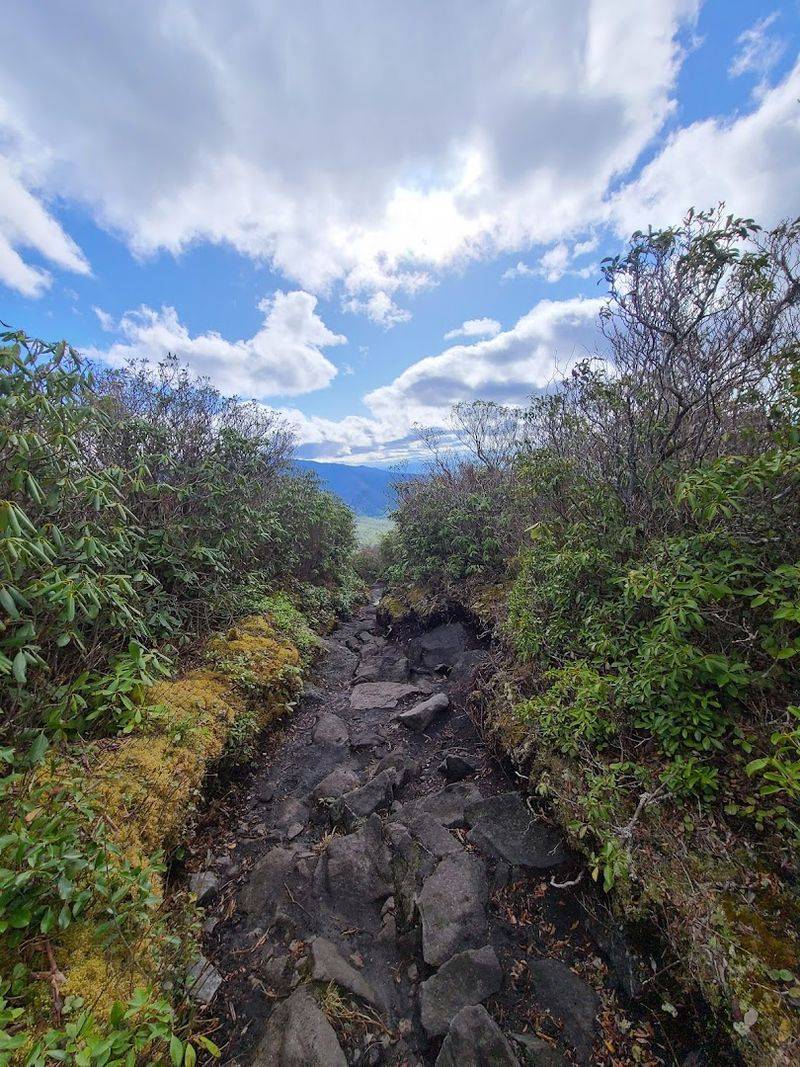
There is something about this particular hike that turns one-time visitors into repeat hikers. Part of it is the tower itself, which has a tangible historical weight that a simple summit marker does not carry.
Part of it is the view, which rewards the effort in a way that feels proportional and earned rather than handed over easily.
Sunrise hikes to the tower have become a specific tradition for a group of dedicated Smokies regulars. Starting in the dark from the Cosby trailhead at 2 a.m. and arriving at the tower just as the light breaks over the North Carolina ridgeline is the kind of experience that people describe in terms that sound almost exaggerated until you have actually stood there and watched it happen.
The trail also changes with each season, which means repeat visits genuinely offer something different each time. The same rocky ridge looks and feels completely different in October fog, a clear June morning, or a February snow, and that variability keeps hikers returning with a different expectation every time.
What Mount Cammerer Lookout Tower Actually Is
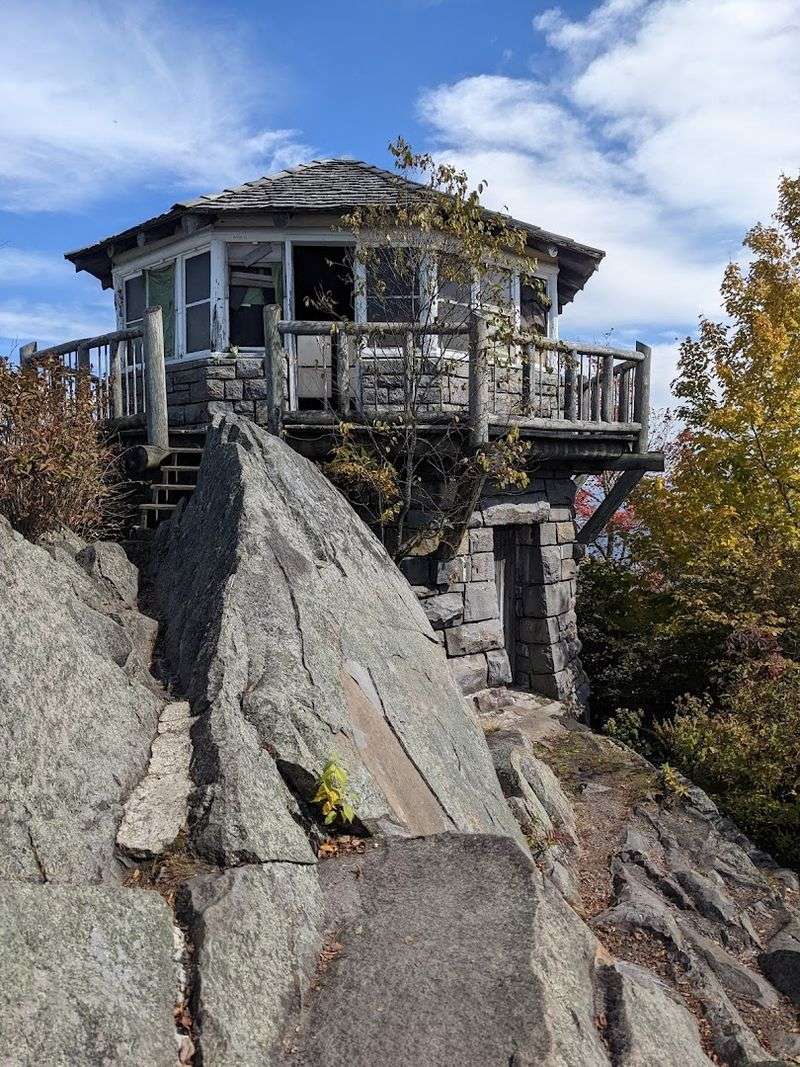
The Mount Cammerer Lookout Tower sits at an elevation of 4,928 feet on the eastern edge of Great Smoky Mountains National Park, near Cosby, Tennessee. The tower was originally built in 1927 and later reconstructed by the Civilian Conservation Corps in the 1930s.
It served as a working fire lookout for decades before the National Park Service took over management of the surrounding land.
Unlike the standard metal cab-on-a-pole design common across many national forests, this tower has a distinctive stone and wood construction that blends into the rocky ridgeline in a way that feels almost intentional. The octagonal cab sits on a stone base, giving it a character that most fire towers simply do not have.
The trailhead is located in the Cosby section of Great Smoky Mountains National Park, off Cosby, TN 37722. There is no street address for the tower itself, but the Cosby Campground trailhead is the most commonly used starting point.
Share this story