The summer of 1966 was not a quiet season for music. Artists across rock, soul, and folk were pushing their craft in genuinely new directions, writing songs that reflected a rapidly changing world. Radio playlists that summer featured an unusual mix of garage rock grit, Motown polish, psychedelic experimentation, and sharp pop songwriting. The Billboard charts told a story of a music industry in the middle of a genuine shift, with young audiences hungry for something more ambitious than what came before.
From British Invasion bands refining their sound to American garage acts recording in tiny studios, the competition for radio play was fierce and creatively rewarding. What came out of those months was a collection of recordings that still hold up today, not because of nostalgia, but because the songwriting and performances were genuinely strong. Read on to discover which twelve tracks from that remarkable summer earned their place in rock history.
1. Bus Stop – The Hollies
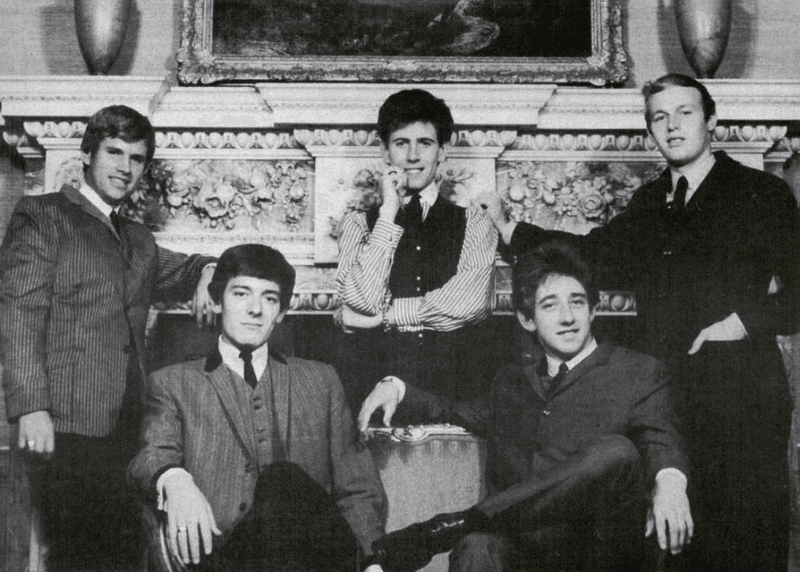
Graham Gouldman, who would later co-found 10cc, wrote this song as a compact, clever piece of pop storytelling built around a chance encounter at a rainy bus shelter. The Hollies took that premise and wrapped it in some of the tightest vocal harmonies any British group was producing in 1966.
Released in the United States in July 1966, the track reached the Top Five on the Billboard Hot 100 and gave the band their strongest American chart performance to that point. It demonstrated that the Hollies could compete directly with heavier-hitting British acts without abandoning their melodic strengths.
Allan Clarke’s lead vocal balanced warmth and playfulness in a way that suited the song’s light narrative perfectly. The production kept things clean and focused, letting the harmonies do the heavy lifting. Gouldman later said he wrote the song quickly, which makes its lasting appeal all the more impressive. It remains one of the most recognizable British Invasion singles from that period.
2. Reach Out I’ll Be There – Four Tops
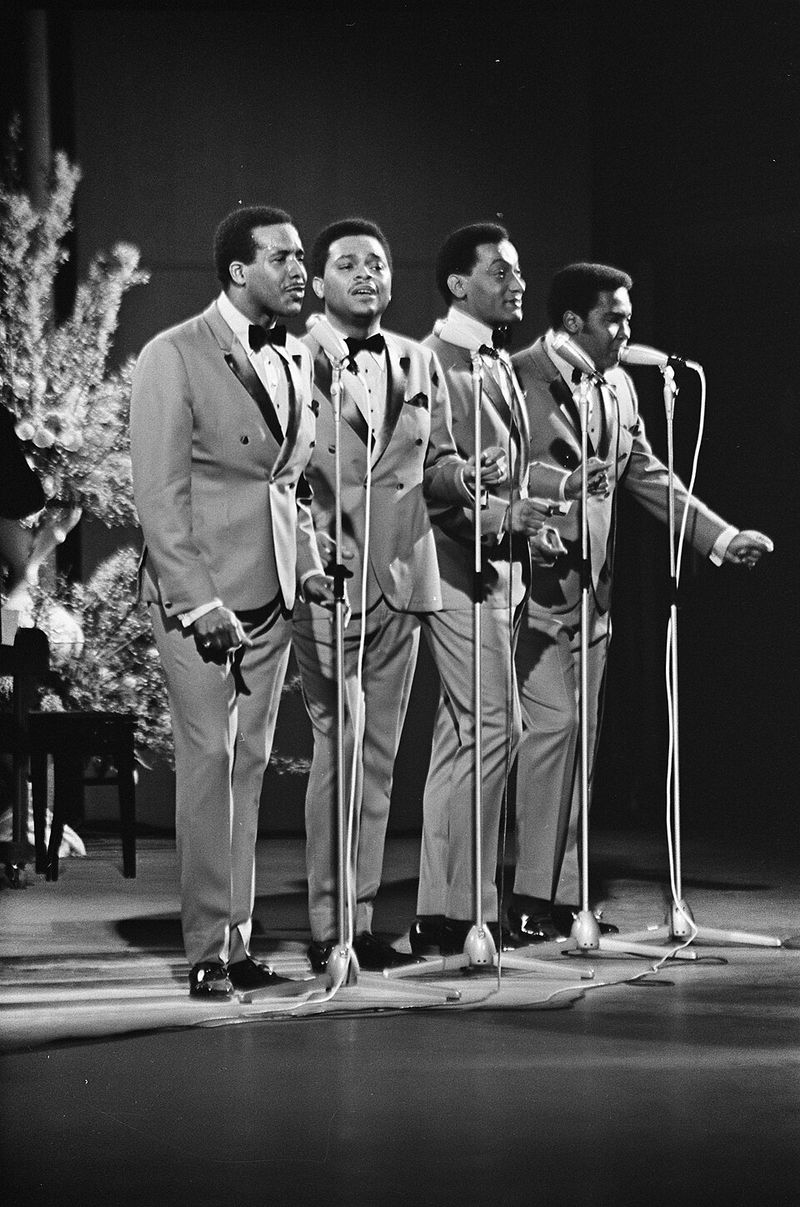
Holland-Dozier-Holland, Motown’s most successful songwriting and production team, created something unusually dramatic with this release in August 1966. The arrangement opened with an oboe-like flute figure and a pounding rhythm that immediately signaled the song was not a typical pop single.
Levi Stubbs delivered one of the most forceful lead vocals in Motown history, pushing the emotional intensity of the track well beyond what the label’s polished pop formula usually required. His performance turned a song about devotion into something that felt almost urgent.
The record reached No. 1 on both the Billboard Hot 100 and the R&B chart, a double achievement that reflected its broad appeal. Rock critics and soul fans responded equally well to its ambitious production. The song influenced how producers across genres approached dramatic arrangements in the years that followed. Decades later, it consistently appears on lists of the greatest singles ever recorded, a distinction that few Motown tracks beyond the most obvious classics can claim.
3. Psychotic Reaction – Count Five
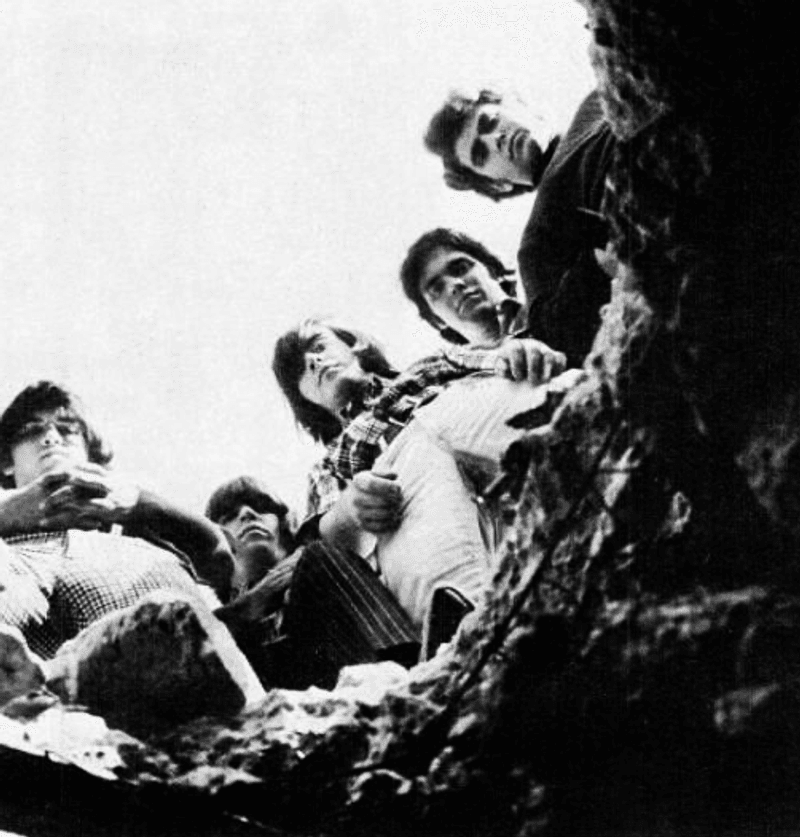
Count Five were a teenage garage band from San Jose, California, and they recorded this track with a raw, unpolished energy that no amount of studio refinement could have improved. Released in July 1966, it featured a fuzz guitar riff borrowed heavily from the Yardbirds’ style but pushed into wilder, more chaotic territory.
The song’s extended instrumental breakdown became one of its most discussed features, a two-minute stretch of distorted guitar work that was unusual for a mainstream single at the time. Radio programmers took a chance on it anyway, and listeners responded immediately.
It peaked at No. 5 on the Billboard Hot 100, which was a remarkable achievement for an independent garage act with no major label backing. The band never replicated that success, but the record’s influence lasted far longer than their chart run. Punk musicians in the mid-1970s frequently cited it as a direct inspiration, and it appeared in influential garage rock and punk anthologies for decades afterward.
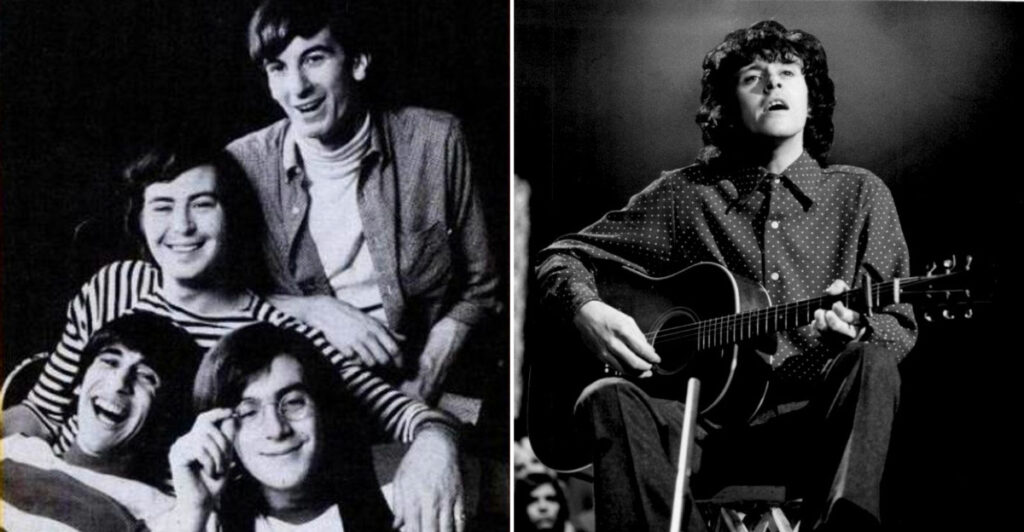
4. Sunshine Superman – Donovan
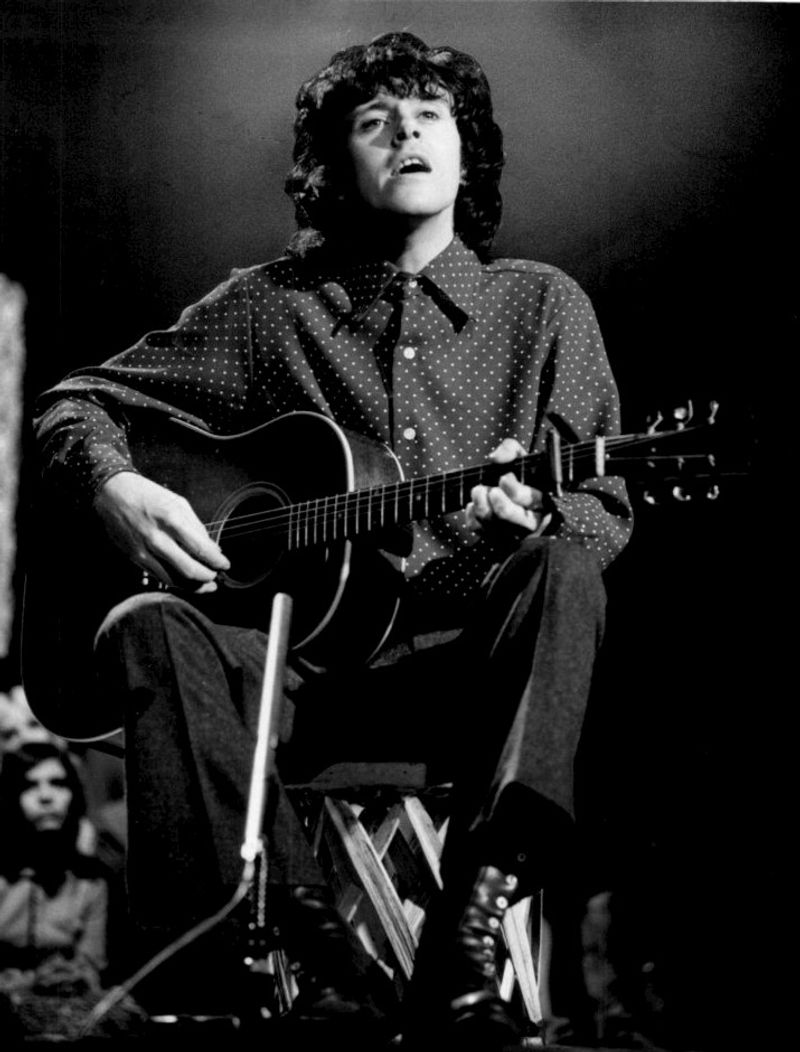
Donovan Leitch had already made a name as a British folk artist when this track arrived in America in July 1966, but nothing in his earlier catalog quite prepared listeners for what he had assembled in the studio. The production, handled by Mickie Most, blended acoustic folk guitar with jazz-influenced flute, electric bass, and a rhythm section that pushed the song into genuinely new sonic territory.
The lyrics referenced Superman, Green Lantern, and Eastern spiritual ideas, which was a striking combination for a pop single in 1966. It reflected the growing interest among young musicians in ideas beyond standard love song conventions.
The song reached No. 1 on the Billboard Hot 100, making Donovan one of the few non-American artists to top the charts that summer outside of the Beatles. Music historians often cite it as one of the earliest mainstream psychedelic pop recordings, arriving months before the genre fully took hold in 1967.
5. Working in the Coal Mine – Lee Dorsey
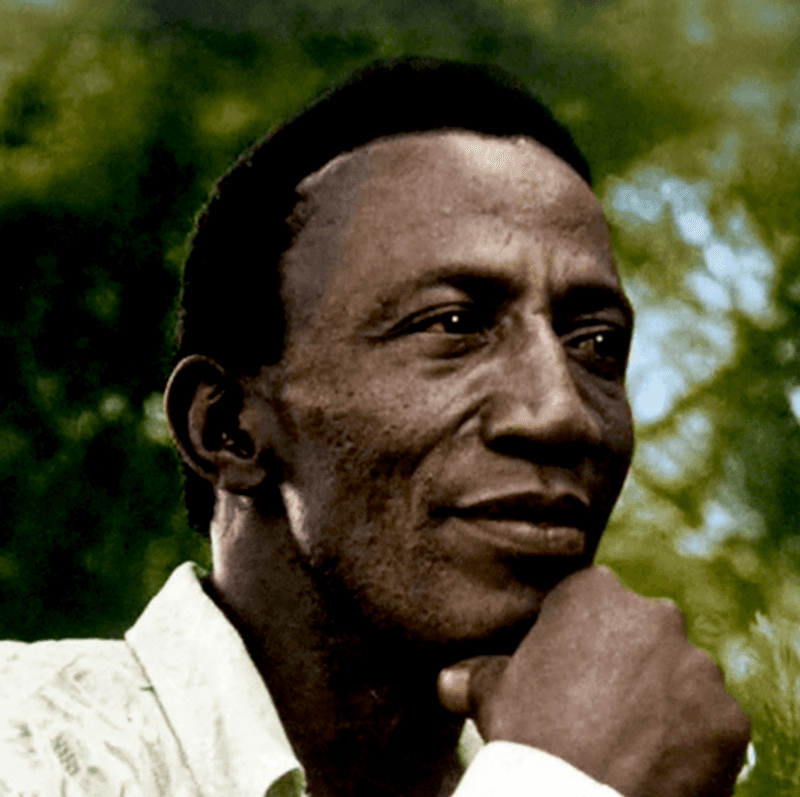
Allen Toussaint produced this track in New Orleans, and his fingerprints are all over the arrangement’s distinctive rhythm and playful structure. Released in August 1966, it turned the concept of exhausting manual labor into one of the most infectious grooves on the summer’s radio landscape.
Lee Dorsey had recorded with Toussaint before, but this collaboration produced something particularly memorable. The rhythm pattern was unusual enough to stand apart from standard R&B productions of the period, and Dorsey’s vocal delivery matched it perfectly with a dry, wry quality that kept the song from feeling too heavy despite its subject matter.
The record reached the Top 10 on both the pop and R&B charts, confirming Toussaint’s reputation as one of the most inventive producers working outside the major label system. Rock bands in later decades covered the song frequently, including Devo, whose 1981 version introduced it to an entirely new audience. The original remains the definitive version and a high point of New Orleans soul production.
6. Summer in the City – The Lovin’ Spoonful
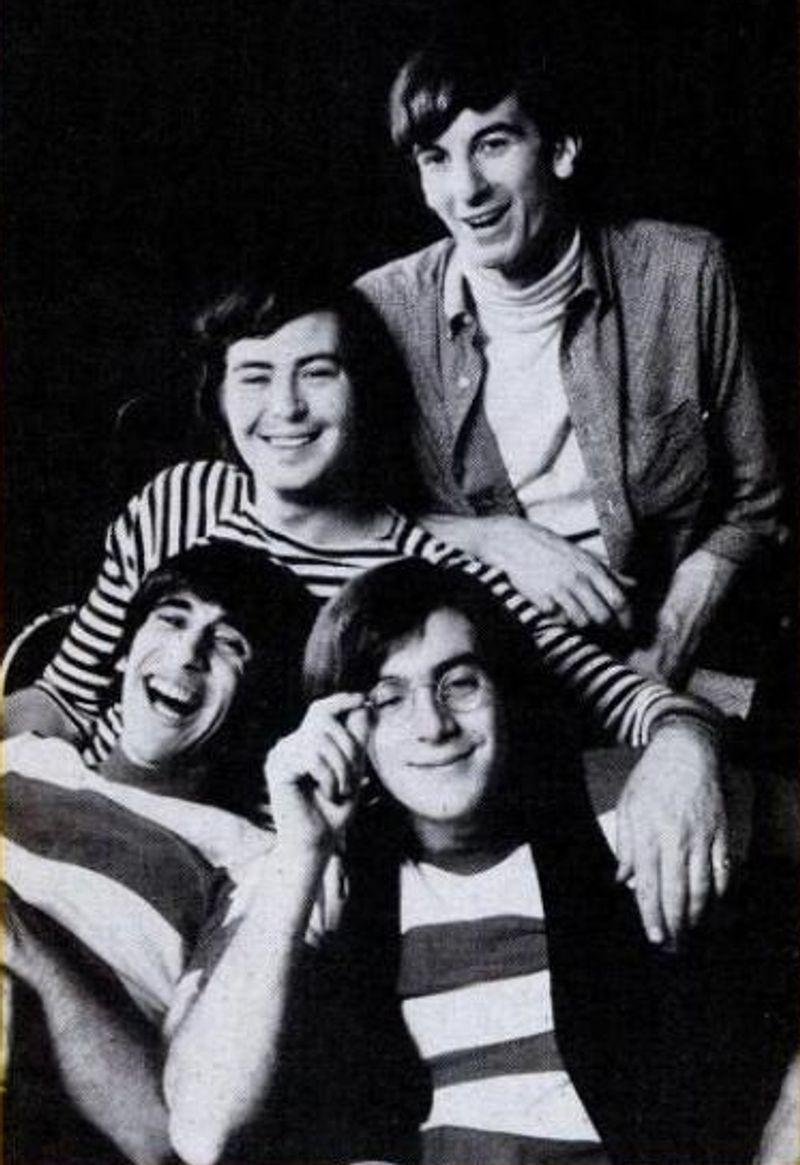
No single record captured the feeling of a hot urban July quite like this one did when it landed on radio stations in the summer of 1966. The Lovin’ Spoonful built the track around a pounding piano riff and an arrangement that shifted dramatically between the frantic verses and a slower, more melodic bridge.
What made it stand out from other summer songs was its gritty, realistic portrait of city life rather than beaches or road trips. The production included actual street sound effects, which was still an unusual studio choice in 1966.
It debuted on the Billboard Hot 100 and climbed steadily to No. 1 in August, staying at the top for three consecutive weeks. That chart performance made it the band’s biggest commercial achievement. John Sebastian wrote the song with his bandmates, and the result was a track that felt genuinely different from anything else on the charts that summer.
7. Dirty Water – The Standells
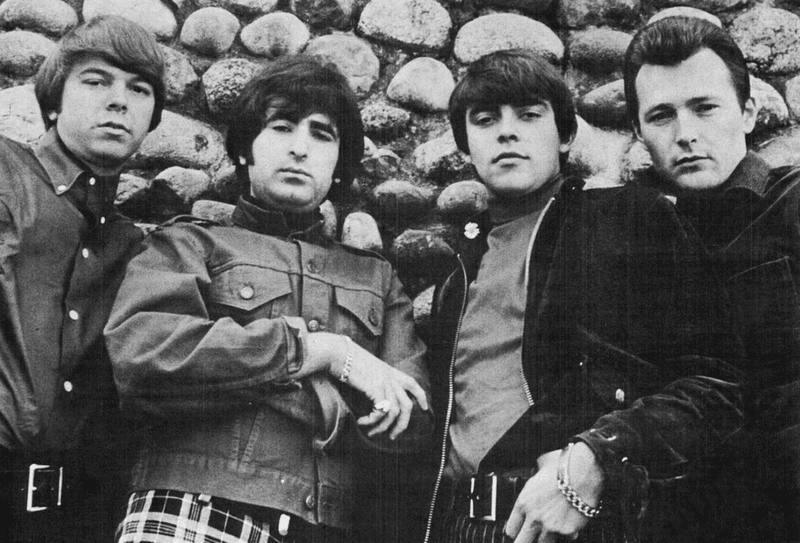
The Standells were a Los Angeles band, which makes their tribute to Boston’s Charles River one of rock history’s more unexpected geographic ironies. Released in June 1966, the song’s grimy guitar riff and sneering vocal attitude made it a natural fit for AM radio stations willing to play something with a bit of an edge.
It peaked at No. 11 on the Billboard Hot 100, a strong showing for a garage rock record with limited promotional resources behind it. The song’s connection to Boston grew stronger over time rather than fading, particularly after the city’s sports teams began using it as a victory anthem during championship celebrations.
Producer Ed Cobb wrote the lyrics after reportedly reading about pollution in the Charles River, which gave the song a satirical angle that listeners sometimes missed beneath the energetic delivery. The Standells performed it with convincing local pride despite never actually being from Boston. That disconnect became part of the song’s quirky appeal and contributed to its enduring reputation in rock history.
8. Wild Thing – The Troggs
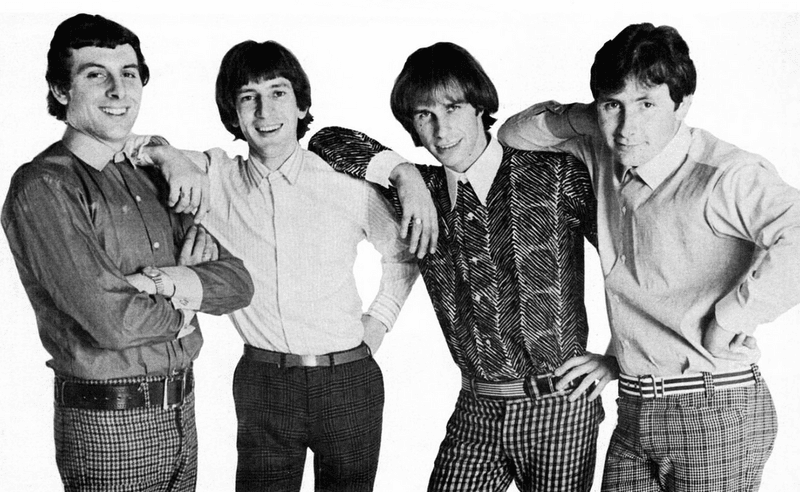
Few songs captured the raw energy of the summer of 1966 quite like “Wild Thing.” Released by the English rock band The Troggs, the garage rock anthem climbed to No. 1 on the Billboard Hot 100 in July 1966, where its simple three-chord riff and unmistakable swagger made it impossible to ignore.
Written by Chip Taylor, the song stood out because it embraced a rough, unpolished sound at a time when many pop records favored cleaner production. Reg Presley’s laid-back vocals, the distorted guitar, and the memorable ocarina solo gave “Wild Thing” a rebellious edge that helped define the growing garage rock movement.
The song quickly became one of the biggest hits of the decade and remains one of the most recognizable rock singles ever recorded. Its influence can still be heard in generations of punk and garage bands, proving that sometimes the simplest songs leave the biggest mark on music history.
9. Land of 1,000 Dances – Wilson Pickett
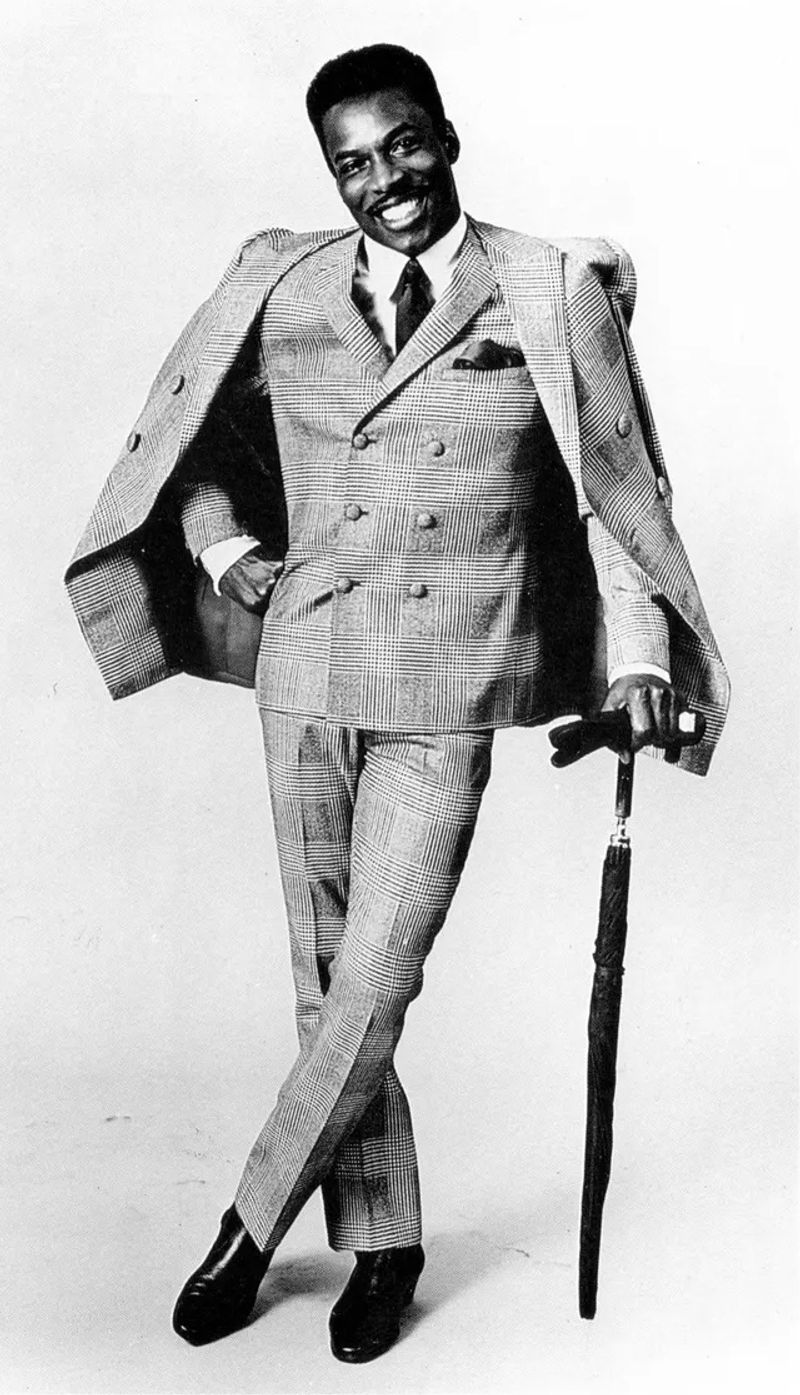
Wilson Pickett recorded this track at Fame Studios in Muscle Shoals, Alabama, with a house band that included some of the most in-demand session musicians working in American soul and rock at the time. The combination of Pickett’s commanding vocal delivery and the Muscle Shoals rhythm section produced a record that hit harder than most of its competition.
Released in July 1966, the song was not an original composition. Chris Kenner wrote it, and Cannibal and the Headhunters had already recorded a version featuring the famous “Na Na Na Na Na” refrain. Pickett took that version as his template and rebuilt it around his more aggressive style.
The result reached No. 6 on the Billboard Hot 100 and topped the R&B chart, confirming Pickett’s status as one of soul music’s most commercially reliable performers. Rock bands covered it extensively throughout the late 1960s and 1970s, treating it as a reliable concert staple. The track became one of the defining recordings of the Muscle Shoals sound.
10. Black Is Black – Los Bravos
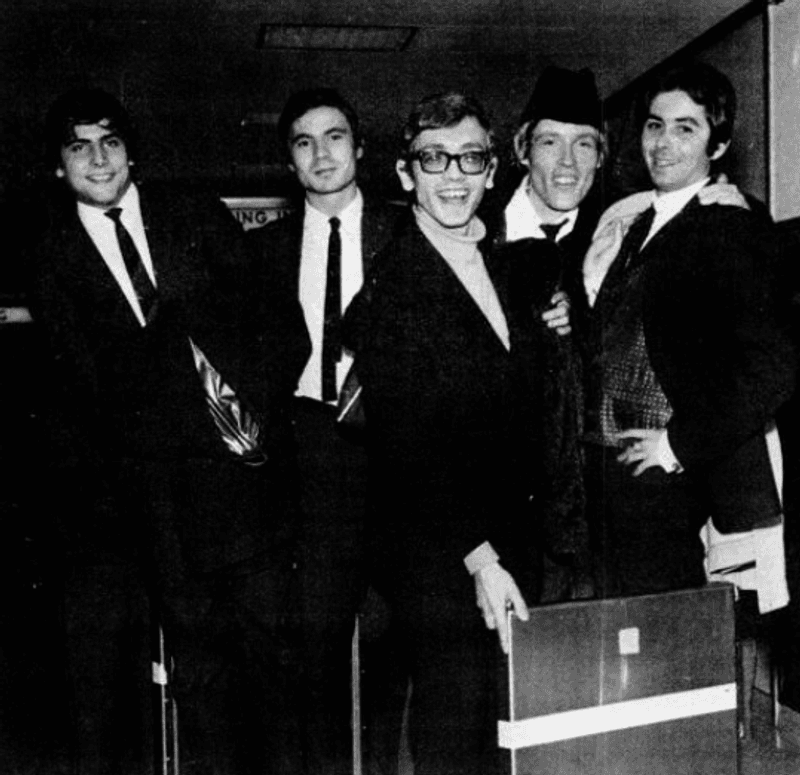
Spanish rock bands did not typically crack the American Top Five during the British Invasion era, which makes this record’s chart performance genuinely remarkable. Los Bravos, a Madrid-based group formed partly by German musician Mike Kogel, recorded this track and released it internationally in August 1966.
The song was written by a British songwriting team, Steve Wadey and Tony Hayes, which helped give it a production style familiar to American radio programmers. But the band’s execution brought something distinct to the material, including a vocal energy that matched the better British acts of the period.
It reached No. 4 on the Billboard Hot 100, making Los Bravos one of the most successful continental European acts ever to chart in the United States during that decade. The achievement was not repeated by another Spanish-language rock act for many years. The band followed up with additional singles but never approached this level of international commercial success, leaving this track as their defining moment in pop history.
11. Yellow Submarine – The Beatles
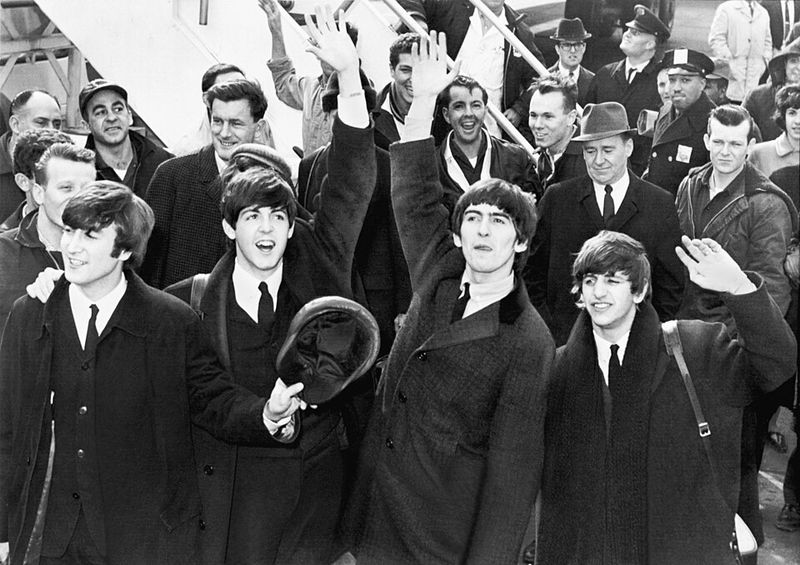
By August 1966, the Beatles were in the middle of one of the most significant transitions in rock history, having just released Revolver and played their final concert tour. Against that backdrop, this double A-side single with Eleanor Rigby arrived as a commercial release that managed to be simultaneously playful and culturally substantial.
Ringo Starr handled lead vocals, which was a relatively rare occurrence in Beatles releases and gave the track a different character than anything Paul McCartney or John Lennon would have brought to it. The production included sound effects, spoken contributions from band members and friends, and a brass arrangement that reinforced the song’s theatrical quality.
It reached No. 1 in the UK and No. 2 in the United States, held off the top spot by a competing single. The song later gave its name to a 1968 animated film that became a landmark of psychedelic visual art. Few records from that summer carried as much long-term cultural weight as this one did.
12. Sunny – Bobby Hebb
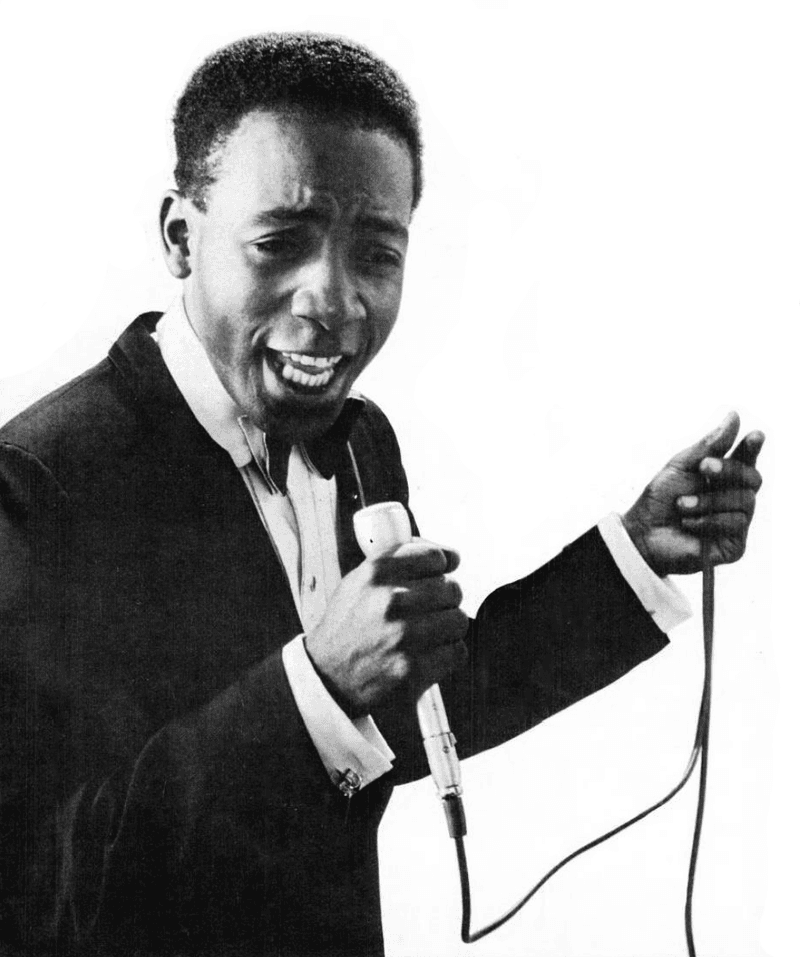
While many summer hits of 1966 celebrated romance or carefree fun, “Sunny” offered something a little more heartfelt. Released by Bobby Hebb in the summer of 1966, the soulful tune became one of the year’s biggest crossover hits, reaching the Top 10 on the Billboard Hot 100 and earning lasting recognition as a timeless pop standard.
Hebb wrote the song after experiencing personal tragedy, using its uplifting lyrics as a reminder to focus on hope despite difficult circumstances. Backed by a smooth melody and warm vocal performance, “Sunny” stood out for its optimistic message and polished blend of soul, pop, and jazz influences.
The song quickly became an international success and has since been recorded hundreds of times by artists across multiple genres. More than half a century later, “Sunny” remains one of the defining songs of 1966 and a reminder that even during challenging times, music can offer a welcome ray of light.
Share this story