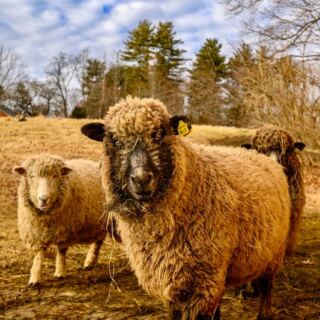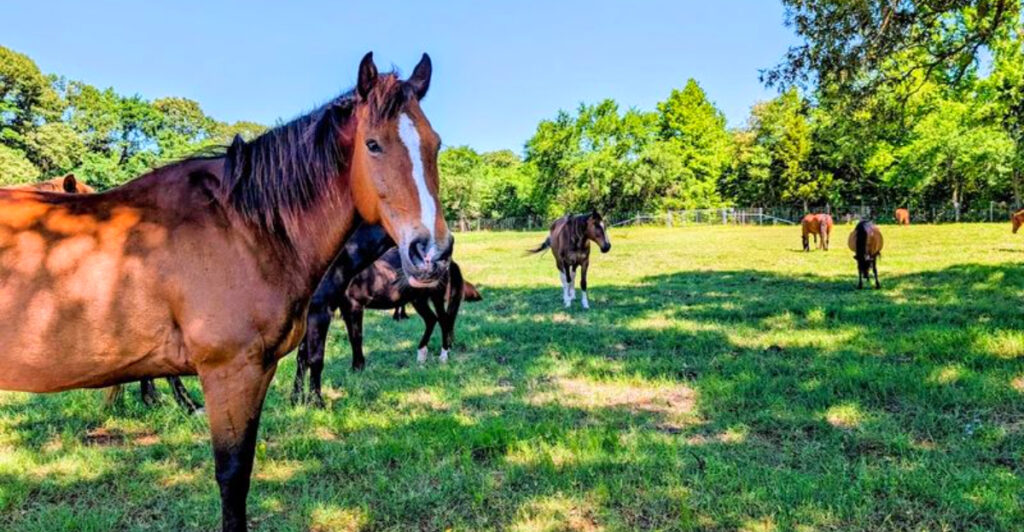
Most people plan road trips around national parks or famous landmarks, but a growing number of travelers are adding something a little different to their itineraries: animal rescue farms. These sanctuaries started with a simple mission to give neglected, abused, or abandoned animals a safe and permanent home. What nobody quite expected was how many people would show up, cameras in hand, ready to hug a cow or share a moment with a rescued pig. From the rolling hills of New York to the wide open spaces of Texas, rescue farms across the country and beyond have quietly become some of the most heartwarming places a person can visit.
The 13 sanctuaries below are all real, all currently operating, and all genuinely worth the drive. Get ready to meet some very memorable residents.
1. The Gentle Barn, Santa Clarita, California
Back in 1999, founder Ellie Laks started rescuing animals out of her backyard, and what began as a personal mission has grown into one of the most visited animal sanctuaries in the United States.
The Gentle Barn is now home to dozens of rescued cows, horses, pigs, goats, chickens, and turkeys, each with a documented backstory that guides share during visits.
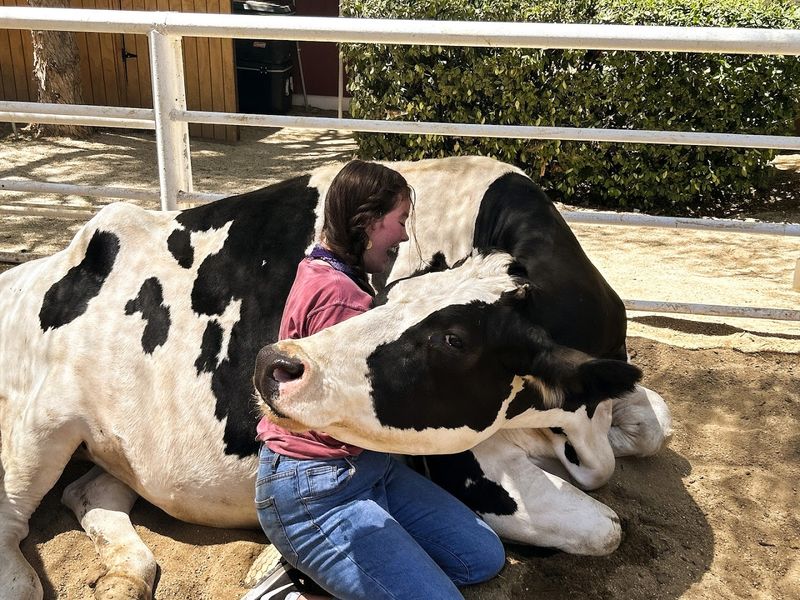
The signature experience here is cow hugging, where guests press their cheeks against a massive, calm bovine and somehow feel completely at peace.
Tours run on Sundays and include time to brush horses, feed animals, and hear stories of recovery that would surprise even the most skeptical visitor.
Admission fees directly fund the sanctuary’s ongoing rescue work, so every ticket purchased contributes to the next animal getting a second chance at a good life.
2. Farm Sanctuary, Watkins Glen, New York
Founded in 1986, Farm Sanctuary holds the title of the first farm animal sanctuary in the United States, which makes it something of a historic landmark for animal welfare.
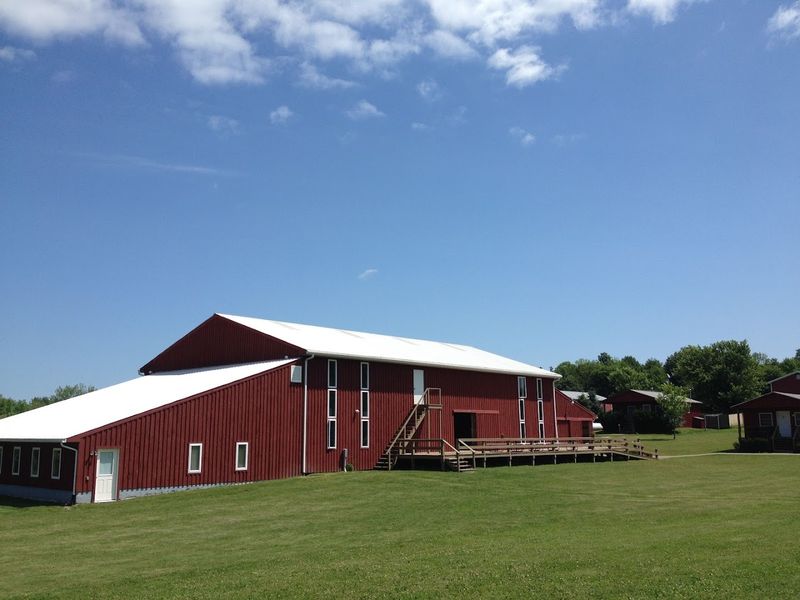
More than 500 rescued animals live across the property’s sprawling acres in the Finger Lakes region, including cows, pigs, turkeys, sheep, and chickens that all have names and documented histories.
Guided tours walk visitors through the barns and pastures while staff explain the stories behind each resident, many of whom arrived after surviving extreme neglect or factory farming conditions.
One of the most popular add-ons is renting a tiny house on the property, which comes with a complimentary vegan breakfast and early-morning access to the animals before public tours begin.
The scenic Finger Lakes setting makes it an easy and rewarding stop during any upstate New York road trip.
3. Catskill Animal Sanctuary, Saugerties, New York
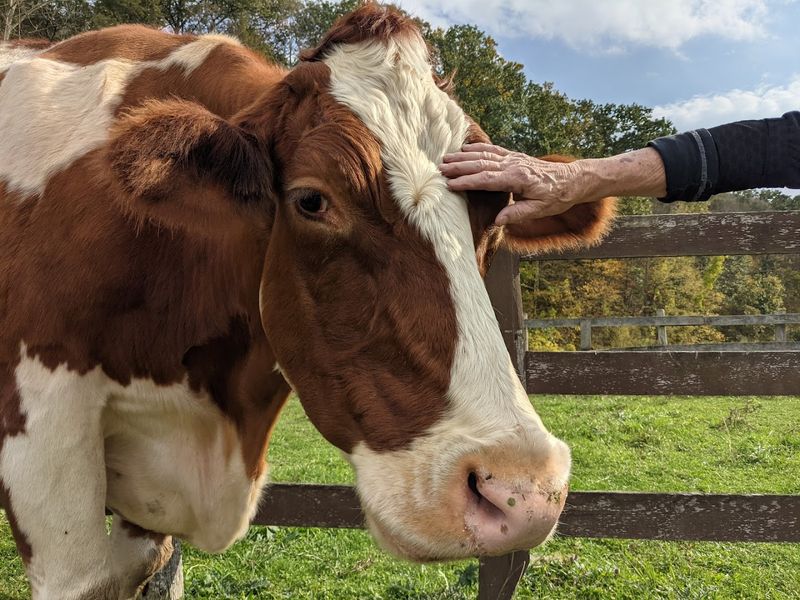
Tucked into the Hudson Valley about two hours north of New York City, Catskill Animal Sanctuary has built a loyal following among both locals and out-of-state visitors since opening its gates in 2001.
The property features rolling meadows, wooded trails, and a rotating cast of rescued farm animals that includes horses, cows, pigs, goats, sheep, ducks, and chickens.
What sets this sanctuary apart is the emphasis on individual animal personalities. Staff members can tell you which pig prefers belly rubs and which goat has a habit of stealing hats off unsuspecting visitors.
Guided tours run seasonally and are capped at small group sizes, which keeps the experience personal and unhurried.
The sanctuary also hosts cooking classes, fundraising events, and educational programs that draw visitors back more than once a year.
4. Woodstock Farm Sanctuary, High Falls, New York
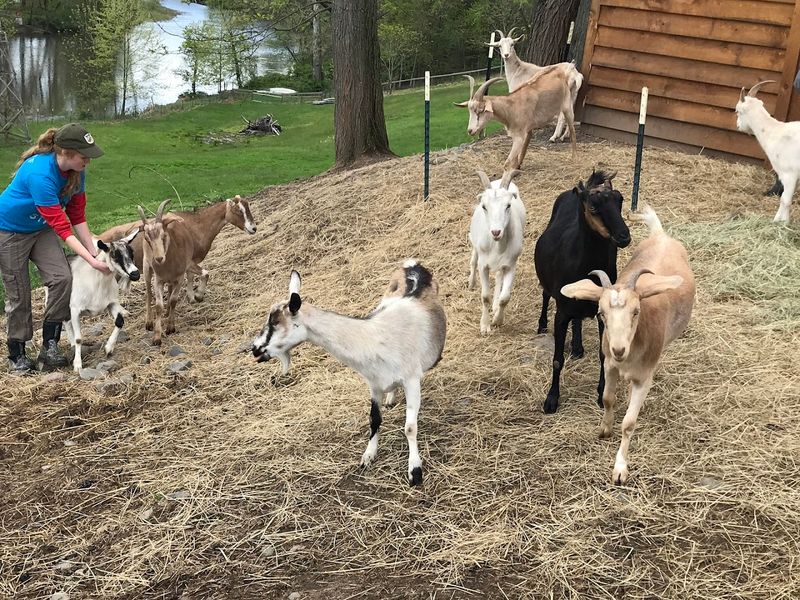
Spread across 150 picturesque acres in the Hudson Valley, Woodstock Farm Sanctuary has become one of the most talked-about farm animal sanctuaries in the northeastern United States.
Hundreds of rescued animals call this property home, including cows, pigs, sheep, goats, chickens, and turkeys that each arrived with a story worth hearing.
The sanctuary made headlines by adding The Gray Barn, an award-winning boutique inn on the property that offers overnight stays with a vegan breakfast and a private guided tour of the animals included in the package.
Public tour days draw visitors from across the country who want to spend time with rescued residents in a genuinely beautiful countryside setting.
The combination of comfortable accommodations, good food, and direct animal interaction has turned this farm into a full weekend destination rather than just an afternoon stop.
5. Animal Place, Grass Valley, California
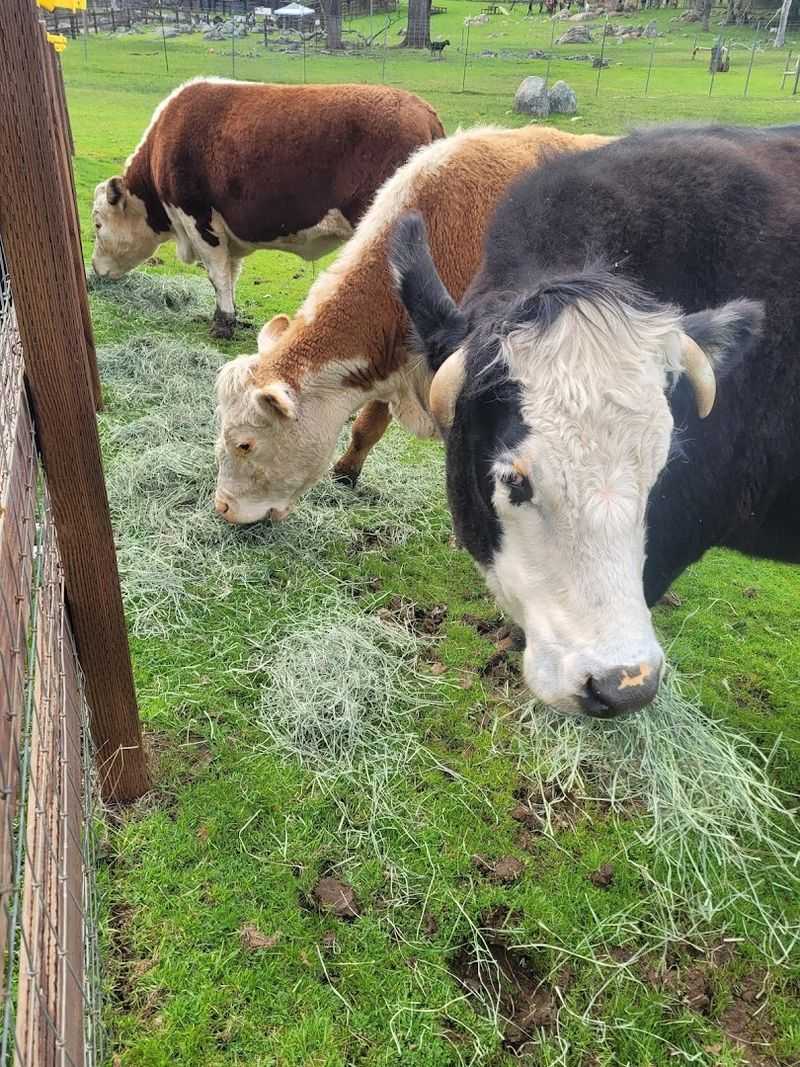
Six hundred acres of California’s Sierra Nevada foothills might sound like a lot of land, but Animal Place fills every corner of it with rescued farm animals who have nowhere else to go.
Operating since 1989, the sanctuary has rescued and rehomed thousands of animals over the decades, including hens pulled from egg facilities, pigs saved from neglect, and cows that arrived severely underweight.
Visitors can choose between guided tours led by knowledgeable staff and self-guided options that let guests explore the property at their own pace, stopping to spend time with whichever residents catch their attention.
The sanctuary’s Rescue Ranch program also relocates animals to vetted adoptive homes, so some of the animals visitors meet may not be there on the next visit.
The Sierra foothills scenery alone makes the drive from Sacramento or the Bay Area more than worthwhile.
6. Barn Sanctuary, Chelsea, Michigan
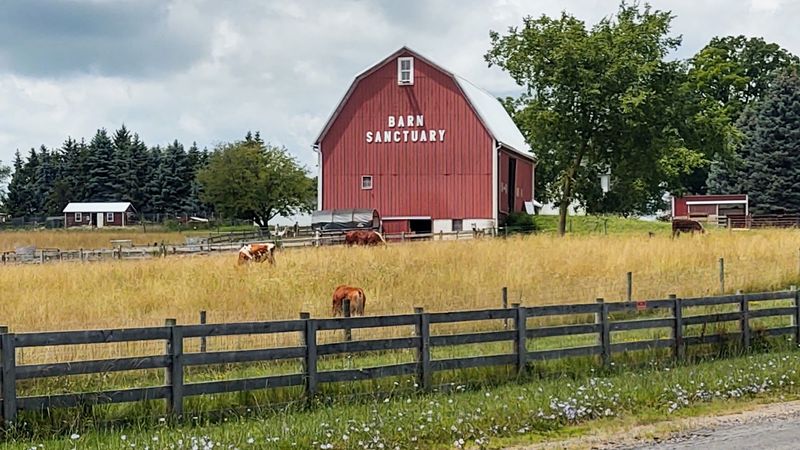
Michigan’s Chelsea township is better known for its small-town charm than its role in the national animal sanctuary movement, but Barn Sanctuary is quietly changing that reputation one rescued animal at a time.
Every resident here has a documented rescue story, and the staff take real pride in sharing those histories with visitors during tours and seasonal events held throughout the year.
The sanctuary focuses on giving farm animals a permanent, lifelong home rather than finding them adoptive placements, which means visitors can return and see the same familiar faces year after year.
Pigs, cows, horses, goats, and chickens all share the property, and the calm, unhurried atmosphere makes interactions feel natural rather than staged.
Seasonal events like harvest gatherings and holiday open houses have helped Barn Sanctuary build a genuinely enthusiastic local following that keeps growing each year.
7. Critter Creek Farm Sanctuary, Gainesville, Florida
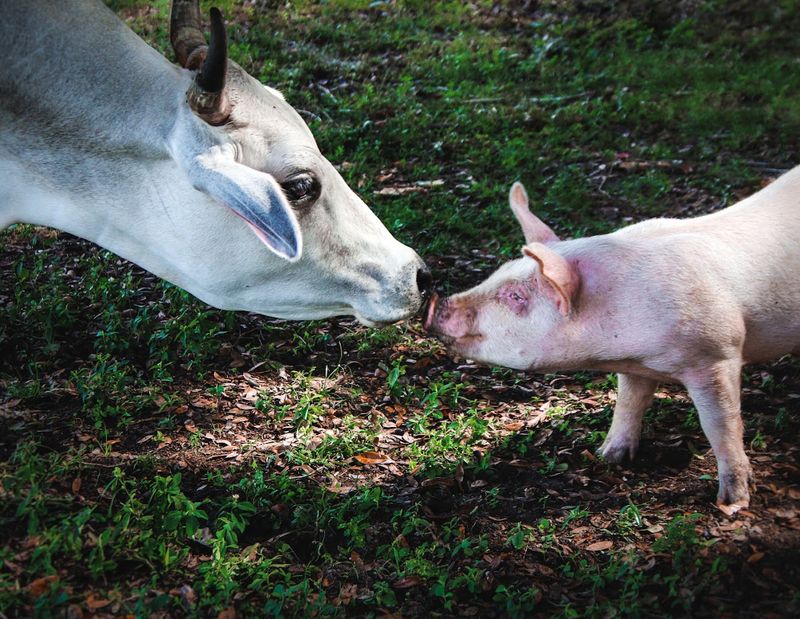
Most people do not think of north central Florida as bovine sanctuary territory, but Critter Creek has spent years proving that assumption wrong in the most endearing way possible.
The sanctuary specializes in rescuing cows and other large farm animals, and it has grown into one of the most respected bovine-focused rescue operations in the entire country.
Open house events bring visitors out to the property’s hundreds of acres, where gentle giants wander freely through wide pastures and staff introduce each animal by name and backstory.
Educational programming at Critter Creek goes beyond the typical sanctuary tour format, offering deeper discussions about agricultural practices, animal cognition, and the emotional lives of cattle.
For travelers passing through Florida on Interstate 75, a detour to Gainesville for a Critter Creek open house is the kind of unexpected experience that becomes the highlight of the whole trip.
8. Poplar Spring Animal Sanctuary, Poolesville, Maryland
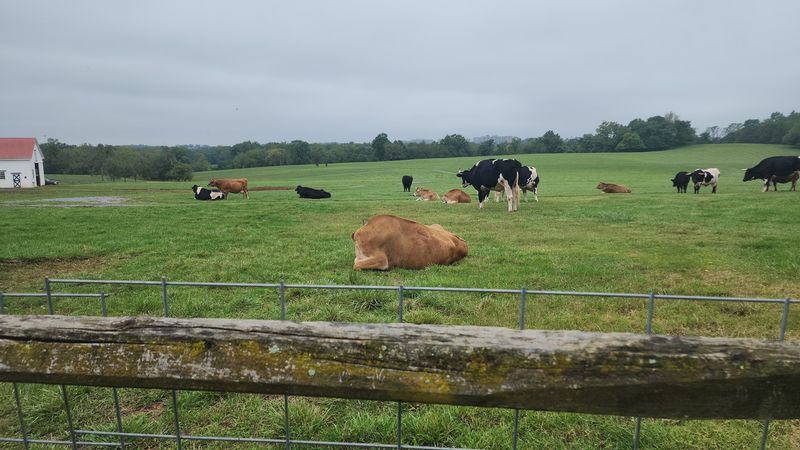
Just 35 miles from Washington, D.C., Poplar Spring Animal Sanctuary offers a surprisingly rural experience in a region better known for government buildings and rush-hour traffic.
Founded in 1996, the sanctuary provides permanent care for rescued farm animals and wildlife on a spacious property that includes open pastures, wooded areas, and multiple barn structures.
Cows, pigs, sheep, goats, turkeys, chickens, ducks, and geese all live here alongside rescued deer and other native wildlife, giving the property a breadth of residents that most sanctuaries cannot match.
Open house events are held twice a year and consistently draw large crowds of families, students, and curious visitors from across the mid-Atlantic region.
The sanctuary’s proximity to a major metropolitan area makes it one of the most accessible farm animal sanctuaries in the country for urban visitors looking for a meaningful half-day outing.
9. Sunrise Sanctuary, Marysville, Ohio
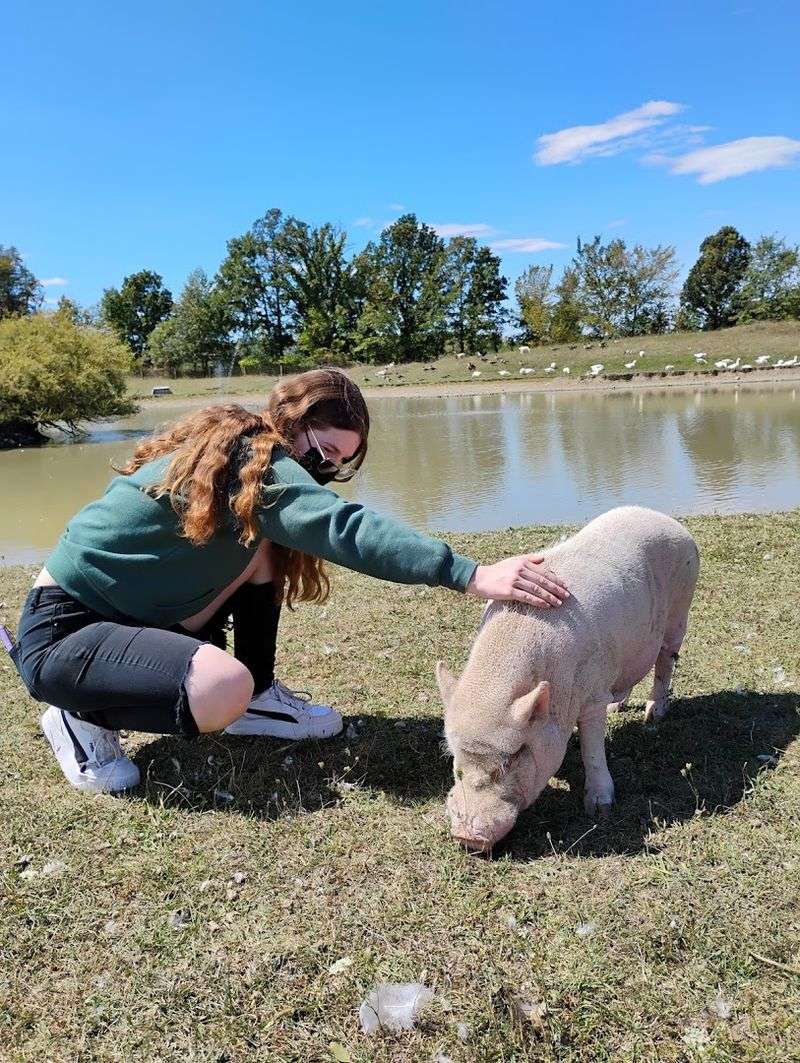
With dozens of different species living side by side, Sunrise Sanctuary in Marysville, Ohio, feels less like a single-focus rescue operation and more like a carefully managed community of unlikely neighbors.
Horses, cows, pigs, donkeys, goats, sheep, and a wide variety of birds all share the property, which gives guided tours an unpredictable quality that keeps visitors genuinely curious about what they will encounter next.
The sanctuary accepts animals from a broad range of situations, including hoarding cases, farm closures, and individual owner surrenders, which explains the remarkable diversity of its current resident population.
Staff members are known for their detailed knowledge of each animal’s background and for matching visitors with residents based on the kind of interaction they are hoping to have.
Sunrise Sanctuary has built a loyal regional following in central Ohio and regularly sells out its guided tour slots during spring and fall weekends.
10. SASHA Farm Animal Sanctuary, Manchester, Michigan
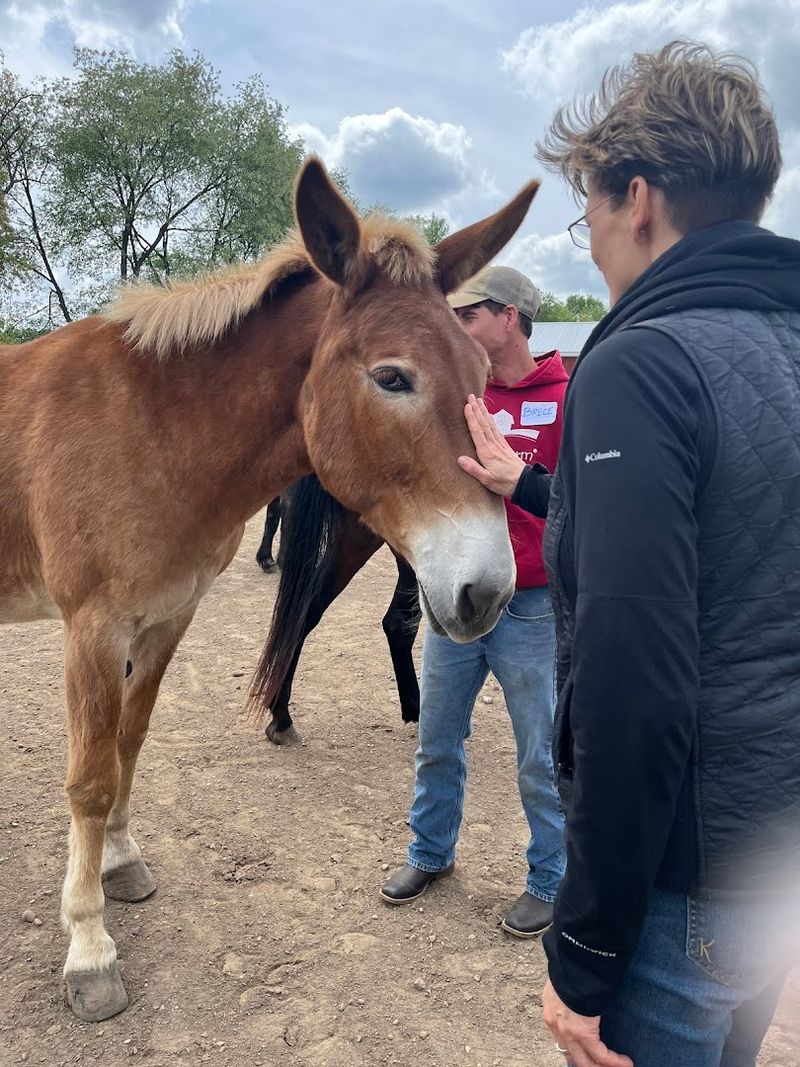
SASHA Farm holds the distinction of being one of the largest farm animal sanctuaries in the entire Midwest, a title it has earned through decades of steady, committed rescue work in rural Michigan.
The property spans expansive rolling fields where rescued cows, pigs, sheep, goats, turkeys, chickens, and horses roam with a freedom that visitors often find visually striking, especially on a clear autumn afternoon.
Guided tours and special events are held throughout the year, and the sanctuary’s long operational history means that many of its current residents have been living there for a decade or more.
SASHA Farm is entirely volunteer-powered, which adds a grassroots energy to every visit that larger, more commercially oriented attractions simply cannot replicate.
The photogenic landscape and the genuine warmth of the volunteer staff have made it a reliable favorite among Michigan families looking for a meaningful outdoor outing.
11. Edgar’s Mission Farm Sanctuary, Lancefield, Victoria, Australia
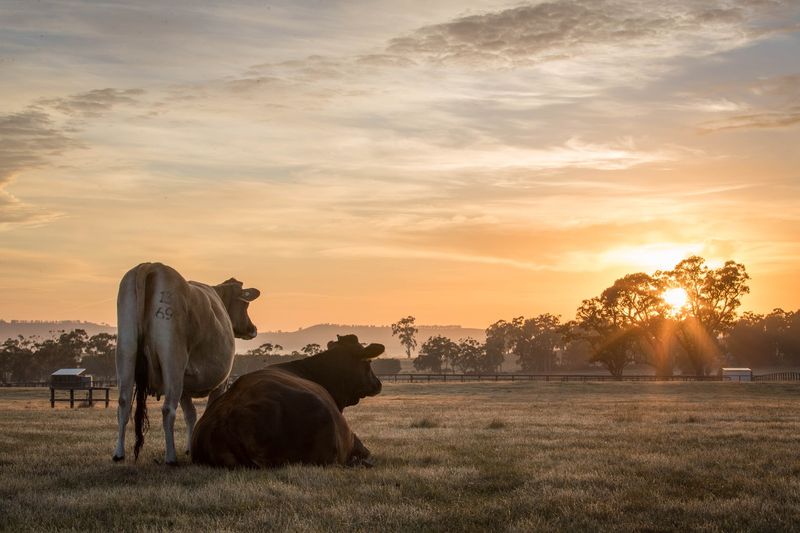
Australia’s most famous farm animal sanctuary started with a single rescued pig named Edgar Alan Pig, and that one animal inspired a mission that now spans hundreds of rescued residents across a beautiful Victorian property.
Edgar’s Mission provides permanent care for pigs, cows, alpacas, sheep, goats, chickens, and many other animals, all of whom live on a scenic property about an hour north of Melbourne.
Public open days bring visitors from across Victoria and beyond, offering a chance to meet the animals, hear their individual stories, and explore the well-maintained grounds at a relaxed pace.
The sanctuary’s founder, Pam Ahern, has become one of Australia’s most recognized voices in animal welfare, and her presence at events adds an educational dimension that visitors consistently highlight in their reviews.
Edgar’s Mission proves that a rescue farm does not need to be in the Northern Hemisphere to build an international reputation.
12. VINE Sanctuary, Springfield, Vermont
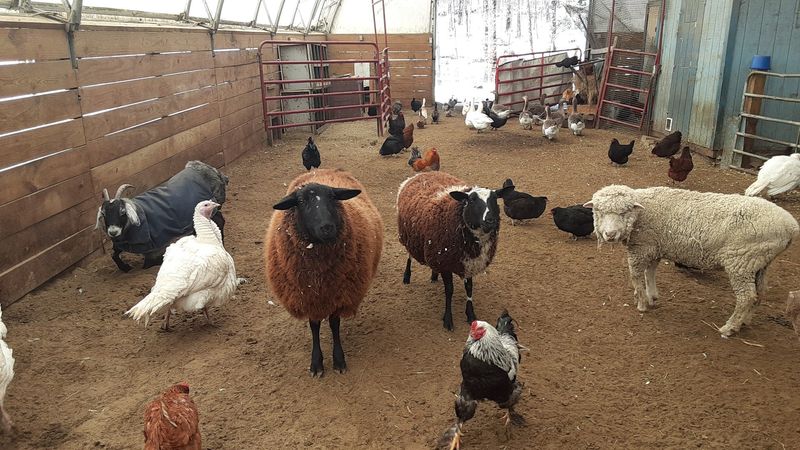
Vermont is already one of the most scenic states in the country, and VINE Sanctuary manages to make the experience of visiting a rescue farm feel perfectly matched to its surroundings.
Based in Springfield, VINE provides lifelong care for rescued farm animals, with a particular focus on animals that have complex medical needs or require specialized accessibility accommodations.
Chickens, cows, sheep, goats, pigs, and other residents live across the property, and educational tours introduce visitors to the sanctuary’s thoughtful and research-informed approach to compassionate animal care.
VINE is also known for its commitment to intersectional advocacy, connecting animal welfare with broader conversations about social justice in a way that gives tours a depth unusual for a farm visit.
The quiet Vermont countryside and the sanctuary’s genuinely distinctive philosophy make it a memorable stop for travelers exploring the upper Connecticut River Valley.
13. Black Beauty Ranch, Murchison, Texas
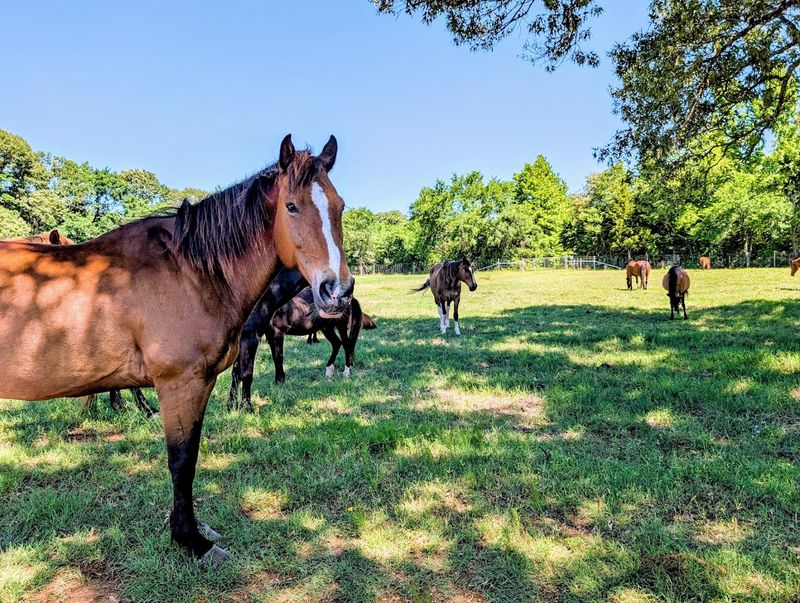
At more than 1,400 acres, Black Beauty Ranch operates on a scale that most animal sanctuaries can only dream about, and the sheer variety of its residents reflects that extraordinary capacity.
Operated by Humane World for Animals, the ranch provides permanent sanctuary for hundreds of animals that range from rescued horses and cattle to primates, large carnivores, and other exotic species that arrived after being confiscated or surrendered.
Public open house events allow visitors to explore the property and observe animals living in spacious natural habitats that are carefully designed to meet each species’ specific behavioral and physical needs.
The ranch is named after the beloved 19th-century novel about a horse’s life, and that literary connection gives the whole place an extra layer of meaning for visitors who grew up with the story.
For Texas travelers willing to make the drive to Henderson County, Black Beauty Ranch delivers an experience unlike anything else in the Lone Star State.
Share this story