Languages are not just tools for talking. They carry entire histories, belief systems, and ways of seeing the world that cannot be translated into anything else. Right now, in mountain valleys, on remote islands, and deep inside ancient forests, communities are holding onto languages that the rest of the world has never heard and may never fully understand. Some of these languages have no relatives anywhere on Earth, making them true one-of-a-kind codes locked inside the minds of a shrinking group of speakers.
Others survive because a determined community refused to let them go, building schools, museums, and cultural centers to keep the words alive. This article takes you to the real places where these languages still breathe, from the rugged coasts of Scotland to the volcanic shores of Easter Island, revealing the fascinating stories behind each one.
1. Casa Del Euskera, Bilbao, Basque Country, Spain
Euskara has baffled linguists for centuries because it shares no ancestry with Spanish, French, or any other language on the planet. That makes it a true language isolate, a one-of-a-kind code that survived long before the Roman Empire ever reached the Pyrenees.
Casa Del Euskera in Bilbao gives visitors a modern, organized way to explore this mystery. The center uses exhibits, detailed maps, and multimedia displays to explain how Euskara works and why it matters to the Basque people today.
Bilbao itself is a lively, walkable city, so the visit fits naturally into a broader cultural trip. Researchers believe Euskara may be one of the oldest languages in all of Europe, predating most of the continent’s written history by thousands of years. That alone makes this stop worth every minute.
2. Sámi Cultural Centre Sajos, Inari, Finland
Roughly 10,000 Sámi people live across the northern reaches of Norway, Sweden, Finland, and Russia, and their languages are as varied as the landscapes they call home. There are actually nine distinct Sámi languages, several of which have fewer than a few hundred speakers left.
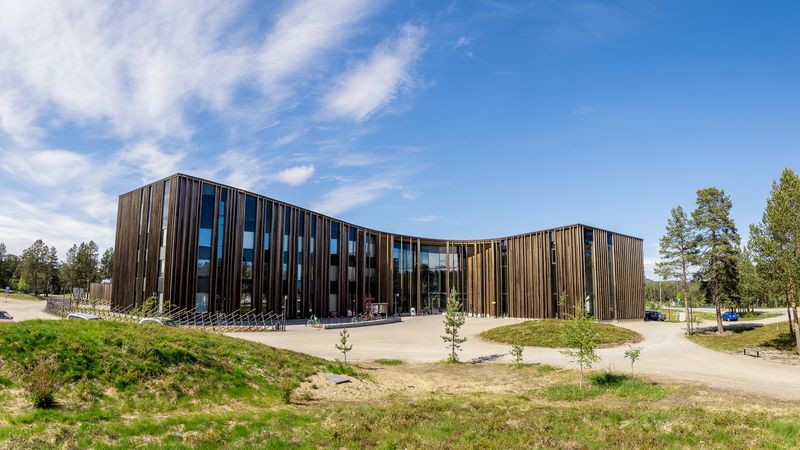
Sajos in Inari serves as the official seat of the Sámi Parliament of Finland and functions as a cultural hub for language education, political representation, and community gatherings. The building itself is a striking piece of architecture designed to reflect Sámi values and northern identity.
Inari sits deep in Finnish Lapland, surrounded by lakes and forests that have shaped Sámi culture for thousands of years. Visiting Sajos offers something beyond typical museum tourism. It puts you in contact with a living, functioning culture that is actively fighting to keep its languages breathing in the modern world.
3. Dingle Peninsula, Dingle, County Kerry, Ireland
Most tourists who visit Ireland hear a few words of Irish Gaelic on signs or menus and assume the language is mostly decorative. The Dingle Peninsula will correct that assumption fast. This stretch of County Kerry is part of the Gaeltacht, the official Irish-speaking region, where the language is used in daily conversation, not just on commemorative plaques.
Local schools teach entirely in Irish. Radio stations broadcast in it. Shopkeepers, farmers, and fishermen use it naturally with each other, making it feel less like a preservation project and more like a living community choice.
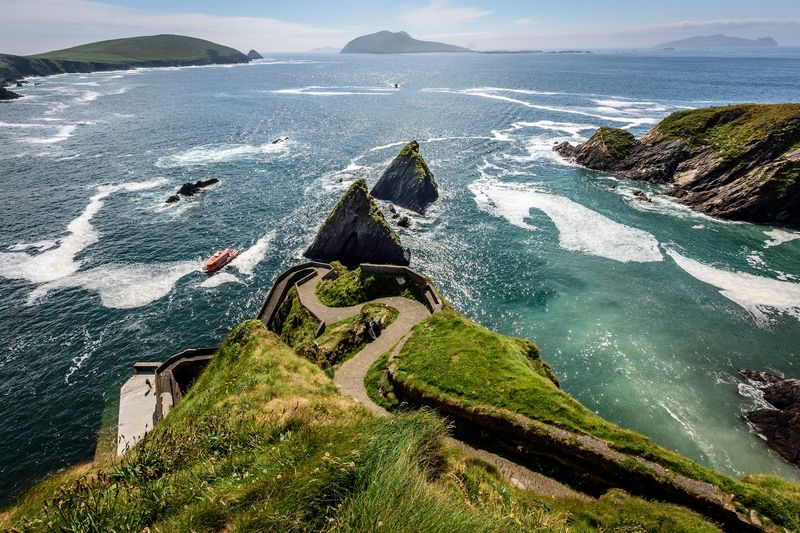
The landscape adds another layer of depth. Ancient stone forts, early Christian ruins, and dramatic cliff roads frame a region where Irish culture and language grew together over centuries. Spending even a few days here shifts your understanding of what it actually means for a language to be alive rather than just remembered.
4. Stornoway, Isle Of Lewis, Outer Hebrides, Scotland
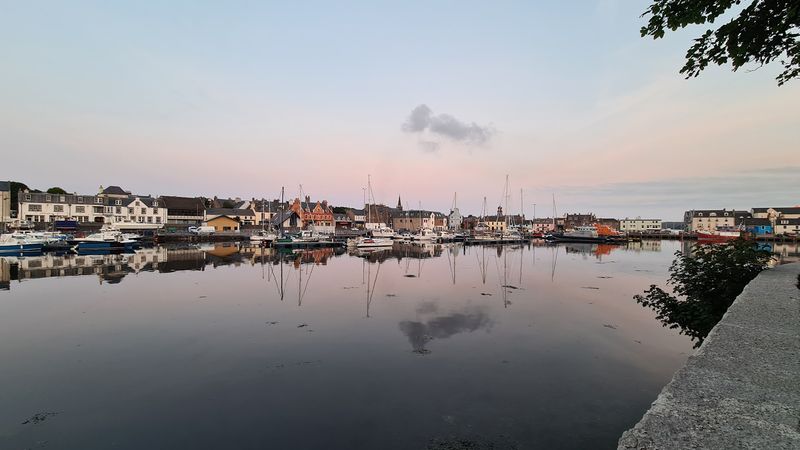
Scotland has two official languages, English and Scottish Gaelic, but only one place where Gaelic truly dominates the street signs, the radio, and the school corridors. The Outer Hebrides, with Stornoway as its main town, holds roughly half of all Scottish Gaelic speakers in the country.
BBC Alba, the Gaelic television channel, broadcasts from here. Gaelic-medium schools produce fluent young speakers. The local culture ties language tightly to music, poetry, and a distinct island identity that resists easy assimilation into mainland British norms.
Stornoway itself is a compact, practical town with a working harbor, a castle estate open to walkers, and a community that takes Gaelic seriously rather than treating it as a tourist novelty. Harris Tweed production also continues in the area, adding another thread of cultural heritage to explore. For language history, few places in the British Isles feel this genuinely rooted.
5. Cregneash Village, Cregneash, Isle Of Man
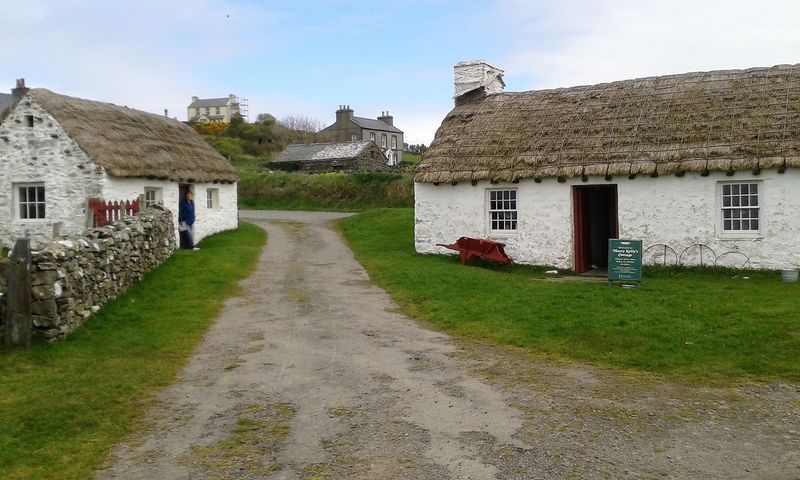
On a small island tucked between England and Ireland, a nearly lost language found one of its last safe havens. The Manx language came dangerously close to extinction in the 20th century, and for a brief period, linguists actually declared it gone for good.
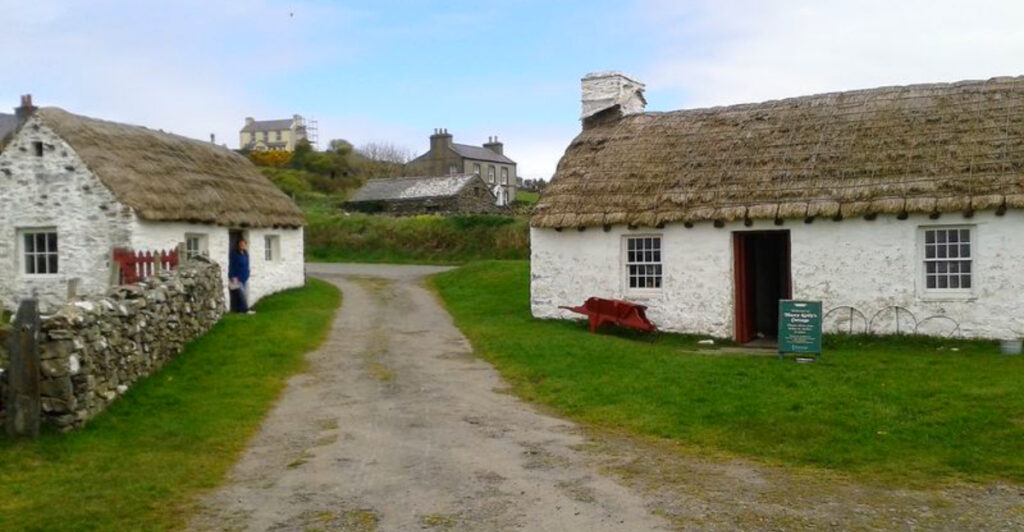
Cregneash Village proved them wrong. This open-air folk museum preserves the kind of rural Manx life that kept the language rooted for generations, with thatched stone cottages, working farm demonstrations, and heritage displays that make the past feel close and real.
Volunteers and educators have since revived Manx through schools and community programs, and today a new generation of speakers is growing. Cregneash acts as a physical anchor for that revival, reminding visitors that languages do not just live in books. They live in places, in daily routines, and in communities that choose to remember.
6. Upopoy National Ainu Museum And Park, Shiraoi, Hokkaido, Japan
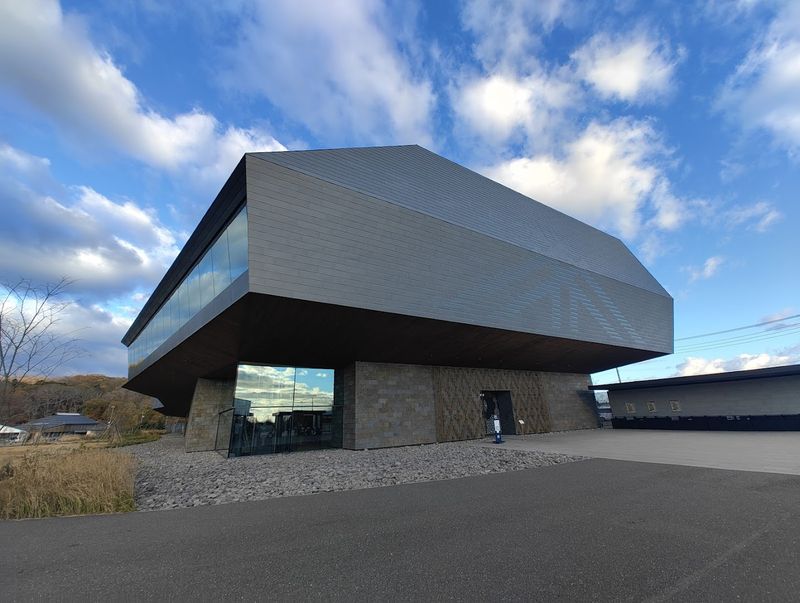
For most of Japan’s history, the Ainu people of Hokkaido were pushed to the margins, their language banned in schools and their culture treated as something to be erased rather than celebrated. That history makes Upopoy’s opening in 2020 genuinely significant.
Built beside Lake Poroto in Shiraoi, the museum and park complex was designed as a national statement of recognition. Exhibits cover Ainu language, oral traditions, crafts, ceremonies, and the long political struggle for cultural rights. The Ainu language itself is a complete isolate with no confirmed relatives anywhere in the world.
Fewer than ten people are believed to speak it fluently today, which gives every language display inside Upopoy an added sense of urgency. The park section includes reconstructed traditional homes and live cultural demonstrations. Japan officially recognized the Ainu as an indigenous people only in 2019, making this museum part of a very recent and still unfolding story.
7. Haida Heritage Centre, Skidegate, Haida Gwaii, British Columbia, Canada
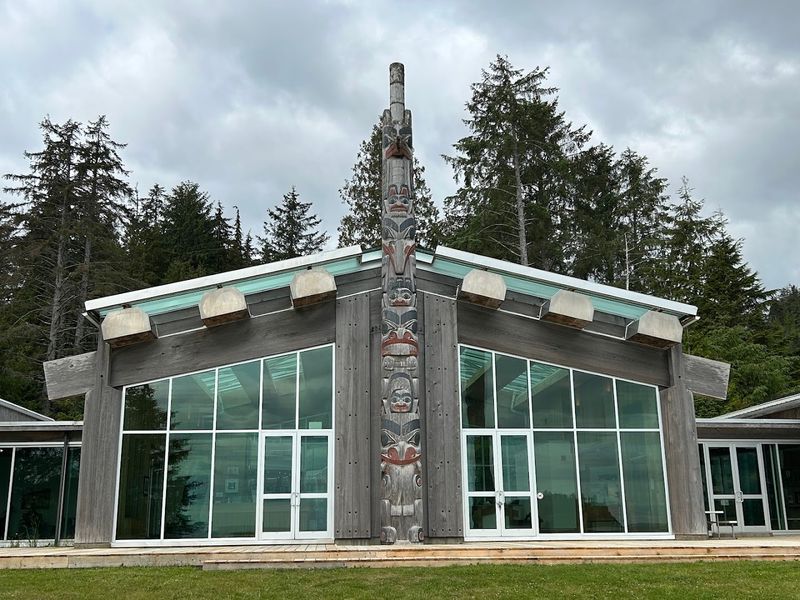
Haida Gwaii was once called the Queen Charlotte Islands, but the name change back to its original Haida name was itself an act of linguistic reclamation. The archipelago sits off the northern coast of British Columbia, separated from the mainland by a stretch of open Pacific water that helped keep Haida culture distinct for thousands of years.
The Haida Heritage Centre in Skidegate is the cultural anchor of the island group. It houses an extraordinary collection of totem poles, canoes, and carved works, alongside language programs designed to pass Haida on to younger generations. Haida is classified as a language isolate, with no confirmed connection to any other Indigenous language family.
Fewer than 20 fluent native speakers remain, making the center’s language work genuinely urgent. Visitors can attend cultural events, watch master carvers at work, and learn about a history that spans at least 12,000 years on these islands.
8. Hanga Roa, Easter Island, Valparaíso, Chile
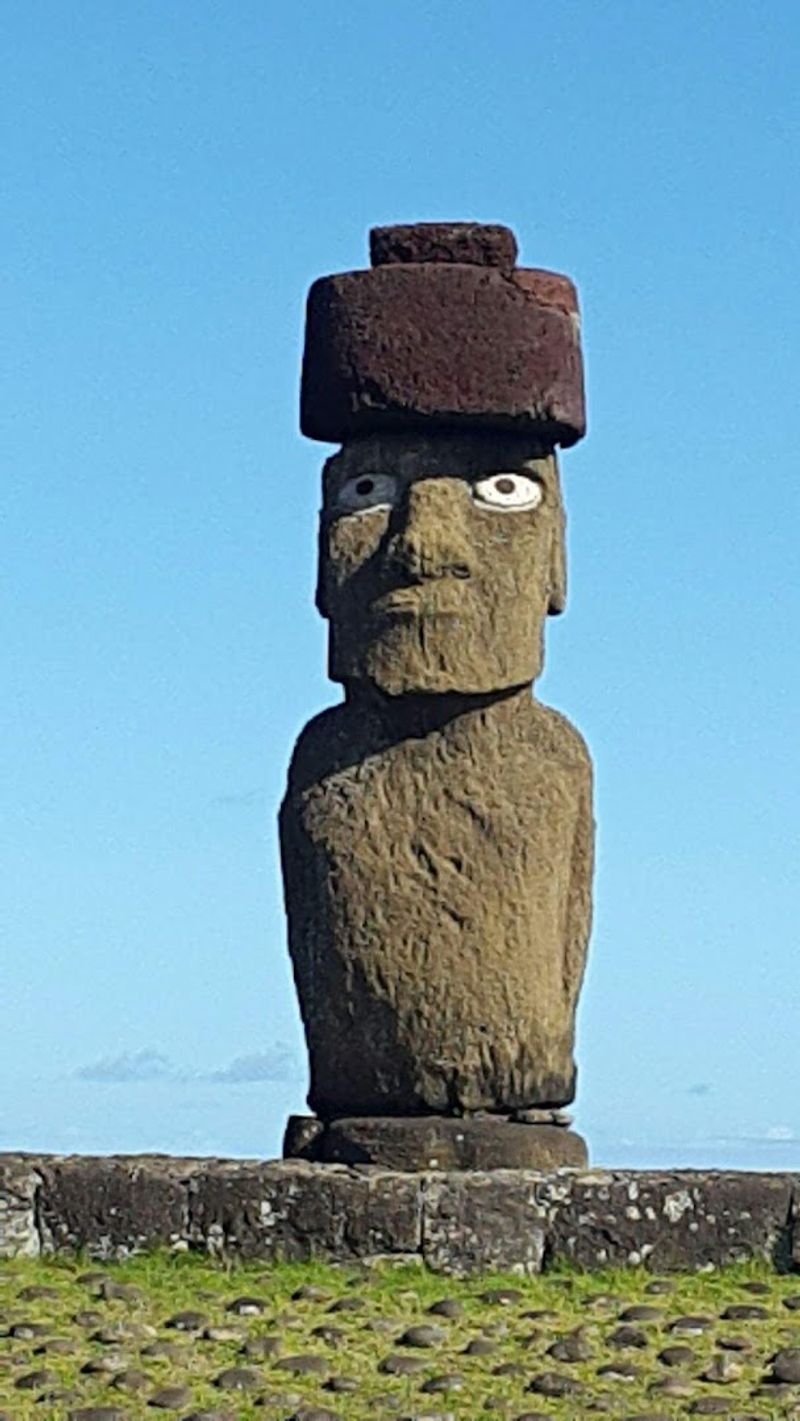
Easter Island sits roughly 3,500 kilometers from the nearest mainland, making it one of the most isolated permanently inhabited places on Earth. That isolation did not stop outsiders from dramatically reducing the Rapa Nui population through the 1800s, and the language nearly went with them.
Hanga Roa is the only town on the island, and it is where Rapa Nui language and culture concentrate today. Schools teach the language alongside Spanish. Local organizations document oral traditions, songs, and ceremonial vocabulary before they fade completely. The Rapa Nui language belongs to the Polynesian family, connecting Easter Island culturally to Hawaii and New Zealand despite the vast distances involved.
Visitors come primarily for the moai statues, but the linguistic story running underneath the tourism is just as compelling. Around 3,000 people on the island still speak Rapa Nui to varying degrees, a remarkable number given everything the community has survived historically.
9. Museum Ladin Ciastel De Tor, San Martino In Badia, South Tyrol, Italy
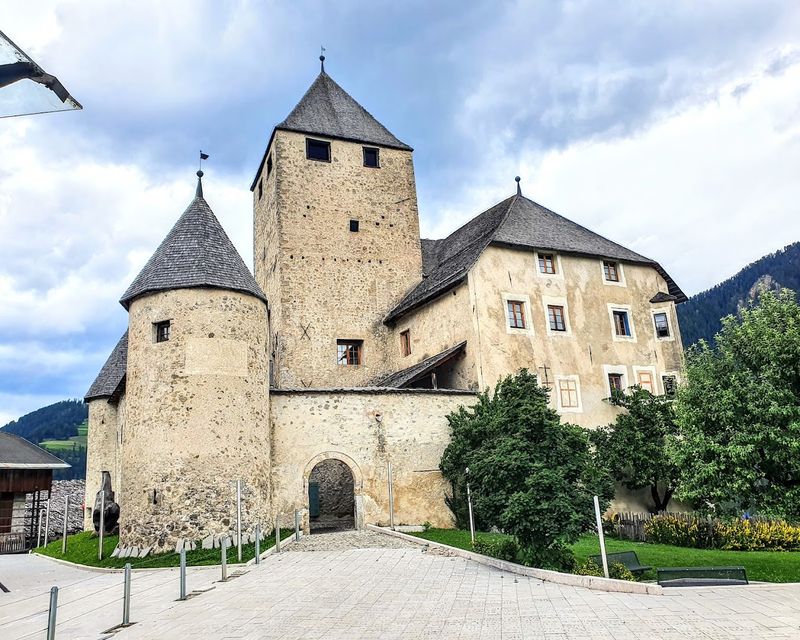
Ladin is not Italian, not German, and not quite like anything most travelers have encountered before. Spoken in a handful of valleys deep in the Dolomites, it is a Rhaeto-Romance language that developed in communities so geographically separated from lowland centers that it evolved its own distinct vocabulary and grammar over centuries.
Museum Ladin Ciastel De Tor occupies a medieval castle above San Martino in Badia, and the setting alone justifies the trip. Inside, exhibits trace Ladin culture from prehistoric times through the present, covering language, traditional crafts, religious customs, and the complex political history of a region that has been Austrian, Italian, and everything in between.
About 20,000 people still speak Ladin today, concentrated in the Gardena, Badia, Fassa, Livinallongo, and Ampezzo valleys. The museum makes an excellent base for understanding why these mountain communities held onto their language so fiercely when larger powers repeatedly tried to absorb them.
10. Samedan, Engadin, Graubünden, Switzerland
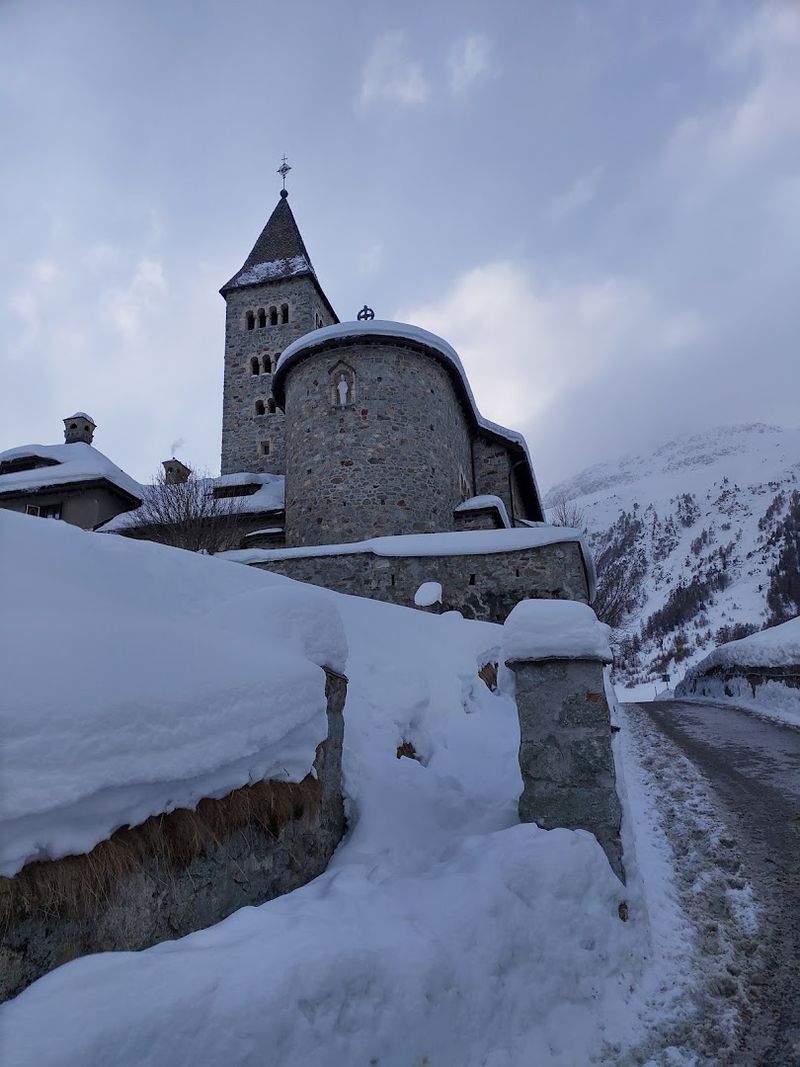
Switzerland has four national languages, and most people can name three of them without much trouble. The fourth, Romansh, tends to catch people off guard. Spoken by fewer than 60,000 people in the canton of Graubünden, it is the country’s smallest national language and one of the last surviving descendants of the Latin spoken by Roman settlers in the Alps.
Samedan sits in the Upper Engadin valley, one of the heartlands of Romansh culture. The town’s architecture is distinctive, with painted facades decorated in a traditional style called sgraffito that gives the streets a character unlike anything in the German or French parts of Switzerland.
Local schools offer Romansh instruction, and the language appears on official signs and government documents. The Biblioteca Engiadinaisa, a research library in Samedan, holds important Romansh texts and manuscripts. Visiting here feels like finding a cultural pocket that the modern world somehow agreed to leave alone.
11. Carnac, Brittany, France
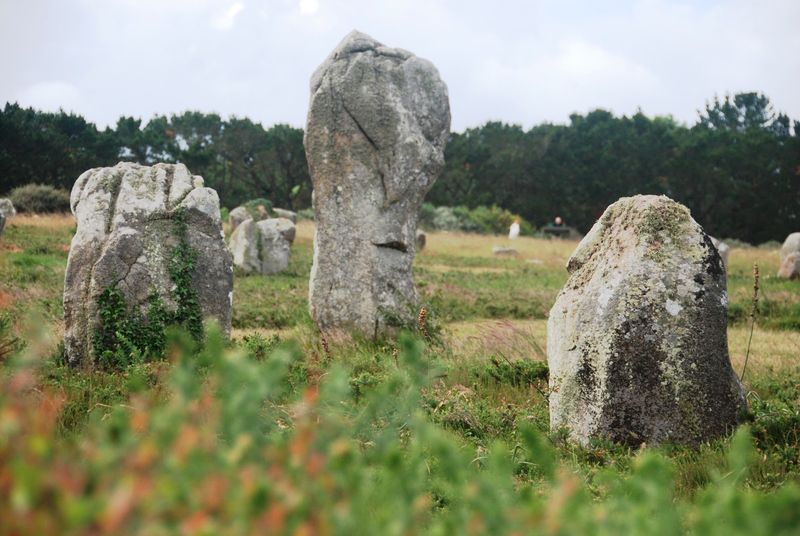
Brittany has always done things its own way, and the French government has spent decades trying to figure out what to do about that. Breton, the regional Celtic language, is more closely related to Welsh and Cornish than to French, a linguistic fact that reflects Brittany’s deep historical ties to Britain rather than to Paris.
About 200,000 people still speak Breton today, mostly in the western part of the region called Basse-Bretagne. Bilingual schools called Diwan have been expanding since the 1970s, and younger generations are picking up the language with genuine enthusiasm. Carnac anchors all of this cultural depth with an added prehistoric twist.
The town is home to over 3,000 standing stones arranged in long parallel rows, the largest megalithic site in the world. Nobody fully agrees on why they were built, which means Carnac carries two mysteries at once: one carved in stone, and one spoken in a Celtic tongue that France never quite managed to silence.
12. Nuoro, Sardinia, Italy
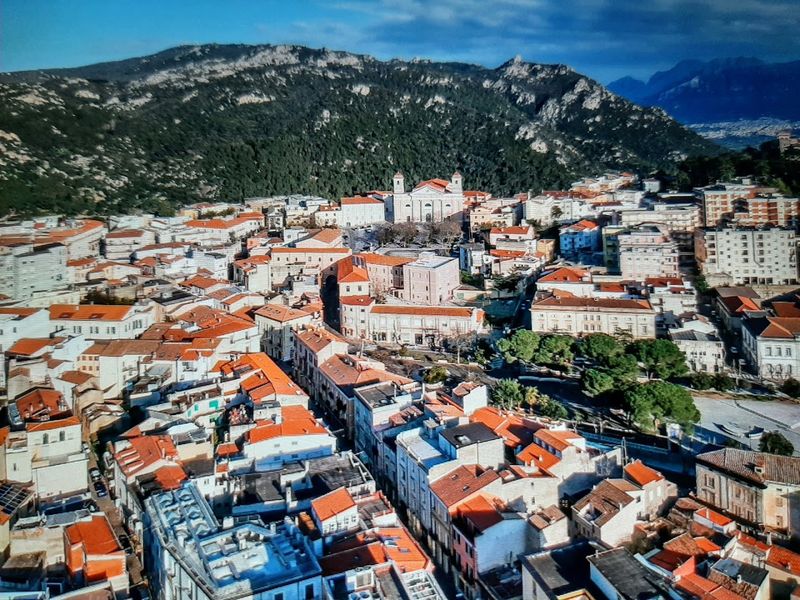
Sardinian is not a dialect of Italian. Linguists classify it as a separate Romance language, and many consider it the closest surviving relative of ancient Latin among all the modern Romance tongues. That alone makes Sardinia linguistically significant, and Nuoro is where that identity runs deepest.
Tucked into the mountainous Barbagia region, Nuoro has historically been one of the most culturally resistant parts of the island. Its folk traditions, costumes, and oral literature have been documented by scholars and celebrated by locals for generations. The city also produced some of Italy’s most important literary voices, including Nobel Prize-winning author Grazia Deledda.
The Museo della Vita e delle Tradizioni Popolari Sarde offers a thorough look at inland Sardinian culture, while surrounding villages like Orgosolo are famous for political murals painted directly onto building walls. Nuoro rewards visitors who look past the coastal resorts and engage with Sardinia’s more complicated, layered interior identity.
13. Museum Of Corsica, Corte, Corsica, France
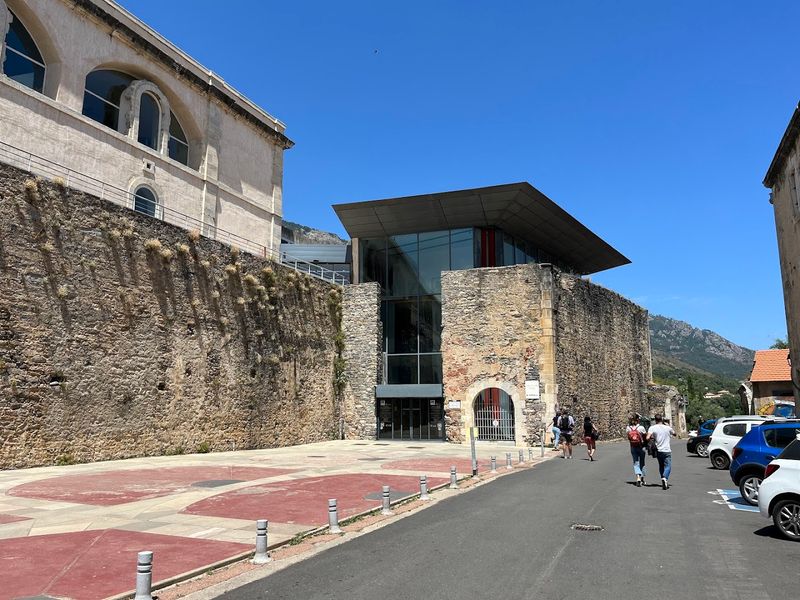
Corte sits at the geographic and symbolic center of Corsica, surrounded by granite mountains and steep river gorges that kept it isolated from coastal influence for centuries. It was also briefly the capital of an independent Corsican republic in the 18th century, a fact locals have not forgotten.
The Museum of Corsica is housed inside the town’s historic citadel and covers everything from pastoral traditions to political history, with the Corsican language woven throughout. Corsican is a Romance language closely related to Italian, but it carries its own distinct literature, music, and oral traditions that set it apart clearly from mainland Italian dialects.
France does not officially recognize Corsican as a co-official language despite decades of local campaigning. That tension between cultural identity and state policy gives the museum’s exhibits an extra layer of meaning. Around 100,000 people still speak Corsican today, and Corte remains the most vocal center of the language revival movement.
14. Guna Yala, San Blas Islands, Panama
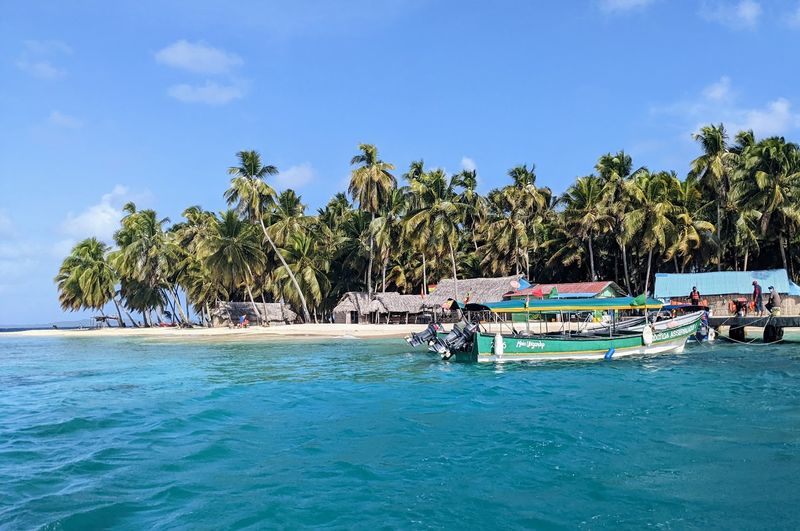
There are few places in the Americas where an Indigenous community has maintained this level of political and cultural independence. Guna Yala is a semi-autonomous comarca, meaning the Guna people govern it themselves under a system that predates Panama’s current constitution. That political structure has been one of the key reasons the Guna language survived where so many others did not.
The San Blas archipelago consists of around 365 islands, and the Guna people live on roughly 40 of them. Their language, also called Dulegaya, is spoken by approximately 50,000 people, making it one of the healthier Indigenous languages in Central America. Children grow up speaking it at home before learning Spanish in school.
Traditional Guna textile art called mola is internationally recognized and sold worldwide, generating income that supports community independence. Visiting Guna Yala requires permission and respect for local rules, but it offers a rare chance to see an Indigenous language functioning as the true center of everyday life.
Share this story