Trust in government is something many people take for granted, but around the world, it varies wildly from one country to the next. In some nations, citizens genuinely believe their leaders are working in their best interest, and that confidence shapes everything from how people pay taxes to how they respond to public health crises.
Researchers and organizations like the OECD and Gallup regularly measure this trust to understand what makes governments effective and respected. The countries on this list stand out for earning that rare and valuable confidence from the people they serve.
1. Indonesia
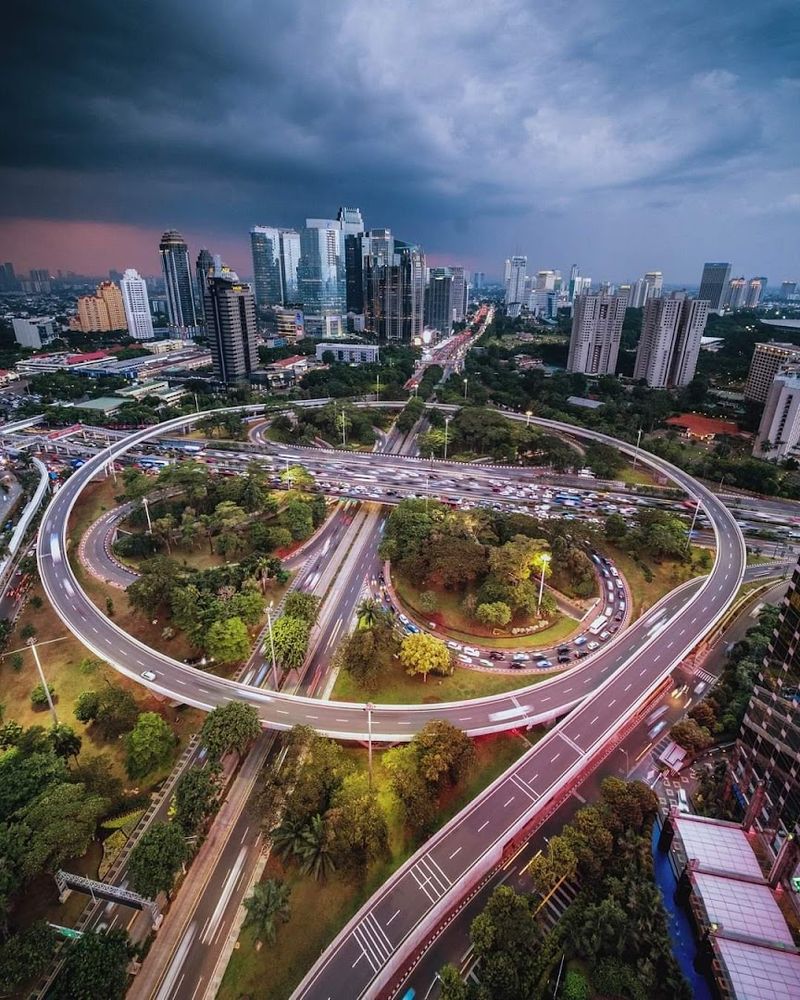
Few countries have seen trust in government climb as dramatically as Indonesia. According to OECD data, Indonesia consistently ranks among the top countries globally for public confidence in national institutions.
That kind of trust does not appear overnight.
Indonesia’s government has worked hard on transparency initiatives and anti-corruption programs over the past decade. Citizens have responded positively to visible efforts to improve public services, infrastructure, and disaster response.
The country’s strong community values also reinforce a sense of shared responsibility between people and their leaders.
With a population of over 270 million spread across thousands of islands, governing Indonesia is no small task. The fact that so many citizens express confidence in how the country is managed speaks volumes.
Researchers point to consistent economic growth and improved social programs as key reasons behind this high level of trust.
2. Switzerland
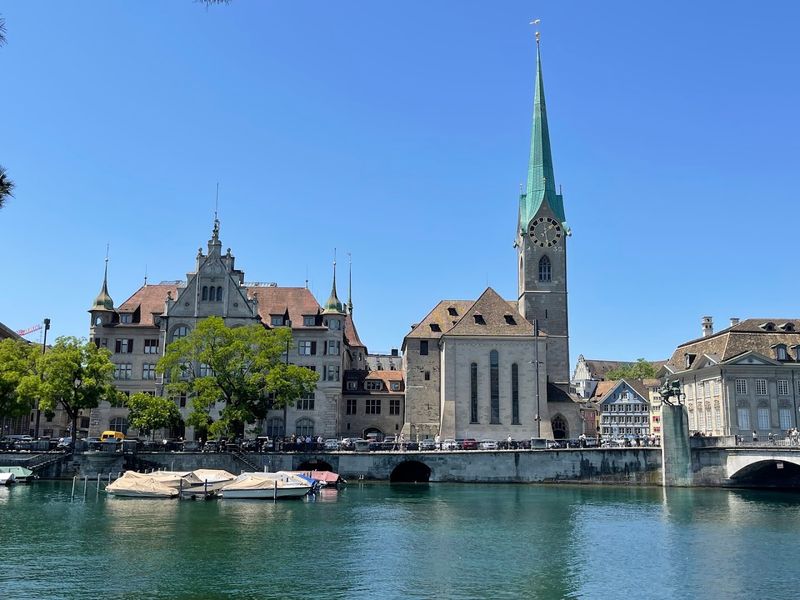
Switzerland runs on a political model that most countries only dream about. Citizens can vote on major decisions through referendums multiple times a year, giving them a direct say in how the country is governed.
That level of participation naturally builds confidence.
The Swiss system divides power among multiple parties in a coalition, which prevents any single group from dominating. People tend to trust a government when they feel no one is being steamrolled.
Transparency, low corruption, and efficient public services round out the picture.
Swiss residents consistently report high satisfaction with healthcare, education, and infrastructure. When a government delivers on the basics reliably, trust follows.
Switzerland has ranked near the top of government trust surveys for years, and its unique direct democracy model is widely credited as the reason. It is a system built to earn confidence, not just demand it.
3. Luxembourg
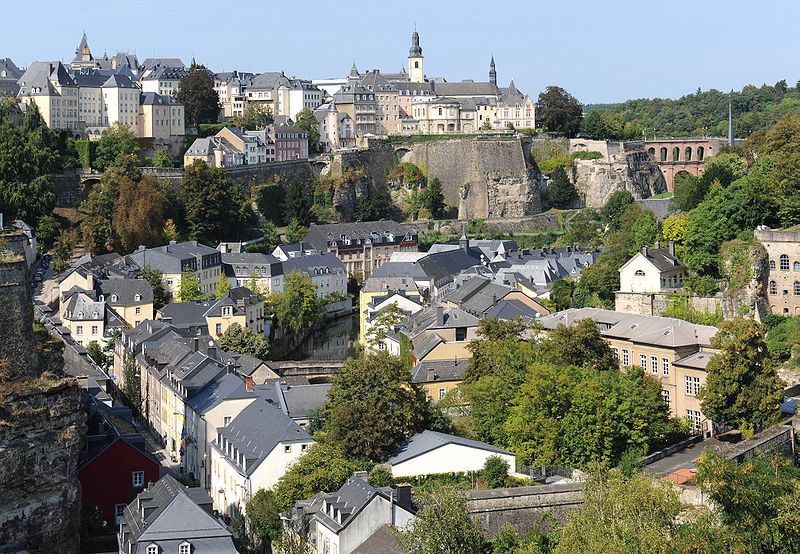
Tucked between France, Germany, and Belgium, Luxembourg is one of the wealthiest countries per capita in the world, and its citizens know it. High living standards tend to create a foundation of goodwill toward the government that provides them.
Luxembourg’s government is known for being well-organized, corruption-free, and genuinely responsive to citizen needs. Public services run smoothly, and the country has made consistent investments in education, housing, and social welfare.
People feel the system works for them, not against them.
Multilingualism is part of daily life in Luxembourg, with three official languages spoken across a small but diverse population. The government’s ability to serve such a varied community effectively has earned it high marks.
Surveys regularly show that Luxembourgers express strong confidence in their national institutions, making this small nation a standout example of how good governance builds lasting public trust.
4. Finland
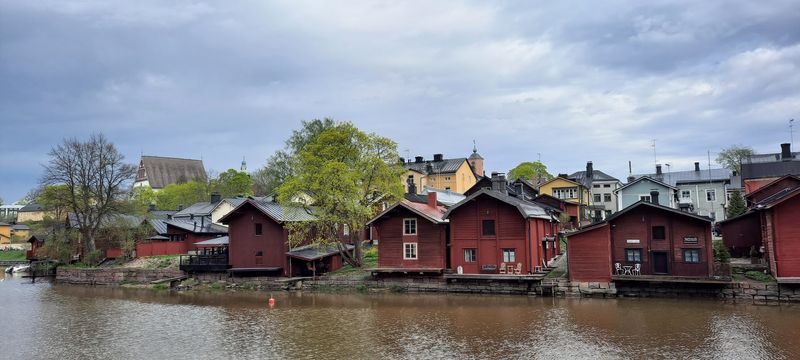
Finland has a reputation for doing things quietly and doing them well. The country’s education system is world-famous, but it is the broader culture of institutional honesty that makes Finnish citizens so confident in their government.
Corruption is rare, and accountability is expected.
The Finnish government communicates clearly with its population, especially during crises. During the COVID-19 pandemic, Finland’s transparent communication style helped maintain public confidence even during difficult decisions.
People trusted the information they were given because they had been given accurate information before.
Finland also ranks highly for press freedom, which plays a supporting role in government trust. When media can report freely and critically, it keeps leaders honest.
Citizens feel protected rather than managed. Finland’s model shows that trust is not built through grand gestures but through consistent, honest, and competent governance delivered day after day over many years.
5. Ireland

Ireland’s relationship with its government has not always been smooth. The 2008 financial crisis hit the country hard, and public trust took a serious hit alongside the economy.
What makes Ireland’s current standing remarkable is how much ground has been recovered since then.
The Irish government invested in rebuilding credibility through economic reform, housing initiatives, and healthcare improvements. Citizens began to see results, and trust gradually returned.
By the 2020s, Ireland had climbed back into the upper tier of government confidence rankings across Europe.
Ireland also benefits from a lively democratic culture where political debate is open and citizens feel heard. Town halls, community consultations, and accessible local government all contribute to a sense that leadership is not distant or detached.
The Irish story is one of recovery and resilience, proving that governments can rebuild trust when they take accountability seriously and follow through with real change.
6. Mexico

Mexico’s appearance on this list might surprise some readers, given the country’s well-documented struggles with corruption and organized crime. Yet survey data from Gallup and other organizations has shown notable spikes in public trust during certain administrations, particularly when leaders campaign on anti-corruption platforms.
President Andres Manuel Lopez Obrador, who took office in 2018, saw high approval ratings through much of his term, driven by strong support from working-class and rural communities. His government’s social programs and messaging resonated deeply with millions of Mexicans who felt overlooked by previous administrations.
Trust in Mexico is deeply tied to economic hope and the feeling of being represented. When citizens believe their government understands their daily struggles, confidence rises.
Mexico’s high trust numbers reflect a specific moment in political history where a large portion of the population felt genuinely seen and heard for the first time in years.
7. Norway

Norway operates with a level of institutional calm that many countries envy. The government is expected to be honest, and for the most part, it delivers on that expectation.
Norwegians grow up in a society where public officials are accessible and corruption is genuinely uncommon rather than just officially discouraged.
The country’s oil wealth, managed through the Government Pension Fund, is a point of national pride. Citizens trust that their natural resources are being handled responsibly for future generations.
That kind of long-term thinking signals that the government is not just chasing short-term gains.
Norway also has strong labor protections, universal healthcare, and a generous social safety net. When people feel economically secure and fairly treated, they tend to extend that goodwill to their institutions.
Norway consistently appears at the top of trust surveys, and the reason is straightforward: the government earns it through steady, reliable performance year after year.
8. Thailand

Thailand’s inclusion on this list reflects a complex and layered political landscape. Survey data from certain periods shows high levels of public confidence in national leadership, particularly during times of perceived stability and economic management.
Context matters when reading these numbers.
Many Thai citizens express trust in institutions that provide order, infrastructure, and economic continuity. The government has made significant investments in transportation, tourism infrastructure, and public health services.
For many residents, especially outside major urban centers, these visible improvements translate directly into confidence in national leadership.
Cultural factors also play a role. Thai society places significant value on harmony, respect for authority, and community cohesion, which can influence how trust is expressed in surveys.
While Thailand’s political history includes periods of tension, the country’s consistent appearance in high-trust rankings reflects genuine satisfaction among many segments of its population with how daily governance and public services are managed and delivered.
9. Denmark

Ask a Dane if they trust their government, and there is a good chance the answer is yes. Denmark regularly tops global rankings for low corruption, quality of life, and institutional transparency.
These are not coincidences; they are the results of decades of consistent governance and civic investment.
The Danish welfare state provides free healthcare, free university education, and strong unemployment support. When a government takes care of its people so thoroughly, trust becomes almost a natural outcome.
Citizens feel they are getting something real in return for their taxes.
Denmark also has a culture of open government where information is accessible and public officials are held to high standards. Whistleblower protections and a free press keep institutions honest.
Danish citizens are engaged voters who take democracy seriously, and their leaders know it. That mutual accountability creates a feedback loop where good governance reinforces trust and trust reinforces good governance.
10. Germany
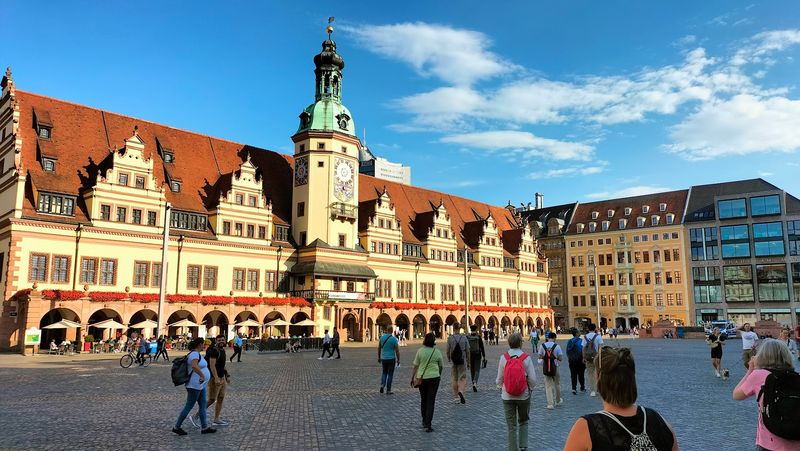
Germany’s modern government was built with mistrust as a starting point. After the horrors of the 20th century, the country deliberately designed institutions with checks, balances, and accountability baked in.
Decades later, that careful design has produced something unexpected: genuine public confidence.
Germans tend to be practical and skeptical by nature, which means their trust is not given easily. When surveys show high confidence in national institutions, it carries real weight.
The country’s handling of economic challenges, its leadership role in the European Union, and its strong social programs all contribute to a sense of stability.
Germany’s federal structure also means that citizens interact with government at multiple levels, from local municipalities to state governments to national institutions. When each layer functions competently and honestly, trust accumulates.
Germans value efficiency and fairness, and their government has largely delivered on both, making high institutional confidence a logical rather than sentimental outcome.
11. Sweden
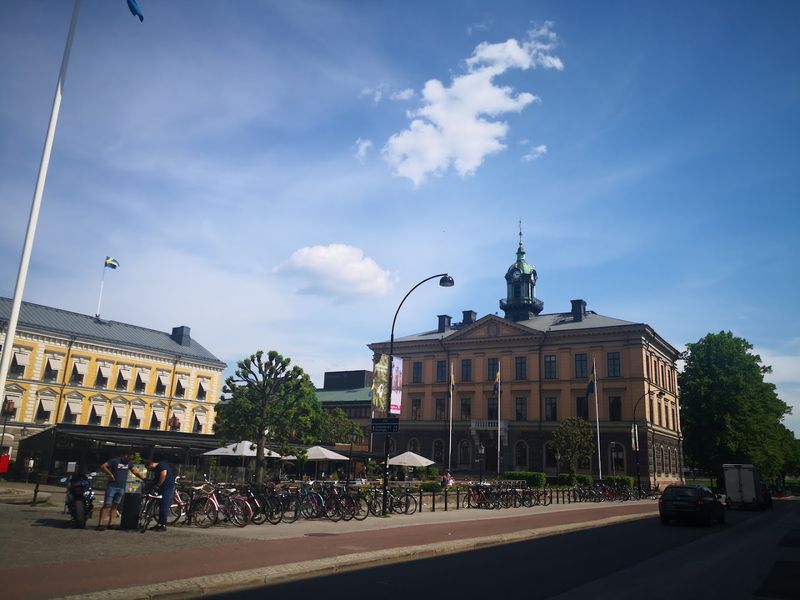
Sweden has a long tradition of open government that dates back centuries. The country’s Freedom of the Press Act, one of the oldest in the world, gives citizens the right to access government documents.
When transparency is written into the law of the land, trust tends to follow.
Swedish citizens benefit from comprehensive social services, including universal healthcare, subsidized childcare, and generous parental leave. The government is seen as a partner in everyday life rather than a distant authority.
That partnership model builds a very different kind of relationship between citizens and their institutions.
Sweden also scores consistently high on anti-corruption indexes. Public officials are expected to follow strict ethical standards, and violations are taken seriously.
The media is free to investigate and report without fear. All of these elements combine to create a society where trusting the government is not naive optimism but a reasonable conclusion backed by lived experience.
12. Netherlands
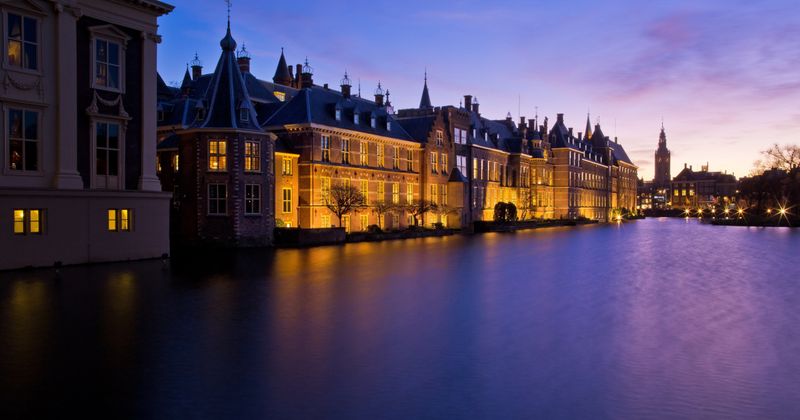
The Netherlands has a political system built on compromise, literally. The Dutch concept of polder politics refers to the historical need for different groups to work together to manage water and land, and that collaborative spirit carried over into governance.
Coalition governments are the norm, and negotiation is a national skill.
Citizens tend to trust a government that reflects multiple viewpoints rather than one that steamrolls opposition. The Dutch system forces parties to find common ground, which often produces more balanced and widely accepted policies.
People feel represented even when their preferred party is not leading the coalition.
The Netherlands also has strong institutions for oversight, including an independent judiciary and a free press. Public services are efficient, and corruption levels are low.
Dutch citizens are known for being direct and critical, so their high trust scores carry genuine meaning. When a straightforward people say they trust their government, it is worth paying attention.
13. Belgium
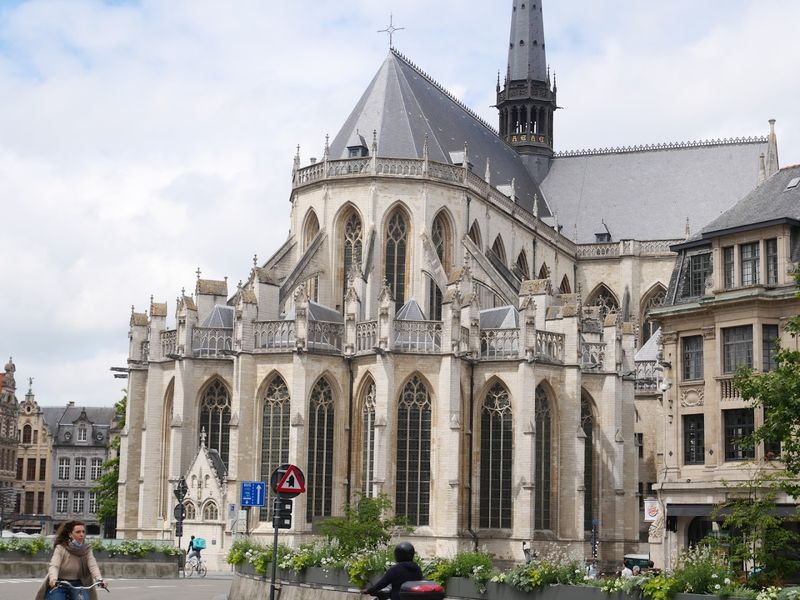
Belgium is a country that probably should not work on paper. It has two major linguistic communities, French and Dutch speakers, who do not always see eye to eye, along with a German-speaking minority.
The country once went 541 days without a formal government after an election deadlock.
Yet despite its famously complicated politics, Belgium consistently shows up in surveys with notable levels of public trust. Part of this comes from strong local and regional governance, where citizens interact most directly with their institutions.
When the local level works well, national trust often benefits by association.
Belgium also has robust social protections, a functioning healthcare system, and active civic life. People feel that regardless of the political drama at the top, the machinery of the state keeps delivering.
That resilience is itself a trust-builder. Belgium proves that a country does not need political simplicity to earn the confidence of its people.
14. New Zealand

New Zealand punches well above its weight when it comes to government trust. The country of roughly five million people has produced some of the most admired leadership responses in recent memory, including the handling of the Christchurch mosque attacks in 2019 and the early stages of the COVID-19 pandemic.
Prime Minister Jacinda Ardern became an internationally recognized example of empathetic and effective governance during those crises. Her approach showed that leaders who communicate honestly and act decisively earn public confidence quickly.
New Zealand’s trust numbers reflected that reality.
Beyond individual leaders, New Zealand benefits from low corruption, a strong rule of law, and accessible government services. The country’s small size actually works in its favor, making it easier for citizens to feel connected to national decisions.
New Zealanders tend to expect a lot from their government, and when those expectations are met, trust becomes something the country wears like a badge of pride.
15. Costa Rica

Costa Rica stands out in Latin America as a beacon of democratic stability. The country abolished its military in 1948, redirecting those resources toward education and healthcare instead.
That decision, made over 75 years ago, still shapes how Costa Ricans view their government today.
When a country chooses schools over soldiers, it sends a message about its values. Costa Ricans have grown up in a society that prioritizes human development, and their institutions reflect that commitment.
Literacy rates are high, life expectancy is impressive, and the environment is actively protected by law.
Costa Rica is also one of the most stable democracies in the Western Hemisphere, with regular peaceful elections and a tradition of respecting results. Citizens engage actively in civic life and expect their leaders to do the same.
The combination of strong social investment, environmental stewardship, and democratic culture makes Costa Rica’s high government trust one of the most genuinely earned on this entire list.
Share this story