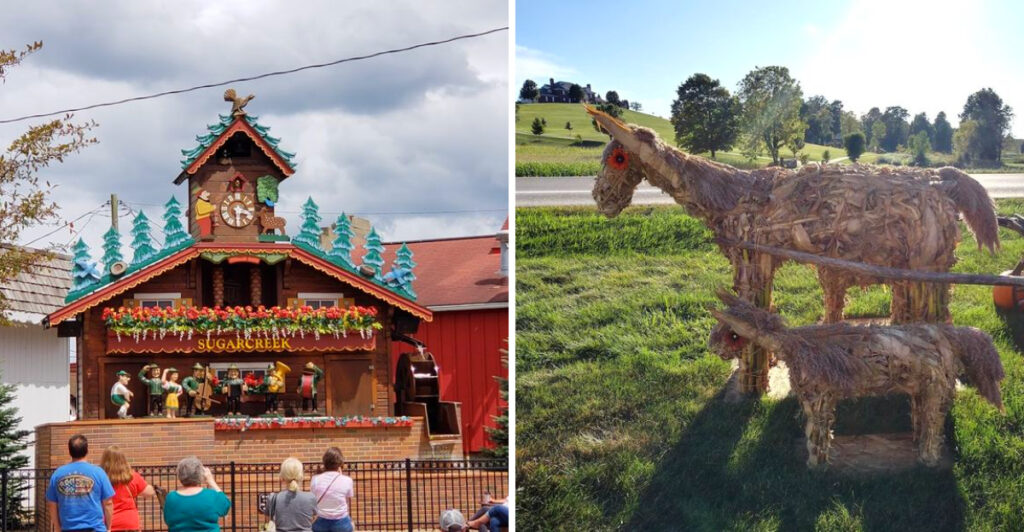
There is a cuckoo clock in Ohio so large that a full-grown person can walk right up and watch the mechanical bird pop out on the hour. That single detail stopped me mid-scroll when I first read about it, and within a week I had packed my bag and pointed my car toward Tuscarawas County.
What I found there went far beyond one oversized timepiece. A small village tucked into the rolling hills of Ohio’s Amish Country turned out to be one of the most genuinely surprising places I have visited in years, full of Swiss-style architecture, handmade cheese, horse-drawn buggies, and a community that has quietly preserved its heritage while the rest of the world rushed past.
The World’s Largest Cuckoo Clock
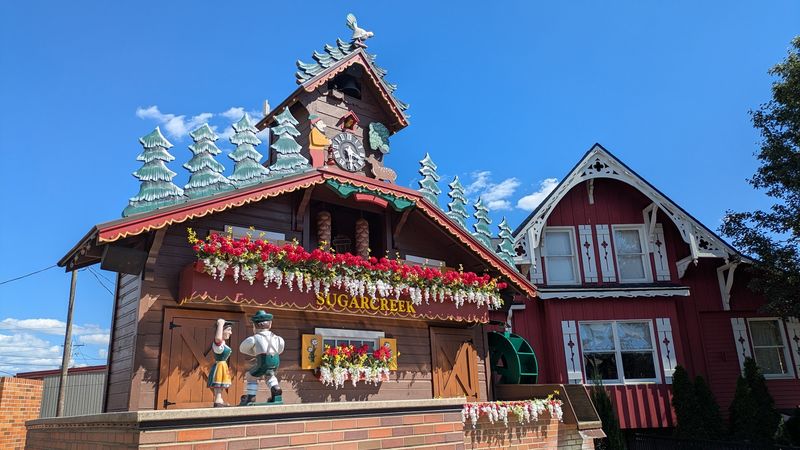
Few roadside attractions in America can genuinely stop a car in its tracks, but the world’s largest cuckoo clock in Sugarcreek, Ohio manages to do exactly that. Built into the facade of a building along the main street, this massive timepiece is hard to miss and even harder to forget.
On the hour, a mechanical cuckoo emerges from a small door and announces the time to anyone standing nearby. The craftsmanship reflects the Swiss heritage that Sugarcreek has proudly carried for generations.
Local pride in this landmark runs deep, and visitors often plan their arrival specifically around the top of the hour just to catch the bird in action.
It is the kind of thing that sounds almost too quirky to be real until you are standing right in front of it, craning your neck upward and smiling without quite meaning to.
Sugarcreek’s Swiss Village Identity
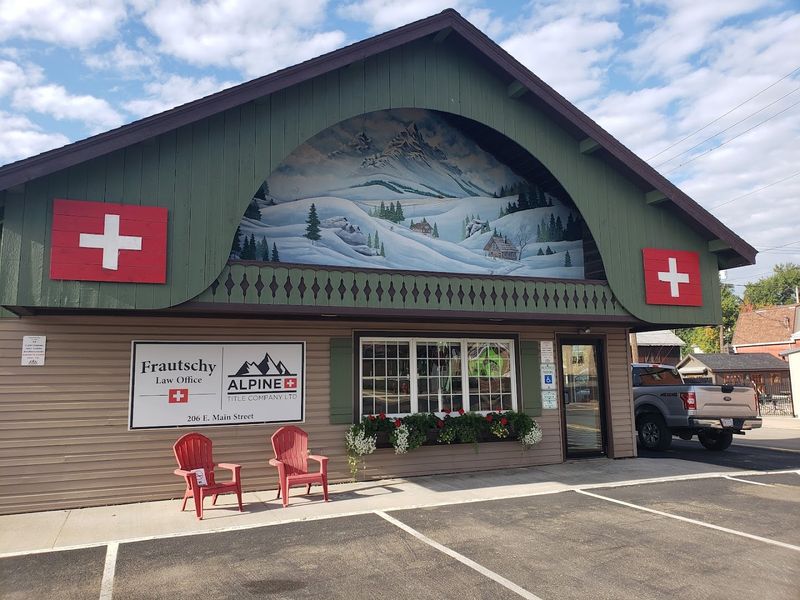
Sugarcreek, Ohio, located in Sugar Creek Township, Tuscarawas County, Ohio, United States, earned its nickname “The Little Switzerland of Ohio” for reasons that become obvious the moment you walk down its main street. The building facades are styled after Swiss chalets, complete with painted murals, decorative woodwork, and window boxes bursting with color.
The village is small, with a population of just over 2,300 residents, but its personality is anything but small. Every storefront seems to tell part of a longer story about the Swiss and German settlers who shaped this community over generations.
What strikes me most is how consistent the commitment to that identity remains. This is not a theme park version of Swiss culture.
The architecture, the food, the festivals, and the traditions all connect back to real heritage that locals have worked hard to maintain and pass along to younger generations.
Ohio’s Amish Country Setting
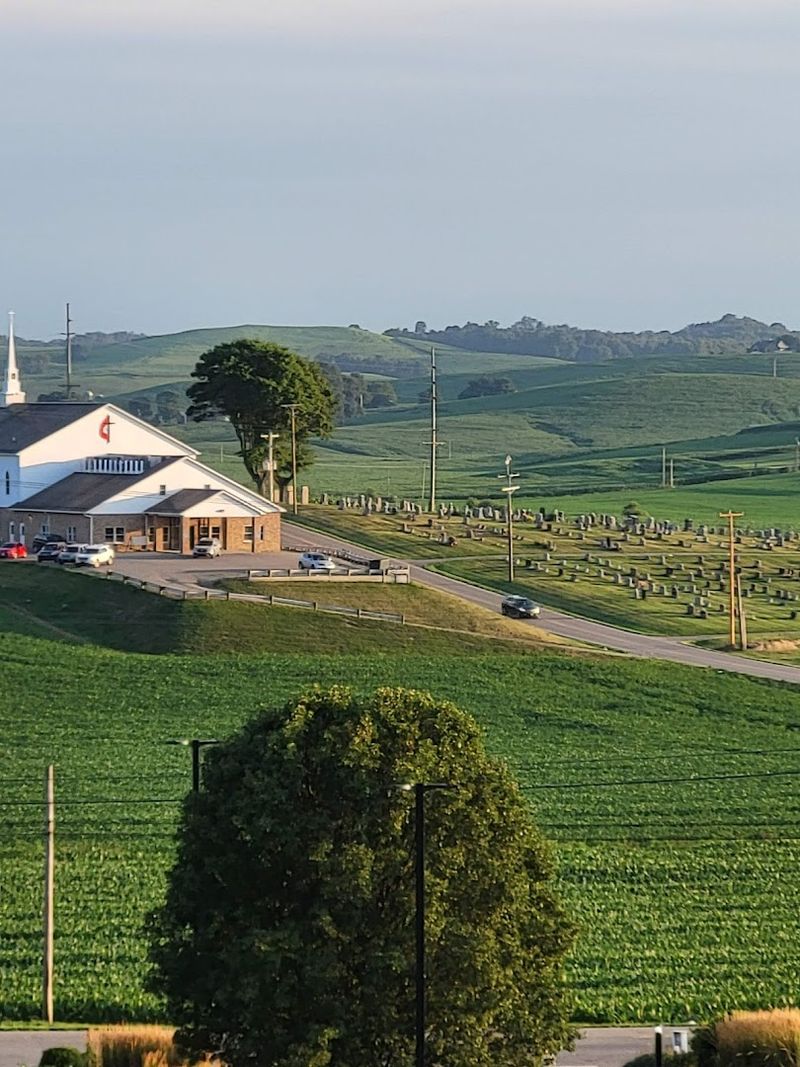
Sugarcreek sits at the heart of one of the largest Amish communities in the United States. Driving into town, you will likely share the road with horse-drawn buggies moving at their own unhurried pace, a reminder that life here operates on a different rhythm than most American towns.
The surrounding countryside is stunning in every season. Rolling green hills, white farmhouses, and neat rows of crops stretch out in every direction, giving the whole area a peaceful, almost timeless quality that is genuinely hard to find elsewhere.
The Amish presence shapes the local economy in meaningful ways. Handcrafted furniture, quilts, baked goods, and fresh produce are available throughout the region, much of it made by families who have lived in Tuscarawas County for many generations.
Visiting this area feels less like tourism and more like stepping into a way of life that most people have only read about.
The Swiss Festival Tradition
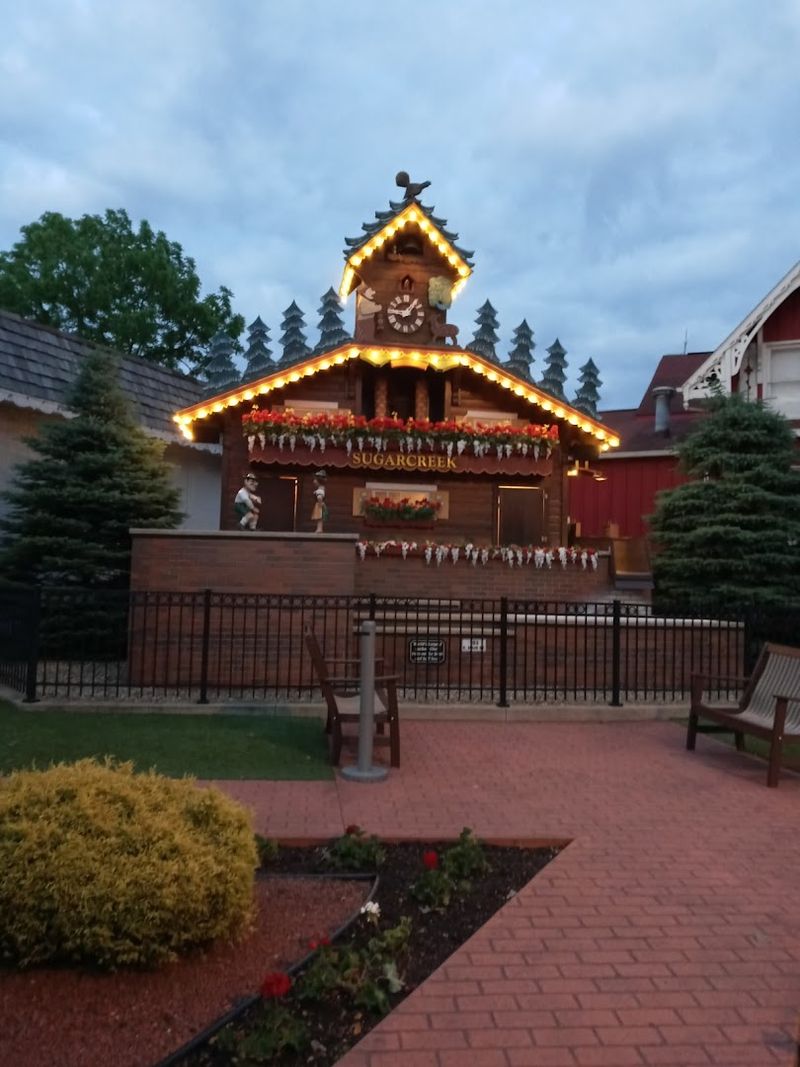
Every autumn, Sugarcreek hosts the Ohio Swiss Festival, one of the most beloved community celebrations in Tuscarawas County. The festival draws visitors from across the state who come specifically to experience the Swiss heritage that defines this village.
Traditional events include Swiss competitions that are genuinely unusual by American standards. Steinstossen, a stone-throwing contest rooted in Swiss athletic tradition, draws competitors who take the event seriously.
Alphorn performances fill the air with deep, resonant tones that feel completely out of place in rural Ohio, which somehow makes them even more memorable.
The festival also features local food, handmade crafts, and live music that reflects both the Swiss and Amish influences woven through the community. I found myself lingering much longer than planned, caught up in the energy of a town that clearly loves celebrating exactly what it is.
The festival runs each September and has been a tradition for decades.
Authentic Swiss Cheese Heritage
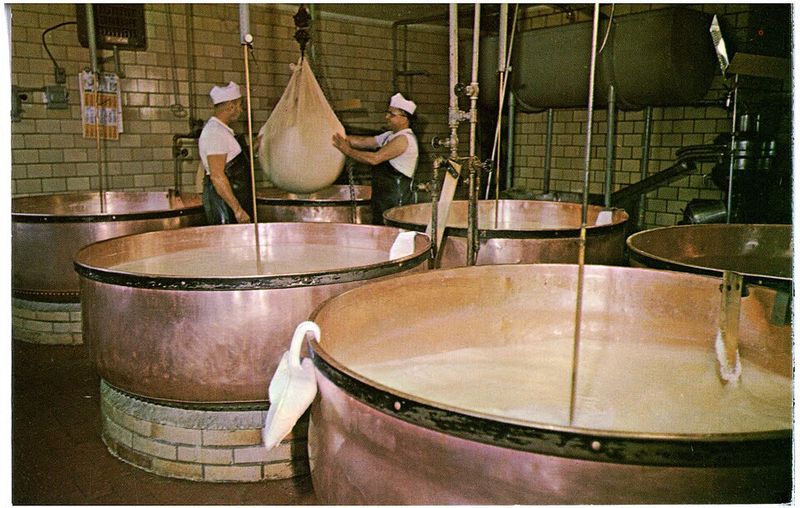
Cheese is serious business in Sugarcreek. The area around Tuscarawas County has been producing Swiss-style cheese for well over a century, and the tradition remains alive in local shops and dairy operations throughout the region.
The Swiss settlers who arrived in this part of Ohio brought cheesemaking knowledge with them, and that expertise passed from one generation to the next. Today, locally produced cheese is one of the most popular things visitors take home, and for good reason.
The quality is exceptional, and the variety goes well beyond the basic Swiss slices you find at a grocery store.
Stopping at a local cheese shop is one of those experiences that turns into an unexpected highlight of the trip. Samples are generous, the staff are knowledgeable, and you will almost certainly leave with more cheese than you planned to buy.
That is not a complaint. It is a guarantee.
The Rolling Hills of Tuscarawas County
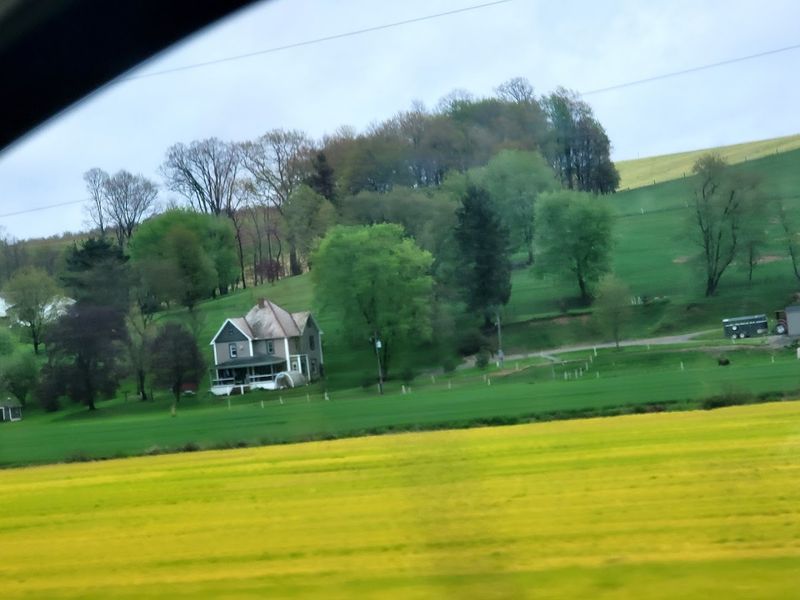
The landscape surrounding Sugarcreek is part of what makes a visit here feel so rewarding. Unlike the flat farmland that covers much of Ohio, this corner of Tuscarawas County is hilly, wooded, and genuinely scenic in a way that surprises first-time visitors.
Driving the back roads between Sugarcreek and the surrounding townships, you pass through terrain that genuinely earns the “Little Switzerland” comparison. The hills are not mountains, but they roll and dip in a way that creates constantly changing views and a sense of being far removed from ordinary daily life.
Autumn is particularly spectacular here. The deciduous forests that cover the hillsides turn vivid shades of orange, red, and yellow, creating a backdrop that photographers and leaf-peepers seek out every October.
Spring brings a different kind of beauty, with fresh green growth covering every slope and wildflowers appearing along the roadsides.
Swiss-Inspired Architecture Throughout Town
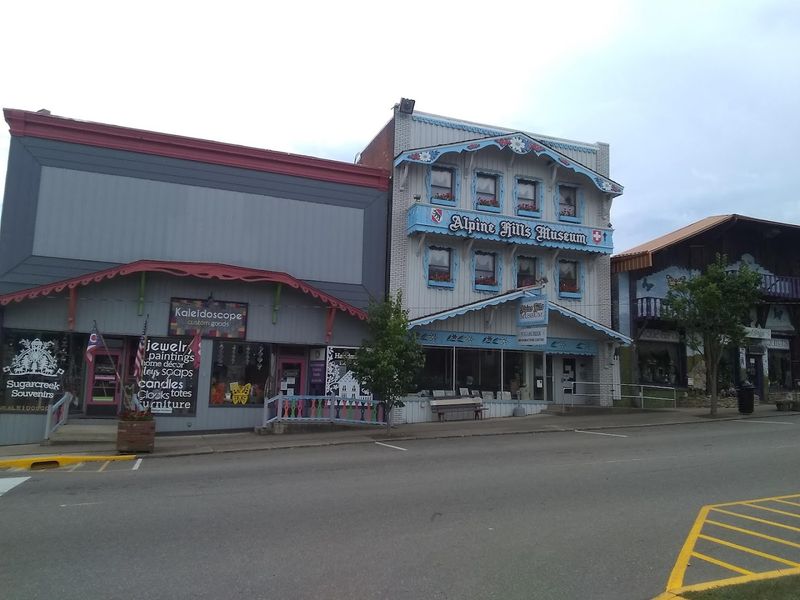
Architecture tells the story of a community’s identity more clearly than almost anything else, and Sugarcreek makes that point beautifully. The Swiss chalet styling applied to buildings throughout the village is not accidental or superficial.
It reflects a deliberate community decision to honor the heritage of the Swiss and German settlers who founded the area.
Look closely at the details and you will notice painted murals depicting Alpine scenes, decorative woodwork along rooflines, and window treatments that would look right at home in a Swiss village. The effect is cohesive without feeling manufactured.
What I appreciate most is that the architecture functions. These are working storefronts, restaurants, and businesses, not museum pieces.
The Swiss styling wraps around everyday commercial life in a way that feels organic rather than forced. Walking the main street, I kept stopping to look up at details I had almost missed, which is exactly the kind of thing that makes a small town worth exploring slowly.
Handmade Crafts and Local Artisans
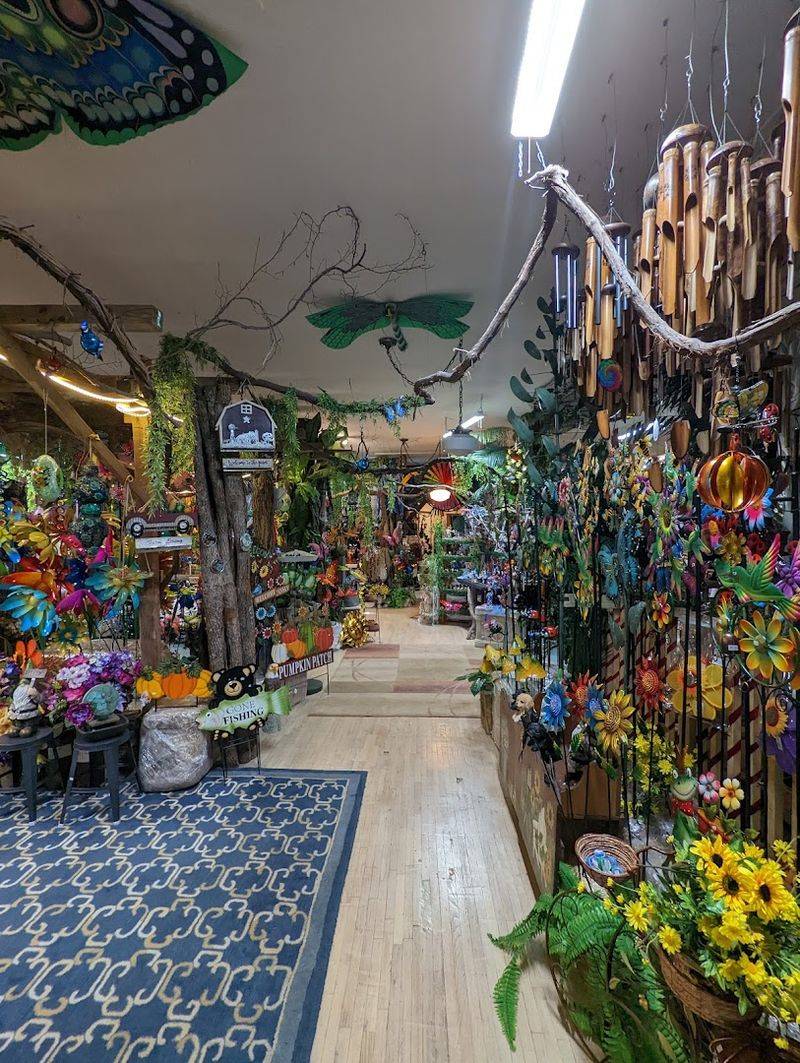
Shopping in Sugarcreek is a different experience than browsing a mall or scrolling through an online store. The crafts available here are made by hand, often by Amish and Mennonite artisans whose skills have been refined across multiple generations.
Quilts are among the most iconic items, and the workmanship is extraordinary. The geometric patterns and hand-stitched detail that go into a single quilt represent hours of careful labor, and the finished products are both functional and genuinely beautiful.
Furniture, wooden toys, woven baskets, and baked goods round out the offerings at shops throughout the village and the surrounding area.
Buying something handmade here carries a different weight than a typical souvenir purchase. You are supporting a living craft tradition that has survived precisely because people in this community have chosen to keep it going.
That is worth something, and most visitors seem to understand it intuitively once they arrive.
Fresh Baked Goods from Local Kitchens
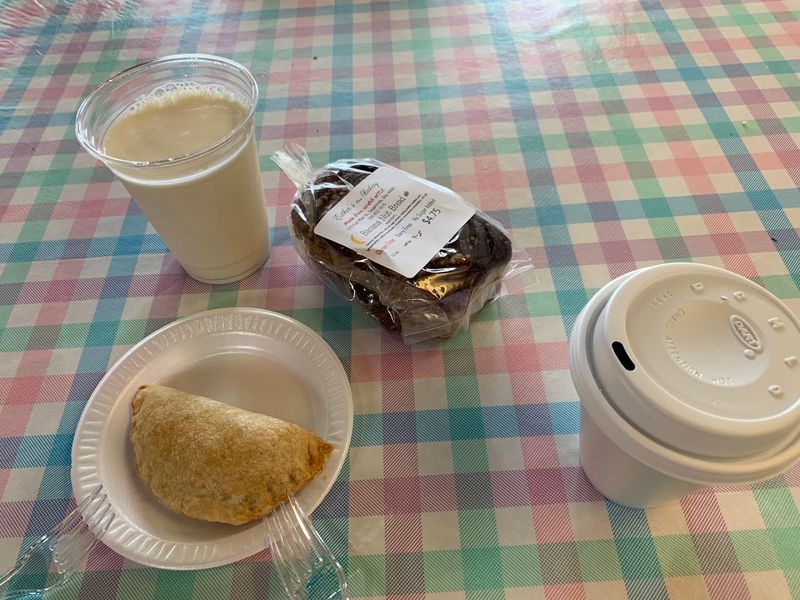
There is a particular kind of satisfaction that comes from biting into something baked that same morning by someone who learned the recipe from their grandmother. That is the standard you can expect from the bakeries and food shops in and around Sugarcreek.
Amish baking traditions emphasize simple, high-quality ingredients and techniques that have not changed much over the decades. Pies arrive with thick, flaky crusts.
Breads have a weight and chew that store-bought versions cannot replicate. Cinnamon rolls are the size of small plates and soft all the way through.
I made the mistake of arriving at one local bakery just before closing and ended up with only the last two items on the shelf. Both were extraordinary.
The lesson I took away was simple: arrive early, bring cash, and do not assume anything will still be available by afternoon. The locals already know this, which is why the shelves empty fast.
The Village’s German and Swiss Roots
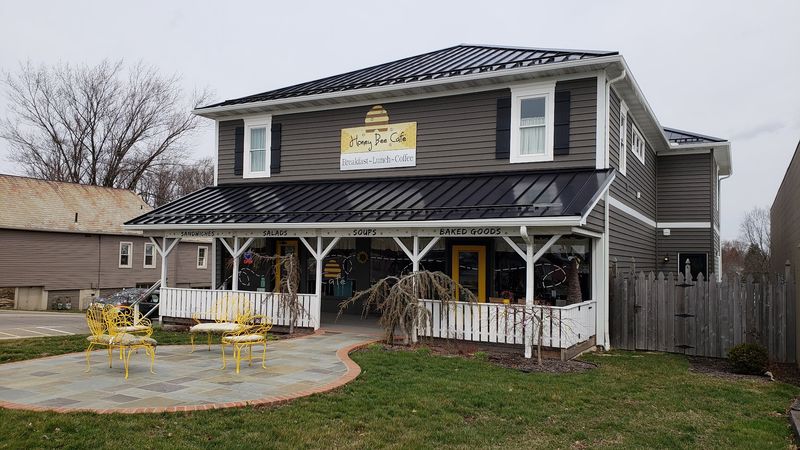
The story of Sugarcreek begins with waves of Swiss and German immigrants who settled in Tuscarawas County during the nineteenth century. They arrived looking for land and religious freedom, and what they built here has proven remarkably durable.
The Amish and Mennonite communities that form such a visible part of life in this region today are direct descendants of those early Anabaptist settlers who came from Switzerland and Germany seeking a place where they could live according to their faith without interference. The cultural continuity is striking when you stop to consider how many generations have maintained the same traditions in the same landscape.
Understanding that history makes a visit to Sugarcreek feel more meaningful. The cuckoo clock, the cheese, the festivals, and the architecture are not random quirks.
They are expressions of a community that has spent nearly two centuries figuring out exactly who it is and choosing to stay that way.
Exploring the Surrounding Amish Countryside by Car
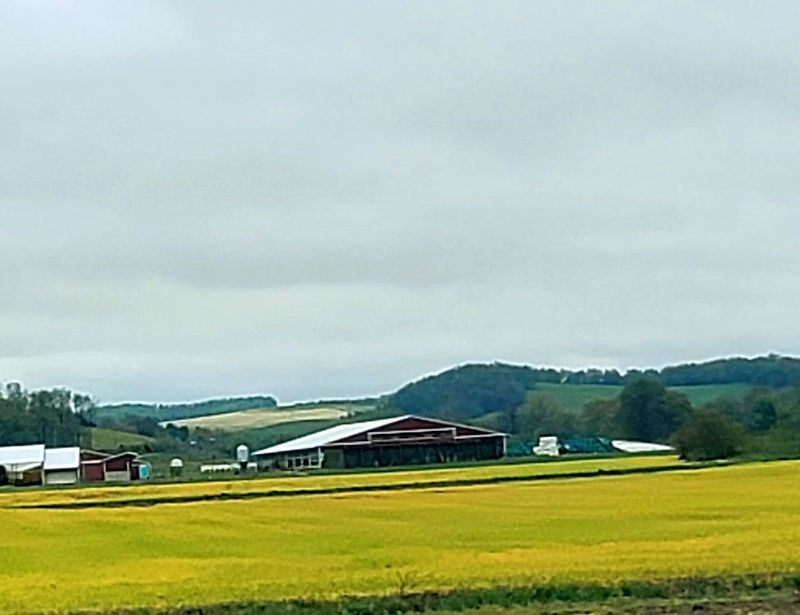
One of the best ways to experience the Sugarcreek area is simply to drive. The back roads of Tuscarawas County reward slow, unhurried exploration in a way that few places can match.
There are no major highways cutting through the farmland, which means the pace stays relaxed and the views stay uninterrupted.
You will pass working Amish farms where laundry dries on the line and fields are being worked with horse-drawn equipment. Roadside stands appear without warning, offering fresh produce, eggs, honey, and baked goods on the honor system.
A jar sits out for payment, and the assumption is that people will do the right thing. Remarkably, they usually do.
The quiet of these roads is part of the appeal. No billboards, no fast food signs, no strip malls.
Just farmland, forest, and the occasional buggy moving steadily along the shoulder. It is the kind of drive that resets something in you.
The Cuckoo Clock as a Community Symbol
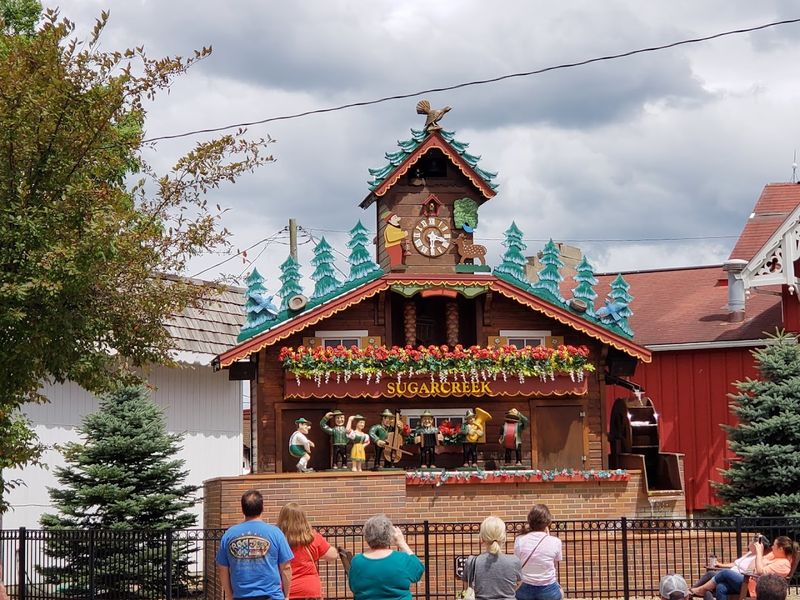
What makes the world’s largest cuckoo clock more than just a roadside curiosity is the way Sugarcreek has woven it into the fabric of community identity. The clock is not simply a tourist attraction that locals tolerate.
It is a point of genuine pride that connects to the Swiss heritage the village has carried for generations.
Visitors come specifically to see it, and that matters in a small town where tourism plays an important economic role. But the clock also serves as a kind of anchor for the community’s self-image.
It is the thing that puts Sugarcreek on the map for people who might otherwise drive straight through without stopping.
Once visitors stop for the clock, they tend to stay. They find the cheese shops, the bakeries, the craft stores, and the scenic countryside.
The clock is the opening chapter of a longer story, and Sugarcreek makes sure that story is worth sticking around to read.
What to Know Before You Visit Sugarcreek
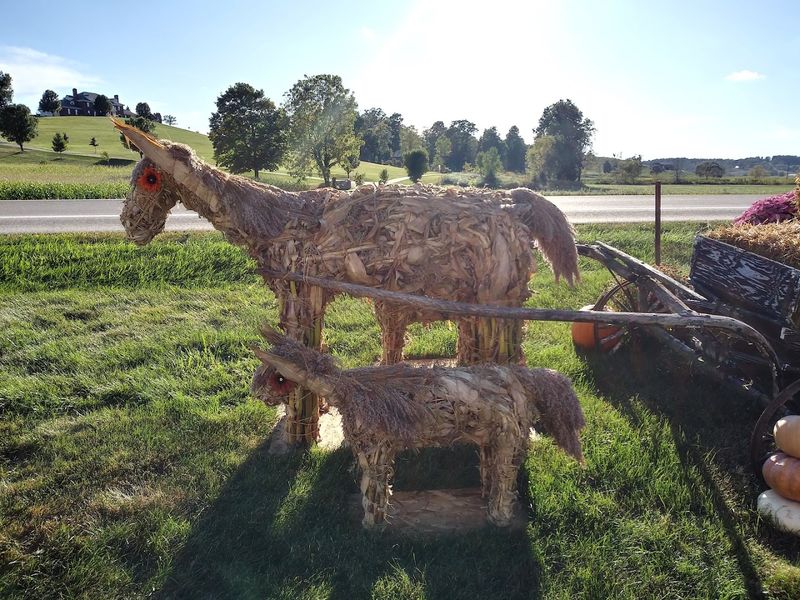
A few practical details can make a visit to Sugarcreek significantly more enjoyable. The village is small, and many of the best shops and food stops are locally owned businesses that keep their own hours.
Arriving on a weekday can mean a quieter experience, while weekends and festival periods bring larger crowds.
Cash is helpful to have on hand. Many Amish-run roadside stands and smaller shops do not accept cards, and some of the best finds are available only at those informal stops.
An ATM visit before heading into the countryside is worth the small effort.
The area is also very family-friendly. Children tend to respond enthusiastically to the cuckoo clock, the buggies, and the farm animals visible from the road.
Plan for more time than you think you need. Sugarcreek has a way of expanding to fill whatever hours you give it, and that is not a bad thing at all.
Seasonal Appeal Throughout the Year
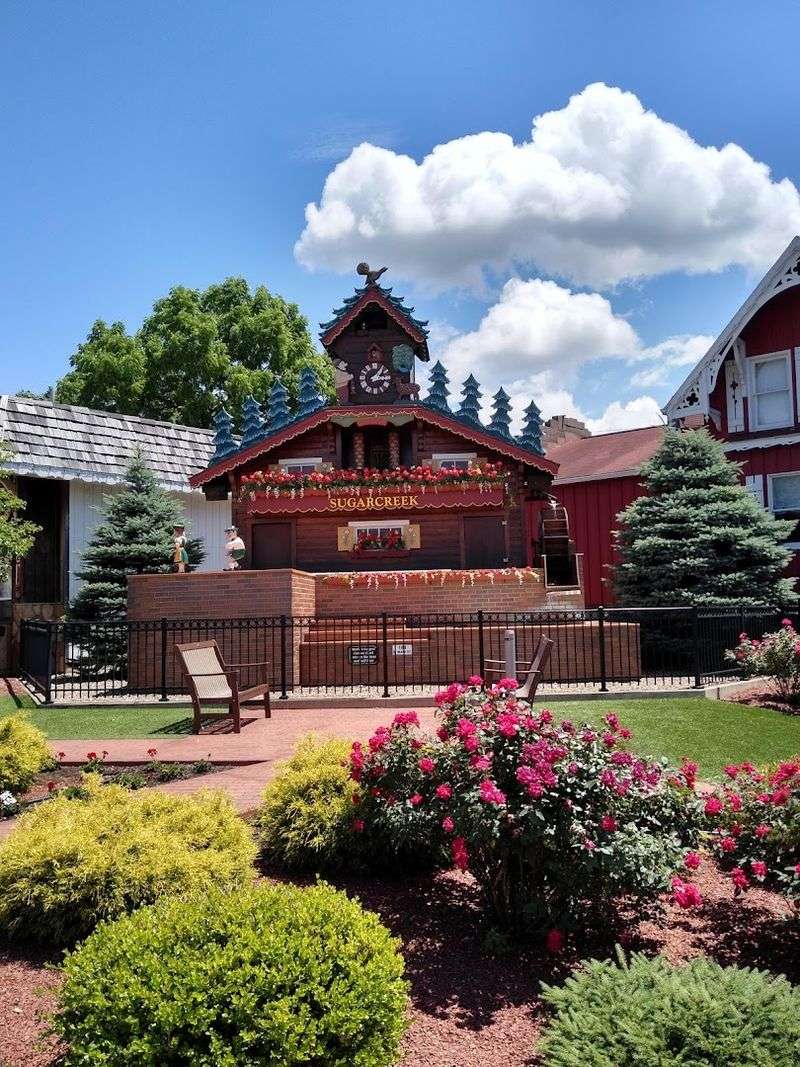
Sugarcreek does not have an off-season in any meaningful sense. Each time of year brings something different to the village and the surrounding countryside, and the character of a visit changes considerably depending on when you arrive.
Spring brings fresh green growth to the hills and a sense of renewal to the farmland around the village. Summer is lively, with roadside stands fully stocked and the countryside at its most lush.
Autumn is arguably the most dramatic season, when the hillsides turn and the Ohio Swiss Festival draws visitors from across the region.
Winter has its own quiet appeal. The Swiss-styled buildings look particularly fitting under a dusting of snow, and the pace slows to something genuinely restful.
Fewer tourists mean more personal interactions with locals and more space to take in the details at your own speed. Any season works.
Pick the one that fits your travel style and go.
Why Sugarcreek Stays With You
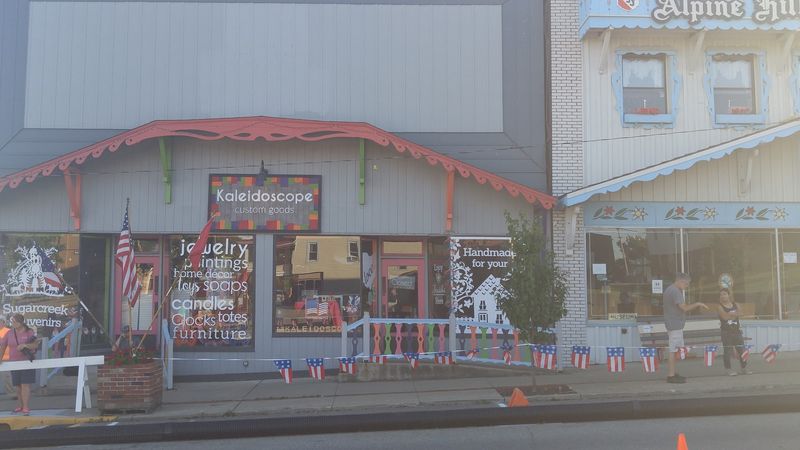
Some places are impressive. Others are memorable.
Sugarcreek falls into the second category, and the difference matters. The world’s largest cuckoo clock is the hook that gets you there, but it is not what stays with you after you leave.
What lingers is the sense of a community that has made intentional choices about who it wants to be. The Swiss heritage, the Amish traditions, the handmade goods, the honest roadside stands, the cheese, the festivals – none of it happened by accident.
Generations of people decided these things were worth preserving and kept preserving them.
That kind of continuity is genuinely rare, and spending time in a place that has it tends to make you think about what you value and what you might be letting slip away in your own life. Sugarcreek is a small village in Ohio that somehow manages to ask a large question.
That is worth the drive.
Share this story