Most churches in a big city draw from one neighborhood, one background, or one type of person. Miracle City Church in Minneapolis has quietly done something different, building a congregation that genuinely reflects the full range of people who call the city home.
Week after week, people from different walks of life, different zip codes, and different stories fill the same seats and share the same coffee. That kind of community does not happen by accident, and the story of how this church got there is worth knowing.
A Historic Venue That Sets the Stage for Something Real
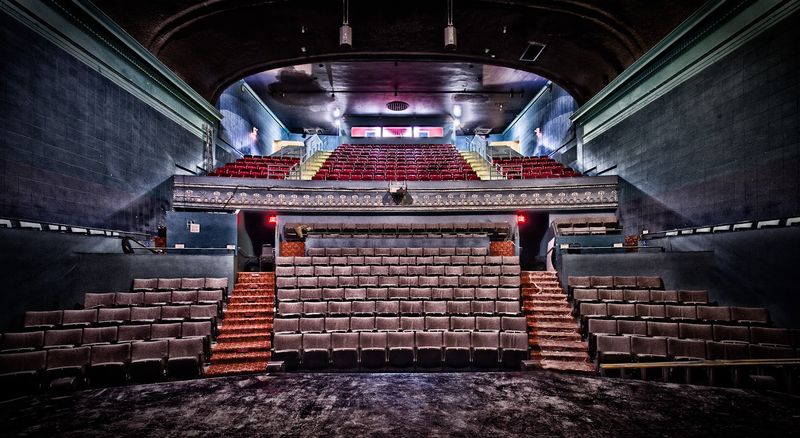
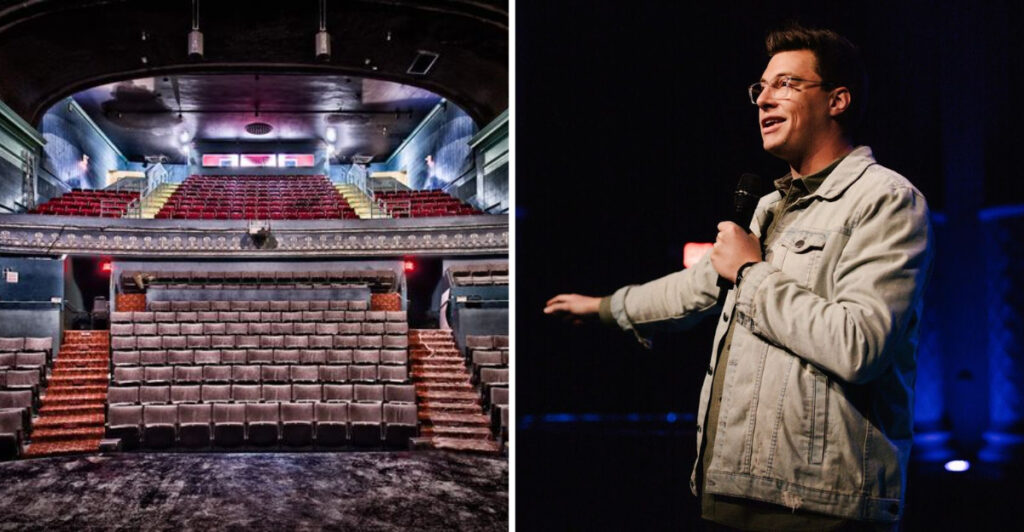
The building at 1407 Nicollet Ave in Minneapolis has been drawing people through its doors since 1920. Originally built as a performing-arts venue, the intimate 437-seat theater carries the kind of bones that most modern churches would envy.
High ceilings, classic architecture, and a compact layout that makes every seat feel close to the front.
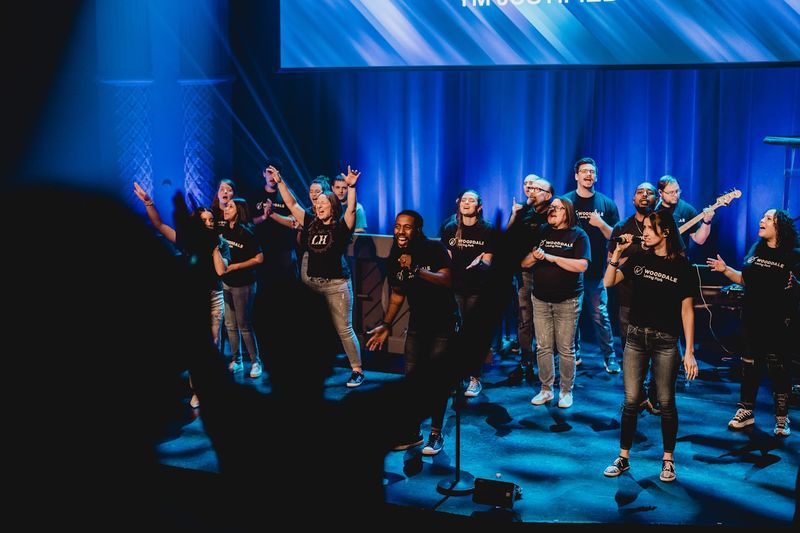
Miracle City Church now calls this space home, and the contrast between old-world design and modern worship creates something genuinely striking. The stage that once hosted traveling performances now holds a full worship band and a congregation that spans backgrounds, ages, and life experiences.
There is something fitting about a church built for gathering choosing a theater as its sanctuary. Both spaces exist to bring people together around something bigger than themselves.
At Miracle City, that something is a shared faith that the building seems almost purpose-built to hold.
Where Miracle City Church Actually Stands in the City
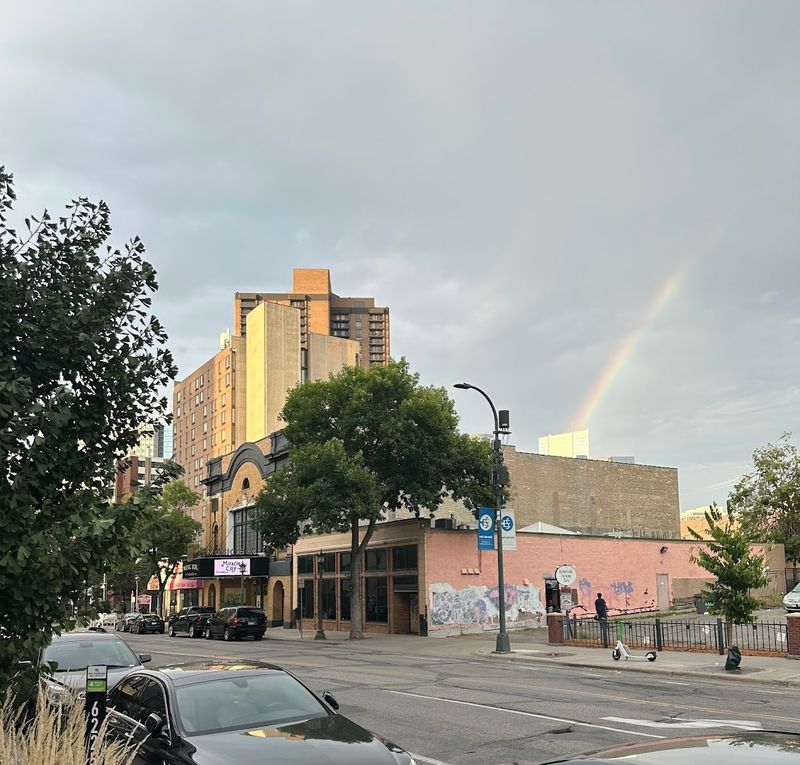
Miracle City Church is located at 1407 Nicollet Ave, Minneapolis, MN 55403, sitting in the heart of a walkable, urban stretch of the city. The Nicollet Avenue corridor is one of Minneapolis’s more dynamic streets, connecting neighborhoods and drawing foot traffic from across the metro area.
The church’s location near Loring Park means it exists in a neighborhood that is genuinely diverse in every sense of the word. People from many different backgrounds live, work, and pass through this part of the city daily.
Planting a church here was not an accident; it was a deliberate choice to be present where the city’s complexity is most visible.
That street-level presence matters. A church tucked away in a suburb sends one kind of message.
A church on a busy city block sends another. Miracle City chose the block, and the congregation reflects that choice clearly.
The Congregation That Mirrors the City Around It
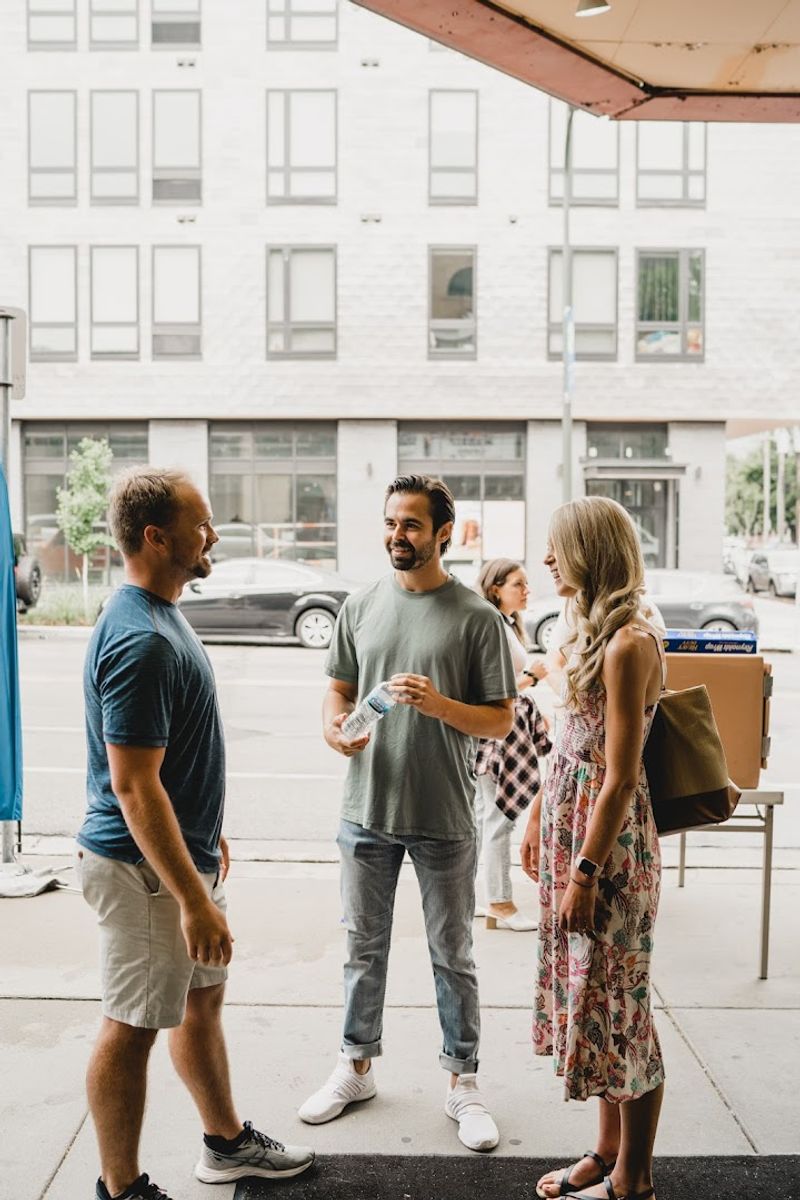
Walk into a Sunday service at Miracle City and the first thing you notice is the people. Young professionals sit next to retirees.
Families with small children are a few rows from solo visitors checking the place out for the first time. People who moved from California or Philadelphia or across town all occupy the same space without any visible social sorting.
That kind of organic diversity is genuinely rare in American churches, where Sunday morning has long been described as one of the most segregated hours of the week. Miracle City has worked against that pattern, drawing a congregation that feels like a cross-section of Minneapolis itself rather than a slice of it.
The welcoming culture seems to be the engine behind it. Visitors consistently describe being greeted warmly without feeling overwhelmed or pressured, which makes first-timers feel comfortable enough to come back a second time.
What Pastor Trent Brings to the Pulpit Each Week
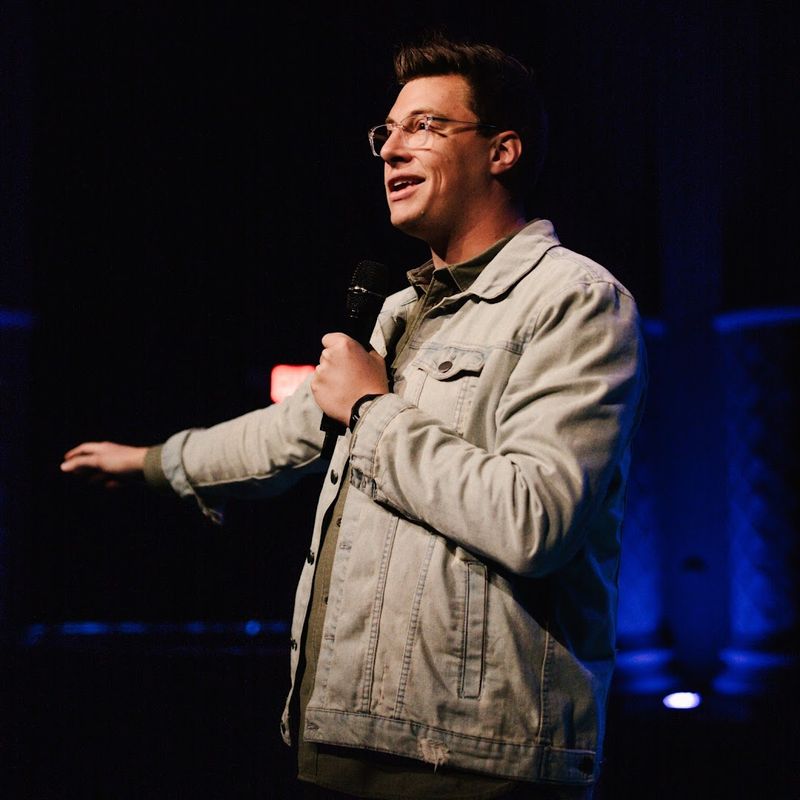
The teaching at Miracle City Church centers on Pastor Trent, whose approach to preaching draws consistent praise from both longtime members and first-time visitors. His sermons are described as biblically grounded and practically applied, meaning the message connects ancient scripture to everyday life in a way that actually lands.
That balance is harder to achieve than it sounds. Some preachers lean so heavily on historical context that the message feels like a lecture.
Others skip the depth entirely and keep things surface-level. Pastor Trent appears to find the middle ground, giving congregants both the background they need and the application they can use.
New sermon series are regularly launched, and the church streams content on YouTube for those who cannot attend in person. That reach extends Miracle City’s teaching well beyond the 437 seats inside the Nicollet Ave building, connecting people across distance to the same weekly message.
Worship Music That Points Beyond the Performance
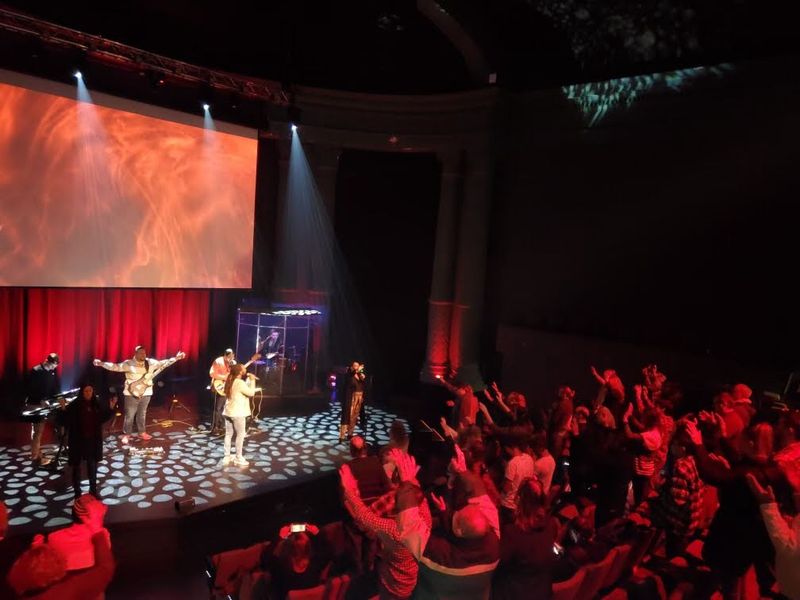
Worship at Miracle City is not background music. The band is full and capable, led by worship leader Corey, whose direction keeps the music focused on the message rather than the performance.
The sound fills the old theater space in a way that feels intentional rather than accidental.
What stands out to many who attend is that the music consistently points outward rather than inward. The goal is not to showcase the musicians but to create a space where the congregation can genuinely engage.
That distinction shapes the entire atmosphere of a Sunday morning.
The variety of musical styles also helps the room feel inclusive. Not everyone responds to the same sound, and a worship team that can move between different expressions of the same faith tends to reach more of the room.
At Miracle City, the music seems designed with the full congregation in mind, not just one corner of it.
The Coffee Bar That Starts Every Sunday Right
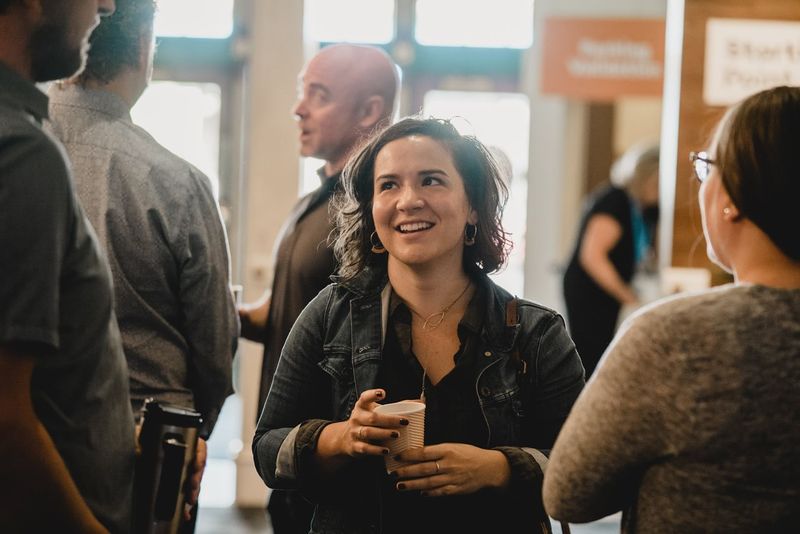
Before the first song plays on a Sunday morning, the coffee bar at Miracle City is already doing its work. Free black coffee is available for anyone who walks in, and for a couple of dollars, the team can make something more tailored to your morning preferences.
Bagels round out the pre-service spread.
It sounds like a small detail, but it is not. A cup of coffee in hand changes how a person enters a room.
It gives first-timers something to hold while they figure out where to sit. It gives regulars a reason to arrive early and catch up with people they know.
The coffee bar functions as a social buffer zone, a low-pressure gathering point that helps strangers become familiar faces over time. In a congregation intentionally built around connection, that kind of practical hospitality is part of the design, not an afterthought bolted onto the Sunday experience.
Outreach Work Rooted in Loring Park and Beyond
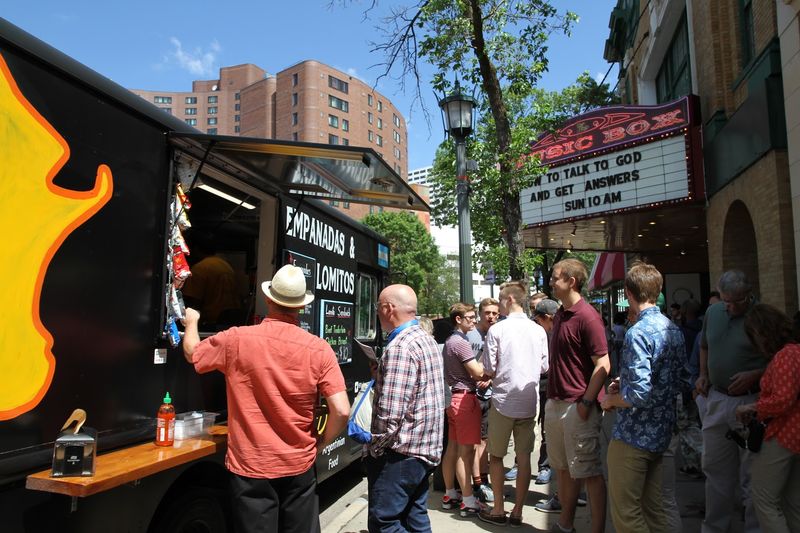
Miracle City Church does not treat its neighborhood as a backdrop. The church actively runs outreach throughout Loring Park and across Minneapolis, putting its stated commitment to the city into visible, practical action.
That outreach is part of what gives the congregation its identity and keeps members engaged beyond Sunday mornings.
Community ministry work tends to attract people who want their faith to mean something outside the building. At Miracle City, that motivation is built into the culture rather than treated as optional programming.
The church’s stated values, being all about Jesus, all for the city, and all made new, show up in what the congregation actually does week to week.
For a church sitting in one of Minneapolis’s most active urban corridors, that kind of street-level presence matters. It connects the congregation to the real concerns of real neighbors, which tends to produce a church that feels grounded rather than insular.
Small Groups and the Art of Getting Connected
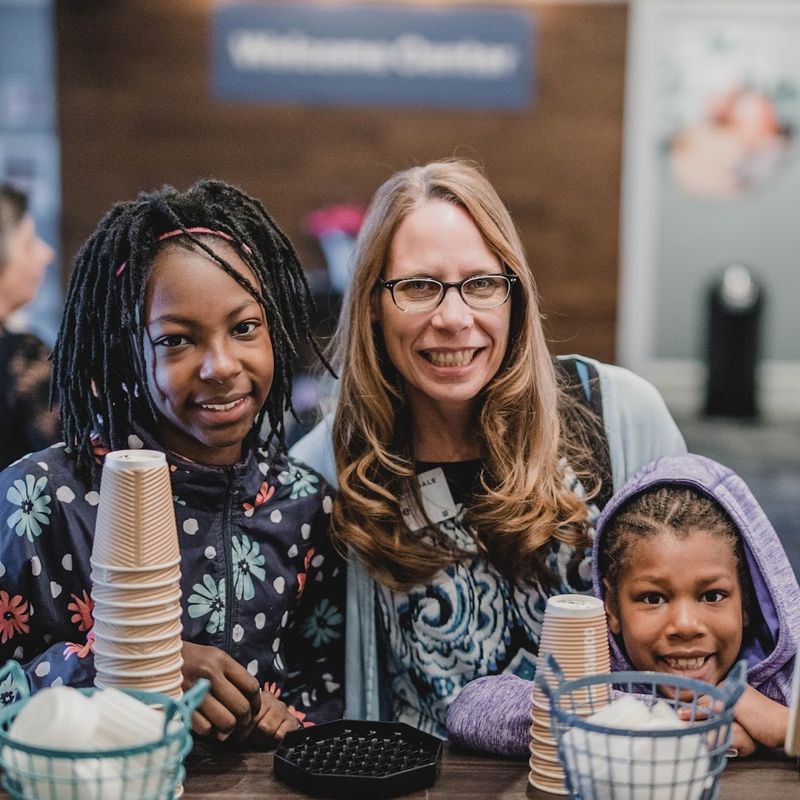
A large Sunday gathering can feel anonymous if there is nothing pulling you deeper into the community. Miracle City addresses that through small groups and after-service activities that give people a way to build genuine relationships beyond the weekly service.
Those connections are often what turn a visitor into a regular.
Members who relocated from other cities, including Philadelphia and California, specifically mention how easy it was to get plugged in and make friends. That kind of integration does not happen in every church, and when it does, it usually means the small group structure is working the way it is supposed to.
For anyone moving to Minneapolis without an existing social network, a church with functioning small groups is a different kind of resource. It offers community at a time when community is genuinely hard to build from scratch.
Miracle City seems to understand that need and has built systems around meeting it.
Celebrate Recovery and the Church’s Heart for Healing
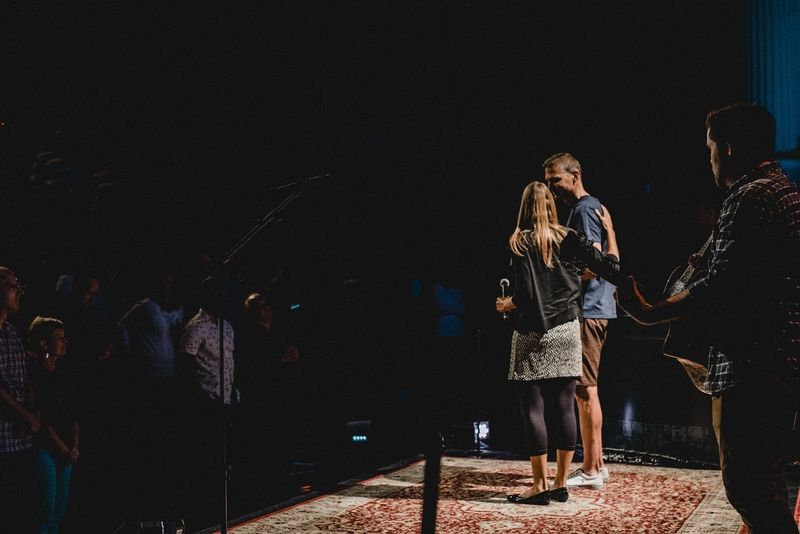
One of the programs that quietly defines Miracle City’s character is Celebrate Recovery, a faith-based recovery program the church hosts for people working through life’s harder chapters. It runs on a regular schedule, and those who attend describe the atmosphere as genuinely welcoming and the leadership as outstanding.
Hosting a program like Celebrate Recovery says something specific about a church’s priorities. It signals that the congregation is not only interested in people who have everything figured out.
It creates space for vulnerability, which tends to attract people who have been burned by communities that only wanted the polished version of them.
That openness is part of what makes Miracle City’s diversity feel real rather than performative. When a church builds programs around people in difficult seasons of life, the congregation that forms around those programs tends to be honest, grounded, and genuinely varied in its experiences and backgrounds.
Why People Keep Coming Back to Miracle City
The clearest sign that a church is doing something right is not what it says about itself but whether people return. At Miracle City, the pattern is consistent.
Visitors who come once tend to come back. Members who joined after relocating to Minneapolis describe the church as the place where the city finally started to feel like home.
That kind of loyalty usually comes from a combination of factors working together rather than one standout feature. The teaching connects.
The music moves the room. The coffee is ready when you walk in.
The people remember your name the second week. The outreach gives you something to do with your faith besides sit in a seat.
Miracle City has built something that many churches spend decades trying to create, a community that feels both spiritually serious and genuinely human. On Nicollet Ave in Minneapolis, that combination is drawing people from every corner of the city and keeping them.
Share this story