The Arkansas River has a way of collecting interesting towns the way a good road trip collects memorable stories. Running through the heart of Arkansas, this waterway has shaped communities that each carry their own personality, history, and reasons to stick around longer than planned. Some of these towns anchor themselves in frontier history, others have built lively downtown districts full of local restaurants and shops, and a few sit right at the doorstep of some of the best state parks in the South. What they all share is an easy, unhurried pace that makes a weekend feel longer than it actually is.
This list covers ten river communities spread across Arkansas, from the capital city down to the Delta, with stops that range from Victorian-era downtowns to mountain gateways. Each one offers something different, and none of them require a packed itinerary to enjoy. Pack a bag, point the car toward the river, and let Arkansas do the rest.
1. Van Buren, Arkansas
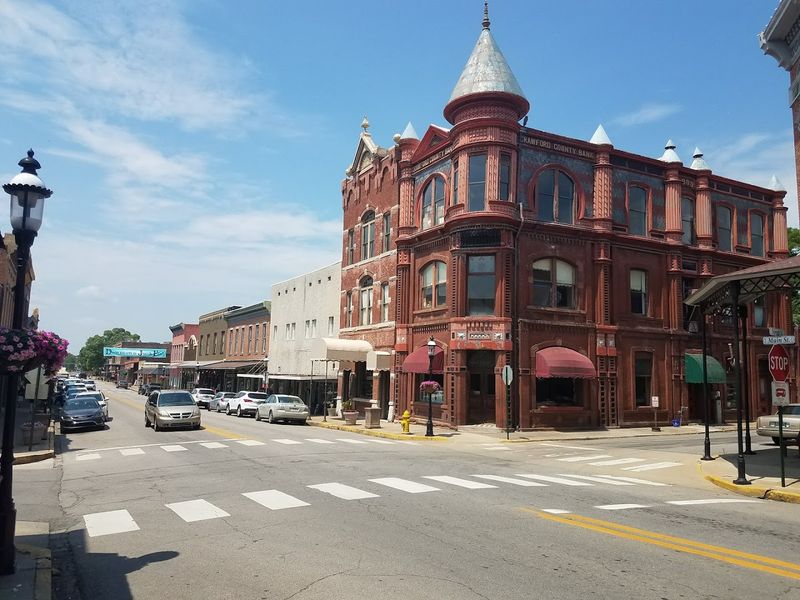
Six blocks of restored Victorian-era buildings might sound like a history textbook, but Van Buren’s Main Street is anything but dry.
Antique stores, boutiques, local restaurants, and cafes fill each block, making it the kind of place where a planned thirty-minute browse turns into a full afternoon without anyone feeling bad about it.
The Historic Main Street Trolley offers guided tours for visitors who want the full backstory on the buildings and the people who built them.
The King Opera House, one of the oldest operating theaters in Arkansas, still hosts performances and adds a cultural anchor to the district.
Arts On Main brings rotating exhibits and events that give the downtown a creative energy beyond just shopping.
Outdoor options are easy to find nearby, including hiking at Lee Creek and access to Lake Fort Smith State Park, which covers camping, kayaking, fishing, and mountain biking.
The Drennen-Scott Historic Site on North 3rd Street offers sweeping views of the Arkansas River along with exhibits on the Trail of Tears and Civil War history.
An excursion train departs from the Old Frisco Station and carries passengers through the Boston Mountains, including a ride through a tunnel nearly 1,700 feet long.
2. Dardanelle, Arkansas
There are towns where the water is just a backdrop, and then there is Dardanelle, where Lake Dardanelle and the Arkansas River are practically the whole point.
Fishing and boating draw visitors to the lake year-round, with anglers targeting bass, catfish, and crappie in waters that have a well-earned reputation for productivity.
Mount Nebo State Park sits just a short drive away, rising 1,350 feet above the Arkansas River Valley with 25 miles of hiking and biking trails spread across its summit and slopes.
The park is also one of only two Arkansas state parks with designated launch sites for hang gliding, which adds an unexpected thrill to what might otherwise be a quiet mountain hike.
Cabins and campsites inside the park make it easy to extend a Dardanelle trip into a proper overnight adventure without sacrificing scenery.
The town itself maintains the relaxed energy of a place that has been welcoming visitors for generations without feeling the need to oversell itself.
Small-town hospitality here is less of a marketing phrase and more of an actual operating principle, which becomes clear pretty quickly after arrival.
3. Russellville, Arkansas
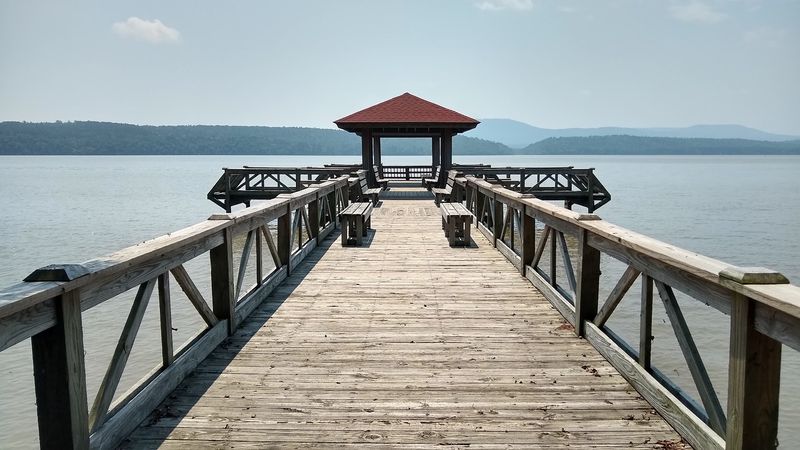
Positioned along Lake Dardanelle in the heart of the Arkansas River Valley, Russellville manages to pack a surprising amount of variety into a single weekend visit.
The downtown district holds a solid lineup of local restaurants and independent shops, providing a comfortable home base before heading out to explore the surrounding landscape.
Lake Dardanelle State Park sits right on the water and draws boaters, anglers, and birdwatchers throughout the year, with fish species ranging from striped bass to channel catfish.
Mount Nebo and Mount Magazine state parks are both within easy driving distance, offering trails, scenic overlooks, and hang gliding opportunities at elevations that deliver genuinely impressive views of the valley below.
Petit Jean State Park, Arkansas’s very first state park, is also reachable within about an hour and features 21 miles of hiking trails, waterfalls, and lake access.
Within the city, 23 municipal parks cover everything from tennis and soccer to disc golf and swimming.
The Moccasin Gap Trails serve ATV riders, while the Bona Dea Trails offer quieter paths for walking and cycling along the river.
Russellville earns its reputation as one of the best base camps in the Arkansas River Valley without much argument.
4. Fort Smith, Arkansas
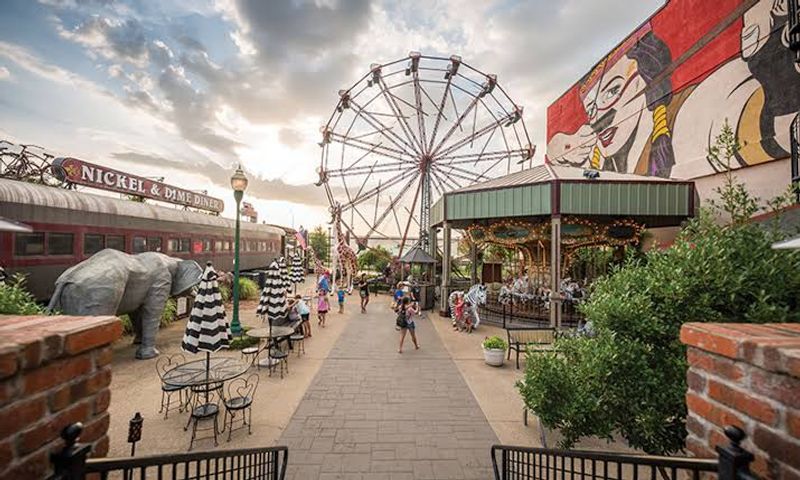
Few Arkansas cities carry as much historical weight as Fort Smith, and the riverfront here makes sure visitors feel every bit of it.
The Fort Smith National Historic Site preserves the foundations of the original fort built in 1817 at Belle Point, a promontory overlooking the confluence of the Arkansas and Poteau Rivers that still delivers one of the best views in western Arkansas.
The site also includes a reconstruction of the gallows used during Judge Isaac C. Parker’s era, when the federal court handled law enforcement across a vast stretch of Indian Territory.
Inside the historic barracks building, exhibits walk visitors through the military history of the fort from 1817 to 1871, plus the complicated story of westward expansion and the Trail of Tears.
A paved riverside walking trail stretches along the Arkansas River waterfront for about three-quarters of a mile, lined with interpretive panels covering the history of the five civilized tribes.
The walkable downtown adds modern dining and entertainment options that balance well against all the history surrounding them.
The Fort Smith Museum of History fills in additional details for anyone who wants to go deeper into the city’s layered past.
5. Ozark, Arkansas
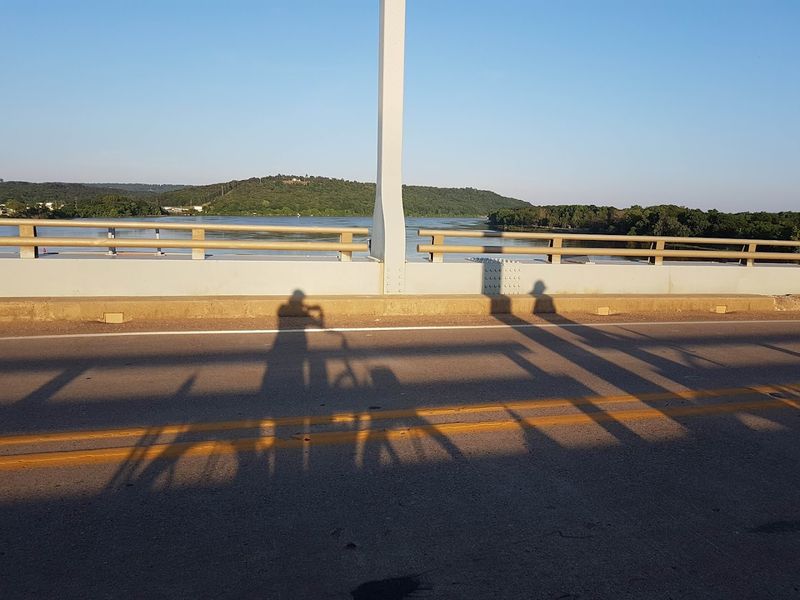
Sitting directly on the Arkansas River with the Ozark Mountains rising in every direction, this town has geography working firmly in its favor.
Ozark functions as a natural entry point to the Ozark National Forest, a sprawling wilderness that offers hiking, fishing, ATV trails, and whitewater paddling on the Mulberry River, which runs Class I and II rapids suitable for kayakers and canoeists at varying skill levels.
White Rock Mountain provides an easy two-mile rim trail with panoramic views, while the 17-mile Shores Lake and White Rock loop offers a more demanding full-day option for serious hikers.
Shores Lake Recreation Area adds swimming, boating, and fishing to the outdoor menu, rounding out a destination that covers most outdoor interests without requiring much driving between stops.
The University of Ozarks campus contributes recreational facilities including disc golf, sand volleyball, and pickleball courts, several of which are open to the public.
Nearby wineries offer a low-key afternoon option for visitors who prefer their weekend adventures at a slower pace.
Ozark earns consistent loyalty from return visitors precisely because it does not try to be anything other than what it already is: a genuine small town with outstanding outdoor access.
6. Little Rock, Arkansas
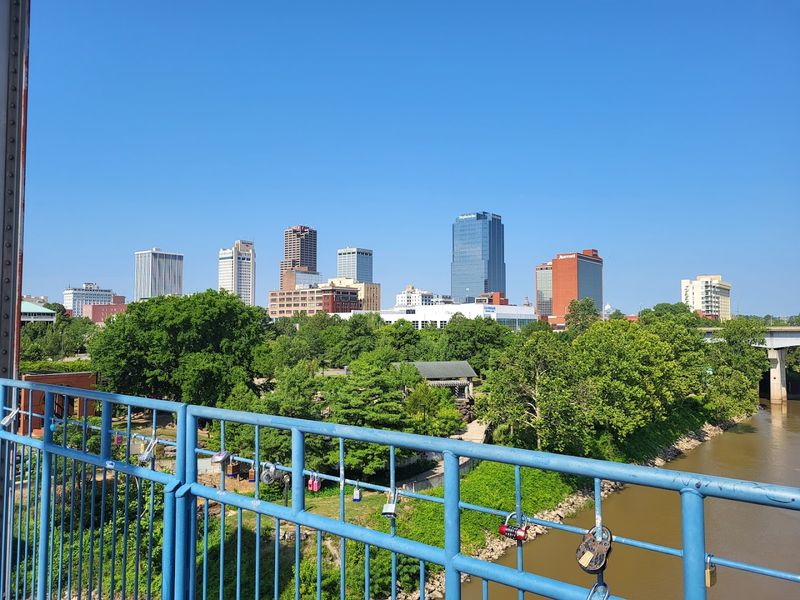
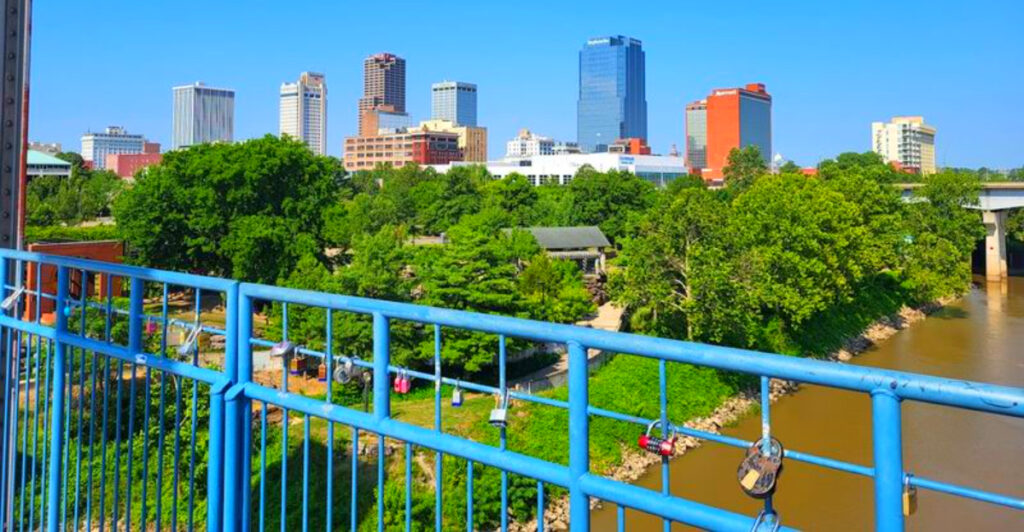
Arkansas’s capital city makes a strong case that urban and outdoorsy are not opposites, especially when the Arkansas River runs right through the middle of everything.
The Arkansas River Trail is the centerpiece of this argument, stretching 15.6 miles in a loop along both banks and connecting seven parks with continuous paths for cyclists, joggers, and walkers.
The Big Dam Bridge anchors the trail as its most recognizable landmark, recognized as the longest bridge in the United States built specifically for cyclists and pedestrians, and the views from its deck are worth the trip on their own.
The Clinton Presidential Park Bridge, a repurposed railway structure, provides another crossing point and links to the historic Riverfront Park and the Clinton Presidential Center.
The River Market District serves as the social hub of downtown, with restaurants, a farmers market, shops, and entertainment venues clustered within easy walking distance of the waterfront.
One of the more unexpected stops along the Arkansas River Trail is a WWII-era submarine, which sits on display and draws curious visitors who were not expecting naval history in a landlocked state.
Little Rock fits a full weekend of activity into a compact, walkable layout that never strays far from the river.
7. North Little Rock, Arkansas
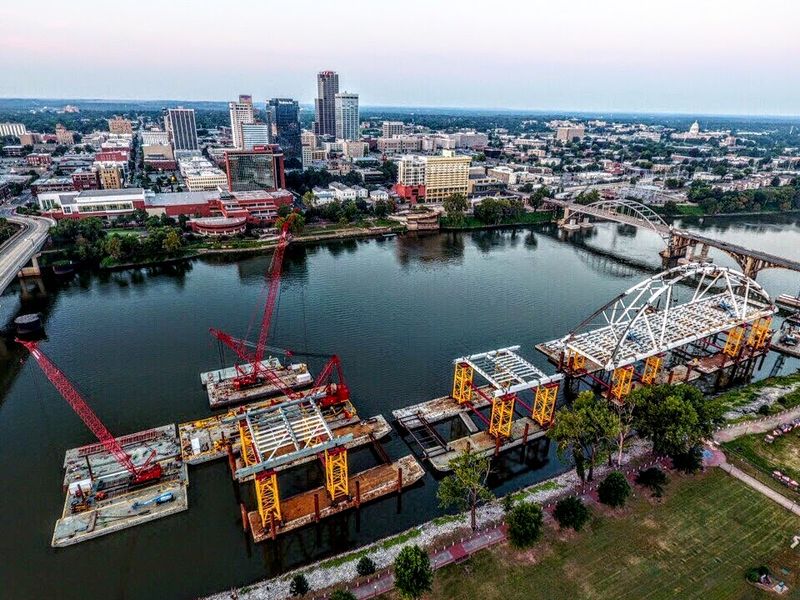
Right across the bridge from the capital, North Little Rock has built an identity distinct enough that visitors sometimes forget they only crossed a river to get there.
The Argenta Arts District anchors the city’s cultural life with galleries, live performances, and a walkable block of venues that draw a consistent crowd on weekends.
Simmons Bank Arena handles the larger entertainment bookings, hosting concerts and events that give the city a presence on the regional calendar well beyond what its size might suggest.
For outdoor enthusiasts, the connection to the Arkansas River Trail makes North Little Rock particularly appealing, with the 16-mile loop between the Big Dam Bridge and both downtowns providing an easy full-day cycling route.
Burns Park, covering 2,600 acres, ranks among the largest municipal parks in the country and contains an extensive trail network suitable for hiking, biking, and casual walks through varied terrain.
Two Rivers Park adds another 1,000 acres to the mix, with trails accommodating walkers, cyclists, and horseback riders across a landscape of wetlands and wooded paths.
North Little Rock rewards visitors who arrive expecting a quick side trip and end up staying considerably longer than planned.
8. Morrilton, Arkansas
Morrilton’s greatest asset sits about 12 miles away on top of a mountain, and Arkansas visitors who have been to Petit Jean State Park understand immediately why that proximity matters.
Petit Jean, the state’s very first state park, covers a landscape of bluffs, hollows, waterfalls, and river valley panoramas that routinely appears on lists of the best parks in the entire South.
Cedar Falls drops nearly 95 feet into a rocky gorge and is accessible via a well-marked trail that most visitors of moderate fitness can handle in a couple of hours.
The Seven Hollows Trail offers a more demanding option, winding through a series of interconnected hollows and geological formations that reward hikers who take their time.
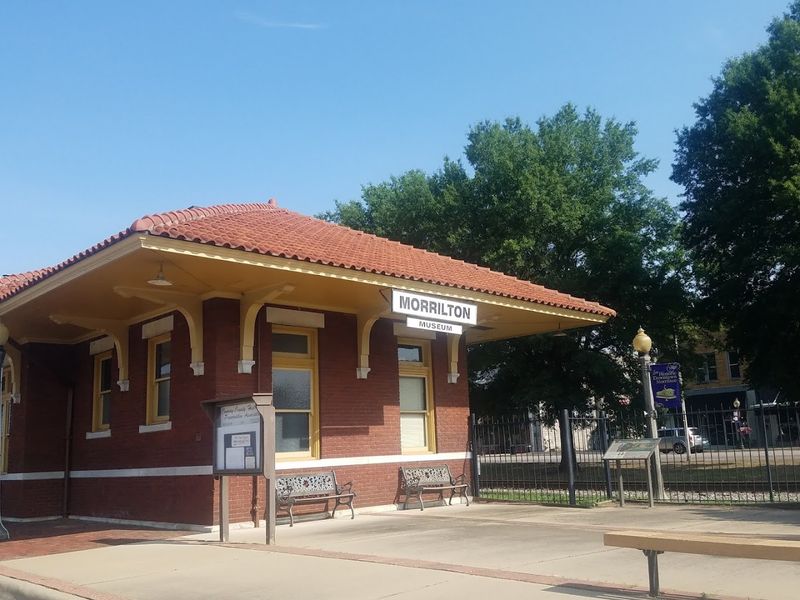
Back in town, the Depot Museum occupies a restored railroad station and traces the role the railway played in shaping Morrilton’s early growth and commercial identity.
The Museum of Automobiles, located atop Petit Jean Mountain, displays a collection of vintage and classic vehicles that car enthusiasts consistently rate as one of the better surprises in the region.
Cherokee Park along the Arkansas River provides a quieter option for fishing and picnicking when the trails have done their job for the day.
9. Pine Bluff, Arkansas
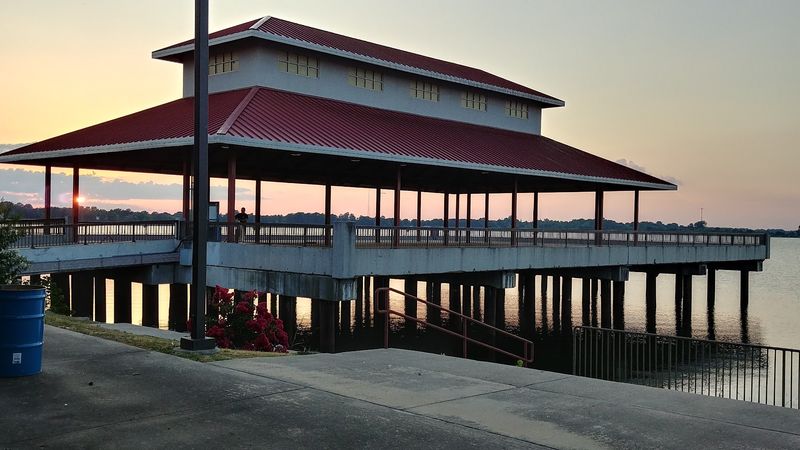
Pine Bluff tends to get overlooked on Arkansas travel lists, which is a mistake that anyone who has actually visited is unlikely to repeat.
The Arkansas Railroad Museum, housed in the historic Cotton Belt Shops, displays full-scale locomotives including steam engine 819, the last steam engine ever built in Pine Bluff, which gives the collection a local significance that goes beyond typical railroad nostalgia.
The Pine Bluff Jefferson County History Museum covers a wide arc of the region’s past, from Native American settlements through the Civil War and into the cotton economy that shaped the Arkansas Delta.
The Governor Mike Huckabee Delta Rivers Nature Center stands between two lakes and offers nearly two miles of trails through wetlands and woodlands, plus an aquarium stocked with native Arkansas aquatic species.
Lake Saracen provides a lakeside trail for walking and biking, a fishing pier with accessible design, and a splash pad that makes it a practical destination for families.
Pine Bluff Regional Park adds six boat ramps, an 18-hole golf course, RV camping, and picnic facilities along the Arkansas River.
The Murals of Pine Bluff project has transformed the downtown into an open-air gallery that documents the city’s history and cultural heritage across large-scale exterior walls.
10. Clarksville, Arkansas
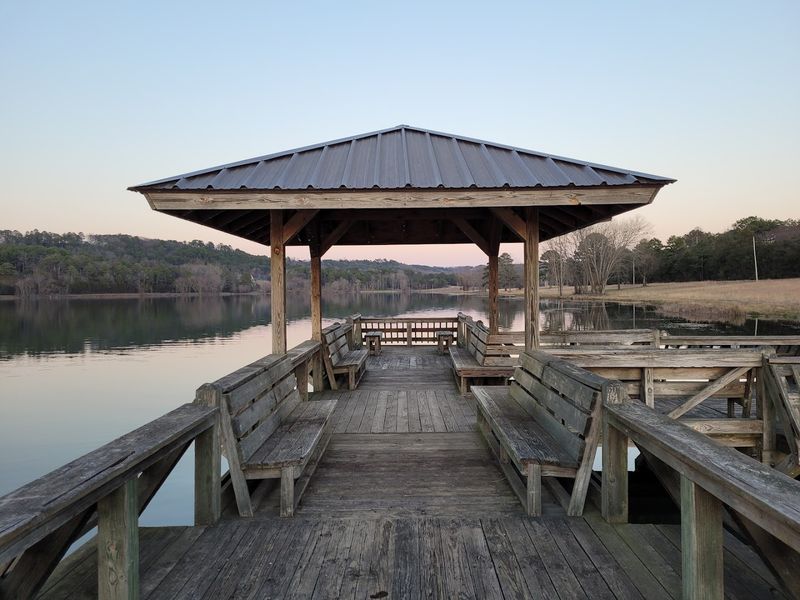
Clarksville sits along the Arkansas River at the foot of the Ozark Mountains, making it one of those places where outdoor adventure begins almost as soon as you arrive.
Lake Dardanelle stretches along the city’s southern edge, attracting anglers, boaters, and birdwatchers throughout the year, while Spadra Park provides easy river access, picnic areas, and peaceful views across the water.
Just outside town, Spadra Marina serves as a popular launch point for fishing trips on Lake Dardanelle, where bass, crappie, catfish, and sauger keep the lake busy in every season.
The city also marks the eastern gateway to the Ozark National Forest, putting hundreds of miles of hiking trails, scenic drives, waterfalls, and campgrounds within a short drive.
Wine enthusiasts can follow part of the Arkansas Wine Trail, with several family-owned wineries located in the surrounding countryside offering tastings and vineyard views.
Downtown Clarksville combines local restaurants, small shops, and historic buildings with the welcoming atmosphere of a classic Arkansas river community.
Each September, the Johnson County Peach Festival, one of the oldest festivals in the state, fills the streets with live music, local food, crafts, and family-friendly events that celebrate the area’s long agricultural heritage.
Clarksville balances easy access to the Arkansas River with mountain scenery and small-town charm, making it an ideal stop for anyone exploring the Arkansas River Valley.
Share this story