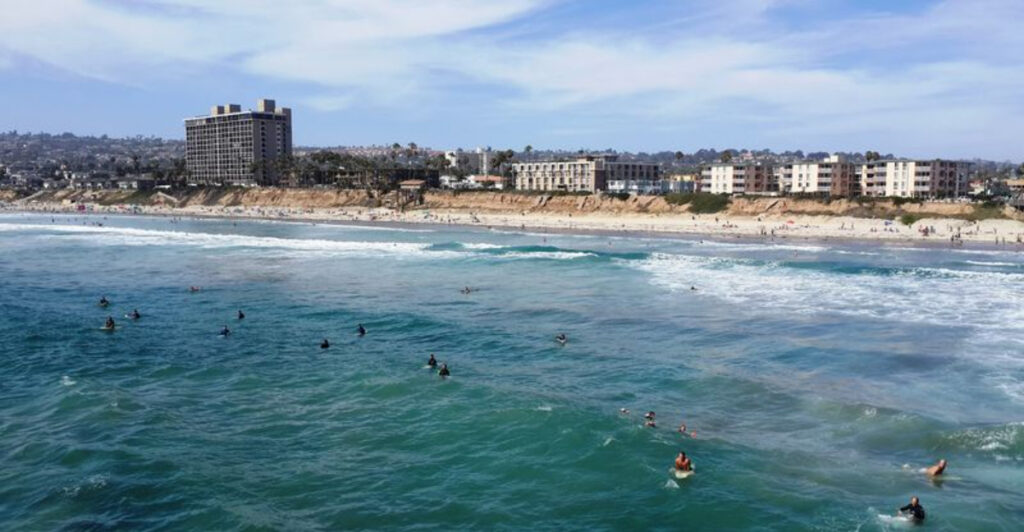
Southern California has more than 800 miles of coastline, but not every beach delivers the same experience. Some are wide and lively, some are dramatic and rocky, and some feel like they belong in a travel magazine.
Whether you are planning a family outing, a solo escape, or a road trip down the Pacific Coast Highway, knowing which beaches are worth your time makes the whole day better. This list covers 13 real standouts across the Southern California coast, from Malibu all the way down to Coronado, each one offering something a little different from the last.
Keep reading and you might find your new favorite beach.
Santa Monica State Beach, Santa Monica, California
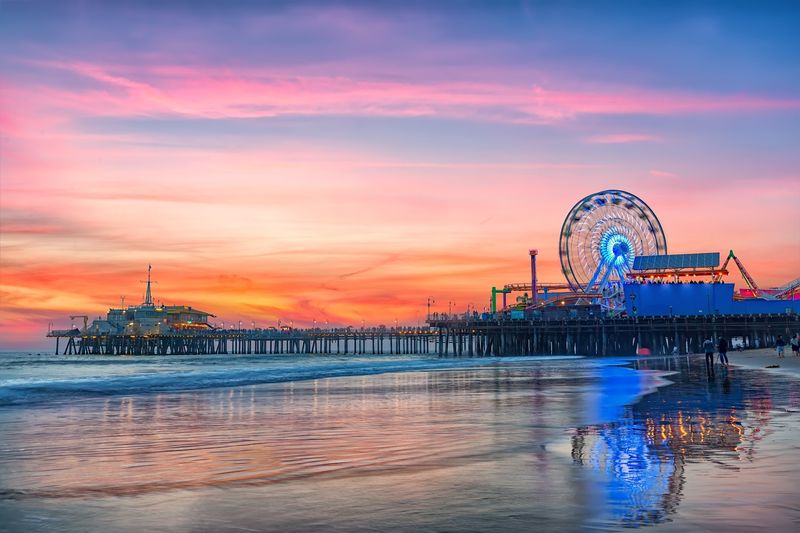
Few beaches in the world carry as much name recognition as Santa Monica State Beach, and the reality lives up to the reputation. Stretching more than three miles and covering 245 acres, this beach gives visitors serious room to spread out, whether you are here for volleyball, a long barefoot walk, or just staking out a spot in the sand with a good book.
The Santa Monica Pier anchors the northern end and adds a layer of classic California fun, with rides, food vendors, and ocean views from the pier deck. Restaurants, shops, and hotels line the area just beyond the sand, making it easy to turn a beach visit into a full day out.
Summer brings the biggest crowds, but the beach holds its appeal through fall and into winter. Bike rentals along the path are a smart way to cover more ground without wearing out your feet.
El Matador State Beach, Malibu, California
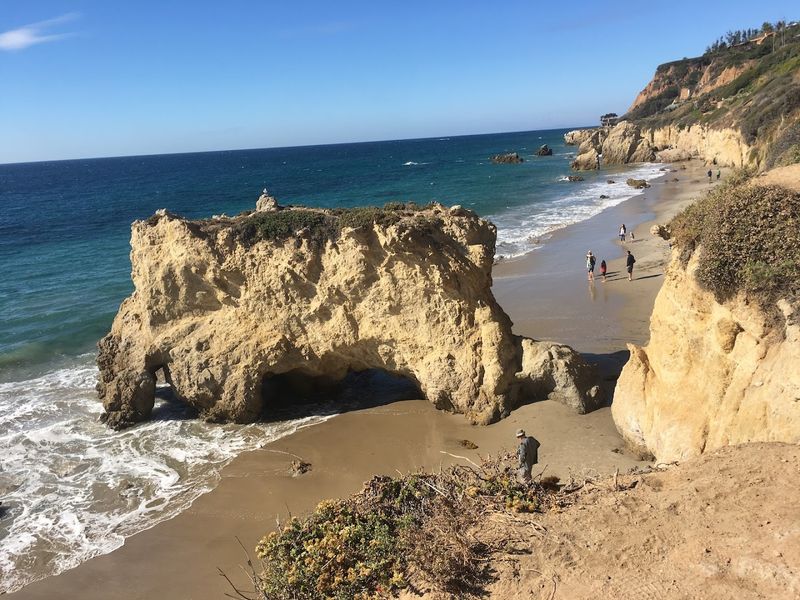
El Matador is the beach that makes people stop scrolling when it shows up in a photo. Part of Robert H.
Meyer Memorial State Beach, it sits below a bluff and requires a short hike down stairs or a rocky path to reach, which immediately sets the mood for something more adventurous than your average beach day.
The real draw here is the scenery. Rocky sea stacks rise from the sand, sea caves dot the shoreline, and the cliff edges frame views that photographers absolutely love.
Sunset at El Matador has a well-earned following, and the golden light on the rocks genuinely earns the hype.
Parking is limited to a small lot at the top of the bluff, and it fills quickly on weekends. Arriving before 9 a.m. on a summer morning is a practical move.
Wear shoes you do not mind getting wet near the tide line.
Zuma Beach, Malibu, California
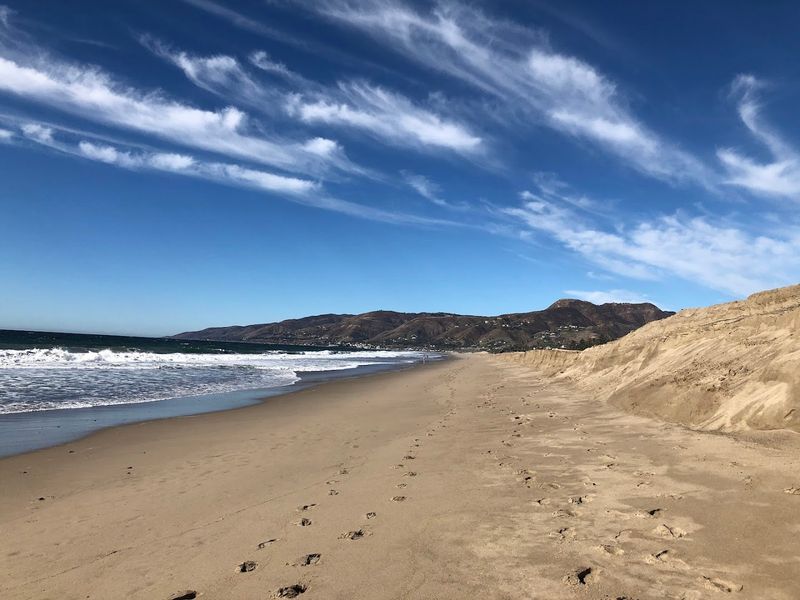
Zuma Beach is what you picture when someone says “wide open California beach.” Located in Malibu along Pacific Coast Highway, it offers a broad, flat stretch of sand that gives families, groups, and solo visitors plenty of breathing room without the tight-cove feeling of some of Malibu’s more dramatic spots.
Swimming and surfing are the main draws, and the beach is managed by Los Angeles County with lifeguards, restrooms, and parking facilities. Surf and rip current conditions can vary depending on swell, so paying attention to lifeguard flags and posted warnings is always a good call before heading into the water.
Zuma tends to get busy on summer weekends, so a weekday visit or an early morning arrival gives you a noticeably quieter experience. The open layout also makes it a solid pick for beach games, kite flying, and watching the Pacific from a blanket with nothing on the agenda.
Manhattan Beach, Manhattan Beach, California
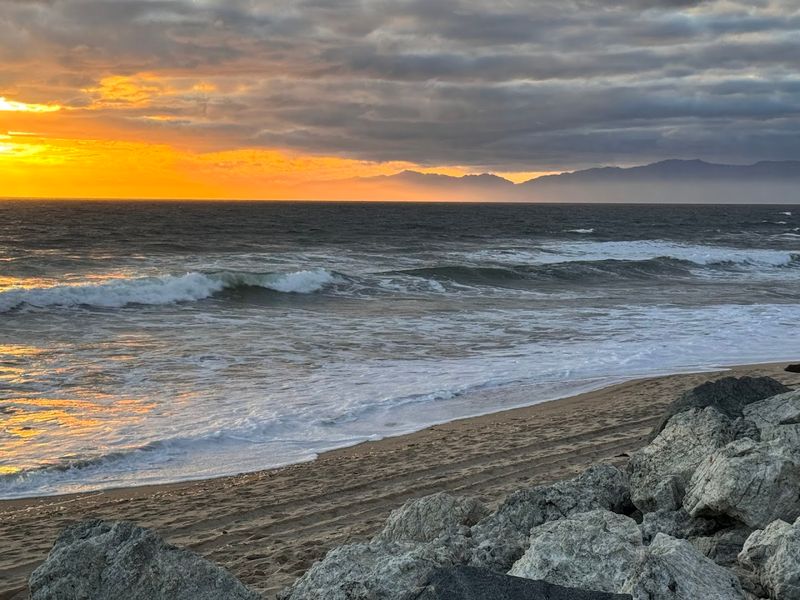
Manhattan Beach has a polished South Bay energy that sets it apart from the bigger, louder beach scenes up the coast. The beach covers more than 115 acres and stretches over two miles of ocean frontage, with a 900-foot pier at the end of Manhattan Beach Boulevard serving as the neighborhood’s most recognizable landmark.
Volleyball is practically a local institution here, with courts regularly hosting competitive play. Surfing, swimming, and pier walks are equally popular, and the pier itself offers a relaxed vantage point over the water.
The Roundhouse Marine Studies Lab and Aquarium, located at the end of the pier, is a free stop worth making if you visit with kids.
One of Manhattan Beach’s real strengths is how naturally a beach day flows into the rest of the afternoon. The downtown area is just a short walk from the sand, with solid restaurant and coffee options that make it easy to extend your visit well past sunset.
Huntington State Beach, Huntington Beach, California
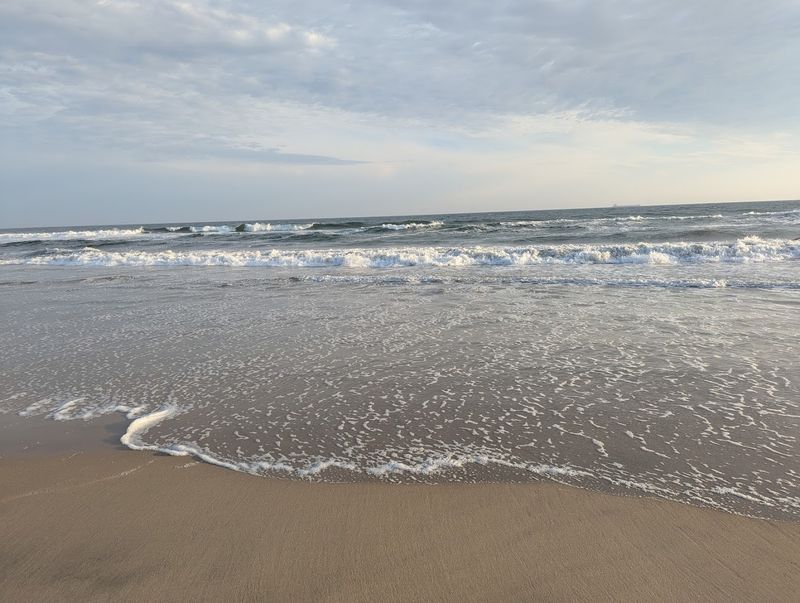
Huntington Beach earned its “Surf City USA” nickname for a reason, and Huntington State Beach is a big part of why. This 121-acre state beach managed by California State Parks draws hundreds of thousands of visitors each year, making it one of the most visited state beaches in Orange County.
Surfing is the obvious headliner, but the beach also works well for swimming, sunbathing, fishing off the pier nearby, and watching the steady parade of waves from the sand. The flat, wide layout gives the beach an open, generous feel that handles large crowds better than more compact spots down the coast.
Amenities here are solid, including restrooms, fire rings available on a first-come basis, and a paved path popular with cyclists and skaters. Parking fills fast on summer weekends, so arriving before 10 a.m. or using nearby lots and walking in saves real frustration.
This beach consistently delivers a reliable, full-day Pacific Coast experience.
Crystal Cove State Park, Laguna Beach / Newport Coast, California
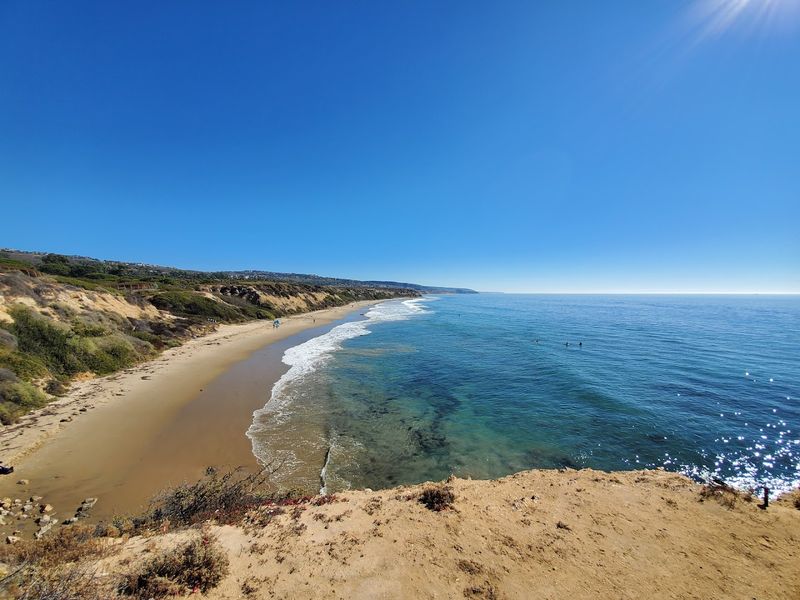
Crystal Cove State Park is one of those places that genuinely offers more than you expect. The park covers 3.2 miles of beach, 2,400 acres of backcountry wilderness, and an offshore underwater ecological reserve, making it a strong destination for beachgoers, hikers, divers, and anyone who wants more than a standard sand-and-surf afternoon.
The Historic District is one of the park’s most distinctive features. A cluster of vintage coastal cottages dating from the 1930s through the 1950s lines the shoreline, giving Crystal Cove a rare sense of old California that most beaches along this stretch have lost.
Some of the restored cottages are available for overnight stays, which book up quickly.
Tide pools near the bluffs attract families and nature curious visitors during low tide. The backcountry trails offer canyon and ocean views for those willing to hike.
Parking at the beach lots fills early on weekends, and an entrance fee applies for day use.
Main Beach, Laguna Beach, California
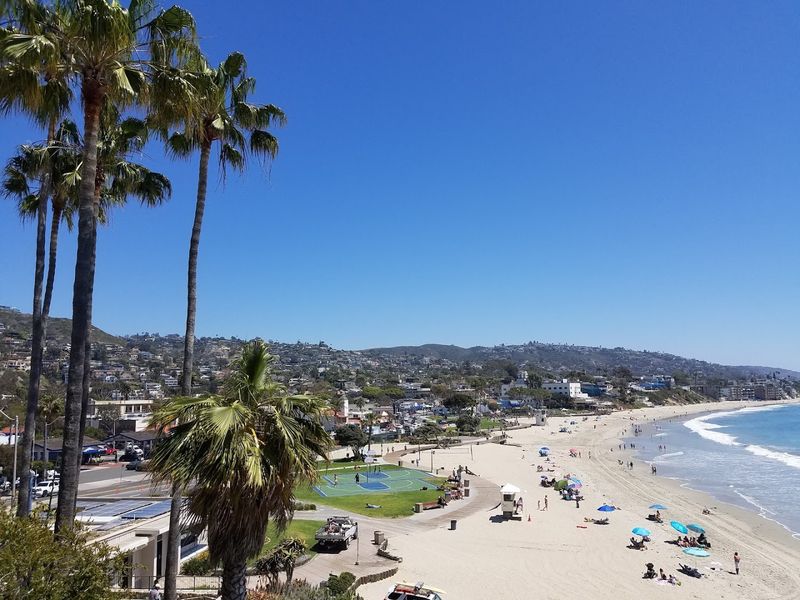
Right in the center of Laguna Beach, Main Beach is where the town’s creative, coastal personality is most on display. The City of Laguna Beach identifies it as the largest and most visited beach in the area, and the white lifeguard tower that anchors the scene has become one of the most photographed landmarks on the Orange County coast.
Swimming, bodyboarding, and body surfing are popular here, though the city notes that surf can be large and conditions occasionally challenging, so checking the flags and being honest about your water skills is worth doing. The sand fills up on summer weekends, but the surrounding area rewards exploration at any time of year.
Galleries, restaurants, and boutique shops line the streets directly above the beach, making Main Beach an easy anchor for a full day in Laguna. The boardwalk area and basketball and handball courts nearby give the beach a lively, social atmosphere that extends well beyond the waterline.
Newport Beach / Balboa Peninsula, Newport Beach, California
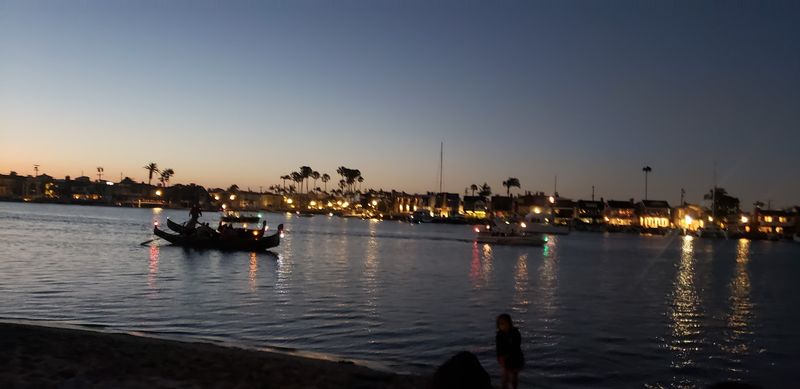
Newport Beach covers a lot of ground, and that is exactly part of its appeal. The city’s beaches stretch more than eight miles from the Santa Ana River jetty all the way to Crystal Cove State Park, with both ocean and bayfront access generally open to the public from 6 a.m. to 10 p.m. daily.
The Balboa Peninsula is where most first-time visitors end up, and it earns its reputation. The boardwalk runs the length of the peninsula, making it a natural route for bikers, joggers, and anyone just wandering with nowhere specific to be.
The Balboa Pier offers a classic California pier experience, and the Balboa Fun Zone on the bay side adds a retro amusement attraction to the mix.
Surfing conditions along Newport Beach vary by location, with The Wedge at the tip of the peninsula known for producing some of the most powerful shore break waves on the Southern California coast. Food and harbor activity keep the energy going well after sunset.
San Clemente State Beach, San Clemente, California
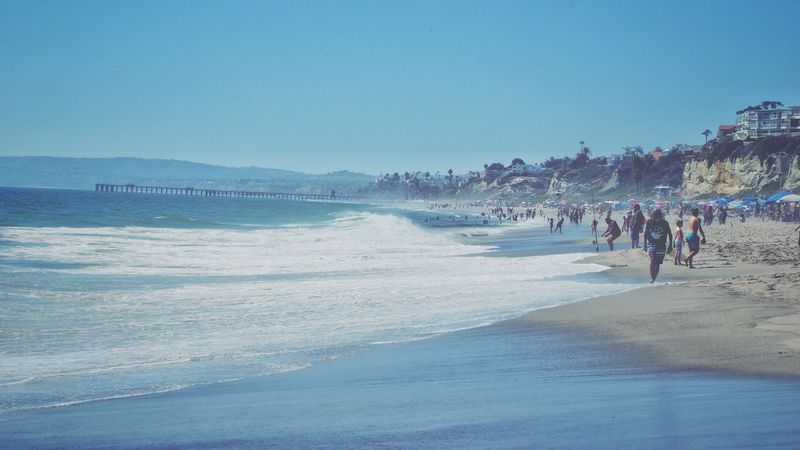
San Clemente sits near the southern edge of Orange County, and the state beach here has a noticeably quieter rhythm than the bigger beaches farther north. California State Parks describes it as a beach destination known for ocean and mountain views, a pleasant climate, and Spanish Colonial style architecture on the surrounding bluffs, which gives the whole area a distinctive character.
Surfing draws regulars to this stretch of coast, and the waves here have a reputation for being consistent. The nearby San Clemente Pier, while technically a separate spot, is close enough to be part of a natural visit itinerary.
Coastal camping is available nearby, which makes San Clemente a reasonable overnight stop for road trippers working their way down from Los Angeles toward San Diego.
The pace here feels deliberately unhurried. There are no massive crowds competing for space, and the setting rewards visitors who are content to watch the waves without needing a packed schedule around them.
Torrey Pines State Beach, San Diego, California
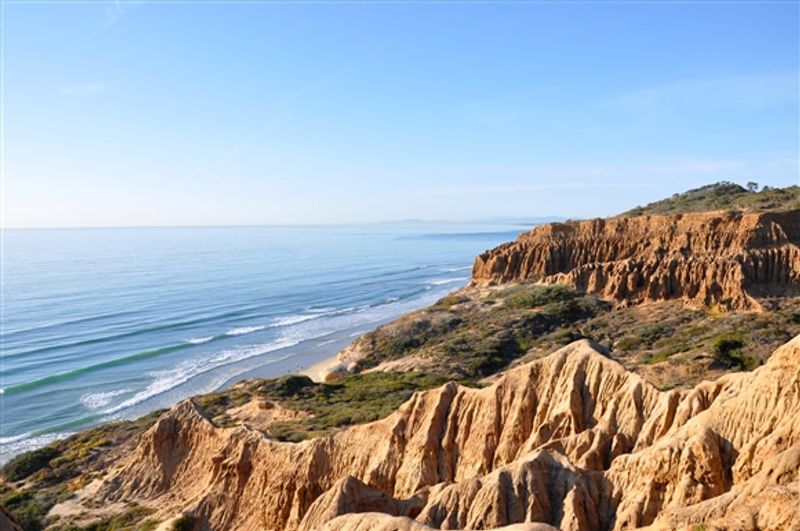
Torrey Pines State Beach is where the landscape does most of the talking. The beach stretches roughly 4.5 miles from Del Mar past Los Peñasquitos Lagoon to the base of the sandstone cliffs at Torrey Pines Mesa, according to California State Parks, and those cliffs rising above the sand give the whole scene a scale that most San Diego beaches simply do not have.
The beach itself is wide and uncrowded compared to Mission Beach or Pacific Beach, which makes it a strong pick for visitors who want room to walk, run, or simply sit without feeling like they are sharing a blanket with strangers. Torrey Pines State Natural Reserve sits directly above the beach, offering hiking trails with canyon and ocean views for those who want to earn their afternoon rest.
Parking is available along North Torrey Pines Road, with fees applying at the reserve. Sunset here, with the cliffs catching the last light, is one of the more genuinely impressive sights on the Southern California coast.
La Jolla Shores, San Diego, California
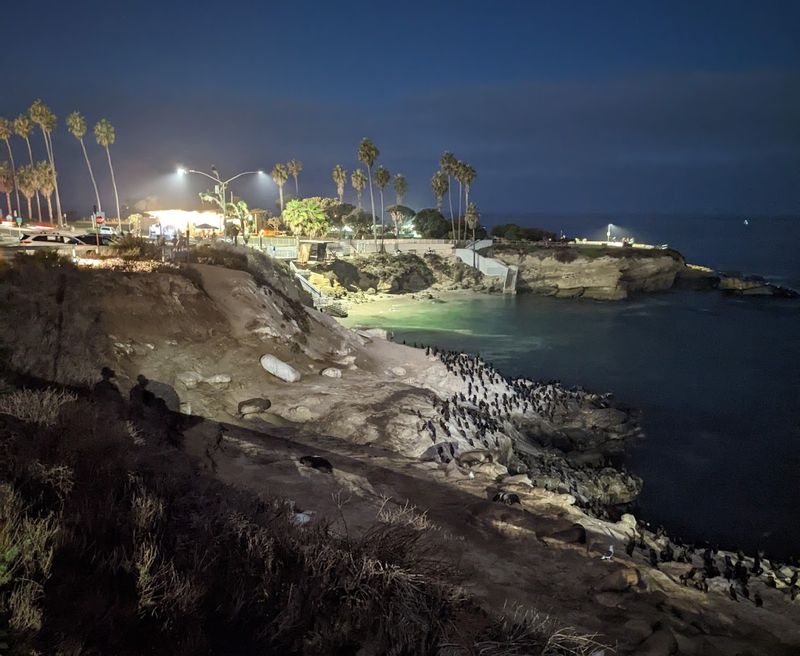
La Jolla Shores has a reputation for being one of the more approachable beaches in San Diego, and it earns that standing. The City of San Diego describes the beach as roughly one mile long with summer waves that are typically among the gentlest in the area, which makes it a reliable choice for families with young children, beginner swimmers, and anyone who prefers a calmer entry into the Pacific.
The beach sits directly adjacent to the San Diego-La Jolla Underwater Park Ecological Reserve, which adds a compelling dimension for visitors interested in snorkeling, kayaking, or scuba diving. Kayak and gear rentals are available nearby, and the reserve’s kelp forests and marine life make it one of the more accessible underwater experiences in Southern California.
Kellogg Park, which borders the northern end of the beach, provides grassy lawn space, picnic areas, and restrooms. Parking fills quickly on summer mornings, so arriving before 9 a.m. is a practical strategy worth following.
Mission Beach, San Diego, California
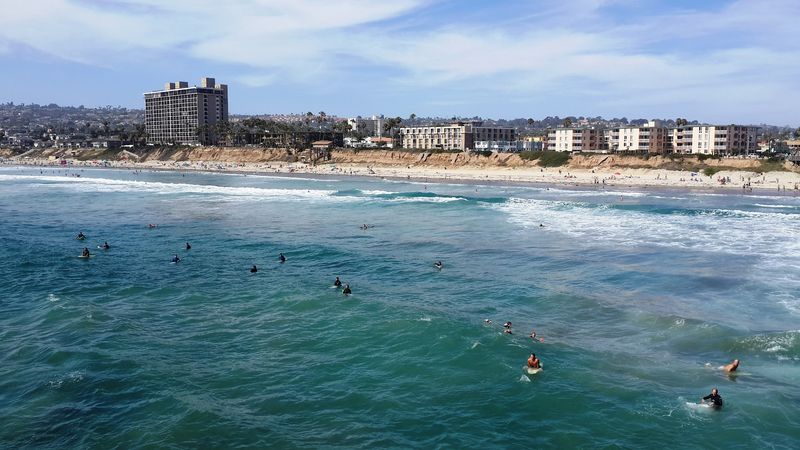
Mission Beach is the beach you go to when you want the full San Diego boardwalk experience turned up to its highest setting. The City of San Diego describes it as spanning just over a mile in the center of the Golden Strand, between South Mission Beach and Pacific Beach, drawing some of the largest summer crowds on the city’s coastline.
Belmont Park sits right on the beachfront and adds a vintage amusement park element to the visit, with a historic wooden roller coaster and other attractions that have been part of the Mission Beach scene since 1925. Biking the boardwalk is one of the most popular ways to experience the area, with rentals available nearby and the flat path running the length of the strand.
The beach itself handles the crowds well thanks to its width and the boardwalk’s ability to absorb foot traffic. It is casual, energetic, and very much a celebration of the Southern California beach culture that people travel from across the country to experience firsthand.
Coronado Beach, Coronado, California
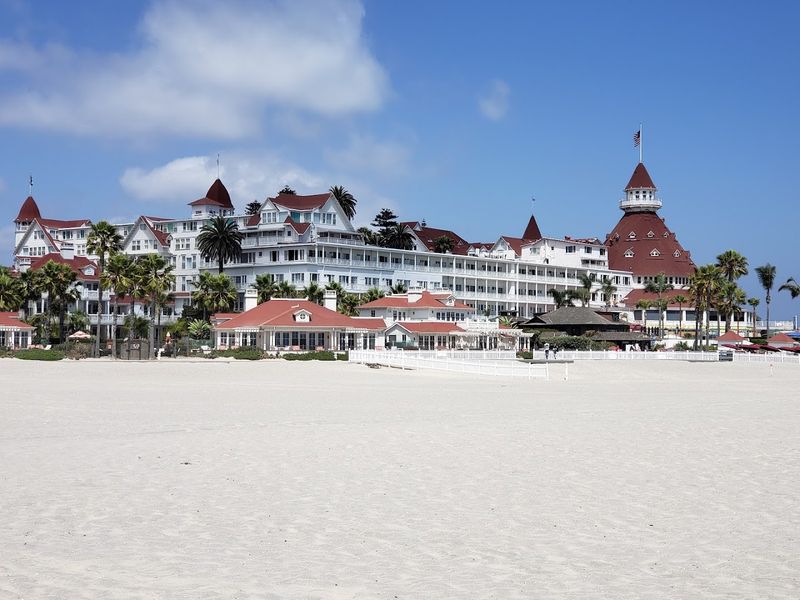
Coronado Beach has a quality that is hard to manufacture. The City of Coronado describes it as a wide sandy beach stretching about 1.75 miles, bordered by Naval Base beaches on either side, with the historic Hotel del Coronado standing as its most recognizable backdrop.
That Victorian-era red-roofed hotel has been part of the Coronado shoreline since 1888, and it gives the beach a visual anchor unlike anything else on this list.
The sand at Coronado has a faintly golden tint due to mineral deposits from the nearby Coronado Mountains, which gives the beach a warmer appearance than many other San Diego area shorelines. It is wide, clean, and well-maintained, with restrooms and lifeguard coverage during peak months.
Getting to Coronado from downtown San Diego is easy via the Bay Bridge or the scenic ferry from the Embarcadero. A walk along the shoreline here, especially in the late afternoon, is one of the more satisfying ways to close out a Southern California beach day.
Share this story