New York City has one of the most exciting Chinese food scenes in the entire country, and it goes way beyond the usual takeout boxes. From hand-pulled noodles in Flushing to century-old dim sum spots in Chinatown, the variety here is genuinely impressive.
Whether you grew up eating Chinese food or you are just starting to explore the cuisine, this city has something that will change what you thought you knew. This list covers 15 restaurants across Manhattan, Brooklyn, and Queens that each bring something real and worth your time to the table.
Some are well-known, some fly under the radar, and all of them are currently open and serving food worth talking about. Keep this list saved because you are going to want to come back to it.
Blue Blossom, Midtown West, Manhattan
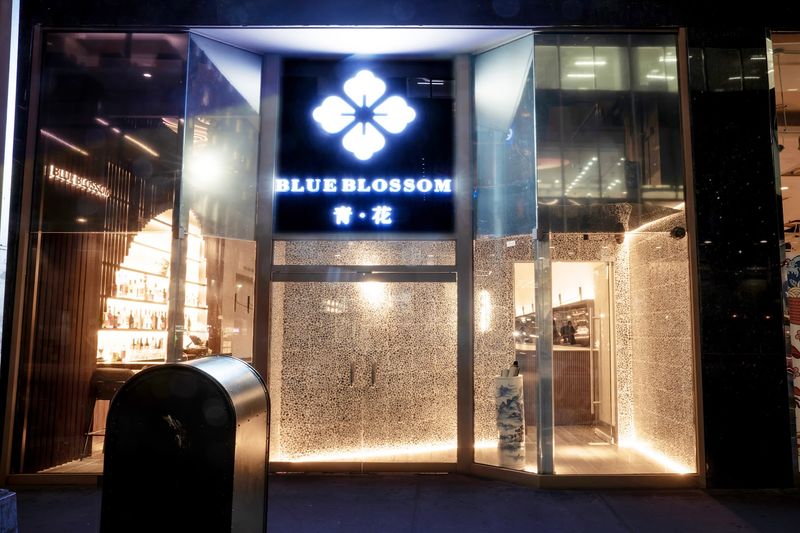
Blue Blossom sits in the middle of one of Manhattan’s busiest neighborhoods, but the dining room feels calm and considered. The menu draws from Cantonese and broader Chinese culinary traditions, with dishes that lean toward clean, balanced flavors rather than heavy sauces.
The kitchen puts care into its seafood preparations, and the roasted meats are a consistent reason people return. It is the kind of restaurant that works well for a business lunch or a low-key dinner without feeling too formal or too casual.
Midtown West is packed with options, but Blue Blossom holds its own by staying focused on quality ingredients and consistent cooking. If you are already in the area for work or a show, this is a genuinely good use of your time.
The portion sizes are reasonable, and the service tends to be attentive without hovering.
Sal Tang’s, Cobble Hill, Brooklyn
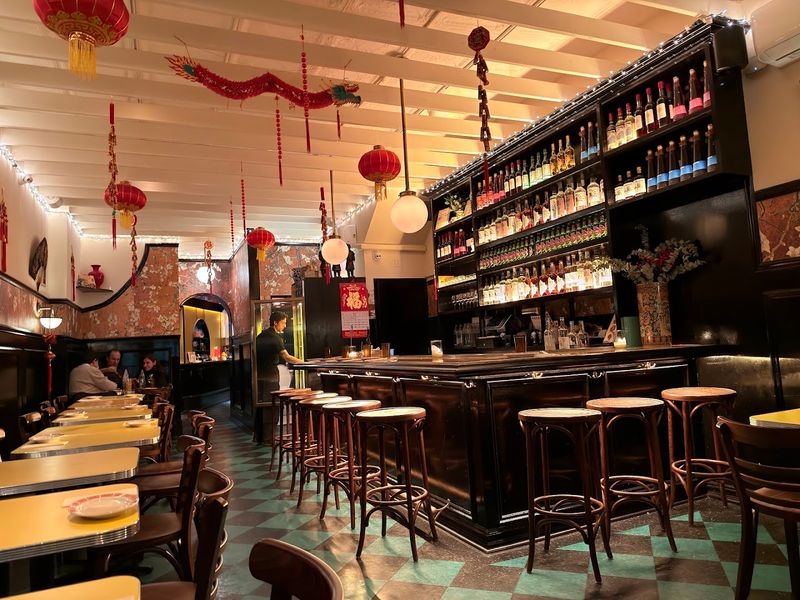
Cobble Hill is not the first neighborhood that comes to mind when people think about Chinese food in New York, which is exactly what makes Sal Tang’s worth paying attention to. The restaurant has built a loyal following in a part of Brooklyn that is better known for Italian joints and wine bars.
The menu leans into familiar Chinese-American flavors done with more care than most, and the kitchen is consistent in a way that neighborhood regulars clearly appreciate. Takeout orders are popular here, but eating in gives you a better sense of what the place is actually about.
For Brooklyn residents who do not want to trek to Sunset Park or Flushing every time they want a satisfying Chinese meal, Sal Tang’s fills that gap well. The pricing is fair for the neighborhood, and the portions are generous enough that leftovers are almost guaranteed.
Mr. Q’s BBQ, Elmhurst, Queens
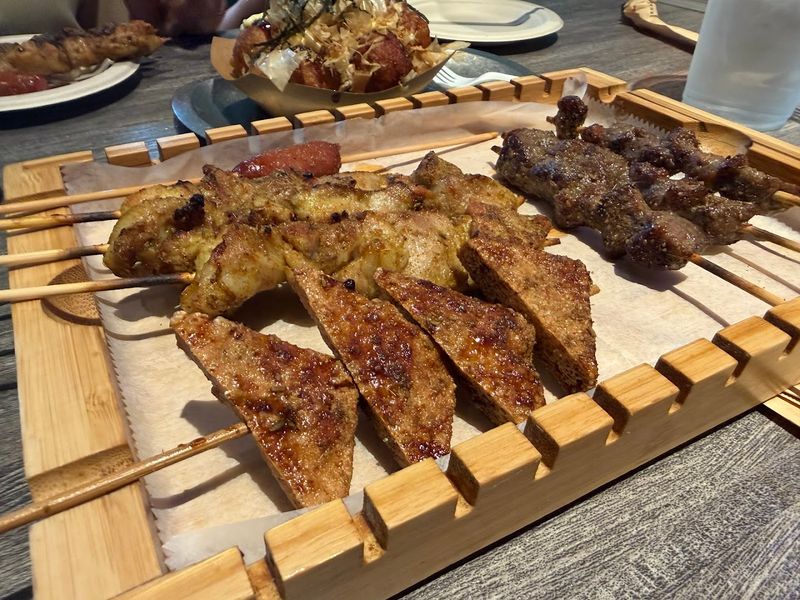
Elmhurst is one of the most food-diverse neighborhoods in all of New York, and Mr. Q’s BBQ has carved out a strong reputation right in the middle of it. The focus here is on Cantonese-style roasted meats, which means you are looking at lacquered duck, char siu pork, and soy sauce chicken done with real technique.
The meats are typically displayed in the front window, which is a pretty reliable signal that a place takes its BBQ seriously. You can order a plate over rice, pick up a whole bird, or grab a mixed combination if you are eating with a group.
Mr. Q’s does not need a fancy setup to make an impression. The food speaks clearly enough on its own.
If you are making a food run through Queens or exploring the Elmhurst area, this is one of those stops that tends to stick with people long after the meal is done.
Nom Wah Tea Parlor, Chinatown, Manhattan
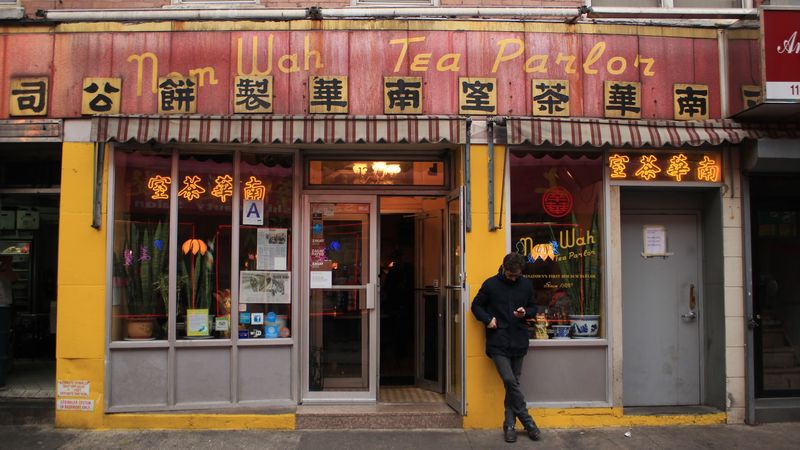
Nom Wah Tea Parlor opened in 1920, which makes it the oldest dim sum restaurant in New York City. That kind of history is not just a fun fact.
It means this place has been feeding New Yorkers through a century of change, and it is still doing it well.
The menu covers classic dim sum staples like egg rolls, pork buns, rice noodle rolls, and turnip cake. The dining room retains a vintage feel with its original booths and old-school signage, which adds to the experience without feeling like a gimmick.
Weekends tend to draw a crowd, so arriving early or planning for a short wait is a smart move. Nom Wah also has a few other locations around the city, but the Doyers Street original is the one worth visiting for the full context.
It is a genuinely special piece of New York food history still operating at a high level.
Hutong, Midtown East, Manhattan
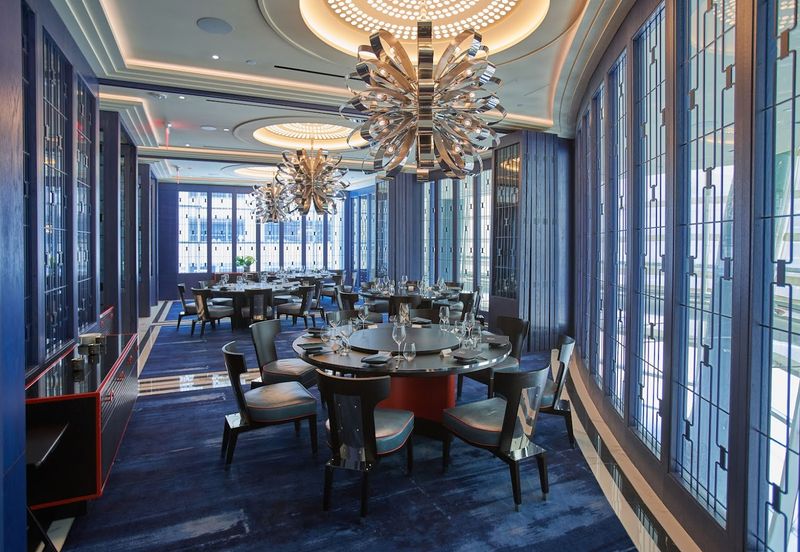
Hutong brings Northern Chinese cooking to Midtown East with a level of polish that sets it apart from most of its neighbors in the area. The restaurant is part of an international group with locations in Hong Kong and London, but the New York outpost holds up on its own terms.
The menu focuses on dishes from Northern China, including Peking duck prepared tableside, spicy crab, and a range of dim sum options that differ from the Cantonese style many New Yorkers are more familiar with. The space itself is designed with dark wood and traditional Chinese architectural details that make it feel intentional rather than decorative.
Hutong works particularly well for a special occasion or a dinner where the setting matters as much as the food. Reservations are recommended, especially on weekends.
The service is attentive and the kitchen handles larger groups without losing its consistency, which is harder to pull off than it sounds.
MaLa Project, East Village, Manhattan
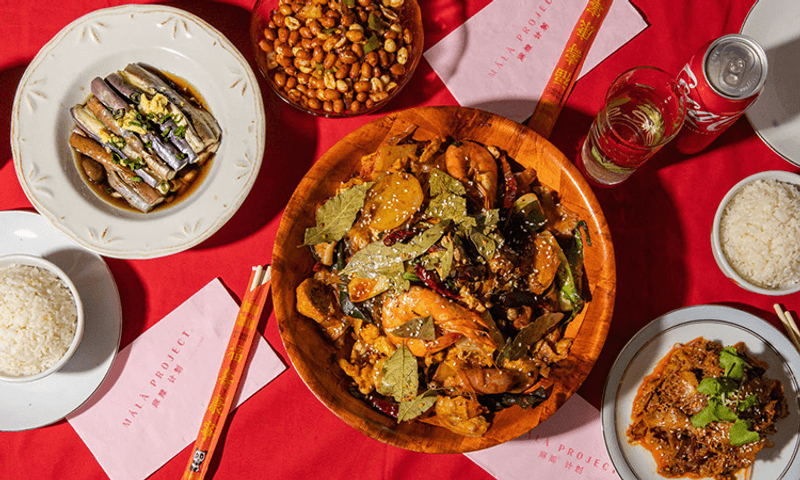
MaLa Project built its reputation on one thing done very well: Sichuan dry pot. The concept is straightforward.
You pick your proteins, vegetables, and starches from a market-style setup, choose your spice level, and the kitchen tosses everything in a signature dry pot sauce that is rich, numbing, and deeply flavorful.
The ma la flavor profile, which combines Sichuan peppercorn heat with chili spice, is something that takes a little getting used to if you have never had it before. But most people who try it at MaLa Project end up hooked by the second visit.
The East Village location has a relaxed, social energy that fits the neighborhood well.
Groups tend to have a great time here because the customizable format makes it easy to accommodate different tastes and dietary preferences at the same table. MaLa Project also has other NYC locations, but the East Village spot remains a strong starting point for first-timers exploring this style of cooking.
Yun Nan Flavour Garden, Sunset Park, Brooklyn
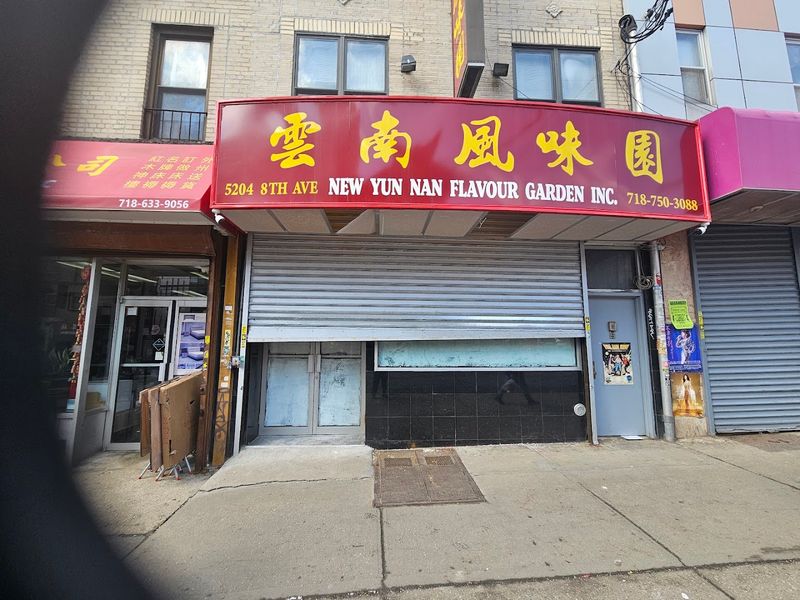
Yun Nan Flavour Garden is the kind of place that serious food seekers in New York talk about in hushed, appreciative tones. The restaurant specializes in Yunnan cuisine, which is a regional style from southwestern China that does not get nearly as much attention as Cantonese or Sichuan cooking but absolutely deserves it.
The signature dish is crossing-the-bridge rice noodles, a Yunnan classic where a rich broth is served separately and you add your own toppings at the table. It is interactive, warming, and genuinely different from anything you will find at a standard Chinese restaurant.
The menu also features mushroom-heavy dishes that reflect Yunnan’s geographic character.
Sunset Park’s Brooklyn Chinatown is a great food destination on its own, and Yun Nan Flavour Garden is one of the strongest reasons to make the trip. The space is small and no-frills, but the cooking is focused and confident.
Bring cash and bring an appetite.
Peking Duck House, Chinatown, Manhattan
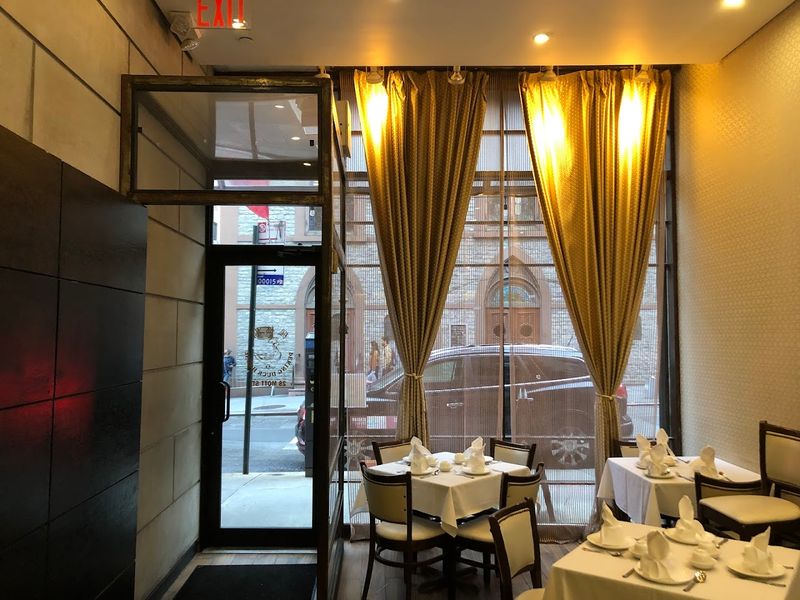
There are a handful of restaurants in New York that have made Peking duck their entire identity, and Peking Duck House on Mott Street is the one that most serious eaters point to first. The restaurant has been serving its signature dish for decades, and the preparation follows the traditional method with lacquered skin that crackles and meat that stays tender.
The duck is carved tableside and served with thin pancakes, scallions, cucumber, and hoisin sauce. It is one of those meals that feels like an event rather than just dinner.
The Chinatown location has a casual, well-worn dining room that adds to the unpretentious charm of the experience.
Peking Duck House is not trying to be trendy. It is focused on doing one thing at a very high level and has been consistent about it for years.
Ordering the duck is obviously the move, but the broader menu has enough solid options to round out the meal without any complaints.
Congee Village, Lower East Side, Manhattan
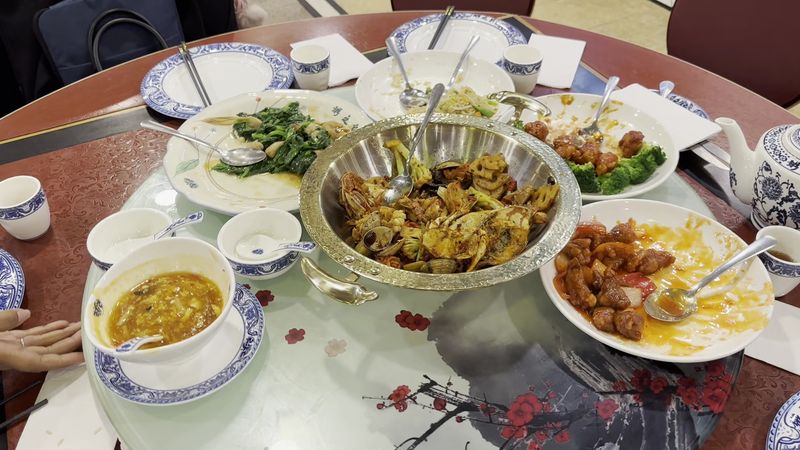
Congee Village has been a go-to on the Lower East Side for years, and it earns that loyalty by keeping its menu wide and its kitchen reliable. The restaurant’s namesake dish, congee, is a smooth rice porridge that comes in dozens of variations including plain with toppings, seafood versions, and pork-based preparations that are deeply comforting.
Beyond congee, the menu covers a broad range of Cantonese and Hong Kong-style dishes including clay pot rice, roasted meats, and a solid selection of stir-fries. The dining room is large enough to handle groups comfortably, which makes it a practical choice for family dinners or gatherings where everyone has different preferences.
The restaurant stays open late, which is a genuine advantage in a neighborhood where late-night options can feel limited if you want something more substantial than a slice. If you have never tried congee as a full meal rather than a side dish, this is a good place to reconsider your position on it.
Wo Hop, Chinatown, Manhattan
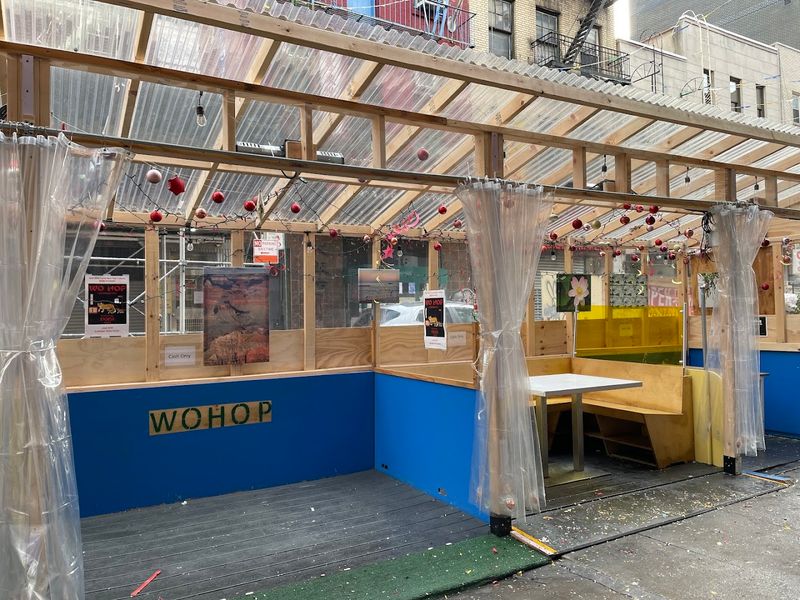
Wo Hop has been open since 1938, and its basement location on Mott Street has fed generations of New Yorkers, tourists, and late-night wanderers who stumbled down the stairs looking for something real. The restaurant runs until the early hours of the morning, which makes it one of the most reliable late-night Chinese food options in the city.
The menu is a classic Cantonese-American lineup with wonton soup, roast pork fried rice, chow mein, and egg foo young that taste exactly as they should. Nothing here is trying to be modern or reinvented.
Wo Hop is comfortable in what it is, and that confidence comes through in every bowl.
The dining room is tight and the service is fast and no-nonsense, which fits the energy of a place that has been doing this for over 80 years. Going to Wo Hop feels less like dining out and more like participating in a piece of living New York history that still happens to taste great.
Nan Xiang Xiao Long Bao, Flushing, Queens
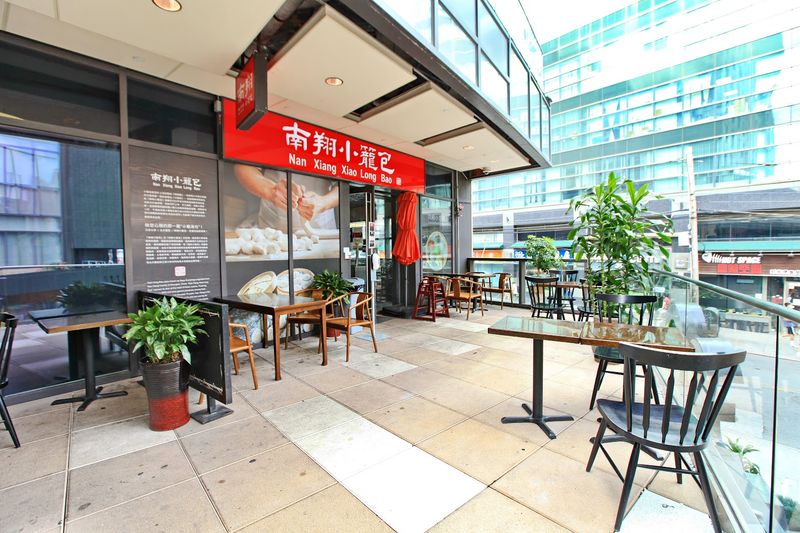
Soup dumplings, known as xiao long bao, have become one of the most talked-about dishes in New York’s Chinese food conversation, and Nan Xiang Xiao Long Bao in Flushing is one of the best places in the city to understand why. Each dumpling holds a pocket of hot broth inside a thin wrapper that requires a specific technique to eat without burning yourself or losing the soup.
The restaurant is located inside the New World Mall food court in Flushing, which is itself worth a visit for anyone who has not explored the area. The xiao long bao here are made fresh throughout the day, and the filling options go beyond the standard pork to include crab and crab-pork combinations.
Flushing’s food scene is one of the most concentrated and authentic in the entire country, and Nan Xiang is a reliable anchor point within it. Lines can form during peak hours, but the wait moves at a reasonable pace and the dumplings are worth it.
Little Pepper, College Point, Queens
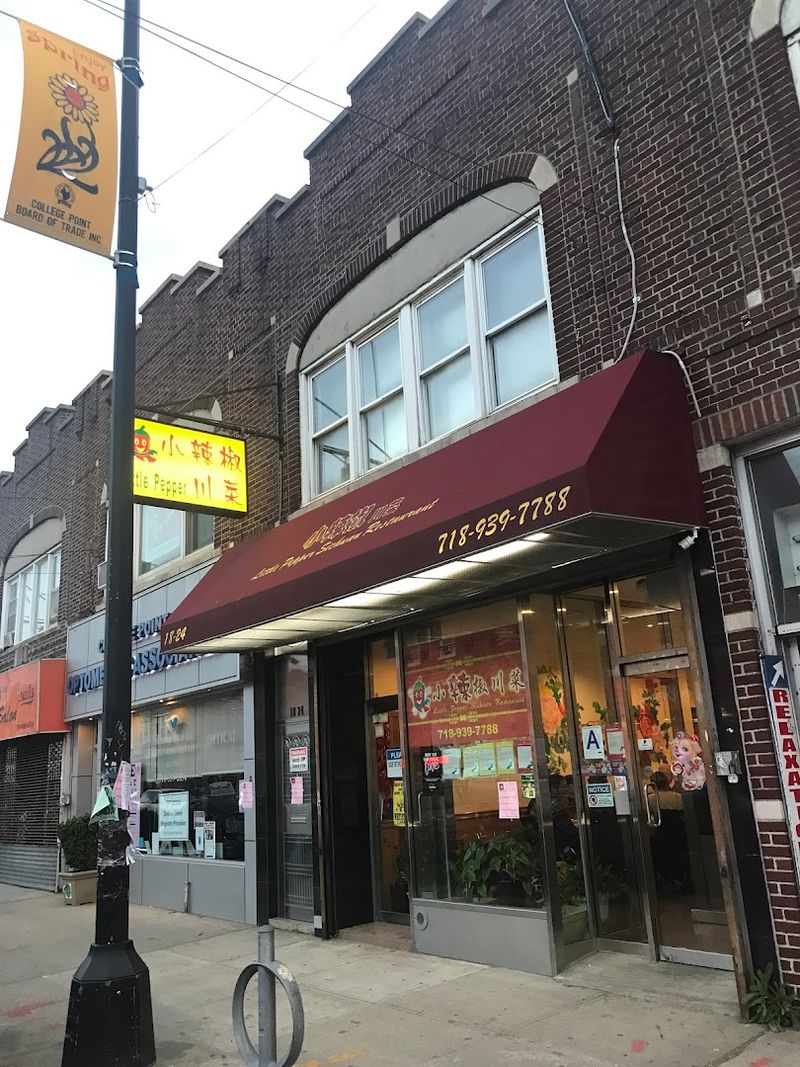
Little Pepper in College Point is the kind of Sichuan restaurant that food writers and chefs tend to cite when they want to point to something genuinely authentic without the Manhattan price tag attached. The restaurant has been drawing serious eaters out to this quieter corner of Queens for years.
The menu is rooted in traditional Sichuan cooking with dishes like fish-fragrant eggplant, braised beef tendon, spicy rabbit, and cold sesame noodles that carry real depth and complexity. The heat levels are not adjusted for timid palates, which is part of what gives the food its credibility.
You can ask for milder preparations, but the full version is where the kitchen shines.
College Point is not a neighborhood most visitors pass through by accident, so coming here feels intentional in a good way. The dining room is modest and the experience is straightforward.
Little Pepper earns its reputation through cooking rather than atmosphere, and that is exactly the kind of restaurant this list needed.
Birds of a Feather, Williamsburg, Brooklyn
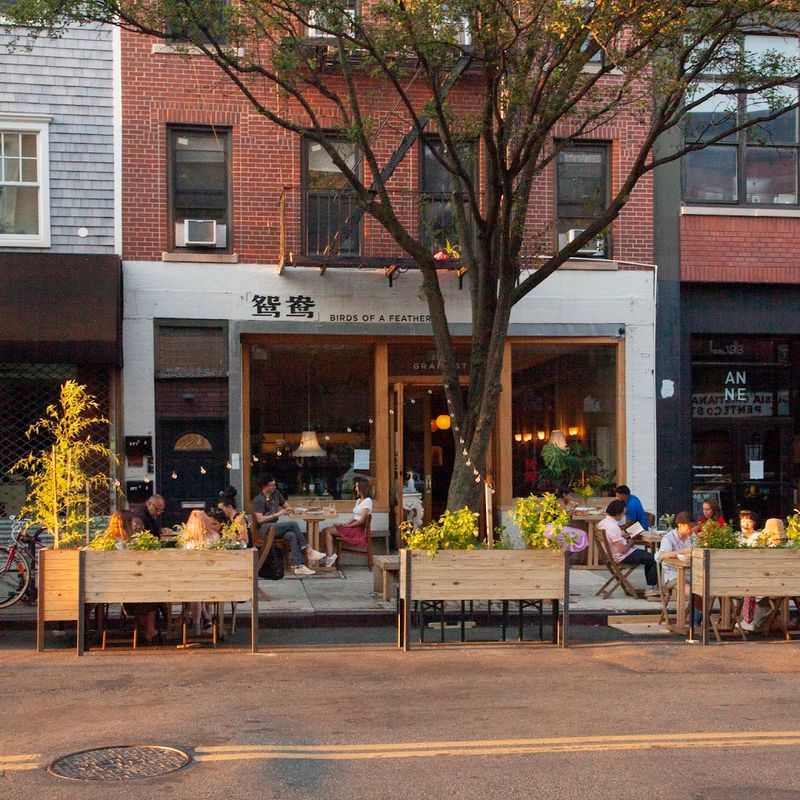
Birds of a Feather stands out in Williamsburg not just because Sichuan restaurants are less common in that part of Brooklyn, but because the kitchen operates at a level that would draw attention anywhere in the city. The restaurant focuses on Sichuan cuisine with a slightly more refined presentation than the typical no-frills regional spots.
The menu includes cold dishes, noodles, and mains that reflect both the bold flavors of the region and a clear interest in technique. The dan dan noodles and the cold chicken dishes are frequently highlighted by people who know the cuisine well.
The space itself is airy and well-designed, which makes it comfortable for a longer meal.
Williamsburg diners who have been looking for something beyond the neighborhood’s usual Italian and American options tend to find Birds of a Feather a welcome addition to the rotation. Reservations are a good idea for dinner service, particularly on weekends when the restaurant fills up steadily throughout the evening.
Spicy Village, Chinatown, Manhattan
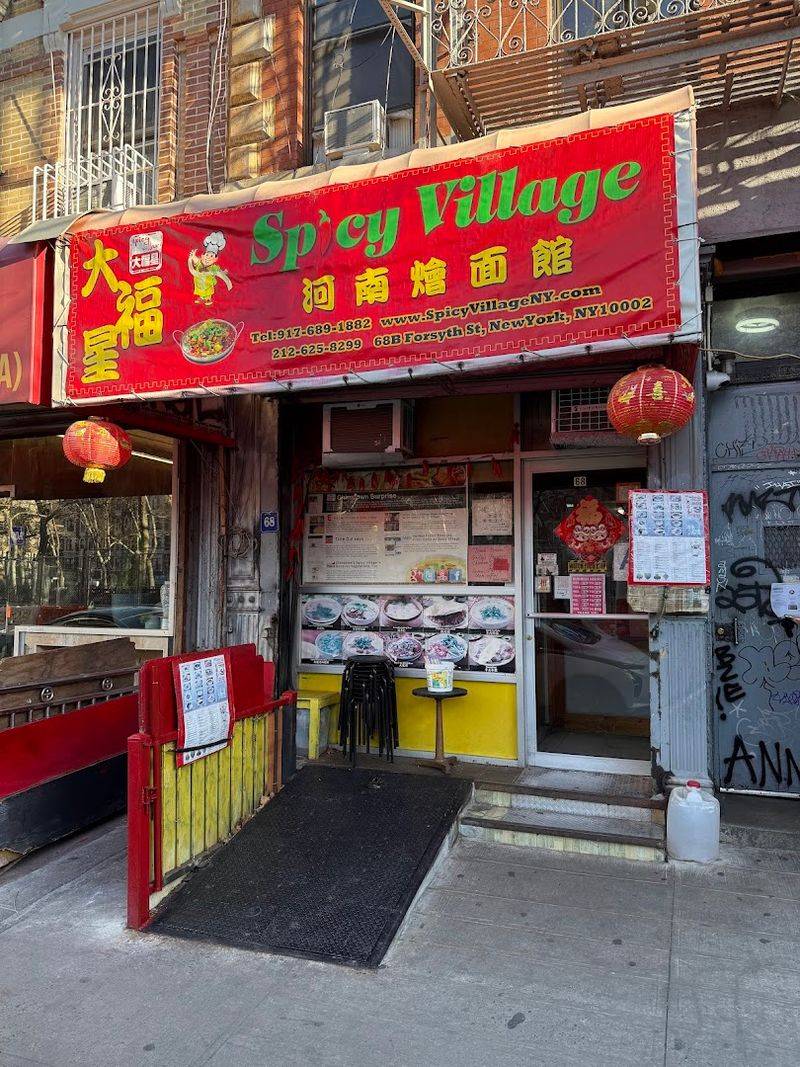
Spicy Village operates out of a small, no-frills space in Chinatown and has developed a following that extends well beyond the neighborhood. The restaurant specializes in food from Henan province in central China, which is not a regional cuisine you see represented widely in New York, making it genuinely worth seeking out.
The standout item is the big tray chicken, a braised chicken dish served over hand-pulled noodles in a savory, spiced sauce that is meant to be shared. It is a substantial and satisfying meal that gives you a clear sense of what Henan cooking is about.
The hand-pulled noodles are made fresh and absorb the sauce in a way that makes the dish work as a cohesive whole.
Spicy Village is cash-only and the space is small, so expect a wait during busy hours. The low prices and high output make it one of the better values in Chinatown.
First-timers should absolutely order the big tray chicken and let it do the explaining.
Potluck Club, Lower East Side, Manhattan
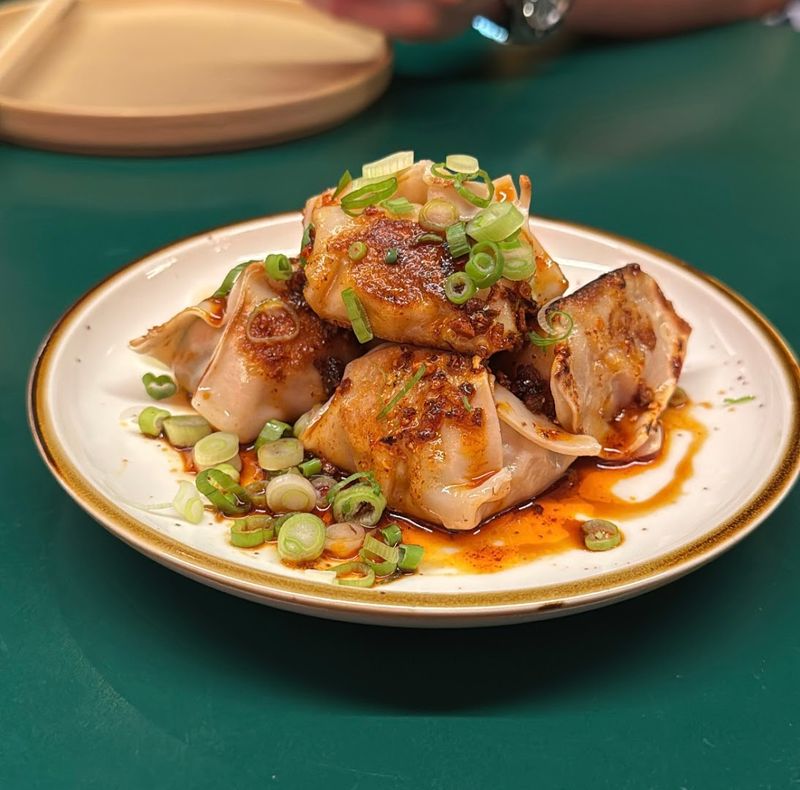
Potluck Club on the Lower East Side takes a different approach than most of the restaurants on this list. The concept here is built around shared plates and a menu that blends Chinese culinary traditions with a distinctly New York sensibility.
It is the kind of place that feels current without trying too hard to prove it.
The menu rotates and draws from various Chinese regional influences while incorporating local ingredients and creative combinations. The shared format encourages ordering widely, which is genuinely the best way to experience what the kitchen is doing.
The room has the relaxed but considered energy that the Lower East Side does well.
Potluck Club attracts a crowd that is interested in Chinese food beyond the standard categories, and the restaurant seems to know exactly who it is cooking for. It works well for a dinner with friends where everyone is open to trying a range of dishes.
If you enjoy restaurants that make you think while you eat, this one earns a reservation.
Share this story