Around the world, some countries have managed to hold onto traditions that stretch back hundreds or even thousands of years. While modern life has changed many things, these places continue to celebrate ancient customs, languages, and ways of living.
From nomadic herders in Mongolia to sacred ceremonies in Bali, these traditions connect people to their roots in powerful ways. Learning about them helps us appreciate how rich and diverse human culture truly is.
1. Bhutan
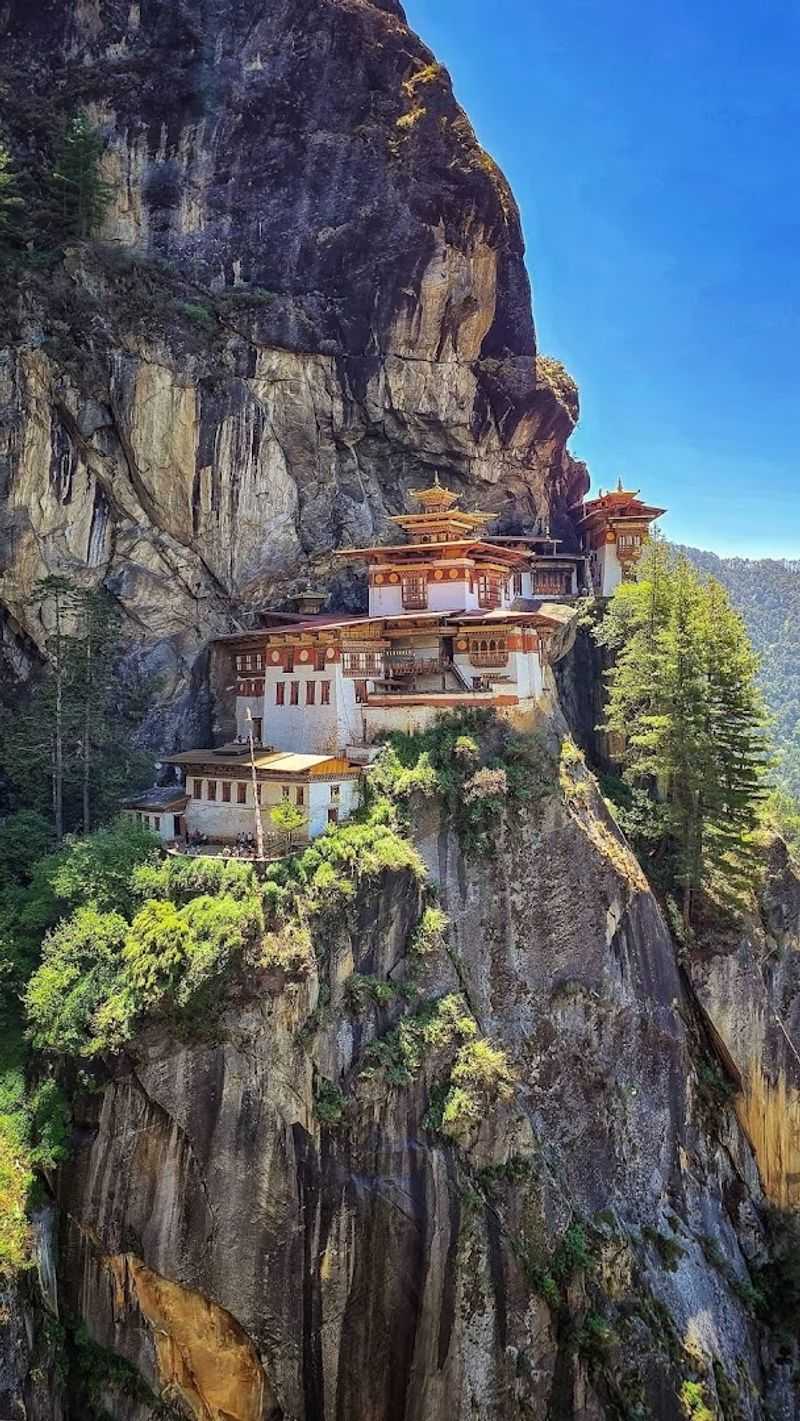
Tucked high in the Himalayas, Bhutan measures national success not by money, but by happiness. The country uses a Gross National Happiness index that values culture, environment, and well-being alongside economic growth.
That kind of thinking shapes everything from government policy to everyday life.
Citizens are required to wear traditional dress, called the gho for men and kira for women, in public spaces and government buildings. Monasteries and dzongs (fortress-temples) built centuries ago still function as active religious and administrative centers.
Buddhist rituals are woven into daily routines across the country.
Bhutan limits the number of tourists allowed in each year to protect its culture and environment. This careful approach has helped preserve ancient customs that might otherwise disappear under outside pressure.
Bhutan proves that protecting tradition and moving forward can happen at the same time.
2. Japan
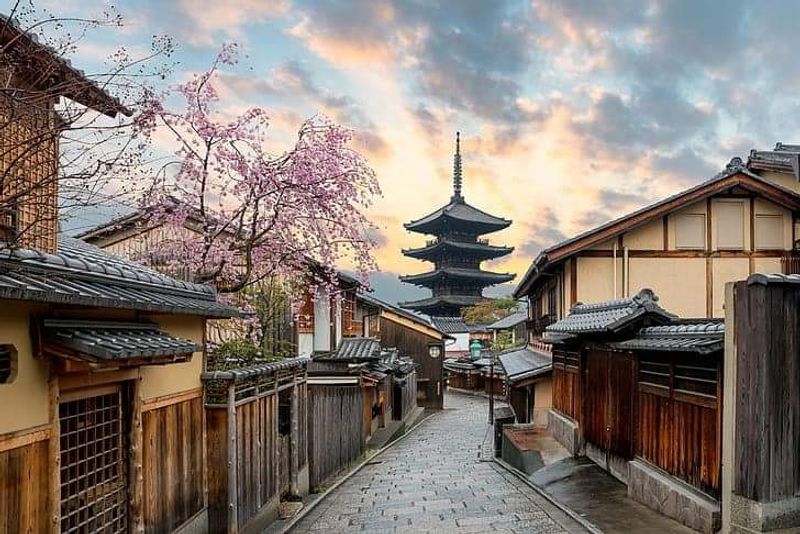
Japan holds its cultural heritage with remarkable care and intentionality. The government officially designates certain skilled artists and performers as “Living National Treasures,” providing them with support to keep ancient crafts and performing arts alive for future generations.
It is a formal recognition that some knowledge is too valuable to lose.
Tea ceremonies, Shinto shrine rituals, and classical theater forms like Noh and Kabuki have been practiced for centuries and remain active today. These are not museum pieces.
They are living traditions performed by real communities throughout the country.
Even in busy, high-tech cities like Tokyo, you can find people participating in seasonal festivals, wearing traditional clothing, and visiting ancient shrines. Japan shows that a country can be both cutting-edge modern and deeply rooted in its past.
That balance is part of what makes it so fascinating to explore.
3. India
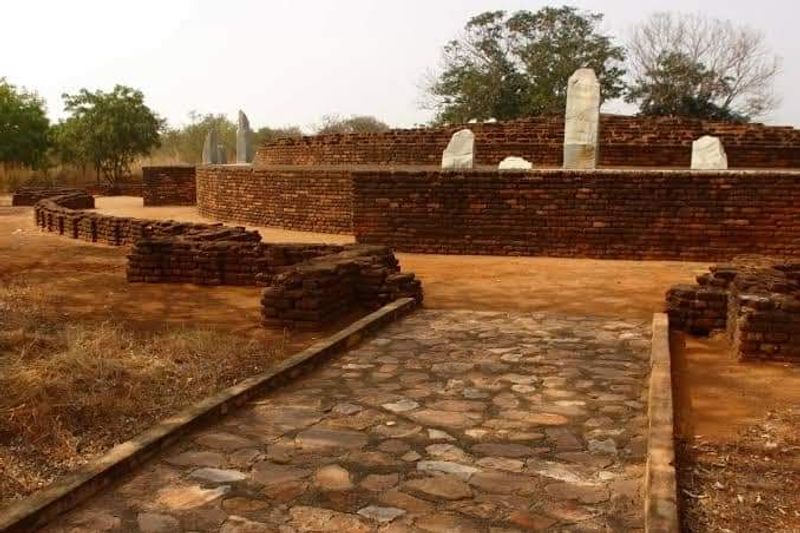
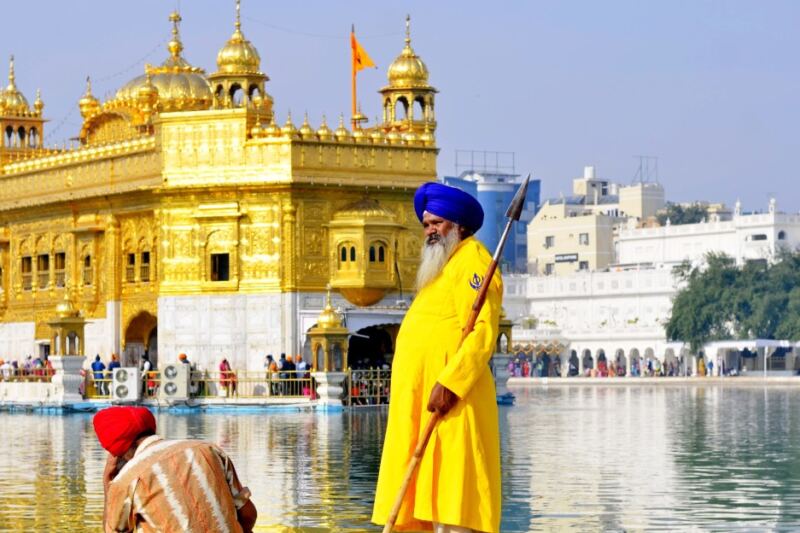
Few places on earth match India when it comes to the depth and variety of living traditions. With a history stretching back more than five thousand years, India is home to hundreds of languages, thousands of festivals, and countless art forms that are still practiced daily.
Religion, craft, and community life are deeply intertwined here.
Artisans across the country continue to produce handwoven textiles, intricate pottery, and hand-carved sculptures using methods passed down through family lines for generations. Ceremonies tied to birth, marriage, harvest, and death follow ancient scripts that have changed little over centuries.
Cities like Varanasi are considered among the oldest continuously inhabited places in the world. Pilgrims arrive daily to perform rituals along the Ganges River just as their ancestors did thousands of years ago.
India is a living library of human civilization, and its traditions remain very much alive.
4. Mongolia
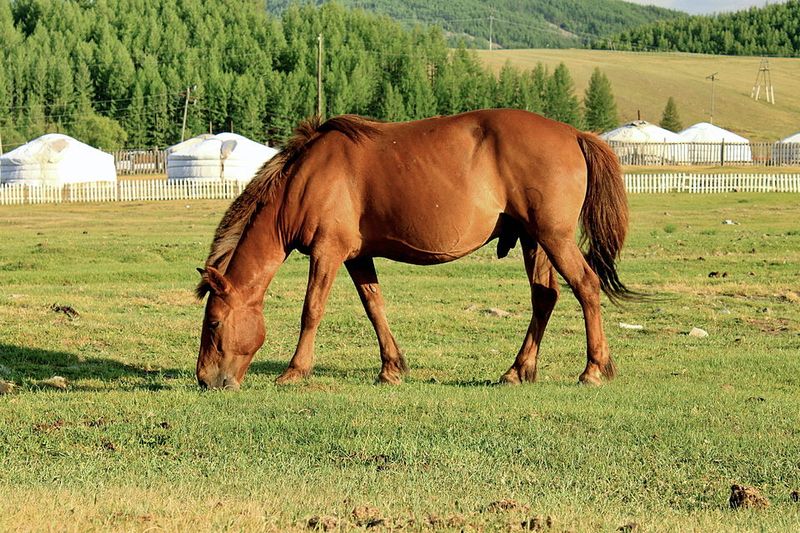
Imagine waking up each morning in a round felt tent on an open grassland, with horses waiting just outside the door. For many Mongolian families, that is not a fantasy but everyday reality.
Nomadic herding has been the backbone of Mongolian culture for thousands of years, and a significant portion of the population still lives this way.
The ger, a portable circular dwelling made of felt and wood, is perfectly designed for life on the move. Families pack them up and relocate with the seasons to find fresh grazing land for their animals.
This practice reflects a deep knowledge of the land and its rhythms.
Each summer, the Naadam Festival brings communities together to celebrate the “three games of men”: wrestling, horse racing, and archery. Women also compete in many events today.
Naadam is more than a sports event; it is a celebration of Mongolian identity at its most ancient and proud.
5. Peru
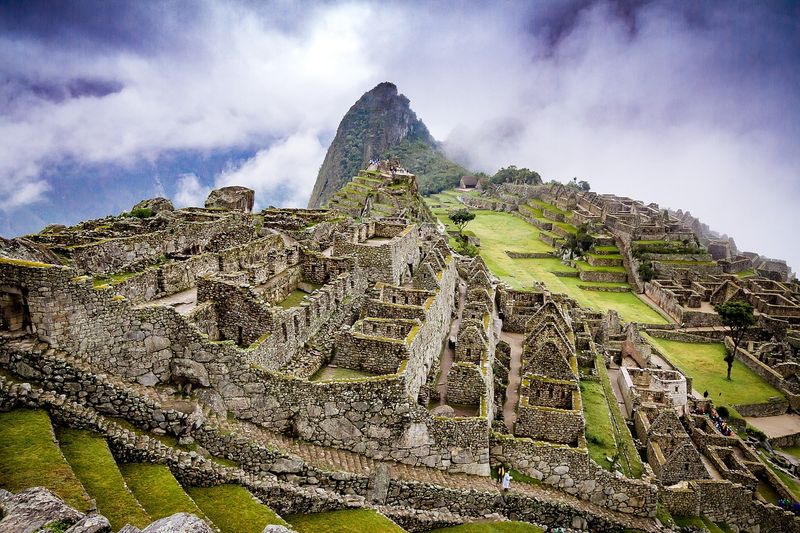
High in the Andes Mountains, Indigenous communities have kept Inca traditions alive for centuries despite centuries of outside pressure. Quechua and Aymara peoples continue to farm ancient terraced hillsides using agricultural techniques developed by the Inca Empire long before European contact.
These terraces are engineering marvels still producing food today.
Weaving is one of the most visible forms of cultural preservation in Peru. Women use backstrap looms to create textiles with complex patterns that carry meaning rooted in community identity and spiritual belief.
Each design can communicate a person’s village, status, and story without a single written word.
Ceremonies tied to Pachamama, or Mother Earth, mark the agricultural calendar with offerings, music, and communal gatherings. The city of Cusco, once the capital of the Inca Empire, still hosts these rituals regularly.
Peru’s Indigenous communities remind the world that ancient knowledge systems are not relics but living wisdom.
6. Mexico
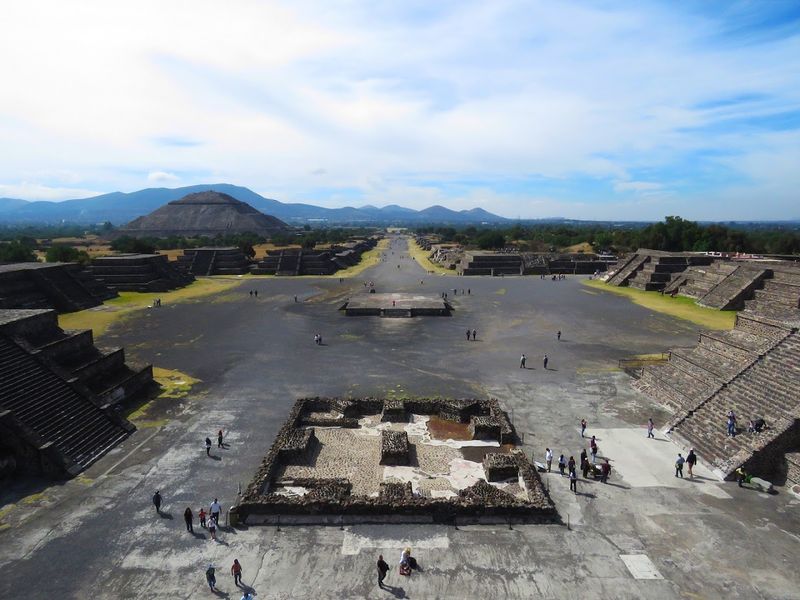
Mexico’s Indigenous heritage runs deep and wide. The Maya, Zapotec, Nahua, and dozens of other groups have maintained their languages, ceremonies, and agricultural traditions for thousands of years.
Today, millions of Mexicans still speak Indigenous languages as their first language at home.
Markets across states like Oaxaca and Chiapas overflow with handmade goods produced using pre-colonial techniques. Pottery, textiles, carved wood figures, and traditional medicines reflect knowledge systems that long predate Spanish arrival.
These crafts are not just for tourists; they are central to how communities sustain themselves and express identity.
Festivals like Dia de los Muertos blend Indigenous ancestor veneration with other influences to create something uniquely Mexican. UNESCO recognized it as part of the world’s intangible cultural heritage.
Mexico’s Indigenous peoples have fought hard to keep these traditions alive, and their persistence is something worth celebrating and studying carefully.
7. Papua New Guinea
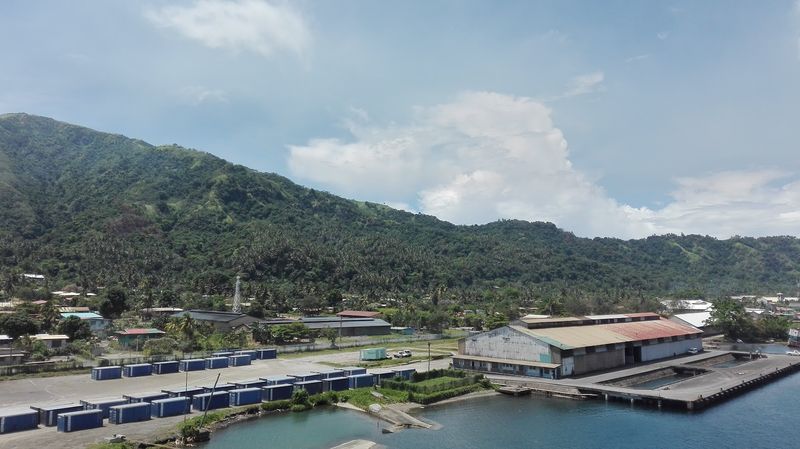
Papua New Guinea is one of the most culturally complex places on the planet. With over 800 distinct languages spoken across its islands and highlands, it holds more linguistic diversity than any other country in the world.
Each language group often comes with its own set of customs, rituals, and ways of organizing society.
Many communities, especially in remote regions, continue to live according to customary law and traditional governance structures. Initiation ceremonies, spiritual rituals, and communal farming practices remain central to everyday life.
Outside contact has been limited in some areas, allowing traditions to continue with little interruption.
The annual Goroka Show and Mount Hagen Cultural Show bring hundreds of tribal groups together to perform traditional songs and dances, giving outsiders a rare glimpse of this incredible diversity. Papua New Guinea’s cultural richness is a global treasure that deserves far more recognition and protection than it currently receives.
8. Ethiopia
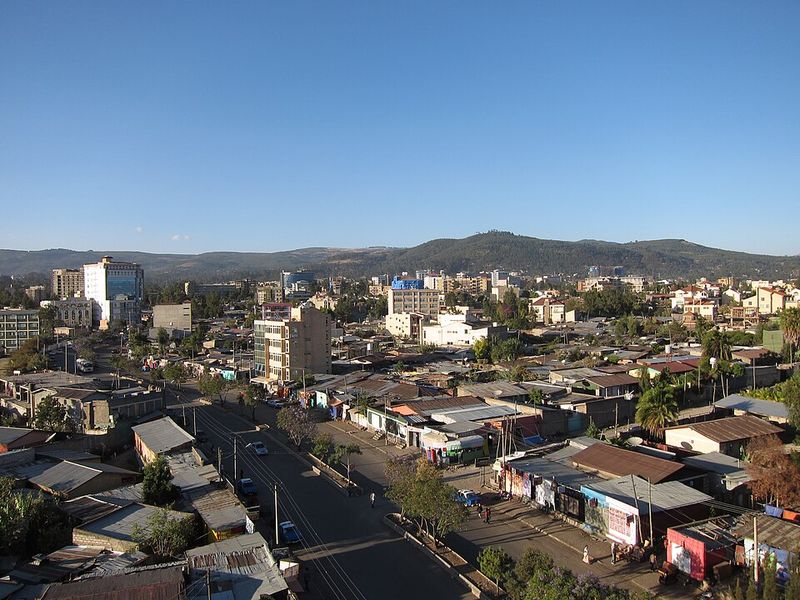
Ethiopia carries a cultural weight that few countries can match. Home to one of the world’s oldest Christian traditions, the Ethiopian Orthodox Church has maintained liturgical practices, sacred texts, and ceremonial customs for over 1,600 years.
The Timkat festival, celebrating the Epiphany, draws thousands of worshippers in colorful processions that look much as they did centuries ago.
Beyond Christianity, Ethiopia is also home to dozens of tribal communities in the Omo Valley who maintain distinct customs, body adornment practices, and social structures. Groups like the Mursi, Hamar, and Karo have lived according to ancestral traditions for generations with minimal outside interference.
The ancient city of Axum and the rock-hewn churches of Lalibela stand as proof of Ethiopia’s extraordinary past. These are not just tourist sites; they are active centers of faith and culture.
Ethiopia’s traditions feel both ancient and remarkably alive at the same time.
9. Nepal
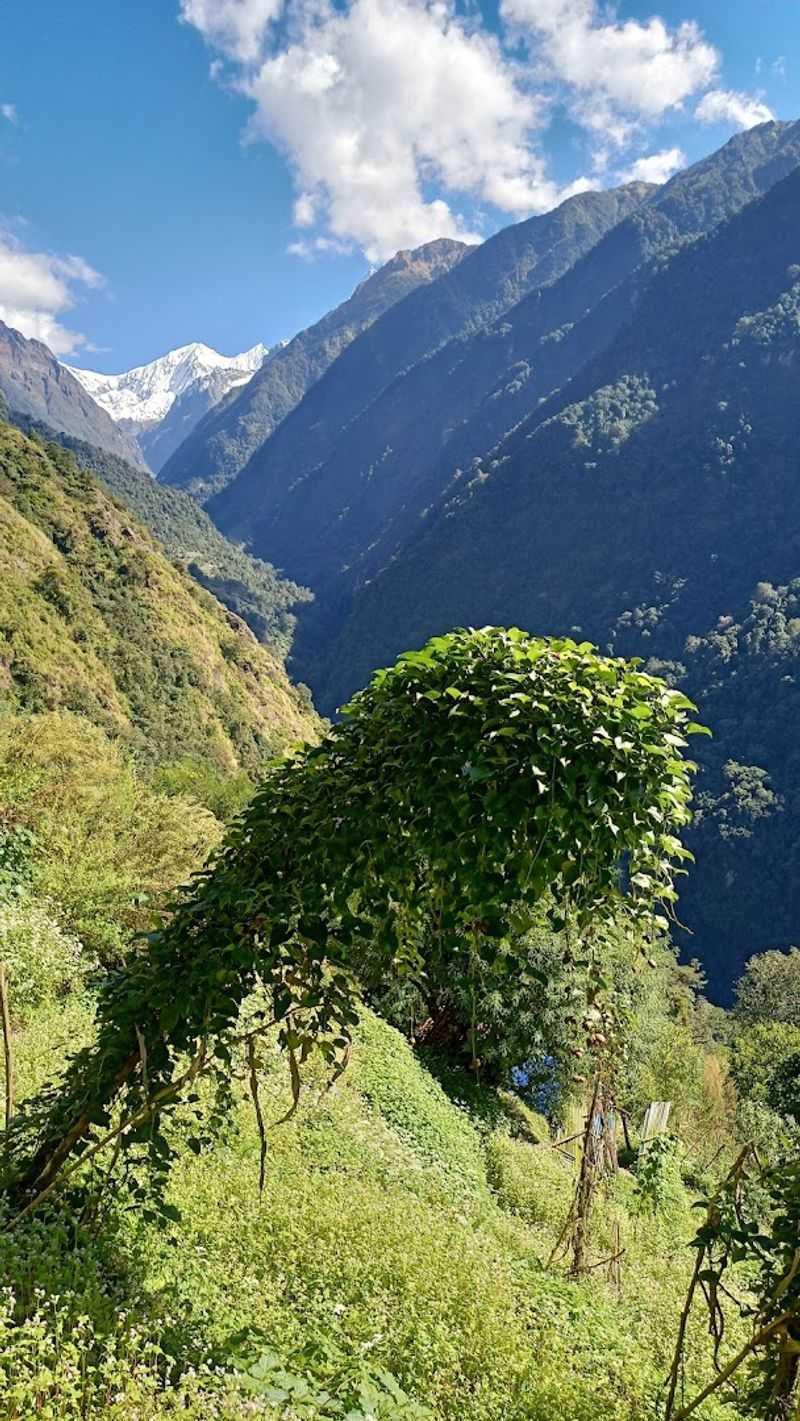
Sandwiched between India and Tibet, Nepal has absorbed and preserved some of the most layered spiritual traditions on earth. Hindu and Buddhist practices exist side by side here, sometimes overlapping in ways that feel natural and deeply rooted.
Sacred sites like Pashupatinath Temple and Boudhanath Stupa are active centers of daily worship, not just sightseeing stops.
Mountain villages that have been cut off from modern infrastructure for centuries continue to practice festivals, agricultural cycles, and community rituals with little change. Festivals like Dashain, Tihar, and Indra Jatra fill the calendar with color, music, and communal energy that connects generations.
The Sherpa people of the high Himalayas maintain Buddhist monasteries and spiritual traditions alongside their reputation as skilled mountaineers. Their culture is tied closely to the mountains they call sacred.
Nepal shows how geography itself can act as a protector of ancient ways, keeping outside pressures at a respectful distance.
10. Morocco
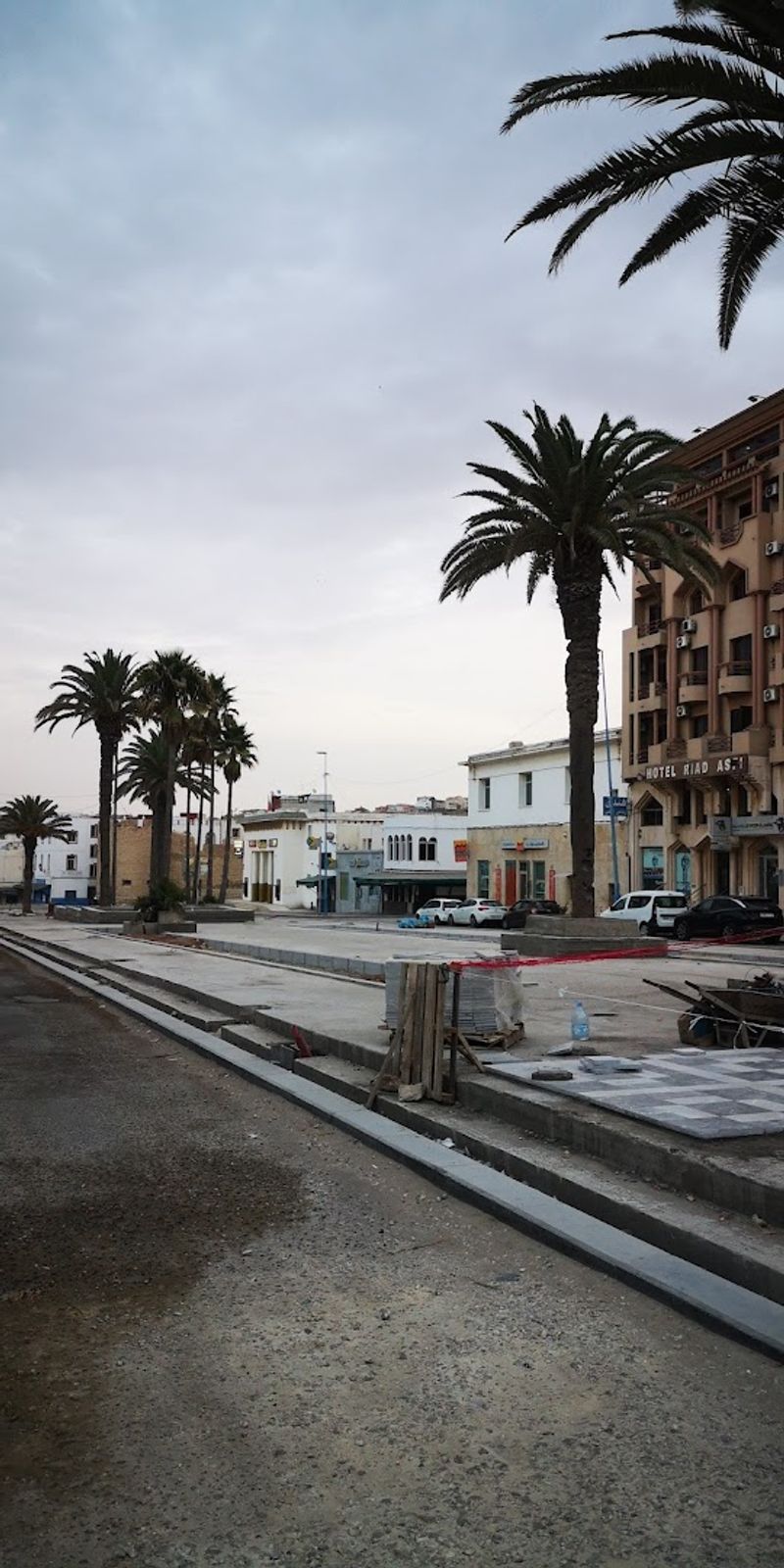
Long before Arabic became the dominant language of North Africa, the Amazigh people, also known as Berbers, called this land home. Today, millions of Amazigh people across Morocco continue to speak Tamazight and related languages, practice traditional music, and maintain village customs that stretch back thousands of years.
Their presence is a reminder of how deep Morocco’s roots truly run.
Amazigh architecture, recognizable by its earthen kasbahs and fortified villages, still dots the Atlas Mountains and southern desert regions. Craftswomen produce hand-knotted rugs with geometric patterns that carry generational meaning.
Traditional herbalists, called attars, still operate in ancient medina markets using plant knowledge passed down orally through families.
Morocco officially recognized Tamazight as a national language in 2011, a significant step toward formal protection of Amazigh culture. Music festivals celebrating Amazigh heritage now draw large crowds.
The culture is not fading quietly; it is asserting itself with pride and increasing visibility.
11. Indonesia
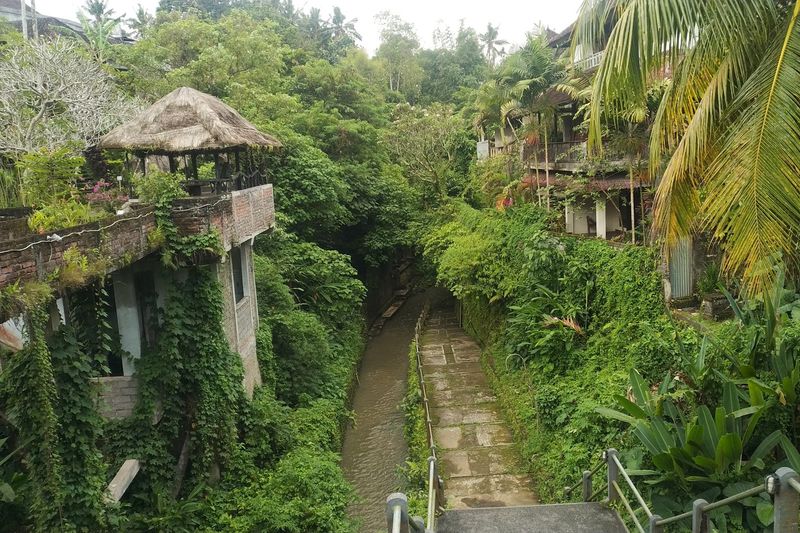
Indonesia is an archipelago of over 17,000 islands, and across many of them, ancient religious and customary traditions remain powerfully intact. Bali is perhaps the most well-known example, where Hinduism has blended with local spiritual beliefs to create a unique ceremonial culture that permeates daily life.
Offerings are placed at doorways, temples, and roadsides every single morning.
On the island of Sumba, the Marapu religion guides everything from burial practices to horse-riding ceremonies called Pasola, where ritual jousting is performed to honor ancestors and ensure good harvests. In parts of Papua, Indigenous communities maintain traditional land rights and governance systems under customary law known as adat.
The Indonesian government has made efforts to formally recognize adat communities and their rights, though challenges remain. What makes Indonesia remarkable is not just that these traditions exist, but that they continue to evolve while remaining deeply connected to their original spiritual and communal foundations.
12. Iran
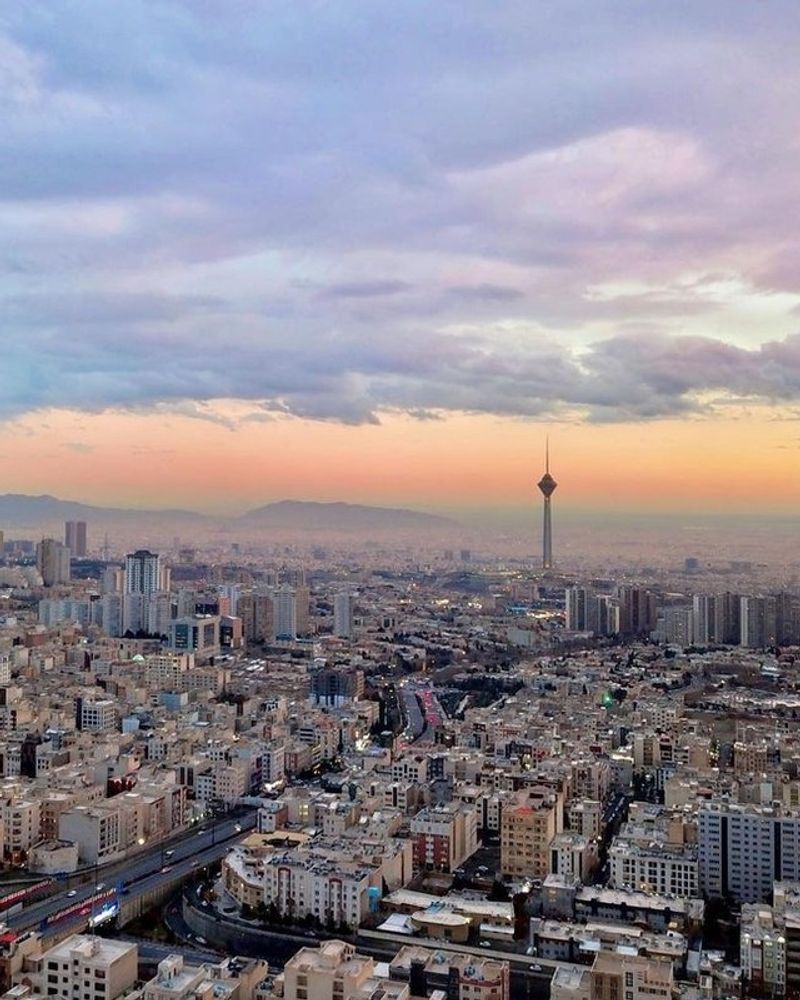
Nowruz, the Persian New Year celebrated on the spring equinox, is one of the oldest holidays in human history, with roots going back at least 3,000 years. Millions of people across Iran and the wider Persian-speaking world mark it with a Haft-Seen table, family gatherings, and days of festivity.
It is a tradition that has outlasted empires and political upheavals alike.
Iran’s cultural identity is shaped by a rich tapestry of Persian poetry, music, carpet weaving, miniature painting, and architecture that spans millennia. The works of poets like Hafez and Rumi are still memorized and recited at family dinners.
Ancient crafts like enamel work and tile making continue in workshops that have operated for generations.
Zoroastrian communities in Iran maintain fire temples and seasonal ceremonies that predate Islam by thousands of years. Their presence connects modern Iran to one of the world’s earliest monotheistic traditions.
Iran’s cultural depth is genuinely extraordinary and worth knowing.
13. Bolivia
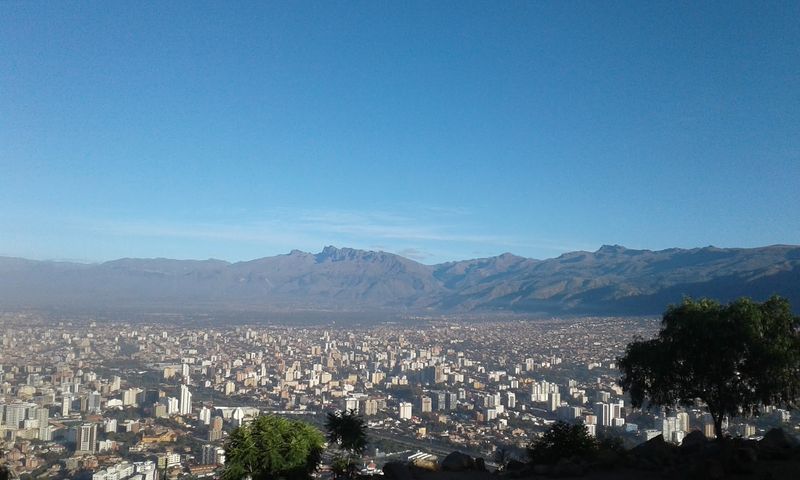
Bolivia has one of the highest proportions of Indigenous population in South America, and that fact shapes the country’s culture in visible, meaningful ways. Aymara and Quechua traditions influence everything from the food people eat to how local governments make decisions.
The concept of “Buen Vivir,” or living well in harmony with nature and community, is rooted in Indigenous philosophy and is now part of the Bolivian constitution.
The Aymara New Year, celebrated at the winter solstice in June, draws thousands to ancient ceremonial sites like Tiwanaku. Priests called amautas perform rituals welcoming the new sun cycle with offerings, music, and prayer.
Textile traditions carry deep cultural coding, with patterns identifying a weaver’s community and ancestry.
Markets across Bolivia sell traditional medicines, ritual items, and handmade goods that reflect centuries of knowledge. Bolivia’s Indigenous communities are not passive holders of tradition; they are active, vocal participants in shaping their country’s future while honoring their past.
14. New Zealand
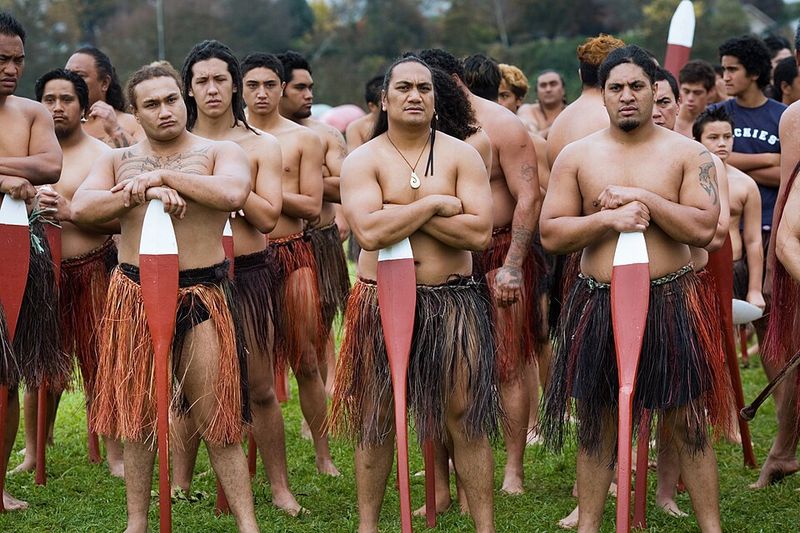
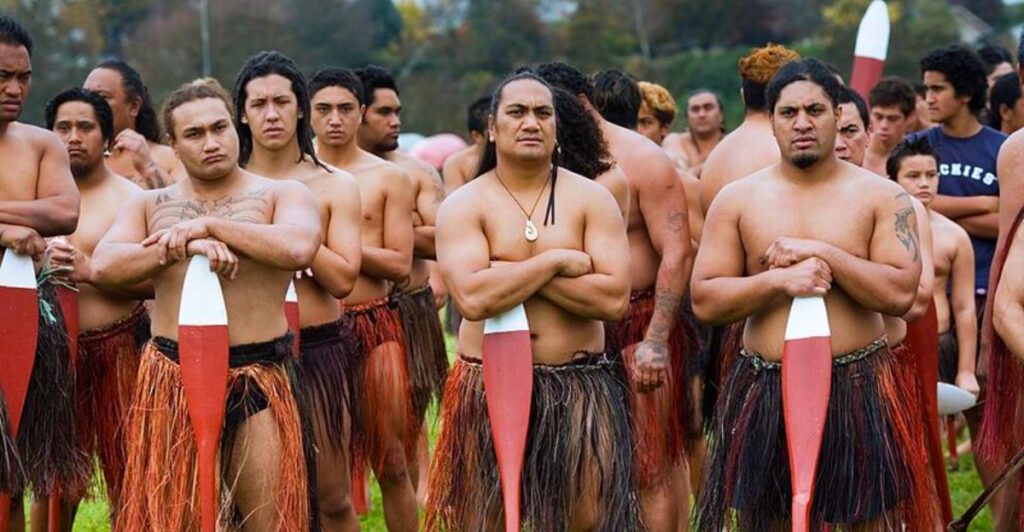
The haka is probably the most recognized Indigenous cultural expression in the world, but it is just one thread in a much richer tapestry. Maori culture in New Zealand encompasses language, carving, weaving, navigation, oral history, and a complex set of protocols governing how people relate to one another and to the land.
It is a full and living civilization.
New Zealand has made significant legal and institutional commitments to protecting Maori culture. Te reo Maori, the Maori language, is an official national language, and it is taught in schools across the country.
Maori Television broadcasts entirely in the language, keeping it vibrant for younger generations.
The Treaty of Waitangi, signed in 1840 between Maori chiefs and the British Crown, continues to shape New Zealand law and policy today. Ongoing conversations about land rights and cultural recognition reflect a nation actively working to honor its Indigenous heritage.
New Zealand’s approach is widely studied as a model worth learning from.
15. Finland
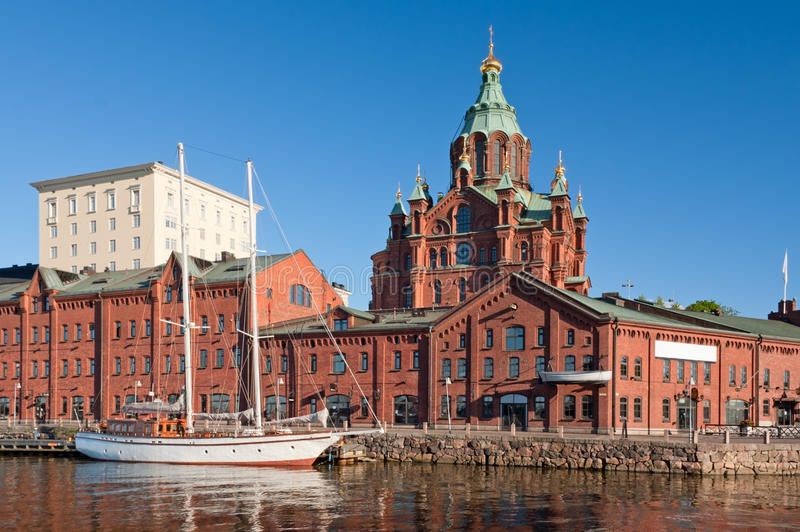
At the top of Europe, where winters are long and the aurora dances overhead, the Sami people have lived for thousands of years. As the Indigenous people of northern Scandinavia, the Sami of Finland maintain traditions of reindeer herding, traditional clothing called gakti, and a musical tradition known as joik, which is one of the oldest musical forms in Europe.
Each joik is a personal song created for a specific person, animal, or place.
Finland has granted the Sami legal protections through the Sami Parliament, which gives the community a formal voice in decisions affecting their lands and culture. Sami languages are recognized as official regional languages, and efforts to revitalize them among younger speakers are ongoing.
Traditional Sami handicrafts, known as duodji, are made from natural materials like reindeer hide, bone, and wool. These objects are both practical and culturally significant.
Finland’s commitment to protecting Sami heritage shows that small Indigenous communities can thrive when governments take their responsibilities seriously.
Share this story