Some of the world’s most stunning cities are quietly racing against time. Rising seas, sinking land, armed conflict, and waves of tourists are reshaping places that took centuries to build.
These cities are not just pretty postcards — they are living, breathing communities with real people and irreplaceable history on the line. Understanding what threatens them is the first step toward caring enough to help protect them.
Venice, Italy
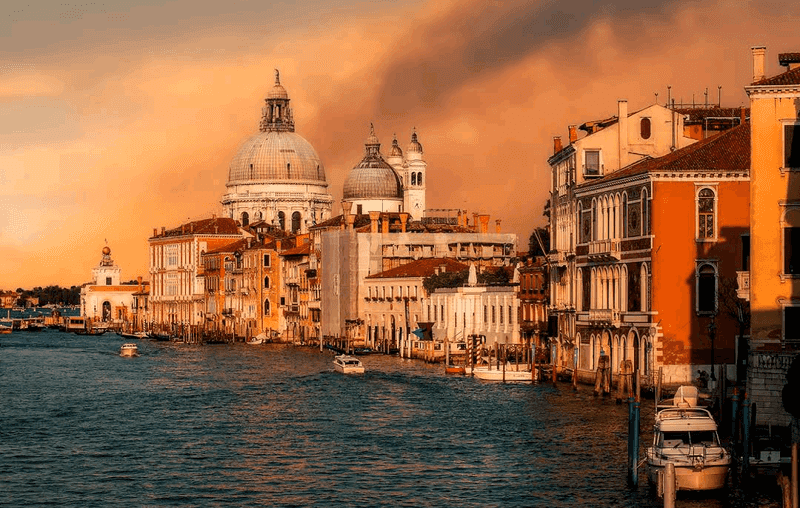
Water has always been Venice’s greatest charm and its biggest problem. Built across 118 small islands in a lagoon, this Italian city has been slowly sinking for centuries while the sea around it keeps rising.
The combination is a recipe for serious trouble.
Flooding events called “acqua alta” have become more frequent and more damaging. In 2019, floodwaters reached nearly 6 feet above sea level, one of the worst floods in recorded history.
Treasured churches, marble floors, and ancient buildings soaked up saltwater damage that takes years and millions of dollars to repair.
Italy’s MOSE project, a massive system of underwater flood barriers, began operating in 2020 and has shown promising results. However, experts warn that even MOSE cannot fully protect Venice if sea levels rise significantly higher in coming decades.
Meanwhile, overtourism brings around 30 million visitors annually to a city of just 250,000 residents. Many locals have moved to the mainland, leaving behind a city that sometimes feels more like a theme park than a real community.
Saving Venice means balancing smart engineering with genuine respect for the people still calling it home.
Jakarta, Indonesia
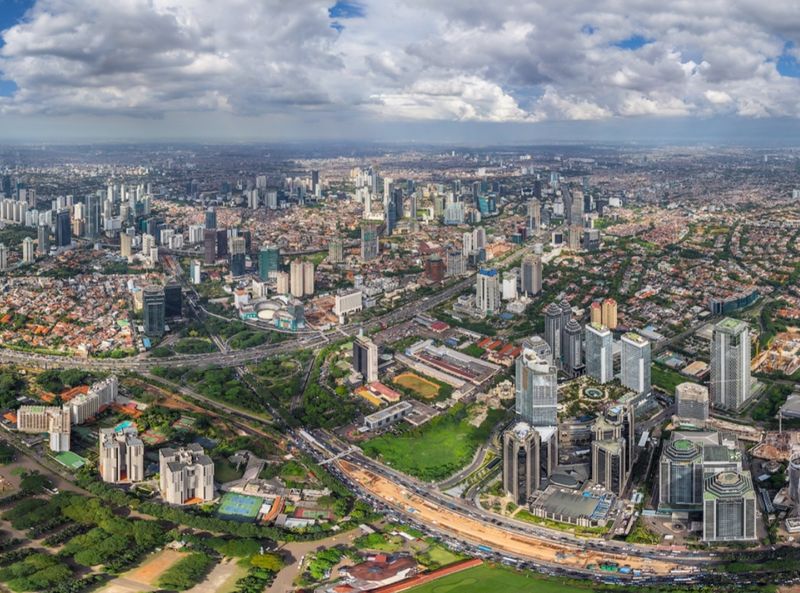
Jakarta holds a record nobody wanted: it is one of the fastest-sinking major cities on Earth. Parts of the city are dropping by up to 25 centimeters every single year, mostly because millions of residents and businesses pump groundwater from underground, causing the ground above to collapse inward.
At the same time, rising sea levels are creeping closer. Around 40 percent of Jakarta already sits below sea level, protected only by a network of aging seawalls and flood channels.
Heavy rains regularly overwhelm these defenses, sending floodwaters through neighborhoods and displacing hundreds of thousands of people.
The situation became serious enough that Indonesia made a historic decision: move the entire national capital to a brand-new city called Nusantara on the island of Borneo. Construction began in 2022, though Jakarta itself remains home to roughly 10 million people who still need protection and investment.
The city has been building a giant sea wall nicknamed the “Great Garuda” for years, though funding and planning challenges have slowed progress. Jakarta’s story is a loud warning about what happens when rapid urban growth outpaces thoughtful planning, and millions of everyday lives hang in the balance.
Miami, Florida, USA
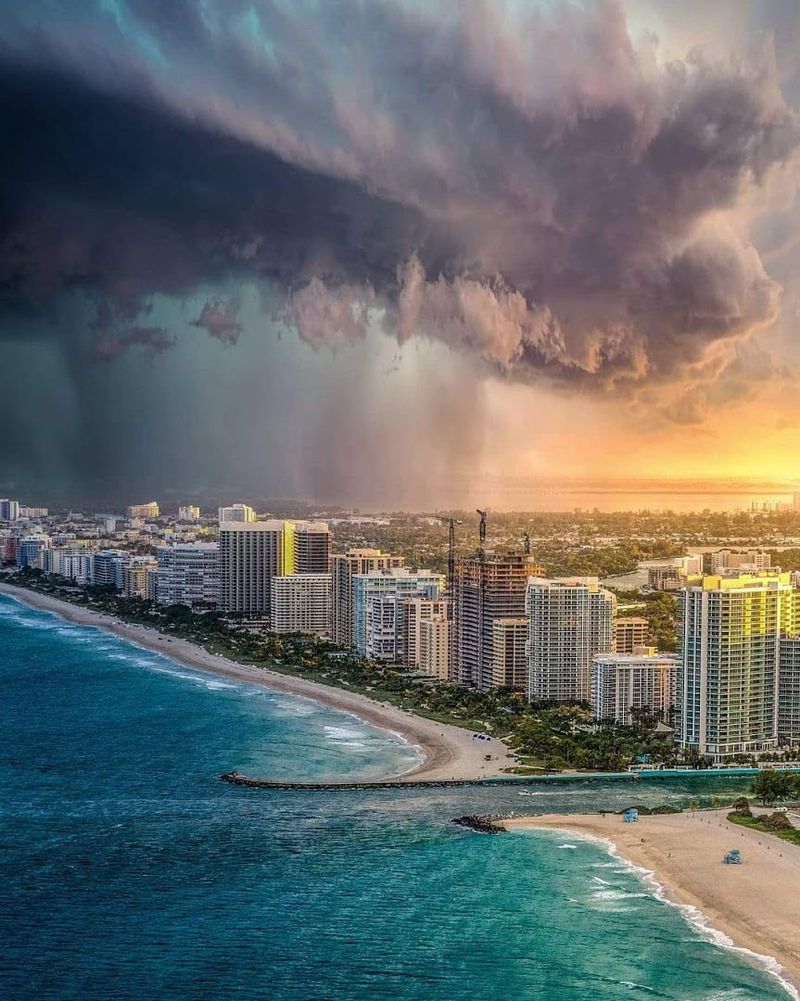
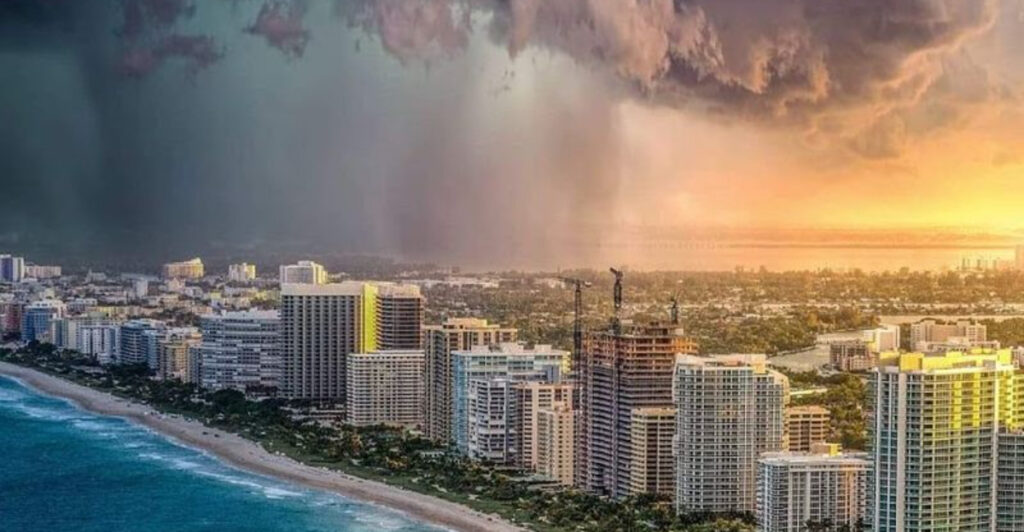
Sunny-day flooding sounds like a contradiction, but Miami residents know it all too well. On perfectly clear days with no rain in sight, seawater bubbles up through storm drains and covers streets in low-lying neighborhoods.
Scientists call it “sunny-day flooding” or “nuisance flooding,” and it is happening more often every year.
Miami sits on porous limestone bedrock, which means water can seep upward from below rather than just washing in from the sides. Traditional flood walls and levees are far less effective here because the water simply moves underground.
This geological reality makes Miami one of the most uniquely challenging cities in the world when it comes to climate adaptation.
The city has responded with billions of dollars in infrastructure upgrades, including powerful pumps, elevated roads, and raised building codes that require new construction to sit higher off the ground. Miami-Dade County launched a Sea Level Rise Strategy that outlines adaptation plans through the year 2100.
Still, some scientists believe that certain low-lying neighborhoods may eventually become unlivable regardless of how much money is spent. Miami’s famous beaches, vibrant nightlife, and Art Deco architecture attract millions of visitors who may not realize the city is quietly fighting one of the most complex climate battles in America.
Bangkok, Thailand
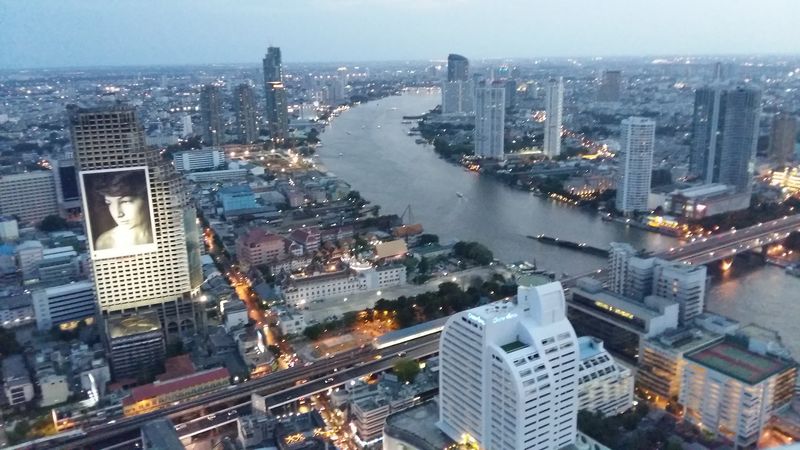
Bangkok is a city of jaw-dropping contrasts: gleaming temples beside glass skyscrapers, tuk-tuks weaving past luxury hotels, and increasingly, flooded streets beneath sunny skies. The Thai capital was built on a soft river delta, and that soft ground has been slowly compressing under the weight of millions of people and thousands of buildings for decades.
Land subsidence in Bangkok has lowered parts of the city by more than a meter since the mid-20th century. Combined with rising sea levels in the Gulf of Thailand, this creates a growing flood risk that engineers and city planners are scrambling to address.
The catastrophic 2011 floods, which submerged huge areas of the city for weeks, offered a terrifying preview of what could happen more regularly in the future.
Bangkok’s government has invested in expanded flood canals, retention ponds, and upgraded pumping stations. Authorities are also working to reduce groundwater extraction, which is a leading cause of the sinking.
The city of around 10 million people is not giving up without a serious fight. Still, researchers from institutions including the Asian Development Bank have flagged Bangkok as one of Asia’s most climate-vulnerable capitals, estimating that without major intervention, large sections could face regular inundation within decades.
Amsterdam, Netherlands
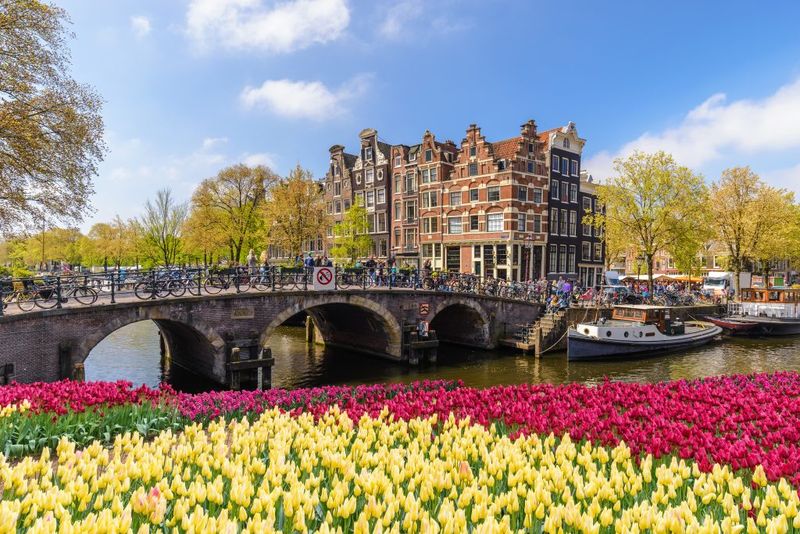
About two-thirds of the Netherlands would be underwater without human intervention. Amsterdam, the country’s famous capital, sits mostly below sea level and has been held back from the sea for centuries by an extraordinary system of dikes, pumps, and water management infrastructure.
The Dutch have essentially turned engineering into a national art form.
The country’s Delta Works, completed in the 1990s, is considered one of the seven wonders of the modern world. Amsterdam benefits from this massive system, along with hundreds of kilometers of local dikes and constant maintenance.
But keeping a city dry when the ocean is literally higher than your streets requires relentless effort and enormous expense.
Climate change is raising the stakes considerably. Sea levels in the North Sea are expected to rise faster in coming decades, and stronger storms could put unprecedented pressure on flood defenses.
Dutch engineers are already designing next-generation barriers and experimenting with floating neighborhoods that rise with floodwaters rather than fighting them. Amsterdam’s residents cycle to work, live in houseboats, and go about daily life with remarkable calm, largely because their ancestors built a culture of water management into the national DNA.
Complacency, however, is something Dutch water authorities simply cannot afford.
Alexandria, Egypt
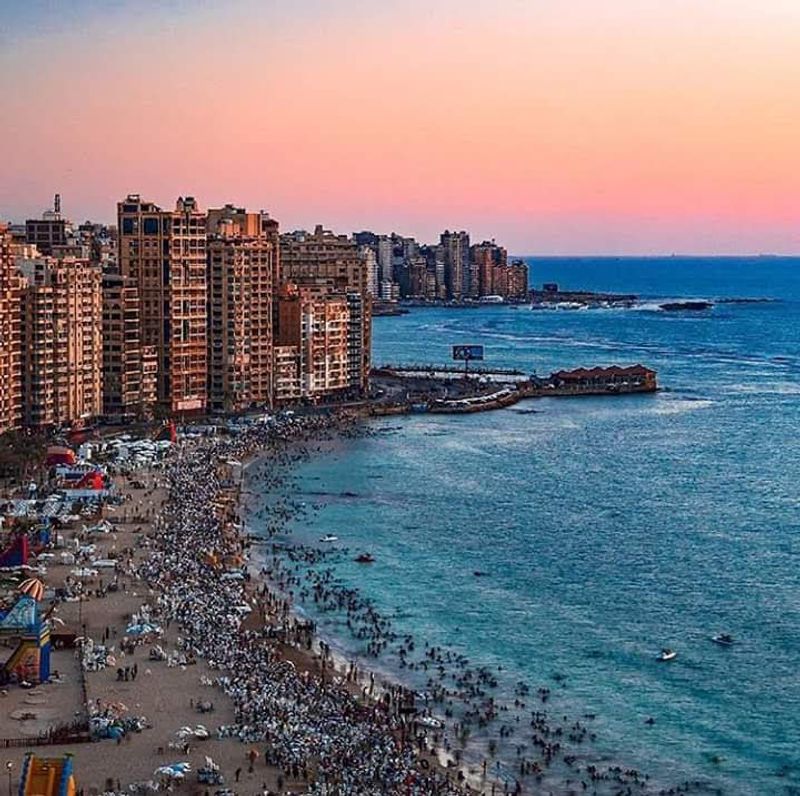
Alexander the Great founded this Mediterranean city in 331 BC, and for centuries it was one of the most important ports and intellectual centers in the ancient world. The legendary Library of Alexandria once held knowledge from across the known world.
Today, a different kind of threat looms over the city’s waterfront.
Alexandria sits just a meter or two above sea level in many areas, and the Nile Delta on which it rests is slowly sinking. Reduced sediment flowing through the Nile, caused partly by the Aswan High Dam upstream, means the delta is no longer rebuilding itself naturally.
Coastal erosion is eating away at beaches and shorelines, while saltwater is intruding into freshwater supplies that millions of people depend on.
Storm surges already flood parts of the city during Mediterranean storms, damaging homes and historic structures along the famous Corniche waterfront. Some estimates suggest that without major protective measures, significant portions of Alexandria could be inundated by the end of this century.
Egypt has begun investing in coastal protection works, but the scale of the challenge is enormous for a country with many competing infrastructure needs. Alexandria’s 5 million residents deserve a future as rich as the city’s legendary past.
Dubrovnik, Croatia
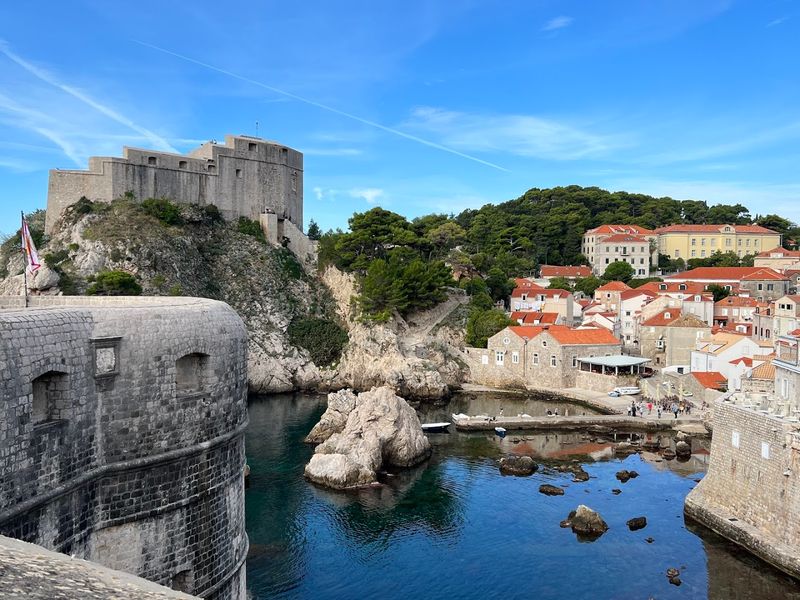
Game of Thrones fans will recognize Dubrovnik’s ancient limestone walls and terracotta rooftops instantly, since the city famously doubled as King’s Landing. That cultural spotlight brought a tourism explosion that has turned this medieval gem into one of Europe’s most overcrowded destinations, and local residents are not amused.
Before the pandemic, Dubrovnik was receiving around 1.5 million visitors per year into an Old Town that measures barely two square kilometers. The narrow marble streets, polished smooth by millions of footsteps, were sometimes so packed that residents could not reach their own front doors.
Locals found their rents skyrocketing as landlords converted apartments into short-term vacation rentals, pushing longtime residents out of the historic center entirely.
City authorities have responded with visitor caps, cruise ship restrictions, and timed entry systems. The number of cruise passengers allowed ashore at one time has been limited, and some streets have designated one-way pedestrian flows during peak season.
These measures have helped, but enforcement remains inconsistent and tourism pressure continues. Climate change adds another layer of concern, as rising sea temperatures threaten the Adriatic’s marine ecosystems and more intense storms could damage the city’s ancient infrastructure.
Dubrovnik’s magic is real, but sustaining it requires far more than just limiting selfie sticks on the city walls.
Florence, Italy
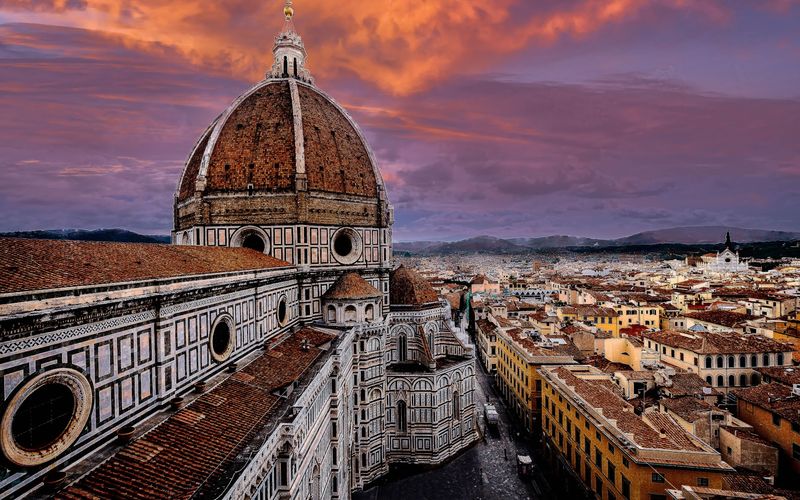
Standing inside the Florence Cathedral, looking up at Brunelleschi’s breathtaking dome, it is easy to forget that the city around you is under enormous pressure. Florence is arguably the greatest surviving showcase of Renaissance art and architecture on Earth, and that distinction comes with a very modern problem: too many people want to see it all at once.
Around 16 million tourists visit Florence each year, funneling through a historic center that covers just a few square kilometers. The surge of short-term rental platforms like Airbnb has dramatically reduced the number of apartments available to ordinary residents, pushing families out of neighborhoods their ancestors lived in for generations.
The historic center’s permanent population has dropped by more than half since the 1970s.
City officials have introduced limits on new short-term rental licenses and experimented with tourist taxes to fund preservation. The 1966 Arno River flood, which devastated thousands of artworks, remains a cautionary tale about the city’s vulnerability to natural disaster as well.
Climate scientists warn that heavier rainfall events could produce similar flooding in the future. Florence’s challenge is not just keeping its frescoes intact but keeping a living, breathing community inside those ancient walls rather than turning the city into an open-air museum with no actual residents left inside.
New Orleans, Louisiana, USA
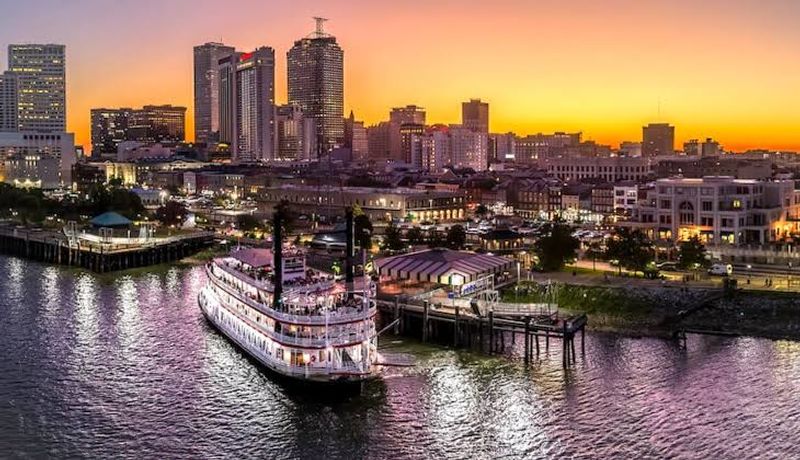
New Orleans has cheated disaster more times than most cities could count. Hurricanes, floods, fires, and epidemics have all taken their shots at this Louisiana city, and somehow the jazz keeps playing and the beignets keep frying.
But Hurricane Katrina in 2005 was a wound that took years to heal and left permanent scars on the city’s landscape and population.
The city sits in a bowl-shaped depression, with most of it below sea level, surrounded by the Mississippi River, Lake Pontchartrain, and the Gulf of Mexico. An extensive system of levees and pumping stations keeps it dry on most days.
Since Katrina exposed the weaknesses in that system, the federal government has invested over 14 billion dollars in upgraded flood protection infrastructure.
Yet the risks have not disappeared. Coastal Louisiana is losing land at a startling rate, with an area roughly the size of a football field disappearing into the Gulf every 100 minutes.
That vanishing wetland buffer once helped weaken storms before they reached the city. Climate change is also intensifying hurricane seasons, bringing stronger winds and heavier rainfall.
New Orleans residents have shown extraordinary resilience, but resilience alone cannot substitute for the hard engineering and environmental restoration work the city still desperately needs to secure its future.
Aleppo, Syria
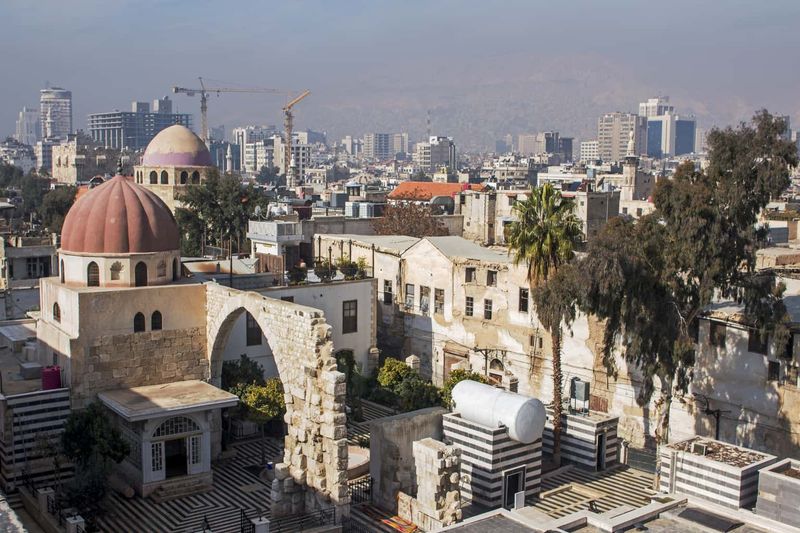
Humans have lived continuously in Aleppo for at least 8,000 years, making it one of the oldest inhabited cities on the planet. That extraordinary history survived empires, invasions, earthquakes, and centuries of change, until Syria’s devastating civil war beginning in 2011 brought destruction on a scale the ancient city had rarely seen.
Years of intense urban combat reduced entire neighborhoods to rubble, including parts of the UNESCO-listed Ancient City of Aleppo. The iconic covered souks, medieval mosques, and Crusader-era citadel all suffered serious damage.
Thousands of residents fled, and the city’s population dropped dramatically from its pre-war level of around 2.5 million people.
Restoration work has begun in earnest, with international organizations including UNESCO providing technical support and funding. Craftsmen and archaeologists are painstakingly rebuilding damaged structures using traditional materials and techniques wherever possible.
The Great Mosque of Aleppo’s minaret, destroyed in 2013, is among the sites being carefully reconstructed. Recovery is slow and complicated by ongoing political instability, economic sanctions, and the sheer scale of the damage.
Aleppo’s story is a sobering reminder that human conflict can undo in years what generations spent centuries building. The world’s oldest cities deserve better than to become casualties of modern warfare.
Havana, Cuba
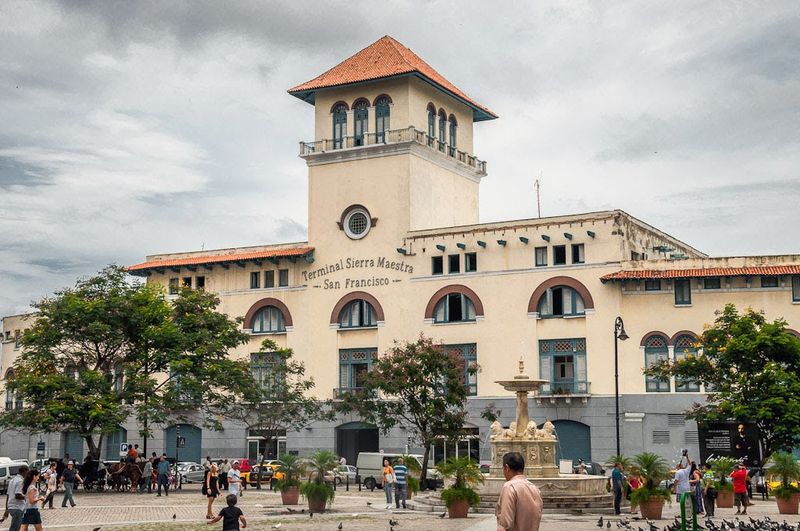
Havana is the kind of city that stops you in your tracks. Faded pastel buildings, vintage American cars, and a sweeping seafront promenade called the Malecon create a scene unlike anywhere else on Earth.
But behind that cinematic beauty, the city is quietly falling apart, and rising seas are making things considerably worse.
Decades of limited investment have left thousands of Havana’s colonial buildings in serious disrepair, with entire facades occasionally collapsing into the street. The Cuban government has worked to restore parts of Old Havana, a UNESCO World Heritage Site, but the scale of what needs fixing far exceeds available resources.
Meanwhile, the Malecon seawall is regularly overwhelmed by storm surges, sending saltwater flooding into ground-floor homes and businesses.
Hurricane seasons are becoming more intense in the Caribbean, and Havana’s low-lying coastal neighborhoods face growing inundation risks. The city sits on a shallow limestone shelf, similar to Miami, which allows water to infiltrate from below as well as above.
Economic constraints severely limit Cuba’s ability to fund large-scale adaptation projects or modern flood defenses. International preservation organizations have stepped in to help restore specific landmarks, but a comprehensive solution requires sustained investment that has been difficult to secure.
Havana’s soul is extraordinary, and losing it to neglect and rising seas would be a genuine tragedy.
Shanghai, China
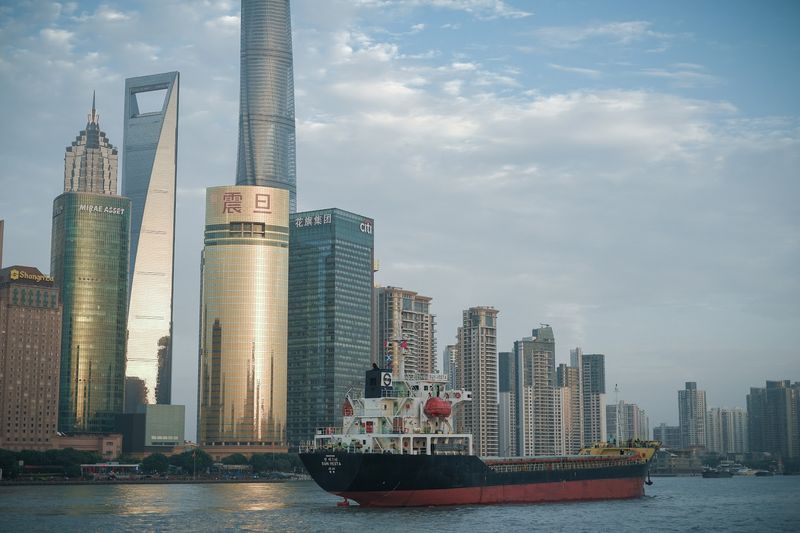
Shanghai’s skyline is one of the most dramatic on Earth, a glittering forest of futuristic towers rising from the flat Yangtze River Delta. But that spectacular setting comes with a hidden vulnerability: the entire city sits on soft, low-lying ground that has been sinking steadily for over a century under the weight of its 24 million residents and thousands of skyscrapers.
Land subsidence in Shanghai has lowered parts of the city by up to 3 meters since systematic measurements began in the early 20th century. Authorities managed to slow the sinking dramatically by restricting groundwater extraction from the 1960s onward, which is a genuine engineering and policy success story.
However, rising sea levels in the East China Sea are now adding pressure that no pump can simply turn off.
Shanghai invests heavily in flood defenses, including reinforced seawalls and a network of tidal gates along the Huangpu River. The city has also developed detailed climate adaptation plans that extend decades into the future.
Still, researchers estimate that a significant sea-level rise scenario combined with a major storm surge could put enormous areas of the city at risk of flooding. Shanghai is wealthy enough to fight back hard, but the battle will require constant vigilance and increasingly creative engineering solutions as the century progresses.
Kotor, Montenegro
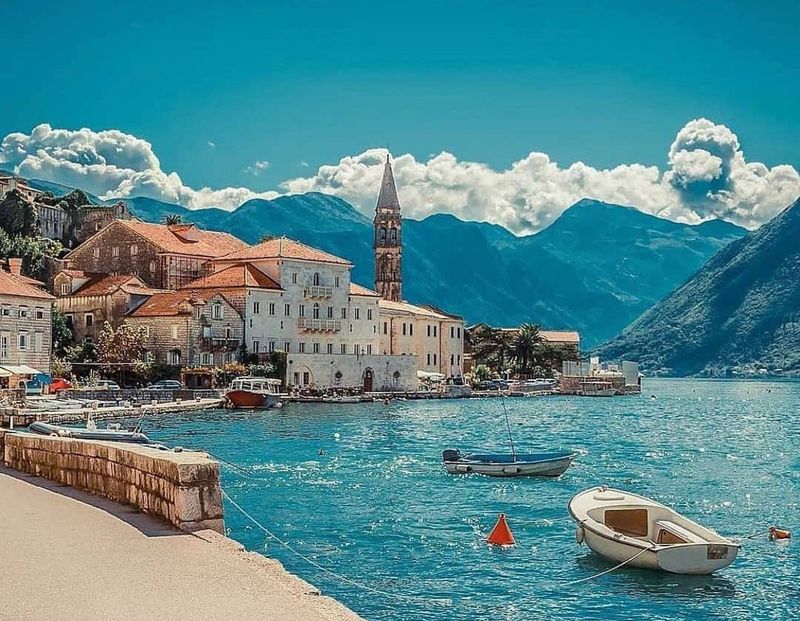
Tucked between soaring limestone mountains and the impossibly blue Bay of Kotor, this tiny medieval city looks like it was lifted straight from a fantasy novel. Kotor’s ancient walls, Romanesque churches, and cat-filled cobblestone lanes have earned it UNESCO World Heritage status and a rapidly growing fan club of international tourists.
The problem is that Kotor’s Old Town covers an area of just about 4 hectares, roughly the size of eight football fields. When cruise ships dock in the bay and disgorge thousands of passengers at once, those medieval streets simply cannot handle the pressure.
Residents have complained about the noise, the erosion of daily life, and the transformation of neighborhood shops into souvenir stalls catering exclusively to visitors.
Montenegro’s government has introduced some visitor management measures, but enforcement and long-term planning remain works in progress. Climate change adds physical risks as well, since the bay’s geography makes it susceptible to flooding from extreme rainfall events funneled down the surrounding mountains.
Rising sea temperatures also threaten the Adriatic’s marine biodiversity, which is part of what makes the region so visually spectacular. Kotor deserves to be discovered, but discovery at this scale risks dismantling the very authenticity that makes the city worth visiting in the first place.
Share this story