Greece is famous for islands like Santorini and Mykonos, but solo travelers often find the greatest rewards in quieter destinations. From car-free islands and sleepy fishing villages to mountain retreats and hidden beaches, these peaceful escapes offer the freedom to explore at your own pace.
Whether you crave solitude, scenic hikes, or simply a good book by the sea, Greece has a quieter side that feels like a secret worth keeping.
Hydra, Greece
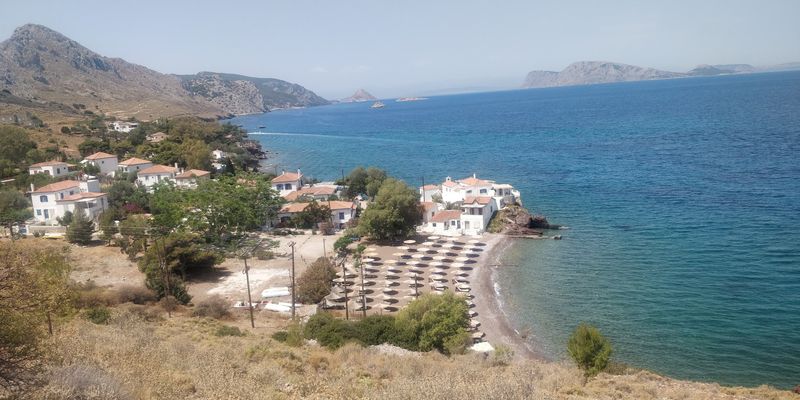
No cars, no motorcycles, no traffic noise. Hydra greets you with the clip-clop of donkey hooves and the gentle lapping of the Aegean Sea.
That alone makes it feel like a place unstuck from time.
Just a short ferry ride from Athens, Hydra is surprisingly easy to reach for such a peaceful destination. The harbor is lined with elegant stone mansions, art galleries, and seaside cafes where you can sit for hours without anyone rushing you.
Solo travelers fit right in here because the whole island moves at a pace that feels intentional.
Walking is the main way to get around, which means every stroll leads to unexpected discoveries. Hidden courtyards, tiny churches, and coastal paths reward those who wander without a plan.
Pack light, wear comfortable shoes, and let Hydra do the rest. Artists have been drawn to this island for decades, and once you arrive, the reason becomes obvious.
Amorgos, Greece
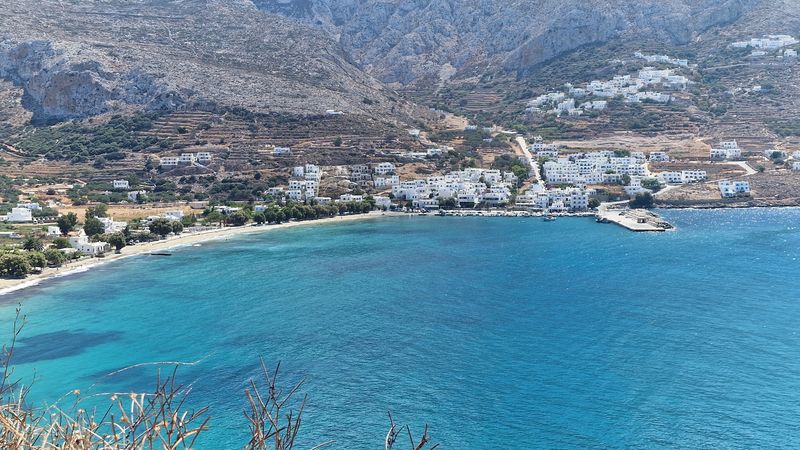
Clinging to a sheer white cliff face 300 meters above the sea, the Monastery of Hozoviotissa looks like something from a fantasy novel. Amorgos has that effect on people.
Everything here feels slightly surreal in the best possible way.
Made famous by the 1988 film The Big Blue, this Cycladic island attracts travelers who want more than a beach chair. Crystal-clear water, rugged hiking trails, and dramatically beautiful landscapes keep solo adventurers busy from sunrise to sunset.
The island’s three main villages each have their own personality, so exploring them feels like visiting three different places.
Amorgos also has a wonderfully low-key social scene. Tavernas fill up slowly in the evenings, conversations start easily, and nobody seems to be in a hurry.
The locals are warm and genuinely curious about visitors. If you enjoy long hikes followed by cold local wine and fresh seafood, this island will feel like a reward you truly earned.
Symi, Greece
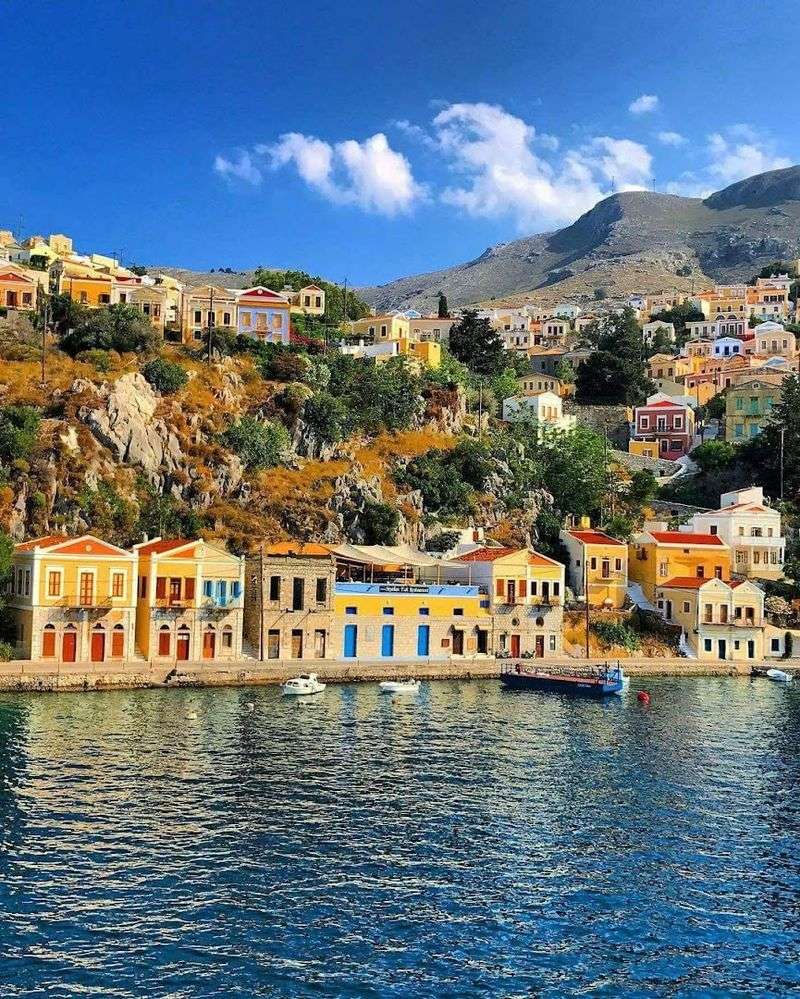
Symi looks like someone painted it. The harbor is stacked with neoclassical houses in shades of ochre, terracotta, and pale yellow, reflected in water so calm it looks like a mirror.
First impressions here are genuinely hard to shake.
Located in the Dodecanese near Rhodes, Symi is compact enough to explore on foot but varied enough to keep you busy for days. Winding paths lead up from the main harbor to the quieter upper town, where cats nap on doorsteps and locals go about their day unbothered by tourists.
Traditional tavernas tucked into side streets serve grilled fish and local dishes that taste nothing like what you find near the ferry port.
Boat excursions to secluded coves are easy to arrange and affordable for solo travelers. Spending a morning anchored in a quiet bay with a snorkel and a good book is exactly the kind of unscheduled bliss Symi was made for.
The island is small but never feels limiting. Every corner reveals something worth pausing for.
Tinos, Greece
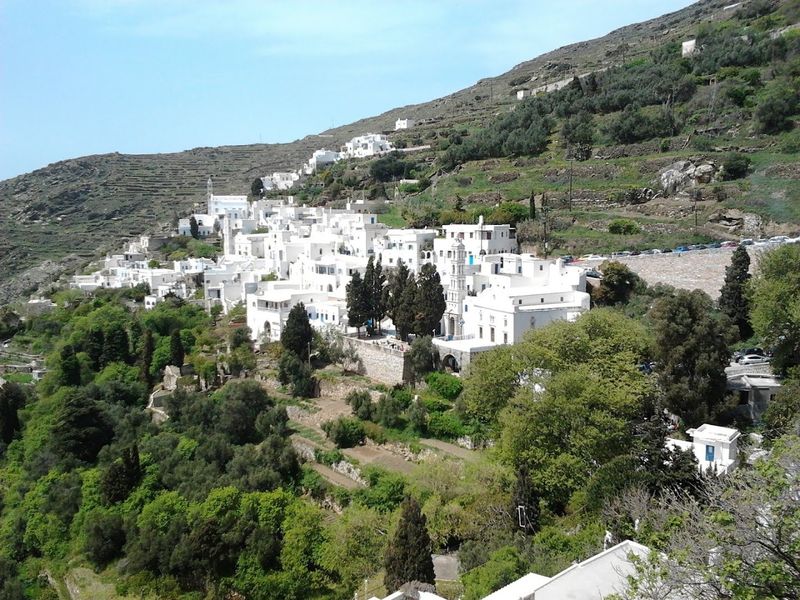
Tinos sits right next to Mykonos yet feels like a completely different world. While the neighbor gets all the party press, Tinos quietly goes about being one of the most genuinely interesting islands in the Cyclades.
Marble craftsmanship is serious business here. The island has produced some of Greece’s finest sculptors, and you can see that artistic tradition in doorways, fountains, and village squares throughout the interior.
The famous Church of Panagia Evangelistria draws pilgrims year-round, giving Tinos a spiritual depth that sets it apart from typical tourist destinations.
Hikers will love the network of trails connecting mountain villages, while beach lovers can pick from a surprisingly varied coastline. Many beaches are uncrowded even in peak summer, which feels almost miraculous given the island’s location.
Solo travelers also appreciate how easy it is to chat with locals here. Tinos has a strong year-round community, so the hospitality feels genuine rather than scripted.
Try the local loukoumades at a village cafe and you will understand why people come back every year.
Syros, Greece
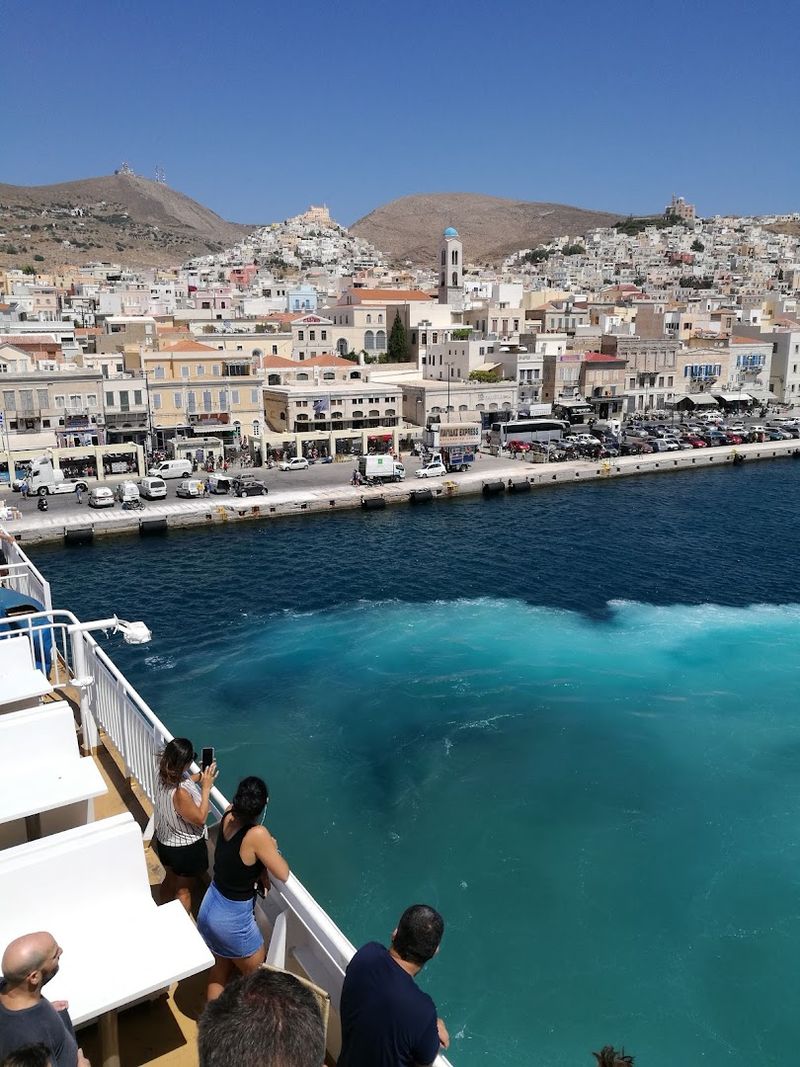
Syros is the kind of place that surprises people who expected just another Cycladic island. As the administrative capital of the Cyclades, it has a real city energy alongside all the island charm, which makes it uniquely comfortable for solo travelers.
Ermoupoli, the main town, is one of the best-preserved neoclassical cities in all of Greece. Grand marble squares, ornate townhouses, and a working harbor give it a sophistication that feels earned rather than staged.
Cafes here stay open late, and the locals actually use them, which means you will never feel like the only person sitting alone.
The island also has excellent transport links, making it a practical base for exploring nearby islands on day trips. Beaches are quieter than those on Paros or Naxos, and the hiking routes through the interior pass through villages that see very few foreign visitors.
Syros also has a thriving arts scene, good bookshops, and quality restaurants serving dishes rooted in local tradition. For solo travelers who want comfort and culture without the crowds, Syros delivers consistently.
Ikaria, Greece
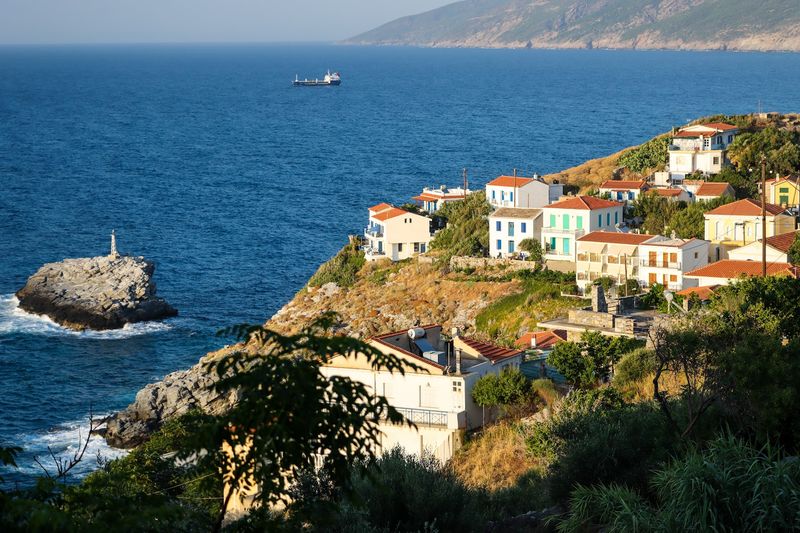
People on Ikaria live unusually long lives, and scientists have been trying to figure out why for years. The answer, locals will cheerfully tell you, is simple: good food, good company, and absolutely no rushing.
Ikaria is one of the world’s recognized Blue Zones, where residents regularly live past 90 while remaining active and socially engaged. Visiting here feels less like a vacation and more like a gentle lesson in living well.
Mountain villages are connected by winding roads where goats have right of way, and the beaches below are wild, rocky, and spectacularly beautiful.
Natural hot springs bubble up near the village of Therma, where you can soak in mineral-rich water for free or next to nothing. Solo travelers tend to find Ikaria especially welcoming because locals are genuinely curious about strangers and quick to invite them for a coffee or a meal.
The island’s famous panigiri festivals happen throughout summer and are open to everyone. Staying for one is not optional.
The music, dancing, and shared food make it one of the most memorable experiences Greece has to offer.
Lipsi, Greece
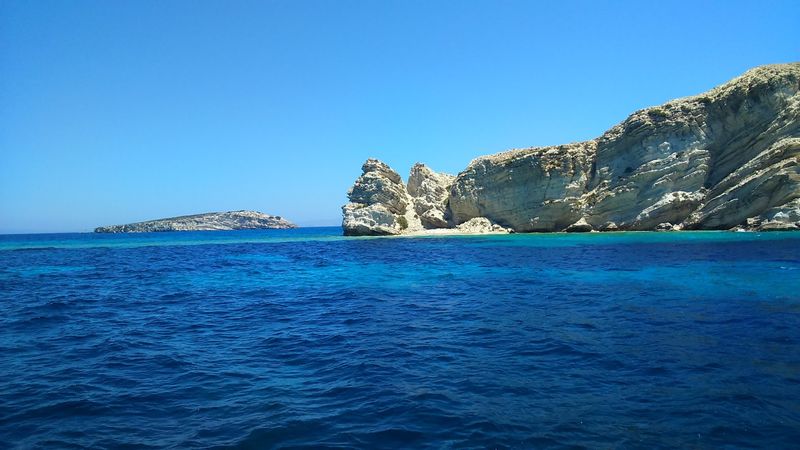
With a permanent population of around 700 people, Lipsi is the kind of place where the baker knows your name by day two. That is not an exaggeration.
It is just how the island works.
Tucked between Patmos and Leros in the Dodecanese, Lipsi has just a handful of beaches, one main village, and a pace of life so relaxed it borders on meditative. The beaches are genuinely beautiful, with water that shifts between pale turquoise and deep blue depending on the light.
Tavernas along the waterfront serve whatever was caught that morning, and the portions are generous.
Solo travelers who enjoy reading, swimming, and doing very little will find Lipsi completely satisfying. There are no clubs, no crowds, and no pressure to be anywhere at any particular time.
The island also has a small wine tradition, and local vintages are worth trying with dinner. Ferry connections to nearby islands make it easy to use Lipsi as a quiet home base while exploring the wider Dodecanese.
Bring a few books and an open schedule. You will not regret either.
Antiparos, Greece
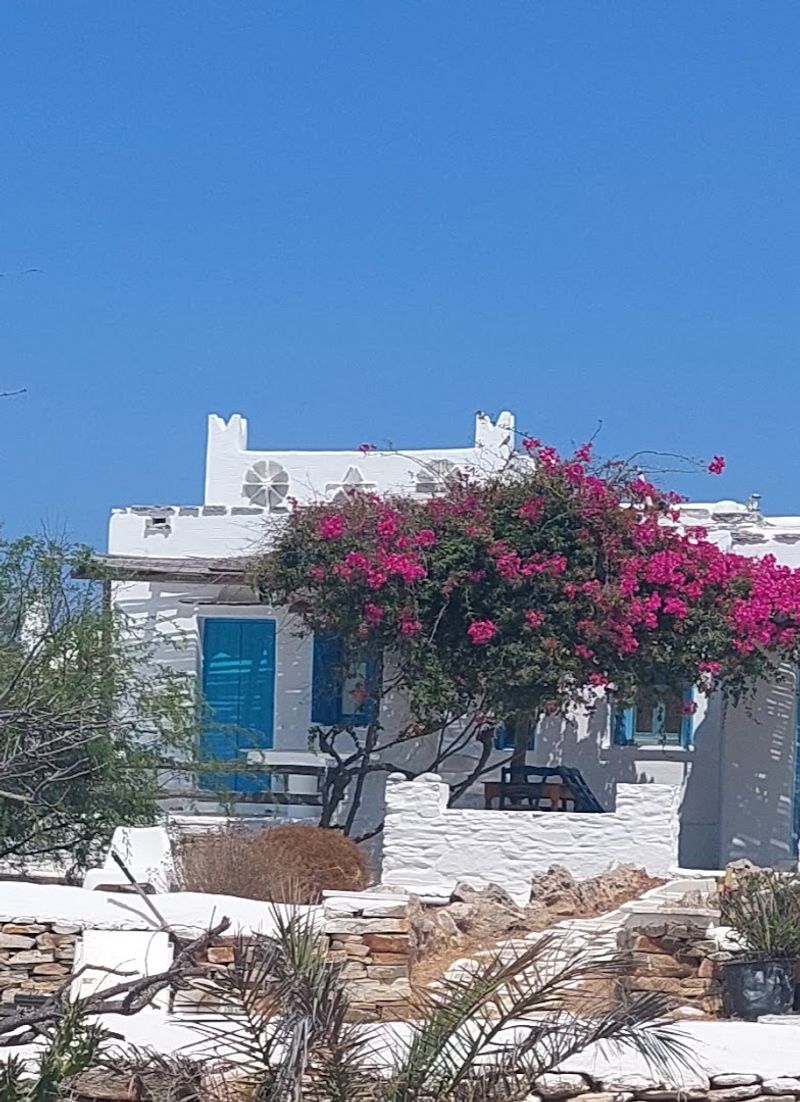
Antiparos used to be Paros’s quiet little sibling, barely noticed. Then a few celebrities discovered it, and for a moment it seemed like the secret was out.
Somehow, though, the island held onto its low-key personality.
Connected to Paros by a short ferry crossing, Antiparos is small enough to explore in a day but charming enough to justify a longer stay. The main village is compact and walkable, with whitewashed streets, flowering bougainvillea, and cafes that feel genuinely unhurried.
Solo travelers find it easy to settle into a routine here without feeling isolated or bored.
The island’s famous stalactite cave near the southern tip is one of the oldest tourist attractions in the Cyclades and still worth the walk. Beaches are calm and uncrowded, especially on weekdays, and several can only be reached by small boat or a decent hike.
Antiparos also benefits from Paros’s ferry connections, making logistics simple. The combination of easy access, quiet atmosphere, and natural beauty makes it one of the most underrated stops in the entire island chain.
Go before more people figure that out.
Ithaca, Greece
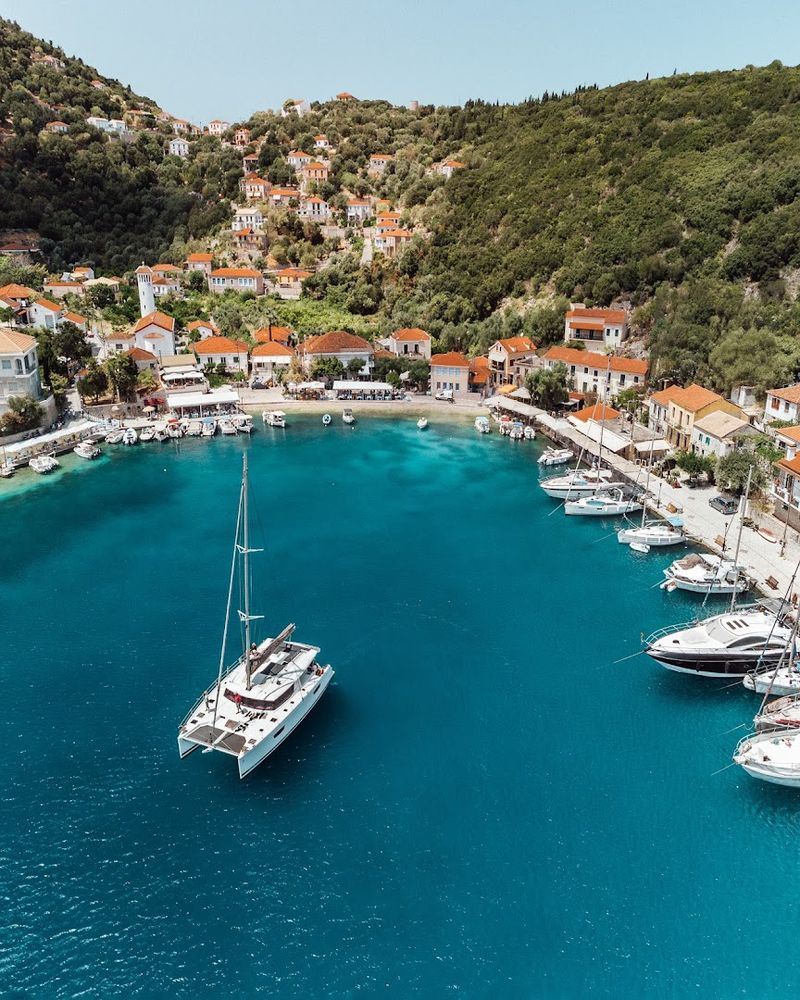
Odysseus spent ten years trying to get back to Ithaca. After visiting, you will completely understand the obsession.
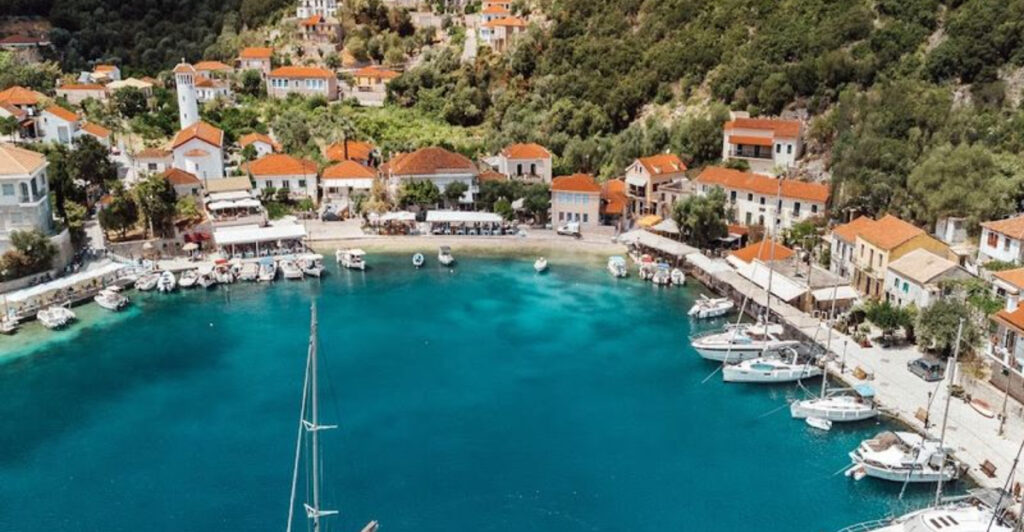
The legendary home of Homer’s great hero is a lush, mountainous island in the Ionian Sea with a landscape that feels almost theatrical. Deep bays cut into forested hillsides, small harbors glow with evening light, and hiking trails lead to viewpoints that stop you mid-step.
The main town of Vathy is one of the most beautiful harbor towns in Greece, yet it sees a fraction of the visitors that nearby Kefalonia attracts.
Solo travel on Ithaca has a naturally reflective quality. The island encourages you to slow down, walk further, and think more clearly.
Locals are friendly and accustomed to independent travelers. Several excellent hiking routes connect villages across the island, and the coastal paths offer some of the best swimming spots you will find anywhere in Greece.
There are no mega-resorts, no beach clubs, and no organized party scene. What Ithaca offers instead is something harder to find: genuine quiet, beautiful scenery, and the rare feeling that you have discovered something real.
Kythnos, Greece
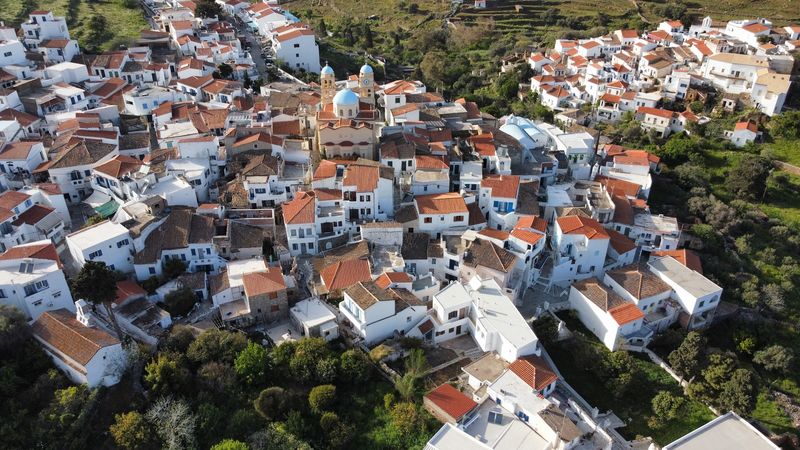
Kythnos is so close to Athens that you can reach it in about two hours by ferry, yet it feels like it belongs to a completely different era. Weekenders from the capital come here to decompress, and the island is very good at helping people do exactly that.
The island has two main villages: Chora, the hilltop capital with classic Cycladic architecture, and Merichas, the port with a good beach and reliable tavernas. Between them, a network of walking trails connects smaller settlements and leads to some genuinely deserted beaches.
The famous hot springs at Loutra have been used since ancient times and are still a highlight worth planning your day around.
Kythnos never feels overrun, even during August when most Greek islands hit peak capacity. The beaches are clean and accessible, the food is honest and good, and the cost of staying here is noticeably lower than on more famous islands.
For solo travelers who want a real Greek island experience without fighting for a sunbed or a dinner reservation, Kythnos is an easy answer. It rewards those who show up with no particular agenda.
Pelion Peninsula, Greece
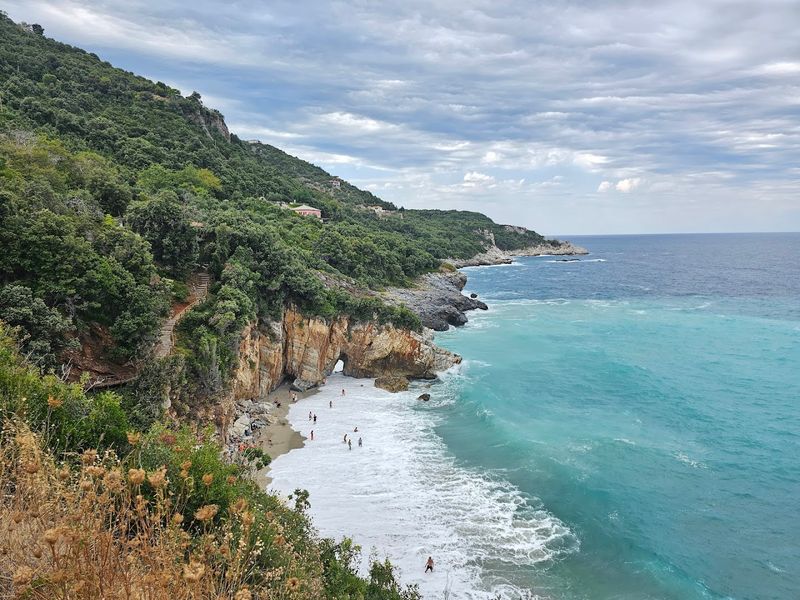
Pelion smells like pine, chestnuts, and salt air all at once, which is a combination that is genuinely hard to describe but impossible to forget. This forested mountain peninsula in central Greece plays by its own rules.
According to Greek mythology, Pelion was home to the centaurs and the place where the gods vacationed. Looking at the landscape, that story feels completely plausible.
Dense forests cover the slopes, traditional stone villages cling to hillsides, and the roads wind down to beaches that meet the Aegean with surprising drama. The contrast between mountain and sea is the whole point here.
Solo travelers can spend mornings hiking through chestnut forests on old stone-paved trails called kalderimia and afternoons swimming at beaches like Mylopotamos, which regularly appears on lists of Greece’s most beautiful. The villages of Makrinitsa, Vizitsa, and Tsagarada each offer excellent accommodation in restored stone mansions.
Local cuisine is distinct from island cooking, featuring hearty pies, smoked meats, and fresh mountain herbs. Pelion is often overlooked by international visitors, which means you get the whole magnificent place largely to yourself.
Kastellorizo, Greece
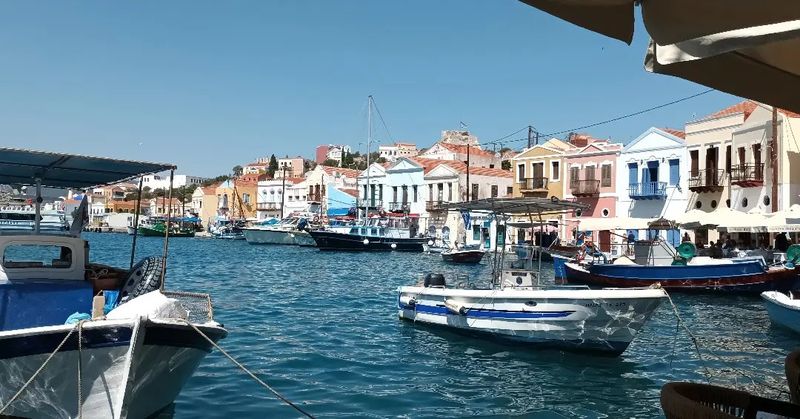
Kastellorizo sits closer to Turkey than to any other Greek island, a tiny dot of color floating in the eastern Mediterranean. Its remoteness is exactly the point, and travelers who make the effort to get here tend to feel like they have found something genuinely rare.
The harbor is one of the most photogenic in all of Greece, lined with tall neoclassical houses painted in warm reds, blues, and yellows. With only a few hundred permanent residents, the island has a village-within-a-village feel that makes solo travelers immediately visible and immediately welcomed.
Conversations happen without effort here. Everyone eats dinner at the same handful of waterfront tavernas, which creates an accidental sense of community.
The famous Blue Cave, accessible only by small boat, is an otherworldly sea grotto where the water glows electric blue from underwater light. Swimming there is one of those experiences that gets described badly in photos but lands perfectly in person.
Kastellorizo also has no beaches in the traditional sandy sense, so visitors come specifically for the atmosphere, the history, and the extraordinary clarity of the water. If true solitude with a side of stunning scenery sounds appealing, this island is waiting.
Share this story