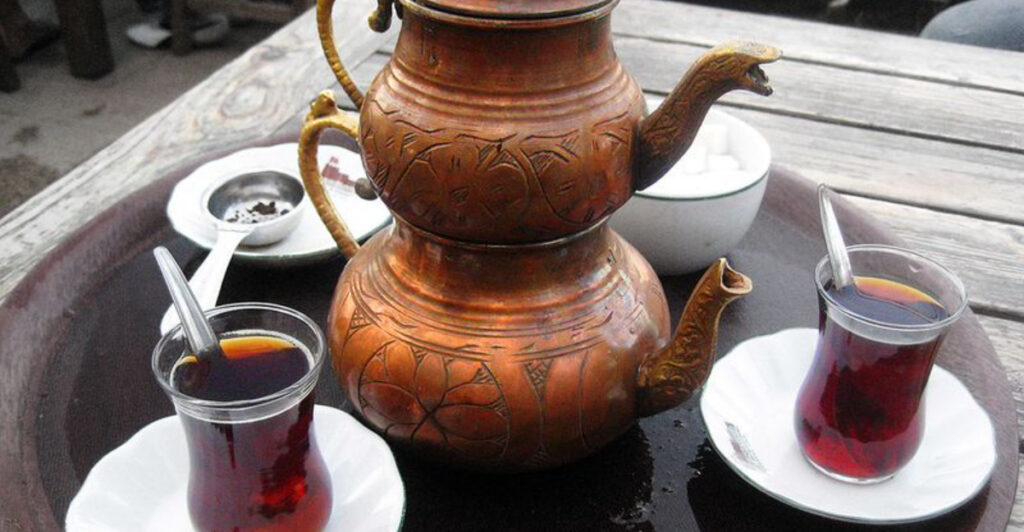
Tea is the world’s second most-consumed beverage after water, but in some countries it’s far more than just a drink. It’s a daily ritual, a symbol of hospitality, and a deeply rooted part of national identity.
From tulip-shaped glasses in Türkiye to elaborate ceremonies in Japan, the way people drink tea reveals a lot about who they are. These ten countries stand out for their extraordinary love of tea and the unique traditions that surround it.
Türkiye
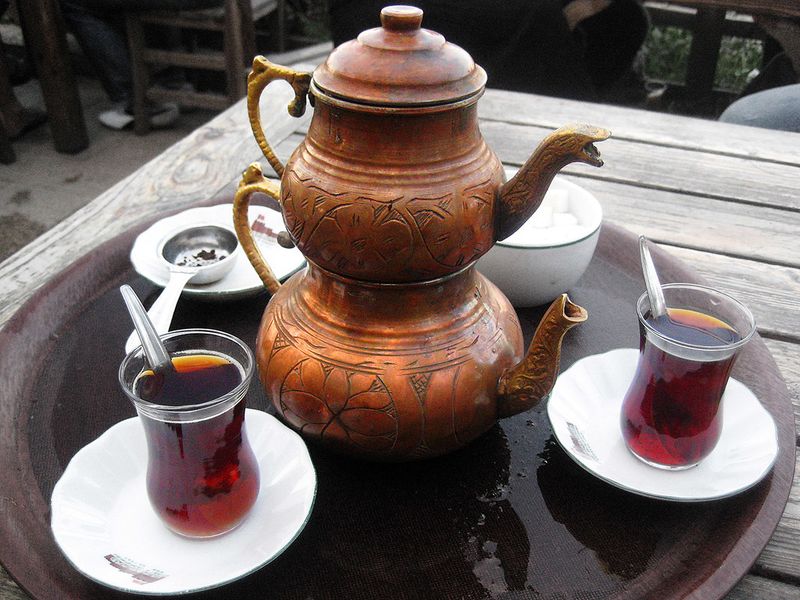
Türkiye holds a record that surprises most people: it leads the entire world in per-capita tea consumption. The average Turkish person drinks more than 3 kilograms of tea every single year.
That is a staggering amount, and locals will tell you it barely feels like enough.
The tea of choice is çay, a strong black tea brewed in a special double-stacked kettle called a çaydanlık. It is always served in iconic tulip-shaped glasses, never mugs, and almost never with milk.
A cube of sugar on the side is the only acceptable addition.
Tea shows up at every moment of Turkish life. Business deals are sealed over steaming glasses.
Neighbors gather for morning tea before anything else happens. Markets, barbershops, and ferry terminals all have someone ready to pour a fresh cup.
Refusing tea when offered is considered genuinely rude. Visitors to Türkiye often describe the tea culture as overwhelming at first, then completely irresistible.
The ritual of constantly refilling glasses keeps conversations going for hours, turning simple meetings into warm, lasting connections that feel uniquely Turkish.
China
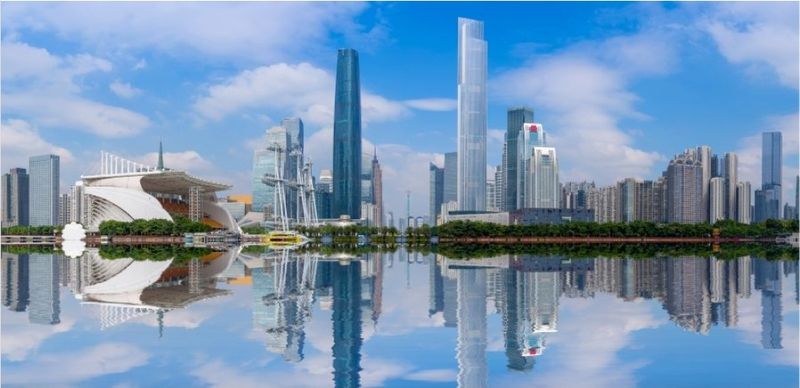
Tea was born in China roughly 5,000 years ago, and the country has never stopped perfecting it. Legend says Emperor Shen Nong discovered tea in 2737 BCE when leaves accidentally fell into his boiling water.
Whether or not that story is true, China’s relationship with tea is older than most civilizations.
The variety of teas produced here is mind-blowing. Green tea, white tea, oolong, pu-erh, yellow tea, and black tea all originate from different Chinese regions, each with its own flavor profile and brewing tradition.
Yunnan province produces earthy pu-erh that ages like fine wine. Fujian is famous for delicate white teas.
Hangzhou’s Longjing green tea is considered a national treasure.
China is both the world’s largest tea producer and its largest consumer by total volume. Tea houses remain popular social spaces where people spend hours chatting, playing chess, and enjoying carefully brewed cups.
The gongfu cha ceremony, which involves precise water temperatures and multiple short steeps, reflects how seriously the Chinese approach their tea. For many Chinese families, sharing tea is still the most natural way to show respect and warmth to guests.
India
Walk down almost any street in India at sunrise and you will smell it before you see it: ginger, cardamom, and black tea simmering together in a battered aluminum pot. Masala chai is not just a morning habit here.
It is a national obsession that cuts across regions, religions, and income levels.
India is one of the world’s largest tea producers, with famous growing regions including Darjeeling, Assam, and the Nilgiris. Darjeeling teas are so prized globally that they carry a geographical indication tag, similar to champagne in France.
Assam teas are bold and malty, perfect for the strong, milky chai that millions drink daily.
The chai wallah, or roadside tea vendor, is one of India’s most beloved cultural figures. These vendors serve clay cups called kullhads, which are eco-friendly and add a subtle earthy flavor to the tea.
Train stations, cricket matches, college campuses, and office corridors all run on chai. There is even a chai break built into many workdays.
India’s tea culture is loud, steamy, fragrant, and wonderfully democratic. Everyone from construction workers to corporate executives lines up at the same stall for the same cup.
Ireland

Ireland drinks more tea per person than almost any other country on Earth, which is remarkable for a nation its size. The Irish are serious about their brew, and they will not hesitate to tell you that weak tea is basically an insult.
Barry’s Tea and Lyons Tea are household names that inspire genuine brand loyalty, sometimes dividing families at the supermarket.
The standard Irish cup is strong black tea with a generous splash of cold milk, served in a proper mug rather than a delicate cup. Sugar is optional, but the milk is non-negotiable for most.
Biscuits on the side are strongly encouraged, and dunking them is practically a national sport.
Offering someone a cup of tea in Ireland is one of the most natural expressions of welcome and comfort. Bad news?
Tea. Cold day?
Tea. Someone visiting?
Kettle on immediately. Studies have actually shown that Irish people consume an average of four to six cups per day.
The ritual is deeply woven into the social fabric of Irish life, from family kitchens to workplace break rooms. Visitors quickly learn that saying yes to tea in Ireland is always the right answer.
United Kingdom
Britain and tea have had a complicated love story for nearly 400 years. Tea arrived in England in the 1600s, became fashionable among royalty, and eventually trickled down to every corner of society.
Today, the British drink approximately 100 million cups of tea every single day as a nation.
Afternoon tea, invented by Anna, the Duchess of Bedford, in the 1840s, turned a simple beverage into an elaborate social occasion. Tiered stands of sandwiches, scones with clotted cream, and perfectly brewed pots of tea transformed mid-afternoon hunger into an art form.
Fancy hotels still serve the full spread, and tourists queue happily for the experience.
Everyday British tea culture is far less fancy but equally passionate. The phrase “putting the kettle on” signals comfort, problem-solving, and hospitality all at once.
English Breakfast and Earl Grey remain the most popular blends, almost always served with milk. There is even a long-running national debate about whether milk goes in the cup before or after the tea.
Coffee shops have gained ground in recent decades, but tea remains the unofficial national drink. No crisis, celebration, or casual Tuesday is complete without it.
Pakistan
Pakistan imports more tea than almost any other country in the world, which tells you everything you need to know about how seriously this nation takes its chai. The figures are staggering: Pakistan consistently ranks among the top three global tea importers, spending billions of dollars annually just to keep the cups full.
The most popular style is doodh patti, which translates to “milk leaves.” Unlike masala chai, doodh patti is brewed directly in milk rather than water, resulting in a thick, rich, intensely flavored cup that is sweet and deeply satisfying. It is the tea equivalent of comfort in liquid form, and it is everywhere.
Tea culture in Pakistan is intensely social. Dhabbas, which are small roadside cafes, serve as informal community hubs where people gather for hours over steaming cups.
From Karachi’s busy streets to the mountain villages of Gilgit-Baltistan, chai is the universal language of friendship. Weddings, funerals, business meetings, and lazy afternoons all revolve around tea.
Pink Kashmiri chai, made with green tea, milk, and a pinch of baking soda for its distinctive rosy color, is a beloved specialty enjoyed particularly in the northern regions of the country.
Morocco
Moroccan mint tea is poured from a great height on purpose, and that dramatic pour is not just for show. The cascade of tea from the elevated teapot creates a frothy top that Moroccans consider essential to a proper cup.
Getting the pour right is a matter of pride and skill passed down through generations.
The tea itself is a vibrant blend of Chinese gunpowder green tea, fresh spearmint leaves, and a generous amount of sugar. Reducing the sugar is considered acceptable.
Skipping it entirely is mildly controversial. The tea is served in small, ornate glasses that are often painted or engraved with gold designs, making even a casual cup feel like a small celebration.
In Moroccan culture, serving tea to a guest is one of the most important acts of hospitality imaginable. Refusing it is genuinely awkward.
The ritual involves three rounds of tea, each with a slightly different flavor, and there is even a proverb: the first glass is as gentle as life, the second as strong as love, the third as bitter as death. Visitors to Morocco quickly discover that accepting tea is not just polite.
It is the beginning of every meaningful conversation.
Japan
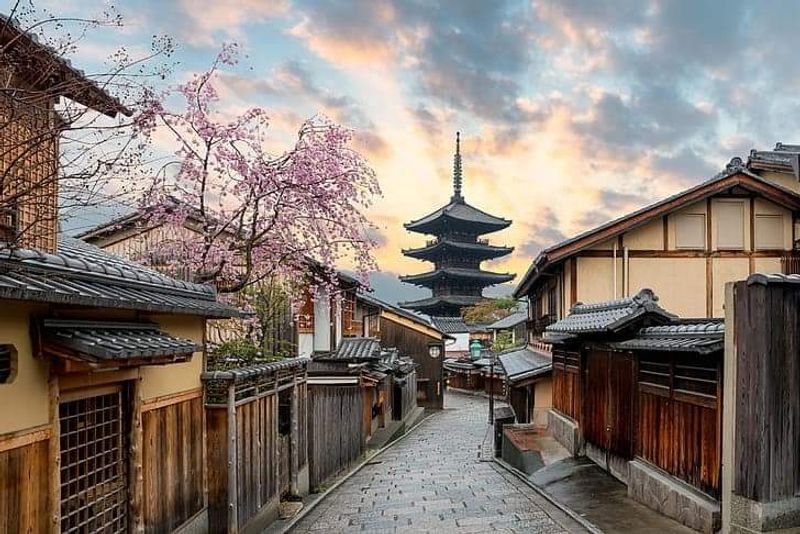
Japan approaches tea with the kind of focused dedication that turns a simple beverage into a philosophy of life. The chanoyu, or Japanese tea ceremony, is a centuries-old practice built around four core principles: harmony, respect, purity, and tranquility.
UNESCO recognized it as Intangible Cultural Heritage, cementing its place as one of humanity’s great cultural traditions.
Matcha, the vibrant green powdered tea used in ceremonies, has become a global phenomenon in recent years. But in Japan, matcha is just one star in a rich lineup.
Sencha is the most widely consumed everyday tea, brewed from whole leaves with carefully controlled water temperature. Gyokuro, shade-grown for weeks before harvest, is prized as one of the finest teas in the world.
Japanese convenience stores, called konbini, offer a dazzling array of ready-to-drink teas in every flavor imaginable. Canned and bottled green teas line the refrigerator sections of every 7-Eleven and Lawson across the country.
Hot vending machines on street corners dispense warm tea in winter. Tea in Japan exists simultaneously as ancient ritual and everyday convenience, which is a balance few cultures manage to pull off as gracefully.
Russia
Russians have been devoted tea drinkers since the 17th century, when camel caravans hauled compressed tea bricks all the way from China across thousands of miles of steppe and frozen wilderness. That epic journey gave Russian tea its name: the Caravan Route.
Some Russian blends are still smoked over pine fires to replicate the smoky aroma those early bricks absorbed during transport.
The samovar, a large heated urn used to boil water and keep tea perpetually hot, became the centerpiece of Russian domestic life. Families gathered around it for hours, sharing stories, arguments, and silence in equal measure.
A concentrated tea brew called zavarka is made separately, then diluted with hot samovar water to each person’s preferred strength. This system means everyone gets exactly the cup they want.
Tea in Russia is traditionally served in a podstakannik, a decorative metal holder that grips a glass and prevents burned fingers. These holders range from simple to elaborately engraved silver pieces that become family heirlooms.
Tea is never rushed in Russia. It accompanies jam eaten straight from a spoon, honey, pastries, and long conversations that stretch late into cold winter nights.
The samovar may be less common today, but the spirit it represents absolutely is not.
Sri Lanka

Sri Lanka produces some of the most celebrated tea on the planet, and the locals drink it with just as much enthusiasm as they sell it. Ceylon tea, named after the island’s former colonial name, is known worldwide for its bright, brisk flavor and golden color.
What many people outside the country do not realize is that Sri Lankans themselves are devoted daily consumers of their own finest export.
The hill country around Nuwara Eliya, Kandy, and Ella is blanketed with tea estates that look almost impossibly beautiful. Rows of neatly trimmed bushes cascade down misty mountain slopes, tended by skilled pluckers who harvest only the youngest two leaves and a bud.
This careful selection is what gives Ceylon tea its distinctive character and quality.
At home, Sri Lankans typically enjoy their tea strong, sweet, and milky, in a style that reflects both British colonial influence and local preference. Tea is offered to every guest who walks through a door, often before any formal greeting has even been exchanged.
Street-side tea kiosks called tea boutiques dot every town and village. Whether served in a five-star Colombo hotel or a roadside clay cup, Ceylon tea tastes unmistakably like Sri Lanka itself.
Share this story