Most people blow through this coastal Oregon town without a second thought, treating it like a gas station stop between Portland and the California border. That would be a mistake.
Tucked where the Siuslaw River meets the Pacific Ocean, this place has towering sand dunes, a lighthouse with a ghost story attached, sea lions living in actual sea caves, and a historic waterfront district that feels genuinely alive rather than just preserved for tourists. I spent a long weekend here and kept finding reasons to stay another day.
By the time I left, I had sandy shoes, a sunburned nose, and a list of things I still had not done. This article covers everything that makes Florence, Oregon worth a real visit rather than just a quick highway glance.
Where Florence Sits on the Oregon Coast
Florence, Oregon sits at 43.9826 degrees north latitude, right where the Siuslaw River empties into the Pacific Ocean. The official address for the city is Florence, Oregon 97439, and you can find it roughly at the midpoint of Highway 101 along the Oregon coast, about 60 miles west of Eugene.
That central location is part of what makes Florence so convenient. You are never more than a short drive from dramatic coastal scenery, and the town itself has enough going on to fill several days without ever needing to leave.
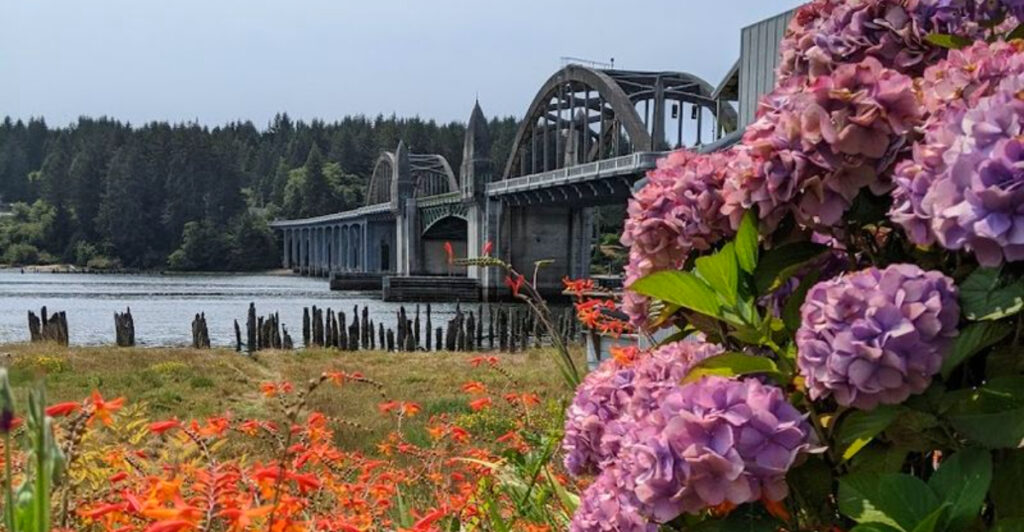
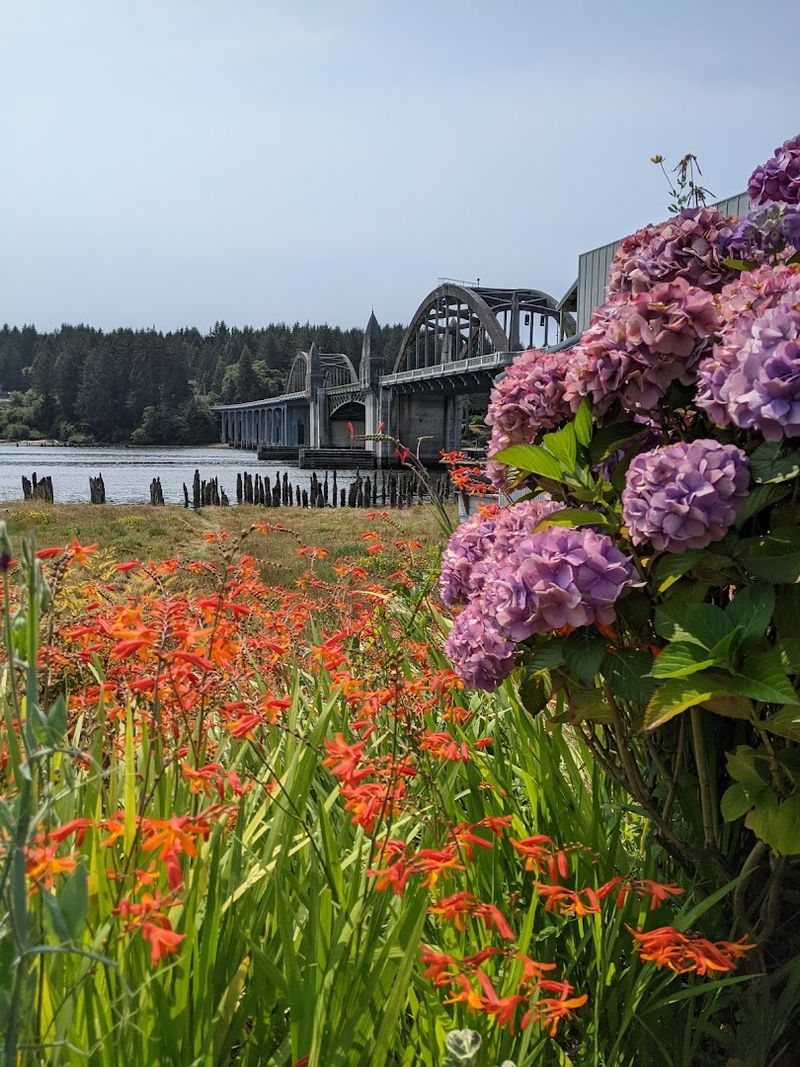
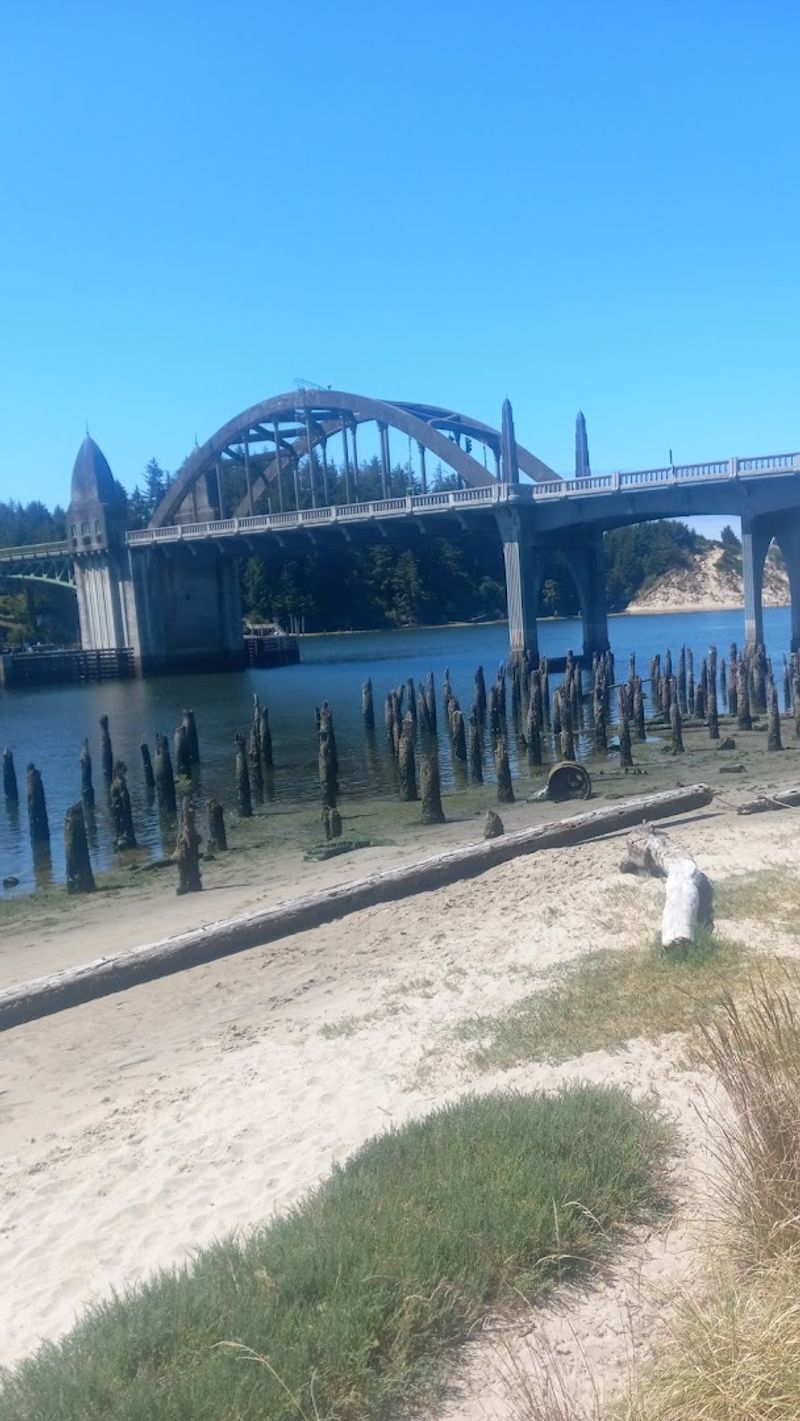
The Siuslaw River Bridge, built in 1936, is one of the most photographed spots in town. It is a gorgeous Art Deco structure with twin bascule draw spans, and crossing it feels like entering a different era.
The bridge connects Old Town Florence on the north bank to the dunes and beaches on the south side.
Florence covers about 6.5 square miles and has a population of just under 10,000 people. It feels small in the best way, where strangers wave at you from their porches and the coffee shop owner remembers your order by day two of your visit.
Historic Old Town Florence
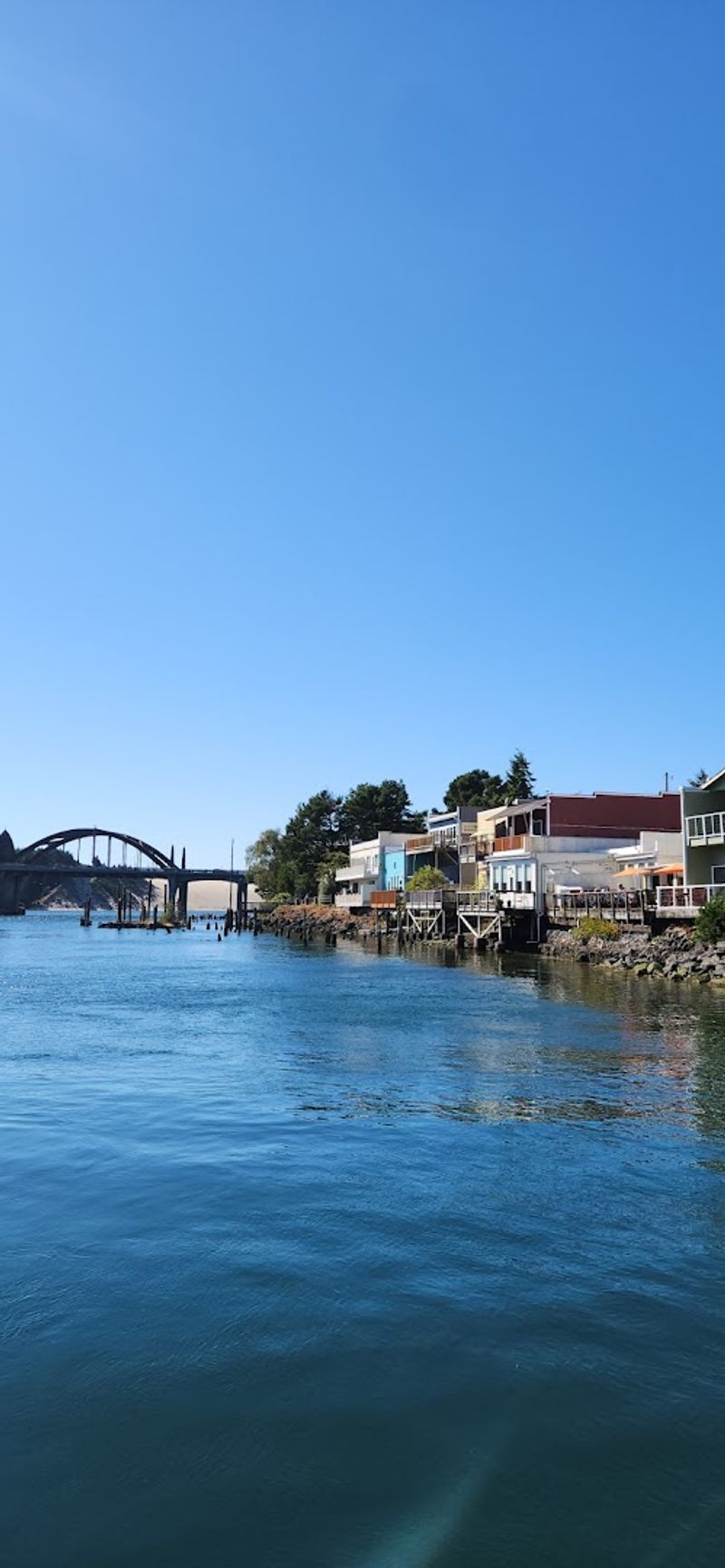
Bay Street in Old Town is the kind of street that makes you slow your pace without even realizing it. The buildings are a mix of restored Victorian storefronts and early 20th-century commercial architecture, most of them painted in warm, welcoming colors that face directly onto the Siuslaw River.
Galleries, boutique shops, and restaurants line the waterfront, and the whole district has a relaxed energy that feels earned rather than manufactured. You will find local art, handmade jewelry, nautical antiques, and plenty of places to grab a bowl of clam chowder while watching pelicans drift past on the river current.
Old Town was established in the 1890s, and several of the original buildings have been carefully preserved. The district was added to the National Register of Historic Places, which explains why it still has so much architectural character.
On weekends, the waterfront fills with locals as much as visitors, which is always a good sign. There is a farmers market during summer months, and the town hosts the Rhododendron Festival every May, one of Oregon’s oldest annual celebrations, drawing crowds who come specifically for the parade and the flowers.
Oregon Dunes National Recreation Area
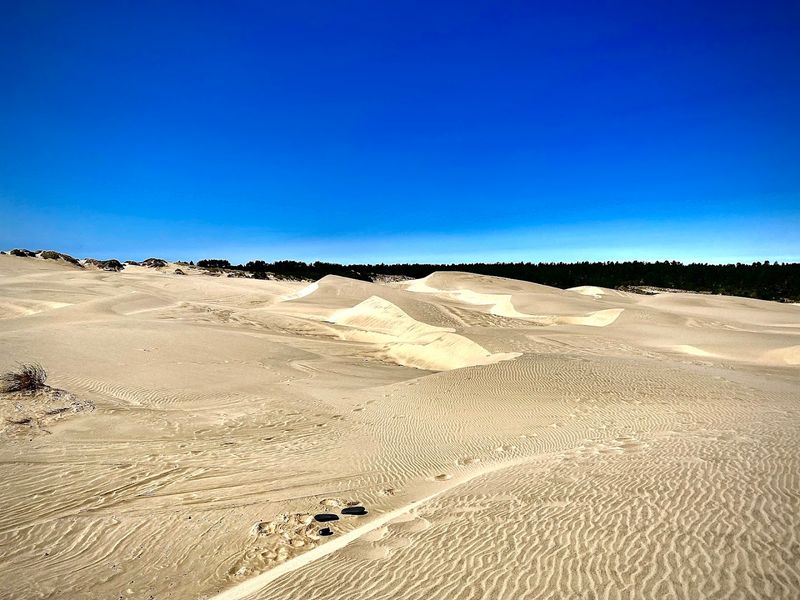
Cross the Siuslaw River Bridge heading south and the landscape transforms almost immediately into something that looks like it belongs on another planet. The Oregon Dunes National Recreation Area stretches for 40 miles along the coast, and the section nearest Florence has some of the tallest dunes in North America, reaching heights of over 500 feet in places.
The dunes were formed over thousands of years as ocean winds pushed sand inland from the beaches. Some dunes have migrated as far as three miles from the shoreline, swallowing forests and creating a surreal patchwork of sand, wetlands, and tree islands.
Hiking trails wind through the dunes, and several lead to hidden freshwater lakes like Cleawox and Woahink, both within the recreation area. The hike from the main trailhead to the open sand takes about 20 minutes and the payoff is enormous.
Off-highway vehicle riding is also popular here, and you can rent ATVs and dune buggies from several outfitters near Florence. If you prefer to stay on foot, the quieter northern sections of the dunes near Florence offer solitude and dramatic views without the engine noise.
Sea Lion Caves
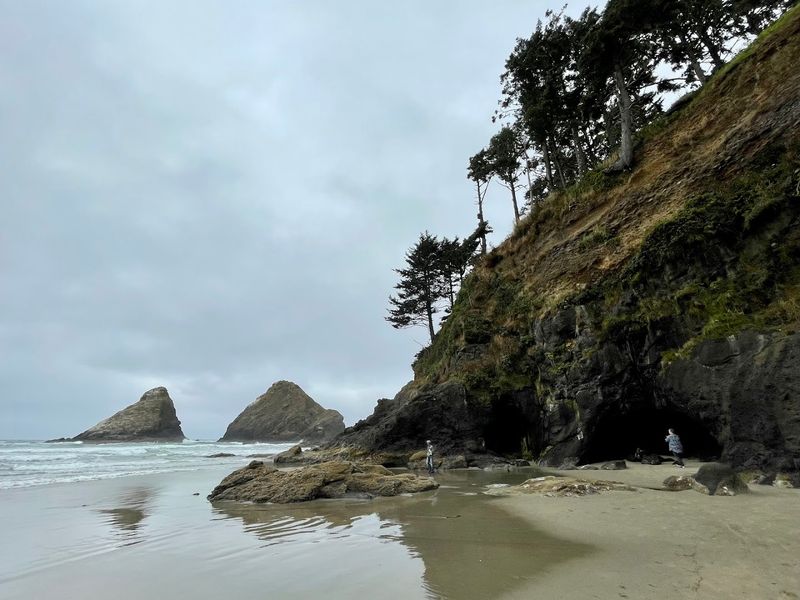
About 11 miles north of Florence on Highway 101, a roadside sign announces Sea Lion Caves, and it is worth every penny of the admission fee. The cave itself is enormous, the largest sea cave in the United States, and it serves as a year-round home for a colony of wild Steller sea lions.
You take an elevator down 208 feet through solid basalt rock to reach the main cave floor. The smell hits you before the elevator doors even open, a rich, briny combination of ocean salt and sea lion that is surprisingly not unpleasant once you adjust.
Inside, the cave opens up to a cathedral-sized chamber where the sea lions lounge on rocky ledges, bark at each other, and occasionally splash into the churning green water below the viewing platform. The sound is extraordinary, a constant chorus of deep, resonant calls that bounce off the cave walls.
Steller sea lions are the largest members of the eared seal family, with adult males weighing up to 2,500 pounds. Watching them interact up close, with no fence between you and the ocean below, is genuinely thrilling in a way that photographs simply cannot capture.
Heceta Head Lighthouse
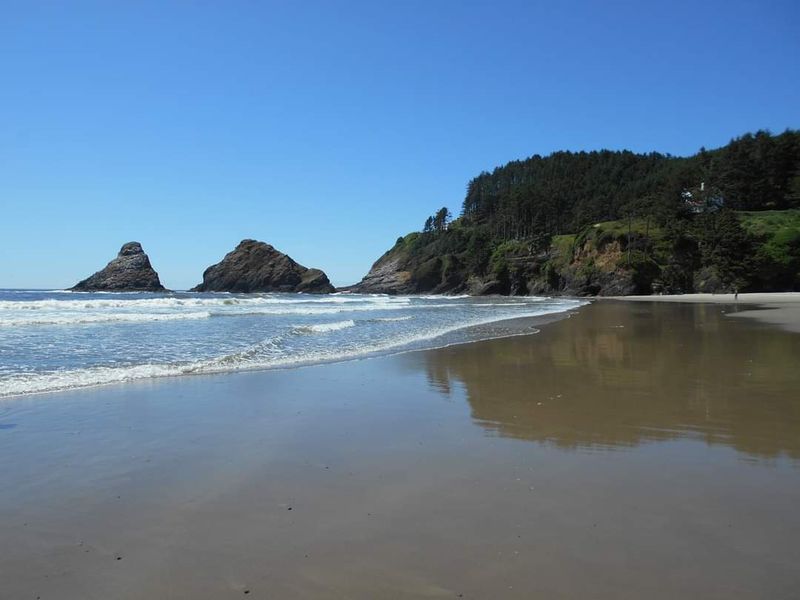
Few lighthouses in the United States are as dramatically positioned as this one. Heceta Head Lighthouse sits on a rocky promontory about 13 miles north of Florence, perched above 200-foot cliffs with the Pacific crashing below and old-growth Sitka spruce forest rising behind it.
Built in 1894, the lighthouse is still active and managed by the U.S. Forest Service.
The light itself is one of the most powerful on the Oregon coast, visible from 21 miles offshore. The Fresnel lens inside is original and in beautiful condition.
The trail from the parking area winds through coastal forest and opens onto a grassy headland with sweeping views of the coastline in both directions. During gray whale migration season, typically March through May and again in December, the headland is one of the best land-based whale-watching spots on the entire Oregon coast.
The Victorian-era keeper’s house next to the lighthouse has been converted into a bed and breakfast, and staying there overnight is a genuinely special experience. The house supposedly has a resident ghost named Rue, and while I did not encounter her personally, I did sleep with the light on, just in case.
Jessie M. Honeyman Memorial State Park
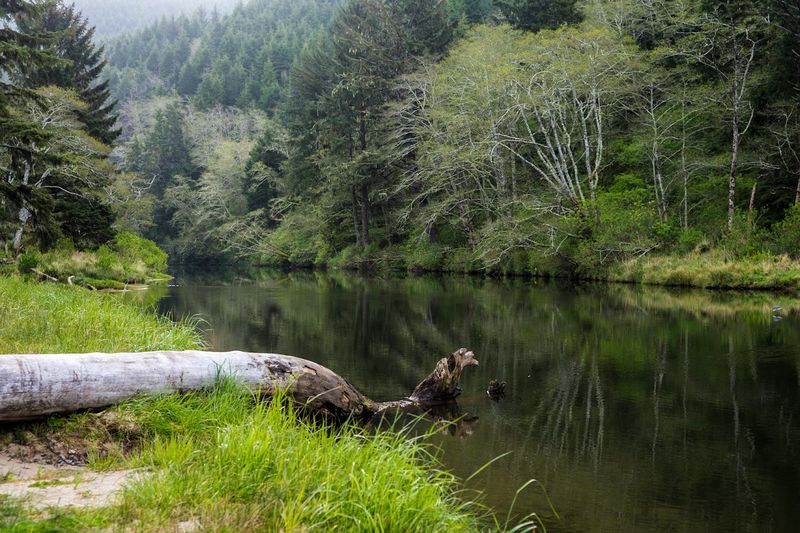
Three miles south of Florence, Jessie M. Honeyman Memorial State Park is one of the most visited state parks in Oregon, and after spending an afternoon there, the reason is obvious.
The park sits at the edge of the Oregon Dunes and contains two freshwater lakes, Cleawox and Woahink, both warm enough for swimming during summer.
Cleawox Lake is the smaller of the two and has a sandy beach with a swim area, a boat rental dock, and a stunning backdrop of dunes that rise directly from the water’s edge. You can rent a paddleboat or a kayak and drift along the shoreline while staring up at walls of sand that seem impossibly tall from water level.
The park also has excellent camping, with over 380 campsites ranging from full hookup RV spots to hiker-biker tent sites tucked into the trees. Reservations are strongly recommended during summer because the park fills up fast.
Beyond the lakes, the park has trail access into the dunes themselves, and the walk from Cleawox Lake to the open beach takes less than 45 minutes. The combination of forest, freshwater, and towering sand all within one park makes Honeyman feel almost unreasonably generous.
The Siuslaw River and Local Fishing Culture
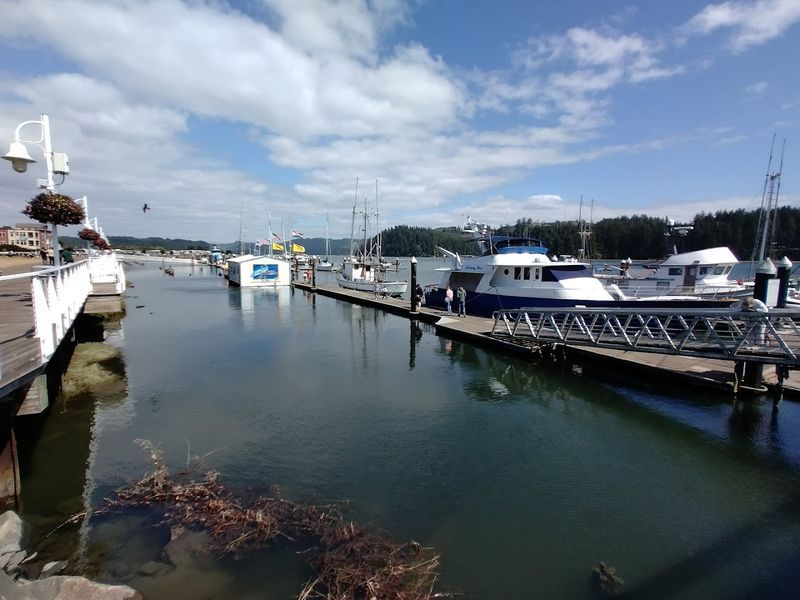
The Siuslaw River is not just a scenic backdrop for Old Town. It is a working river with a fishing culture that goes back generations, and that history is woven into the daily life of Florence in ways that feel genuine rather than performative.
The river supports runs of Chinook salmon, coho salmon, and steelhead trout, making it a destination for sport anglers from across the Pacific Northwest. Charter fishing trips depart regularly from the Florence Marina, and guided river fishing is available for those who want local knowledge on their side.
Crabbing is also hugely popular here, and you can rent crab rings from bait shops near the docks and drop them off the public pier on the north bank. Dungeness crab pulled fresh from the Siuslaw River estuary has a sweetness that store-bought crab simply does not match.
The Florence Marina itself is worth a slow walk even if you have no interest in fishing. Fishing boats, pleasure craft, and the occasional research vessel share the docks, and the marina has a relaxed, working-waterfront atmosphere that feels like a genuine slice of Oregon coastal life rather than a curated tourist experience.
Darlingtonia State Natural Site
About five miles north of Florence, a small roadside pullout marks one of the strangest natural attractions on the Oregon coast. Darlingtonia State Natural Site protects a rare bog filled with cobra lilies, also known as Darlingtonia californica, a carnivorous plant that traps and digests insects inside its hooded, tube-shaped leaves.
The plants are named for their resemblance to a cobra rearing up to strike, complete with a forked leaf that looks disturbingly like a tongue. They grow in nutrient-poor, cold-water seeps, and the conditions along the Florence coast happen to be perfect for them.
A short boardwalk trail loops through the bog and puts you right at eye level with the plants without disturbing the fragile ecosystem underneath. The whole visit takes about 20 minutes, and it is completely free, which makes it one of the best value stops on the entire Oregon coast.
The site is open year-round, though late spring is the best time to visit when the plants are actively growing and at their most dramatic. Bring a camera with a macro setting because the detail on these plants up close is extraordinary and worth the extra effort to capture properly.
Florence Beaches and Coastal Walks
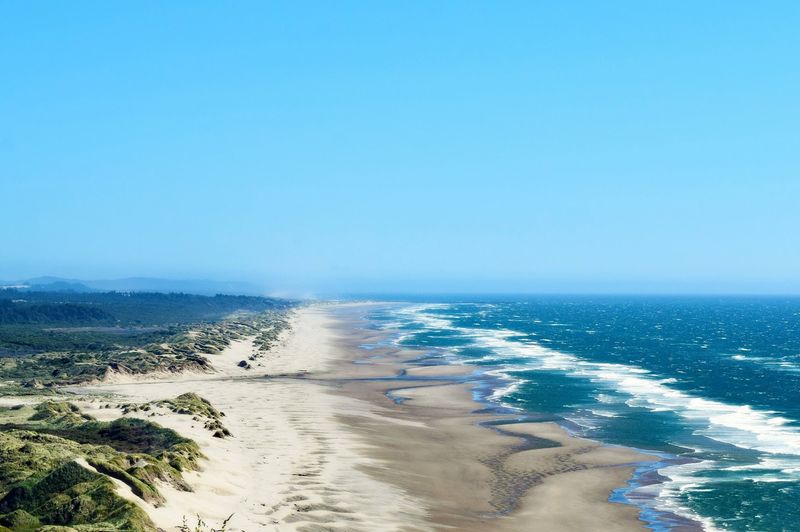
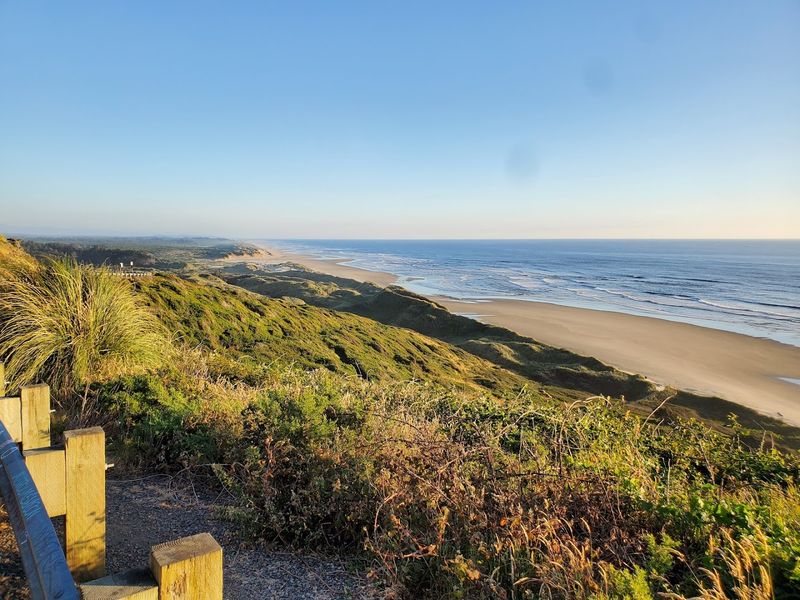
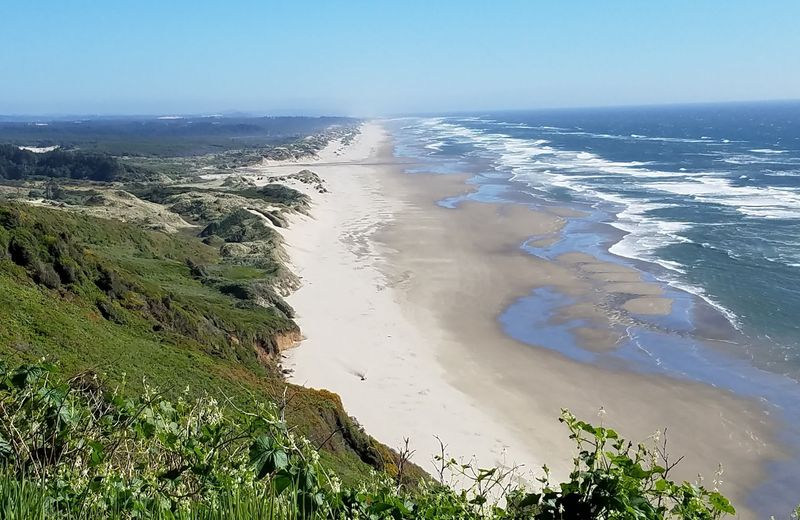
The beaches around Florence are wide, wild, and largely uncrowded even during summer, which is a remarkable thing to say about an Oregon coast destination that draws visitors from across the country. South Jetty Beach, at the mouth of the Siuslaw River, is the closest beach to town and has a raw, end-of-the-road energy that I find deeply satisfying.
The jetty itself extends nearly a mile into the ocean and is a popular spot for watching the bar crossing, where fishing and recreational boats navigate the turbulent water where the river meets the sea. It is more dramatic than it sounds, especially on days when the swell is running.
Baker Beach, a few miles south of Florence, is a quieter stretch accessible via a short trail through coastal forest. The beach is backed by dunes and the occasional weathered piece of driftwood the size of a small car, deposited by winter storms.
Florence beaches are not swimming beaches in the traditional sense. The water is cold, the currents are strong, and sneaker waves are a real concern.
But for walking, kite flying, watching shorebirds, and just standing at the edge of a very large ocean, they are extraordinary.
Eating and Drinking in Florence
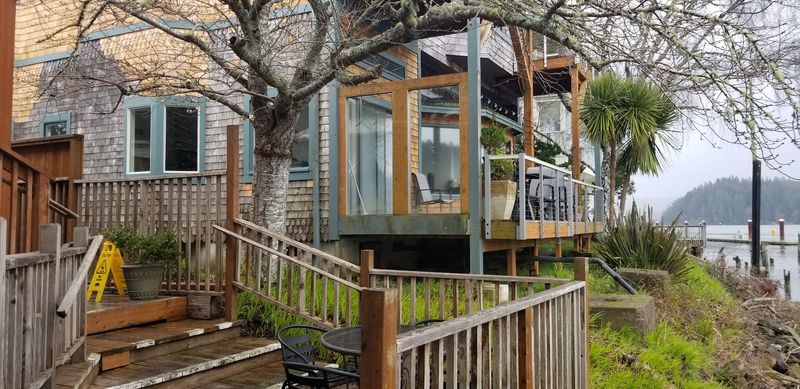
Florence has a food scene that punches above its weight for a town of under 10,000 people. The focus is firmly on local seafood, and the quality of what comes out of the Siuslaw River and the nearby Pacific is reflected on menus all over Old Town.
Clam chowder is the obvious starting point, and the versions served at the waterfront restaurants in Old Town are thick, creamy, and loaded with chopped clams. The chowder at Mo’s, a beloved Oregon coast chain with a location in Florence, is a reliable classic, but several smaller local spots give it genuine competition.
Fresh Dungeness crab is available at the docks during season and at several seafood markets in town. Buying a whole crab, cracking it yourself at a picnic table by the river, and eating it with nothing more than a squeeze of lemon is one of those simple meals that stays in your memory for years.
For breakfast, the coffee shops and diners in Florence open early to serve the fishing crowd, which means fresh pastries and strong coffee are available well before most tourist towns have flipped their signs. The baked goods at several local spots are genuinely exceptional and worth seeking out.
Best Times to Visit Florence
The Oregon coast has a reputation for rain, and Florence gets its share, but the town is worth visiting in any season because each one offers something genuinely different. Summer, from July through September, brings the warmest and driest weather, with average highs in the mid-60s Fahrenheit and long stretches of sunshine that make dune hiking and beach walking genuinely enjoyable.
Spring is when the Rhododendron Festival happens in May, and the blooming rhododendrons along the roadsides and in local gardens are spectacular. The weather is unpredictable but the crowds are smaller and the prices at local lodging are noticeably lower.
Fall brings dramatic storm-watching conditions, and the Florence coast sees some impressive surf as Pacific systems start rolling in during October and November. Watching waves crash against the jetty rocks from a safe distance on a stormy afternoon is one of those experiences that feels both humbling and exhilarating.
Winter is the quietest time, but gray whale migration peaks in December, making Heceta Head an excellent destination for wildlife watching even in the cold. The town stays open year-round, and there is something genuinely appealing about having the dunes and beaches almost entirely to yourself on a crisp January morning.
Getting There and Getting Around Florence
Florence is easy to reach by car and genuinely difficult to reach any other way, which is something worth knowing before you plan your trip. The town sits on Highway 101, about 60 miles west of Eugene via Highway 126, a scenic route that follows the Siuslaw River through old-growth forest for much of the journey.
From Portland, the drive takes roughly three hours depending on your route. Many visitors combine Florence with a broader Oregon coast road trip, using it as a natural stopping point given its central location on Highway 101 between Astoria in the north and Brookings in the south.
Once in town, a car is still the most practical way to get around, especially for reaching the dunes, Sea Lion Caves, and Heceta Head. The distances between attractions are manageable but not really walkable from the town center.
Florence has a small regional airport, the Florence Municipal Airport, which handles private and charter flights but no commercial service. The nearest commercial airports are in Eugene and Portland.
Parking in Old Town is free and plentiful, which is a small but genuinely appreciated detail that makes the whole visiting experience feel relaxed from the moment you arrive.
Share this story