Europe’s most famous cities like Paris, Rome, and Barcelona steal the spotlight every year, but plenty of equally amazing places barely get a mention. Scattered across the continent are cities packed with history, stunning architecture, delicious food, and lively local culture.
The best part? These hidden gems often have smaller crowds and friendlier prices.
Get ready to add some seriously underrated destinations to your travel bucket list.
Ljubljana, Slovenia
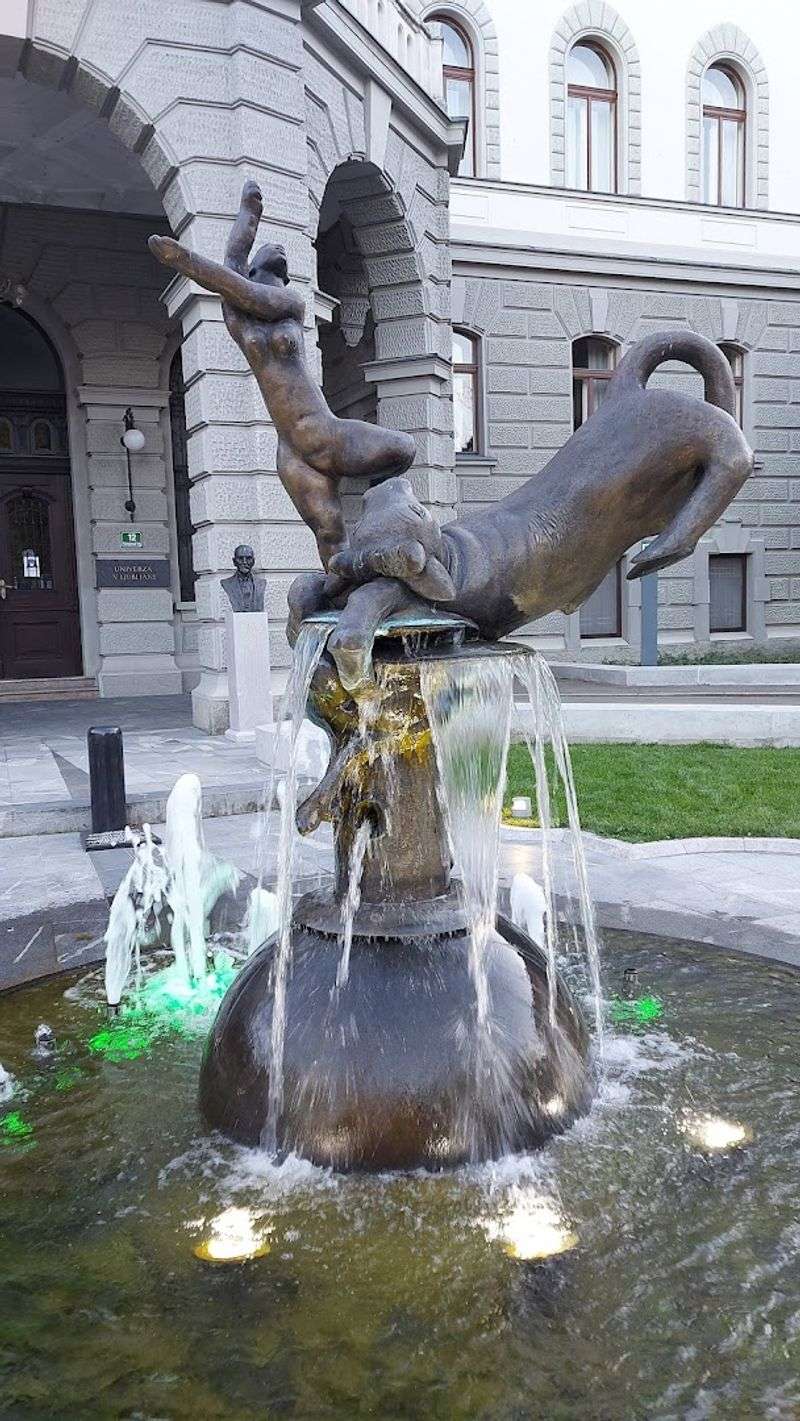
Tucked between the Alps and the Adriatic, Ljubljana might just be Europe’s most lovable capital city that nobody talks about. Slovenia’s compact capital is almost entirely car-free in its historic center, which means you can wander cobblestone streets without dodging traffic.
Riverside cafes spill out along the Ljubljanica River, and locals gather here morning to night like it’s the world’s longest neighborhood block party.
The hilltop Ljubljana Castle offers sweeping views over orange-tiled rooftops and green hills stretching in every direction. Getting up there is easy on foot or by funicular, and admission is genuinely affordable.
The castle hosts concerts, exhibitions, and even a puppet museum that’s surprisingly fun for adults.
Food lovers will appreciate the Central Market, where vendors sell fresh produce, artisan cheeses, and local honey just steps from the river. Ljubljana also has a strong cafe culture and a growing craft beer scene.
Neighboring Italy and Austria draw far more tourists, which actually works in Ljubljana’s favor. Fewer crowds mean more room to breathe, better prices, and a more authentic feel.
Honestly, this city deserves far more attention than it gets.
Ghent, Belgium
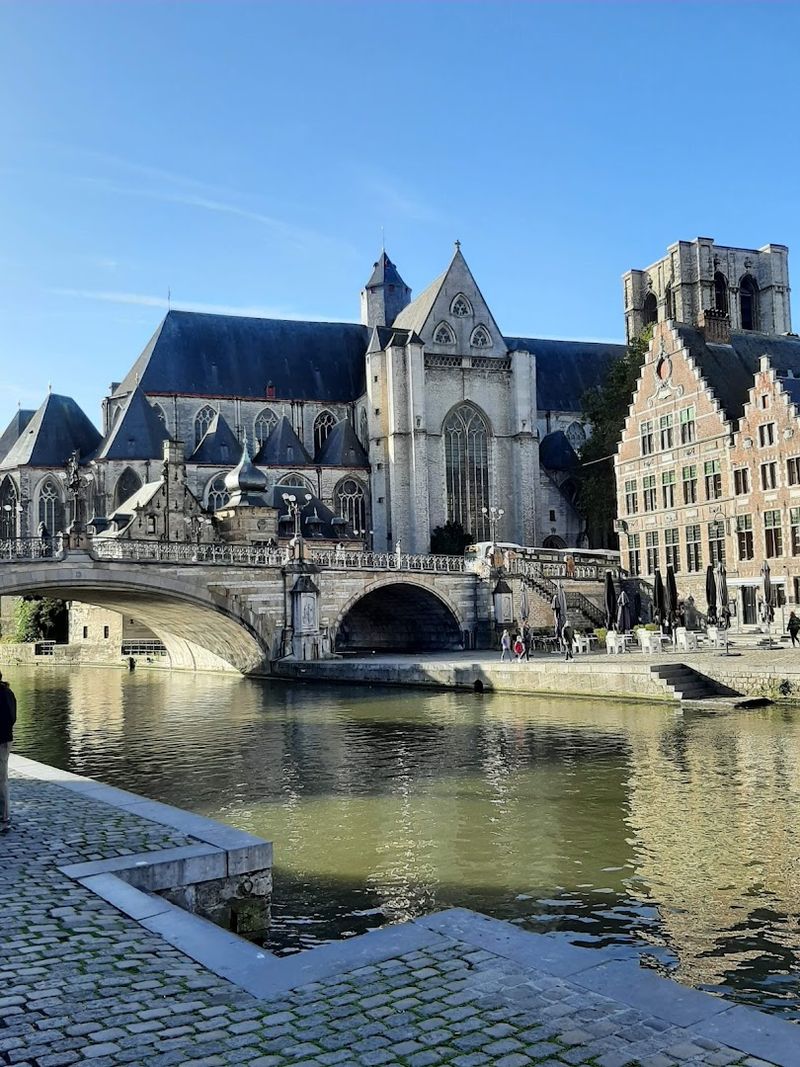
Bruges gets all the postcards, but Ghent is where Belgium actually comes alive. This university city blends medieval grandeur with a buzzing student energy that keeps things fresh and unpredictable.
Walk along the Graslei and Korenlei quays at sunset and you will quickly understand why locals consider this stretch one of the most beautiful urban waterways in Europe.
Gravensteen Castle sits right in the city center like something out of a fantasy novel. Built by the Count of Flanders in 1180, it is remarkably well preserved and open to visitors year-round.
The interior tour is entertaining, detailed, and occasionally a little dark in the best possible way.
Ghent also punches well above its weight when it comes to food. The city is famous for its waterzooi, a creamy local stew traditionally made with fish or chicken.
Vegetarian-friendly restaurants are surprisingly easy to find here too, which is a welcome bonus. The famous Ghent Light Festival transforms the city every three years into an outdoor gallery of illuminated art installations.
Even outside festival season, Ghent rewards slow exploration. Skip the tourist trail and let this spirited Belgian city surprise you completely.
Graz, Austria
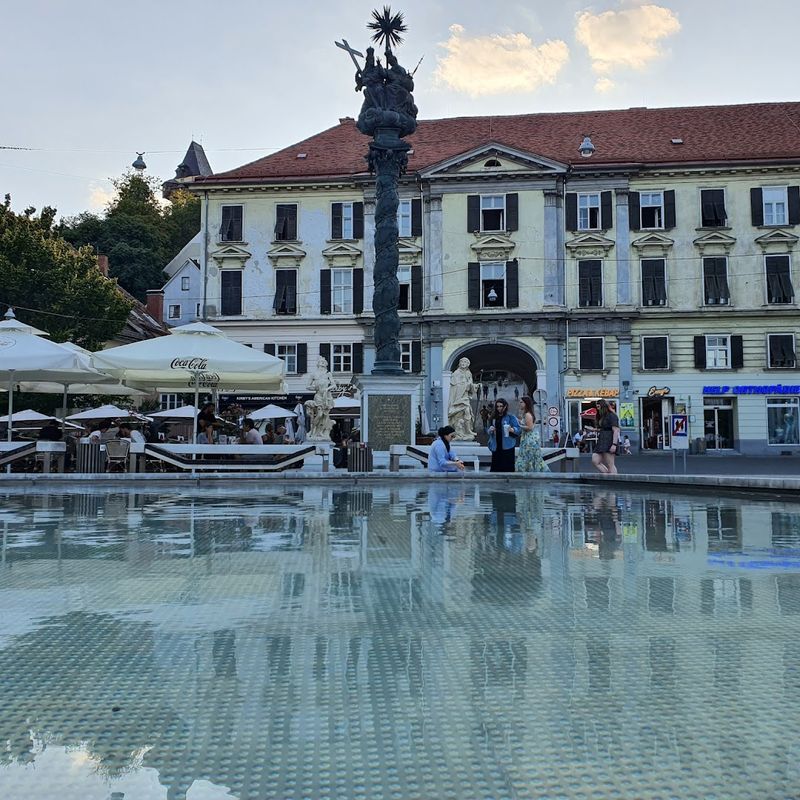
Austria’s second-largest city quietly outshines its reputation at every turn. Graz sits in the southeastern corner of the country, surrounded by wine country and close to the Slovenian border, giving it a distinctly relaxed southern character that Vienna simply cannot match.
The UNESCO-listed Old Town is a maze of Renaissance courtyards, Baroque churches, and narrow arcaded streets that beg to be explored slowly.
The Schlossberg, a forested rocky hill rising straight from the city center, is Graz’s most iconic landmark. A free elevator cuts straight through the rock, or you can climb the zigzagging staircase for a workout with excellent views as your reward.
The clock tower at the top has been keeping time since the 16th century and remains a beloved city symbol.
Graz also has a serious food culture built around Styrian specialties. Pumpkin seed oil drizzled over everything from salads to ice cream is a local obsession, and it actually tastes fantastic.
The Farmers Market at Kaiser-Josef-Platz is one of Austria’s best, packed with seasonal produce and regional cheeses. Stylish cafes, independent bookshops, and a lively arts scene round out a city that rewards curious travelers willing to look beyond the obvious Austrian highlights.
Plovdiv, Bulgaria
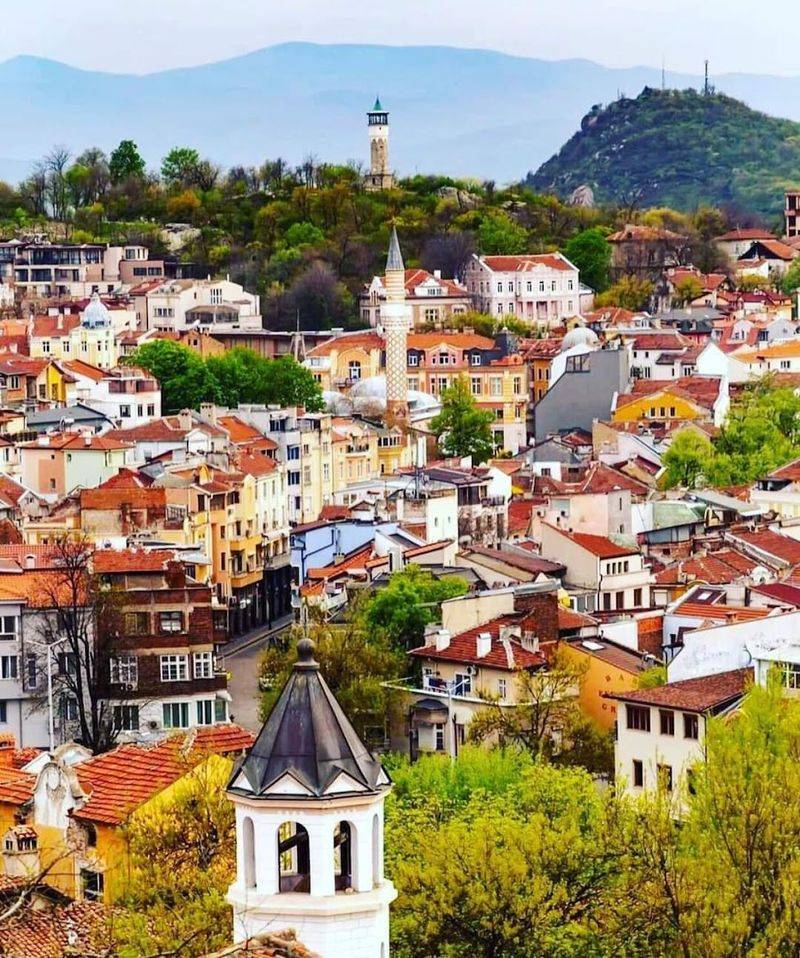
Few cities in Europe can claim to be older than Rome, but Plovdiv can. Continuously inhabited for over 8,000 years, this Bulgarian city layers ancient history with a surprisingly hip modern scene.
The Old Town sits across three rocky hills and is filled with brightly painted National Revival houses that lean dramatically over narrow cobblestone lanes, creating one of Eastern Europe’s most photogenic neighborhoods.
The Roman amphitheater is perhaps the most striking surprise Plovdiv offers. Discovered accidentally during a landslide in 1972, it is now fully restored and still hosts live performances.
Sitting in those ancient stone seats watching a concert under the stars is genuinely unforgettable.
Plovdiv served as a European Capital of Culture in 2019 and that designation brought new galleries, street art, and creative venues that have stuck around. The Kapana district, once a craftsmen’s quarter, is now packed with independent cafes, bars, and design studios.
Prices across the city remain remarkably low by European standards, making Bulgaria one of the continent’s best value travel destinations. A generous three-course meal with wine can cost less than a coffee in Paris.
Plovdiv rewards visitors who come with curiosity and leave with full stomachs.
Brno, Czechia
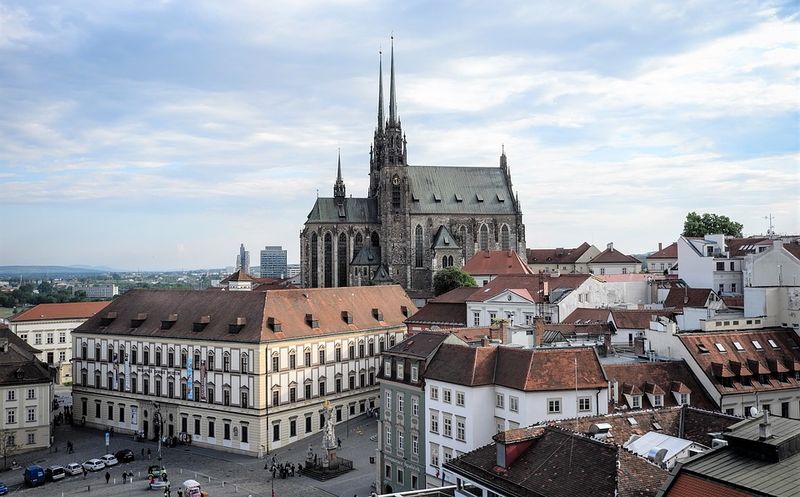
Prague gets the tourists, but Brno gets the locals. Czech travelers know that their country’s second city has a personality all its own, built around a fiercely proud regional identity, a massive student population, and a cafe culture that could rival any European capital.
Brno sits in the heart of Moravia, a wine-producing region that is criminally underrated even by Czechs themselves.
Spilberk Castle looms over the city from a forested hill and doubles as a city museum with rotating exhibitions. Below street level, the Labyrinth Under Cabbage Market is a network of medieval underground passages originally used for food storage and later as a wartime shelter.
Tours run regularly and give the city a genuinely mysterious layer.
The city’s architecture spans Gothic, Baroque, and early Modernist styles, with the Villa Tugendhat standing out as a UNESCO-listed gem of 20th-century design. Built in 1930 by Ludwig Mies van der Rohe, it is considered one of the most important Modernist buildings in Europe and is open for guided tours.
Weekend farmers markets, independent record stores, and a thriving live music scene keep Brno feeling alive and creative. Visit before the rest of the world figures out what Czechs already know.
Trieste, Italy
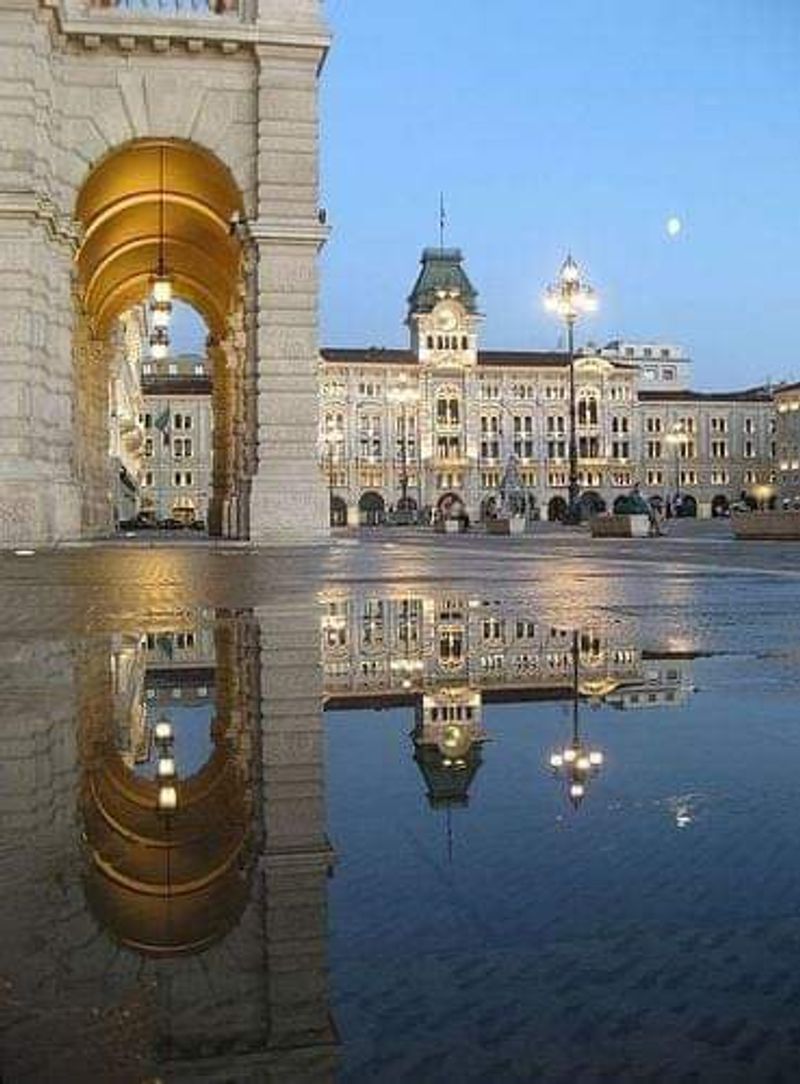
Trieste sits at the very northeastern tip of Italy, pressed between Slovenia and the Adriatic Sea, and it carries the weight of its complicated history with remarkable elegance. Once the main seaport of the Habsburg Empire, the city is filled with grand Austro-Hungarian architecture that feels distinctly un-Italian, giving it a melancholy, literary atmosphere that attracted writers like James Joyce, who lived here for over a decade.
Piazza Unita d’Italia is one of Europe’s largest seafront squares, flanked by monumental buildings and opening directly onto the sea. It is best appreciated at golden hour when the facades turn warm amber and locals gather for the evening passeggiata.
The scale of the square genuinely stops first-time visitors in their tracks.
Coffee culture in Trieste is serious business and follows its own rules. Locals order using entirely different terminology from the rest of Italy, and asking for a cappuccino the wrong way will earn you a gentle but firm correction.
The city’s historic cafes, including the legendary Caffe San Marco, have been serving intellectuals and artists since the early 1900s. The seafood is outstanding, the white wines from the Carso hills are crisp and mineral-driven, and the prices remain refreshingly reasonable for Italy.
Kaunas, Lithuania
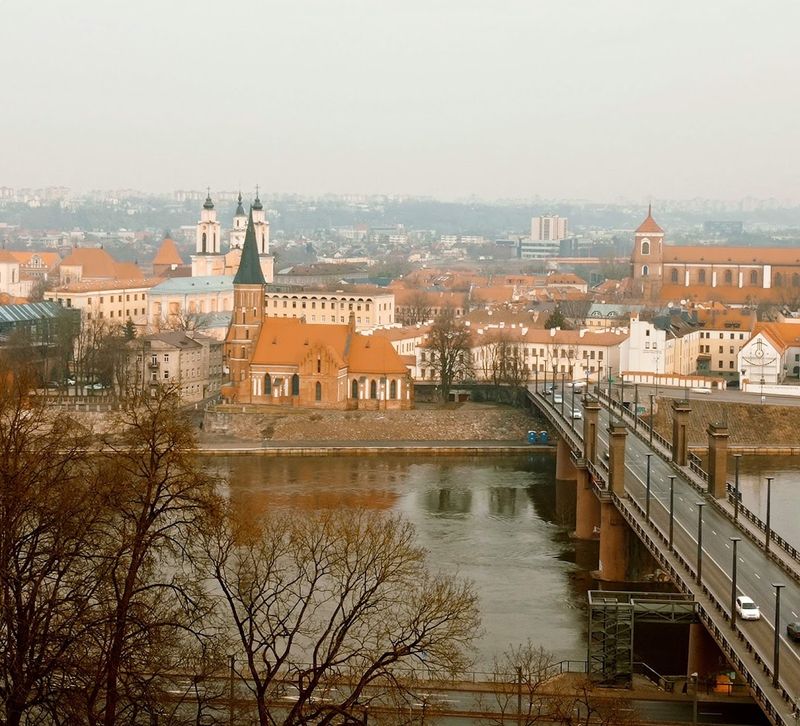
Art Deco fans, Kaunas is calling your name. Lithuania’s second city has one of the highest concentrations of interwar Art Deco buildings in all of Europe, and most visitors walk right past them without realizing what they are looking at.
Between the two World Wars, Kaunas served as Lithuania’s temporary capital, triggering a building boom that left behind a remarkably cohesive architectural legacy still standing today.
Laisves Aleja, the main pedestrian boulevard, stretches for nearly two kilometers and is lined with cafes, boutiques, and historic facades. It is one of the longest pedestrian streets in the Baltics and genuinely pleasant to walk at any time of day.
The boulevard connects the Old Town to the New Town, making it easy to explore both areas without ever needing a map.
Kaunas served as a European Capital of Culture in 2022, which brought a wave of new museums, public art installations, and cultural programming. The city’s museum scene is surprisingly rich, with highlights including the Devil Museum, which houses over 3,000 devil figurines collected from around the world.
It sounds eccentric and absolutely is. Kaunas has a dry wit running through much of its culture, and that makes it one of the most quietly entertaining cities in the Baltics.
Mostar, Bosnia and Herzegovina
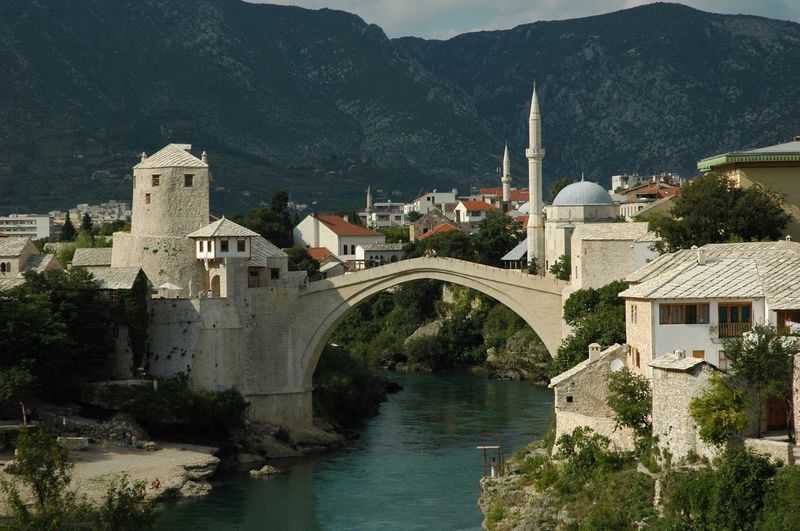
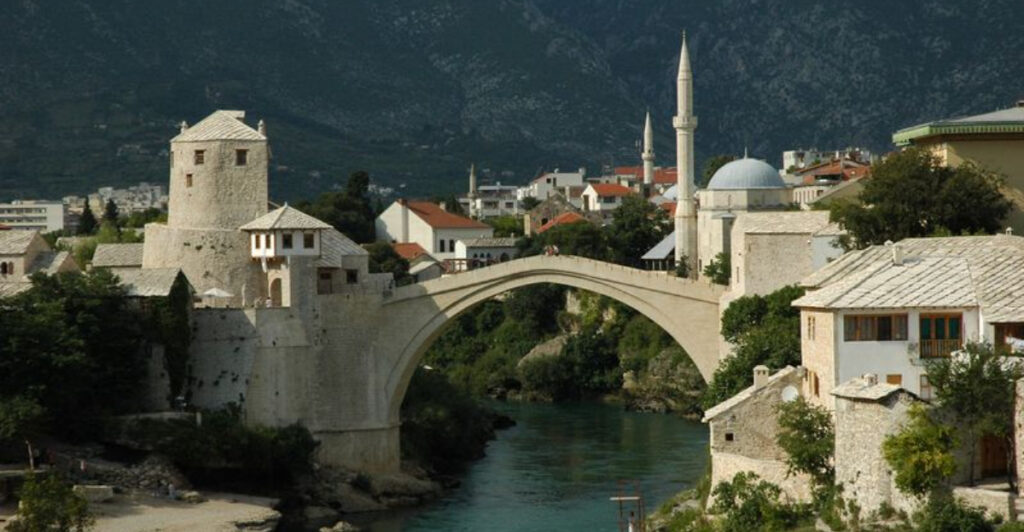
Standing on Stari Most and watching local divers plunge into the turquoise Neretva River below is one of those travel moments that stays with you long after you get home. Mostar’s iconic UNESCO-listed Old Bridge, rebuilt after its destruction in the 1993 war, has become a powerful symbol of resilience and reconciliation.
The story behind the bridge gives every visit an emotional depth that few European destinations can match.
The Old Bazaar, known as Kujundziluk, runs along the cobblestone approach to the bridge and is packed with copper craftsmen, textile sellers, and tiny restaurants. Shopping here feels genuinely local rather than purely tourist-oriented.
Handmade copperware, embroidered textiles, and locally produced pomegranate products make excellent souvenirs.
Beyond the bridge, Mostar rewards wanderers who stray from the main drag. Koski Mehmed Pasha Mosque offers stunning views over the Old Town from its minaret, and the surrounding neighborhoods blend Ottoman and Austro-Hungarian architecture in fascinating ways.
The food scene leans heavily on grilled meats, fresh salads, and flaky burek pastries that are filling, delicious, and very cheap. Bosnia and Herzegovina remains one of Europe’s most affordable destinations, and Mostar is its most captivating city by a considerable margin.
Riga, Latvia
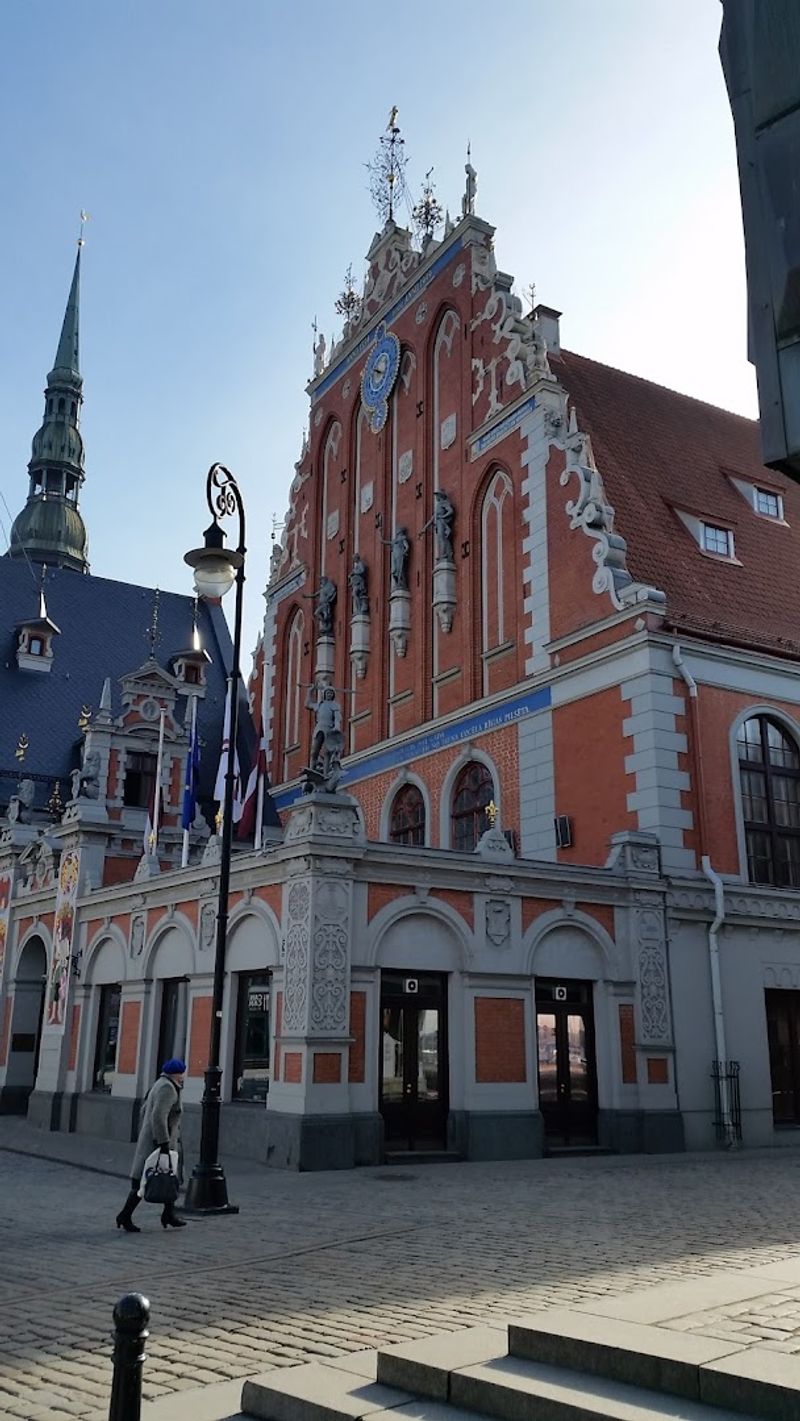
Riga has a secret weapon that most travelers don’t know about until they’re standing in front of it with their jaw slightly open. The city’s Art Nouveau district contains over 800 buildings decorated with elaborate sculpted facades, making it the largest collection of Art Nouveau architecture anywhere in the world.
Faces, figures, and fantastical ornaments peer down from nearly every building along Alberta and Elizabetes streets.
The medieval Old Town is a UNESCO World Heritage Site packed with Gothic churches, winding lanes, and lively squares. Riga Cathedral, founded in 1211, is one of the oldest in the Baltic region and houses a genuinely impressive organ that gives regular concerts.
The House of the Blackheads, a reconstructed Gothic guild hall, is arguably the most photographed building in Latvia.
Riga’s Central Market is a sensory experience unlike anything else in Northern Europe. Housed inside five enormous zeppelin hangars from World War One, it is one of the largest markets in Europe and sells everything from smoked fish to Soviet-era memorabilia.
The food stalls inside are excellent and very affordable. Latvia’s cuisine leans heavily on rye bread, smoked meats, and dairy products, and Riga is the best place in the country to sample all of it properly.
Poznan, Poland
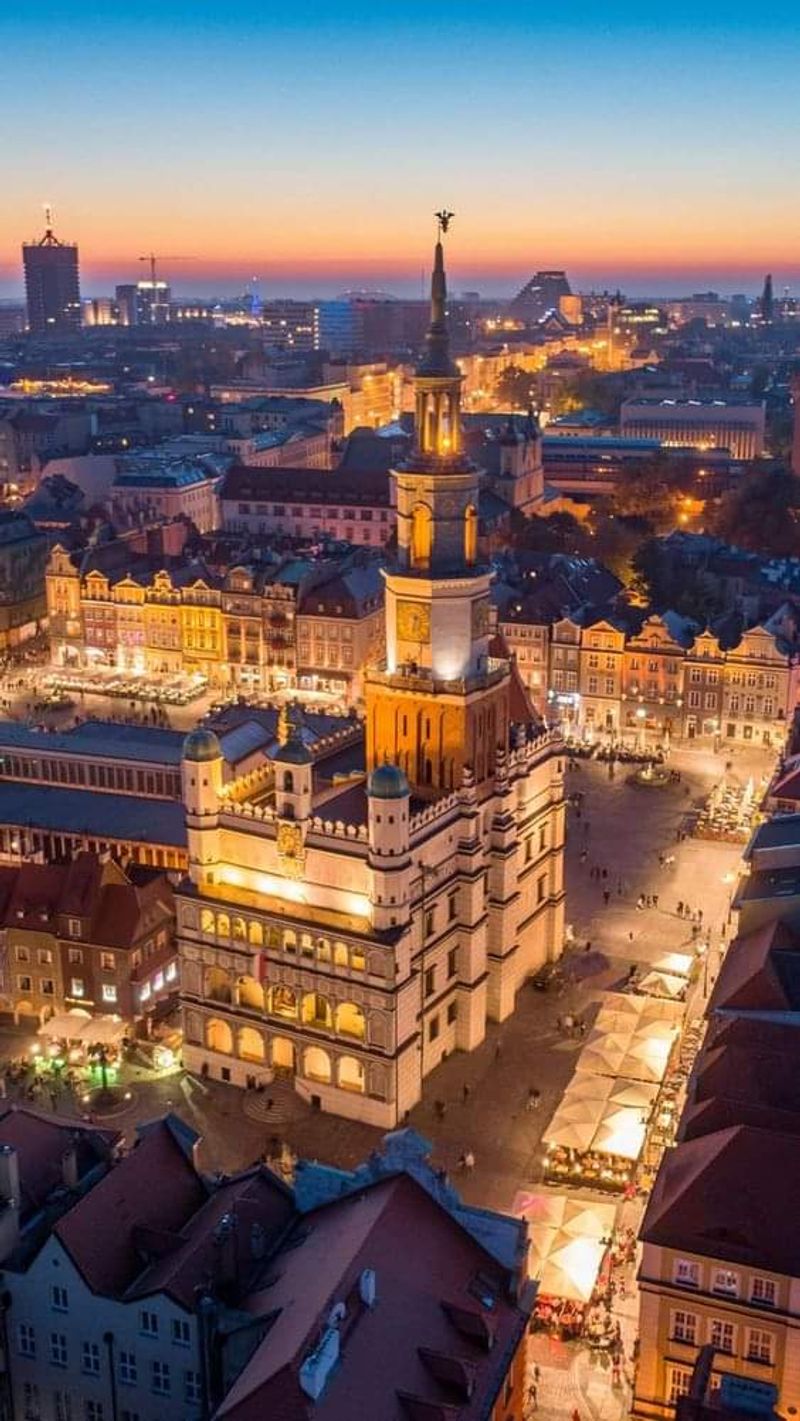
Every day at noon in Poznan, two mechanical billy goats emerge from the Town Hall clock tower and butt heads exactly twelve times. This quirky tradition has been running since 1551 and perfectly captures the playful spirit of a city that takes its fun seriously.
Poznan’s Old Market Square is one of Poland’s most colorful, surrounded by pastel-painted merchant houses that were meticulously rebuilt after World War Two.
The city has a young, energetic character fueled by one of Poland’s largest university populations. This keeps the restaurant and bar scene creative and constantly evolving.
Prices remain well below what you would pay in Warsaw or Krakow, making Poznan one of the best-value cities in Central Europe for travelers watching their budget.
Poznan also carries serious historical weight as the birthplace of the Polish state. The Cathedral Island, known as Ostrow Tumski, is the oldest part of the city and home to Poznan Cathedral, where the first Polish rulers are buried.
The underground crypt tour is genuinely fascinating. Food-wise, the city is famous for its St. Martin’s croissants, a local pastry made with white poppy seed filling that holds a protected regional designation.
Try one fresh from a bakery and you will understand the fuss immediately.
Lecce, Italy
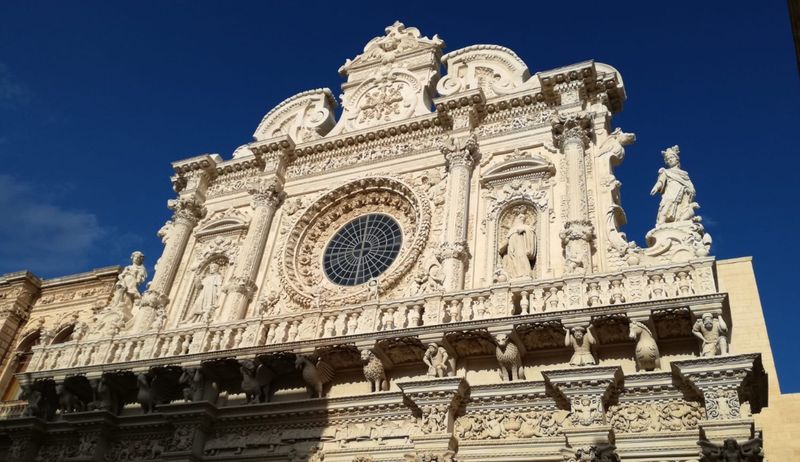
Baroque architecture in Lecce is not subtle. The city’s churches and palaces are carved from a soft local limestone called pietra leccese, and the craftsmen of the 17th century used it like it was going out of style.
Swirling columns, grinning gargoyles, oversized floral motifs, and theatrical facades cover nearly every historic building in the center. The Basilica di Santa Croce alone has enough decorative detail to keep you staring for an hour.
Lecce sits deep in Puglia, Italy’s sun-baked heel, and the surrounding region produces some of the country’s best olive oil and wine. The local cuisine features rustic pasta shapes like orecchiette and ciceri e tria, a dish made with fried and boiled pasta combined with chickpeas that dates back centuries.
Eating here is an absolute pleasure at prices that feel almost too good to be true.
The city also has a thriving artisan tradition in papier-mache sculpture, a craft that has been practiced here since the 1600s. Workshop visits are available, and watching craftsmen create elaborate religious figures and decorative pieces is a genuinely memorable experience.
Lecce is compact, walkable, and best explored on foot during the long southern evenings when the limestone glows amber and the piazzas fill with life.
Toulouse, France
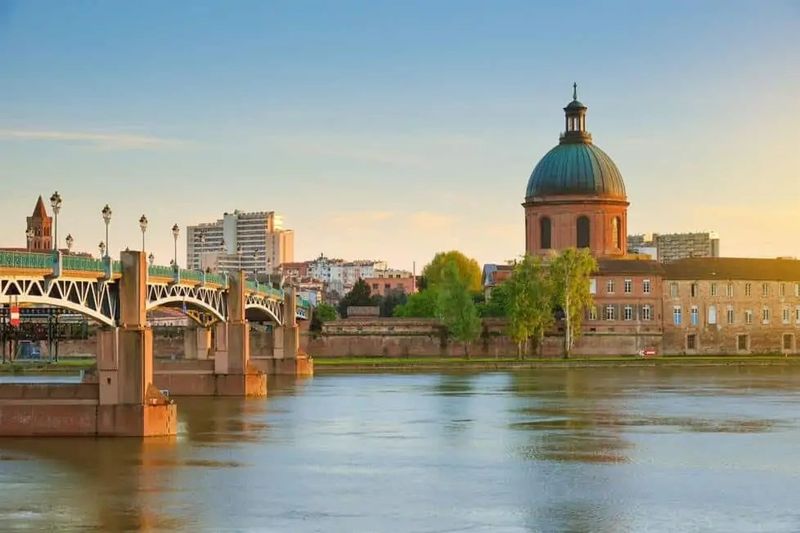
Toulouse earns its nickname, La Ville Rose, every single evening. As the sun drops toward the horizon, the city’s distinctive rose-colored brick buildings ignite in shades of pink, amber, and deep terracotta, turning the entire skyline into something that looks almost artificially beautiful.
This warm palette runs through centuries of architecture, from Romanesque basilicas to 18th-century townhouses lining the Garonne River.
The city is home to Airbus headquarters and the Cite de l’Espace, a space-themed park where you can walk inside a full-scale replica of the Mir space station. Toulouse has been at the heart of European aerospace since the early days of aviation, and that scientific energy gives the city an unusually forward-thinking personality for a place so steeped in history.
Southern French cuisine reaches a wonderful peak in Toulouse. The city is the undisputed home of cassoulet, a slow-cooked bean and meat stew that is rich, hearty, and deeply satisfying.
Arguments about the correct recipe are taken very seriously by locals. The Saturday morning market at Place du Capitole is one of France’s finest, overflowing with regional cheeses, charcuterie, and fresh produce.
Toulouse is livelier, cheaper, and more characterful than many French cities twice its tourist profile, making it a genuinely rewarding detour.
Albi, France
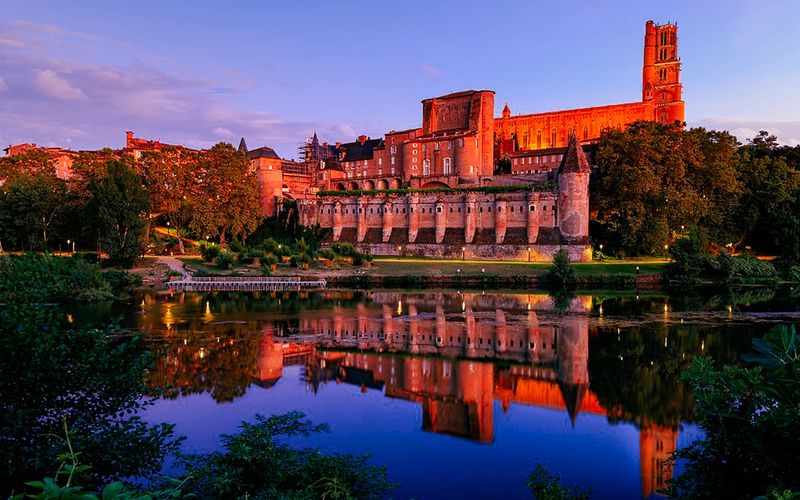
Sainte-Cecile Cathedral in Albi does not look like a church. It looks like a fortress designed by someone who really wanted to make a point.
Built from the same warm red brick that gives the whole city its distinctive color, the cathedral is the largest brick building in the world and its sheer walls rise so dramatically above the surrounding streets that first-time visitors often stop and stare in disbelief. It was built between 1282 and 1480 as a statement of Catholic authority following the Cathar crusades.
Inside, the contrast with the austere exterior is staggering. The ceiling is covered in Renaissance frescoes, the choir screen is a masterpiece of Gothic stone carving, and the whole interior glows with color and detail.
Guided tours are available and worth every cent for the historical context they provide.
Albi was also the birthplace of Henri de Toulouse-Lautrec, and the museum dedicated to his work sits in the Archbishop’s Palace beside the cathedral. It holds the world’s largest collection of his paintings, drawings, and posters, all displayed beautifully in a historic setting.
The medieval center surrounding these two landmarks is remarkably well preserved, full of half-timbered houses, artisan shops, and quiet squares that invite long, unhurried afternoons.
Olomouc, Czechia
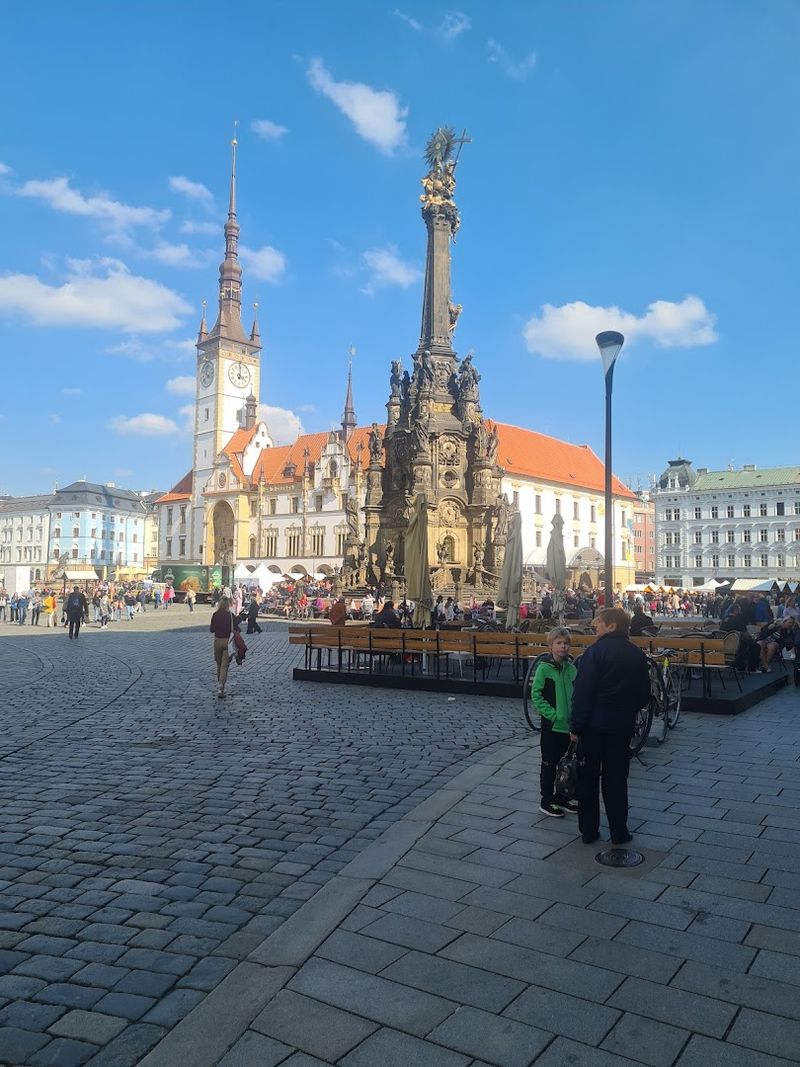
Six Baroque fountains, a UNESCO-listed plague column, and almost zero international tourists. That is Olomouc in a nutshell, and it is one of Central Europe’s most baffling oversights.
This Moravian city served as the capital of the region for centuries and is packed with monuments that would draw enormous crowds if they were located anywhere near Prague. Here, you can wander freely and actually hear your own footsteps on the cobblestones.
The Holy Trinity Column in the upper square is a genuinely awe-inspiring monument, standing 35 meters tall and covered in gilded Baroque sculptures. It was added to the UNESCO World Heritage list in 2000 and represents one of the finest examples of Central European Baroque art anywhere on the continent.
The six Baroque fountains scattered across the city depict scenes from Roman mythology and are each worth seeking out individually.
Olomouc has a large student population that keeps the city’s cafe and bar scene vibrant well beyond what its size might suggest. The local specialty is Olomoucke tvaruzky, a pungent aged cheese that locals eat with bread and mustard.
It has a powerful smell and a devoted following. The city is only 90 minutes from Brno by train, making it a natural pair for anyone exploring Moravia properly and looking for authentic Czech culture without the crowds.
Koper, Slovenia
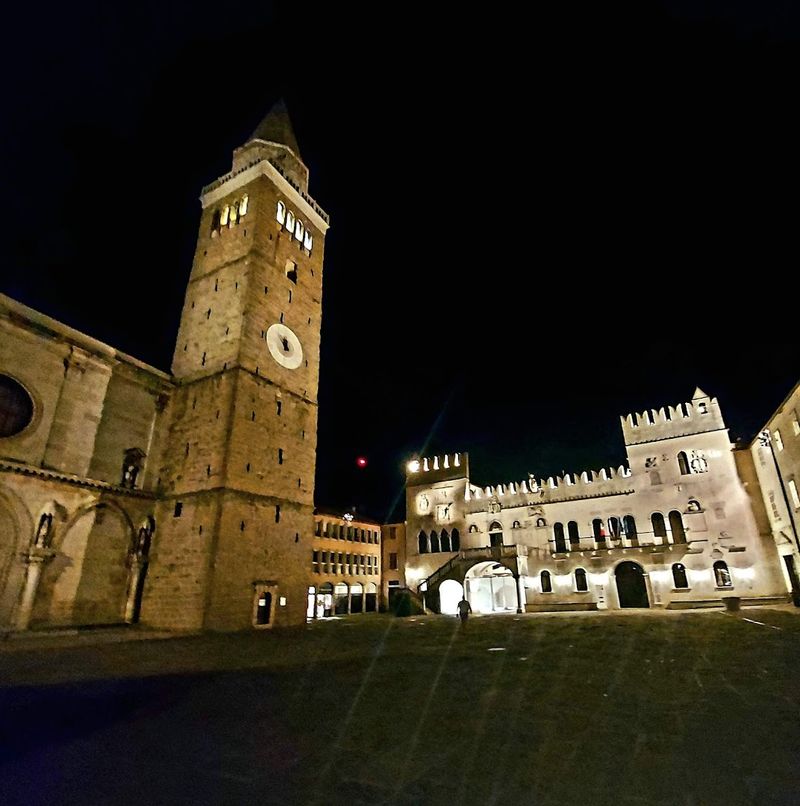
Slovenia has a coastline of just 47 kilometers, and Koper sits right at the heart of it, packing more Venetian charm per square meter than most travelers ever expect to find this far from Italy. The city was under Venetian rule for nearly 300 years, and that influence shows in every loggia, campanile, and carved stone facade lining the historic center.
Titov Trg, the main square, is anchored by the gorgeous Praetorian Palace and feels like a scene transplanted directly from the Adriatic coast of Italy.
Because Koper is primarily a working port city rather than a tourist resort, it maintains an authenticity that nearby Piran, while beautiful, sometimes lacks in peak season. Locals outnumber tourists in the cafes and markets, prices stay reasonable year-round, and the atmosphere is genuinely relaxed.
The fish market near the waterfront sells the morning’s catch directly from local boats.
The surrounding Istrian countryside produces some of Slovenia’s finest olive oil and wine, and the city’s restaurants make excellent use of both. Cycling and hiking trails connect Koper to nearby coastal towns and vineyard-covered hills.
The border with Italy is just a short drive away, and the cultural blend of Slovenian, Italian, and Istrian influences makes the food scene here particularly exciting. Koper is small, easy to explore, and completely charming.
Share this story