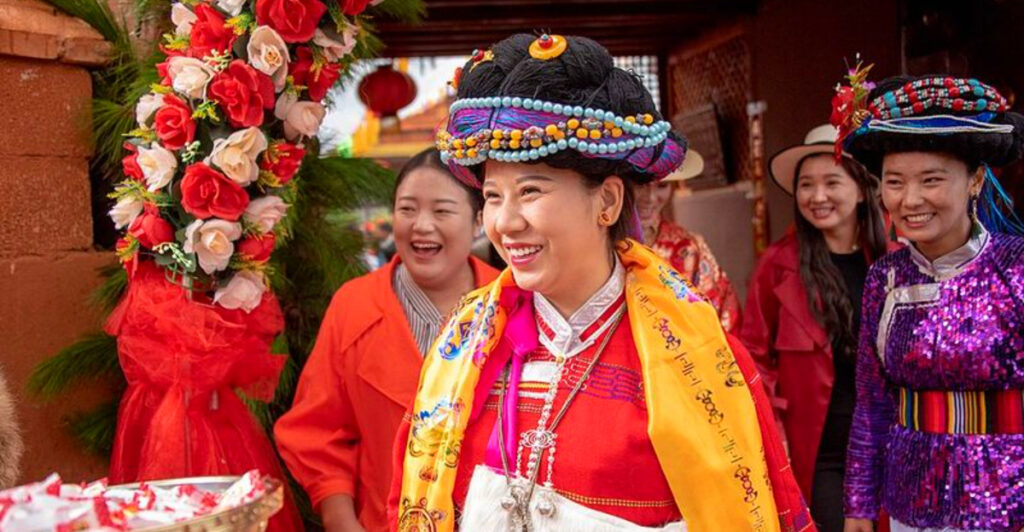
Somewhere along the misty shores of Lugu Lake, tucked between the mountains of Yunnan and Sichuan, there is a community where women hold the keys to the household, choose their own partners freely, and pass their family name down through generations of daughters. The Mosuo people have lived this way for centuries, quietly defying the gender norms that dominate most of the world.
Scholars call their system a matrilineal society, but the Mosuo simply call it life. What makes their story so remarkable is not just how different it is, but how peacefully and purposefully it works for everyone who lives within it.
The Matrilineal Foundation That Sets the Mosuo Apart
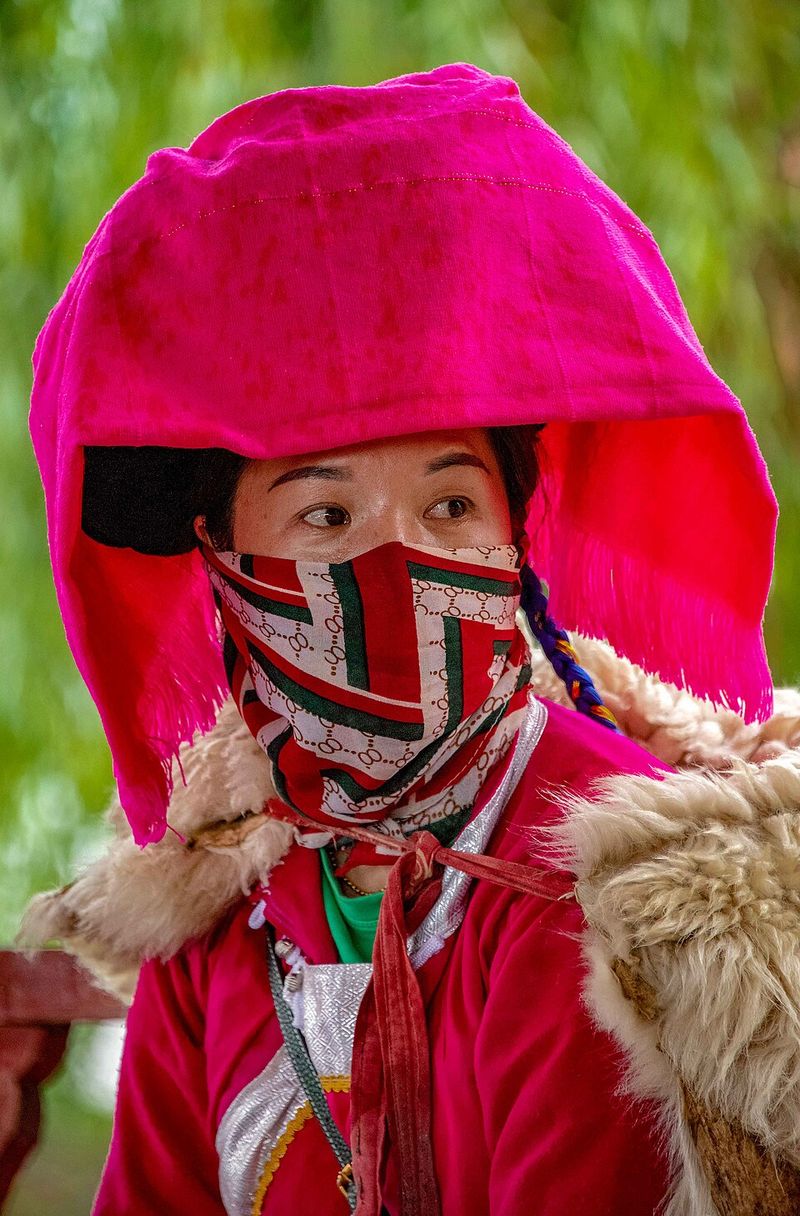
Most societies across the world trace family lineage through the father’s side. The Mosuo flip that entirely.
In Mosuo culture, lineage, property, and family identity all flow through the mother. Children are raised in their mother’s household and carry her family name, not their father’s.
This is not a modern experiment or a political statement. The Mosuo have practiced this system for well over a thousand years.
It is woven into their daily routines, their festivals, their language, and their spiritual beliefs.
The grandmother, called the “ah mi,” sits at the center of every household. Her word carries the most weight on decisions about land, resources, and family matters.
Sons and daughters both live under her roof and contribute to her household’s wellbeing. For the Mosuo, this arrangement creates stability, belonging, and a deep sense of identity that outsiders often find both surprising and admirable.
Lugu Lake: The Sacred Landscape That Shaped This Culture
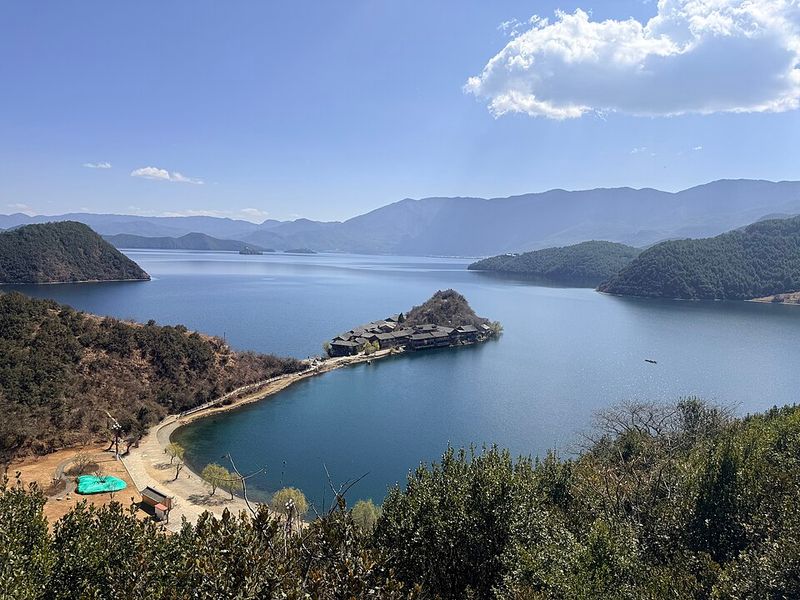
Lugu Lake sits at an elevation of roughly 2,685 meters above sea level, straddling the border between Yunnan and Sichuan provinces. Its water is remarkably clear, and the surrounding mountains create a natural boundary that helped the Mosuo maintain their way of life for centuries with relatively little outside interference.
The lake is not just a backdrop. The Mosuo consider it sacred.
Their creation stories, spiritual ceremonies, and seasonal festivals are tied directly to the lake’s rhythms and moods. Local legend holds that the lake is the Mother Goddess herself, watching over her people from below.
Traditional wooden dugout canoes called “pig trough boats” have been used on the lake for generations. Mosuo women often row them confidently across the water, which speaks to the broader reality of their daily lives.
The landscape and the culture here are genuinely inseparable from each other.
Walking Marriages: A Partnership Built on Personal Choice

Perhaps the most talked-about aspect of Mosuo life is the practice known as “zou hun,” often translated into English as the walking marriage. In this arrangement, a woman chooses a male partner she is romantically interested in, and he visits her at her home after dark.
He returns to his own mother’s household before dawn.
There is no formal marriage ceremony, no shared home, and no legal contract. The relationship continues for as long as both partners choose.
Either person can end it without social stigma or legal complication. Children born from these unions are raised by the mother and her family, and the biological father plays a supporting role rather than a primary parenting one.
This system gives women genuine agency over their romantic lives. It also means a woman never has to depend on a partner economically, because her household and inheritance are already secure through her mother’s lineage.
The Role of the Grandmother at the Heart of Every Home
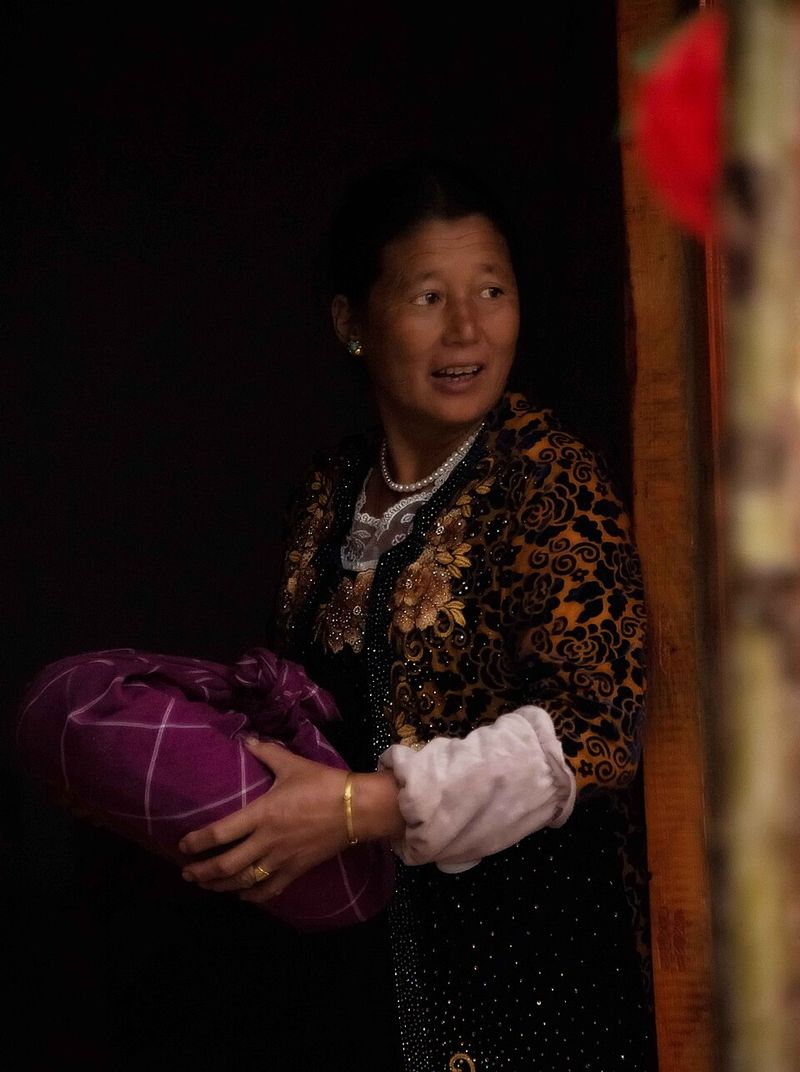
In the Mosuo world, the grandmother is not a figure who sits quietly in the corner. She runs the household.
Every major decision, from how to allocate food and money to which family members take on which responsibilities, passes through her authority.
Her room in the family home, called the “flower room” in some translations, is often the most important space in the house. Younger women in the household eventually earn the right to their own flower rooms as they mature, which symbolizes their growing independence and social standing within the family.
Sons are deeply respected and loved, but they do not inherit property or hold leadership roles within their mother’s household. Instead, they often serve as the maternal uncles of the next generation, helping to raise their sisters’ children with care and consistency.
This uncle-nephew bond is one of the warmest and most celebrated relationships in Mosuo society.
How Mosuo Women Control Property and Resources
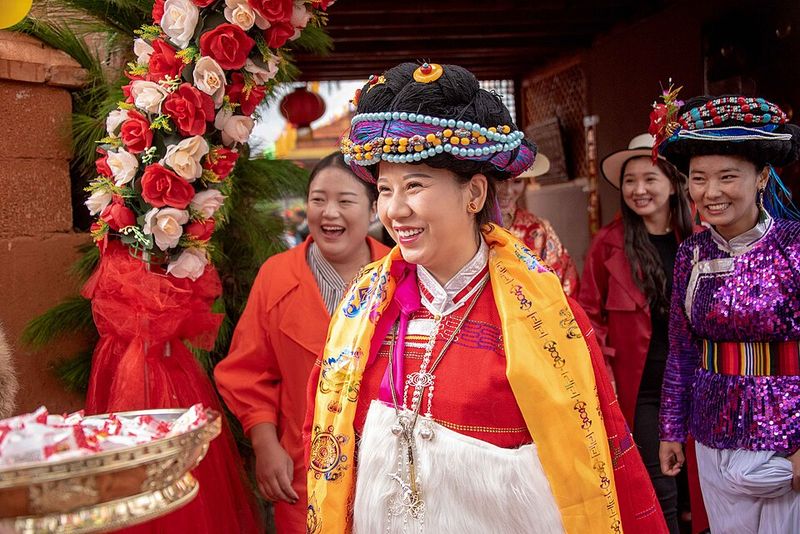
Property ownership among the Mosuo stays firmly within the female line. When a grandmother passes away, her home, land, and possessions transfer to her daughters, not her sons.
Sons remain part of the household but do not hold individual ownership rights over its assets.
This arrangement might sound unusual to outsiders, but it creates a remarkably stable economic foundation. Because women control the resources, they are never in a position of financial vulnerability within their own families.
No woman has to stay in an unhappy relationship because she fears losing her home or income.
Mosuo women also manage the household’s daily finances, trade goods at local markets, and make decisions about agricultural production. Visitors to the region often notice that Mosuo women carry themselves with a quiet confidence that reflects this economic security.
It is not arrogance. It is the natural posture of someone who has always known that her place in the world is secure.
Festivals and Ceremonies That Celebrate Womanhood
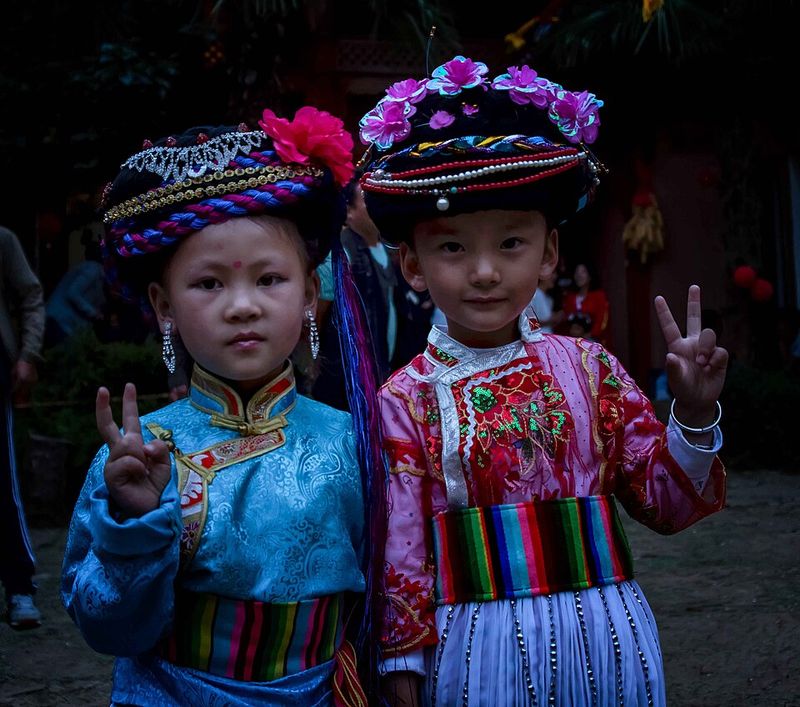
The Mosuo calendar is filled with ceremonies that honor women, ancestors, and the sacred lake. One of the most important milestones in a young Mosuo girl’s life is her coming-of-age ceremony, which typically takes place when she turns thirteen.
During this ritual, she receives her first adult clothing and officially transitions from childhood into womanhood.
The ceremony is a community event, not a private one. Family members gather, food is prepared, and prayers are offered.
The girl is recognized publicly as a full member of the adult world, capable of making her own choices and contributing to the household as an equal.
Mosuo festivals also include offerings to the goddess of Lugu Lake, communal singing, and traditional dancing that has been passed down through generations. These celebrations are not just entertainment.
They reinforce the community’s values, strengthen family bonds, and remind younger generations of what it means to live as a Mosuo person.
The Spiritual Beliefs That Support This Way of Life
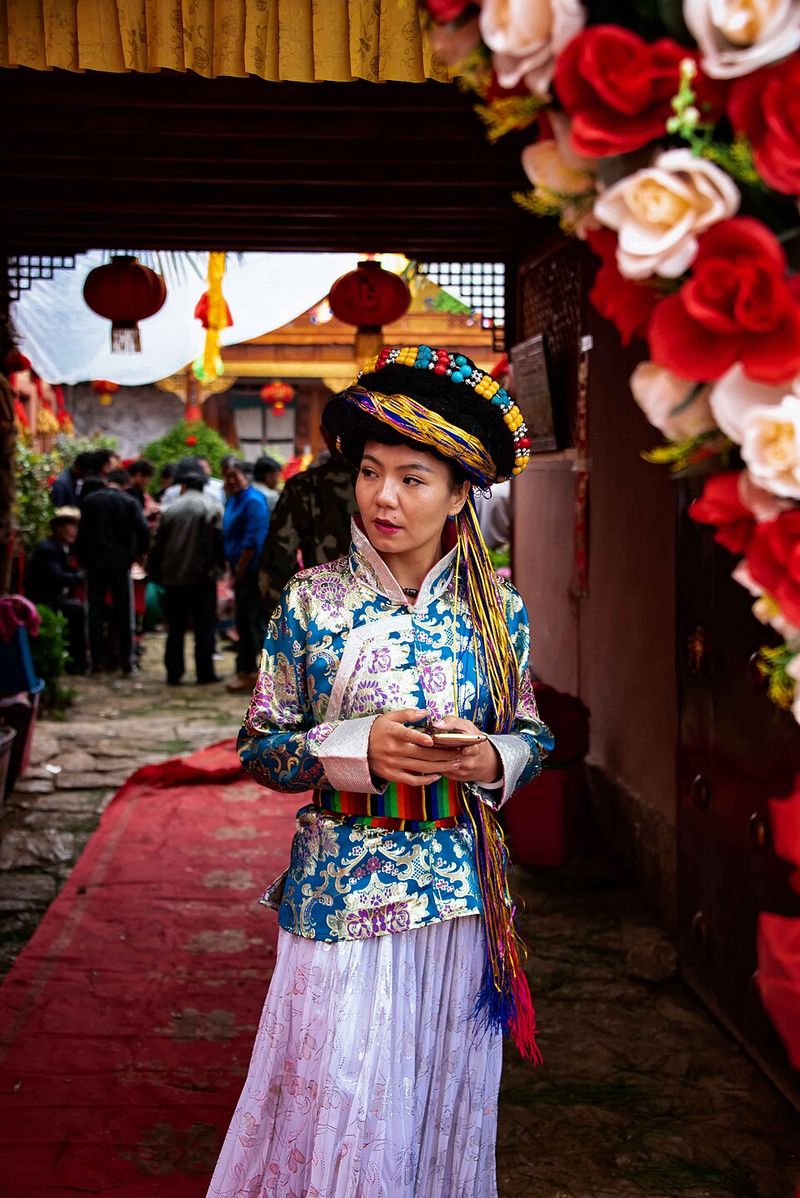
Mosuo spirituality blends Tibetan Buddhism with an older indigenous belief system called Daba. The Daba tradition involves shamanic practices, oral texts, and rituals that predate the arrival of Buddhism in the region.
Both systems coexist comfortably in Mosuo daily life, which itself reflects the community’s broader approach to balance and coexistence.
The goddess of Lugu Lake, known as Gemu, is a central figure in Mosuo spiritual life. She is portrayed as a beautiful and powerful female deity who protects the community and blesses its members.
Her presence reinforces the cultural message that feminine power is something to be honored rather than controlled.
Daba priests, who are always male, perform specific rituals related to birth, passing, and seasonal transitions. Their role is important but not dominant.
Spiritual authority in the Mosuo world is shared, balanced, and deeply tied to the natural rhythms of the mountain landscape surrounding the lake.
What Mosuo Men’s Lives Actually Look Like
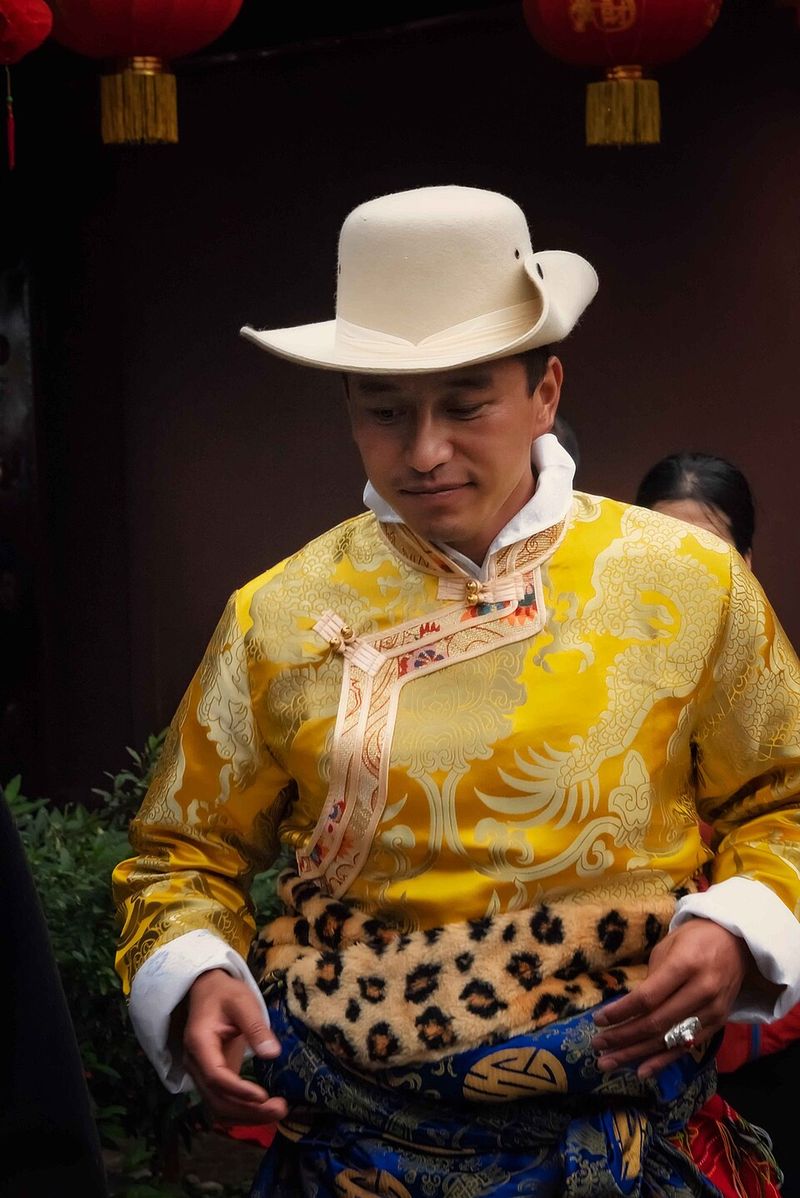
A common misconception about the Mosuo is that men hold no power or respect in this society. That is not accurate.
Mosuo men are valued, loved, and play important roles within the family structure. They simply hold those roles differently than men do in patrilineal societies.
A Mosuo man’s primary responsibilities are to his mother’s household, not to a wife or children of his own. He helps with farming, construction, trade, and the care of his sisters’ children.
The relationship between a Mosuo man and his nephews and nieces is one of the deepest in the culture.
Men also participate in political decisions at the community level and engage in trade with neighboring regions. Some Mosuo men have expressed in interviews that they find the system freeing in its own way.
There is no pressure to be the sole provider for a nuclear family, which creates a different but genuinely satisfying sense of purpose and belonging.
Traditional Mosuo Architecture and the Family Compound
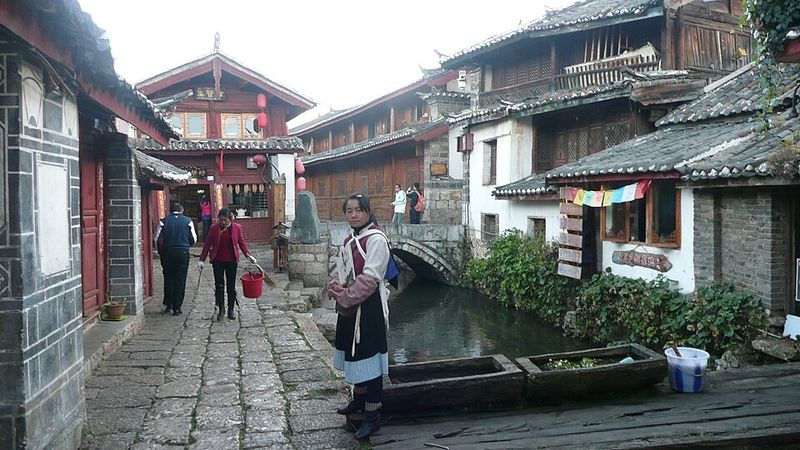
Mosuo homes are built to accommodate extended family living, which makes complete sense given their social structure. The traditional family compound consists of several connected wooden buildings arranged around a central courtyard.
Each building serves a different purpose, from cooking and eating to sleeping quarters and storage.
The main building typically includes the grandmother’s quarters, the family hearth, and the communal gathering space. The hearth holds particular significance in Mosuo culture.
It is where meals are prepared, stories are told, and decisions are made. Letting the fire go out is considered deeply inauspicious.
Younger women in the household may have their own separate sleeping quarters as they reach adulthood, reflecting their growing independence. The architecture itself tells the story of the culture: collective, layered, and designed around the needs of women and their children across multiple generations.
Visitors who tour Mosuo villages often describe the homes as remarkably warm and purposeful in their layout.
How Tourism Has Changed Life Around Lugu Lake
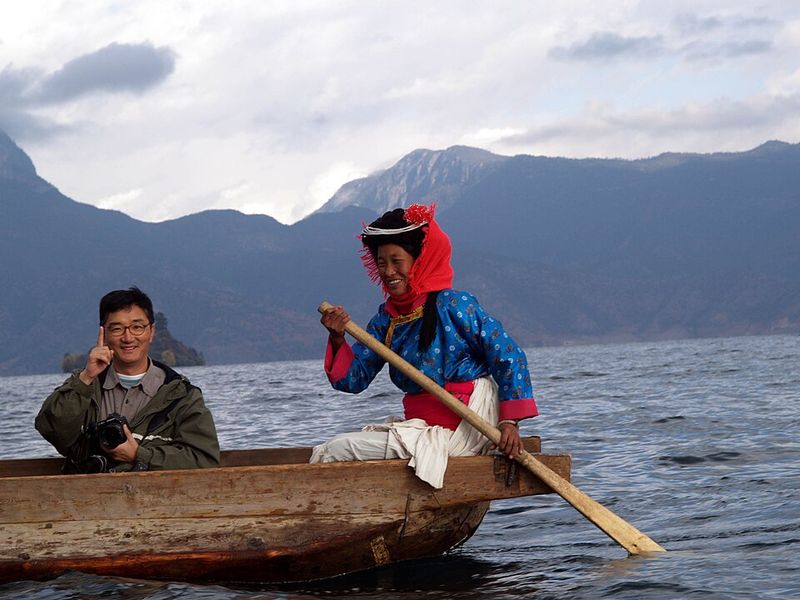
Lugu Lake has become one of the more popular tourist destinations in southwestern China over the past few decades. Visitors come specifically because of the Mosuo culture, drawn by curiosity about the walking marriage tradition and the matrilineal system.
That attention has brought economic benefits but also real complications.
Some Mosuo families have opened guesthouses and restaurants, allowing them to profit from tourism while staying on their ancestral land. Local crafts, textiles, and traditional foods have found new markets.
For many households, tourism income has raised their standard of living in practical ways.
At the same time, outside values and expectations have begun to influence younger Mosuo generations. Some young people have moved to cities for work or education, and the walking marriage tradition is practiced less consistently than it once was.
Community leaders and scholars are actively discussing how to preserve Mosuo cultural identity while adapting to a rapidly changing world around them.
The Language and Oral Traditions of the Mosuo People
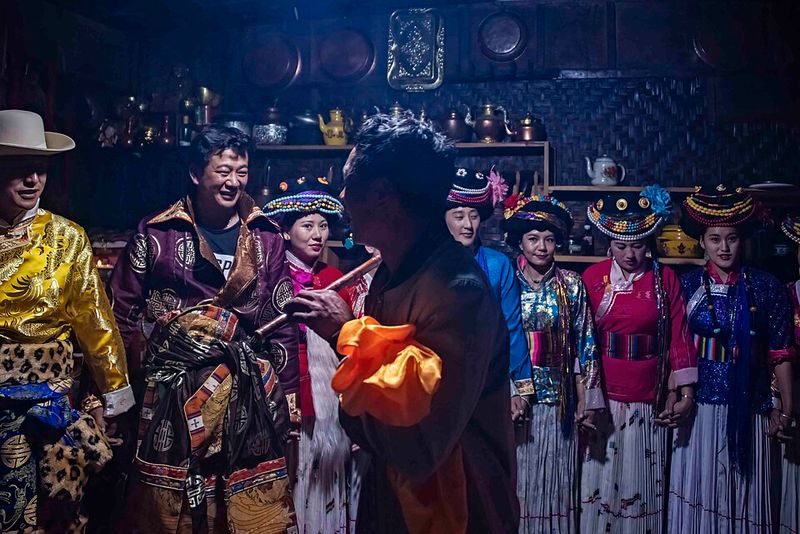
The Mosuo speak a Tibeto-Burman language that does not have a traditional written form. Their history, stories, spiritual texts, and cultural wisdom have been passed down entirely through oral tradition for generations.
This makes the role of elders, particularly grandmothers, critically important as living libraries of cultural knowledge.
Daba priests memorize extensive ritual texts and recite them during ceremonies. The precision required is remarkable, since there is no written version to reference.
This oral tradition demands deep concentration, years of training, and a genuine reverence for the material being preserved.
Younger Mosuo children today typically learn Mandarin Chinese in school, which opens educational and economic doors but also creates a generational gap in language fluency. Efforts are underway by cultural organizations and community members to document Mosuo oral traditions in audio and video formats, preserving them for future generations who may not have the same direct access to elder knowledge as previous ones did.
Food, Agriculture, and the Rhythms of Daily Life
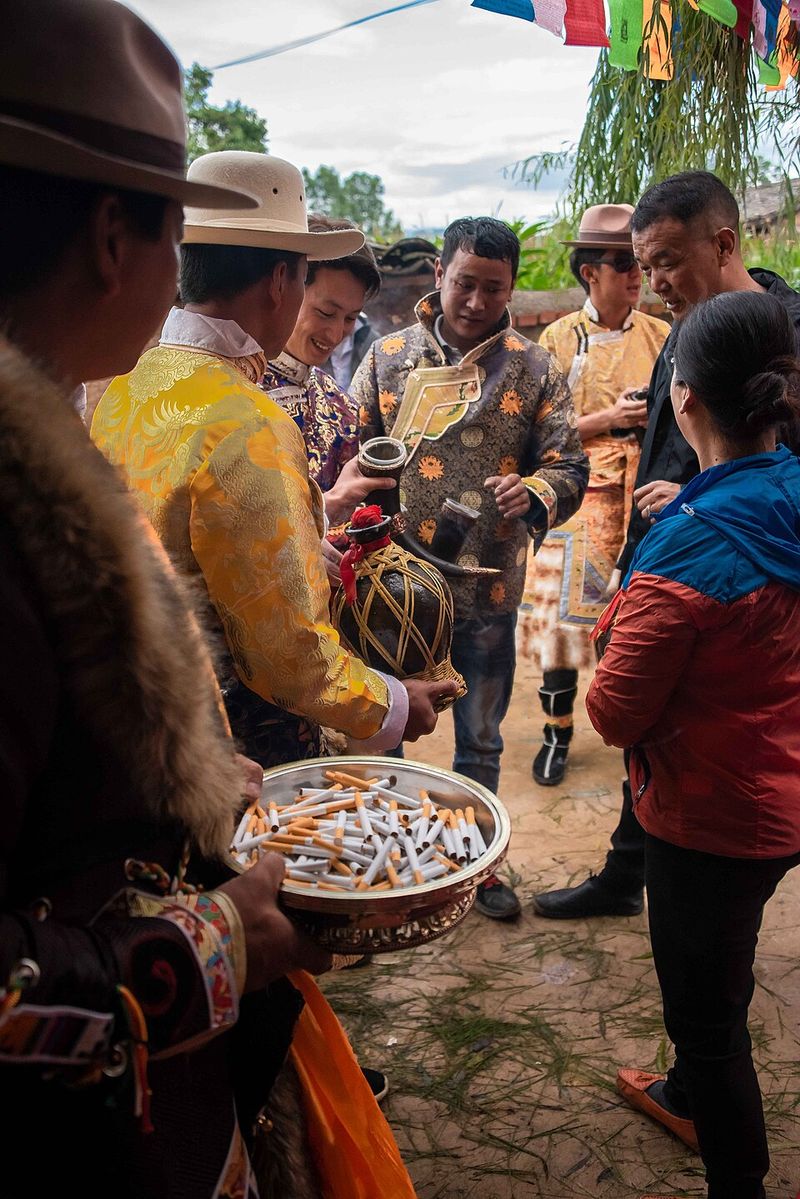
Daily life for the Mosuo revolves around agriculture, animal husbandry, fishing, and the seasonal rhythms of mountain living. Corn, buckwheat, potatoes, and barley are staple crops.
Pigs, cattle, and chickens are raised for food and trade. Lugu Lake provides fish that have been part of the Mosuo diet for as long as anyone can remember.
Women manage much of the agricultural work alongside men, and meal preparation is a communal activity centered around the family hearth. Traditional Mosuo cooking is hearty and practical, designed to fuel people who work physically demanding days in mountain terrain.
Festivals bring out more elaborate food preparations, including preserved meats, pickled vegetables, and special grain-based dishes. Sharing food is one of the primary ways the Mosuo express hospitality and community belonging.
Visitors who are invited to share a meal in a Mosuo home often describe it as one of the most genuinely welcoming experiences they have had anywhere in China.
What Researchers and Anthropologists Have Learned From the Mosuo
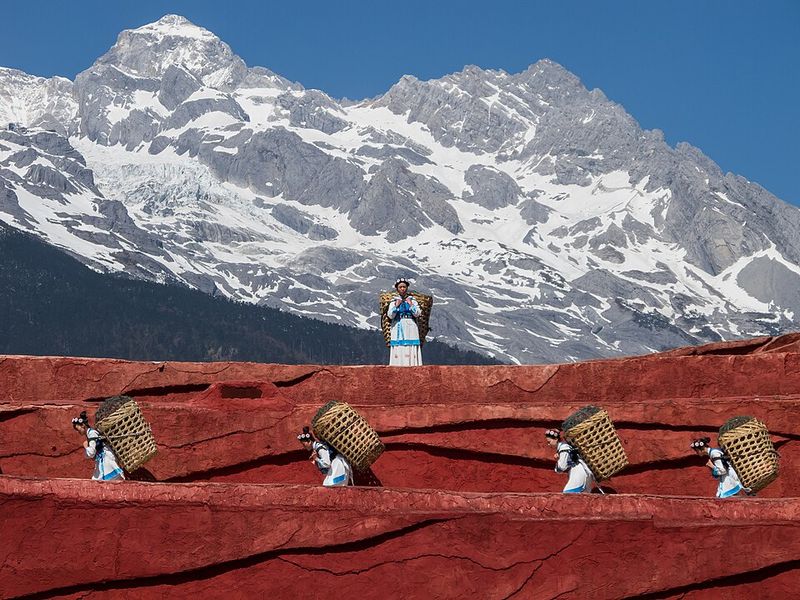
The Mosuo have attracted significant scholarly attention since the late twentieth century. Anthropologists, sociologists, and gender studies researchers have traveled to Lugu Lake to study how a matrilineal society functions in practice, what it means for gender equality, and what lessons, if any, it might offer to the broader world.
One consistent finding across multiple studies is that Mosuo women report high levels of personal autonomy and emotional security within their social system. The absence of economic dependence on a romantic partner appears to reduce certain forms of interpersonal conflict that are common in other societies.
Researchers have also noted that the Mosuo system is not a utopia. Like all human communities, it has its tensions, inequalities, and internal debates.
But its longevity and internal cohesion suggest that a society built around female authority and collective family responsibility can be remarkably durable. That finding alone has made the Mosuo one of the most studied communities in modern cultural anthropology.
How the Mosuo Are Navigating the Modern World
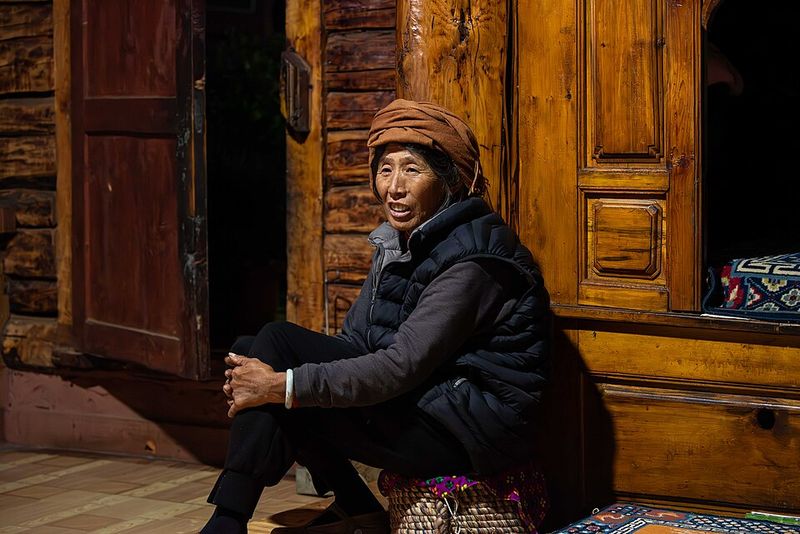
The tension between tradition and modernity is something every Mosuo person living today navigates in some form. Smartphones, social media, paved roads, and access to Chinese national education have all arrived in Mosuo villages within a single generation.
The pace of change has been genuinely rapid.
Some younger Mosuo women now pursue university degrees and professional careers in cities while maintaining strong connections to their home communities. They return for important ceremonies, support their families financially from a distance, and often express a fierce pride in their cultural identity even while living modern urban lives.
Community discussions about which traditions to preserve, which to adapt, and which to let go are ongoing and sometimes contentious. The walking marriage, in particular, is practiced less uniformly than it once was, with some younger Mosuo choosing more conventional partnership arrangements.
What remains consistent is the matrilineal family structure, which continues to anchor Mosuo identity even as everything around it shifts and evolves.
Why the Mosuo Story Matters Beyond Their Mountain Home
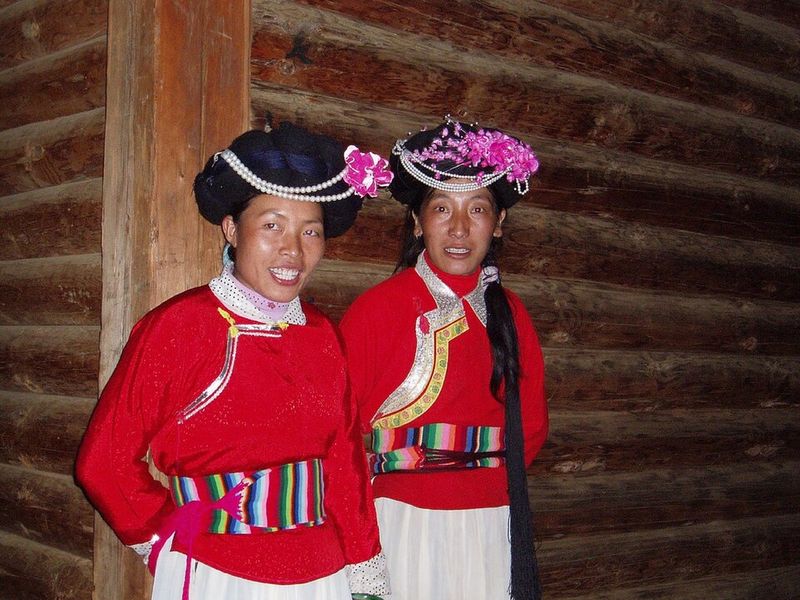
The Mosuo are not a museum piece or a curiosity to be observed from a safe distance. They are a living community of real people who have built something genuinely worth understanding.
Their social structure raises honest questions about assumptions the rest of the world tends to treat as universal truths about gender, family, and power.
Does a family need a male head to function? The Mosuo answer that question every single day with a confident no. Does a woman need a husband to secure her home and future?
Again, the Mosuo offer a clear alternative model that has worked for centuries.
None of this means the Mosuo system should be copied wholesale by other cultures. Every society grows from its own history and geography.
But the Mosuo remind us that the structures we take for granted are choices, not inevitabilities. That reminder, simple as it sounds, is one of the most valuable things any community can offer the wider world.
Share this story