Some countries feel like they exist in a world of their own, cut off from the rest of the globe by geography, politics, or sheer distance. Whether surrounded by vast oceans, towering mountains, or strict government policies, these places have developed in ways that set them apart from mainstream global culture.
Understanding what makes a country isolated helps us appreciate how history, environment, and leadership shape the lives of millions of people. From tiny Pacific islands to landlocked Asian nations, these 15 countries stand out as the most isolated places on Earth.
1. North Korea
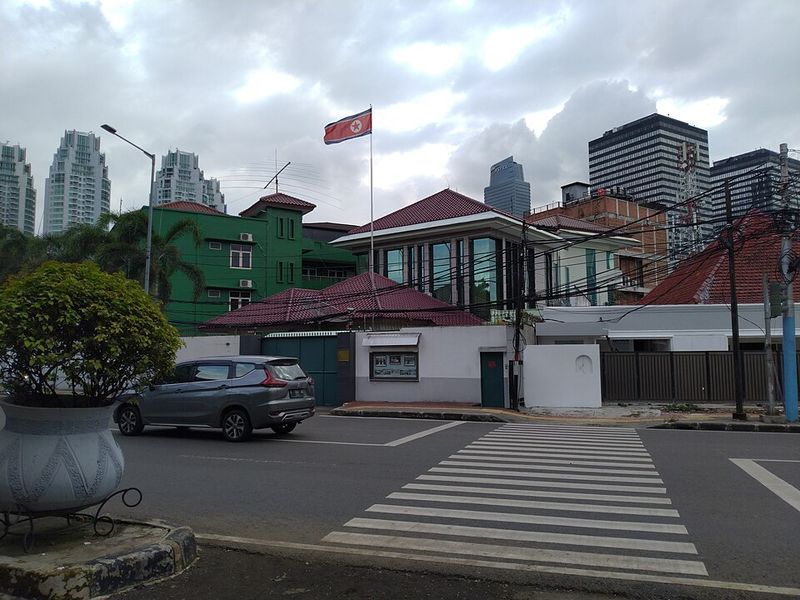
No country on Earth closes its doors to the outside world quite like North Korea. The government controls nearly every aspect of daily life, from what citizens can watch on television to whether they can travel abroad.
Foreign tourists are only allowed in with strict supervision, and even then, they see a carefully curated version of the country.
Internet access is essentially nonexistent for ordinary citizens, who instead use a government-run intranet. Independent journalists are banned, and outside news is heavily censored.
The country has maintained this level of control for decades under the Kim family leadership.
North Korea’s isolation is not just physical but deeply ideological. The government promotes a philosophy called Juche, meaning self-reliance, which encourages citizens to see the outside world with suspicion.
This combination of political control and geographic separation makes North Korea the world’s most isolated nation by nearly every measure.
2. Kiribati
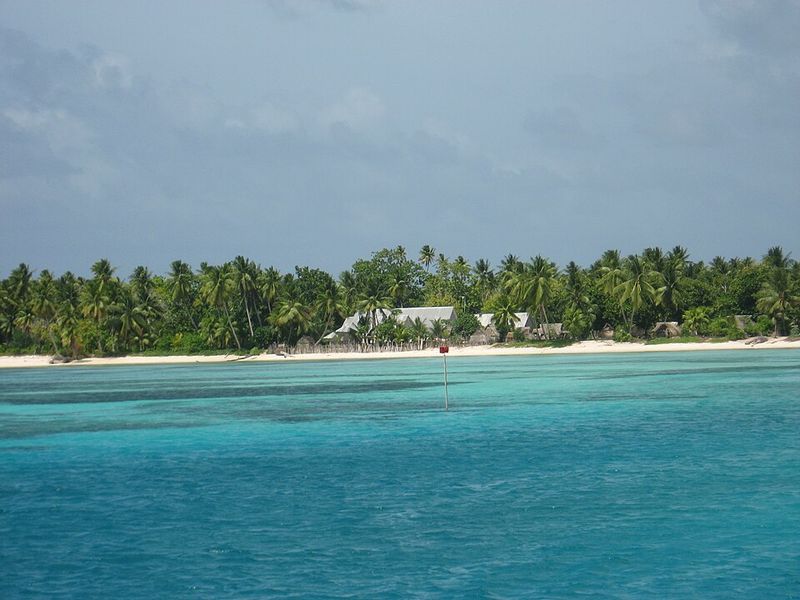
Spread across 3.5 million square kilometers of the Pacific Ocean, Kiribati is one of the most remote nations on the planet. Made up of 33 coral atolls, the country sits so far from major landmasses that getting there requires long-haul flights with multiple layovers.
Many of its outer islands have no regular transport links at all.
With a total population of just over 120,000 people, Kiribati relies heavily on fishing and foreign aid to sustain itself. Limited infrastructure means that access to medical care, education, and technology remains a daily challenge for many residents.
Kiribati faces a unique and pressing threat: rising sea levels caused by climate change are gradually swallowing its low-lying islands. The government has already purchased land in Fiji as a potential future home for its citizens.
This combination of remoteness and environmental vulnerability makes Kiribati one of the world’s most uniquely isolated nations.
3. Tuvalu
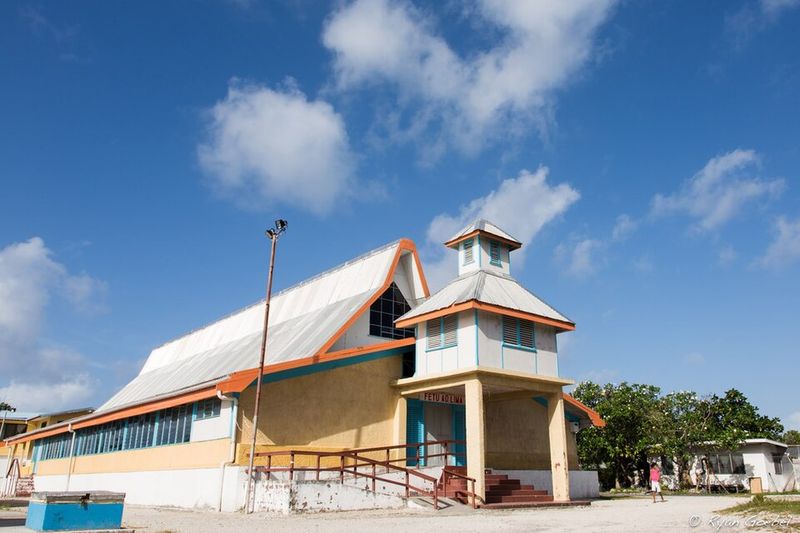
Tuvalu holds the title of one of the smallest and most remote countries in the world, sitting quietly in the heart of the Pacific Ocean. With a total land area of just 26 square kilometers, it is smaller than many city neighborhoods.
Only two international flights per week connect Tuvalu to the outside world, making it genuinely hard to reach.
The country’s population hovers around 11,000 people, most of whom live on the main island of Funafuti. Economic opportunities are extremely limited, and many Tuvaluans rely on remittances sent home by relatives working abroad.
Like Kiribati, Tuvalu faces an existential threat from rising sea levels. Some projections suggest the entire country could be uninhabitable within decades.
The government has been working on agreements with New Zealand and Australia to allow climate migration. Tuvalu’s isolation, both geographic and economic, makes its future one of the most uncertain of any nation on Earth.
4. Nauru
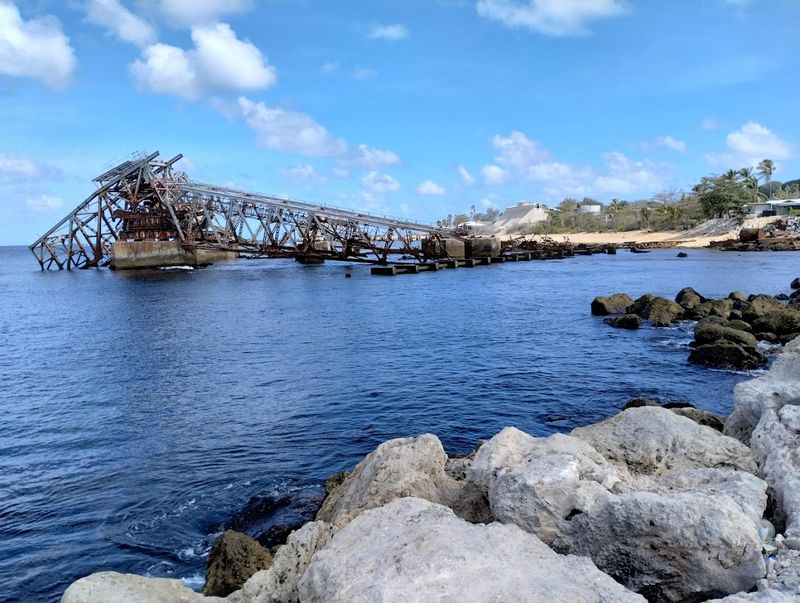
Nauru is the world’s smallest island nation and one of the least visited countries on Earth. Located in Micronesia, this tiny oval-shaped island covers just 21 square kilometers and sits far from any major shipping or flight routes.
Getting a visa to visit is notoriously difficult, adding another layer of isolation to an already remote destination.
Once one of the wealthiest nations per capita thanks to phosphate mining, Nauru spent through its resources quickly and is now heavily dependent on foreign aid, particularly from Australia. The environmental damage from decades of mining has left much of the island’s interior barren and uninhabitable.
With a population of around 10,000 people, Nauru has limited local industry and few connections to the global economy. Its isolation has contributed to serious public health challenges, including some of the world’s highest rates of obesity and diabetes.
Nauru’s story is one of boom, bust, and remarkable geographic remoteness.
5. Marshall Islands
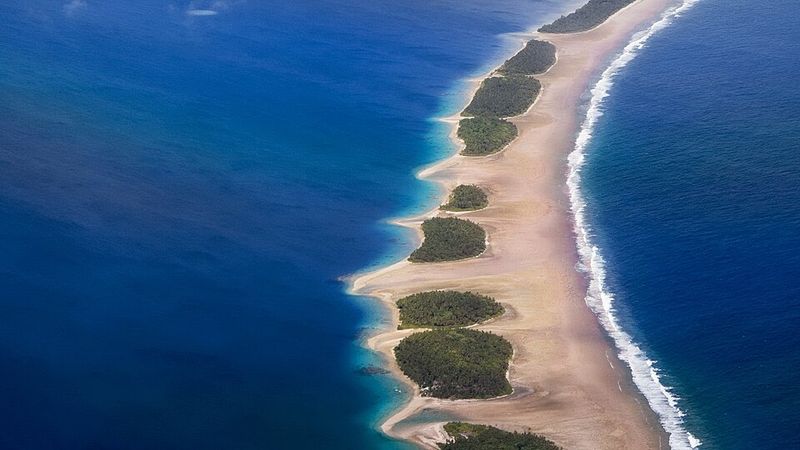
The Marshall Islands consist of 29 atolls and 5 islands scattered across a vast stretch of the central Pacific Ocean. Despite being a sovereign nation, it relies heavily on the United States under a Compact of Free Association agreement, which covers defense, financial aid, and certain government services.
This dependency reflects just how limited the country’s own resources are.
Getting to the Marshall Islands requires flying through Honolulu or Guam, and many of the outer atolls have no regular air or sea service at all. Communities on remote atolls can go weeks or months without supply deliveries.
The Marshall Islands also carries a heavy historical burden. The United States conducted nuclear weapons tests on Bikini Atoll between 1946 and 1958, leaving lasting radiation contamination and displacing entire communities.
Today, rising sea levels threaten to erase much of the low-lying nation. Isolation, history, and climate change define life here in ways few outsiders fully understand.
6. Palau
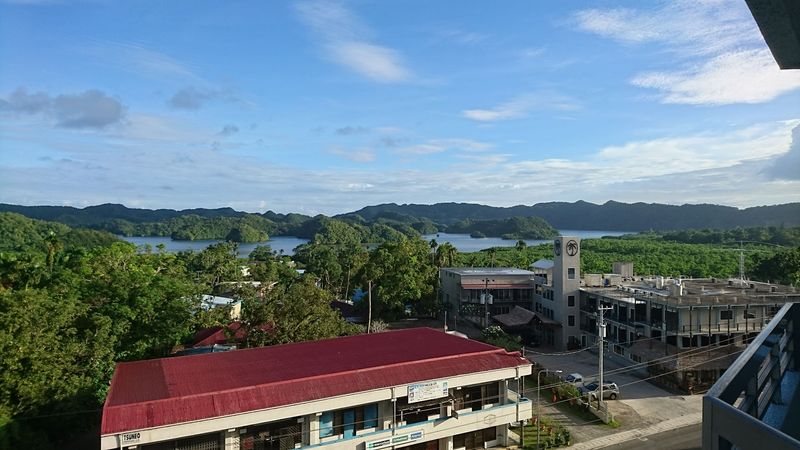
Palau may be a dream destination for scuba divers, but its remote location in the western Pacific Ocean keeps it well off the beaten path for most travelers. The island nation sits about 800 kilometers east of the Philippines, and reaching it typically requires a connecting flight through Manila or Guam.
Limited flight options make spontaneous travel nearly impossible.
With a population of just under 18,000 people, Palau operates a small but tourism-dependent economy. The government has been proactive about protecting its marine environment, requiring all visitors to sign a Palau Pledge committing to responsible behavior toward nature.
What makes Palau stand out beyond its beauty is how deliberately it has chosen to limit outside influence. Strict environmental laws restrict fishing, mining, and coastal development.
In many ways, Palau’s isolation is partly self-imposed, a conscious effort to preserve one of the most biodiverse marine ecosystems on the planet for future generations.
7. Sao Tome and Principe
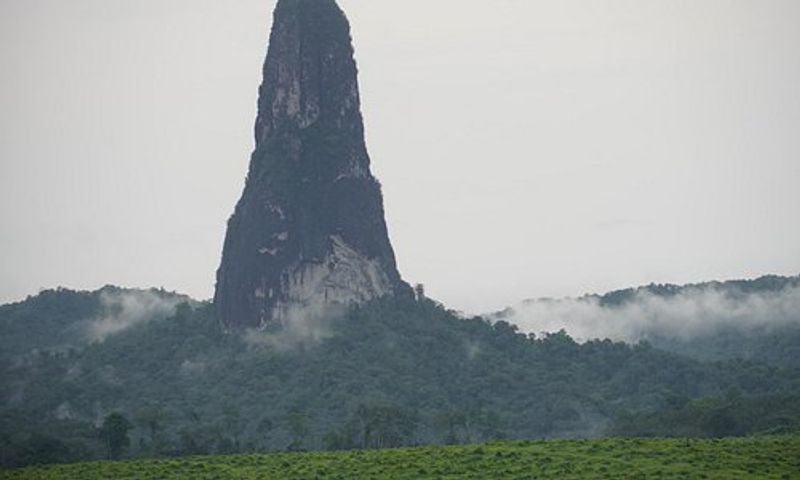
Tucked away in the Gulf of Guinea off the western coast of Central Africa, Sao Tome and Principe is one of Africa’s smallest and least-known countries. The two-island nation was uninhabited until Portuguese explorers arrived in the 15th century, and it still retains a distinct colonial architectural character mixed with tropical lushness.
Getting there requires a flight through Lisbon or certain African hub cities, and direct connections are rare. Tourism infrastructure is limited, meaning visitors need to plan carefully and expect a slower, more unplugged pace of travel.
The country’s economy depends on cocoa exports and growing eco-tourism, but poverty remains widespread. With a population of around 230,000 people, the islands maintain a tight-knit community feel that reflects centuries of geographic separation from the African mainland.
Sao Tome and Principe’s isolation has helped preserve its biodiversity, including many endemic species found nowhere else on Earth.
8. Comoros
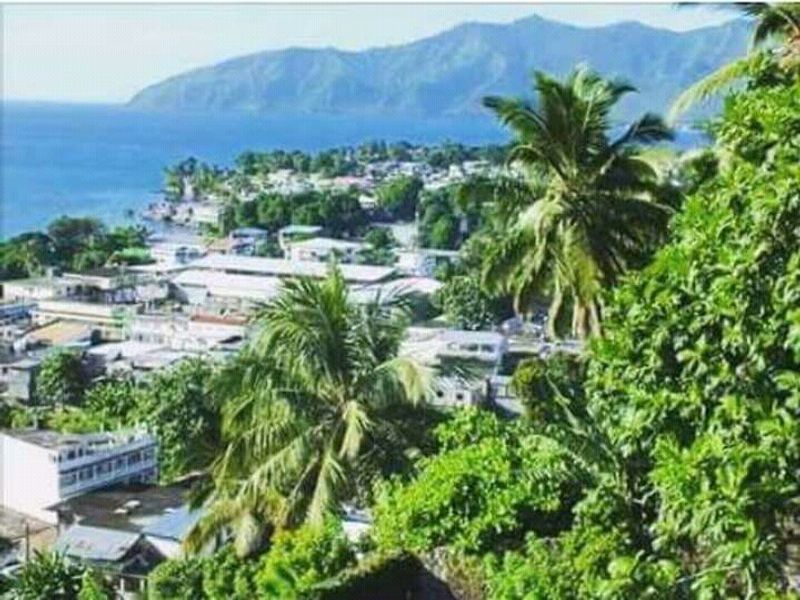
Perched between Madagascar and the eastern coast of Africa in the Indian Ocean, Comoros is an archipelago that most people could not point to on a map. Made up of three main islands and several smaller ones, the country has a population of around 900,000 people but remains one of the poorest nations in the world.
Political instability has been a defining feature of Comorian history. Since gaining independence from France in 1975, the country has experienced more than 20 coups or coup attempts, which has made long-term development extremely difficult.
Infrastructure, healthcare, and education systems remain underdeveloped as a result.
Comoros has limited air connections, with most international flights routed through Nairobi, Addis Ababa, or Reunion Island. The economy depends heavily on the export of vanilla, cloves, and ylang-ylang, a fragrant flower used in perfumes.
Despite its challenges, Comoros has a rich cultural identity shaped by African, Arab, and French influences woven together over centuries.
9. Timor-Leste
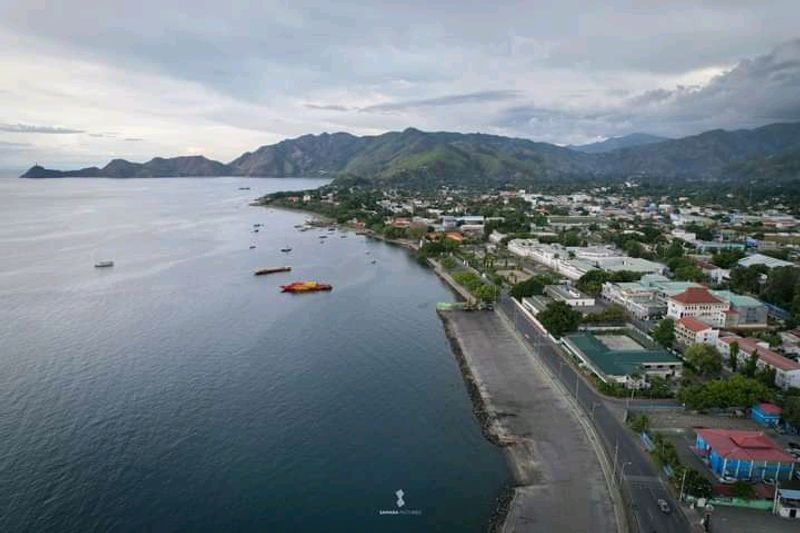
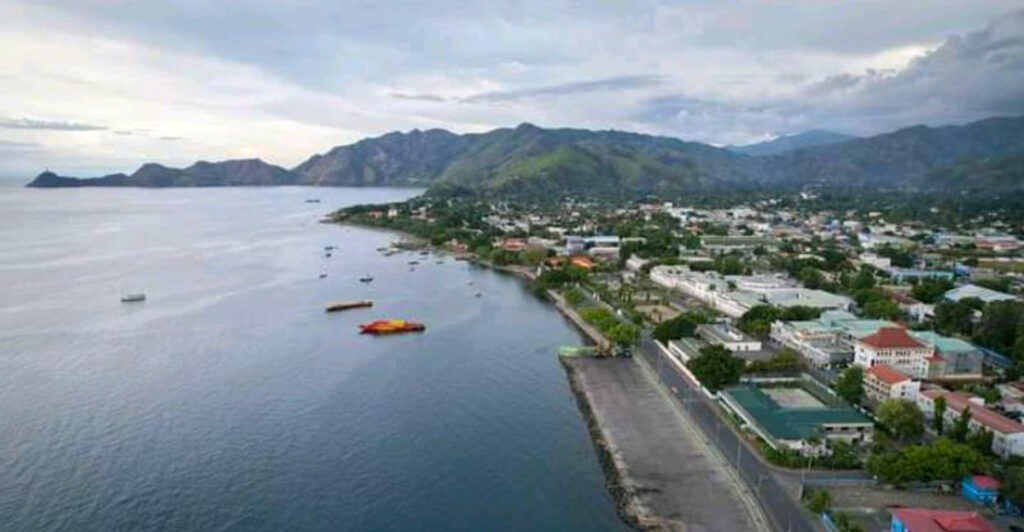
One of the world’s youngest countries, Timor-Leste only gained full independence in 2002 after a long and painful struggle against Indonesian occupation. Located at the eastern end of the Lesser Sunda Islands in Southeast Asia, it remains one of the region’s most underdeveloped and least-visited nations.
Getting to Timor-Leste typically means flying through Bali or Darwin, Australia. Once there, roads are rough, electricity is unreliable in many areas, and internet access is limited.
The country’s mountainous terrain adds another layer of difficulty to internal travel and communication.
Despite its challenges, Timor-Leste has a passionate national identity forged through decades of resistance. Oil and gas revenues have provided some economic stability, but the country is still working to build strong institutions and diversify its economy.
Coffee is one of its most promising exports, gaining recognition in specialty markets abroad as the country slowly opens up to the wider world.
10. Papua New Guinea
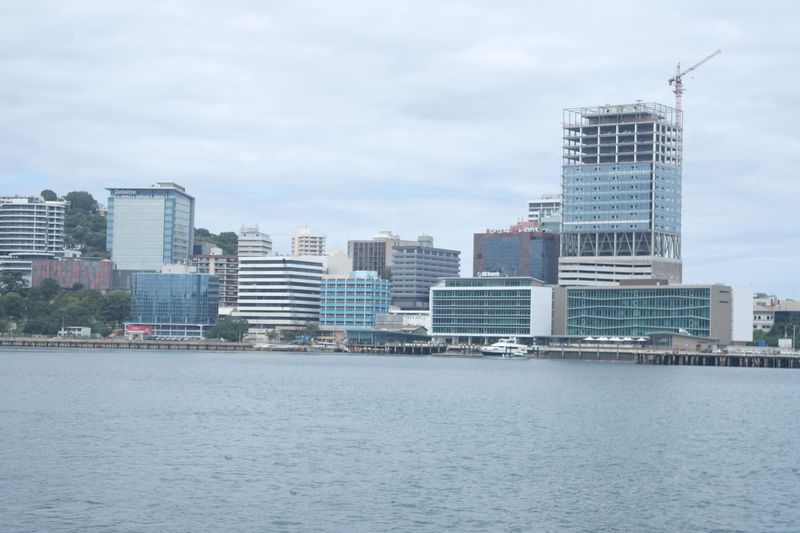
Papua New Guinea is a land of extraordinary diversity and extraordinary remoteness. The country is home to over 800 distinct languages, more than any other nation on Earth, largely because its rugged highland terrain has kept communities separated for thousands of years.
Even today, some villages have little to no contact with the outside world.
Port Moresby, the capital, has limited infrastructure compared to other major cities in the Asia-Pacific region. Much of the country is accessible only by small aircraft or boat, and road networks are sparse and often impassable during the rainy season.
Despite rich natural resources including gold, copper, and natural gas, Papua New Guinea struggles with poverty, corruption, and limited access to education and healthcare. Tourists are rare, partly due to safety concerns and logistical challenges.
Yet for researchers and adventurers willing to make the effort, Papua New Guinea offers one of the world’s last truly wild frontiers.
11. Bhutan
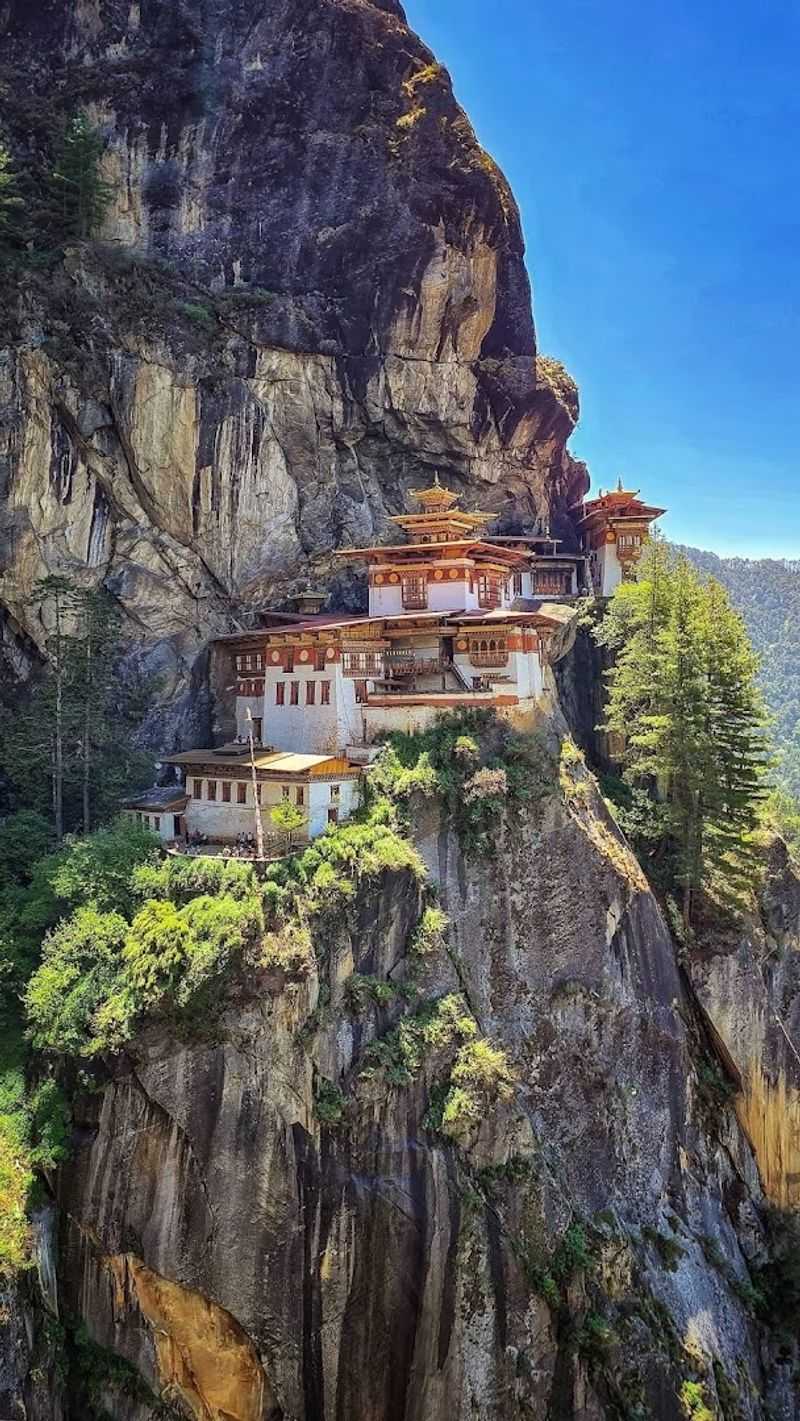
Bhutan measures its success not by Gross Domestic Product but by Gross National Happiness, a philosophy that says a lot about how this small Himalayan kingdom views its relationship with the rest of the world. Nestled between China and India, Bhutan has deliberately limited outside influence for centuries, including only allowing television and the internet in 1999.
Tourism is tightly controlled through a mandatory daily fee that all visitors must pay, currently set at several hundred dollars per day. This policy keeps visitor numbers low and helps preserve Bhutan’s pristine environment and deeply rooted Buddhist culture.
The country has no traffic lights, strict rules on foreign investment, and limits on the types of businesses that can operate within its borders. Bhutan’s approach to isolation is philosophical as much as geographic.
It is a nation that has chosen, quite deliberately, to protect its way of life from the pressures and pace of the modern global economy.
12. Mongolia
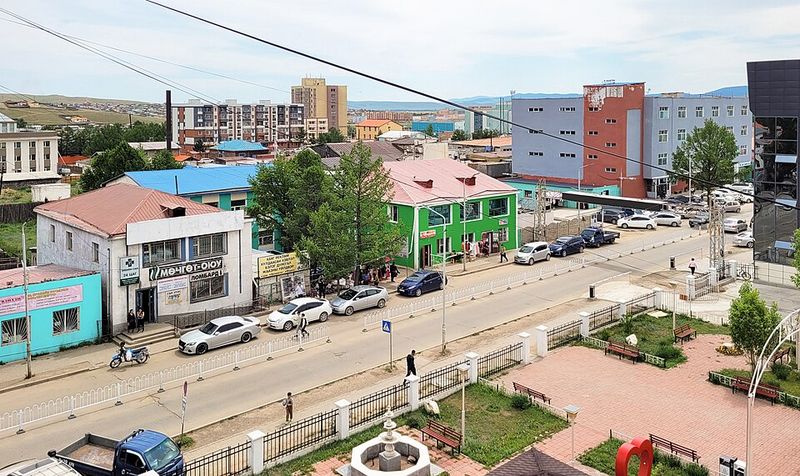
Mongolia is the world’s most sparsely populated country, with just 3.3 million people spread across a landmass roughly three times the size of France. Sandwiched between Russia and China, it has no coastline and limited connections to global trade routes.
The Gobi Desert covers much of the south, while the north is defined by vast grassland steppes that stretch for hundreds of kilometers.
Outside the capital Ulaanbaatar, infrastructure is extremely limited. Many Mongolians still live as nomadic herders, following their animals across the landscape in traditional felt tents called gers.
Internet and mobile coverage are spotty or nonexistent in rural areas.
Mongolia’s economy depends heavily on mining exports, particularly coal and copper, but harsh winters called dzuds can devastate livestock herds and plunge rural families into crisis. The country’s geographic landlocked position and sparse population create a kind of natural isolation that shapes daily life in ways that are hard to fully grasp from the outside.
13. New Zealand
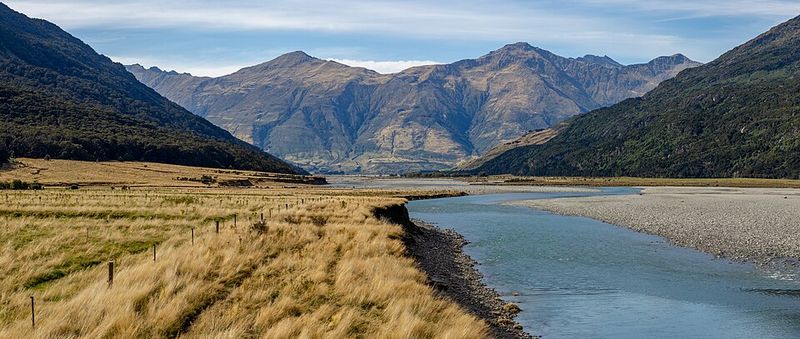
New Zealand sits over 2,000 kilometers southeast of Australia and roughly 10,000 kilometers from the United Kingdom, making it one of the most geographically remote developed nations on Earth. Its isolation has shaped everything from its wildlife, which evolved without land predators for millions of years, to its national character, which prizes independence and self-sufficiency.
The country is home to around 5 million people and enjoys a high standard of living, but its distance from major global markets creates real economic challenges. Goods cost more, shipping takes longer, and connecting flights to most of the world require at least one stopover.
New Zealand’s remoteness has also made it a kind of natural laboratory for evolution. Species like the kiwi bird and the tuatara reptile survived here precisely because the islands were cut off from the rest of the world for so long.
Distance, in New Zealand’s case, turned out to be one of its greatest gifts.
14. Iceland
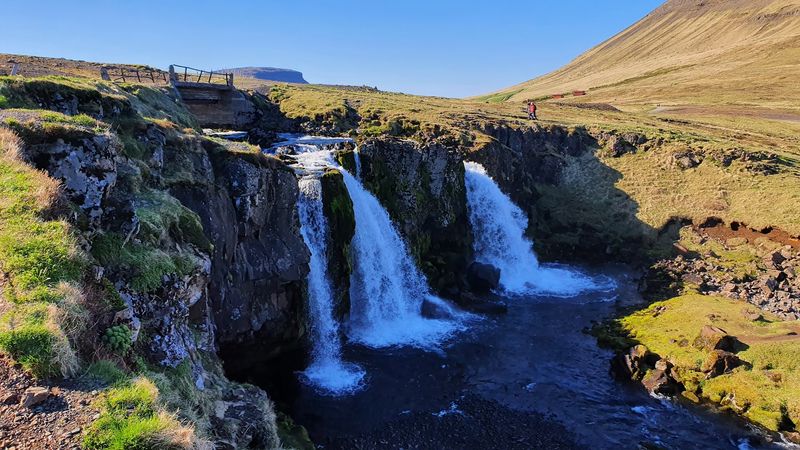
Sitting just below the Arctic Circle in the North Atlantic Ocean, Iceland is about as far from continental Europe as you can get while still technically being part of it. The island was one of the last places on Earth to be settled by humans, with Norse Vikings arriving only around 874 AD.
For centuries, harsh winters and stormy seas kept Iceland cut off from the rest of Europe for months at a time.
Today, Iceland is well-connected by air, but its geographic isolation continues to shape its culture and language in fascinating ways. Icelandic is considered one of the oldest and most unchanged languages in the world, partly because the island had so little outside linguistic influence over the centuries.
With a population of just 370,000 people, Iceland punches well above its weight in terms of culture, music, and literature. Its remoteness has fostered a strong sense of community and creativity that visitors consistently find surprising and refreshing.
15. Madagascar
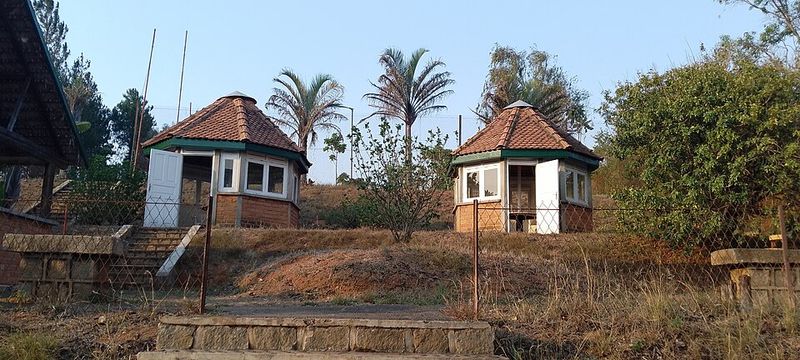
Madagascar broke away from the African continent roughly 88 million years ago, and that long isolation has made it one of the most biologically unique places on Earth. Around 90 percent of its wildlife exists nowhere else in the world, including dozens of lemur species, chameleons, and rare plants that evolved in complete separation from the rest of the planet.
Located about 400 kilometers off the southeastern coast of Africa in the Indian Ocean, Madagascar is the world’s fourth-largest island. Despite its size, it remains one of the poorest countries in the world, with limited infrastructure and high rates of deforestation threatening its remarkable ecosystems.
Political instability has repeatedly derailed economic progress, and many rural communities have little access to electricity, clean water, or reliable roads. Yet Madagascar’s natural wonders draw researchers and wildlife enthusiasts from around the world, drawn by the chance to witness evolution’s most creative experiments playing out on an island that time, in many ways, left behind.
Share this story