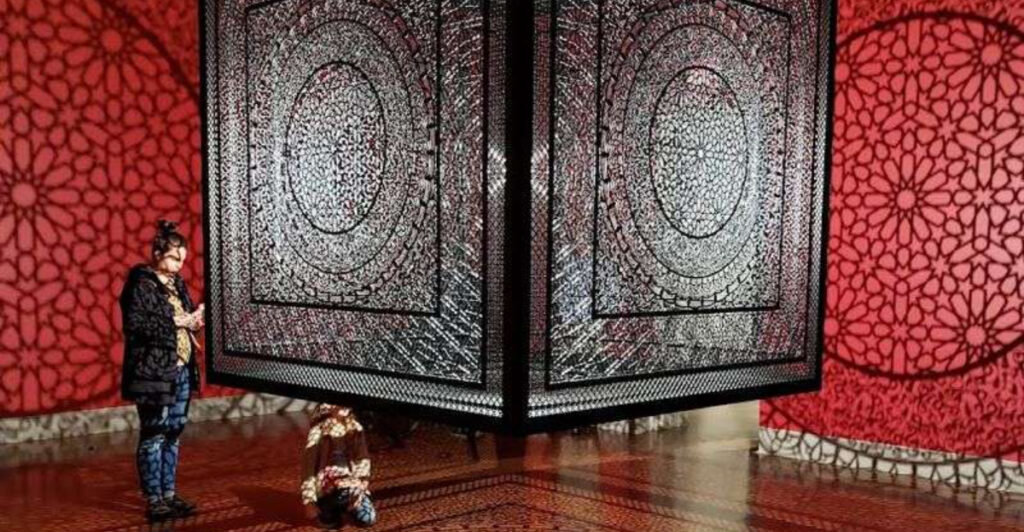
There is a museum in Ohio where you can watch molten glass being shaped by hand, then walk across the street and stand inside a glass-walled building surrounded by 5,000 works made entirely from the same material. That combination is rare anywhere in the world, and yet most people outside the Midwest have never heard of it.
Toledo has quietly built one of the most respected art collections in the country, anchored by a glass program that draws artists, collectors, and curious travelers from far beyond Ohio. The story of how this city became the unlikely center of the American studio glass movement is worth knowing, and the museum at the heart of that story is worth the drive.
A Museum That Chose Glass as Its Identity
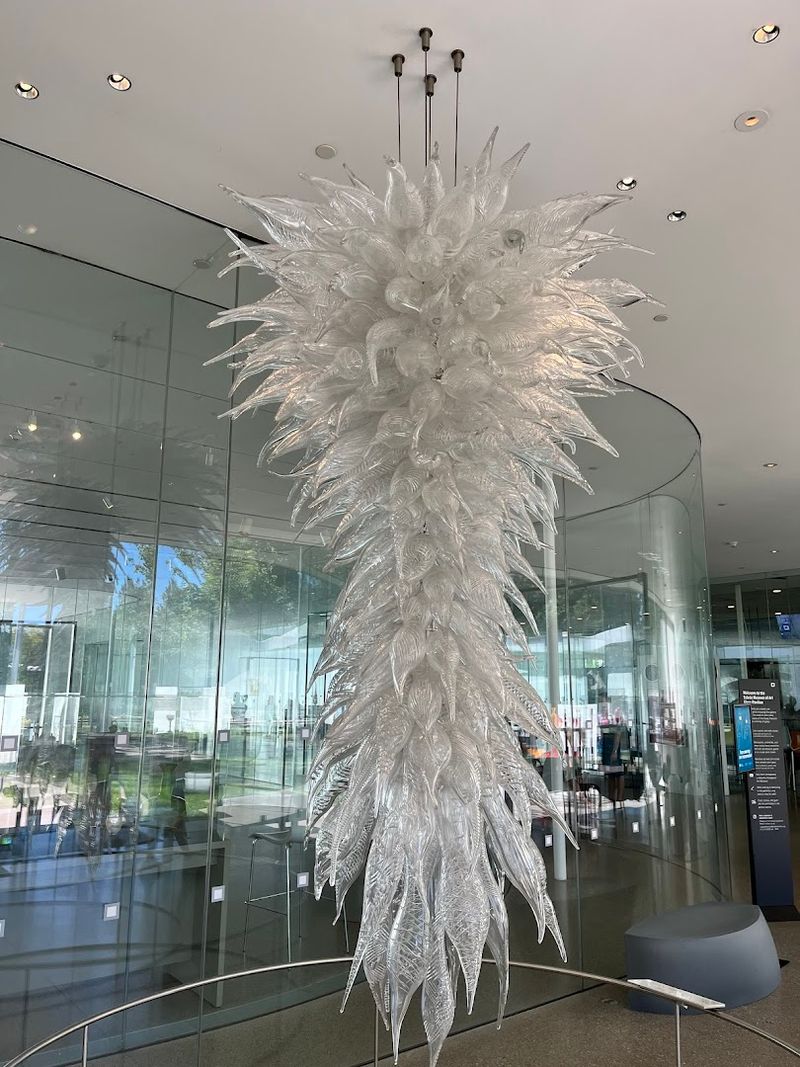
Most art museums collect glass the way they collect everything else, a piece here, a donation there. Toledo took a completely different approach.
The Toledo Museum of Art, located at 2445 Monroe St, Toledo, OH 43620, made glass central to its entire identity, and that decision set it apart from nearly every other institution in the country.
The museum has deep roots in the local glass industry. Toledo was once the glass capital of America, home to major manufacturers that shaped the modern industry.
That industrial heritage gave the museum both the funding and the motivation to build a collection that reflects the city’s strongest contribution to art history.
Walking through the museum today, that commitment is visible everywhere. Glass is not treated as a novelty or a side exhibit.
It holds the same standing as painting, sculpture, and antiquities, which makes the experience feel genuinely different from any other art museum visit.
The Glass Pavilion and What Makes It Extraordinary
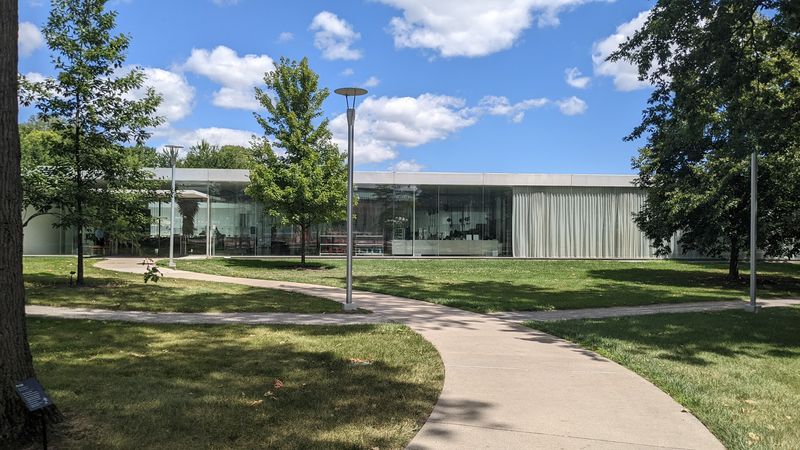
Across the street from the main building sits one of the most architecturally striking structures in Ohio. The Glass Pavilion is a glass-walled extension of the Toledo Museum of Art that houses roughly 5,000 works of art made entirely from glass.
The building itself is a statement, transparent walls curving around interior galleries so that natural light plays constantly against the art inside.
The design was intentional. Using glass as the primary building material creates a dialogue between the structure and the collection it holds.
You are always aware of the material, both as architecture and as art, which deepens the experience in a way that a conventional gallery building simply cannot.
Special exhibitions rotate through the pavilion regularly. When I visited, the Cursed exhibit was running with a separate ticket price of ten dollars per person.
The permanent glass collection alone makes the pavilion worth the trip, regardless of what special show is on.
The Neoclassical Main Building and Its Quiet Grandeur
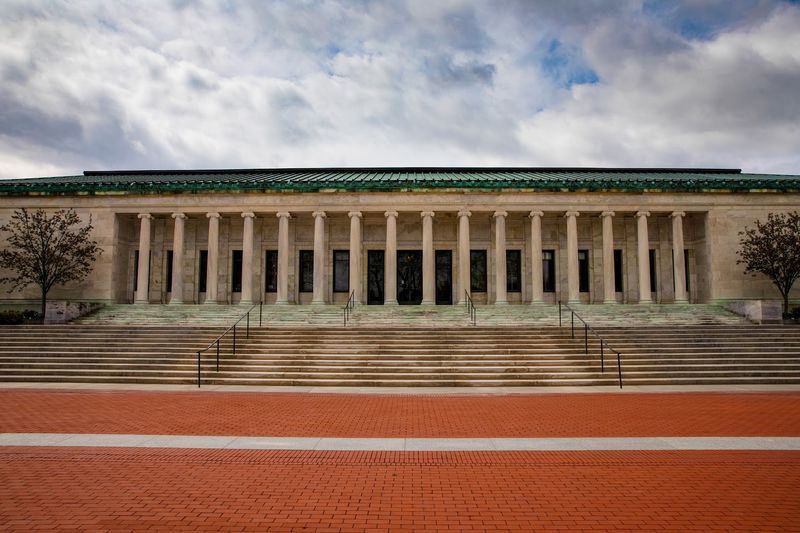
The main museum building carries the kind of architectural confidence that feels earned rather than imposed. White marble columns, soaring ceilings, and carefully proportioned galleries create an atmosphere that encourages slow, attentive looking.
The building was designed to make visitors feel that what they are seeing matters, and it succeeds without being intimidating.
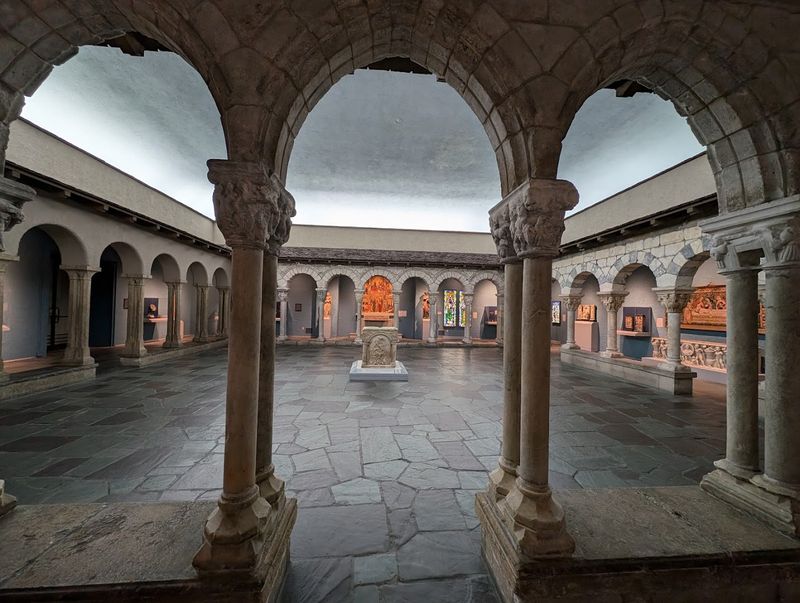
One detail that stays with you is the Peristyle theater, a cloister-like performance space inside the museum that has hosted lectures, concerts, and film screenings. A tiled Henri Matisse artwork near the entrance is the kind of quiet surprise that rewards visitors who pay attention to the building itself, not just the works hanging on the walls.
The outdoor sculpture garden surrounding the building adds another dimension entirely. Sculptures appear at various points around the museum’s exterior, creating an informal outdoor gallery that works well on a clear day and gives the whole visit a more expansive feeling than the interior alone provides.
Free Admission That Feels Almost Impossible to Believe
One of the first things people mention when they talk about this museum is that general admission is free. That is not a promotional offer or a limited-time deal.
The Toledo Museum of Art has maintained free general admission as a core value for a very long time, and that commitment puts it in rare company among major American art institutions.
Special exhibitions carry a modest ticket price, typically around ten dollars per person, which is genuinely affordable compared to what comparable exhibitions cost at larger city museums. Parking has also been free during certain periods, though it is worth checking current conditions before your visit since renovations have affected some logistics.
The free admission policy changes the atmosphere inside the museum in a subtle but real way. Visitors tend to be more relaxed, more willing to linger, and less focused on getting their money’s worth.
That unhurried quality makes the whole experience more enjoyable for everyone in the building.
The Antiquities Collection That Spans Civilizations
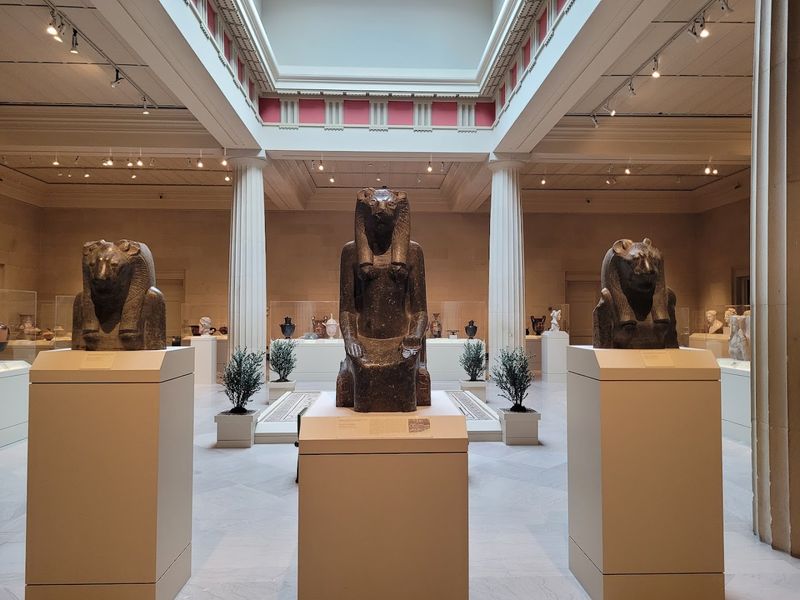
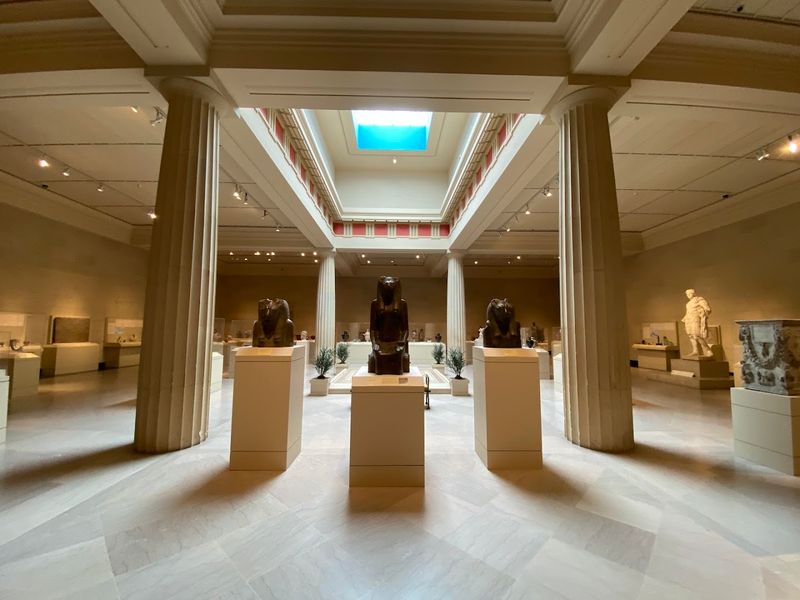
The antiquities room is one of the most impressive spaces in the main building. A large, open gallery holds Egyptian, Greek, Roman, and other ancient works in a layout that feels generous rather than crowded.
The scale of the room gives each piece room to breathe, and the variety across civilizations makes the collection genuinely educational rather than repetitive.
Ancient Egyptian artifacts sit alongside Greek pottery and Roman sculpture in a sequence that traces the long arc of Mediterranean and Near Eastern art history. For visitors who studied ancient history in school, the gallery has a satisfying way of connecting classroom knowledge to physical objects made thousands of years ago.
This section tends to hold up well even when other parts of the museum are temporarily affected by renovations. The antiquities collection has remained accessible and continues to draw visitors who might not have a strong interest in glass or contemporary art but appreciate the depth of the historical holdings.
European Masters and the Paintings That Built the Collection
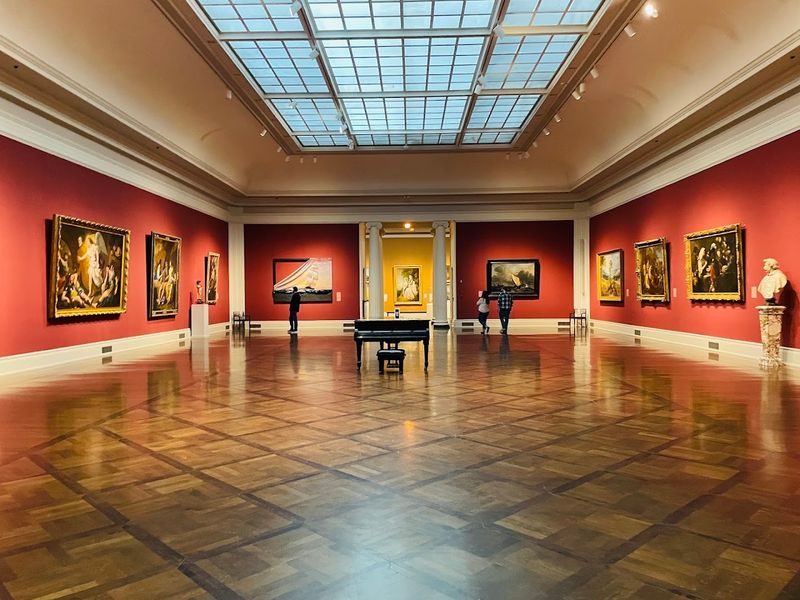
The Toledo Museum of Art holds a serious collection of European paintings that includes works by artists such as Monet, Van Gogh, and Manet. These are not minor examples or peripheral works.
The museum acquired significant pieces over generations, and the European painting collection reflects the kind of sustained, knowledgeable collecting that takes decades to build.
For visitors who grew up attending the museum as children, the European galleries carry a particular emotional weight. Several longtime Toledo residents describe returning to specific paintings they first saw on school field trips, finding them exactly where they remembered, still quietly remarkable after all these years.
The collection spans multiple centuries and movements, giving visitors a coherent sense of how European painting evolved rather than a random assortment of famous names. That narrative quality is one of the things that separates a thoughtfully organized collection from a simple accumulation of valuable objects.
Sculpture That Surprises at Every Turn
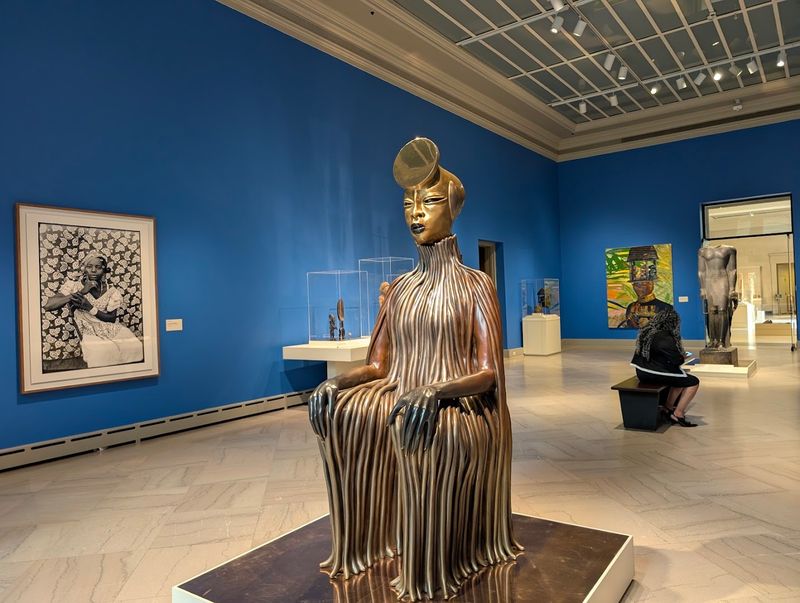
Some of the most memorable moments in the museum come from sculptures you were not expecting. A large Louise Nevelson sculpture displayed with intentional blue lighting creates a visual effect that stops visitors mid-step.
The lighting is not accidental. It was chosen to enhance the sculpture’s texture and depth, and it works remarkably well in person.
A Noguchi figure sculpture offers a different kind of surprise. Isamu Noguchi is widely known for abstract work, so encountering a human figure from this artist feels genuinely unexpected.
These are the kinds of discoveries that make a museum visit feel rewarding rather than dutiful.
The outdoor sculpture installations around the museum’s perimeter add even more variety. Pieces appear at different points along the exterior, rewarding visitors who take time to walk around the building rather than heading straight inside.
On a mild day, that outdoor circuit is one of the most pleasant parts of the entire visit.
The Family Art Center and Why Kids Actually Love It
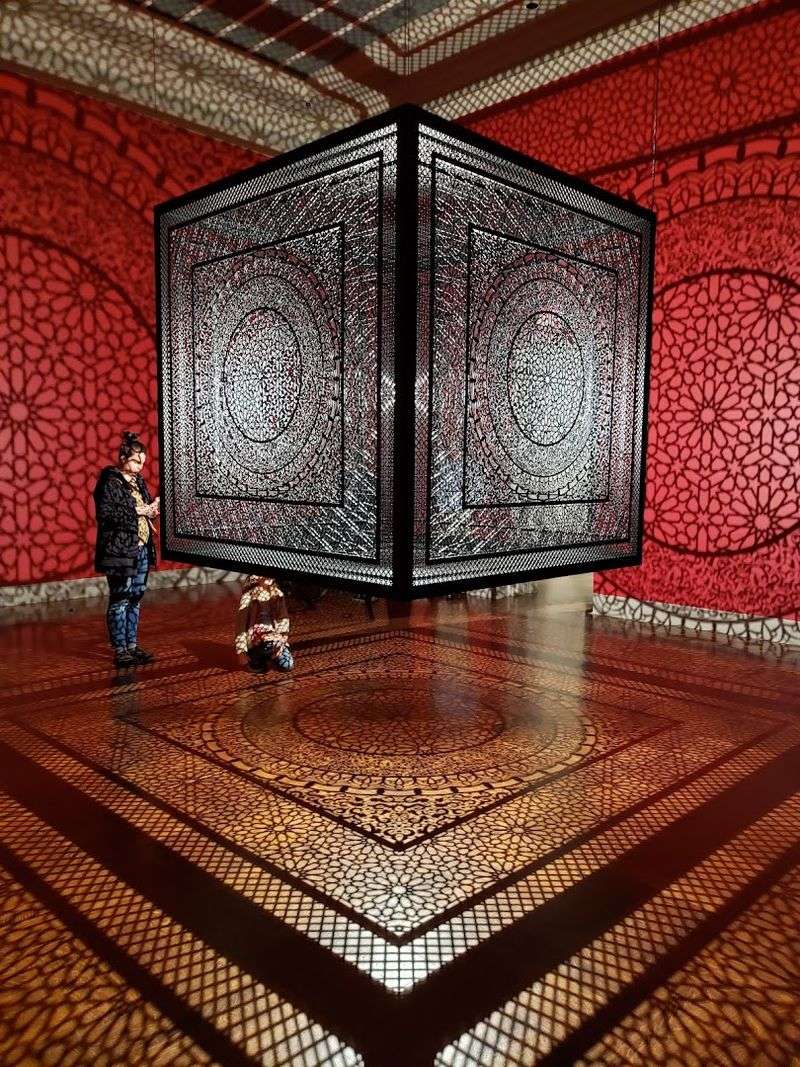
The Family Art Center is the kind of museum amenity that sounds nice on paper and actually delivers in person. Children can walk in, sit down at a craft table, and make something with their hands using materials the museum provides.
Everything is included at no cost, and the finished project goes home with the family.
Adults are actively encouraged to participate, which removes the awkward dynamic where parents sit and watch while kids do all the creating. The room has a relaxed, low-pressure energy that makes it feel more like a community workshop than a formal museum activity.
A separate area with toys and seating gives parents a comfortable spot if they need a quieter moment.
Reservations can be made online, though walk-ins are typically welcome. For families traveling with younger children who have limited patience for traditional gallery viewing, this center transforms the museum visit into something genuinely enjoyable for every person in the group.
The Peristyle Theater and Its Unexpected Cultural Life
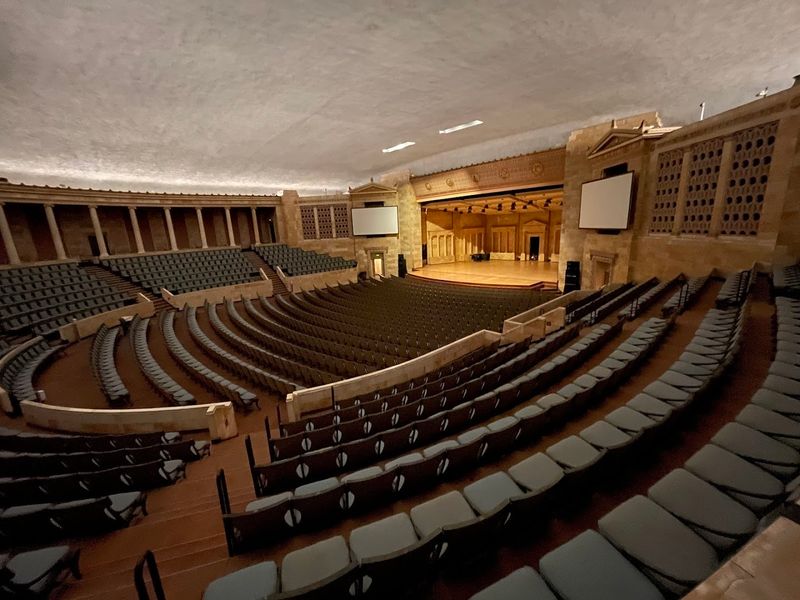
Tucked inside the main museum building is the Peristyle, a performance theater framed by classical columns that give it the feel of an ancient gathering space reimagined for a modern audience. The name refers to the colonnade surrounding the space, and the architecture creates acoustics and atmosphere that make events here feel distinct from any conventional theater experience.
The Peristyle has hosted an impressive range of programming over the years, including lectures, concerts, and film screenings. For longtime Toledo residents, the space carries genuine cultural significance as a venue that has brought notable speakers and performers into the heart of the museum’s mission.
Visiting the Peristyle even without a scheduled event is worthwhile. The architectural detail alone rewards a slow walk through.
The combination of classical design and contemporary programming is a good summary of what the Toledo Museum of Art does well across its entire campus: honoring tradition while staying genuinely current.
The Sol LeWitt Murals in the Museum Hallways
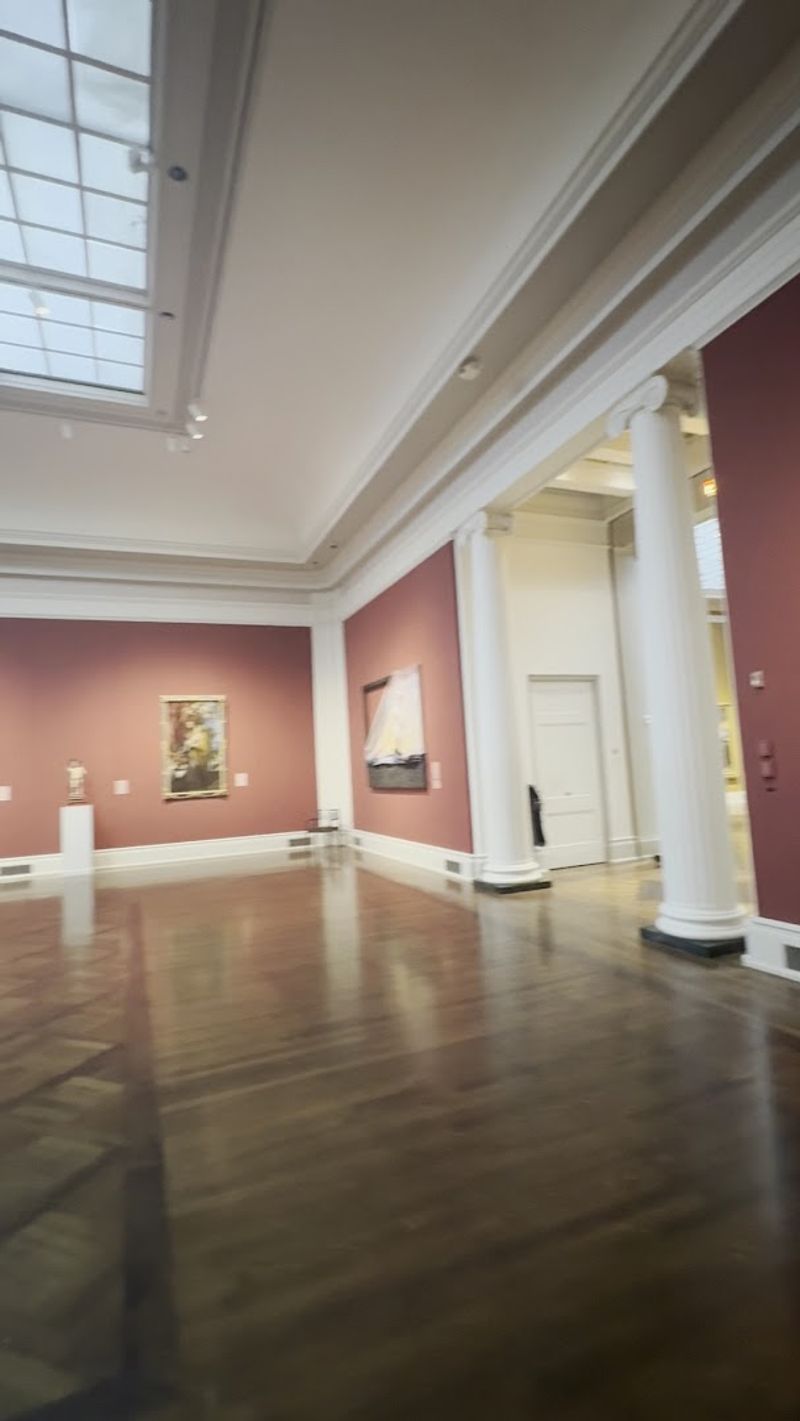
Not every great thing in this museum is behind glass or on a pedestal. A hallway lined with large-scale abstract paintings by Sol LeWitt turns a transitional space into a destination in itself.
The works are colorful, geometric, and painted directly onto the walls in LeWitt’s signature style, which makes them feel permanently woven into the building rather than temporarily installed.
LeWitt is one of the most significant figures in conceptual and minimalist art, and seeing his work at this scale in a hallway context is a reminder that great art does not always require a grand presentation. The paintings reward close attention and equally reward being seen from a distance where the full pattern becomes visible.
Visitors who follow a main path through the museum might miss this hallway entirely. Wandering slightly off the obvious route is how you find it, which is a good general principle for getting the most out of any visit to this building.
Ongoing Renovations and What to Expect Right Now
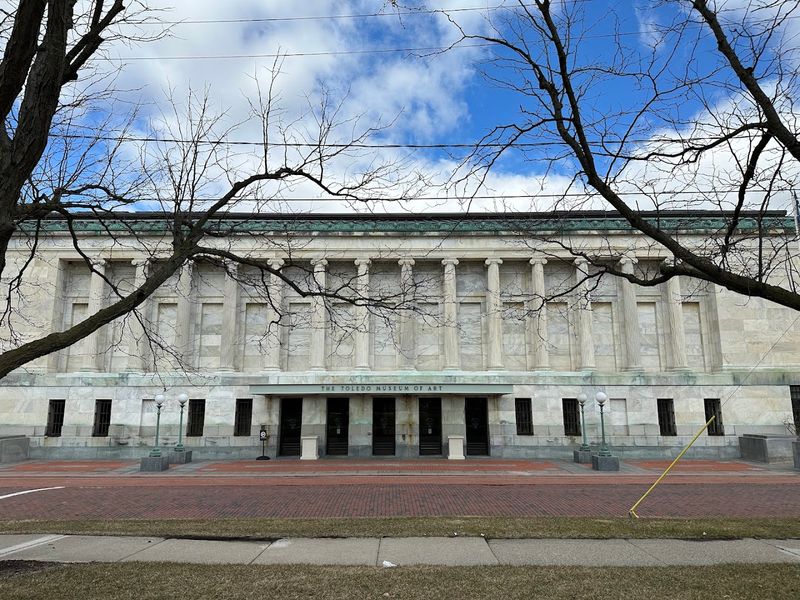
As of early 2026, the Toledo Museum of Art is in the middle of a significant renovation project. A substantial portion of the main building has been temporarily closed, which means some galleries that would normally be accessible are not available during this period.
The renovation is expected to be completed by 2027, after which the full collection will be reinstalled.
The Glass Pavilion across the street has remained open throughout the renovation, and special exhibitions have continued to run. The antiquities gallery and select other spaces in the main building have also stayed accessible, giving visitors a meaningful experience even during the construction period.
One practical note worth knowing before you go: the main Monroe Street entrance has been closed during renovation, with access redirected through an alternate entrance. Checking the museum’s official website before your visit will give you the most current information on which galleries are open and which entrances are in use.
Toledo’s Glass Industry History and Why It Matters Here
Toledo earned its title as the glass capital of America through a combination of geography, natural resources, and industrial ambition that played out over more than a century. The city’s location gave manufacturers access to natural gas and sand, two essential ingredients in glass production, and companies like Libbey Glass turned that advantage into a global industry presence.
Edward Drummond Libbey, whose family name still appears throughout the museum’s history, was instrumental in building both the glass industry and the museum itself. The Libbey connection runs deep, from early donations of European art to the foundational support that allowed the institution to grow into what it is today.
Understanding that history makes the glass collection feel less like a curatorial quirk and more like a genuine expression of civic identity. Toledo did not collect glass because it was fashionable.
It collected glass because glass is genuinely part of who this city is, and the museum reflects that honestly.
The Museum Cafe and the Gift Shop Worth Browsing
After a few hours of walking through galleries, the museum cafe offers a practical and pleasant place to recharge. The space is clean and comfortable, positioned conveniently within the museum complex so that visitors do not need to leave the building to find a meal or a snack.
For visitors coming from out of town, it removes one logistical decision from what is already a full day.
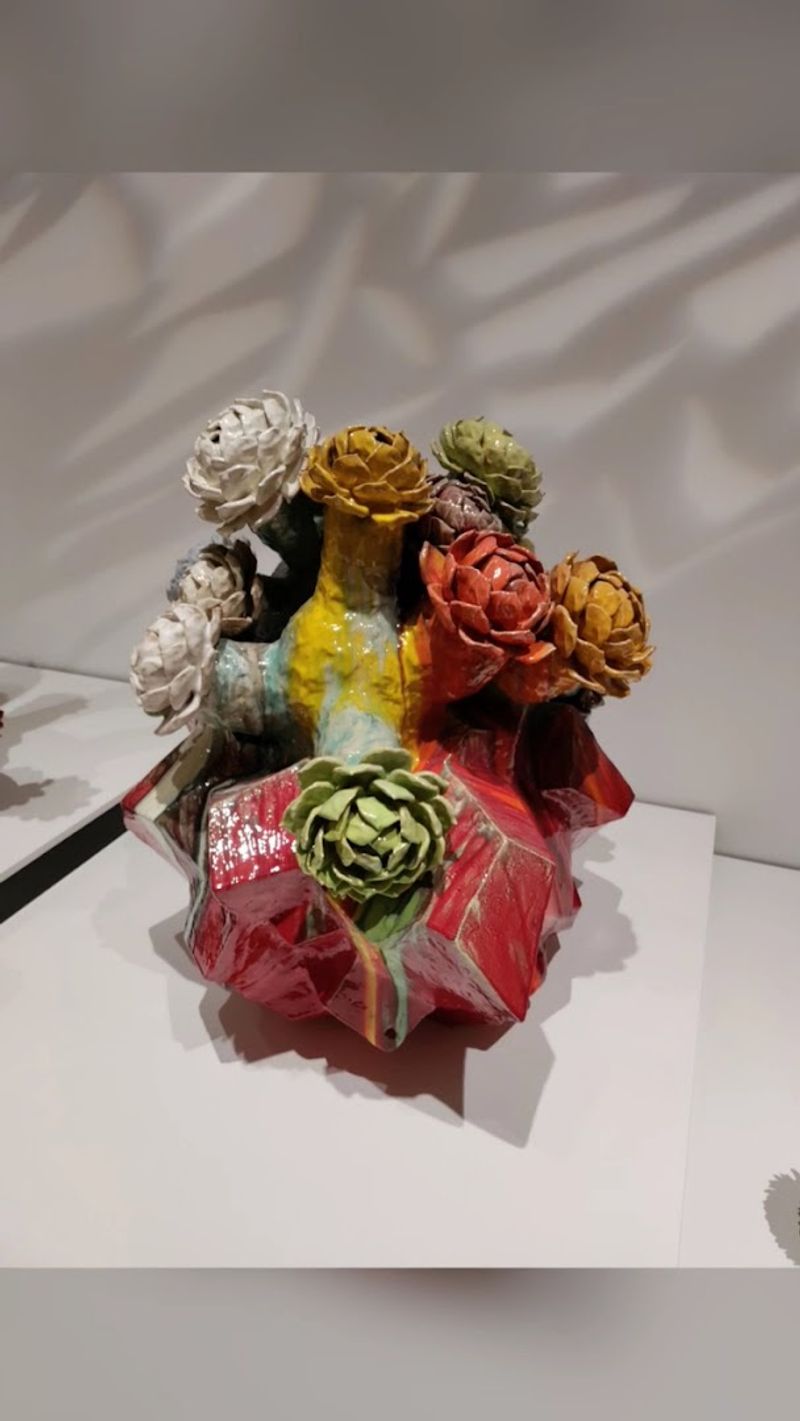
The gift shop is worth more than a quick glance. Art notecards, exhibition catalogs, and pieces from both local and national artists make it a genuinely interesting retail space rather than a standard souvenir stop.
One visitor discovered a pair of cufflinks by artist David Shrigley at a significant discount, which is the kind of find that makes browsing feel worthwhile.
A Collector’s Corner within the shop offers work from area artists alongside nationally recognized names, giving the retail experience a local dimension that connects back to the museum’s broader community mission.
Planning Your Visit and Making the Most of the Trip
The Toledo Museum of Art is open Wednesday through Sunday, with extended evening hours on Fridays and Saturdays until 8 PM. Monday and Tuesday are closed.
General admission remains free, making it one of a small number of major American art museums that does not charge for entry to its permanent collection.
Parking is available behind the main museum building. Current conditions during the renovation period have included free parking at certain times, though it is worth confirming details on the museum’s website before your visit.
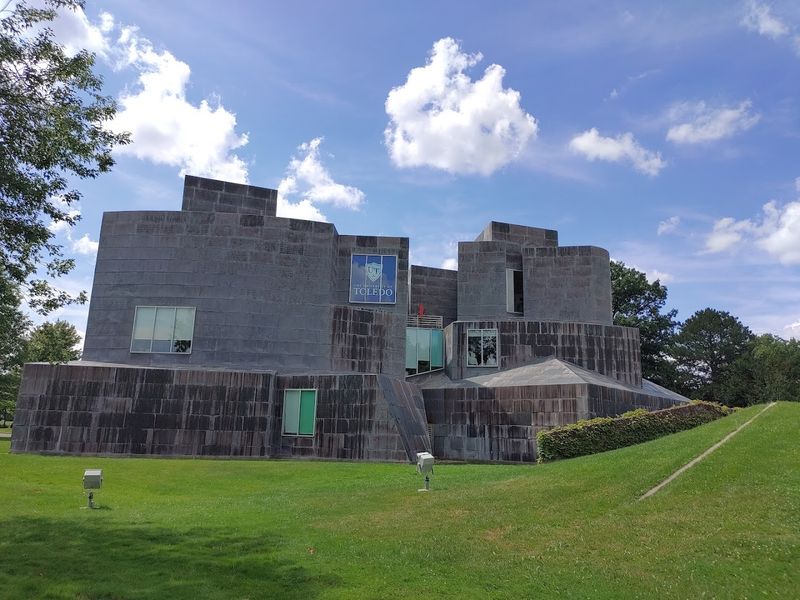
The museum is located at 2445 Monroe St in Toledo, Ohio, and is accessible from major routes serving northwest Ohio.
Visitors coming from Cleveland, Detroit, or other regional cities have consistently found the trip worthwhile. The combination of the Glass Pavilion, live demonstrations, the antiquities collection, and the outdoor sculptures gives the museum enough range to fill a satisfying half-day visit even while renovations are ongoing.
Share this story