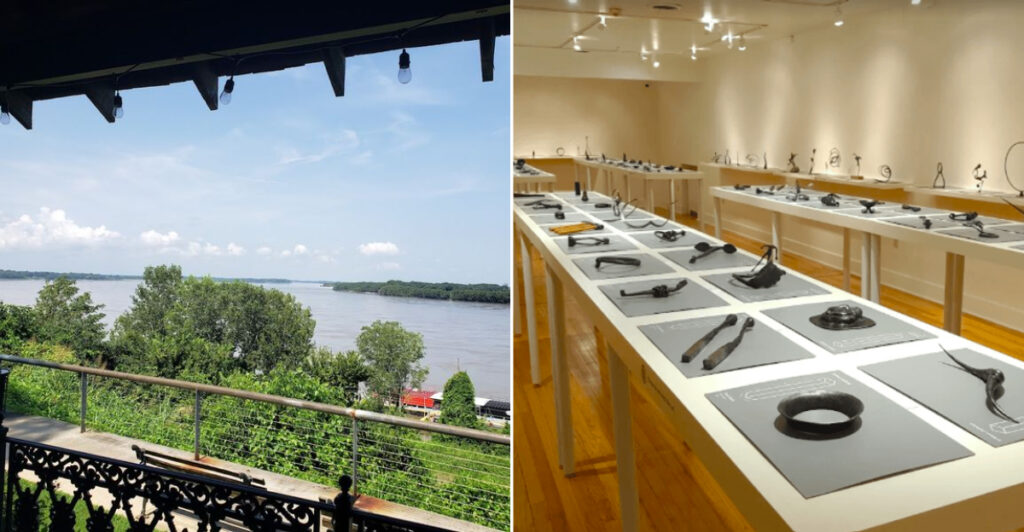
There is a place in Memphis, Tennessee, where raw metal gets transformed into something you would not expect to find in a museum. This place sits on a bluff above the Mississippi River, and it is the only museum in the United States dedicated entirely to fine metalwork.
From hand-forged sculptures to delicate jewelry, the collection here covers centuries of craft across dozens of techniques. Whether you are a longtime art lover or someone who has never thought twice about metalworking, this spot has a way of pulling you in and keeping you there longer than you planned.
The Only Museum of Its Kind in the Country
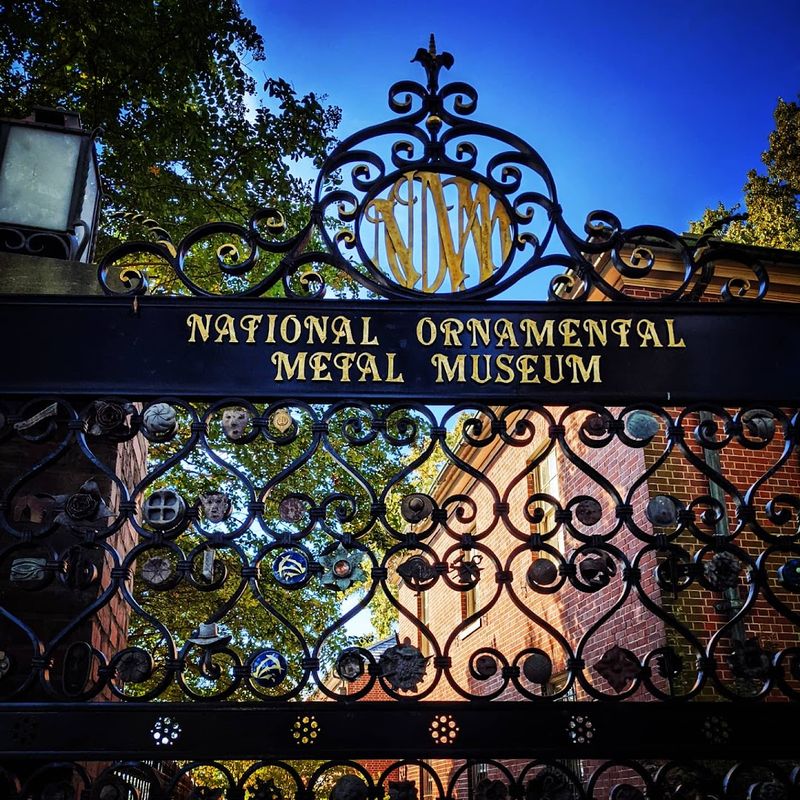
Metal Museum Memphis, Tennessee holds a distinction that no other institution in the United States can claim: it is the only museum exclusively dedicated to fine metalwork as an art form.
Founded in 1979, the museum was established to preserve, promote, and advance the art and craft of metalworking at a national level. That mission has shaped every corner of the campus, from the indoor galleries to the open-air sculpture garden.
The collection spans an enormous range of styles and time periods. Ancient knives and historic locks share wall space with contemporary sculptures and modern decorative ironwork.
Jewelry, gates, vessels, and large-scale installations all fall under the same roof.
This breadth is what separates the Metal Museum from a typical craft gallery. The curation treats metalwork with the same seriousness that a fine art museum gives to painting or sculpture.
That philosophy is obvious the moment you walk through those ornate entrance gates and begin exploring the grounds.
The Entrance Gates Are Already a Work of Art
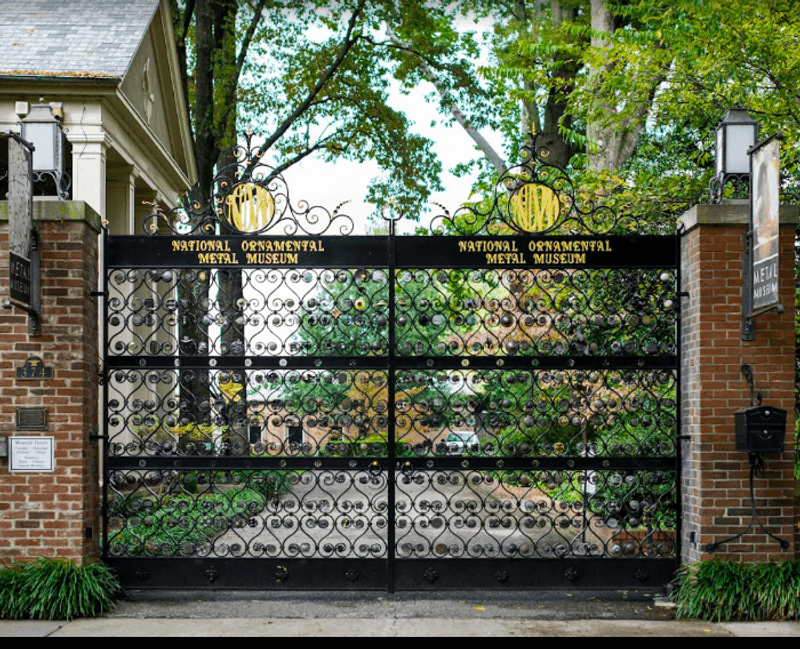
Before you even reach the front door, the Metal Museum gives you something worth stopping for. The entrance gates are a celebrated piece of ironwork created to mark the museum’s 10th anniversary, and they are considered one of the finest examples of collaborative metalwork in the country.
The level of detail in the casting and forging is extraordinary. Multiple artists contributed to the design, and the result is a gate that functions as both a functional entryway and a standalone artwork.
Many people walk past without fully taking in the craftsmanship, so it is worth pausing to study the panels up close. Each section contains its own composition, and the overall effect is layered and complex.
The gates have become something of a symbol for the museum itself, representing the idea that metalwork belongs in the same conversation as any other major art form. They set the tone for everything that follows inside the campus.
Indoor Galleries That Cover Centuries of Craft
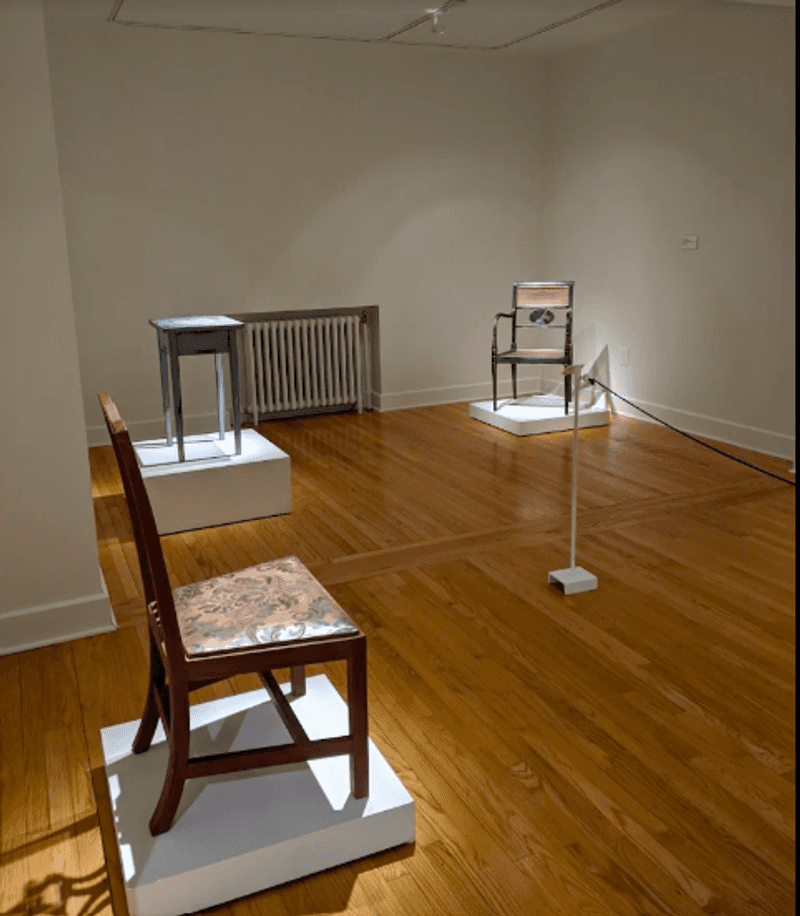
The indoor exhibition spaces at the Metal Museum are spread across two restored historic buildings, both of which were originally private homes. The interiors have been adapted to display art while preserving the architectural character of the structures.
The permanent collection covers a wide range of metalworking disciplines. Decorative ironwork, cast aluminum pieces, hand-forged blades, ornamental jewelry, and large sculptural works all appear throughout the galleries.
Rotating exhibitions bring fresh material to the museum on a regular basis, so returning visitors often find something new. These traveling shows have introduced work from metalworkers across the country and around the world, keeping the collection dynamic and current.
Audio tours are available for those who want more context about the pieces on display. The combination of permanent holdings and temporary exhibitions means the museum never feels static.
Each visit can reveal a different angle of the craft, depending on what is currently on show and how closely you decide to look.
The Sculpture Garden With a River View
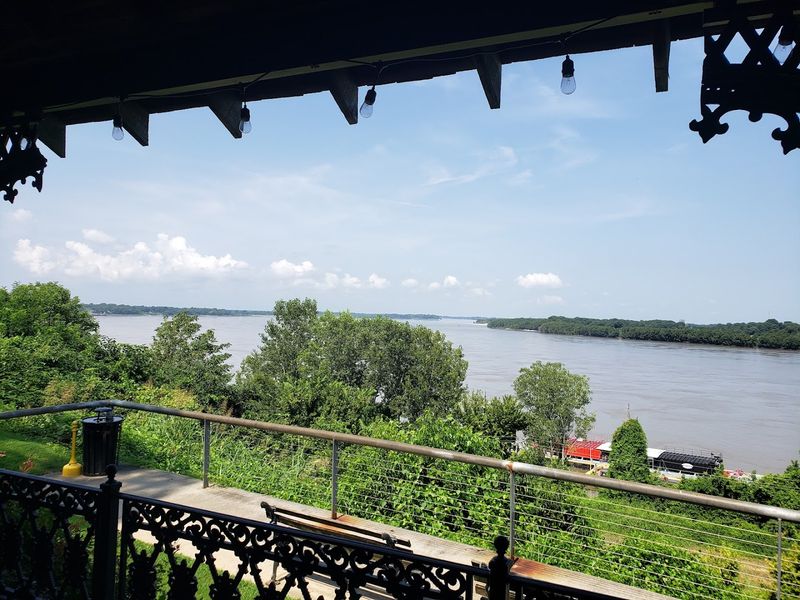
Outside the buildings, the sculpture garden stretches across the museum grounds with large-scale metal pieces installed throughout the landscape. The garden is free to walk through and serves as a natural extension of the indoor galleries.
The works on display range from abstract forms to figurative pieces, and they are positioned to interact with the surrounding environment. The trees, open sky, and river bluff all become part of the viewing experience.
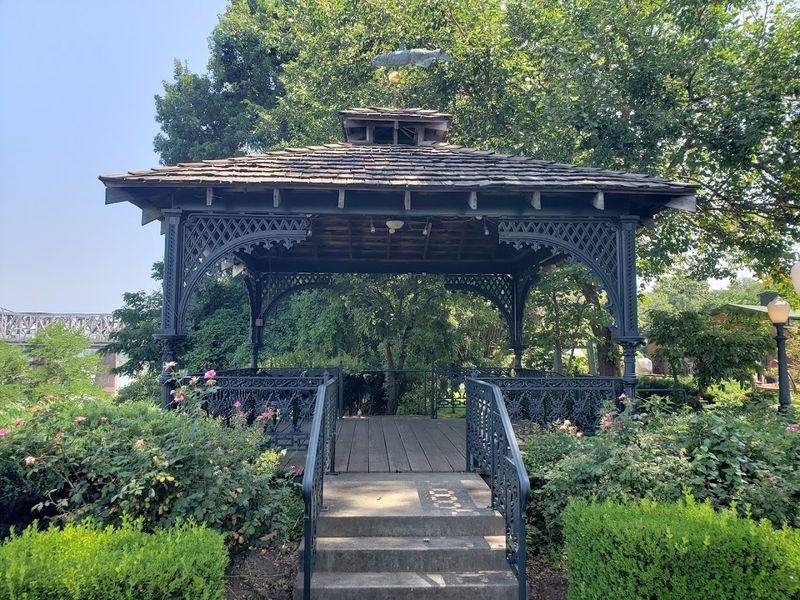
A gazebo sits within the garden area and provides a place to pause between the sculptures. The grounds are maintained well, and the layout encourages a slow, unhurried walk rather than a quick pass-through.
At the far edge of the property, a deck overlooks the Mississippi River directly. Watching tugboats and barges move along the water from that vantage point adds an unexpected layer to the visit.
The combination of handcrafted art and natural scenery makes the sculpture garden one of the most memorable parts of the entire museum campus.
The Working Blacksmith Shop
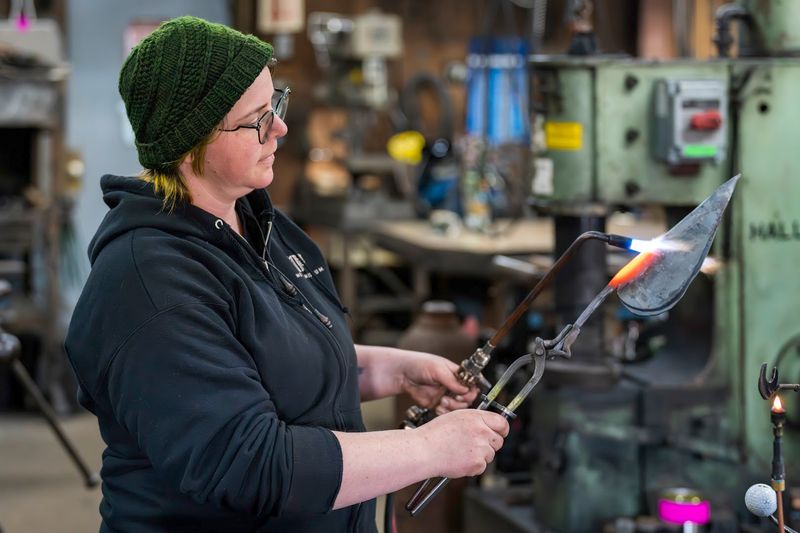
One of the most compelling features of the Metal Museum is that it is not just a place to look at finished work. The on-site blacksmith shop is fully operational, and visitors can watch skilled metalworkers actively forging pieces during their time at the museum.
Demonstrations cover techniques like heat shaping, hammer work, and the transformation of raw steel bars into finished objects. Watching a length of plain steel become a coat hanger or a decorative hook through repeated heating and shaping is a genuinely engaging process to observe.
The blacksmiths working in the shop are knowledgeable and approachable. Questions are welcome, and the staff have a way of explaining complex techniques in terms that anyone can follow.
This active workshop environment is what separates the Metal Museum from a static display space. The craft is alive here, not archived.
Seeing the process unfold in real time gives the finished pieces throughout the rest of the museum a completely different kind of meaning and weight.
The Foundry Where Metal Gets Poured
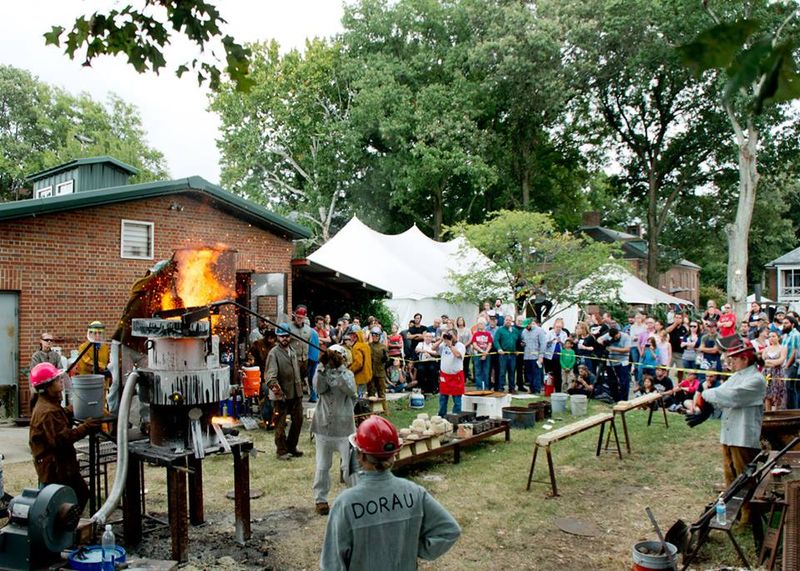
Adjacent to the blacksmith shop, the foundry is another active workspace where metalworkers cast pieces using molten aluminum and other materials. This is where the museum’s most hands-on programming takes place, and it draws consistent attention from curious guests.
Apprentice metalworkers and resident artists use the foundry to create commissioned pieces, complete restoration work for local clients, and produce new sculptures for the collection. The process of preparing a mold, pouring the metal, and waiting for a finished piece to emerge is methodical and precise.
The foundry has a direct connection to the museum’s educational mission. Internship and apprenticeship programs based here have trained working metalworkers who have gone on to professional careers in the field.
For those who book one of the museum’s tour packages, a foundry visit can include a guided demonstration and even a chance to participate in a casting exercise. The result is a small aluminum tile that each participant takes home as a keepsake from the experience.
Hands-On Experiences You Can Actually Book
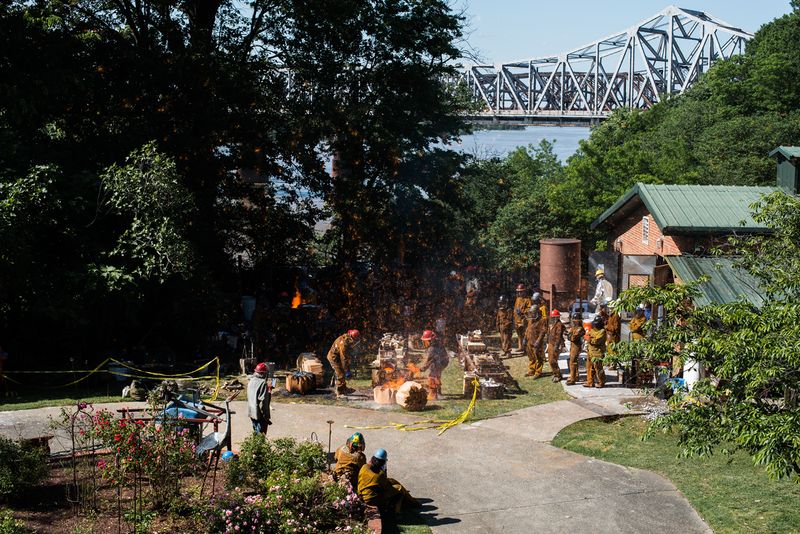
The Metal Museum does not limit its offerings to passive observation. Several hands-on programs are available for those who want to get directly involved with the craft, and these experiences consistently stand out as highlights for people who take part in them.
The 24K Gold Tour is one of the most popular options. It includes a guided walk through the collection and grounds, followed by a workshop session in the foundry where each participant creates their own aluminum tile.
The tour requires advance booking and a minimum group size of four people.
Community events and open studio days also appear on the museum calendar throughout the year, offering additional opportunities to try metalworking firsthand. These events are often listed on the museum website at metalmuseum.org.
Taking part in one of these programs shifts the experience from a museum visit to an actual creative encounter. Leaving with a piece of metal that you made yourself is a different kind of souvenir than anything available in the gift shop.
A History Tied to Civil Rights and Community
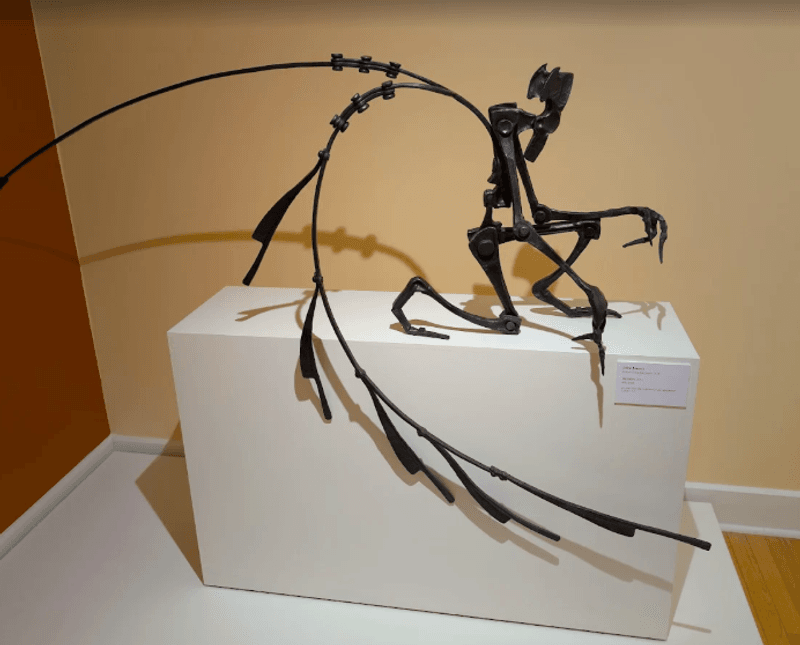
The Metal Museum’s story is connected to broader threads of American history in ways that are easy to overlook on a first visit. The museum’s collection and research programs document the contributions of early blacksmiths and metalworkers, including those whose work intersected with the Civil Rights movement in Memphis and across the South.
African American metalworkers played a significant role in the decorative ironwork traditions of the region, and the museum acknowledges and preserves that history through its exhibitions and educational materials.
This context adds depth to the pieces on display. A decorative iron gate or a hand-forged hinge is not just a technical achievement; it is also a record of who made it, under what circumstances, and what that craft meant to communities over time.
For anyone curious about the social and cultural dimensions of American craft history, the Metal Museum offers a perspective that goes well beyond aesthetics. The connection between artistry and community runs through the entire institution.
The Gift Shop and Collectible Metalwork
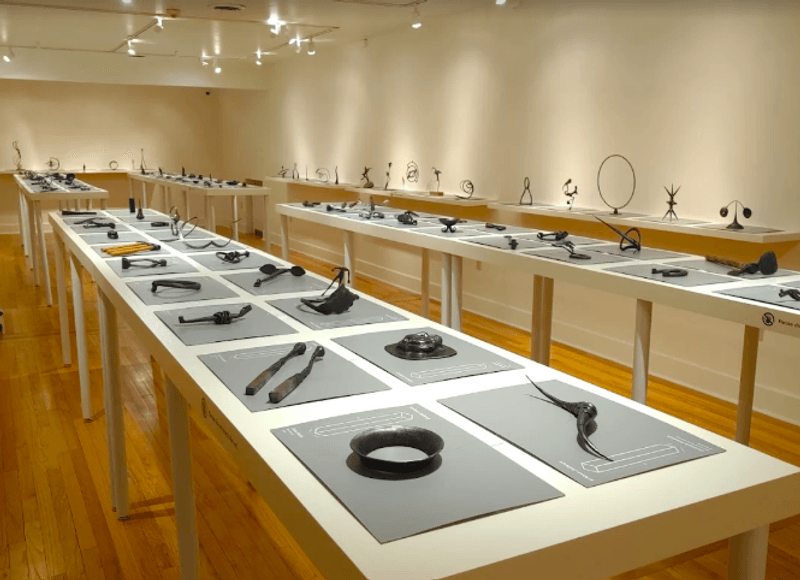
The gift shop at the Metal Museum operates more like a small gallery than a typical museum store. The items available for purchase lean toward the higher end of the craft market, reflecting the institution’s commitment to treating metalwork as fine art.
Handcrafted jewelry, small sculptures, decorative objects, and functional metalwork pieces are all represented. Many of the items are made by artists connected to the museum, which gives the shop a direct link to the broader creative community the institution supports.
Prices reflect the quality and craftsmanship involved, so this is not a place to pick up a cheap souvenir. What you find here is work made with genuine skill and intention.
For those interested in owning a piece of original metalwork, the shop is worth a careful look. It changes as new artists contribute pieces and as stock rotates throughout the year.
Picking something up here means bringing home a functional or decorative object with a real story behind its making.
Who the Museum Is Really For
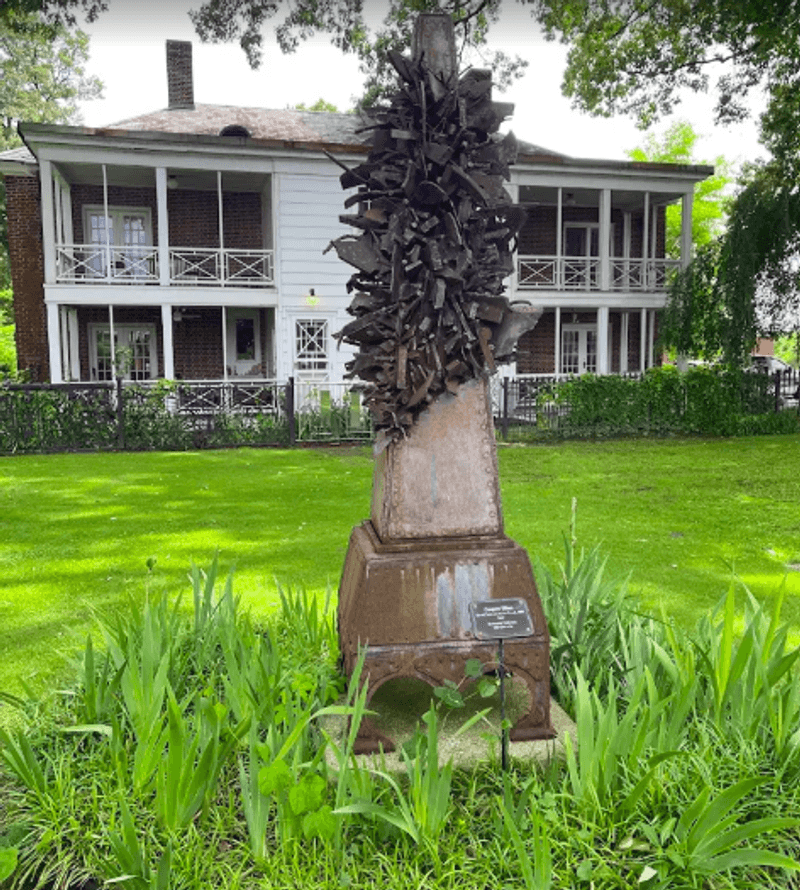
The Metal Museum draws a genuinely diverse crowd, and that breadth is one of its strengths. Art lovers, history buffs, craft enthusiasts, families with children, and people who simply wandered in on a whim all seem to find something worthwhile here.
Children respond well to the working shops, where the physical process of making things holds attention in a way that static displays often do not. Watching a blacksmith shape metal at an anvil is the kind of thing that tends to stick in a young person’s memory.
Older visitors often connect with the historical collections and the deeper context provided by the audio tours and guided programs. The range of the collection means there is rarely a single type of visitor who gets the most out of the museum.
Groups, school trips, and individual travelers have all found the Metal Museum to be a rewarding stop. The variety of experiences available, from quiet gallery browsing to active foundry participation, means the visit can be shaped around whoever is doing the visiting.
Admission, Hours, and What to Know Before You Go
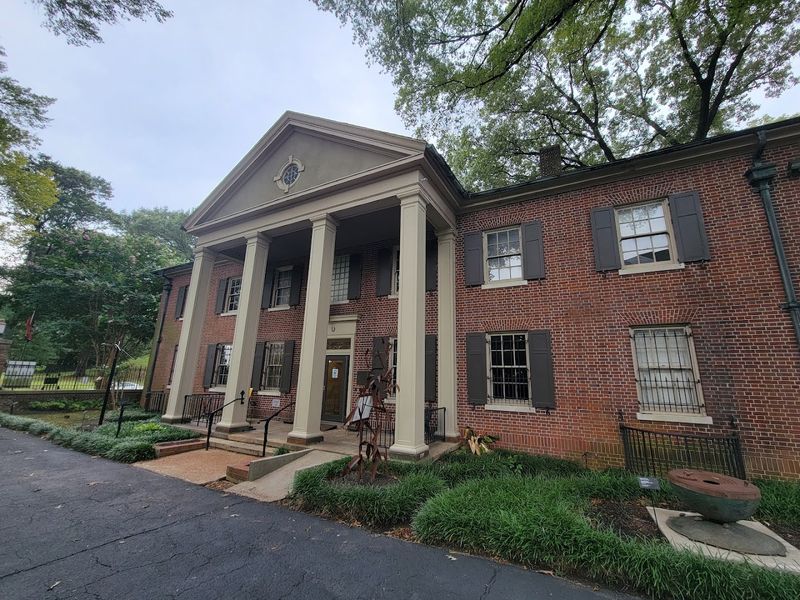
The Metal Museum is open Tuesday through Sunday, from 11 AM to 5 PM. It is closed on Mondays, so planning around that detail is important if Memphis is only a short stop on a longer trip.
Admission is generally low-cost, with reduced pricing available for seniors and other groups. On certain days and during specific events, free entry has been offered, so checking the museum website in advance can help you take full advantage of what is available.
The website at metalmuseum.org is the most reliable source for current programming, event schedules, and tour booking information. Hands-on tours and workshops require advance reservations and have minimum group size requirements, so those need to be arranged ahead of time.
Street parking is available near the entrance, and the campus is compact enough to cover comfortably in about an hour, though the workshops and guided tours will extend that time considerably. A sunny day makes the outdoor areas and river deck especially worthwhile.
The Mississippi River Deck That Changes Everything
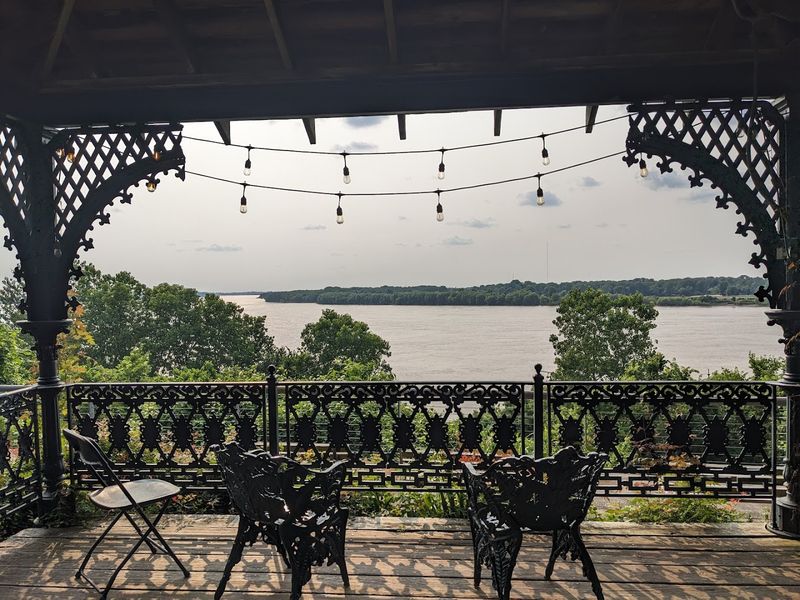
At the back edge of the museum grounds, a deck extends toward the bluff and offers a direct view of the Mississippi River below. It is a simple structure, but the view from it has a way of reframing the entire visit.
Tugboats and barges move along the water at a steady pace, and the far bank of the river is visible across the wide channel. The scale of the Mississippi from this vantage point is something that maps and photographs do not fully prepare you for.
The deck is a natural place to pause after walking through the galleries and the sculpture garden. It provides a moment of stillness that contrasts with the activity happening in the blacksmith shop and foundry nearby.
Many people who visit the Metal Museum mention the river deck as an unexpected highlight. It connects the museum to the larger geography of Memphis and the Mississippi Valley in a way that makes the whole experience feel more grounded and complete.
Why Memphis Keeps This Place Close to Its Heart
Memphis has a well-earned reputation for music and history, but the Metal Museum represents a quieter, less publicized side of the city’s creative identity. It has been part of the Memphis cultural landscape since 1979, and its longevity says something about how the city values it.
The museum supports working artists through residency programs, apprenticeships, and commissioned projects. Local residents bring ironwork and metal objects to the on-site shop for repair, keeping the institution connected to everyday community life rather than operating in isolation.
The combination of a world-class collection, active workshops, educational programming, and a riverside setting makes the Metal Museum genuinely difficult to categorize. It is a museum, a school, a working studio, and a public gathering space all at once.
For anyone passing through Memphis with a few hours to spend, this is the kind of place that earns a return visit. The craft is serious, the setting is striking, and the experience of watching metal become art is one that stays with you long after you leave.
A One-of-a-Kind Address Above the River

Not every museum can claim a location this dramatic. The Metal Museum sits at 374 Metal Museum Dr, Memphis, TN 38106, perched on a bluff directly above the Mississippi River in the French Fort District of south Memphis.
The setting alone makes the trip worthwhile. The grounds occupy a compact but well-organized campus that includes multiple buildings, a sculpture garden, a working foundry, and a deck overlooking the river below.
The museum is open Tuesday through Sunday from 11 AM to 5 PM and is closed on Mondays. The address is easy to find, with street parking available right outside.
What makes this location stand out is how the natural landscape and the man-made art work together. Tall trees frame the pathways between buildings, and the river provides a backdrop that no indoor gallery could replicate.
Arriving here for the first time feels like discovering something the rest of the world has not fully caught up with yet.
Share this story