There is a building in Howard County, Maryland, that has been standing since the 1800s, and it has not spent a single decade being boring. What started as a cotton mill along the Little Patuxent River has quietly transformed into one of the most distinctive shopping and dining destinations in the state.
Two floors, dozens of small businesses, a rotating calendar of community events, and walls that carry more than 150 years of history make this place genuinely hard to forget. Keep reading to find out exactly what makes this converted mill worth a detour off the highway.
A Cotton Mill With a Long and Layered Past
The mill at Savage was not always a place to browse handmade candles or pick out vintage furniture. For most of the 1800s, it was a full-scale cotton textile operation, one of the more productive manufacturing sites in Maryland at the time.
The community of Savage actually grew up around the mill itself. Workers and their families settled nearby, and the surrounding neighborhood developed specifically to support the factory.
That kind of origin story gives the place a depth that most shopping destinations simply do not have.
By the 20th century, the industrial era wound down and the building faced an uncertain future. Rather than demolition, the structure was repurposed and gradually filled with small businesses that valued the historic space.
That decision to preserve rather than replace turned out to be a defining one. The mill today carries that entire timeline in its architecture, and that history is part of what draws people back repeatedly.
Two Floors of Shops That Cover a Lot of Ground
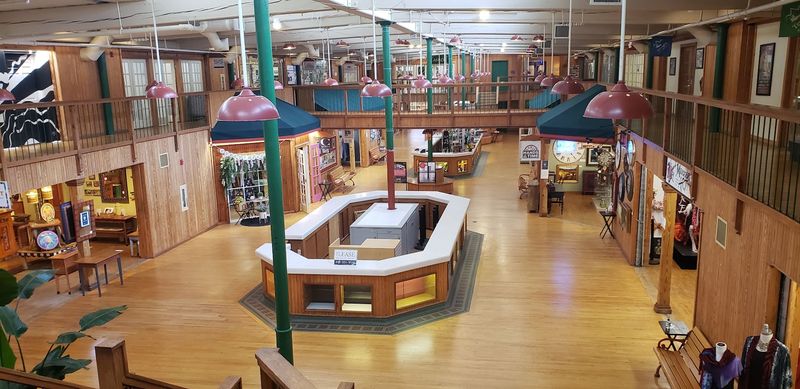
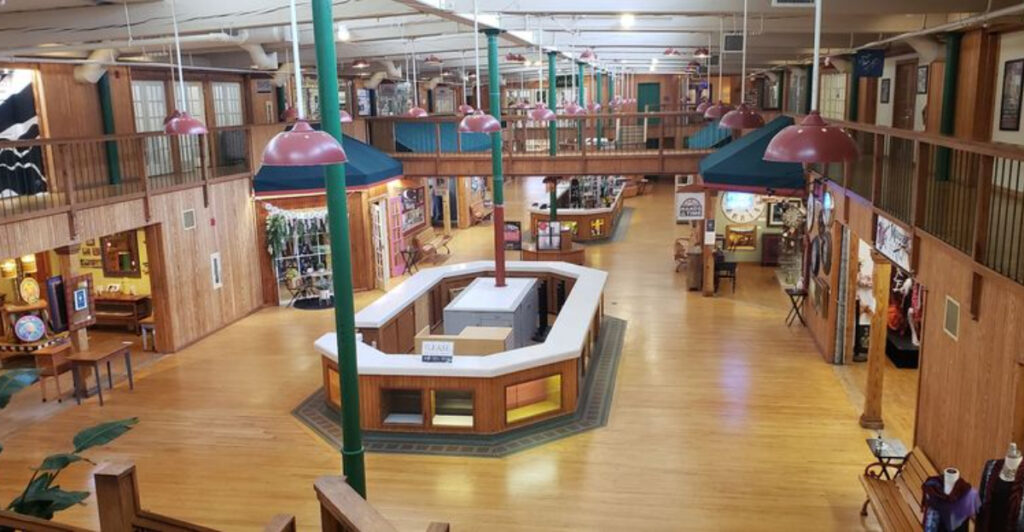
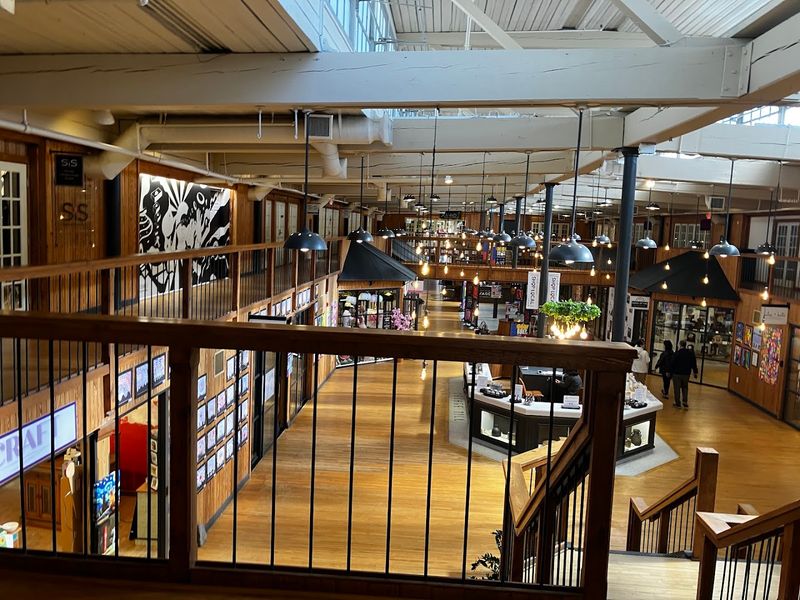
Walking through Savage Mill feels less like browsing a mall and more like exploring a neighborhood of independent businesses that all happen to share a very old roof.
The two floors hold an eclectic collection of retailers, including antique dealers, clothing boutiques, gift shops, a bridal store, a bookstore, a chocolate shop, and multiple artisan studios. No two storefronts look the same, and no two shops carry the same inventory.
The layout encourages wandering. Hallways branch off in unexpected directions, and a shop that looks small from the entrance often opens into a surprisingly deep space filled with carefully curated goods.
Because most of the businesses are independently owned, the selection changes regularly. A shop that carries vintage ceramics one season might expand into jewelry the next.
That unpredictability keeps return visits fresh and gives regulars a reason to stop in even when they have no specific purchase in mind.
The Antique Scene That Draws Collectors From Across the State
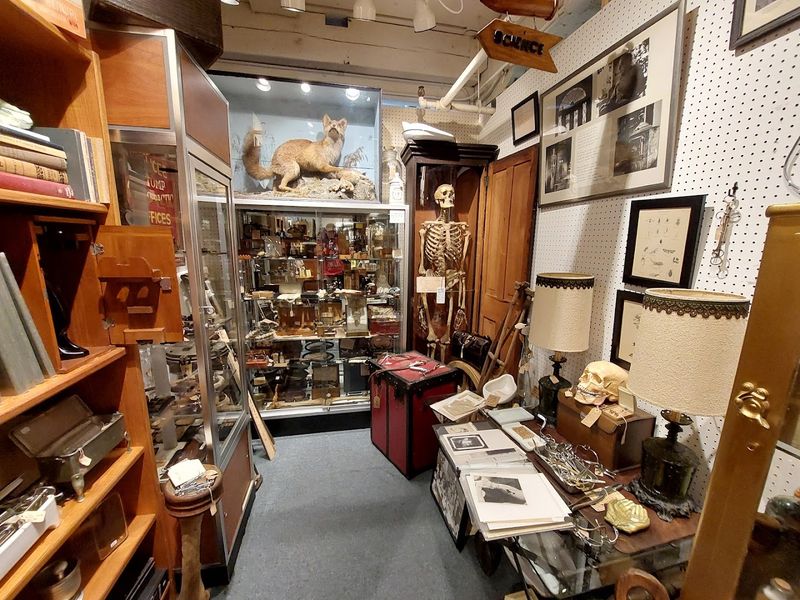
Antique hunting at Savage Mill has a reputation that extends well beyond Howard County. The main antique floor is one of the largest and most varied in Maryland, drawing collectors who make the trip specifically for what is on offer there.
The selection spans centuries and continents. Ancient Chinese porcelain, European ceramic wares, American furniture, vintage jewelry, decorative handicrafts, and small collectibles all share space in a setting that feels appropriately historical.
The quality of the inventory tends to be higher than what you would find at a typical flea market. Many of the dealers specialize in particular categories and rotate their stock with regularity, so the floor never looks the same twice.
For anyone who takes antique shopping seriously, this is the kind of place that earns a permanent spot on the list. The building alone adds something to the experience, since hunting for century-old objects inside a century-old structure creates a certain kind of consistency that is hard to argue with.
Artisan Studios Where Making Is Part of the Visit
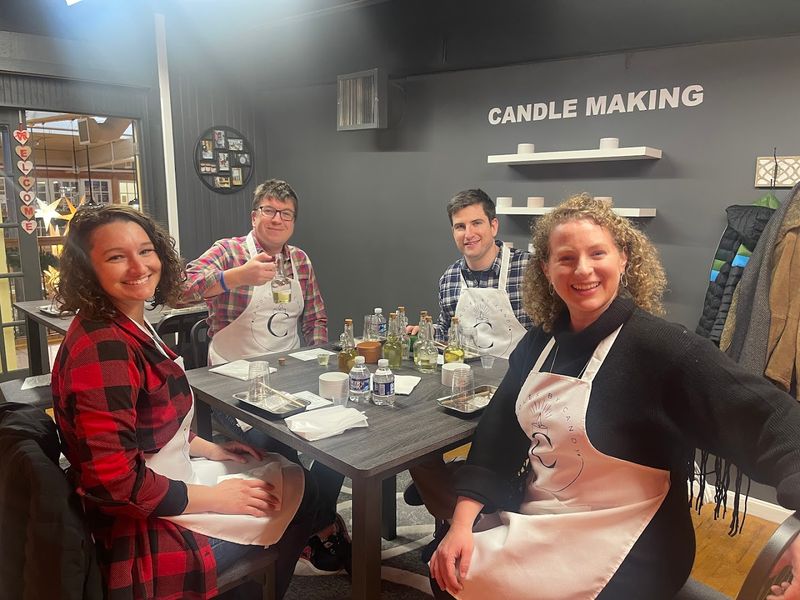
Several of the businesses at Savage Mill are not just shops but working studios where the product gets made right in front of you, and sometimes with your own hands.
Candles by Candy is one of the most talked-about spots in the complex. The studio offers hands-on candle-making sessions where guests choose their own fragrance oils and create a finished candle to take home.
It draws groups celebrating birthdays, bachelorette parties, and casual creative afternoons alike.
The studio model works particularly well inside a historic mill because the building already has the kind of industrial character that makes crafting feel intentional rather than staged. Exposed brick and aged wood beams provide a backdrop that a purpose-built craft studio would struggle to replicate.
Other artisan options include pottery and various craft-based activities that rotate with the calendar. The hands-on element turns a shopping trip into a full experience, giving people a reason to stay longer and leave with something they actually made themselves.
The Bridal Shop That Stands Out in a Historic Space
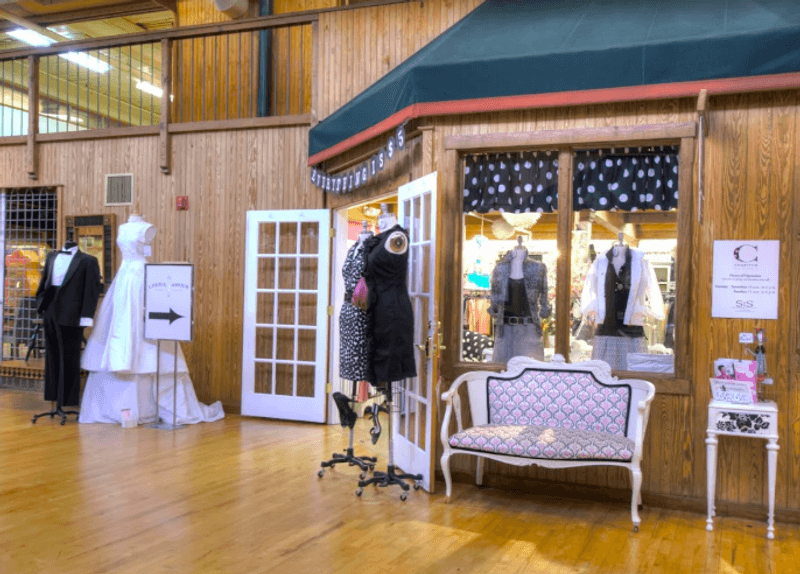
Cherie Sustainable Bridal is one of the more distinctive tenants at Savage Mill, and not just because wedding dresses inside a 200-year-old cotton mill make for an unexpectedly striking combination.
The shop focuses on sustainable bridal fashion, which sets it apart from conventional bridal boutiques in the region. The inventory emphasizes thoughtfully sourced garments, and the overall approach appeals to couples who want their wedding planning to reflect a broader set of values.
The location inside the mill adds a layer of atmosphere that a standalone storefront in a strip mall simply could not provide. The brick walls and original architectural details create a setting that photographs well and feels genuinely memorable for anyone browsing gowns.
It is the kind of shop that benefits from being discovered rather than searched for specifically. Many people who wander past the entrance on the way to the antique floor end up spending far more time inside than they originally planned, which is a reliable sign that the shop is doing something right.
Books, Bakery, and Chocolate Under One Roof
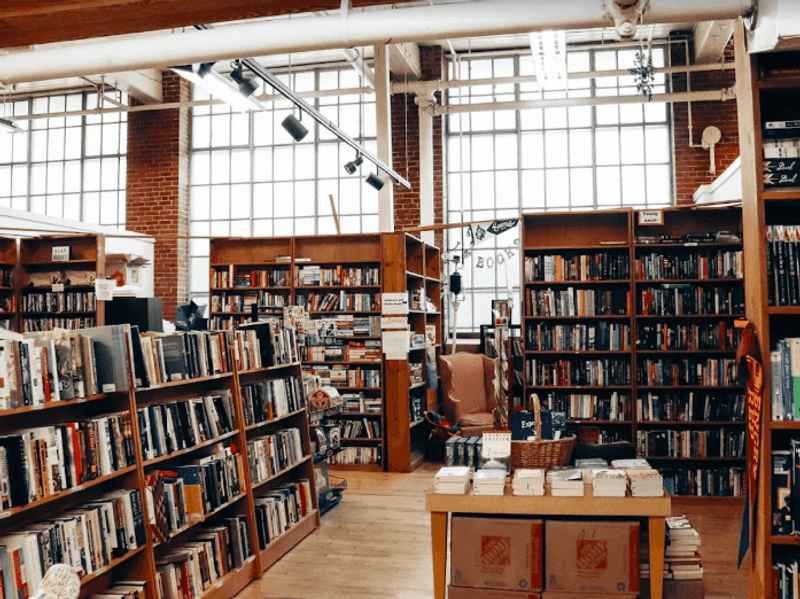
Books With A Past is the used bookstore at Savage Mill, and its storefront alone earns consistent attention. The exterior display draws browsers who had no intention of buying a book when they arrived, which is exactly the kind of magnetic quality a good used bookstore should have.
Inside, the shelves are stocked with a wide-ranging collection that rewards patient browsing. The inventory shifts as books come in and go out, so no two visits produce the same finds.
Bonaparte Breads is the bakery in the complex, known for fresh-baked goods that have become a reason in themselves to make the trip. The handmade chocolate shop rounds out the food-adjacent retail options, offering a sweet stop between the antique floor and the clothing boutiques.
Having a bookstore, a bakery, and a chocolate shop within the same historic building creates a particular kind of afternoon loop that is easy to fall into and surprisingly hard to cut short once it gets started.
Dining Options That Keep People Staying Longer
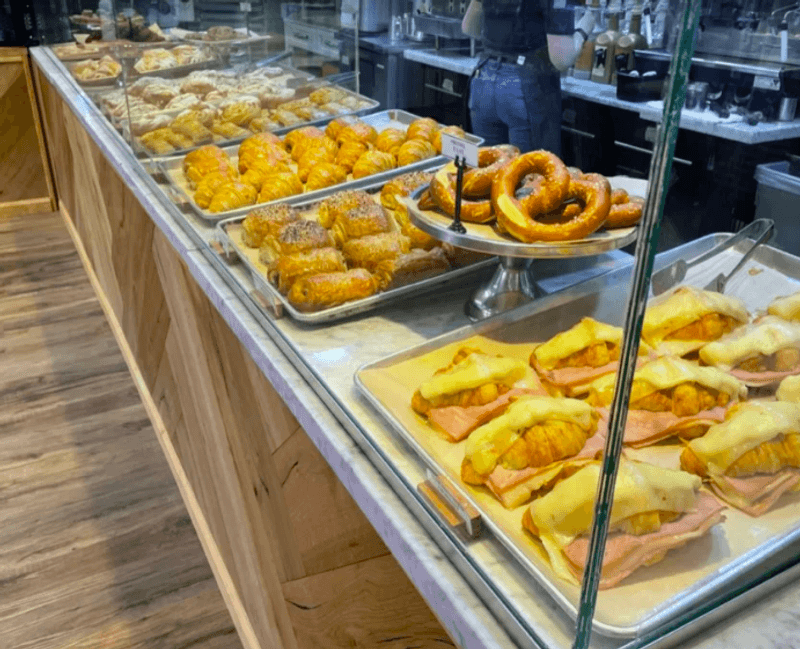
Savage Mill Grille is the anchor dining spot inside the complex, and it has built a steady following among both locals and day-trippers who plan their visits around a meal there.
The restaurant occupies space that carries the same historic character as the rest of the building, with the original brick and timber construction forming the backdrop for a relaxed dining experience. The menu leans toward American comfort food, and the kitchen handles both light and heavier options depending on what the occasion calls for.
Rams Head is another dining option within the mill, offering a different atmosphere and menu that rounds out the food choices available without any need to leave the building. A coffee shop in the complex handles the caffeine side of things, making it easy to start the visit with a cup before working through the shops.
The dining options are also open later than the retail stores, which means the mill functions as a destination well into the evening for those who want to extend their time there.
Events That Turn Shopping Trips Into Community Gatherings
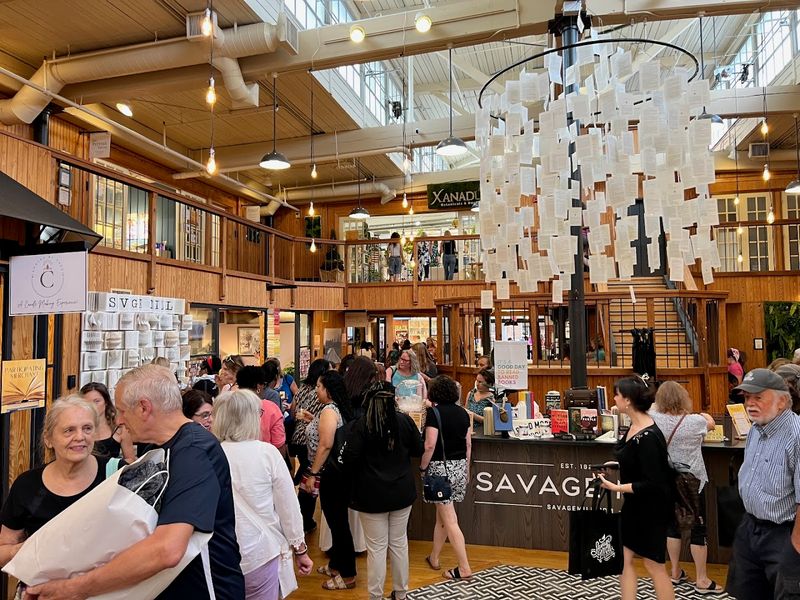
Savage Mill runs a regular calendar of events that bring in crowds beyond the usual weekend shoppers. Girls Night Out events are among the most popular, drawing groups who come for the combination of shopping, studio activities, and dining all in one place.
The event space inside the mill has hosted everything from craft nights to seasonal markets, and the historic setting gives each gathering a backdrop that feels more substantial than a typical event venue. The brick walls and original architecture make even a casual evening feel like it is happening somewhere worth remembering.
Holiday events draw particularly large crowds, and the parking situation can get tight on busy weekends. Arriving early or planning for a midweek visit tends to make the experience more comfortable, especially for anyone who wants to move through the shops without the weekend rush.
The event programming keeps the mill from feeling static between seasons and gives regulars a reason to check the calendar before every visit rather than just dropping in on a whim.
The Outdoor Trails That Extend the Experience
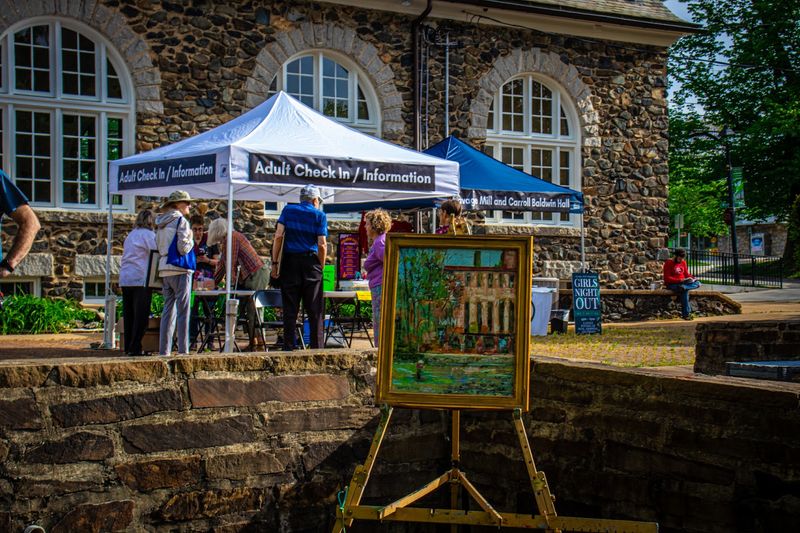
The appeal of Savage Mill does not stop at the front door. The surrounding area includes gravel and dirt trails that run through wooded land near the Little Patuxent River, offering a natural extension to what would otherwise be a purely indoor outing.
The trails are accessible from the mill property and cover enough ground to make a proper walk worthwhile. The combination of wooded paths and a nearby stream gives the area a character that most shopping destinations cannot offer, and the contrast between the industrial building and the natural surroundings is one of the more distinctive features of the whole site.
Families with children find the outdoor option especially useful, since it gives younger visitors something active to do between browsing sessions. The trails are also a draw for anyone who wants to work in some outdoor time without driving to a separate location.
On a clear afternoon, the walk along the water adds a genuinely pleasant dimension to the visit that many people do not know about until they are already there.
What Makes the Building Itself Worth Paying Attention To
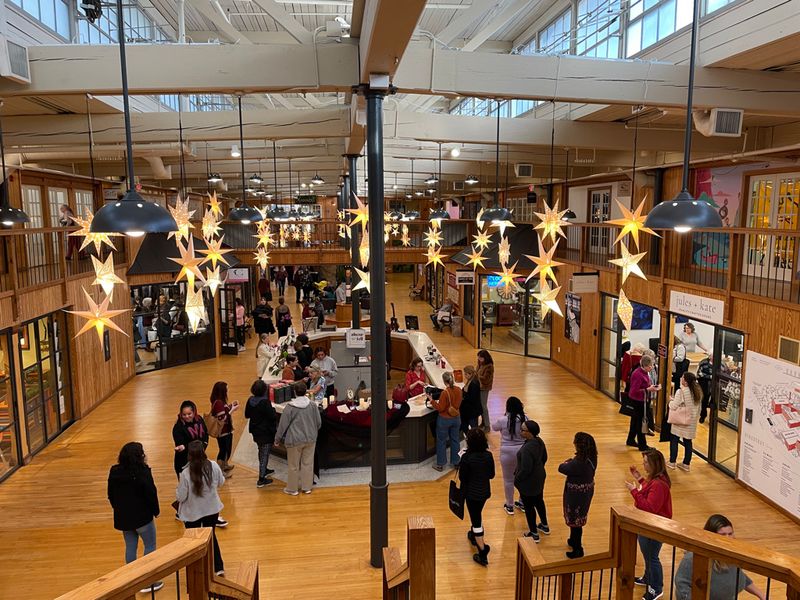
The architecture of Savage Mill is not just a backdrop for the businesses inside. It is an active part of why the place feels different from any other shopping destination in the region.
The original brick construction has been maintained rather than covered over, and the exposed wooden beams that run across the ceilings are structural elements from the mill’s working days. The multi-pane windows that line the building let in natural light in a way that modern construction rarely achieves.
The exterior garden area adds another dimension to the property. The grounds around the building have been kept in a way that complements the historic structure, and the garden provides a spot to sit between shops without retreating indoors.
Details like original flooring, period-appropriate hardware, and preserved mill machinery elements give visitors something to notice even when they are not actively shopping. The building rewards attention, and that quality alone makes Savage Mill worth visiting even for people who have no particular purchase in mind.
The Address and Setting That Tell the Story First
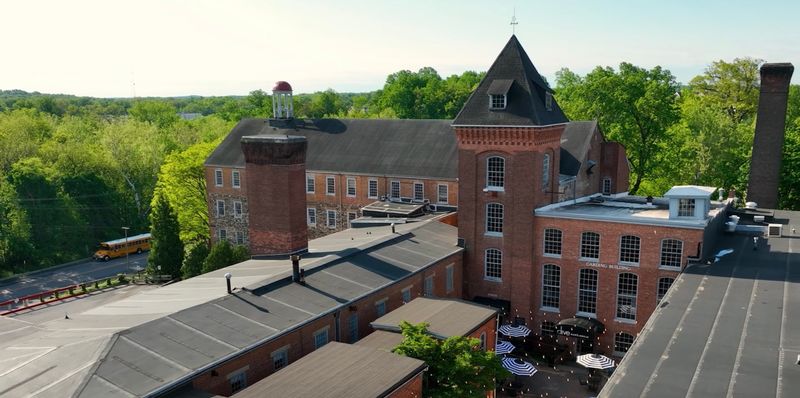
At 8600 Foundry St in Savage, MD 20763, the building itself does half the storytelling before anyone walks through the door.
The structure dates to the early 1800s and operated as a cotton manufacturing facility for much of the 19th century. The brick walls, exposed wooden beams, and multi-pane windows have been preserved with care, giving the complex a character that no newly built shopping center could replicate.
Savage is a small community in Howard County, tucked between Laurel and Columbia. The mill sits near the Little Patuxent River, and the surrounding landscape includes wooded trails that wind alongside the water.
The building spans two floors and houses a wide variety of businesses, from antique dealers to artisan studios to eateries. Hours run Monday through Saturday from 10 AM to 6 PM, and Sunday from 11 AM to 6 PM, making it a practical weekend destination for the whole region.
Share this story