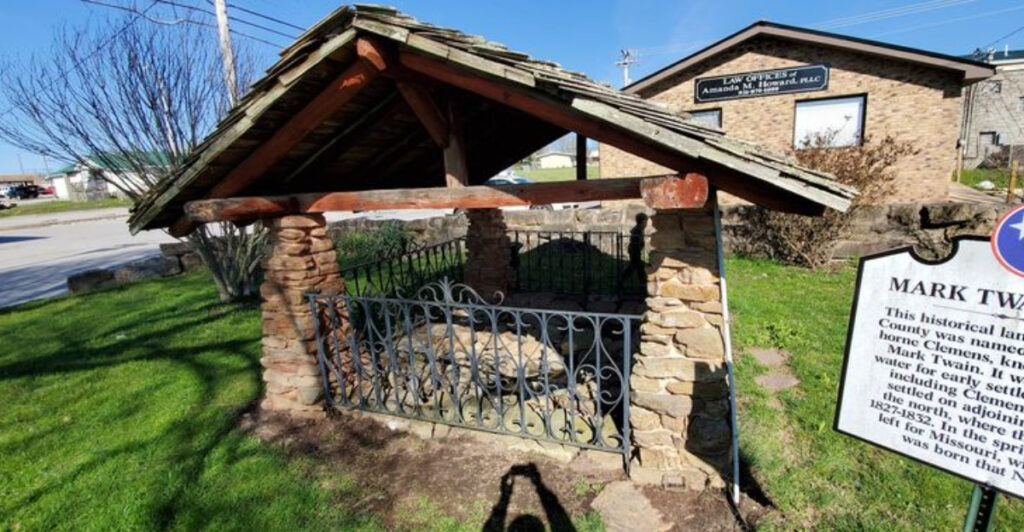
Tucked into the heart of a small Tennessee town, there is a park that holds a quiet but remarkable piece of American literary history. Long before Samuel Clemens became the world-famous Mark Twain, his father’s family relied on a natural spring that still flows today in Jamestown, Tennessee.
That spring now sits inside a compact but historically rich park right near the county courthouse. The connection between this modest green space and one of America’s greatest writers is the kind of story that makes a road trip stop feel genuinely worthwhile.
Whether you already know Jamestown or are hearing about it for the first time, this park offers something that most roadside stops simply cannot match: a direct, physical link to a celebrated chapter of American history.
The Spring That Started It All
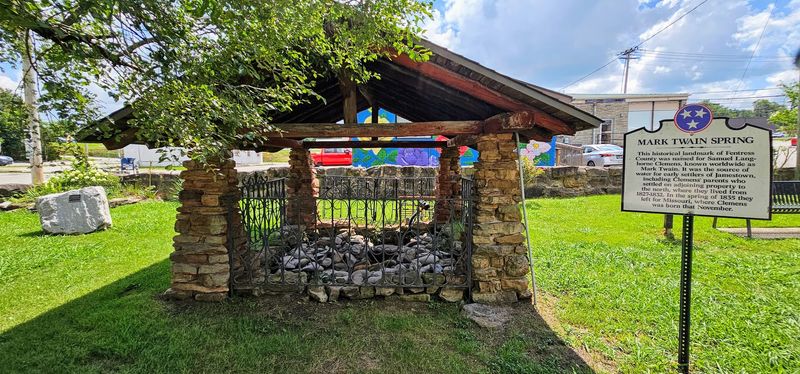
Before Jamestown had its current name, the area was widely known as Sand Springs, a reference to the many natural bubbling springs scattered across the land. Over time, development covered or displaced most of those springs, but one has survived and still flows within the boundaries of Mark Twain Spring Park.
That last remaining spring is the centerpiece of the park’s historical identity. It provided fresh water to the family of John M.
Clemens, the father of Samuel Langhorne Clemens, who later became globally recognized under the pen name Mark Twain. The Clemens family used this spring before relocating to Missouri, where Samuel was eventually born and raised.
The fact that this spring still exists today, in its original location, makes it a rare kind of historical touchstone. It connects the physical landscape of modern Jamestown to a family story that would eventually shape American literature in ways no one at the time could have predicted.
From Tennessee to Missouri: The Clemens Family Journey
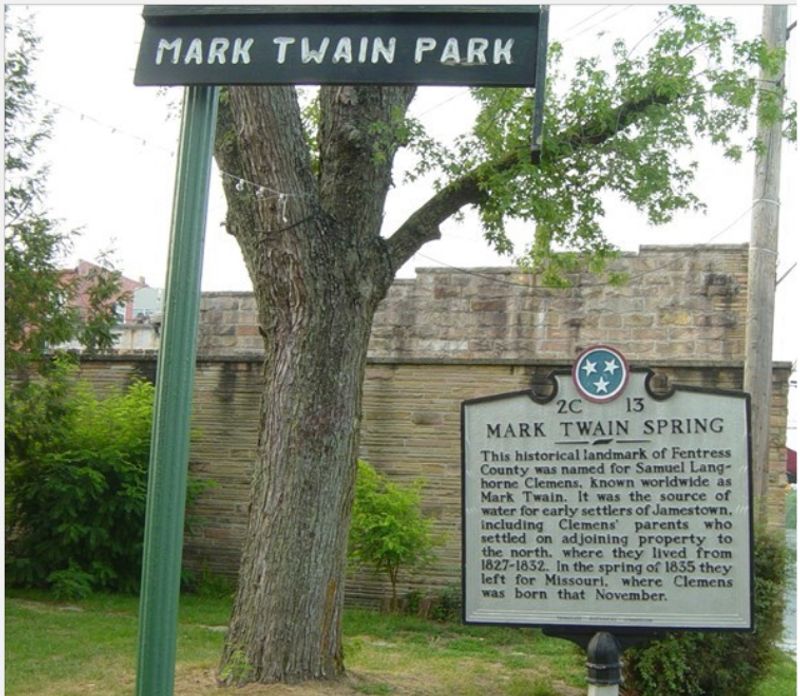
The Clemens family eventually left Jamestown and made their way to Missouri, a move that would shape the trajectory of American literary history. Samuel Langhorne Clemens was born in Florida, Missouri, in 1835, just a few years after the family’s departure from Tennessee.
That relocation means Mark Twain himself never lived in Jamestown. However, the spring in the park represents the world his father knew before Missouri, before the Mississippi River, and before any of the adventures that would later inspire some of the most beloved stories in American fiction.
The Tennessee chapter of the Clemens family story is often overlooked in favor of the more celebrated Missouri years. But Jamestown was where the family put down early roots, drew water from the earth, and built a life before moving on.
That backstory gives the spring a quiet but meaningful weight. It is a starting point for a family whose story would eventually echo across generations of American readers.
What the Park Looks Like Today
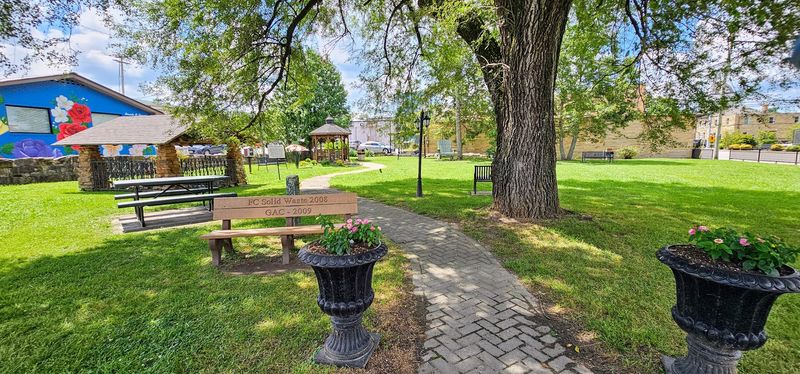
Mark Twain Spring Park is a compact green space that manages to pack a good amount of character into a small footprint. The park includes seating areas, open green space, and the preserved spring that gives it its name and historical significance.
One of the more playful features in the park is a giant orange chair, which has become a popular spot for photos. It is the kind of quirky, oversized landmark that turns a quick stop into a memorable moment, especially for families traveling through the area.
The park also attracts local wildlife. Hummingbirds have been spotted visiting the area, adding a lively natural element to what is otherwise a historically focused space.
The combination of history, greenery, and small surprises makes the park feel more layered than its size might suggest.
Whether someone spends ten minutes or an hour here, the park delivers a genuine sense of place that goes well beyond what most small-town parks offer.
The Cherokee History Beneath the Park’s Roots
The land where Jamestown now stands has a history that stretches back well before European settlers arrived. The area was home to a semi-permanent Cherokee village, and the many natural rock shelters in the surrounding landscape likely played a role in how the Cherokee used and inhabited the region.
Those rock shelters are still part of the broader landscape of Fentress County, though the town that grew up around the springs has changed the character of the immediate area considerably. The springs themselves, including the one now preserved in the park, were almost certainly known to the Cherokee long before the Clemens family or other settlers arrived.
That layered history gives the park a deeper context than most visitors might initially realize. The spring is not simply a nineteenth-century American landmark.
It sits on land that carries centuries of human history, a fact that adds a quiet complexity to what might otherwise seem like a straightforward historical marker.
Seasonal Events and Community Life at the Park
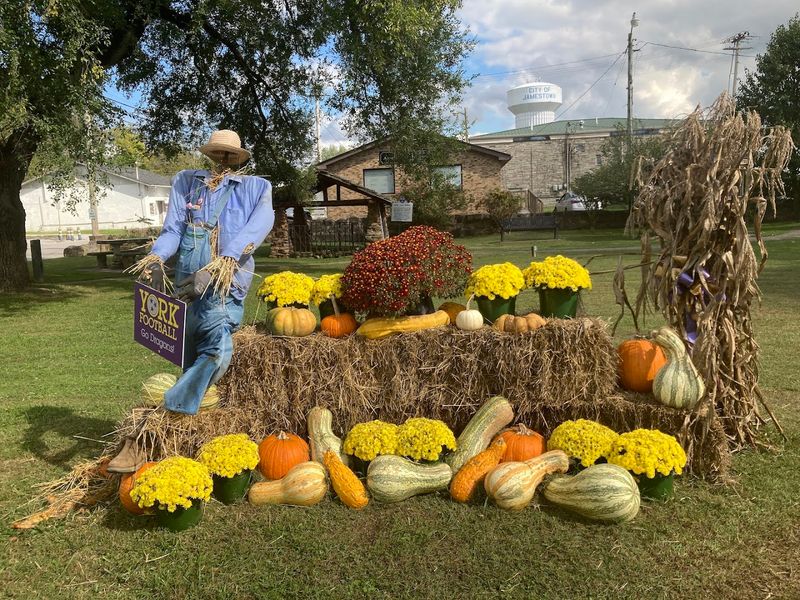
Mark Twain Spring Park is not just a static historical site. It functions as an active part of Jamestown’s community life throughout the year.
Seasonal events and local gatherings take place in and around the park, making it a living space rather than simply a preserved relic.
The park sits in the heart of downtown, which means it benefits from foot traffic generated by nearby businesses, the courthouse, and community activities. That central position gives it a social energy that many small historical parks lack.
Visitors who time their trip around local events may find the park especially lively. Even on quieter days, the space attracts locals who use it for relaxation, casual walks, and informal gatherings.
The park functions as a kind of town living room, open to everyone and anchored by its historical significance.
That dual role, as both a community hub and a historical landmark, is part of what makes Mark Twain Spring Park more interesting than a simple plaque on a wall.
Fentress County’s Other Famous Son: Sgt. Alvin C. York

Jamestown and Fentress County have more than one celebrated name attached to their history. Sergeant Alvin C.
York, one of the most decorated American soldiers of World War I, was born and raised in this county and continued to live here after returning from the war.
York devoted much of his later life to education, raising funds for and building the Alvin C. York Agricultural Institute, which remains a functioning high school today.
The 400-acre campus is designated as a Tennessee Wildlife Resources Agency wildlife management area and includes five ponds and a herd of Limousin cattle that students help manage.
The York Gristmill, perched along the Wolf River, is another local landmark tied to his legacy. Together, these sites give Fentress County a historical depth that makes Jamestown worth more than a single afternoon of exploration.
The Mark Twain connection and the Alvin York legacy combine to make this small county one of the more historically layered places in Tennessee.
Big South Fork: The Wild Country Just Beyond Town
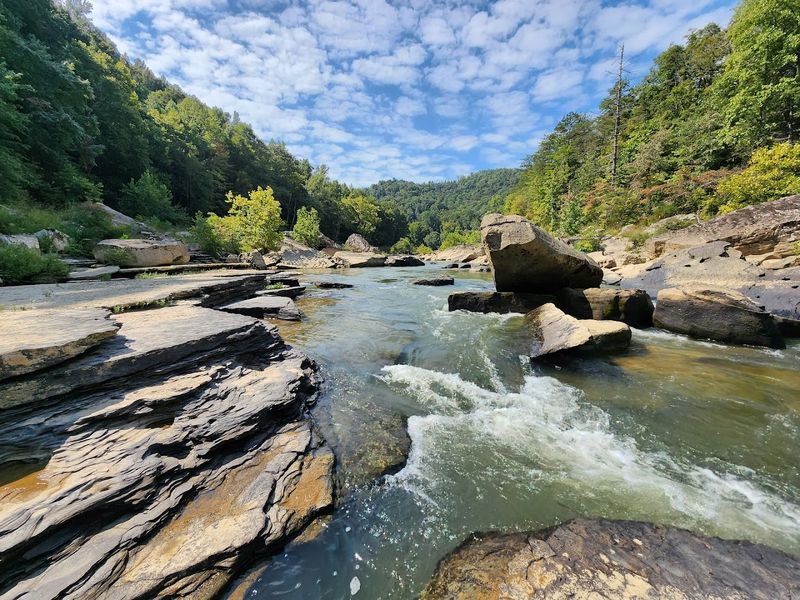
Jamestown serves as a gateway to Big South Fork National River and Recreation Area, a 125,000-acre expanse on the Cumberland Plateau known for its sandstone bluffs, scenic gorges, and the Big South Fork of the Cumberland River. The park offers camping, hiking, fishing, horseback riding, and boating across a wide stretch of protected land.
The area’s dramatic rock formations and forested landscapes draw outdoor enthusiasts from across the country. East Fork Stables, located within the region, operates more than 100 miles of equestrian-exclusive trails that wind past waterfalls, rock formations, and lily pad ponds accessible only by horseback.
For visitors who stop at Mark Twain Spring Park and find themselves wanting more from their Jamestown trip, Big South Fork is a natural next destination. The contrast between the intimate, historically grounded park in town and the vast wilderness just outside it captures something essential about what makes this part of Tennessee compelling.
The World’s Longest Yard Sale and Jamestown’s Place On the Route
Every year, a remarkable event stretches 690 miles across six states, following Highway 127 from Addison, Michigan, in the north to Chattanooga, Tennessee, in the south. Known as the 127 Yard Sale or the World’s Longest Yard Sale, it passes directly through Jamestown and draws enormous crowds of shoppers, collectors, and curious travelers.
The route travels through Michigan, Ohio, Kentucky, Tennessee, Georgia, and Alabama, offering a mix of rural scenery and roadside commerce that has become a beloved annual tradition. The majority of the route follows Highway 127, with a section switching to Lookout Mountain Parkway near the southern end.
Jamestown’s position on this route gives the town a regular influx of visitors who might not otherwise stop in Fentress County. Some of those visitors discover Mark Twain Spring Park as a result, turning a shopping detour into an unexpected history lesson.
The yard sale typically runs for several days in late summer, making it a lively time to visit the area.
Practical Tips for Visiting the Park
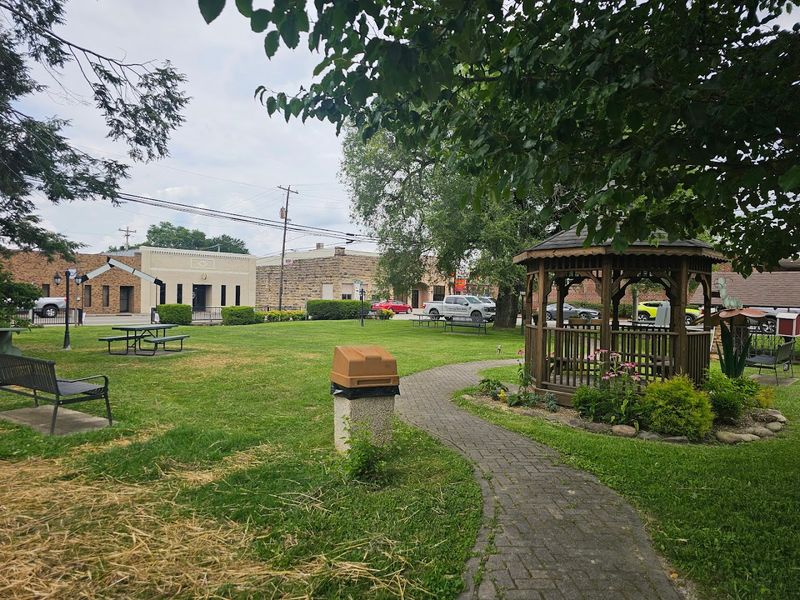
Mark Twain Spring Park is a free, publicly accessible space in downtown Jamestown. Because it is a small park, a visit does not require much time, but the historical detail rewards those who take a few extra minutes to read the available information and observe the spring itself.
Comfortable footwear is a practical consideration, particularly if the ground near the spring is wet. The park is open year-round, and each season brings a different character to the space.
Spring and fall tend to offer the most pleasant outdoor conditions in this part of Tennessee.
Parking in downtown Jamestown is generally straightforward, given the town’s modest size. The park is within easy walking distance of other downtown points of interest, making it a natural anchor for a broader walking tour of the area.
Bringing a camera is worthwhile, both for the giant orange chair photo opportunity and for capturing the spring itself, which is the kind of understated landmark that photographs better than it might initially suggest.
Why This Small Park Deserves a Spot on Your Tennessee Road Trip
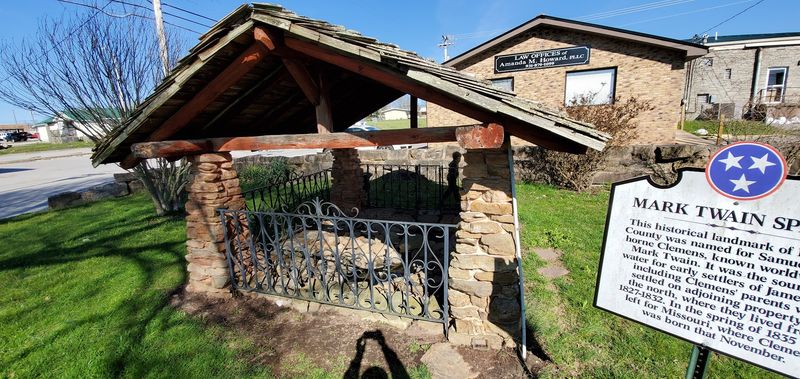
Tennessee has no shortage of historical landmarks, scenic overlooks, and cultural attractions. What makes Mark Twain Spring Park stand out is the specificity of its connection to American literary history and the fact that so few people know it exists.
The spring is not a reconstruction or a replica. It is the actual water source that served the Clemens family before they moved to Missouri and before Samuel Clemens became Mark Twain.
That kind of direct, unmediated historical link is increasingly rare and genuinely worth seeking out.
The park also fits easily into a broader Fentress County itinerary that includes Big South Fork, the Alvin York sites, and the surrounding natural landscape of the Cumberland Plateau. None of these stops require significant detours from one another.
For travelers who value depth over spectacle, this small park in a small Tennessee town delivers exactly the kind of quiet, well-grounded historical experience that makes a road trip feel like something more than just miles on a map.
Where the Park Actually Sits
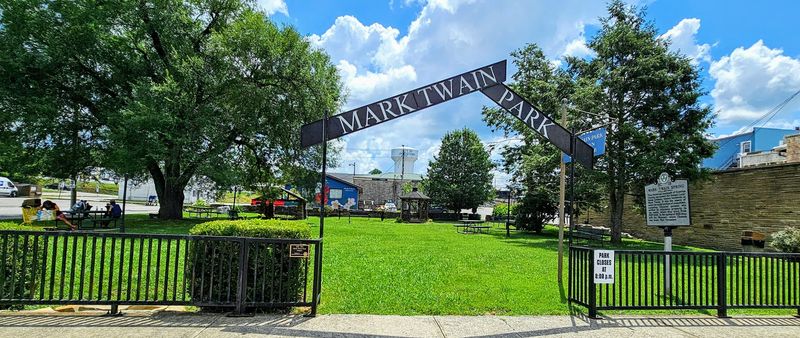
Mark Twain Spring Park is located in Jamestown, Tennessee 38556, positioned just northeast of the Fentress County courthouse in the heart of downtown. The park is small by most standards, but its central location makes it easy to find and simple to visit without needing much planning.
Jamestown sits along U.S. Highway 127 in the Upper Cumberland region of Tennessee, a part of the state known for its natural landscapes and deep historical roots.
The town has its own municipal airport, yet it still carries the quiet character of a rural community that has not lost its sense of place.
The park serves as a calm anchor point in the middle of an active small-town downtown. Nearby streets lead to local shops, the courthouse, and other community landmarks.
For anyone passing through Fentress County, this compact park makes for a genuinely rewarding and historically grounded stop.
Share this story