Across Asia, certain places have developed a reputation for something unusual: monkeys that have claimed temples, forests, and entire city districts as their own territory. From the snowy mountains of Japan to the ancient ruins of Sri Lanka, these primates have built lives alongside human communities in ways that are documented, studied, and genuinely fascinating. Some of these relationships stretch back centuries, shaped by religious tradition, colonial-era urban growth, and wildlife conservation policy. Whether you are interested in history, wildlife behavior, or simply want to know which ancient temple requires you to guard your sunglasses, this list covers fourteen remarkable places where monkeys are not just visitors but permanent residents with serious authority.
1. Sacred Monkey Forest Sanctuary, Ubud, Bali, Indonesia
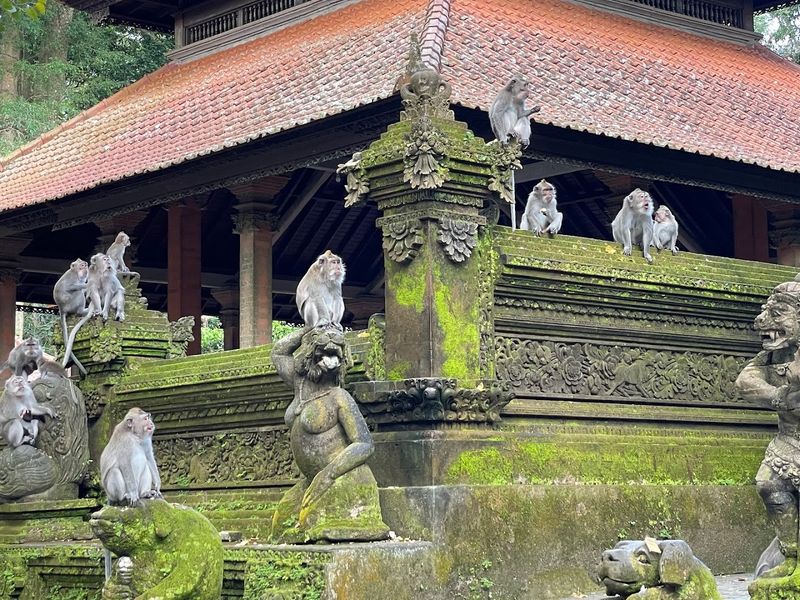
Over a thousand long-tailed macaques call this 12.5-hectare forest home, and they have been doing so for centuries longer than most modern tourist attractions have existed.
The sanctuary dates back to the 14th century and contains three Hindu temples, including Pura Dalem Agung Padangtegal, which remains an active site of Balinese religious practice. Researchers and conservationists use the sanctuary as a study site, tracking monkey behavior across multiple generations of the resident population.
Monkeys are fed three times daily on a supervised diet of bananas, cucumber, sweet potato, and papaya leaf. Visitors are advised to avoid direct eye contact and keep belongings secured, as the macaques are quick, confident, and entirely unbothered by human presence. The sanctuary also supports over a hundred plant species, making it a functioning ecological reserve rather than a simple tourist attraction.
2. Swayambhunath Stupa, Kathmandu, Bagmati Province, Nepal
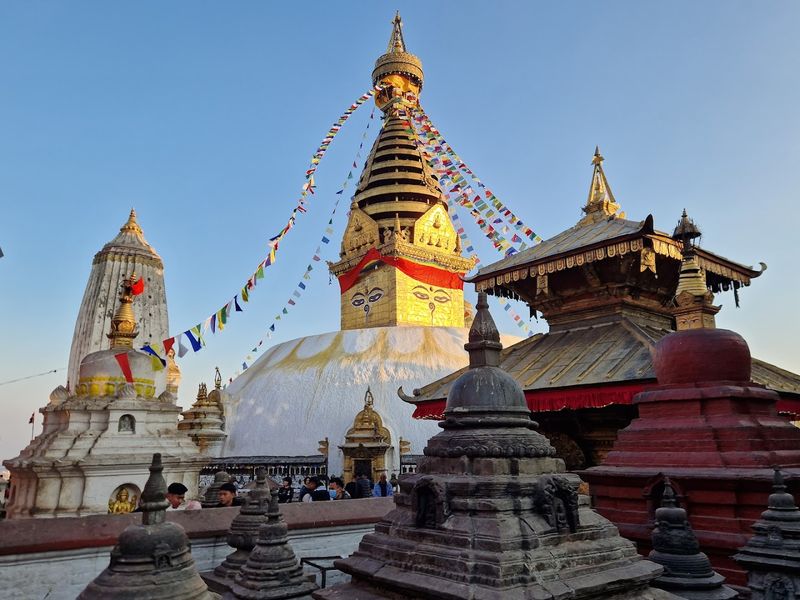
Swayambhunath has stood on its hilltop above Kathmandu for more than two thousand years, and the rhesus macaques that inhabit it have developed a reputation that rivals the stupa itself.
According to Buddhist tradition, the monkeys are believed to be the transformed disciples of Manjushri, the bodhisattva of wisdom, which explains why they are treated with a degree of reverence rather than as pests. The complex has been a UNESCO World Heritage Site since 1979 and holds significance for both Buddhist and Hindu communities across Nepal.
Visitors climb 365 stone steps to reach the main stupa, passing shrines and prayer wheels while macaques weave between pilgrims with practiced ease. The all-seeing eyes of Buddha painted on the gilded spire look out in four directions over the city below. Monkey sightings are particularly frequent after dusk when the troop becomes most active around the complex.
3. Uluwatu Temple, Pecatu, Bali, Indonesia
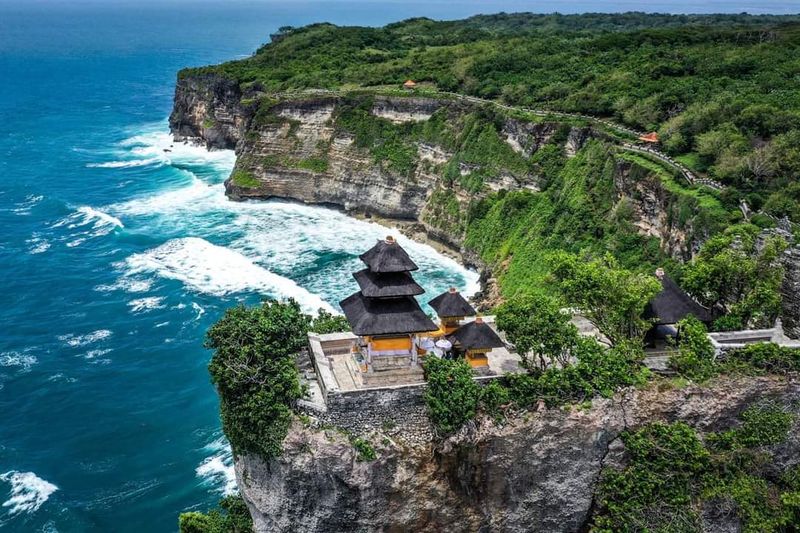
Uluwatu Temple sits at the edge of a cliff on Bali’s southwestern tip, and its resident macaques have developed a behavior that primatologists describe as culturally transmitted across generations within the troop.
The monkeys are known to snatch items from visitors, including sunglasses, hats, cameras, and sandals, then hold them in exchange for food. This bartering behavior has been documented as a learned social tradition passed down through the group rather than an instinctive response. Local belief holds that the macaques serve as sacred guardians protecting the temple from negative forces.
Practical advice from experienced guides includes removing loose jewelry before entering, keeping bags zipped, and avoiding prolonged eye contact. Sunset visits draw large crowds because the coastal scenery from the clifftop is genuinely striking. The combination of active wildlife, cultural ceremony, and dramatic geography makes Uluwatu one of Bali’s most layered experiences.
4. Lopburi Old Town, Lopburi, Lopburi Province, Thailand
Lopburi is a city in central Thailand with a documented history stretching back to the Dvaravati period, but its modern identity is inseparable from the thousands of crab-eating macaques that have colonized its streets.
Unlike wildlife reserves where monkey encounters are confined to designated zones, Lopburi’s macaques operate throughout the urban environment. They cross roads, occupy shopfronts, climb utility poles, and rest on rooftops across the historic district with complete indifference to city life happening around them.
Residents have adapted their daily routines to account for the monkey population, installing protective wire grilles on windows and reinforcing storefronts. The annual Monkey Buffet Festival amplifies the city’s identity as a primate-friendly destination, drawing media coverage and international visitors. For travelers who have never experienced monkeys as genuine urban residents rather than park attractions, Lopburi offers a perspective that is genuinely difficult to replicate anywhere else in Southeast Asia.
5. Phra Prang Sam Yot, Lopburi, Lopburi Province, Thailand
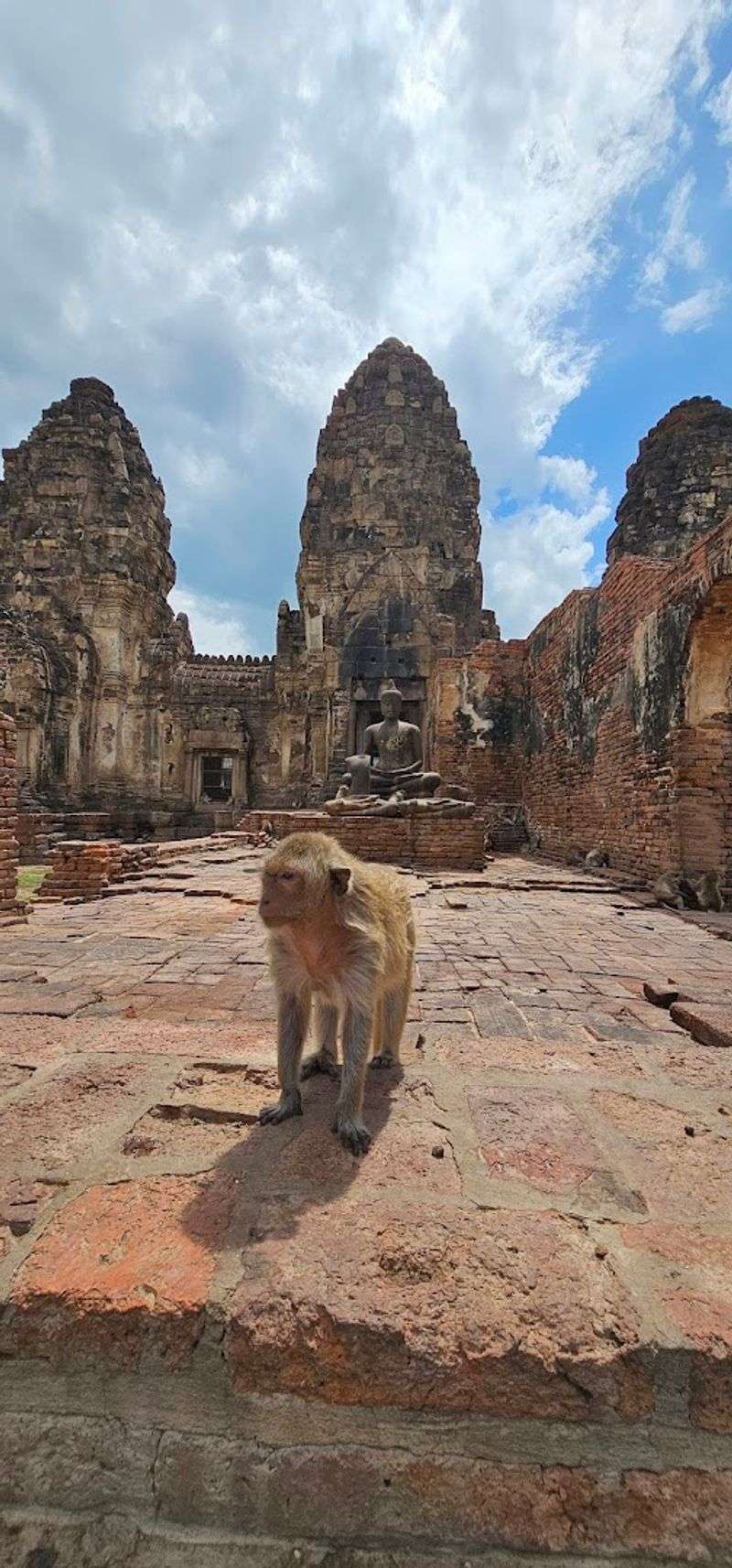
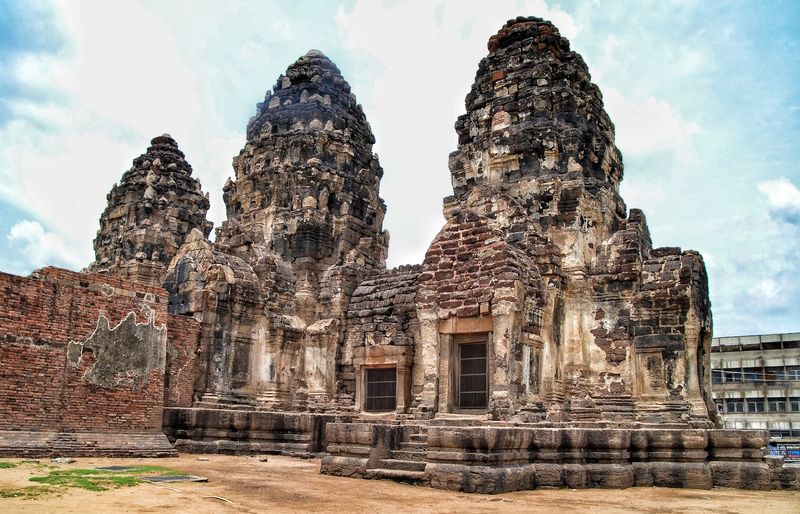
Built during the Khmer Empire’s regional influence over central Thailand, Phra Prang Sam Yot originally functioned as a Hindu shrine before being converted to Buddhist use, and today it functions primarily as a monkey headquarters.
Hundreds of crab-eating macaques have claimed the three connected prangs and surrounding stone walls, creating a wildlife situation that archaeologists and tourists navigate simultaneously. The ruins are well-preserved enough to be historically significant while being active enough with monkey traffic to feel unlike any conventional heritage site.
The annual Monkey Buffet Festival takes place near this temple each November, featuring elaborate food displays arranged specifically for the resident macaque population. The event began in 1989 as a local tourism initiative and has since attracted international media attention. Visitors during non-festival periods still find the monkey presence overwhelming in the best possible way, with macaques occupying nearly every available surface of the ancient structure.
6. Sangeh Monkey Forest, Sangeh, Bali, Indonesia
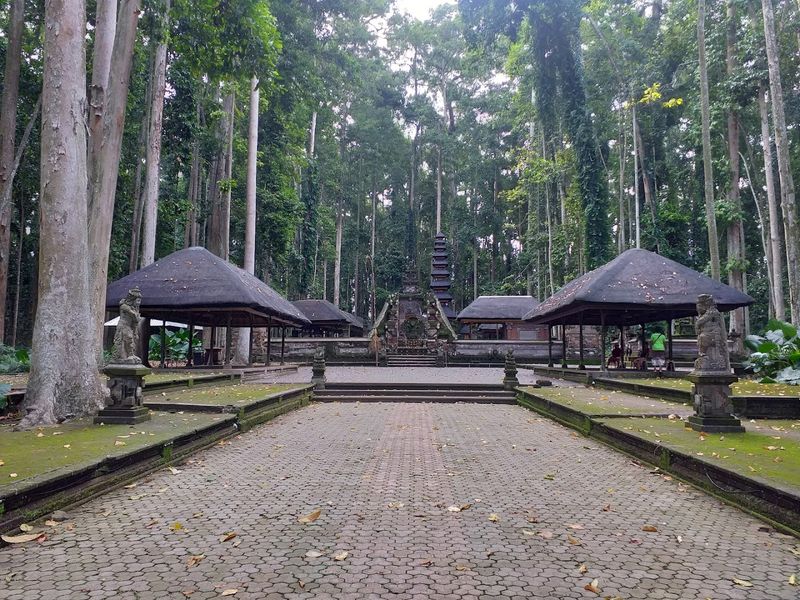
Sangeh sits quietly off the main tourist circuit in Bali, which is precisely what makes it worth visiting if the goal is observing macaque behavior without navigating dense crowds.
The forest is defined by its towering nutmeg trees, a species that creates a dense and relatively undisturbed canopy throughout the reserve. Long-tailed macaques move through this environment in ways that feel more natural and less performative than at busier monkey destinations on the island. Ancient temple structures integrated within the forest add cultural context to what would otherwise be a straightforward nature walk.
The resident monkey population is significant in size but spread across enough space that individual troops can be observed at a comfortable distance. Guides are available and recommended, both for safety and for identifying specific social behaviors within the groups. Sangeh rewards patient visitors who prefer observation over the more chaotic encounters common at high-traffic wildlife sites.
7. Jigokudani Monkey Park, Yamanouchi, Nagano Prefecture, Japan
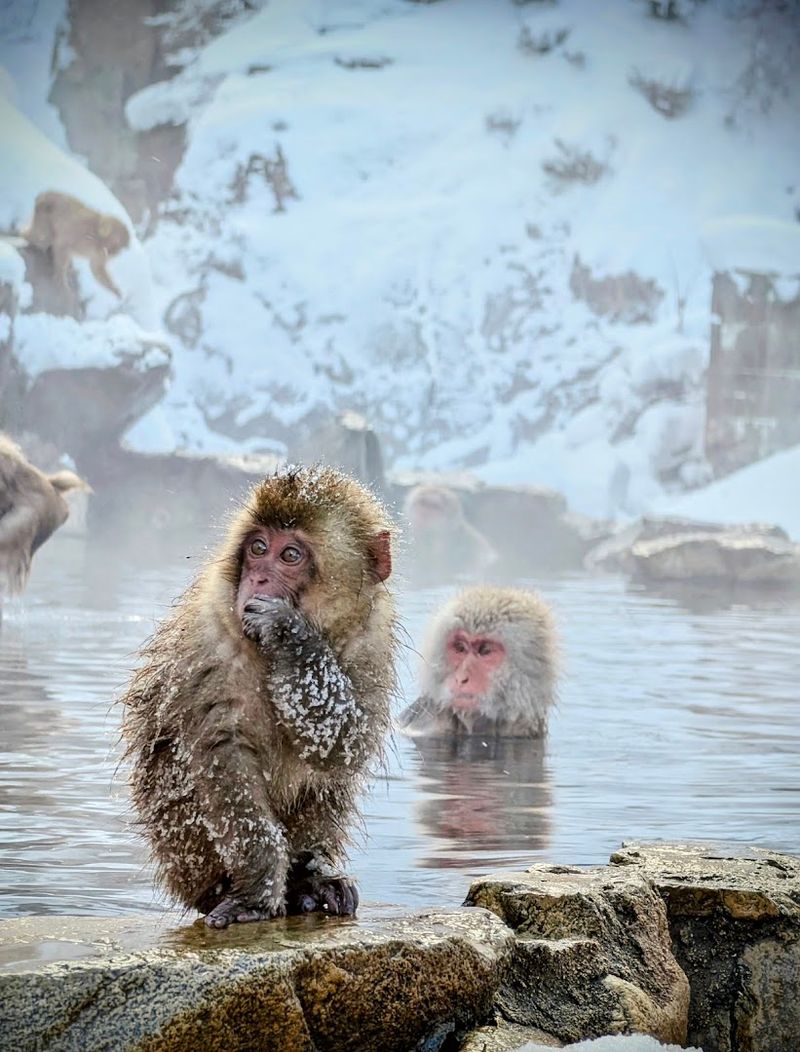
Jigokudani translates to “Hell’s Valley,” a name referencing the steam and boiling water that rise from crevices in the valley floor rather than any association with the monkeys, who seem entirely content with the arrangement.
The park was established in 1964 with two practical goals: studying Japanese macaque social structure and preventing the animals from raiding farms in surrounding communities. Park attendants provide daily feedings that encourage the macaques to gather near the hot spring area, which is where the park’s most famous behavior occurs during winter months from December through March.
The image of snow-covered macaques relaxing in thermal water gained global recognition after appearing in Life magazine, and the monkeys later became unofficial symbols of the 1998 Nagano Winter Olympics. Visitors observe the wild troop without fences or cages separating them from the animals. Touching or directly feeding the macaques is prohibited throughout the park.
8. Arashiyama Monkey Park Iwatayama, Kyoto, Kyoto Prefecture, Japan
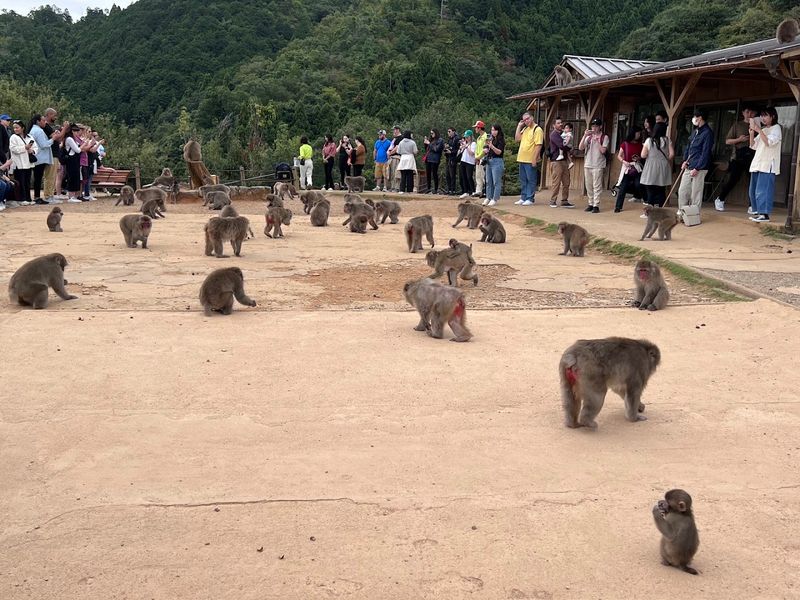
What started as a university research project in the early 1950s eventually became one of Kyoto’s most distinctive wildlife destinations, officially opening to the public in March 1957.
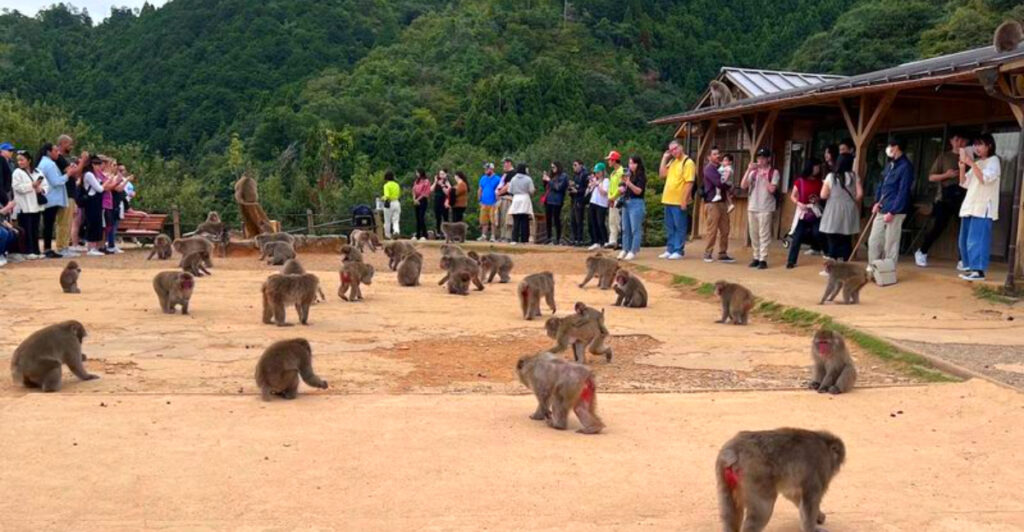
A scientist from Kyoto University began provisioning wild Japanese macaques on the mountain to observe their social behavior up close. That research habit gradually drew a stable troop of between 120 and 170 monkeys to the feeding area, creating the foundation for the park that exists today.
Visitors climb a moderately steep 20 to 30 minute trail before reaching the summit, where the macaques move freely through their habitat while people stay within a designated enclosure to feed them. The setup reverses the typical zoo arrangement in a way that surprises first-time visitors. Panoramic views of Kyoto spread out below, making the uphill effort worthwhile regardless of monkey activity that day.
9. Galta Ji Temple, Jaipur, Rajasthan, India
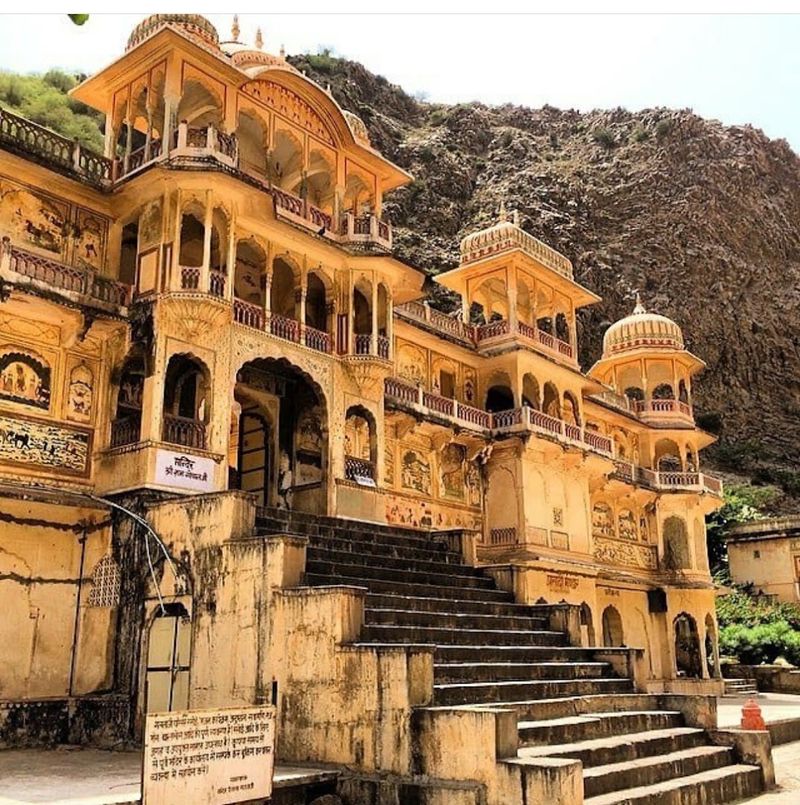
Galta Ji is tucked into a narrow valley in the rocky hills east of Jaipur, and most visitors arrive expecting a temple but leave more impressed by the monkeys than the architecture, which itself is quite remarkable.
The complex is built from pink sandstone and includes seven sacred water tanks fed by a natural spring. Rhesus macaques and gray langurs occupy the rooftops, pavilions, and stairways in numbers that routinely exceed the human visitor count on quieter days. Their presence is tied to the site’s association with Lord Hanuman, the revered monkey deity of Hindu tradition.
The temple’s origins are attributed to Rishi Galav, and the current complex was constructed around the time of Sawai Jai Singh II’s court in the 18th century. Yogis and sadhus have inhabited the surrounding hills since the 16th century. Visitors should keep food secured and approach the animals calmly to avoid triggering the macaques’ well-documented mischievous tendencies.
10. Sigiriya, Sigiriya, Central Province, Sri Lanka
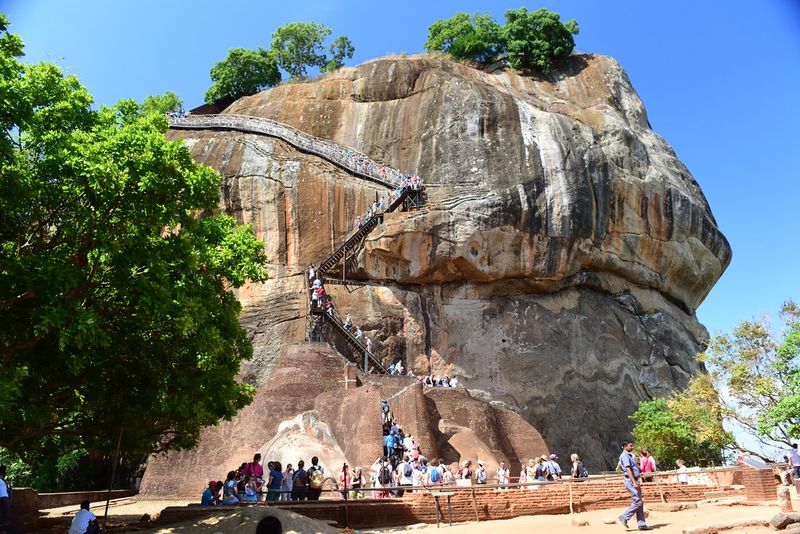
Sigiriya’s Lion Rock rises about 200 meters above the surrounding jungle, and while most visitors focus on the ancient frescoes and palace ruins at the summit, toque macaques make the lower pathways and gardens equally engaging.
Toque macaques are endemic to Sri Lanka and are smaller and more compact than the macaque species found elsewhere in Asia. They move through the UNESCO World Heritage Site’s grounds with casual familiarity, foraging near the ancient water gardens and along the shaded forest trails that approach the base of the rock.
Early morning visits consistently produce more active wildlife encounters because the macaques are most mobile before midday heat sets in. The combination of 5th-century archaeology and living wildlife creates an experience where natural history and human history occupy the same space without competing. Sigiriya was built during the reign of King Kashyapa between 477 and 495 AD, making it one of Asia’s oldest surviving royal complexes.
11. Polonnaruwa Ancient City, Polonnaruwa, North Central Province, Sri Lanka
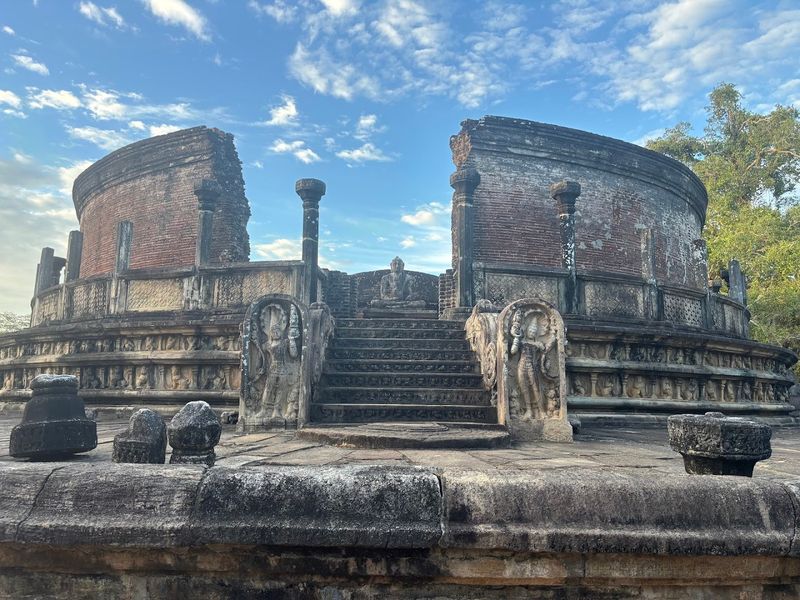
Polonnaruwa served as Sri Lanka’s capital for nearly three centuries, flourishing between the 11th and 13th centuries before being abandoned and rediscovered in the mid-1800s, and today its monkey population is nearly as well-documented as its royal ruins.
Three distinct primate species inhabit the site: the toque macaque, the gray langur, and the purple-faced leaf monkey, with the latter two being endemic to Sri Lanka. The “Temple Troop” of toque macaques at Polonnaruwa achieved international recognition through BBC and Disney nature documentaries and has been the subject of one of the world’s longest-running primate studies, initiated by Smithsonian primatologist Wolfgang Dittus in 1968.
Visitors routinely encounter monkeys exploring ancient walls, resting beneath massive trees between carved stone Buddhas, and navigating the same paths as tourists and archaeologists. The UNESCO World Heritage designation protects both the ruins and the surrounding forest that supports these primate communities.
12. Batu Caves, Gombak, Selangor, Malaysia
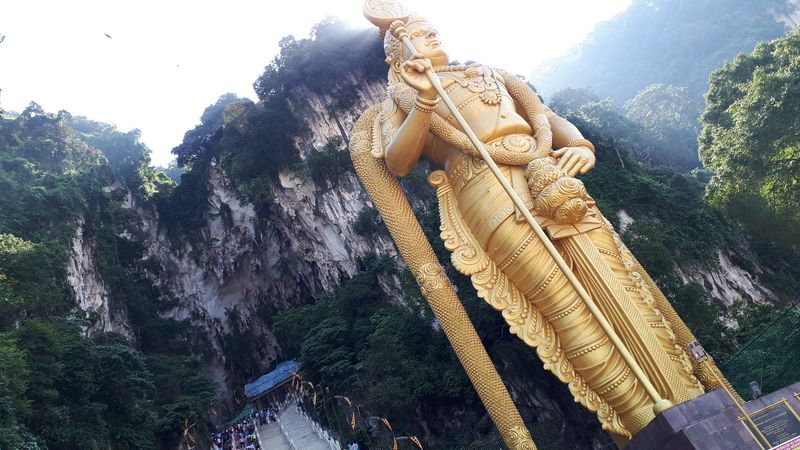
The 272 steps leading up to Batu Caves are watched over by a 140-foot golden statue of Lord Murugan, installed in 2006, and by a considerably older and more unpredictable population of long-tailed macaques.
The macaques at Batu Caves are well-known for opportunistic behavior that goes beyond curiosity. Documented incidents include food theft, facility damage, and the strategic removal of items from visitor bags. Local residents tend to view the monkeys as a management challenge, while many tourists find the encounters memorable rather than troubling.
Feeding the macaques is strongly discouraged by site management because provisioning reinforces the bold behavior that creates conflict. The caves attract between 3,500 and 4,000 visitors daily, rising significantly during the annual Thaipusam festival when the site draws Hindu pilgrims from across Malaysia and beyond. The limestone formations within the caves date back approximately 400 million years, making the geological history as impressive as the wildlife outside.
13. Khao Kheow Open Zoo, Si Racha, Chonburi Province, Thailand
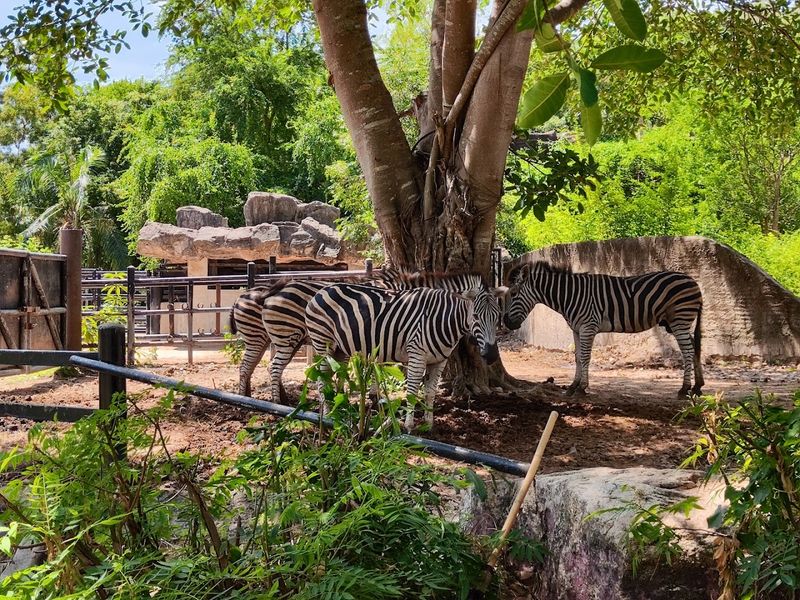
Khao Kheow Open Zoo covers an expansive area in Chonburi Province and operates as a safari-style zoological park, but the animals generating some of the most memorable visitor stories are not inside any enclosure.
Free-roaming macaques move through the park’s grounds independently, interacting with visitors in ways that the officially managed exhibits simply cannot replicate. Families frequently describe leaving the zoo and talking more about a spontaneous monkey encounter on a footpath than about any scheduled wildlife presentation they attended.
The open landscape format gives the zoo a different atmosphere from conventional urban zoos, with spacious paddocks and naturalistic settings throughout. Wild macaque activity layered on top of that format creates an unpredictability that experienced zoo visitors often find refreshing. The park also houses a wide range of species from across Asia and beyond, making it a substantive wildlife destination entirely apart from its unofficial monkey residents who patrol the grounds on their own schedule.
14. Longshan Temple, Kaohsiung, Taiwan
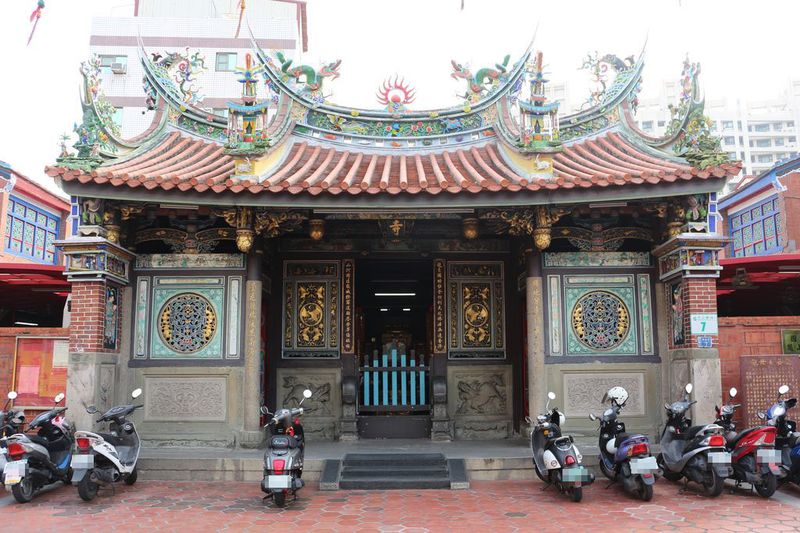
Formosan macaques are native only to Taiwan, and Longshan Temple in Kaohsiung’s hillside district offers one of the more accessible opportunities to observe them in a setting that also carries genuine cultural significance.
The temple sits within a forested mountain environment where the macaques move through the canopy and along the trails that connect the temple complex to the surrounding nature paths. Visitors who arrive expecting only a religious site often leave having spent equal time watching the resident primate population navigate the trees above the temple grounds.
Formosan macaques were once listed as a protected species in Taiwan following significant habitat loss during the mid-20th century’s rapid industrialization. Conservation efforts stabilized the population, and today they are observable at several mountain sites across the island. Longshan’s combination of Buddhist temple tradition, mountain scenery, and native wildlife makes it a compact but rewarding destination for travelers who want cultural and natural experiences in a single visit.
Share this story