Education is one of the most powerful tools a society can have, yet millions of people around the world still lack access to quality schooling. Many countries face tough obstacles like poverty, armed conflict, limited school infrastructure, and gender inequality that make it hard for children and adults to complete even basic education.
Understanding which countries struggle the most with educational attainment helps shine a light on where support and resources are needed. This list, based on UNESCO data and international development indicators, highlights 14 countries where educational attainment remains among the world’s lowest.
Niger
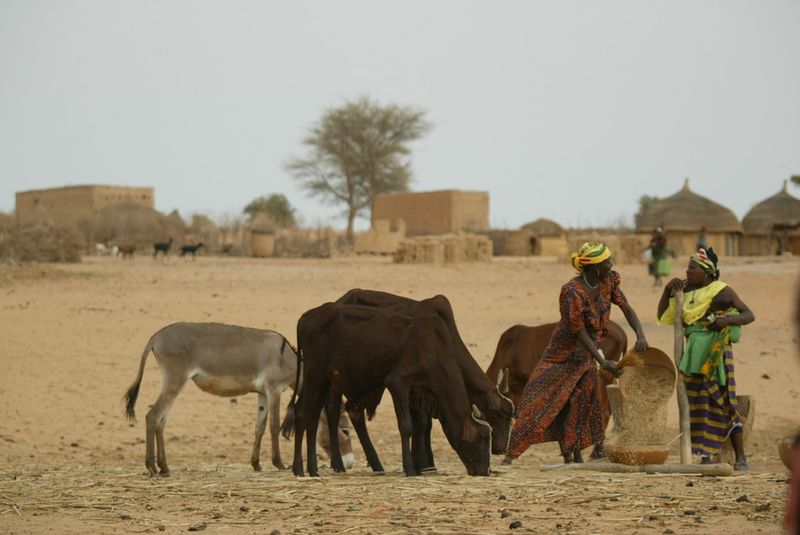
Here is a striking fact: Niger consistently ranks last or near last on the United Nations Human Development Index, and its educational attainment numbers reflect exactly that reality. The average adult has completed just over two years of schooling, one of the lowest figures recorded anywhere in the world.
Part of the challenge is sheer population growth. Niger has the highest birth rate on the planet, which means the number of school-age children keeps rising faster than new schools and teachers can be added.
Rural communities, which make up the majority of the population, often have limited or no access to secondary schools.
Poverty plays a massive role too. Many families rely on children to help with farming or household work, making school attendance a luxury they feel they cannot afford.
Girls are particularly affected, with significantly lower enrollment rates than boys. The government and international partners have been pushing hard to expand access, and primary enrollment has improved in recent years.
Still, turning short-term enrollment gains into long-term educational attainment takes time, resources, and sustained commitment that Niger continues to work toward building.
Chad

Landlocked, resource-stressed, and repeatedly shaken by political instability, Chad has one of the most challenging educational environments in the world. Schools in rural and remote areas are often just open-air spaces with little more than a chalkboard and a handful of students.
Teachers are in short supply, and those who do teach are often underpaid or untrained.
Chad ranks among the lowest globally for adult literacy, with women facing especially limited access to formal education. Many girls leave school before completing primary level due to early marriage practices and household responsibilities.
Boys in rural areas also frequently drop out to help with farming or herding.
The country has seen some modest improvements in primary school enrollment over the past decade, which is genuinely encouraging. But enrollment does not automatically translate into completion, and many students who start primary school never make it to the final grade.
Secondary school remains out of reach for a large portion of the population. Conflict in border regions, including spillover from instability in Sudan and the Central African Republic, continues to displace communities and disrupt whatever educational progress has been made.
Chad needs sustained peace and investment to turn things around.
South Sudan
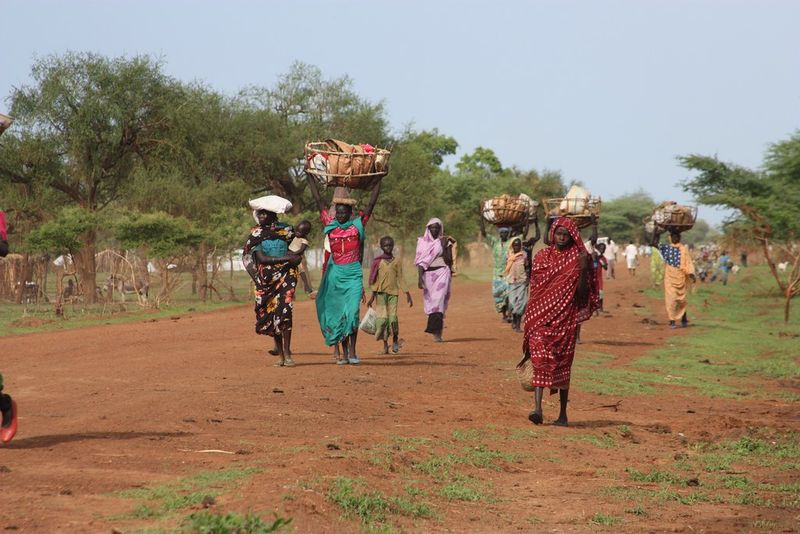
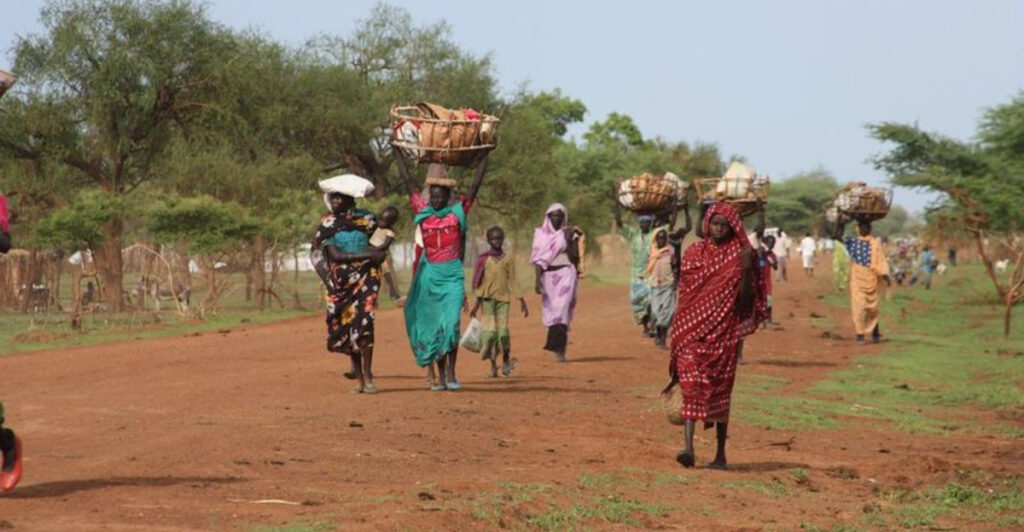
South Sudan holds the grim distinction of being one of the least educated countries on Earth, and the reasons run deep. Decades of brutal armed conflict have shattered schools, displaced families, and made consistent education nearly impossible for entire generations.
Many children grow up never finishing primary school, not because they lack curiosity, but because the system around them has repeatedly collapsed.
The average adult in South Sudan has completed fewer than three years of schooling. That number is striking when you compare it to the global average of around nine years.
Teacher shortages are severe, and many schools lack basic supplies like textbooks, chairs, and clean water.
Girls face even steeper barriers. Cultural expectations, early marriage, and safety concerns push many young girls out of classrooms before they ever reach secondary school.
International organizations are working hard to rebuild the education system, but progress is painfully slow. South Sudan became an independent nation in 2011, making it the world’s newest country, yet it still struggles to provide its youngest citizens with something as fundamental as a classroom to learn in.
Central African Republic
Few countries have had their education systems disrupted as repeatedly and severely as the Central African Republic. Armed groups have attacked schools, used them as military bases, and forced teachers and students to flee.
The result is an education system that has been rebuilt and destroyed in cycles, leaving generations without stable schooling.
Adult literacy rates hover around 37 percent, one of the lowest in the world. That means roughly six out of every ten adults cannot read or write at a functional level.
Children who do attend school often face overcrowded classrooms, untrained teachers, and a lack of learning materials.
The Central African Republic is rich in natural resources like diamonds and gold, which makes its educational poverty all the more frustrating to observe. Wealth exists in the ground, but conflict and poor governance mean it rarely reaches schools or communities.
Girls face additional barriers including gender-based violence and the expectation that they prioritize domestic roles over education. Humanitarian organizations have set up temporary learning spaces in displacement camps, which helps, but these are stopgap solutions.
Real progress will require political stability, which has been elusive for this country for many difficult years.
Burkina Faso
Burkina Faso has made real strides in getting children into classrooms over the past two decades, and credit is due for that progress. Primary school enrollment has risen significantly, and the government has invested in building new schools across the country.
But enrollment numbers tell only part of the story.
Many adults in Burkina Faso completed only a few years of formal education before leaving school, often due to economic pressure or the need to contribute to family income. The average years of schooling for adults remains well below the global average.
Secondary school completion rates are especially low, particularly in rural and northern regions.
Security has become a growing concern in recent years. Armed groups operating in the Sahel region have targeted schools, causing closures and displacing communities.
By some estimates, hundreds of thousands of children in Burkina Faso are currently out of school due to conflict-related disruptions. That is a staggering number for a country that had been making genuine educational progress.
The situation is a reminder that development gains can unravel quickly when instability takes hold. Rebuilding trust, safety, and access to quality schooling remains the central challenge for Burkina Faso right now.
Mali
Mali stretches across a vast and diverse landscape, from the Sahara Desert in the north to the fertile Niger River delta in the south. That geography is beautiful, but it also creates enormous logistical challenges for delivering education to remote communities.
Some villages are simply too far from any school to make daily attendance realistic for young children.
Security challenges have made things significantly worse. Conflict in northern and central Mali has forced school closures, displaced families, and driven away teachers.
In some affected areas, more than half of all schools have been shut down at various points in recent years. The impact on educational attainment has been severe and long-lasting.
Even in more stable regions, secondary school attendance is low, and many young people, especially girls, leave education early. Early marriage remains common in parts of the country and is a major driver of girls dropping out of school.
Mali’s government has committed to educational reform, and international partners continue to fund programs aimed at improving access and quality. Progress has been real in some areas, but the combination of geographic isolation, poverty, and ongoing insecurity makes Mali one of the most challenging educational environments anywhere in West Africa.
Somalia
Somalia spent most of the 1990s and 2000s without a functioning central government, and its education system collapsed right along with it. Schools were destroyed, teachers fled, and millions of children grew up with no formal schooling at all.
The damage to educational attainment from that period alone will take generations to fully repair.
Today, Somalia is slowly rebuilding. New schools have opened, enrollment has increased, and there is genuine optimism in some parts of the country.
But the gains are fragile. Al-Shabaab, an armed group active in Somalia, has targeted schools and intimidated families who send their children to government-run institutions.
This ongoing threat keeps many children at home.
Adult literacy in Somalia is estimated at around 40 percent, though reliable data is hard to come by given the country’s instability. Girls face particularly steep obstacles, with significantly lower enrollment and completion rates than boys.
Displacement is another major factor, as millions of Somalis have been forced from their homes by conflict or drought, making consistent schooling nearly impossible. The resilience of Somali communities in the face of these obstacles is genuinely remarkable.
Still, Somalia has a very long road ahead before educational attainment reaches regional or global benchmarks.
Guinea
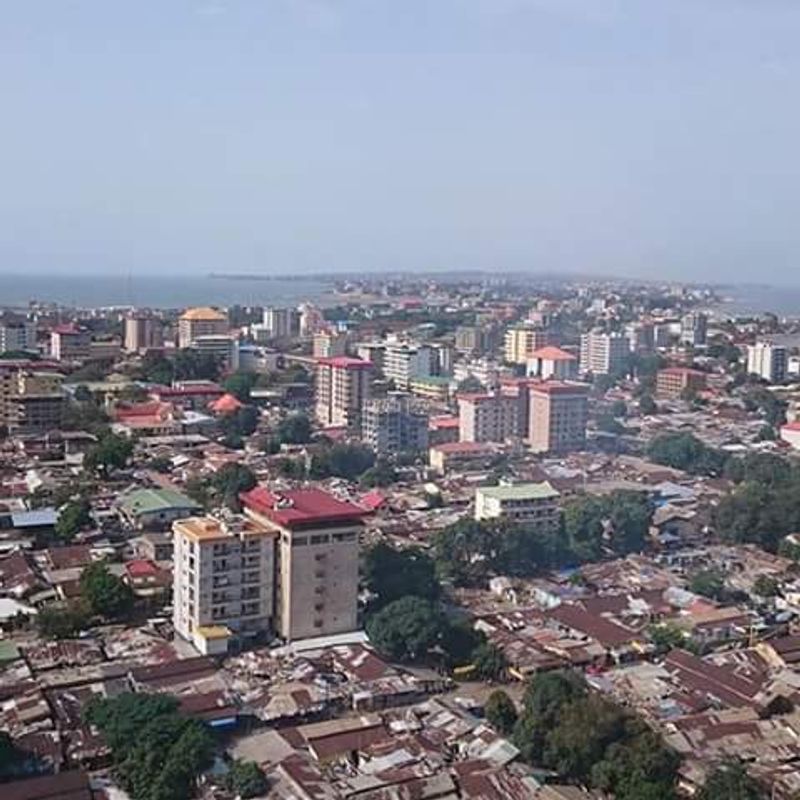
Guinea sits on some of the world’s richest mineral deposits, including massive reserves of bauxite, iron ore, and gold. Yet that underground wealth has done little to lift the educational outcomes of the people living above it.
Guinea remains one of West Africa’s lowest-ranked countries for adult educational attainment, a frustrating disconnect between natural resources and human development.
Adult literacy rates sit at roughly 45 percent, meaning more than half of adults cannot read or write fluently. School enrollment has improved, particularly at the primary level, but many students drop out before completing basic education.
The quality of schooling is also a concern, with overcrowded classrooms and undertrained teachers common throughout the country.
Guinea faced a devastating Ebola outbreak between 2014 and 2016 that killed thousands and caused widespread school closures. The health crisis set back years of educational progress and left communities deeply traumatized.
Girls continue to face higher dropout rates than boys, driven by early marriage and household expectations. Political instability, including a military coup in 2021, has added fresh uncertainty to the country’s development path.
Guinea’s story is one of missed potential, and advocates for education there continue pushing for the reforms needed to change that narrative.
Afghanistan
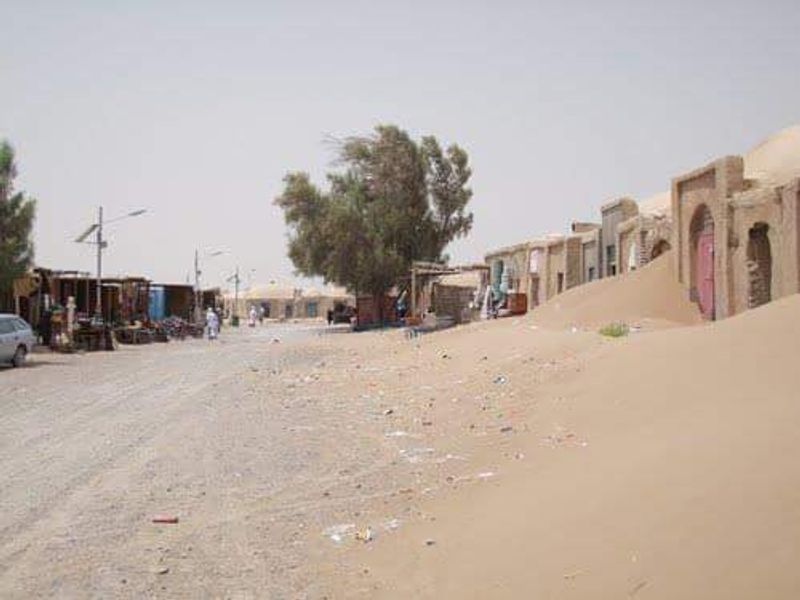
Afghanistan’s education story is one of the most heartbreaking in the world right now. After years of war, the country had begun making real progress, building thousands of new schools and dramatically increasing enrollment for both boys and girls.
Then the Taliban returned to power in 2021 and reversed much of that progress almost overnight.
Girls above sixth grade have been banned from attending school under Taliban rule, a policy that has drawn international condemnation and effectively locked millions of young women out of education. Women have also been barred from most universities.
The impact on long-term educational attainment, particularly for women, will be profound and lasting.
Even before 2021, Afghanistan faced serious educational challenges. Decades of conflict had destroyed school infrastructure, displaced millions of families, and created a severe shortage of trained teachers.
Adult literacy was already among the lowest in Asia. Boys in conflict-affected rural areas also struggled with inconsistent access to schooling.
What makes the current situation particularly difficult is that the progress made between 2001 and 2021 showed what was possible when investment and stability aligned. That progress has now been sharply curtailed, and the international community continues to push for restored access to education for all Afghan children.
Ethiopia
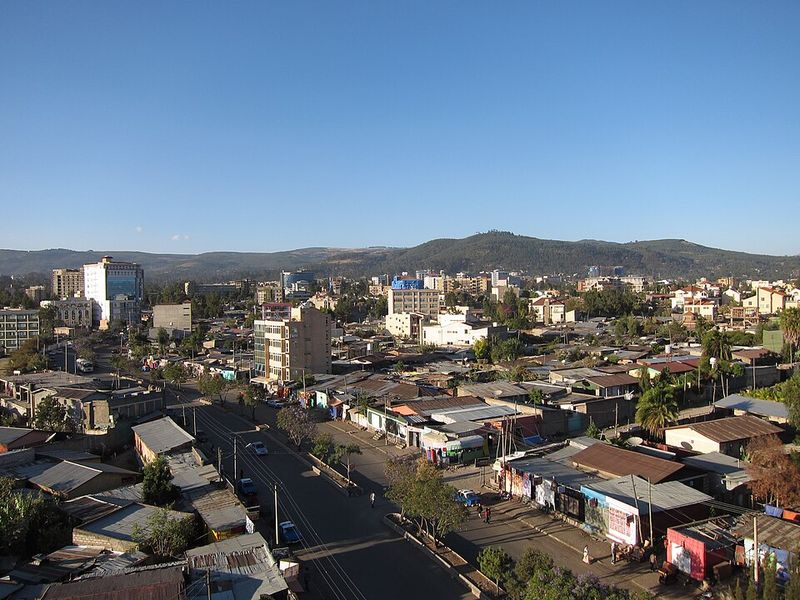
Ethiopia is Africa’s second most populous country, home to over 120 million people, and that scale makes its educational challenges uniquely complex. The government has invested heavily in expanding primary school access over the past two decades, and enrollment numbers have genuinely soared.
More children are in school today than at any point in Ethiopian history, which is worth celebrating.
But quantity and quality are not the same thing. Average years of schooling for adults remain relatively low, and secondary school completion rates lag significantly behind primary enrollment figures.
Many students who start school do not finish, dropping out due to poverty, household responsibilities, or a lack of nearby secondary schools in rural areas.
Regional conflict has also taken a toll. The war in the Tigray region, which intensified around 2020, caused widespread school closures and displaced millions of people.
Children in conflict-affected areas lost years of schooling that will be very difficult to recover. Ethiopia also faces challenges with the quality of education, including teacher training and curriculum standards.
The country is at an interesting crossroads: it has shown it can expand access, and the next great challenge is ensuring that access translates into genuine learning and long-term educational attainment for its enormous and growing population.
Sierra Leone
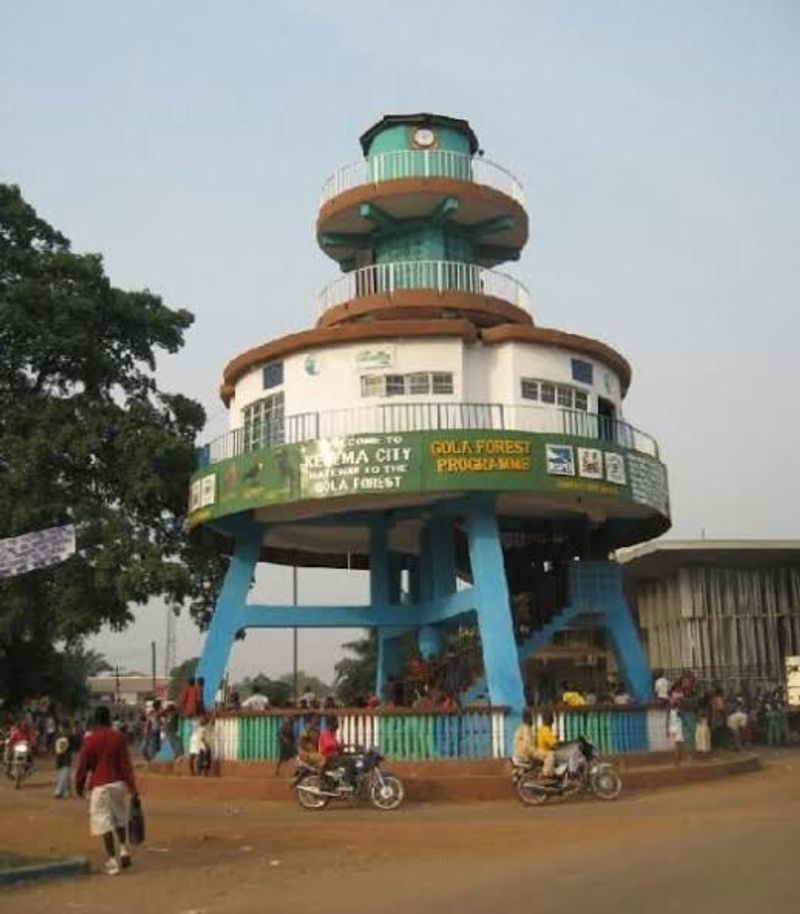
Sierra Leone carries a heavy history. A brutal civil war that lasted from 1991 to 2002 tore apart the country’s infrastructure, including its schools.
Then, just as the nation was rebuilding, the 2014 Ebola epidemic hit, forcing school closures and killing thousands of people. For a country trying to recover from one crisis, facing a second was a devastating blow.
Despite everything, Sierra Leone has shown real resilience. School enrollment has increased, and the government made a bold move in 2018 by declaring education free for all primary and secondary students.
That policy led to a surge in enrollment, including among girls, which was a genuinely encouraging development for a country where female education had historically lagged.
Still, adult educational attainment remains low. Many older adults never had the opportunity to complete even basic schooling, and those gaps take decades to close at the population level.
Teacher quality and classroom conditions remain ongoing challenges. Sierra Leone also faces a high teen pregnancy rate, which is one of the leading causes of girls dropping out of secondary school.
The country is moving in the right direction, but the road from policy announcements to sustained improvements in educational attainment is long and requires consistent funding and political commitment.
Mozambique
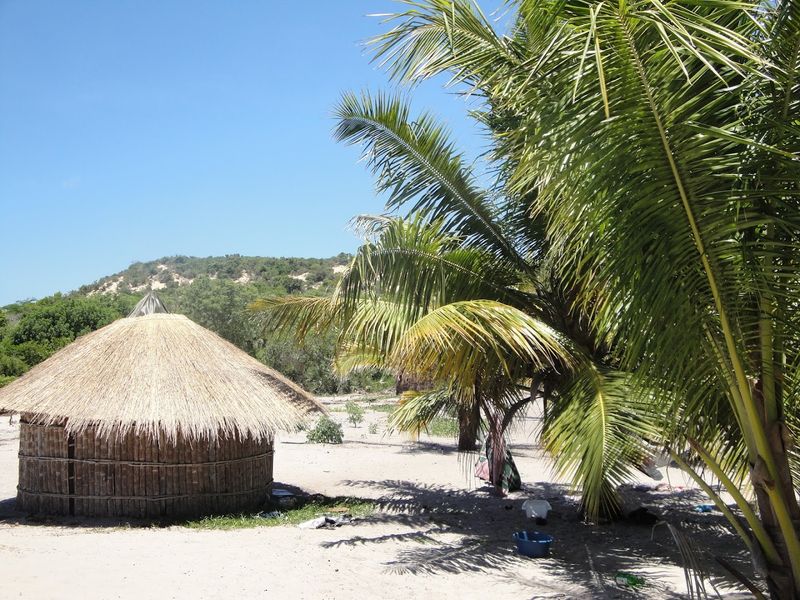
Mozambique gained independence from Portugal in 1975 and almost immediately entered a brutal civil war that lasted until 1992. That conflict destroyed roughly half of the country’s schools.
Starting from such a low baseline made the task of building a functioning education system enormously difficult, and Mozambique has been working to catch up ever since.
Progress has been meaningful. Primary school enrollment has grown substantially, and adult literacy has improved over the decades.
The government has committed to expanding educational access, and international donors have supported school construction and teacher training programs across the country.
But geography remains a stubborn obstacle. Mozambique is a long, narrow country with vast rural areas where secondary schools are few and far between.
Many students complete primary school and then simply have no secondary school within reasonable traveling distance. Poverty forces others to leave school early to contribute to family income.
Girls face additional pressures including early marriage and household duties. Cyclones Idai and Kenneth in 2019 caused widespread destruction, including to schools in affected regions.
Natural disasters keep adding new challenges to a country already working hard to build educational capacity. Mozambique’s steady, if slow, improvement is a testament to its people’s determination, even as the obstacles remain considerable.
Guinea-Bissau
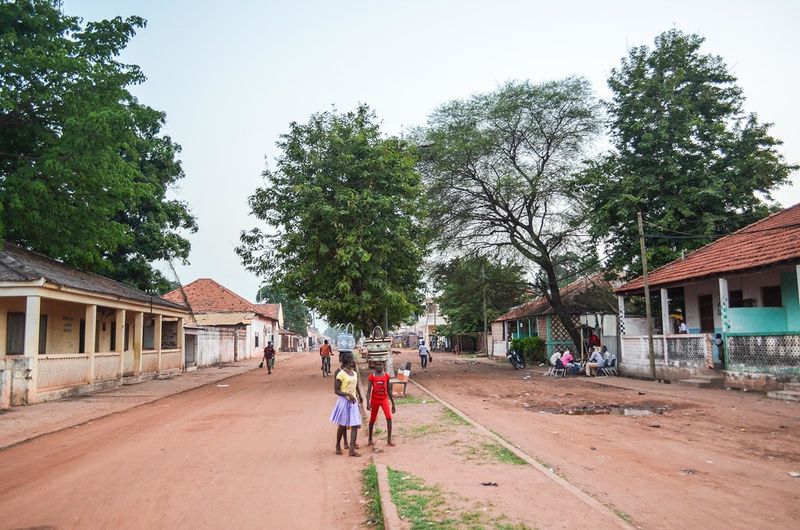
Guinea-Bissau is one of the smallest and least-known countries in West Africa, but its educational challenges are significant. The country has experienced repeated military coups and political crises since independence in 1974, and that chronic instability has consistently undermined investment in education.
When governments change frequently, long-term planning for schools becomes nearly impossible.
The country has one of the lowest human development scores in the world. Adult literacy hovers around 45 to 55 percent depending on the source, with women significantly less likely to be literate than men.
Many schools lack basic materials, trained teachers, and reliable funding. Teacher strikes due to unpaid salaries are a recurring problem that disrupts schooling for months at a time.
Rural communities face the steepest barriers. Secondary schools are concentrated in urban areas, meaning students in villages must travel long distances or board away from home to continue their education after primary school.
Most families simply cannot afford that option. Guinea-Bissau also has a significant number of children working rather than attending school, driven by household economic need.
Despite its small size, the country punches above its weight in terms of challenges. Meaningful educational improvement will require political stability and far greater investment in school infrastructure and teacher pay.
Benin
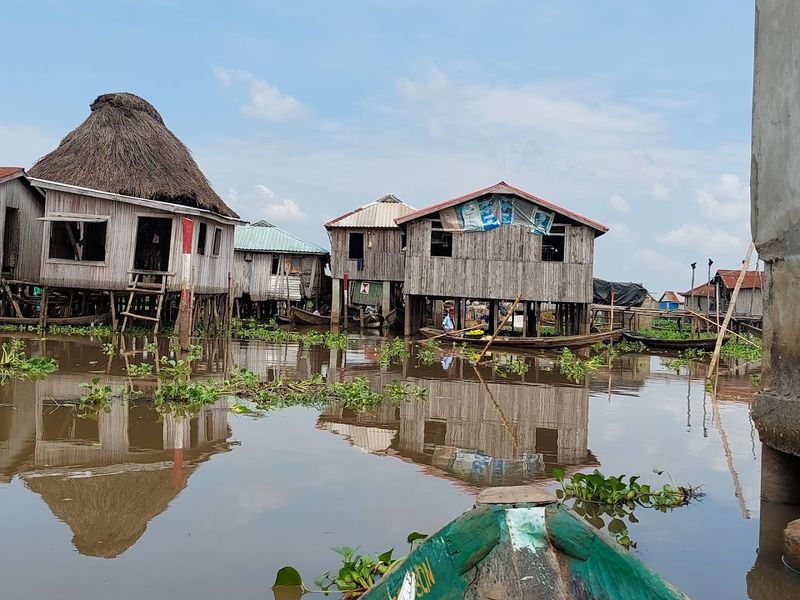
Benin is often praised as one of West Africa’s more politically stable countries, and that stability has allowed for gradual educational progress. The country has expanded school infrastructure, increased enrollment, and made commitments to improving teacher training.
Compared to some neighbors, Benin is moving in a positive direction. But global comparisons still place it among the lower-ranked countries for adult educational attainment.
The average adult in Benin has completed around four to five years of schooling. Secondary school enrollment and completion rates remain relatively low, particularly in rural areas and among girls.
Early marriage and cultural expectations continue to push many girls out of school before they finish secondary education. Boys in rural areas often drop out to work in agriculture.
Benin has an interesting cultural legacy as the historical homeland of Vodun, which has shaped a rich and distinctive identity. But cultural richness alone does not translate into educational attainment without sustained investment and access.
The quality of schooling is another concern, with many schools overcrowded and under-resourced. Benin’s government has recognized these gaps and continues working with international partners on improvement programs.
The foundation for progress exists, and with consistent effort, Benin has real potential to lift its educational attainment numbers meaningfully in the coming decades.
Share this story