Some islands look like postcards come to life, with crystal-clear water, dramatic cliffs, and landscapes that seem almost too perfect to be real. But looks can be deceiving, and a handful of islands around the world come with serious risks that most travelers never expect.
From venomous snakes and active volcanoes to nuclear contamination and extreme isolation, these destinations remind us that nature does not always play nice. Whether you are a curious traveler, an armchair explorer, or someone who loves a good survival story, this list will take you to 15 of the most stunning yet genuinely dangerous islands on the planet.
Each one has something remarkable to offer, but each one also demands respect, preparation, or in some cases, a very good reason to stay far away.
North Sentinel Island, India
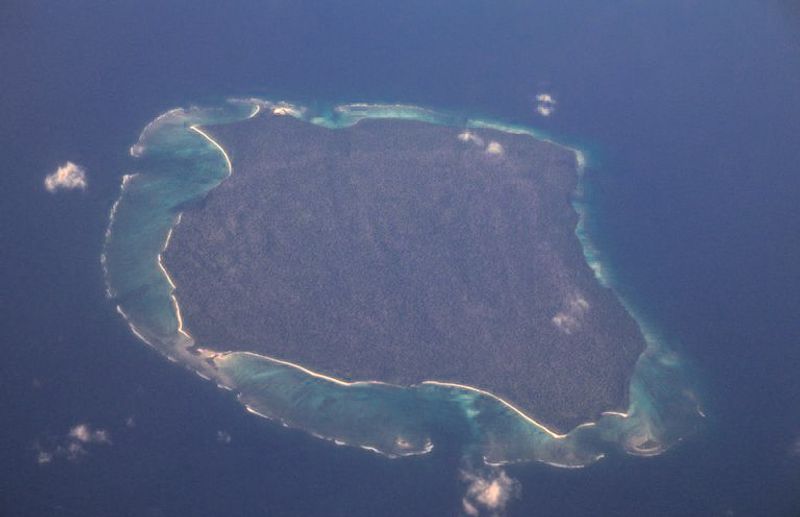
Few places on Earth carry the kind of weight that North Sentinel Island does. Located in the Andaman Sea, this small forested island is home to the Sentinelese, one of the last known uncontacted communities on the planet.
Indian law creates a strict exclusion zone around the island, making it illegal for outsiders to approach within several nautical miles.
The Sentinelese have made their position clear through generations of hostile responses to outside contact, and that boundary deserves full respect. This is not about thrill-seeking or forbidden adventure.
It is about the safety of a community with no immunity to outside diseases and a right to live undisturbed.
The island itself is genuinely beautiful from aerial images, covered in thick forest and surrounded by coral reefs. But its real significance is human, not scenic.
North Sentinel stands as one of the most important and sobering reminders of how fragile uncontacted life really is.
Ilha da Queimada Grande, Brazil
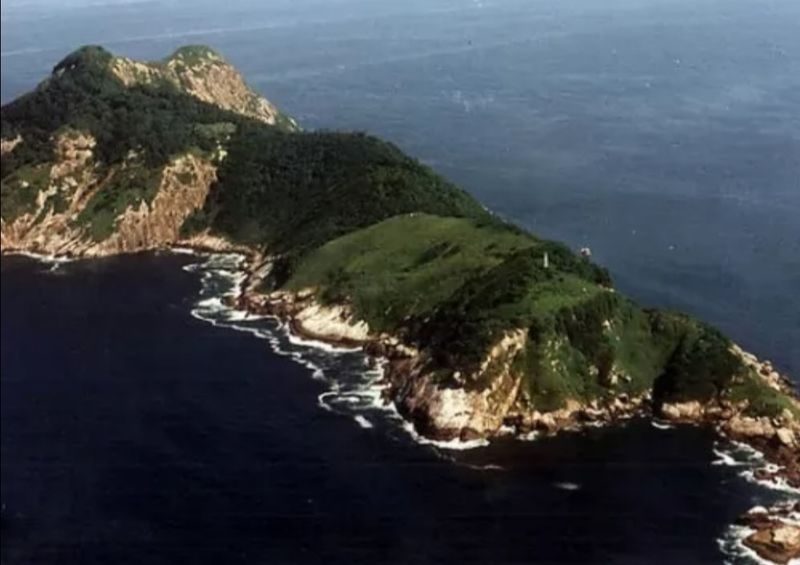
Brazil has no shortage of gorgeous coastline, but Ilha da Queimada Grande is one stretch of land you genuinely cannot visit. Sitting about 90 miles off the coast of Sao Paulo, this island earned the nickname Snake Island for a reason that is exactly what you think.
The golden lancehead pit viper lives here and nowhere else on Earth. Estimates suggest thousands of these venomous snakes inhabit the island, and their venom is considered especially potent.
The Brazilian Navy controls access, and entry is restricted to approved scientific researchers and naval personnel only.
What makes this island striking is the contrast between its lush, tropical appearance and the reality hiding beneath the canopy. From a distance, it looks like a peaceful green landmass rising from the Atlantic.
Up close, it is a completely different story.
Snake Island is one of the clearest examples of a place where the danger is not a rumor. It is documented, enforced, and entirely real.
Whakaari / White Island, New Zealand
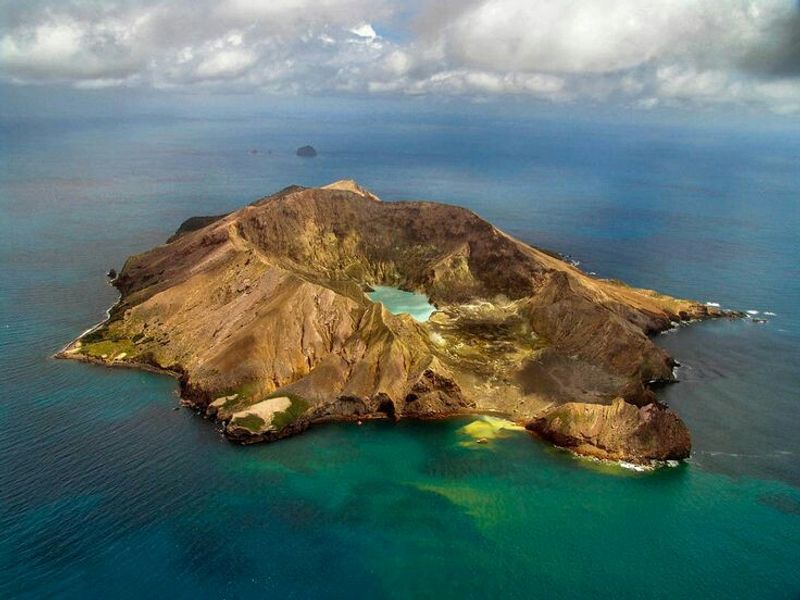
Whakaari, also called White Island, is New Zealand’s most active marine volcano, and it has earned that title in the most dramatic way possible. The 2019 eruption on the island took 22 lives and changed how the public engages with this volcanic site permanently.
Landing tours, which were once a popular excursion from the Bay of Plenty coast, have not resumed.
Today, aerial scenic flights give visitors a way to witness the island’s raw volcanic power without setting foot on the crater floor. The views from above are extraordinary, with steam venting from the caldera and the surrounding ocean framing the volcanic cone from every angle.
Whakaari is still very much alive as a geological landmark, and its activity continues to be monitored closely by New Zealand’s volcanic risk agencies. The island did not become less impressive after 2019.
If anything, it became more honest about what it actually is.
Seeing it from the air is the responsible choice, and it is still a genuinely unforgettable experience.
Anak Krakatau, Indonesia
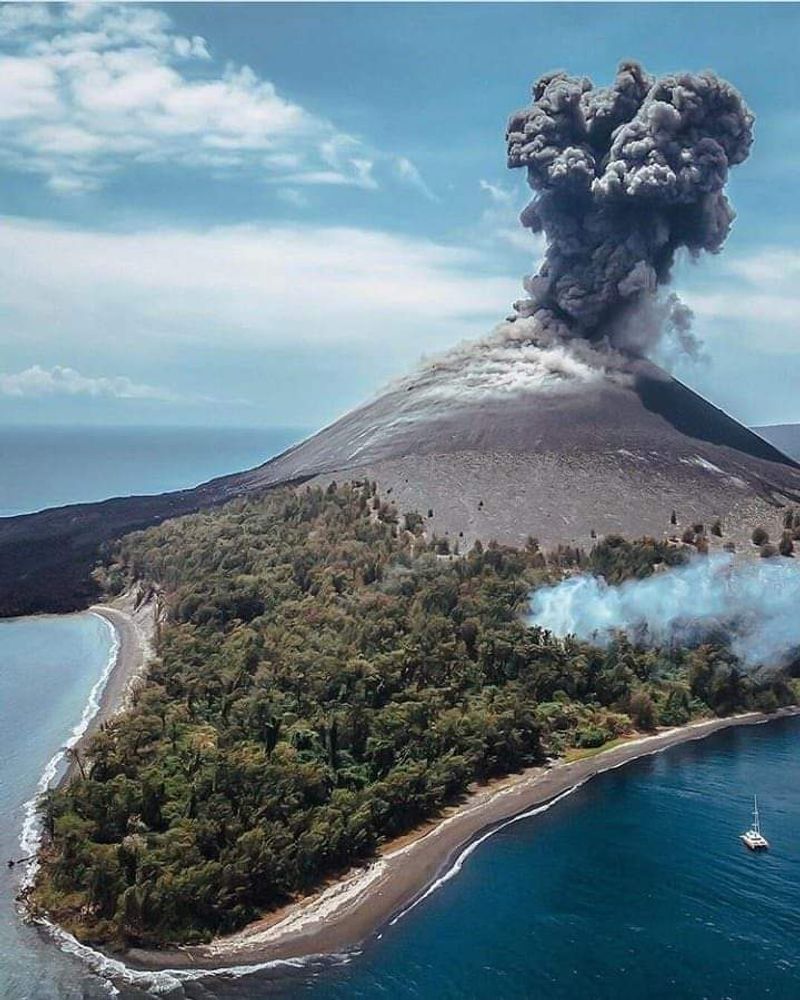
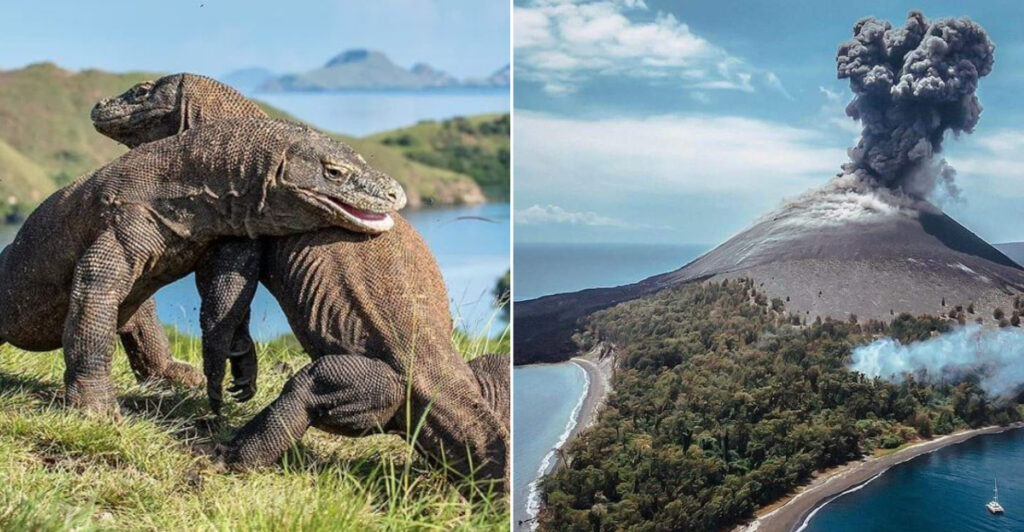
Anak Krakatau means “Child of Krakatoa” in Indonesian, and the name carries serious historical weight. The original Krakatoa eruption in 1883 was one of the most catastrophic volcanic events in recorded history.
Anak Krakatau emerged from that same volcanic system in 1927 and has been building and erupting ever since.
NASA has documented its frequent eruptive blasts, and the island’s location in the Sunda Strait between Java and Sumatra adds another layer of concern. A partial collapse of the volcano in 2018 triggered a deadly tsunami that struck the surrounding coastlines with little warning.
The island is not open for casual tourism, and for good reason. Its activity is unpredictable, its history is catastrophic, and its position in a heavily populated strait means the consequences of a major event extend far beyond the island itself.
From a safe distance by boat, the sight of Anak Krakatau venting and glowing at night is genuinely striking. But this is a volcano that commands serious respect, not curiosity.
Komodo Island, Indonesia
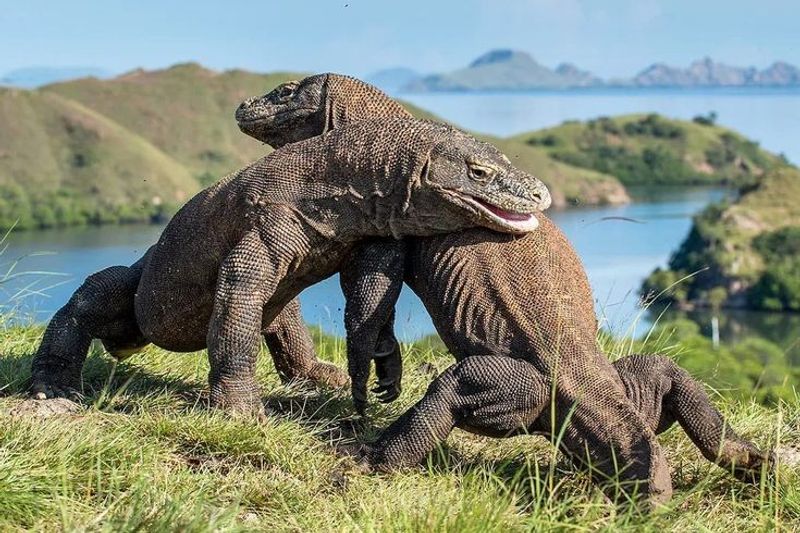
Komodo Island is one of the few places on Earth where a living animal makes the landscape feel genuinely prehistoric. The Komodo dragon, the world’s largest lizard, can reach lengths of up to 10 feet and weigh over 150 pounds.
These animals are not shy, and they are not domesticated. They are wild predators that patrol the island on their own terms.
Komodo National Park was established in 1980 to protect both the dragons and their habitat. Visitors are welcome, but guided ranger tours are required, and the rules around distance and behavior exist for a real reason.
The dragons have powerful claws, a venomous bite, and a surprising burst of speed when motivated.
The island itself is stunning, with dry savanna hills, coastal views, and a rugged landscape that feels nothing like the typical tropical island. Komodo rewards visitors who come prepared and stay alert.
It is an extraordinary destination, but this is absolutely not the kind of place where wandering off the marked path is a smart idea.
Reunion Island, France
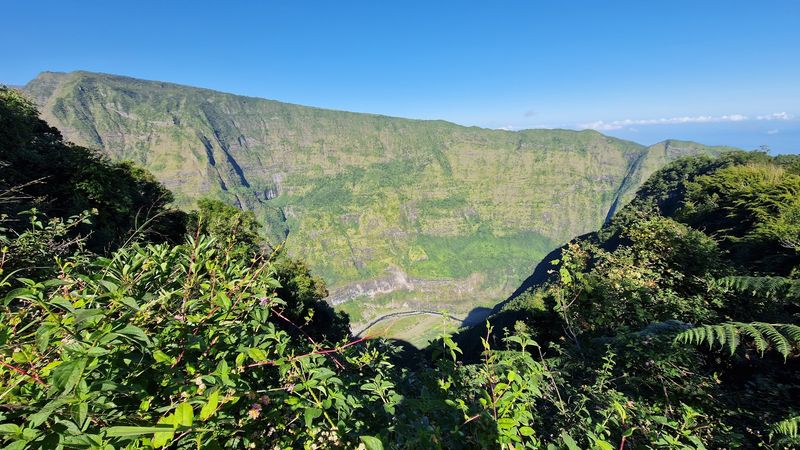
Reunion Island sits in the Indian Ocean between Madagascar and Mauritius, and its scenery is genuinely world-class. The island features an active volcano, dramatic mountain cirques, waterfalls, and a coastline that draws visitors from across Europe and beyond.
France administers it as an overseas territory, and it functions as a fully developed destination with modern infrastructure.
The danger here lives in the water. Reunion has experienced a significant number of shark-related incidents involving bull and tiger sharks, and water access has been restricted across many coastal areas for years.
Surfing and swimming in unprotected zones carry real risk, and local authorities take those restrictions seriously.
Lagoon areas with protective barriers remain available for swimming, and the island continues to attract visitors who come for hiking, volcanic scenery, and cultural experiences rather than open-water activities.
Reunion is a reminder that an island can be genuinely beautiful and genuinely risky at the same time. The key is understanding exactly where the risks apply before you arrive.
K’gari / Fraser Island, Australia
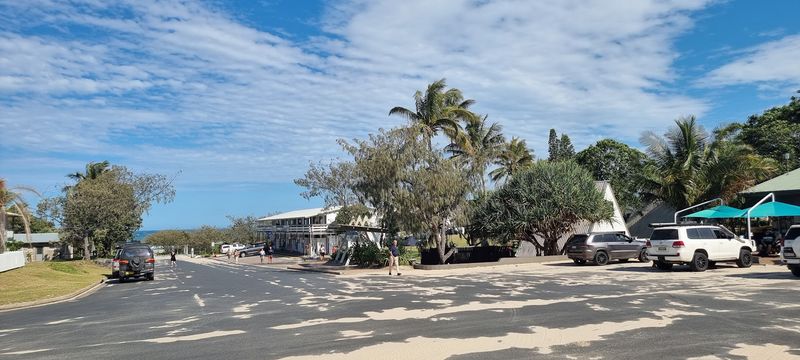
K’gari, formerly known as Fraser Island, is the world’s largest sand island and a UNESCO World Heritage site sitting off the coast of Queensland. It has freshwater lakes perched above sea level, ancient rainforest growing directly from sand, and stretches of beach that seem to go on endlessly.
On paper, it sounds like a paradise.
Queensland officials consistently warn that ocean swimming at K’gari is not recommended. The beaches are unpatrolled, currents are strong, and drownings have occurred.
Driving the island requires a high-clearance 4WD vehicle because the tracks are soft sand, and getting stuck is a real possibility if you are underprepared.
Dingoes on the island are wild and can be bold around humans, particularly around food. Ranger guidelines exist for a reason, and visitors are expected to follow them closely.
K’gari is a remarkable place that genuinely rewards visitors who prepare properly. But it asks more of its guests than most Australian destinations, and that is not a detail to overlook before booking.
Farallon Islands, United States
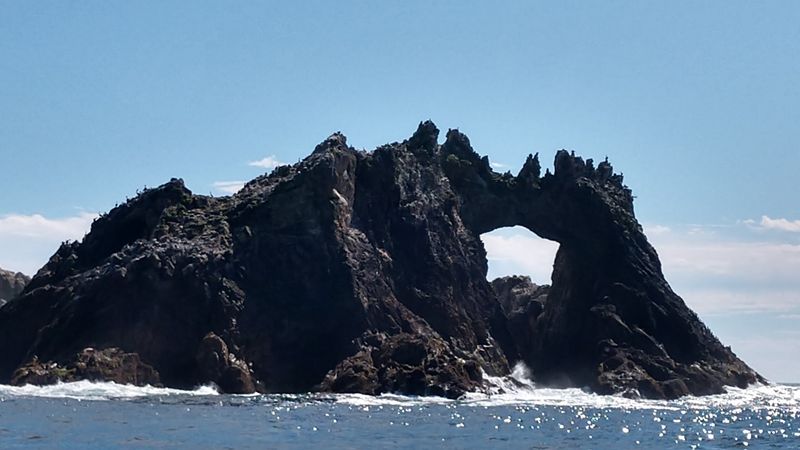
About 27 miles west of San Francisco, the Farallon Islands rise from the Pacific like a collection of jagged, windswept rocks. They are protected as part of the Farallon National Wildlife Refuge and are managed by the U.S.
Fish and Wildlife Service. The public cannot land on the islands, but boat-based wildlife tours from San Francisco give visitors a close look at the surrounding ecosystem.
The waters around the Farallons are a known feeding ground for great white sharks, particularly during fall when the elephant seal population peaks. The nickname “Devil’s Teeth” comes from the sharp, rocky profile of the islands themselves, and it suits the overall atmosphere well.
The marine life here is extraordinary, with blue whales, humpbacks, dolphins, and massive seabird colonies all using the area. It is a thriving ecosystem, but one that operates on its own rules entirely.
For wildlife enthusiasts, a boat tour to the Farallons is one of the more unusual day trips available from any major American city. Just leave the swimming gear at home.
Bikini Atoll, Marshall Islands
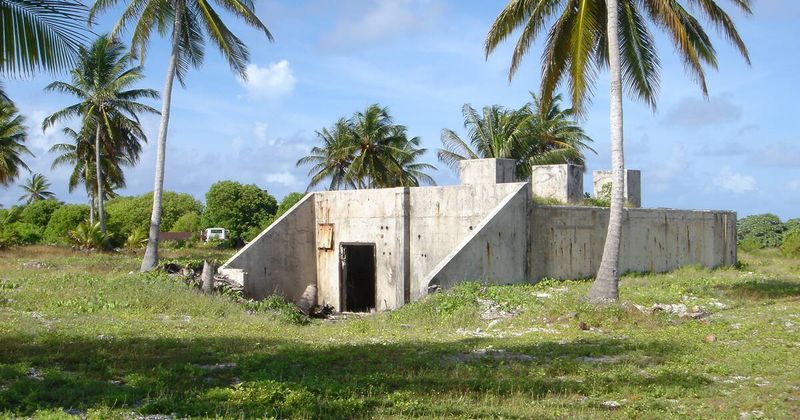
Bikini Atoll looks like a postcard from above, a ring of coral islands surrounding a brilliant turquoise lagoon in the middle of the Pacific. But its history makes it one of the most sobering places on the planet.
Between 1946 and 1958, the United States conducted 23 nuclear weapons tests at Bikini, including the Castle Bravo detonation in 1954, which remains one of the most powerful nuclear tests ever carried out.
The atoll is a UNESCO World Heritage Site, recognized specifically for its role in the nuclear age and the Cold War. Specialist divers have visited to explore the shipwrecks sitting on the lagoon floor, remnants of vessels deliberately sunk during the tests.
The diving community considers it a historically significant site.
Permanent habitation is not considered safe due to residual contamination, and the original Bikini community was relocated. Their story remains a deeply important part of understanding the human cost of nuclear testing.
Bikini Atoll is beautiful, historically significant, and a permanent reminder of consequences that cannot be undone.
Surtsey, Iceland
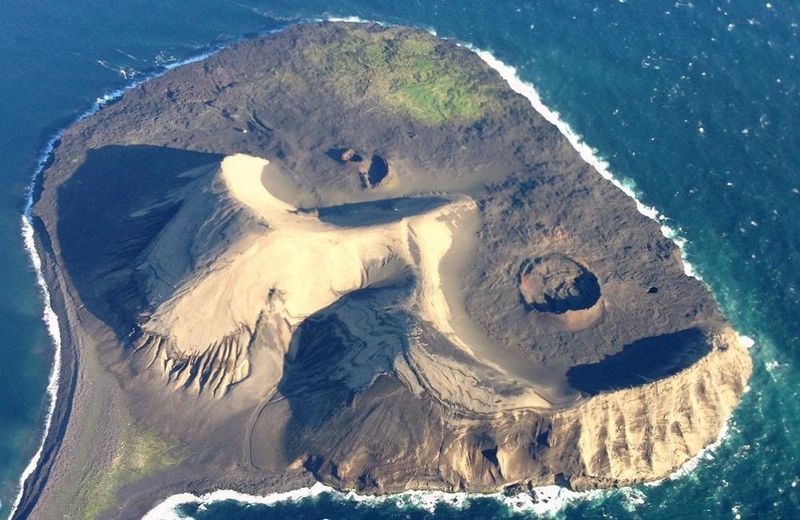
Not many people alive today can say they watched an island being born, but that is exactly what happened when Surtsey emerged from the North Atlantic off Iceland’s southern coast between 1963 and 1967. Volcanic eruptions built the island from the ocean floor up, and scientists recognized immediately that it represented a rare opportunity to study how life colonizes a brand-new landmass.
Surtsey became a UNESCO World Heritage Site in 2008, protected largely because of its scientific value. The public cannot freely visit.
Access is strictly reserved for approved researchers, and even those visits are carefully controlled to avoid introducing outside species that could compromise the island’s natural colonization process.
The landscape is stark, volcanic, and fragile, with lava fields, bird colonies, and plant life that arrived entirely without human help. Erosion has reduced the island’s size since its formation, and it continues to change.
Surtsey is not a tourist destination. It is a living scientific record, and keeping it that way requires keeping most of humanity at a respectful distance.
Miyakejima, Japan
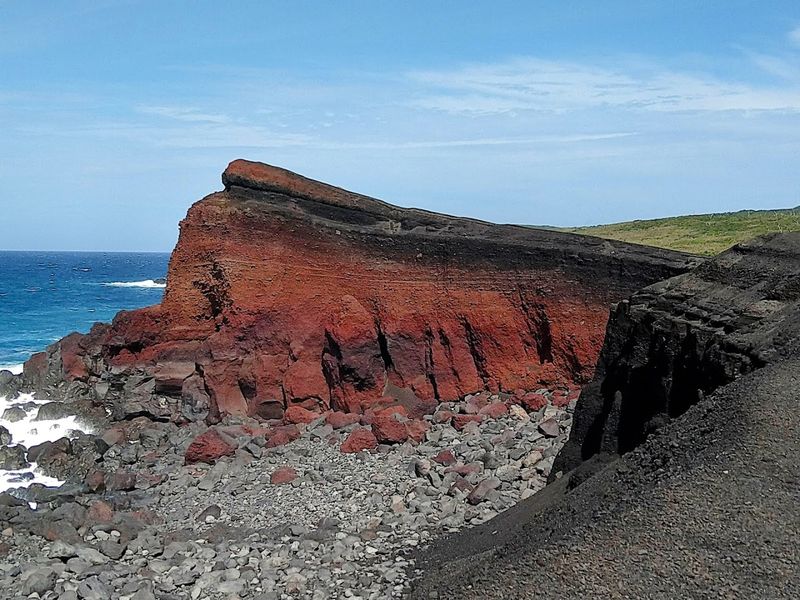
Miyakejima is technically part of Tokyo, sitting about 180 kilometers south of the city in the Philippine Sea. It is reachable by ferry or flight, and visitors come for birdwatching, hiking, snorkeling, and volcanic scenery.
On the surface, it sounds like a perfectly reasonable island escape from the city.
What sets Miyakejima apart is Mount Oyama, the active volcano at the island’s center. A major eruption in 2000 forced the entire population to evacuate.
Residents were allowed to return in 2005 after years away, but volcanic gas emissions from the island continue to be monitored. Gas masks were once required equipment for residents and visitors in certain conditions.
The volcanic activity has created a landscape that is genuinely unlike most other Japanese islands, with hardened lava fields, sulfur vents, and views shaped by eruption history. Birds thrive here despite the geological instability, and the island has a strong reputation among birdwatchers in Japan.
Miyakejima works as a destination precisely because it does not pretend to be something it is not. The volcano is always part of the picture.
Heard Island, Australia
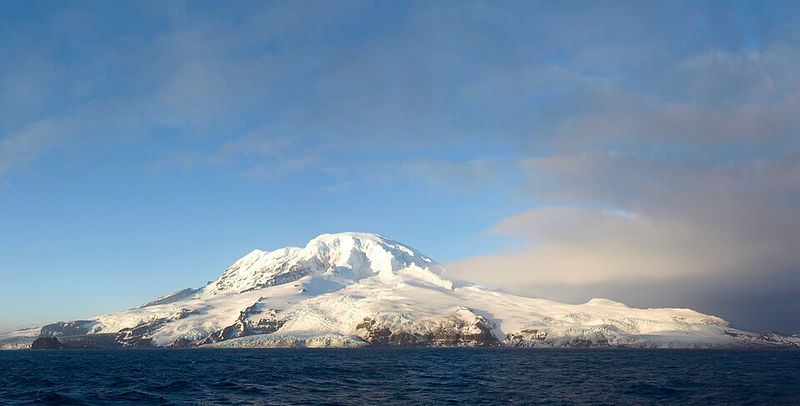
Heard Island sits in the Southern Ocean, roughly halfway between Madagascar and Antarctica. It is one of Australia’s most remote territories and is almost never visited.
The Australian Antarctic Division manages the island, and access is tightly controlled. No permanent human population lives there.
Big Ben, the island’s active volcano, rises over 2,700 meters and is frequently obscured by cloud and weather. Eruptions have been documented in recent decades, and the combination of volcanic activity, extreme Southern Ocean conditions, and complete isolation makes Heard Island one of the most genuinely inhospitable places under Australian jurisdiction.
Because it has had almost no human contact, Heard Island is considered one of the most pristine wilderness areas on Earth. Its wildlife, including elephant seals, fur seals, and vast seabird populations, exists without the interference that has altered most other sub-Antarctic islands.
World Heritage protection covers both Heard Island and the nearby McDonald Islands. For most people, the closest they will ever get is a photograph.
For the island’s ecosystem, that is probably the ideal outcome.
Deception Island, Antarctica
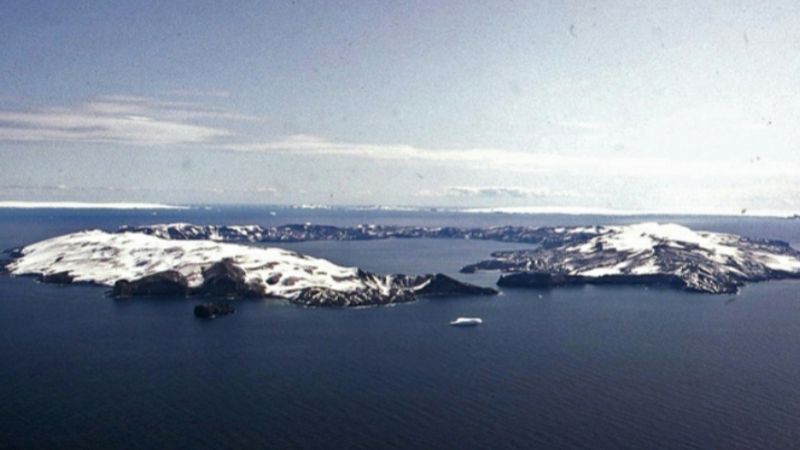
Deception Island looks like something out of a science fiction story. The island is an active volcanic caldera that has partially collapsed, allowing the ocean to flood the interior through a narrow channel called Neptune’s Bellows.
Ships can actually sail inside the caldera, which creates one of the most surreal harbor experiences in the world.
The island sits in the South Shetland Islands off the Antarctic Peninsula and is visited by expedition cruise ships operating under strict Antarctic Treaty site guidelines. Ruins of an old whaling station from the early 20th century still stand on the black volcanic beach, giving the place a haunting, layered quality.
Geothermal activity heats the beach sand in certain spots, and volcanic eruptions have occurred as recently as 1970. The Antarctic Management Plan for the site limits visitor numbers and behaviors to protect both the environment and the people who visit.
Deception Island is extraordinary in a way that is hard to describe without seeing it. It is volcanic, historical, remote, and completely unlike anything else on a standard travel list.
South Georgia Island, South Atlantic
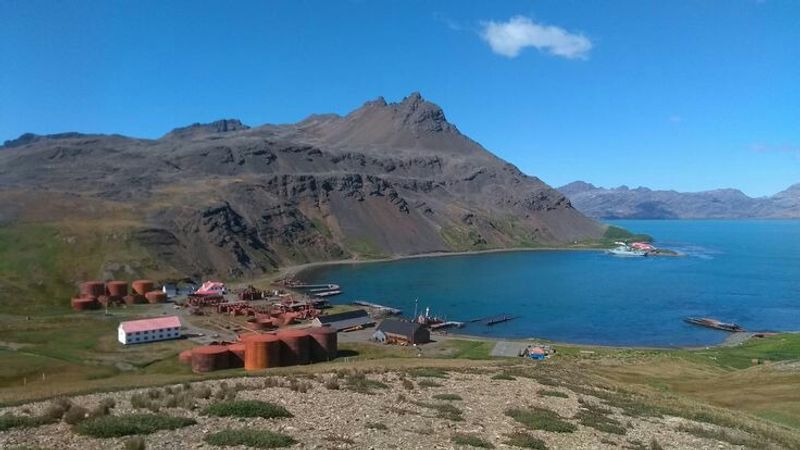
South Georgia is a British Overseas Territory in the South Atlantic, sitting well below the 54th parallel and far from any major population center. It is reachable only by expedition ship, and the journey itself across the Drake Passage or Scotia Sea is not for the faint-hearted.
The UK government’s travel guidance for South Georgia is detailed and serious, emphasizing specialist preparation and the absence of easy rescue options.
The wildlife here is extraordinary by any measure. King penguin colonies number in the hundreds of thousands, elephant seals cover the beaches in enormous numbers, and the landscape of glaciers and mountain peaks is genuinely dramatic.
Ernest Shackleton is buried on the island, which adds a layer of polar history that many expedition travelers find deeply meaningful.
Biosecurity rules are strict to protect the island’s recovering ecosystem, and visitors must follow landing protocols carefully. South Georgia rewards those who make the effort to get there, but it demands real commitment, both physically and logistically.
This is not a weekend getaway. It is one of the most serious and rewarding island journeys on Earth.
Saba, Dutch Caribbean
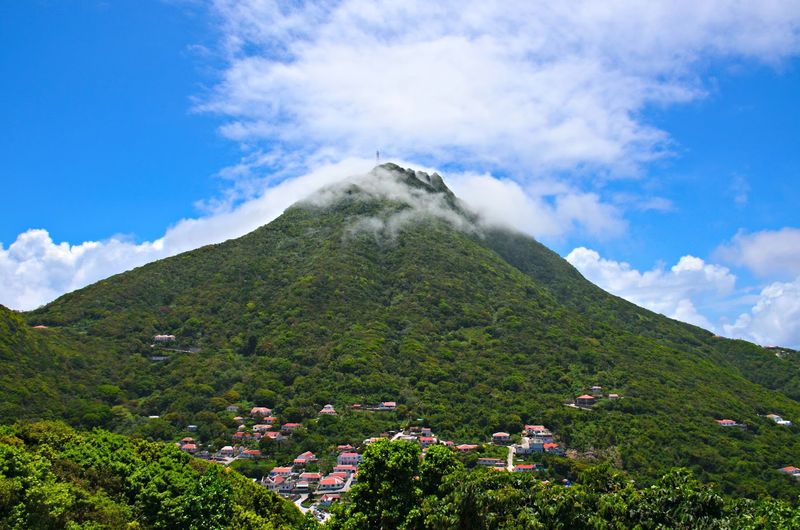
Saba is a small Dutch Caribbean island that looks almost impossibly steep from the water. The entire island is essentially a volcanic cone rising from the sea, with a population of just a few thousand people and no natural beaches to speak of.
It is quiet, well-maintained, and genuinely welcoming. The danger here is not a predator or a disaster zone.
It is the airport.
Juancho E. Irausquin Airport holds the distinction of having one of the shortest commercial runways in the world at approximately 400 meters.
The runway ends near a cliff drop to the ocean on one side and a hillside on the other. Pilots flying into Saba require special certification, and the approach is considered one of the most technically demanding in the Caribbean.
Saba is a legitimate destination with excellent scuba diving, hiking on Mount Scenery, and a relaxed pace that many travelers find refreshing. The island functions well and is genuinely safe once you have landed.
Getting there, however, is its own experience, and not every nervous flyer walks off the plane looking entirely relaxed.
Share this story