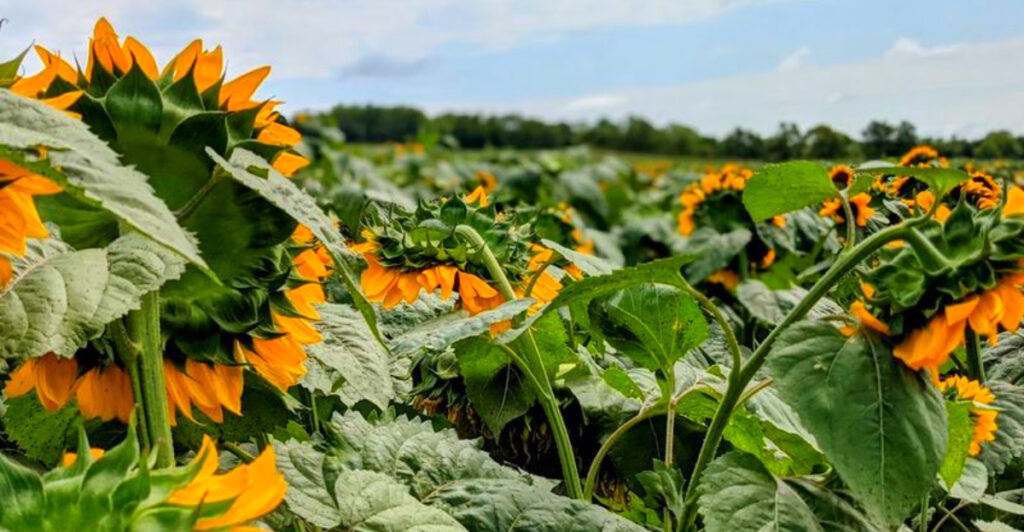
Nebraska does not always get credit for its natural beauty, but anyone who has driven past a roadside field bursting with wild sunflowers in late summer knows the state has serious floral game. The flower season arrives fast and does not stick around forever, which makes knowing the right spots all the more valuable. From a sunflower maze in a tiny town called Prague to an untouched prairie that inspired classic American literature, Nebraska holds some genuinely surprising destinations for bloom seekers. This guide covers 11 locations across the state where wildflowers and sunflowers put on a show worth planning your calendar around, whether you are after a quick afternoon outing or a full road trip through Nebraska’s most colorful landscapes.
1. Lauritzen Gardens, Omaha, Nebraska
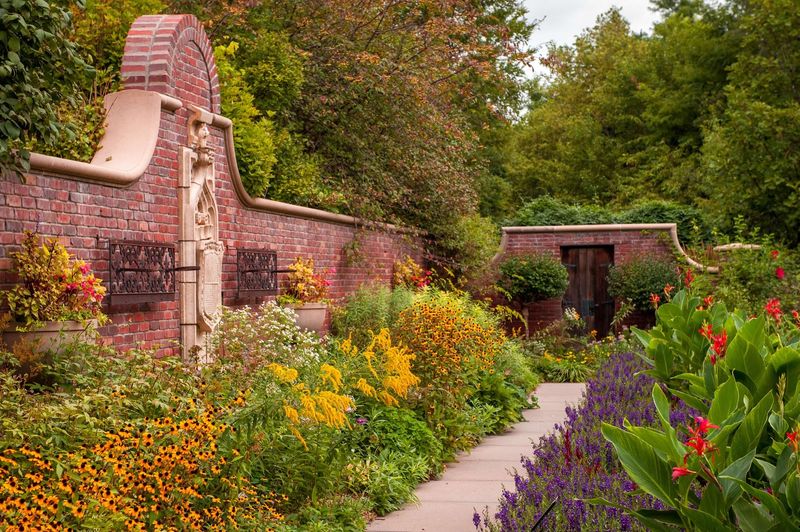
One hundred acres of carefully tended gardens sitting on what used to be a landfill is either an incredible comeback story or the best argument for composting ever made. Lauritzen Gardens opened fully in 1994 and has grown into one of Nebraska’s most respected botanical destinations, drawing visitors year-round with seasonal displays that constantly rotate.
The Song of the Lark Meadow is the star attraction for wildflower fans, featuring native Nebraska species like black-eyed Susan, blanket flower, prairie coneflower, and lemon mint. These plants attract an impressive number of pollinators throughout the summer months, making the meadow feel lively and active.
Beyond the meadow, the Rose Garden holds nearly 2,000 rose plants at peak bloom in late May, while the Spring Flowering Walk showcases thousands of bulbs from March onward. Narrated tram tours run in summer for those who prefer a guided experience across the grounds.
2. Sunken Gardens, Lincoln, Nebraska
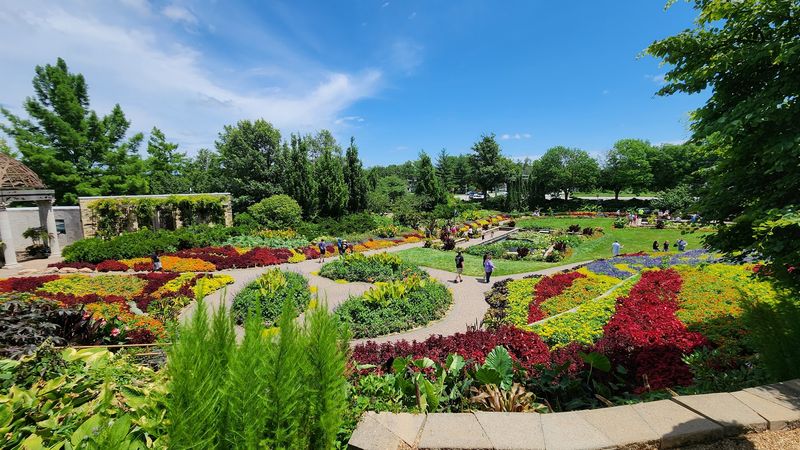
National Geographic once listed this garden among the 300 best gardens to visit in the United States and Canada, which is a remarkable achievement for a project that started in 1930 as a way to put unemployed men to work transforming a neighborhood dumpsite.
Each year, the design team plants over 30,000 annuals according to a brand-new theme. Past themes have drawn from Van Gogh’s Starry Night and the Beatles’ Magical Mystery Tour, which means returning visitors almost always discover something they have not seen before.
Spring brings thousands of tulips, typically at their peak from early to mid-April. Summer transitions the garden into a full display of perennials and annuals, while two lily ponds and a cascading waterfall provide visual anchors throughout the season. The Healing Garden, inspired by Sissinghurst Castle in England, offers an especially calm corner for visitors who want a quieter experience.
3. Willa Cather Memorial Prairie, Red Cloud, Nebraska
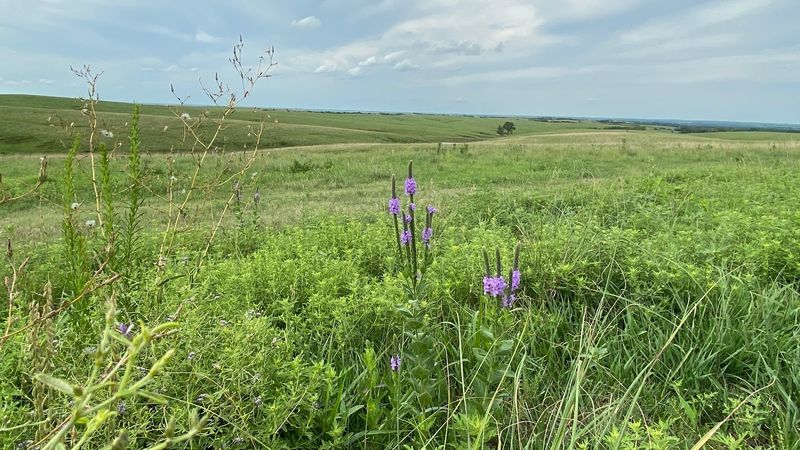
This 610-acre stretch of native prairie has never been touched by a plow, making it one of the last remaining examples of what Nebraska’s grasslands looked like before widespread settlement. The Nature Conservancy originally preserved the land, and the Willa Cather Foundation now manages it as a living tribute to the landscape that shaped Cather’s most celebrated novels.
Wildflowers bloom here from April through October, cycling through an impressive variety of species. Early visitors find sedges and fringed puccoons, while midsummer introduces purple poppy mallow, butterfly milkweed, prairie coneflower, and echinacea. Fall finishes with goldenrod and wild sunflowers, the same flowers Cather described in her own writing.
Nearly two miles of self-guided hiking trails cross the property year-round, and guided prairie tours can be arranged for a more in-depth experience. The prairie is also a designated National Birding Site, with eastern and western meadowlarks, upland plovers, and greater prairie chickens all documented here.
4. Smith Falls State Park, Valentine, Nebraska
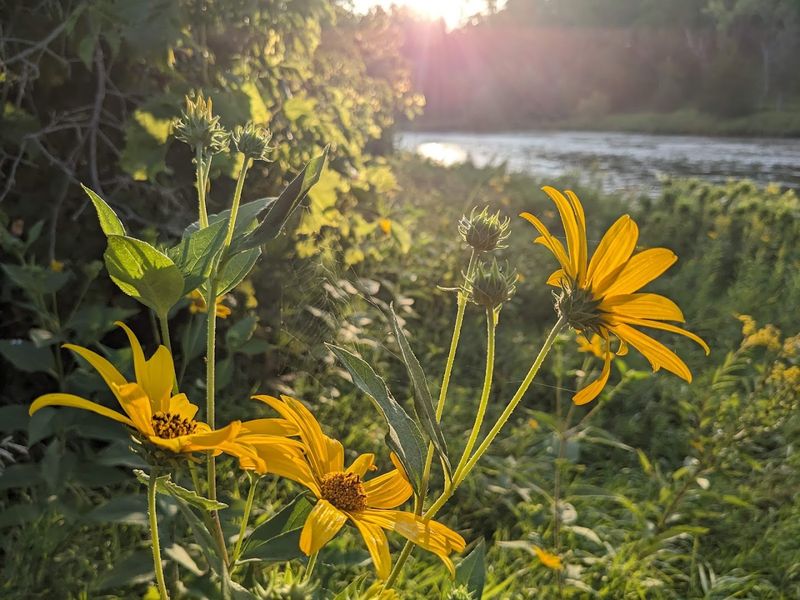
At 63 feet, Smith Falls is the tallest waterfall in Nebraska, and the park surrounding it offers far more than just a dramatic photo opportunity. The 250-acre property sits along the Niobrara River corridor, where six distinct ecosystems overlap, creating conditions for an unusually diverse collection of plant life.
Wild sunflowers, wild columbine, cutleaf ironweed, and prickly poppies all bloom along the hiking trails and riverbanks during summer. The cool, sheltered canyons near the falls support plants that would not normally survive this far south, including paper birch and the Smith Falls aspen, a rare hybrid found nowhere else in Nebraska.
A boardwalk leads to the falls viewing platform, and a historic truss bridge spans the Niobrara River with excellent views in both directions. Visitors can also kayak or canoe the river, fish from the banks, or camp overnight and explore the Jim MacAllister Nature Trail at a relaxed pace.
5. Indian Cave State Park, Shubert, Nebraska
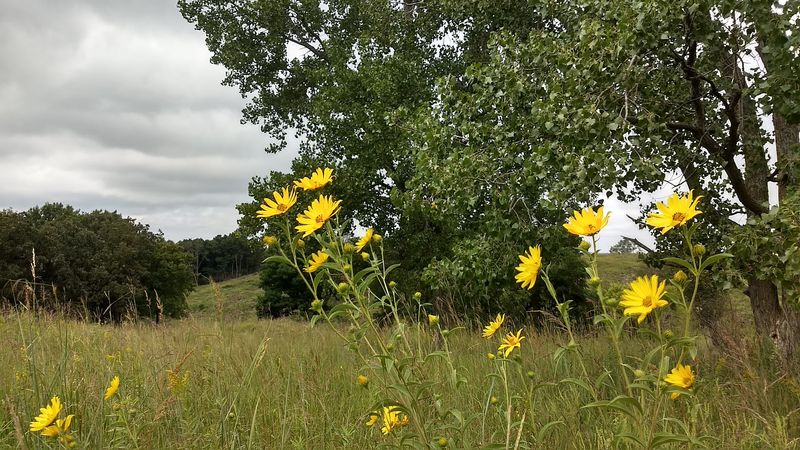
The park’s name comes from a large sandstone overhang along the Missouri River where Native Americans sheltered thousands of years ago, leaving behind petroglyphs that still draw curious visitors today. That historical layer sits comfortably alongside the park’s natural appeal across its 3,052 rugged acres.
Spring and summer bring a rich variety of woodland wildflowers to the forested trails, including mayapples, dutchman’s breeches, jack-in-the-pulpit, wild columbine, and yellow lady slipper. Flowering trees like eastern redbud and pale dogwood add color to the hillside views, particularly striking when seen from the ridge-top overlooks above the Missouri River.
As the season progresses, native prairie species including Indian paintbrush and purple prairie clover emerge in areas where conservation work has thinned the woodland canopy. With over 22 miles of hiking and biking trails, the park also hosts living history demonstrations at the reconstructed village of St. Deroin on weekends, blending natural and historical exploration into a single outing.
6. Nelson Produce Farm, Valley, Nebraska
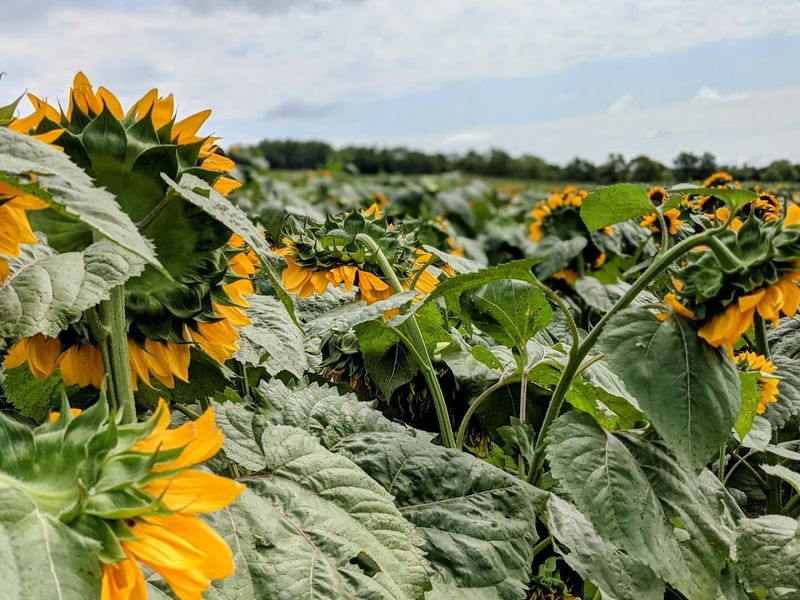
More than 450,000 sunflowers bloom across this fifth-generation farm just 20 miles west of Omaha every late summer, turning an otherwise ordinary stretch of Nebraska farmland into one of the most photographed destinations in the state.
The annual Sunflower Festival runs for 17 days, typically from mid-August through early September. Visitors can pick their own sunflowers, navigate a sunflower maze, and attend Sunrise Sessions designed specifically for photographers chasing ideal morning light conditions.
Beyond the flowers themselves, the farm keeps things lively with animal feeding, haybale climbing, yard games, and a butterfly release ceremony. The Front Porch Cafe serves sunflower-themed food and farm-fresh treats, and a market stocks local produce alongside what the farm calls Tractor Churned Ice Cream. Nelson Produce Farm also runs tulip, strawberry, and pumpkin festivals throughout the year, but the sunflower event remains the undisputed highlight of the calendar.
7. Fort Robinson State Park, Crawford, Nebraska
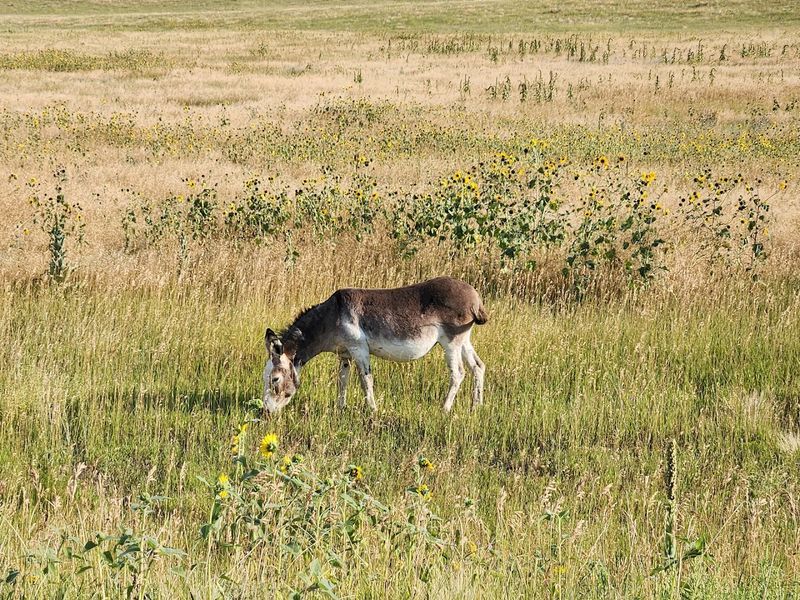
Fort Robinson covers 22,000 acres in Nebraska’s panhandle, combining frontier history with some of the state’s most dramatic natural scenery. The fort was established in 1874 and witnessed major events in American history, including the death of Chief Crazy Horse and the Cheyenne Outbreak, both of which are documented in the park’s museums.
The Pine Ridge hillsides support a strong variety of native wildflowers throughout the warmer months. Hikers can expect to find dotted gayfeather, smooth blue aster, snakeweed, and wild sunflowers scattered across the landscape, often set against a backdrop of buttes and open sky that feels distinctly western.
Over 60 miles of hiking trails and 20 miles of mountain biking routes cross the property, and open-top Jeep tours and stagecoach rides offer alternative ways to cover the terrain. Buffalo, Longhorn cattle, deer, and bighorn sheep all roam the park, while lodging options range from campgrounds to historic cabins in former officers’ quarters.
8. Wildcat Hills State Recreation Area, Gering, Nebraska
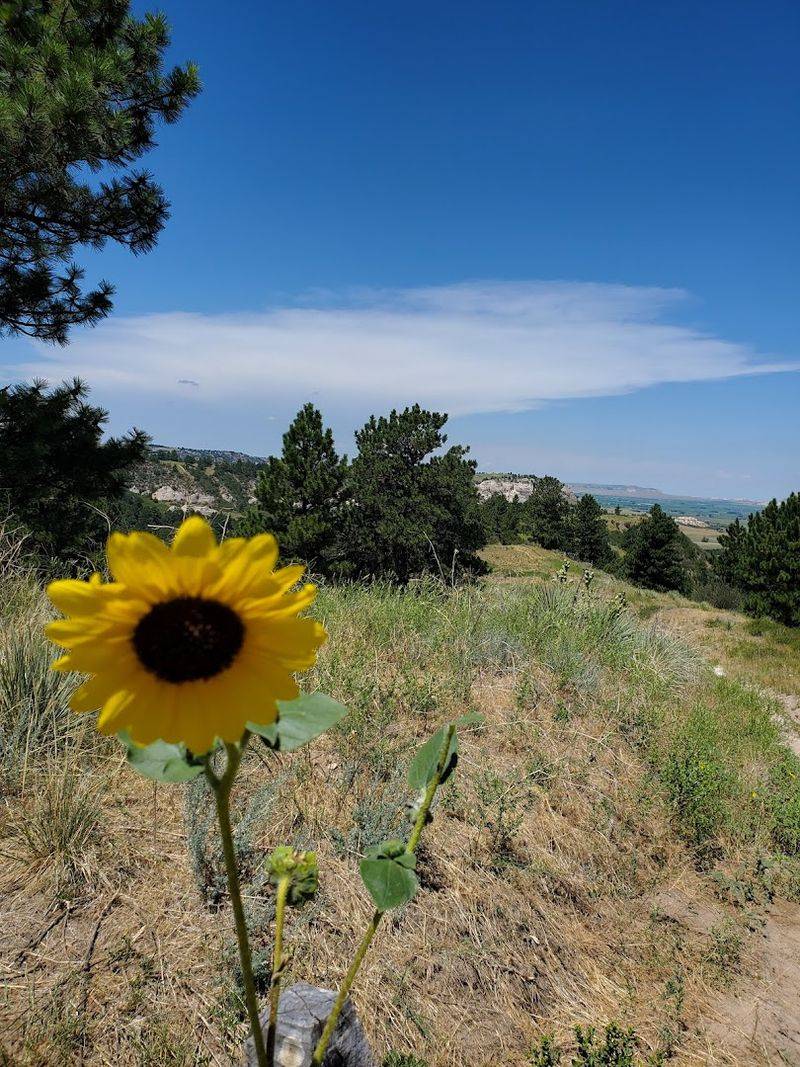
The Wildcat Hills do not look like the rest of Nebraska, and that is exactly the point. Sandstone formations, volcanic ash deposits, and canyon terrain create a landscape that feels more like the American Southwest, and the plant life here reflects that rugged, high-plains environment.
Seasonal wildflowers appear among the rocky hills and distinctive formations, with Hood’s phlox, sawsepal penstemon, sand lilies, and bigroot prickly pear cacti all documented in the area. Yucca, juniper, and mountain mahogany add to the visual variety, making the trails feel genuinely different from Nebraska’s prairie destinations.
The two-story Nature Center is worth visiting before hitting the trails, with interactive exhibits on local ecosystems, live beehives, and fossil displays. Trail options include the Northlook Nature Trail, the Bobcat Loop, and the more challenging Cedar Ridge Trail, which rewards hikers with sweeping views of the North Platte River Valley. The park holds records for the highest number of bird species spotted in Nebraska.
9. Arbor Day Farm, Nebraska City, Nebraska
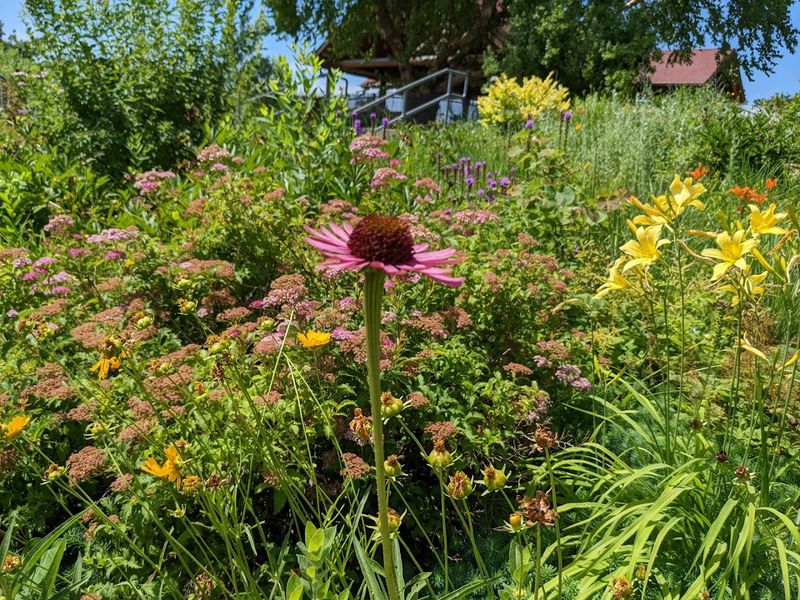
Most people know Arbor Day Farm as the birthplace of Arbor Day, the holiday that J. Sterling Morton launched in 1872 to encourage tree planting across the country. What surprises many first-time visitors is how much the 260-acre property offers beyond its signature trees during the warmer months.
Late summer brings colorful flower fields including sunflowers during select weeks, and the U-Pick Flower Garden gives visitors the chance to handpick their own bouquets directly from the beds. Spring has its own appeal, with Nebraska’s largest public lilac garden at the adjacent Arbor Lodge State Historical Park bursting into bloom and the apple orchards covered in blossoms during the Bees and Blossoms Tour.
The farm’s Tree Adventure features 11 interconnected treehouses and rope bridges in the Treetop Village, while Discovery Rides offer guided tours through the orchards and forest. The Apple House Market carries local products and seasonal treats, rounding out a visit that works well for both families and solo travelers.
10. Chalco Hills Recreation Area, Omaha, Nebraska
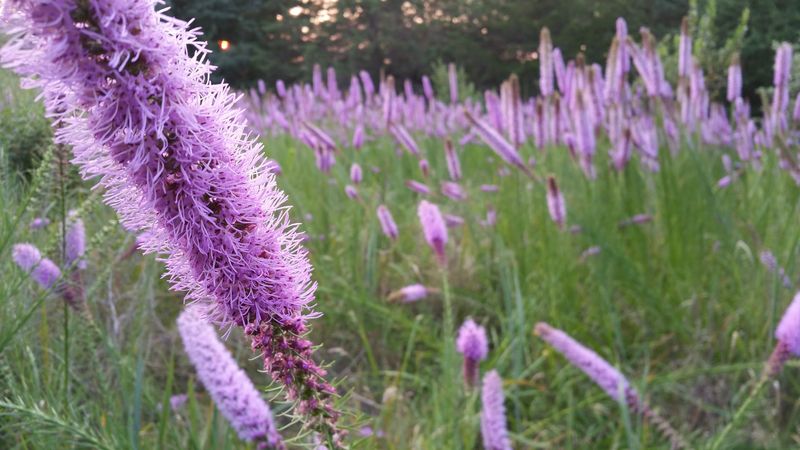
Chalco Hills Recreation Area covers 1,186 acres in southwest Omaha, built around the 245-acre Wehrspann Lake. The park opened in 1988 and was designed with flood control in mind, but it has since become a popular outdoor destination that includes a restored native prairie with genuine wildflower diversity.
Wild sunflowers bloom along the lake shoreline beginning in mid-July, with a second wave often arriving in mid-August and lasting into September. These are smaller native varieties rather than farmed cultivars, and their natural, unmanicured appearance gives the trail a different character from cultivated sunflower destinations elsewhere in the state.
The restored prairie and woodland areas support additional wildflowers from April through October, cycling through species that change week by week. Over 17 miles of paved and nature trails circle the lake, and the park is free to enter year-round. Bald eagles nest in the area, and white-tailed deer, wild turkeys, and various waterfowl are regularly spotted along the route.
11. Vala’s Pumpkin Patch & Apple Orchard, Gretna, Nebraska
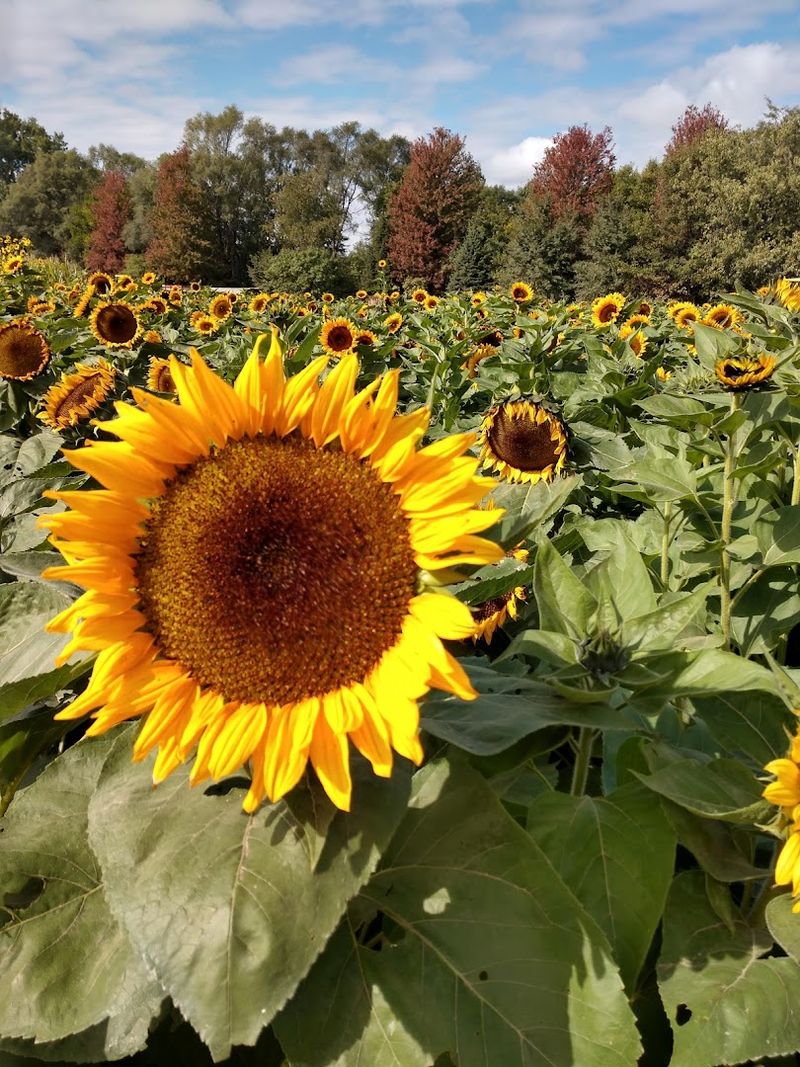
Before the pumpkins take over and the crowds arrive for fall festivities, Vala’s puts on a surprisingly vibrant summer show that many people overlook entirely. This family-owned farm near Gretna has been welcoming visitors since 1984 and now spans over 450 acres of activities, animals, and seasonal attractions.
The Cider and Sunflower Festival, held over two weekends in late August and early September, showcases acres of sunflowers at full bloom. Guests can wander the fields, cut their own bouquets, and watch butterfly releases that add an unexpected natural element to the event. The golden fields make for excellent photographs, especially in the late afternoon hours.
With over 50 attractions on the property, a visit here never feels one-dimensional. The Pumpkin Creek Train, Apple Swing Ride, hayrack rides to the orchard, and a variety of food vendors all contribute to an experience that goes well beyond flower viewing. The farm’s scale and variety make it one of the most complete seasonal destinations in the Omaha metro area.
Share this story