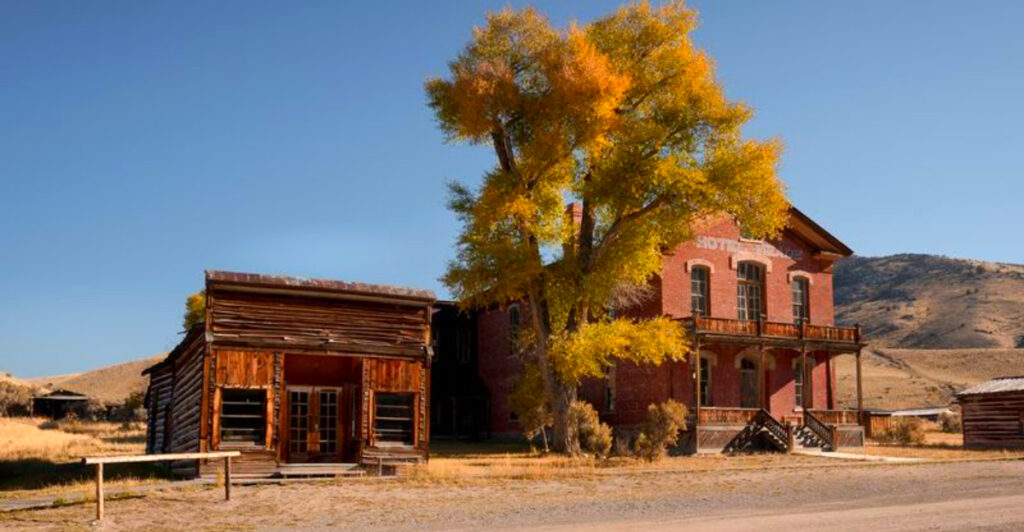
Montana captures the spirit of the American West with its historic towns, sweeping valleys, ghost towns, and vast ranchlands. Across the state, visitors can explore places where frontier history is still visible in original buildings, preserved landmarks, and breathtaking landscapes.
Whether you’re interested in Western history, outdoor adventure, or scenic road trips, these destinations showcase Montana’s enduring frontier heritage. Each offers a unique glimpse into the people, places, and stories that helped shape the West.
1. Virginia City, Virginia City, Montana
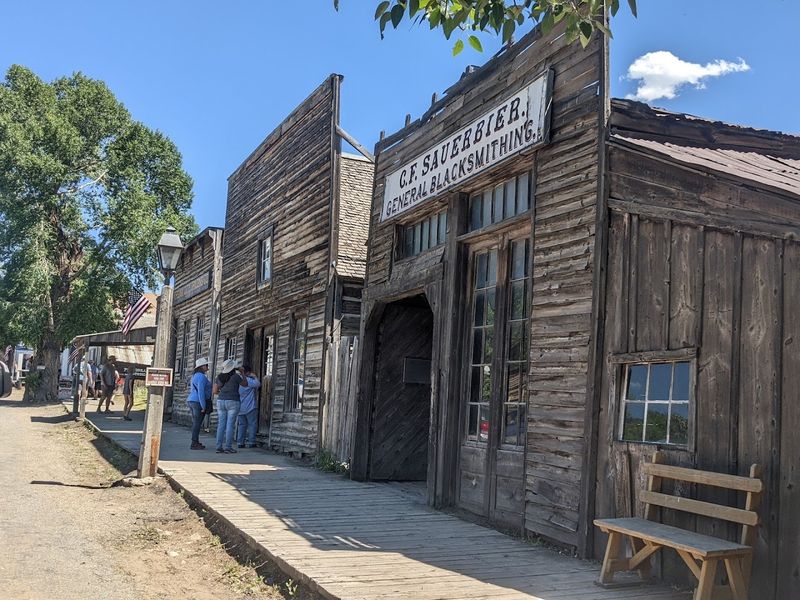
Gold was discovered in Alder Gulch on May 26, 1863, and within a year, Virginia City had exploded to 30,000 residents and become Montana’s territorial capital. That kind of origin story does not fade quietly, and it has not.
More than 150 original structures from the 1860s to 1875 still stand today, making this one of the most intact gold rush towns anywhere in the American West. Wooden boardwalks connect storefronts, saloons, and historic homes that have not been overly restored or turned into theme park versions of themselves.
Visitors can hop on a stagecoach, catch a live performance at the 19th-century opera house, or browse rooms packed with genuine Americana artifacts. The Montana Heritage Commission manages about half the structures here, ensuring preservation stays serious.
Over 150 original buildings and millions of artifacts make Virginia City a legitimate open-air museum. It has also served as a backdrop for actual film productions, which should surprise nobody.
2. Nevada City, Nevada City, Montana
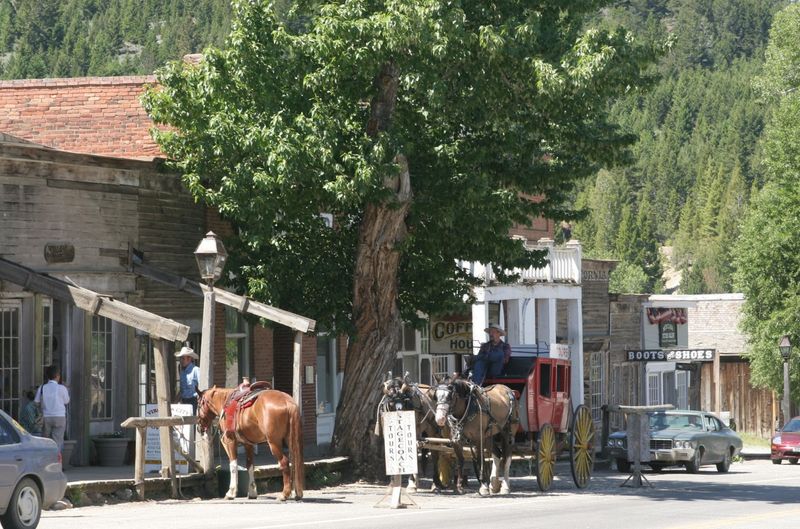
About 1.5 miles west of Virginia City, Nevada City operates as one of the most impressive outdoor living history museums in the entire country. The site holds over 100 historic buildings spanning from 1863 to the early 1900s, with 14 original to the location and many others relocated from across Montana for preservation.
Charles Bovey spent decades gathering these structures, and the result is a place where nearly every corner looks like a film crew just packed up and left. The Nevada City Museum and Music Hall houses one of the largest collections of Old West artifacts outside the Smithsonian, including a remarkable set of automated music machines.
During summer weekends, living history interpreters dress in period clothing and demonstrate frontier trades like blacksmithing. The narrow-gauge Alder Gulch Shortline Railroad connects Nevada City to Virginia City in a 1.5-mile guided train ride.
3. Grant-Kohrs Ranch National Historic Site, Deer Lodge, Montana
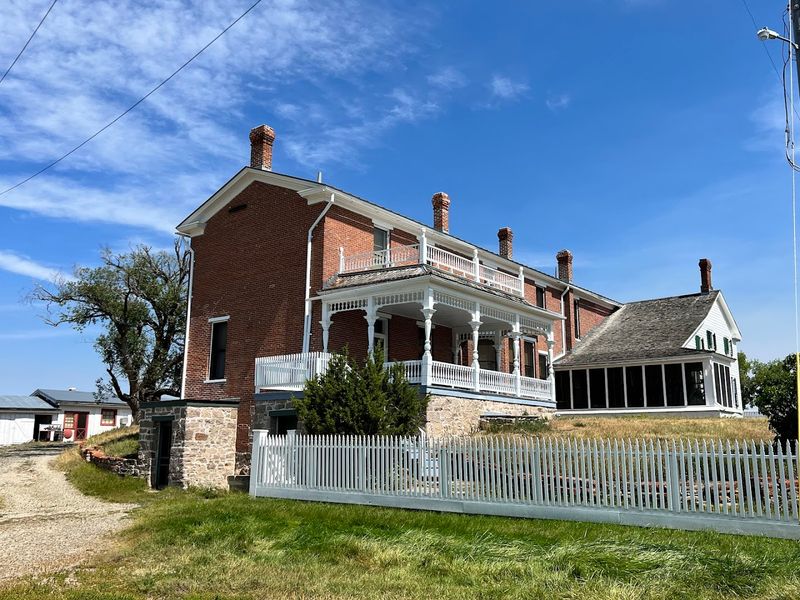
Conrad Kohrs earned the title of Montana’s Cattle King for good reason. At the height of his operation, his herds grazed across millions of acres, and his ranch at Deer Lodge became one of the most significant cattle operations in the entire American West.
Today, the Grant-Kohrs Ranch National Historic Site preserves approximately 1,618 acres and 90 structures, including the main ranch house originally built in 1862. The Montana Post once called it the finest house in the state, and the original furnishings inside still back up that claim.
The site operates as a working ranch, so cattle and horses are still a genuine part of the landscape. Seasonal ranger programs include chuckwagon demonstrations, blacksmith sessions, wagon tours pulled by draft horses, and cowboy talks.
4. Garnet Ghost Town, Greenough, Montana
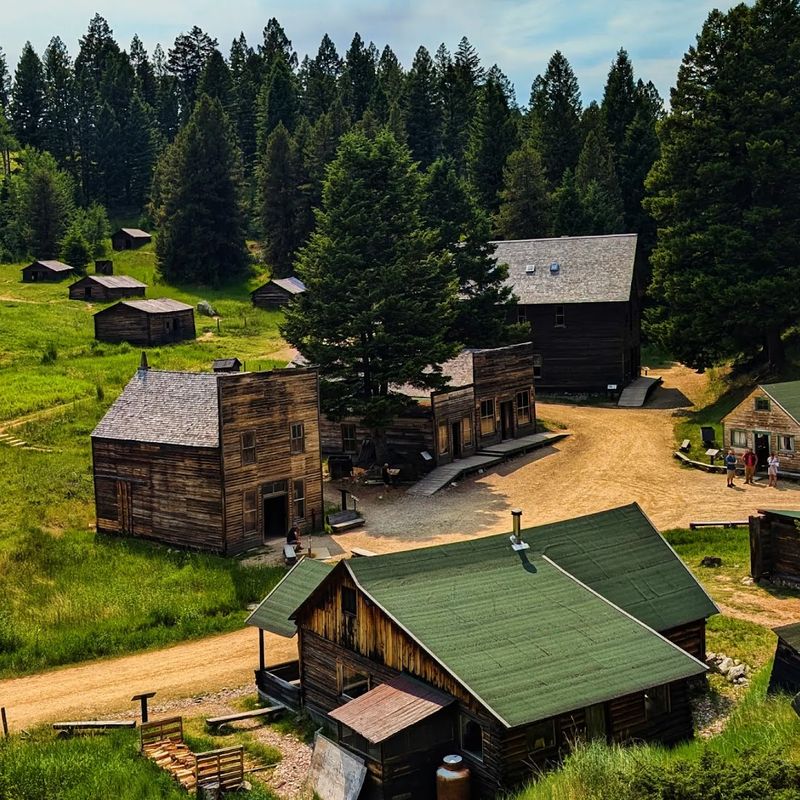
Perched at roughly 6,000 feet in the Garnet Mountain Range, this remote mining community feels like it has been waiting quietly for someone to notice it again. Garnet boomed in the 1890s after rich gold ore was discovered in the Nancy Hanks Mine, and by January 1898 nearly 1,000 people called it home.
A fire in 1912 took out a significant portion of the town, and the population gradually drained away until the last residents left around 1950. More than 30 original structures survive today in a state of what managers call arrested decay, meaning they are stabilized but intentionally left with their weathered character intact.
Visitors can walk directly into many buildings, including the J.R. Wells Hotel, Dahl’s Saloon, and the F.A. Davey’s Store. The Bureau of Land Management and the Garnet Preservation Association jointly manage the site.
5. Bannack State Park, Dillon, Montana
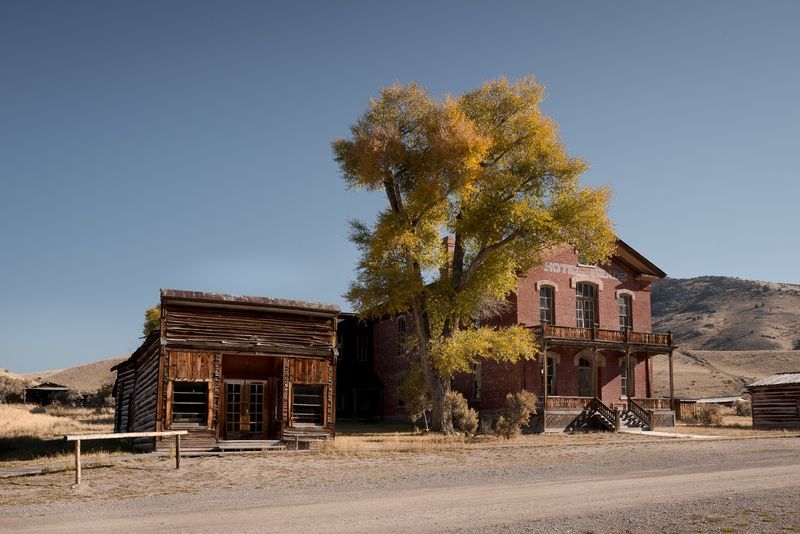
Montana’s first major gold discovery happened on Grasshopper Creek in 1862, and Bannack went from nothing to a population of over 3,000 people in less than a year. It briefly served as Montana’s first territorial capital in 1864 before the gold rush moved on and the town slowly emptied out.
What remains is extraordinary. Between 50 and 60 original log, brick, and frame structures still stand along Main Street, and visitors are free to wander through them at their own pace. The Hotel Meade, originally built as a courthouse in 1875, the two-story schoolhouse, and the Masonic Hall are among the highlights.
Every July, Bannack Days brings the town back to life with historical reenactors, demonstrations, and activities that recreate the boom-town era. Ghost Walks in October add a different kind of energy.
Bannack is a National Historic Landmark, and its wide, quiet streets surrounded by open country make every visit feel genuinely cinematic.
6. Red Lodge, Red Lodge, Montana
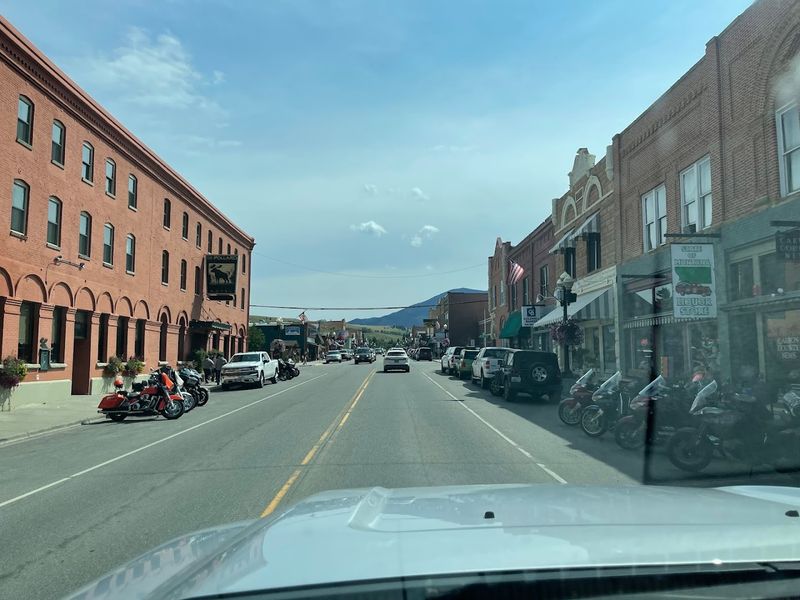
Broadway Avenue in Red Lodge is the kind of main street that makes you slow down and actually look around. Most of the buildings lining it are over 100 years old, and the entire Commercial Red Lodge Historic District holds National Historic Landmark status.
The town built its early identity on coal mining, which drove growth from the late 1800s until the industry declined in the 1930s. What remained was a well-built, genuine mountain town with the bones of the frontier still visible in its architecture.
Today, locally owned shops, outdoor gear outfitters, art galleries, and a candy emporium fill those historic buildings. Red Lodge also serves as the northern gateway to the Beartooth Highway, a scenic route that climbs over 5,000 feet through alpine terrain and is frequently cited as one of the most spectacular drives in the United States.
The combination of walkable Western history and immediate access to dramatic mountain scenery makes Red Lodge one of Montana’s most well-rounded destinations.
7. Big Hole National Battlefield, Wisdom, Montana
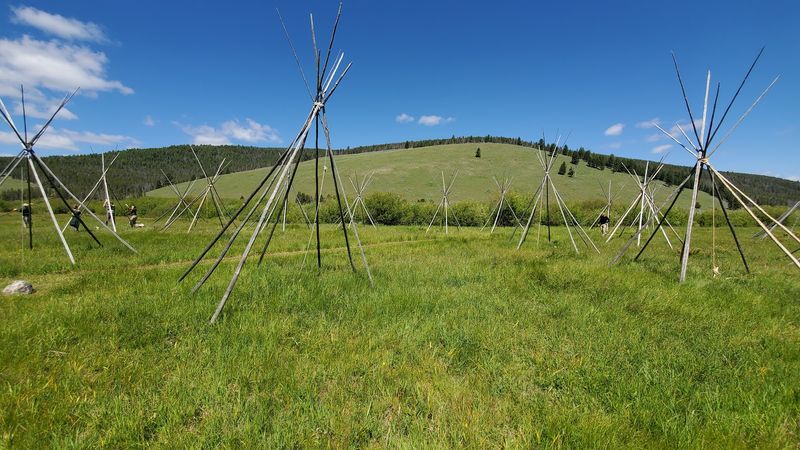
On August 9, 1877, U.S. Army forces launched a pre-dawn attack on a non-treaty Nez Perce camp in the Big Hole Valley, triggering one of the most significant and sobering events of the entire Nez Perce War. The landscape here has changed very little since that day.
The battlefield sits in a wide, green valley in southwest Montana’s Beaverhead Mountains, with the Big Hole River winding through it. Self-guiding trails lead visitors to the original Nez Perce camp site, soldier rifle pits, an 1883 monument, and a replica of the mountain howitzer captured during the conflict.
The visitor center offers museum exhibits, a 26-minute film, and an outdoor observation deck with panoramic valley views. Ranger programs run throughout the summer for those who want a deeper understanding of events.
The site holds deep significance for the Nez Perce people, who consider it sacred ground. That weight is present in every quiet step across the valley, and it makes this one of Montana’s most meaningful outdoor destinations.
8. C. M. Russell Museum, Great Falls, Montana
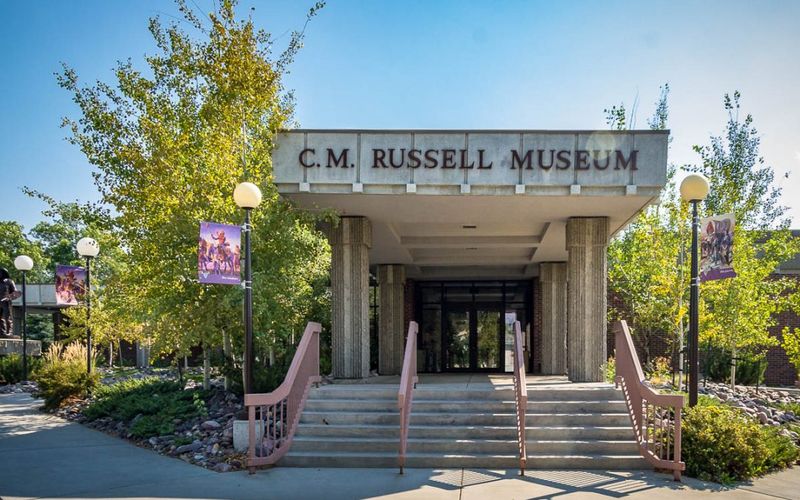
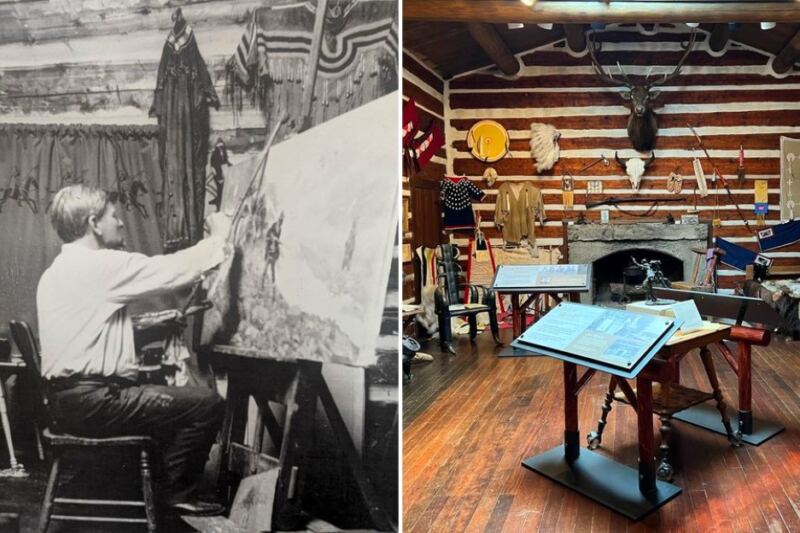
Charles M. Russell did not just paint the West. He lived it, worked as a cowboy, spent time among Native communities, and then translated everything he witnessed into some of the most detailed and honest artwork the frontier era ever produced.
The C.M. Russell Museum in Great Falls holds nearly 2,000 works, making it the most comprehensive collection of his art anywhere in the world. Oil paintings, watercolors, and bronze sculptures cover cowboys, Native peoples, wildlife, and frontier landscapes with a level of authenticity that sets Russell apart from most artists of his era.
The museum complex includes Russell’s original 1903 log cabin studio, built from red cedar telephone poles, and his two-story wood-frame home from 1900. Both are nationally designated historic sites and open for touring.
9. Chico Hot Springs Resort, Pray, Montana
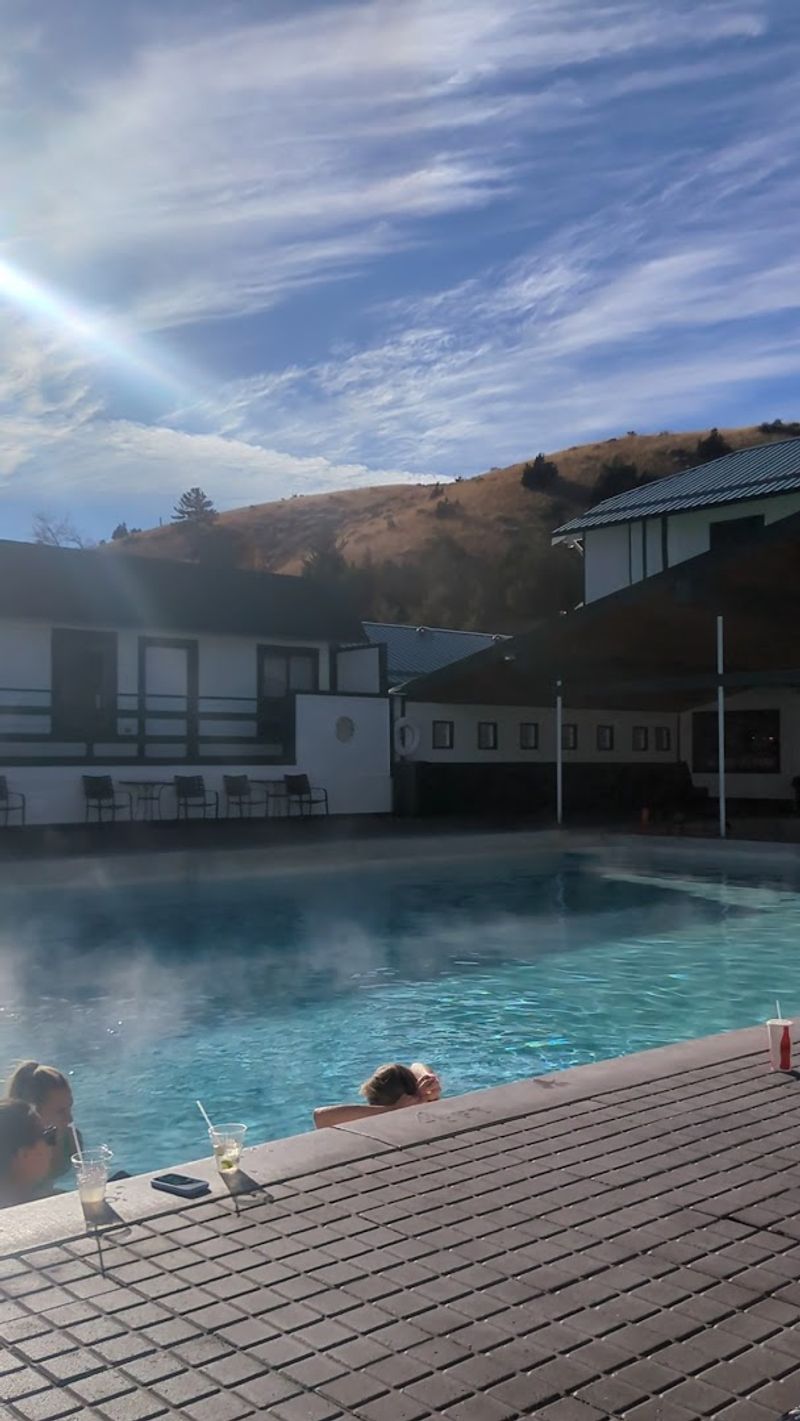
Very few places in Montana have been welcoming travelers continuously since 1900, but Chico Hot Springs Resort in Paradise Valley has managed exactly that. Listed on the National Register of Historic Places, the main hotel showcases Georgian Revival architecture that feels more elegant than rustic, though the surrounding ranch country keeps things grounded.
The resort sits on over 700 acres roughly 30 miles north of Yellowstone National Park, framed by the Rocky Mountains on all sides. Two open-air geothermal pools draw mineral-rich water from the ground at 113 degrees Fahrenheit, with developed pool temperatures ranging from 96 to 104 degrees.
Accommodations range from rooms in the historic Main Lodge to restored rail caboose cabins and Conestoga wagon glamping options. Horseback riding with Rockin’ HK Outfitters on Ranch 635’s private trail system adds genuine Western activity to the experience.
The historic dining room and on-site saloon round out the offering. Chico manages to feel like both a working piece of Montana history and a fully functional modern resort at the same time.
10. Polebridge Mercantile, Polebridge, Montana
Power lines stop about 20 miles before you reach Polebridge, and cell service disappears long before that. That is not a complaint. That is the entire point of this place.
Founded in 1914 by William Adair, the Polebridge Mercantile is a two-story wood-frame building with a classic false-front facade, original hand-hewn log walls inside, and a spot on the National Register of Historic Places. It sits one mile from the northwest entrance to Glacier National Park, deep in the North Fork of the Flathead River valley.
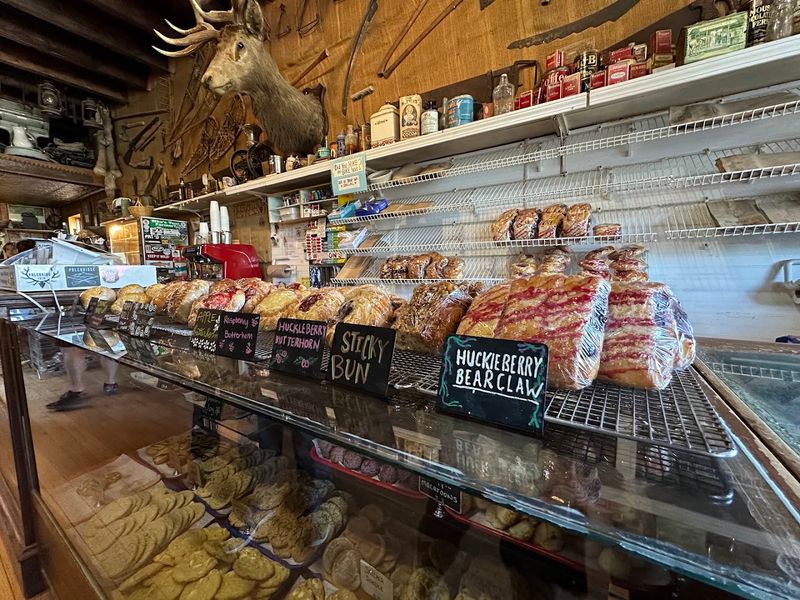
The Merc, as locals call it, operates as a bakery, general store, hardware shop, coffee counter, and gift shop all at once. Fresh-baked huckleberry bear claws, cinnamon rolls, and homemade bread are the bakery highlights that draw visitors from surprisingly far away.
Rustic cabin rentals are available year-round, though they lack indoor running water, with a full bathhouse nearby. The remoteness, the log architecture, and the complete absence of modern connectivity make Polebridge feel like a genuine frontier outpost that simply never stopped operating.
11. Philipsburg, Philipsburg, Montana
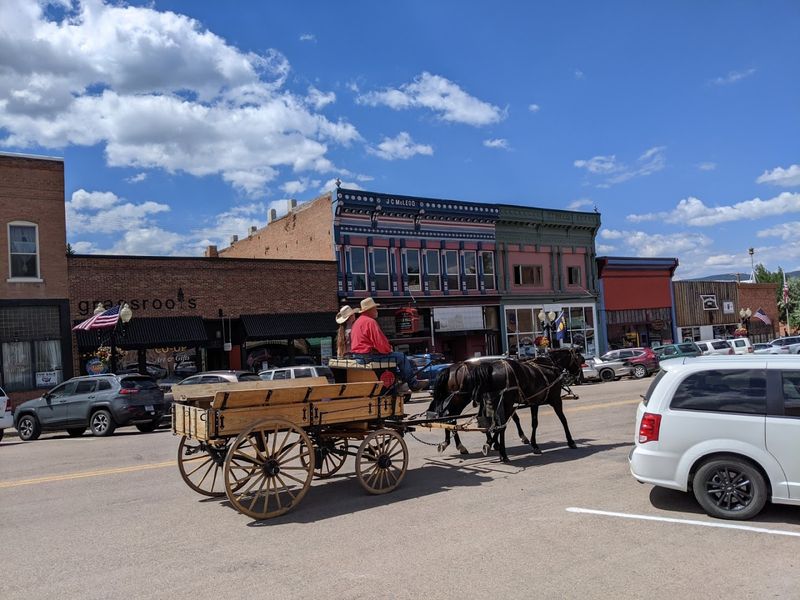
Silver was discovered near Philipsburg in 1864, and the boom that followed replaced the original wooden false-front buildings on Broadway with the masonry structures that still stand today. The town has been recognized as one of America’s Prettiest Painted Places, which is a title that feels completely earned once you see the main street.
Philipsburg sits in the Flint Creek Valley with the Sapphire, Anaconda, and Flint Creek Mountain Ranges providing a backdrop that most towns would pay a Hollywood set designer to recreate. The historic district is considered one of Montana’s best-preserved late 19th-century mining towns.
Broadway is lined with artisan shops, including The Sweet Palace Victorian candy emporium, The Philipsburg Creamery, and multiple sapphire galleries where visitors can actually mine for gems. The Granite County Museum holds a Ghost Town Hall of Fame that puts Philipsburg’s mining past in proper context.
The Philipsburg Theatre has been running shows in the historic McDonald Opera House for over 130 years. Stage line rides and nearby Georgetown Lake round out a town that offers far more than its small size suggests.
12. Makoshika State Park, Glendive, Montana
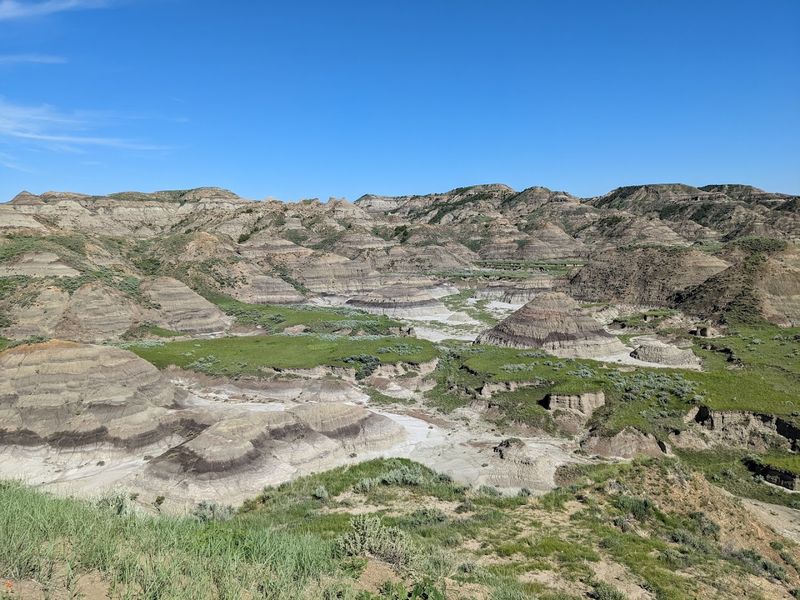
The name Makoshika comes from a Lakota phrase meaning bad land or bad earth, but there is nothing bad about the scenery. Montana’s largest state park covers over 11,000 acres of badlands near Glendive, featuring twisted hoodoos, towering cliffs, natural bridges, and caprocks that look like they belong on another planet entirely.
The park sits within the late Cretaceous Hell Creek Formation, one of the most significant paleontological zones in North America. Over ten dinosaur species have been identified here, including Tyrannosaurus Rex and Triceratops, and a complete Triceratops skull is displayed in the visitor center alongside a paleontology lab.
Eleven designated hiking and biking trails wind through the formations, including the Diane Gabriel Trail, nicknamed the dinosaur trail for a preserved Hadrosaur vertebrate imprint along the route. The Cap Rock Nature Trail offers some of the park’s most dramatic panoramic views.
Twenty-eight campsites, including a teepee rental, let visitors stay after dark when Makoshika’s clear skies make it an outstanding stargazing location. The landscape here looks genuinely made for a classic Western showdown.
13. The Ranch At Rock Creek, Philipsburg, Montana
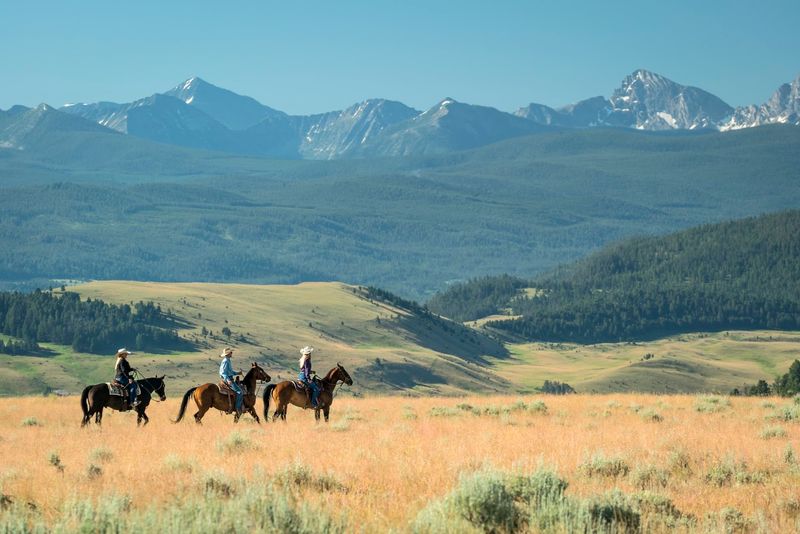
The world’s first Forbes Travel Guide Five-Star guest ranch is not in Wyoming or Colorado. It is tucked outside Philipsburg, Montana, spanning 6,600 acres of ranchland framed by the Pintler and Sapphire mountain ranges.
The Ranch at Rock Creek gives guests access to over 30 year-round outdoor activities, with horseback riding leading the list. The ranch maintains a herd of over 70 horses, offering trail rides, lessons, and obstacle courses across the property. Fly fishing on Blue Ribbon Rock Creek, archery, mountain biking, wildlife watching, and target shooting fill out the schedule.
Summer brings a weekly rodeo, breakfast rides, and barn dances. Winter switches to cross-country skiing, ice skating, snowcat tours, sleigh rides, and shuttle service to nearby Discovery Ski Area.
Accommodations include 31 unique options spanning lodge rooms in the two-story stone and timber Granite Lodge, luxury log cabins, canvas glamping tents, and private homes.
Share this story