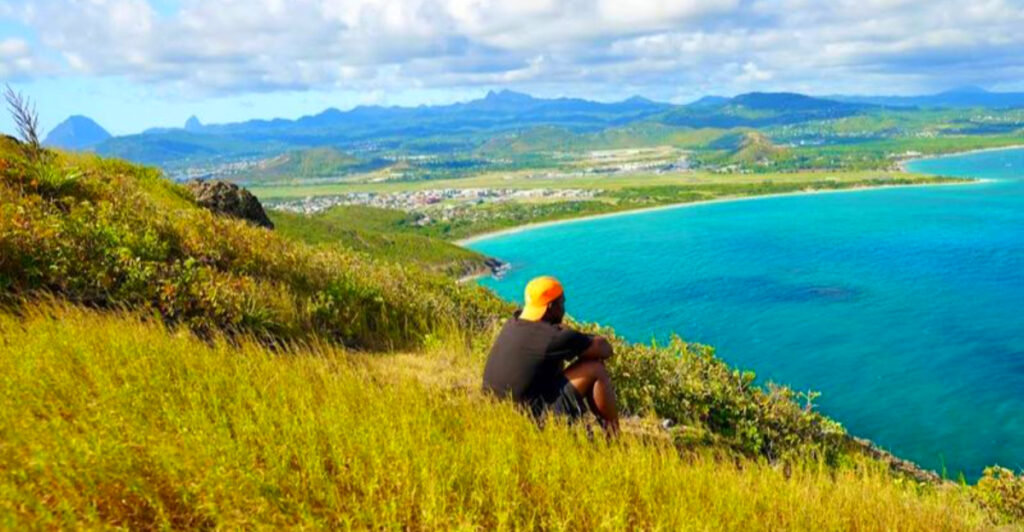
Some countries inspire travelers to stay far longer than planned. Whether it’s breathtaking landscapes, rich cultural traditions, or unforgettable adventures, these destinations offer so much to see and do that a short visit rarely feels like enough.
Based on 2024 data for the average length of stay by international visitors, these 12 countries consistently encourage longer trips. From island escapes to mountain kingdoms, each offers experiences that reward travelers who take their time.
1. Madagascar, Indian Ocean, East Africa
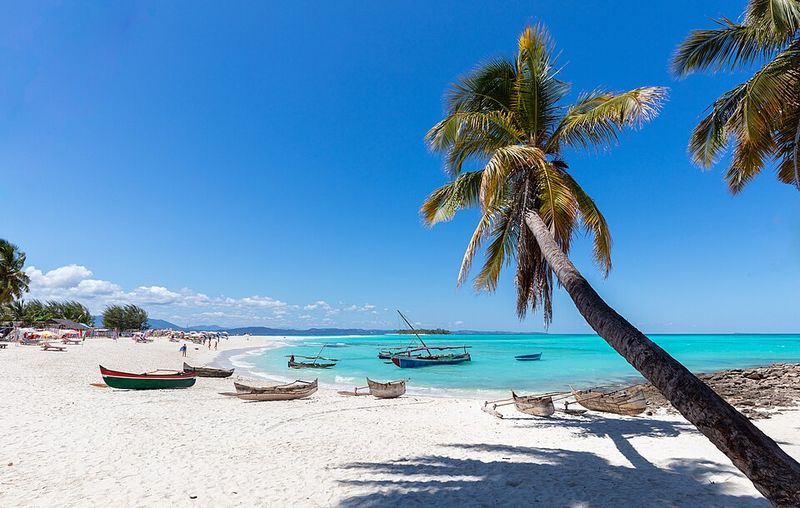
No other country on Earth forces you to slow down quite like Madagascar, where the average international visitor stays a remarkable 23 nights. That number is not a coincidence. It is a direct result of a country so physically large and logistically demanding that rushing through it simply is not an option.
Stretching over 1,600 kilometers from north to south, Madagascar requires travelers to build itineraries around travel time itself. Roads between major parks can take a full day to cover, turning what looks like a short distance on a map into a proper journey. This pace encourages unexpected encounters with local communities along the way.
Over 80% of the country’s wildlife exists nowhere else on Earth, including around 100 species of lemurs. National parks like Andasibe-Mantadia, Isalo, and Tsingy de Bemaraha each demand multiple days. Floating the Tsiribihina River by traditional boat, exploring the Anjohibe caves, and watching baobabs at the Avenue of the Baobabs all reward travelers who build in generous time.
2. Ghana, West Africa, Africa
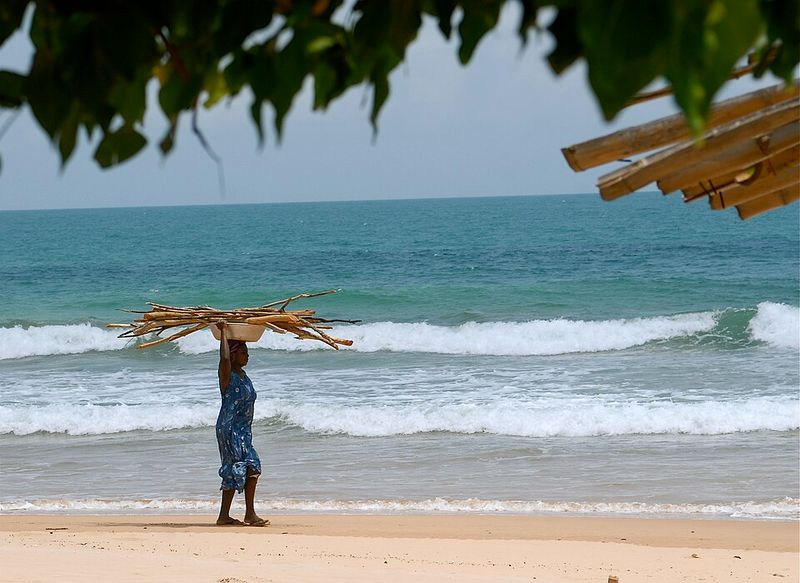
Ghana earns its 14-night average not through spectacle alone, but through depth. This is a country that asks visitors to engage seriously with its history, its culture, and its people, and that kind of engagement takes time.
The Cape Coast Castle and Elmina Castle, both UNESCO World Heritage Sites, are not places you walk through in an hour. Their histories carry enormous weight, and most visitors spend far longer than planned simply sitting with what they have learned. That reflective quality sets the tone for the entire trip.
Beyond the coast, Ghana rewards those who venture further. The Kejetia Market in Kumasi ranks among the largest in West Africa and can absorb a full day on its own. Artisan villages like Bonwire, known for kente weaving, and the canopy walks of Kakum National Park add variety to longer itineraries. Combine that with traditional festivals, live music, and a cuisine built around shared meals, and 14 nights starts to feel entirely reasonable.
3. Costa Rica, Central America, Latin America
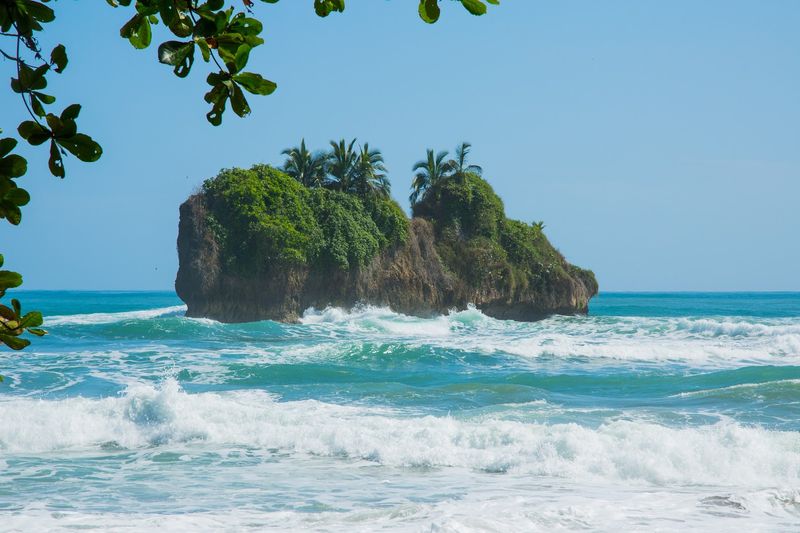
At 13.6 nights, Costa Rica’s average stay is a direct reflection of how much the country packs into a relatively small space. Two coastlines, multiple active volcanoes, cloud forests, wildlife corridors, and a wellness culture that practically insists you take your time all compete for a traveler’s schedule.
Manuel Antonio National Park combines rainforest and beach in a way that keeps visitors occupied for days. Monteverde’s hanging bridges and zip-line networks require their own dedicated block of time. Arenal Volcano draws travelers for hot springs, waterfall hikes, and lake kayaking, none of which feel rushed after a long day on the trails.
Costa Rica also holds strong appeal for travelers who want purpose built into their trips. Wildlife rescue centers, conservation volunteering programs, and multi-day surf camps are all established parts of the tourism infrastructure. The Pacific coast town of Tamarindo and the Afro-Caribbean community of Puerto Viejo operate at entirely different rhythms, giving visitors genuine reason to move between regions and stay longer in each one.
4. Nepal, Himalayas, South Asia
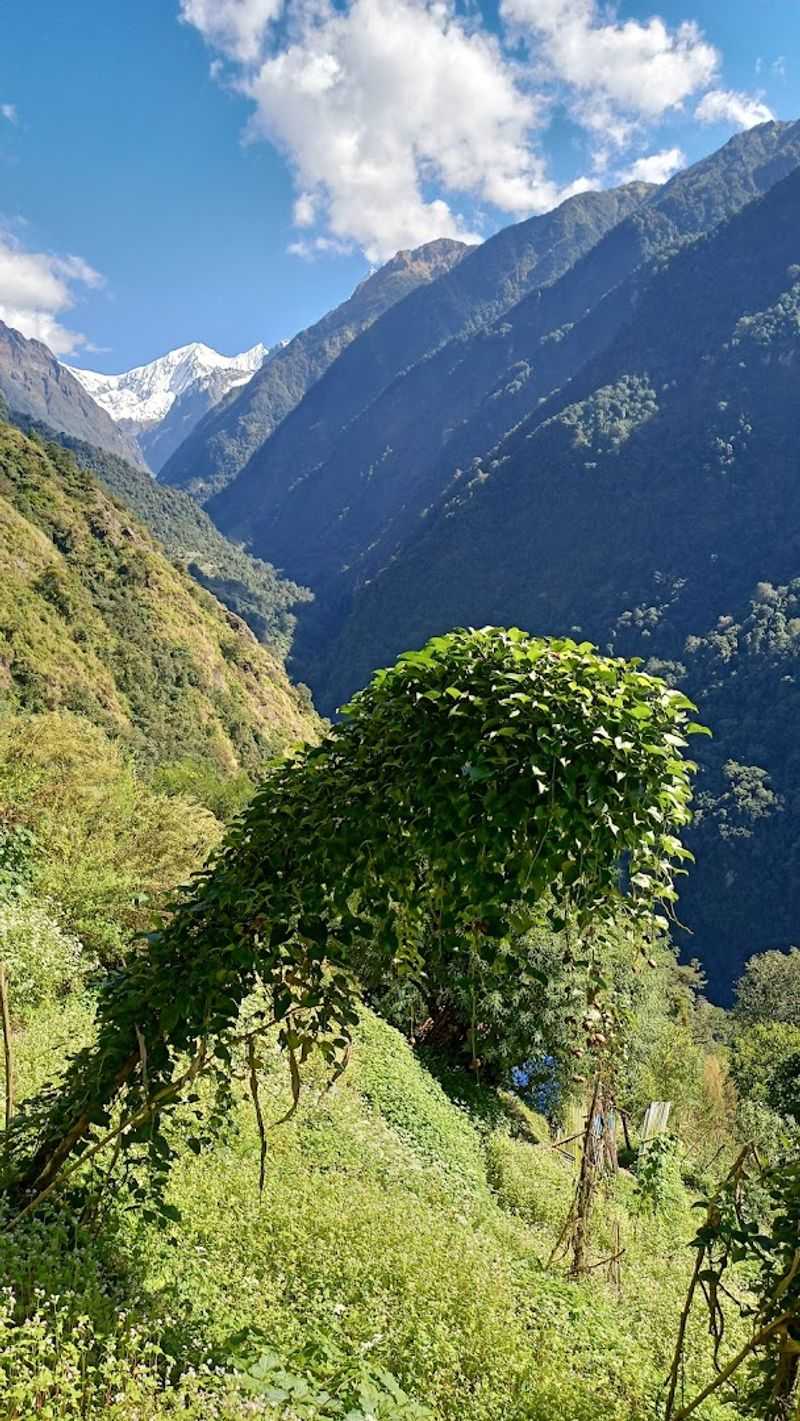
Nepal averages 13.1 nights per visitor, and the math behind that number is straightforward: the Everest Base Camp trek alone takes between 12 and 16 days. The Annapurna Circuit can stretch to 20. These are not casual hikes; they are multi-week commitments built around altitude acclimatization, remote trail conditions, and daily distances that dictate the pace entirely.
Away from the trails, Kathmandu Valley holds a UNESCO World Heritage designation that covers seven distinct monument zones. The Durbar Squares of Kathmandu, Patan, and Bhaktapur each carry centuries of architectural detail that rewards slow, unhurried exploration. Boudhanath Stupa and Swayambhunath are active religious sites, not museum pieces, and the experience of visiting them changes depending on the time of day and season.
Nepal also offers white-water rafting on the Trishuli River, paragliding over Pokhara, and jungle safaris in Chitwan National Park. Domestic flights are weather-dependent, which means experienced travelers build buffer days into every itinerary. That flexibility, combined with the sheer scale of adventure on offer, makes a two-week minimum feel like common sense.
5. Armenia, Caucasus, Western Asia
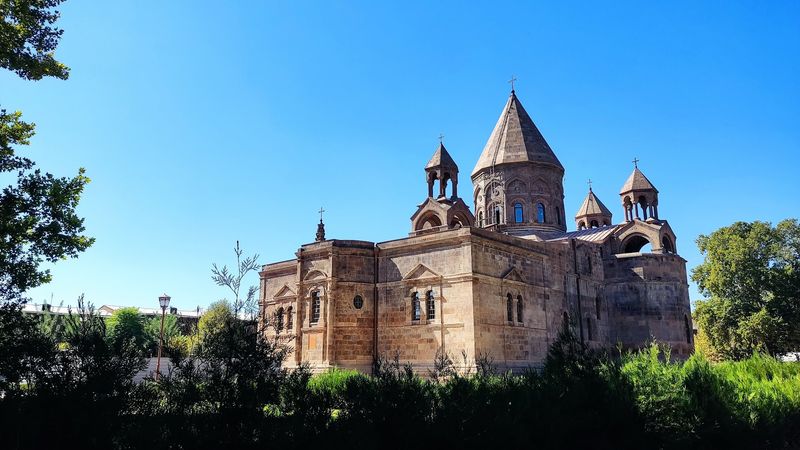
A country roughly the size of Maryland holding travelers for an average of 11 nights says a great deal about what Armenia quietly delivers. It is compact enough to navigate efficiently, yet historically dense enough that every region opens into something unexpected.
The monastery circuit alone justifies a week. Geghard, Khor Virap, Noravank, and Tatev are not clustered together; reaching each one involves scenic mountain drives that are part of the experience. Tatev Monastery sits above a dramatic gorge and is accessed via the Wings of Tatev, the world’s longest reversible cable car. That journey takes 12 minutes each way and arrives at a 9th-century complex that has been standing since before most European cathedrals were built.
Lake Sevan provides a natural counterpoint to all the stone and history, offering lakeside relaxation and a medieval monastery right on the peninsula. The Vayots Dzor wine region, built on a tradition dating back over 6,000 years, draws curious visitors for tastings and vineyard tours. Yerevan, with its pink tuff architecture and lively Republic Square, rounds out an itinerary that rewards a deliberate, unhurried approach.
6. Dominica, Lesser Antilles, Caribbean
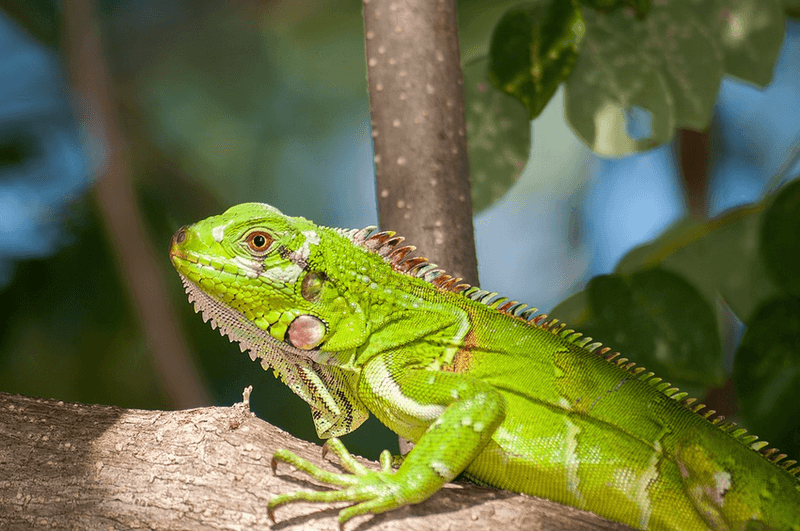
Dominica averages 10.3 nights, and the island earns every one of them through sheer natural density. Unlike its resort-heavy Caribbean neighbors, Dominica trades white sand strips for volcanic peaks, dense rainforest, geothermal hot springs, and a trail network that takes days to properly explore.
The Waitukubuli National Trail runs 115 miles across the full length of the island, making it the Caribbean’s longest hiking trail. Most visitors tackle it in segments, which naturally adds days to any itinerary. Trafalgar Falls, Middleham Falls, and the Boiling Lake, a full-day trek to reach, are each distinct enough to warrant their own dedicated excursion.
Underwater, Dominica holds its own against much more famous dive destinations. Champagne Reef, where volcanic vents release warm bubbles through the seafloor, is unlike anything else in the region. Year-round sperm whale sightings make marine tours a consistent draw. The indigenous Kalinago Territory offers cultural context that most Caribbean islands cannot match.
Combine all of that with a quieter, more authentic local rhythm, and it becomes clear why travelers keep adding nights.
7. Seychelles, Indian Ocean, East Africa
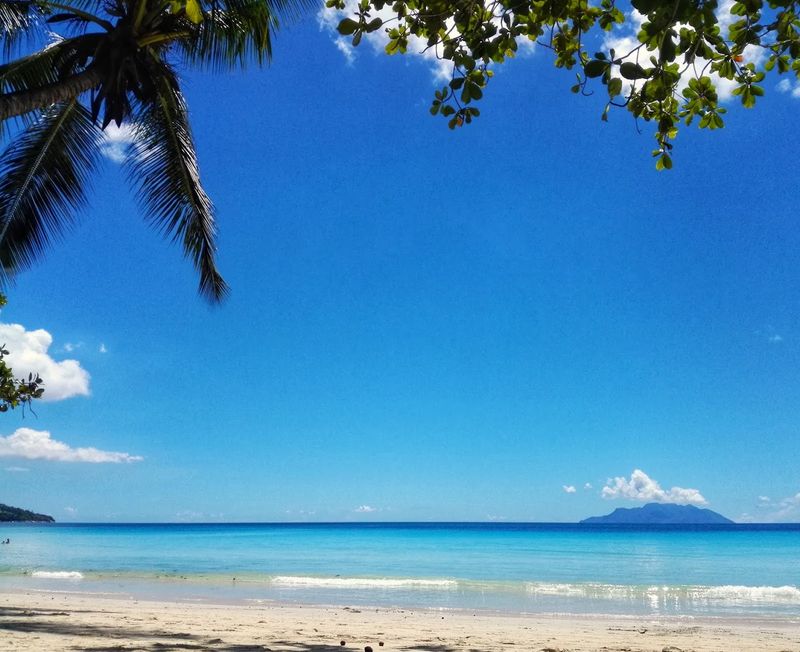
The Seychelles averages 9.9 nights, a figure shaped largely by the logistics of island hopping across an archipelago of 115 islands. Getting between Mahe, Praslin, and La Digue requires ferry schedules and advance planning, and each island offers enough to justify several days on its own.
La Digue is famously car-free, navigated by bicycle and ox cart, which immediately sets a slower pace. Anse Source d’Argent, with its colossal granite boulders and shallow lagoon, is one of the most photographed beaches on Earth, yet visitors routinely spend entire mornings there without any sense of having wasted time. Praslin’s Vallee de Mai, a UNESCO-listed ancient palm forest, is home to the coco de mer, which produces the world’s largest seed, and to the rare Seychelles black parrot.
Marine parks surround several of the main islands, offering snorkeling and diving across pristine coral ecosystems. St. Anne Marine National Park near Mahe is accessible by short boat ride and rewards multiple visits across different conditions. The overall absence of crowds and the focus on natural rather than manufactured entertainment makes extending a Seychelles trip feel less like a luxury and more like a logical decision.
8. Dominican Republic, Caribbean, Greater Antilles
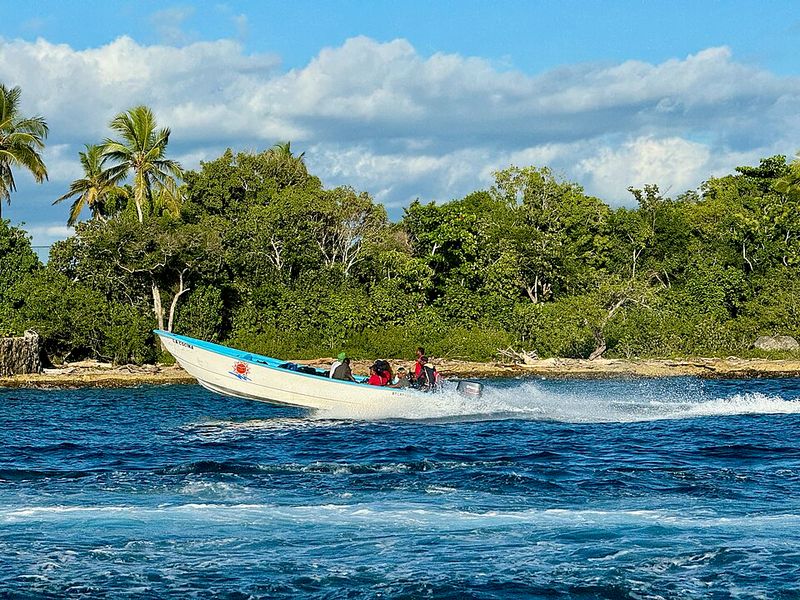
The Dominican Republic holds a 9.6-night average, and while resort stays account for part of that, the country’s geography does the rest of the convincing. This is the Caribbean’s largest economy and one of its most geographically varied nations, with a mountain range that includes Pico Duarte, the highest peak in the entire Caribbean at 3,087 meters.
Santo Domingo’s Zona Colonial, a UNESCO World Heritage Site, is the oldest continuously inhabited European settlement in the Americas. Its cobblestone streets, the Fortaleza Ozama, and the Catedral Primada de America are not replicas or reconstructions; they are original structures from the early 1500s. Spending time there feels genuinely different from a typical city tour.
The Samana Peninsula draws visitors between January and March specifically for humpback whale watching, which alone justifies building a dedicated leg into an itinerary. The waterfalls of Damajagua, kiteboarding in Cabarete, and the distinct coastal character of towns like Las Terrenas all pull travelers away from the resort zones and into a much broader version of the country. The merengue and bachata culture adds a participatory dimension that keeps evenings interesting well beyond the pool deck.
9. Sri Lanka, Indian Ocean, South Asia
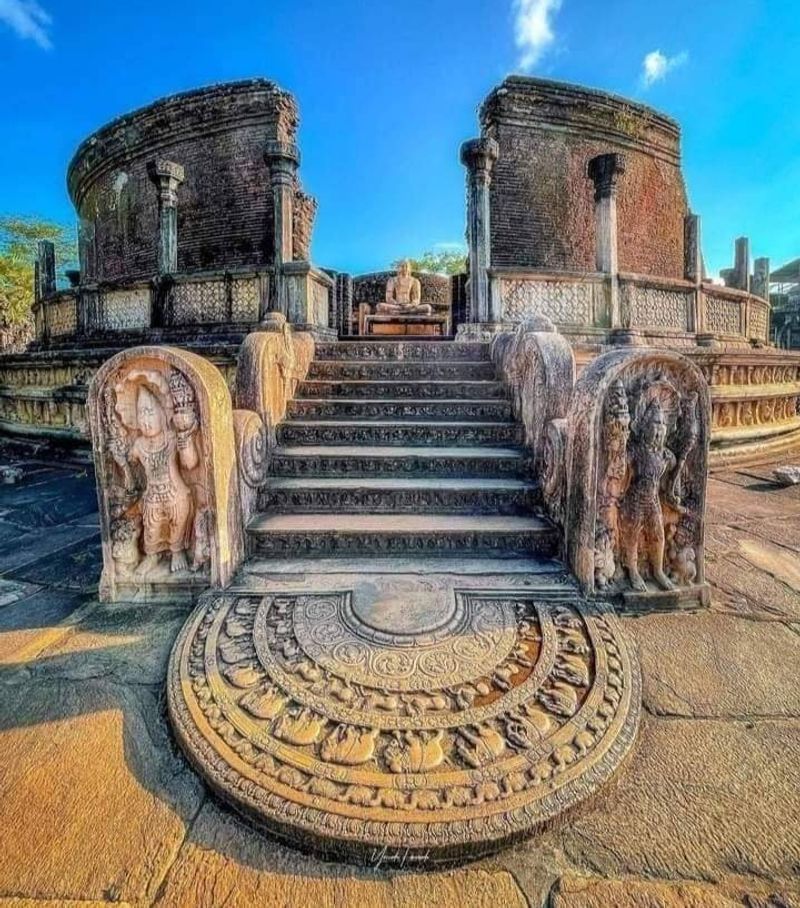
Sri Lanka averages 9.3 nights, and the country’s internal travel circuit explains why. Within a landmass roughly the size of Ireland, visitors move between ancient ruins, mountain tea estates, coastal wildlife parks, and colonial port cities, each requiring its own dedicated block of time.
The Cultural Triangle alone, covering Anuradhapura, Polonnaruwa, Sigiriya, and Dambulla, holds four of the island’s eight UNESCO World Heritage Sites. Sigiriya’s rock fortress, a 5th-century palace complex rising 200 meters above the surrounding plain, requires a full morning to explore properly. The cave temples at Dambulla contain over 150 statues and 2,100 square meters of painted ceilings.
The train ride from Kandy to Ella is widely considered one of the most scenic rail journeys in the world and passes through nine hours of tea country. Yala National Park offers the highest leopard density of any national park on Earth, while Udawalawe is the most reliable place in Asia to observe wild elephants in open terrain. Arugam Bay in the east draws surfers, Mirissa draws whale watchers, and Galle draws history enthusiasts, meaning the coastline alone could fill an entire second week.
10. Grenada, Lesser Antilles, Caribbean
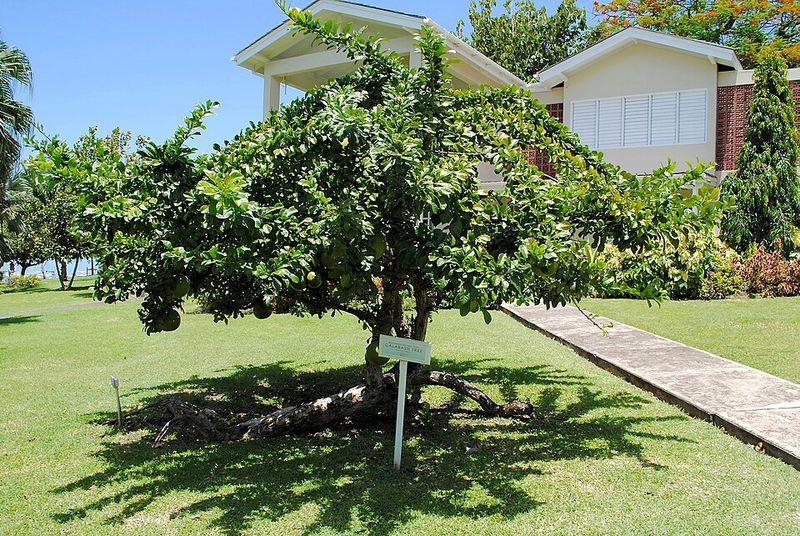
Grenada ties Sri Lanka at 9.3 nights, and its nickname, the Spice Isle, hints at why visitors linger. This is not a country built around a single resort strip or one headline attraction. It is a layered destination where the interior, the coast, and the underwater world each compete for a traveler’s attention.
Nutmeg production was so central to Grenada’s economy that its flag features one. Tours of working nutmeg and cinnamon estates are genuinely informative, not just scenic, and the Saturday market in St. George’s is one of the most vibrant in the eastern Caribbean. The capital itself, built around a horseshoe harbor with Georgian colonial buildings climbing the hillside, is compact enough to explore on foot but detailed enough to fill an entire day.
Grand Etang National Park offers crater lake hikes and forest trails that connect to waterfalls like Seven Sisters and Annandale, each requiring a separate half-day excursion. The Molinere Underwater Sculpture Park, a collection of concrete figures colonized by coral, is one of the Caribbean’s most distinctive dive sites. Grand Anse Beach provides two miles of calm water and white sand for the days when doing very little is the entire plan.
11. Saint Lucia, Lesser Antilles, Caribbean
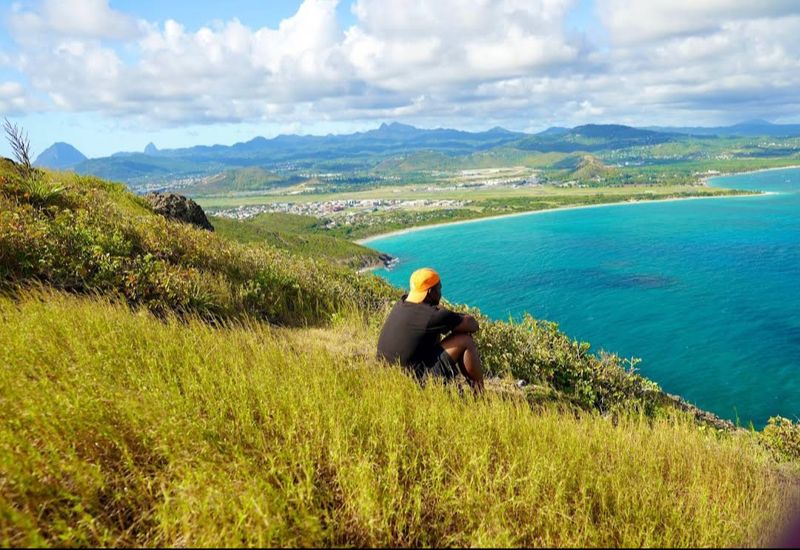
Saint Lucia’s 8.9-night average is driven by a combination of dramatic geography and a well-established romance travel market. The Pitons, twin volcanic spires that rise directly from the sea near Soufriere, are not just scenic; they are the organizing landmark around which most longer itineraries are built.
Hiking Gros Piton takes a full day and involves a guided ascent through dense forest to summit views that stretch across the island and out to neighboring Martinique. Most visitors base themselves in Soufriere for several nights to access both the Pitons and the Sulphur Springs, the Caribbean’s only drive-in volcano. The nearby mineral mud baths and Toraille Waterfall round out a natural attractions cluster that justifies its own dedicated section of a trip.
Saint Lucia’s resort sector, particularly along the northwest coast near Rodney Bay, caters heavily to honeymoons and couples with packages that span 7 to 10 nights by design. Catamaran day sails that circle the island, snorkeling in marine reserves, and rainforest aerial tram tours each add structured activity to what might otherwise be a purely relaxation-focused stay. The result is an island that keeps both adventure seekers and those seeking genuine rest equally occupied.
12. El Salvador, Central America, Latin America
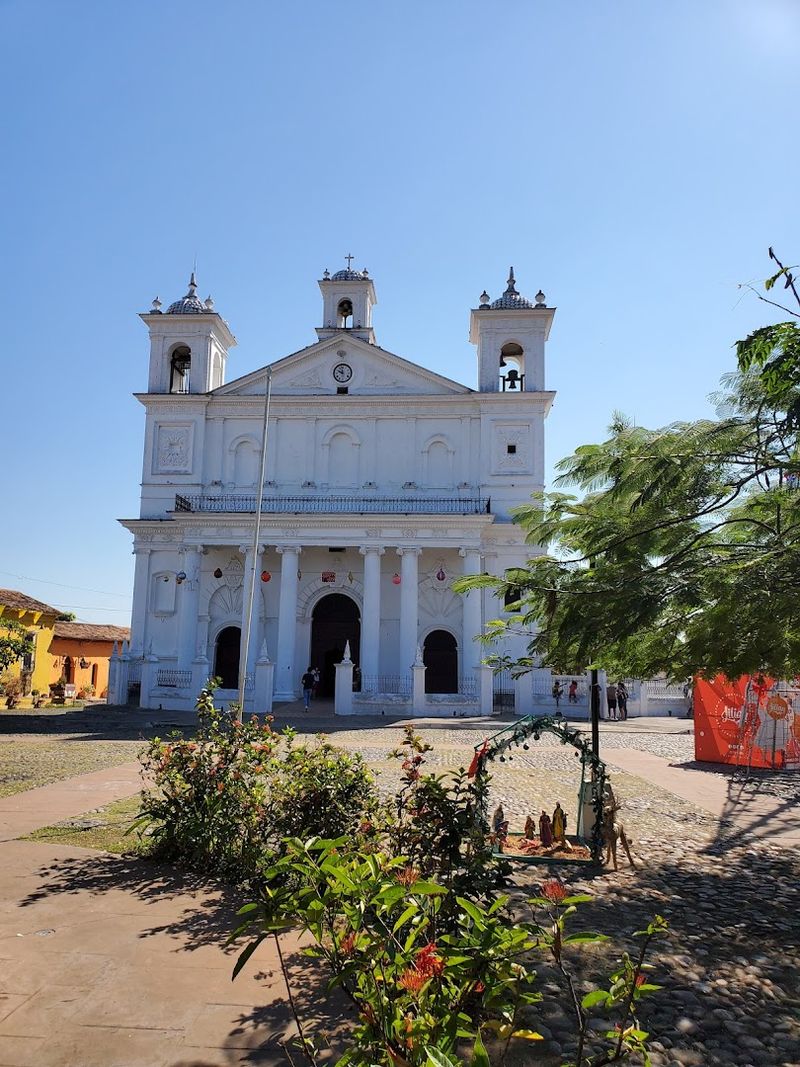
El Salvador closes the list at 8.5 nights, and it may be the most surprising entry. Long underestimated as a travel destination, it has quietly built a reputation among surfers, history travelers, and adventure seekers who discover that its compact size actually works in their favor rather than against it.
The Pacific coast around El Tunco and El Zonte draws consistent surf crowds, and the culture in those towns encourages multi-week stays. El Zonte in particular has developed a strong community infrastructure around longer-term visitors, with a relaxed daily rhythm that makes extending a stay feel entirely natural. Costs remain low compared to most Central American destinations.
The Ruta de las Flores connects a string of colonial mountain towns, including Juayua, Apaneca, and Ataco, where weekend food markets, coffee farm tours, and hand-painted murals fill itineraries without any sense of effort. Hiking Santa Ana Volcano to its turquoise crater lake is a half-day commitment that delivers one of Central America’s most striking viewpoints. Lake Coatepeque, a caldera lake ringed by weekend homes and waterfront restaurants, offers a quieter counterpoint. For a country this small, El Salvador consistently over-delivers.
Share this story