Throughout history, cultures around the world have told stories of remarkable women who refused to follow the rules set for them. From ancient deserts to frozen mountains and stormy seas, these mythological figures stood their ground, wielded tremendous power, and carved their own paths.
They were warriors, witches, goddesses, and spirits, each one a force of nature in her own right. Their stories still resonate today because they remind us that strength, independence, and courage have always been worth celebrating.
1. Lilith (Jewish Mythology)
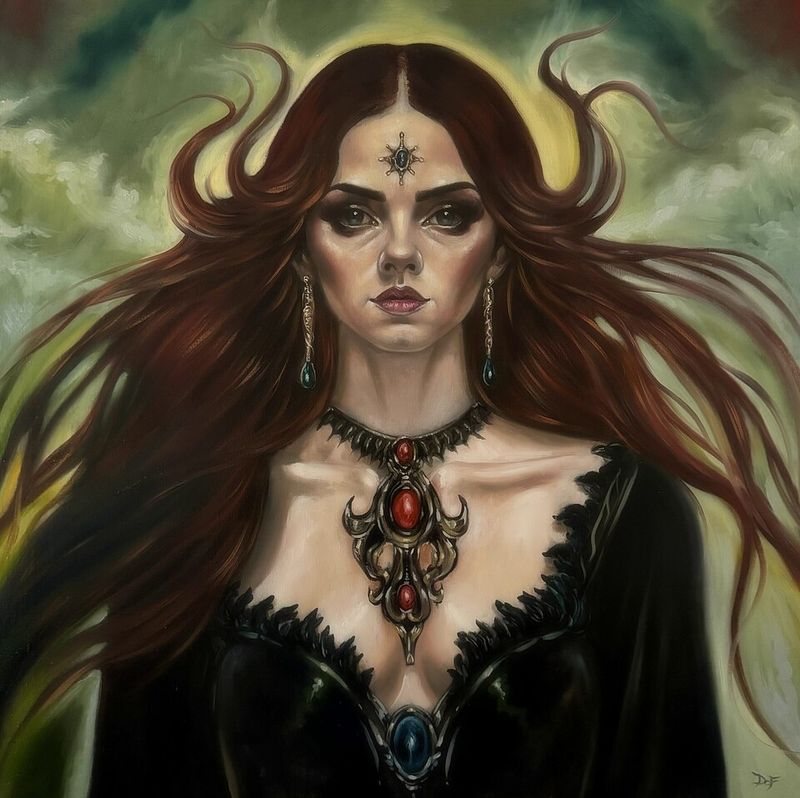
Before Eve, there was Lilith, and her story begins with a single, bold refusal. According to later Jewish folklore, Lilith was the first woman, created alongside Adam from the same earth.
When Adam expected her to be subservient, she refused outright and walked away from the Garden of Eden on her own terms.
That decision made her one of mythology’s most enduring symbols of female independence. She was later labeled a demon in some texts, but many modern readers see her differently.
Her refusal to accept a lesser role, even at enormous personal cost, feels remarkably relevant today.
Lilith’s story has inspired artists, writers, and feminists for centuries. She appears in medieval Jewish texts like the Alphabet of Ben Sira, where her defiance is described in striking detail.
Whether villain or heroine, Lilith remains one of mythology’s most fascinating and complex figures.
2. Medea (Greek Mythology)
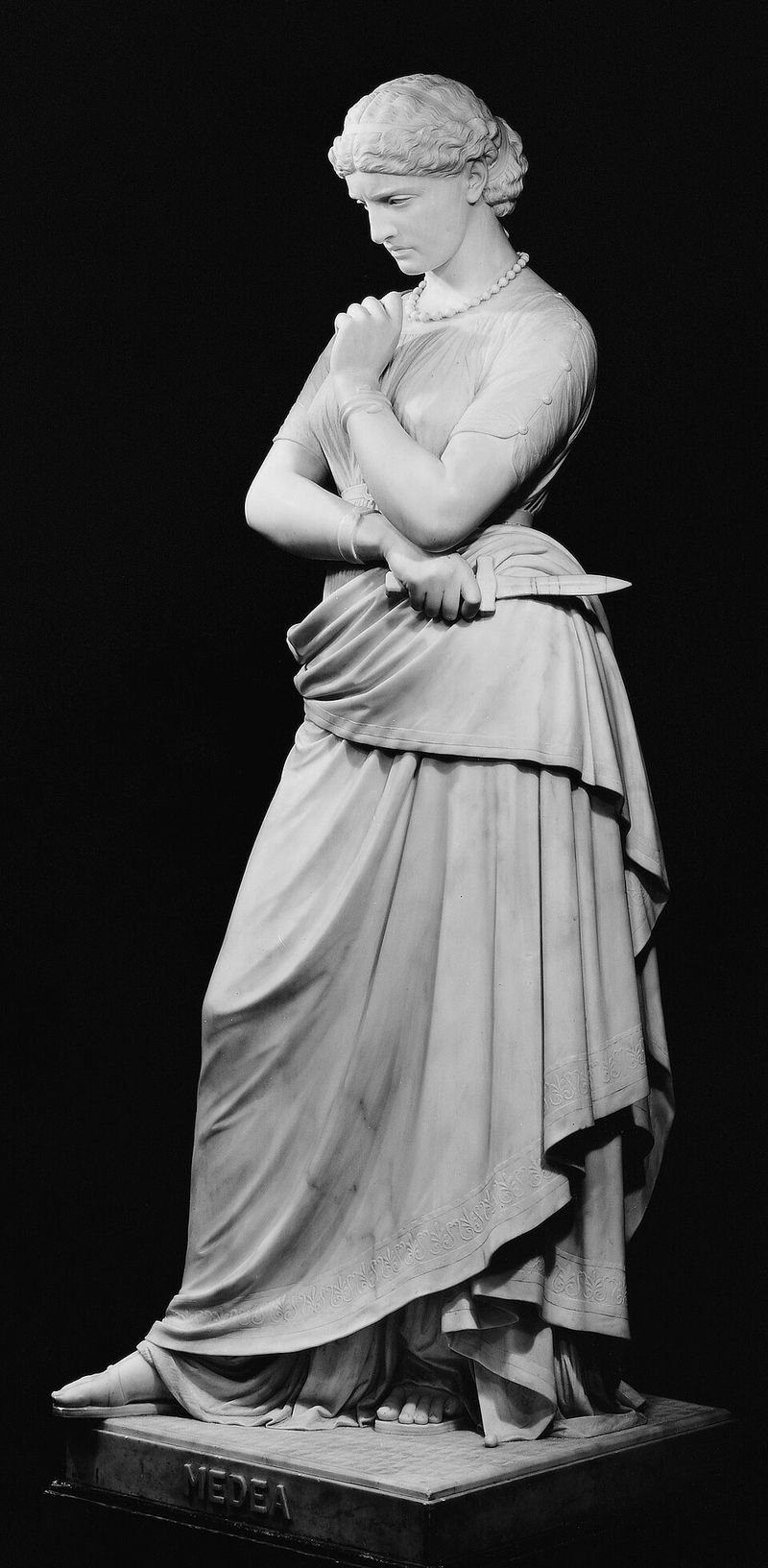
Few mythological women inspire as much awe and fear as Medea, the sorceress from Colchis who helped Jason claim the Golden Fleece. Her magical abilities were extraordinary, and she used them without hesitation when the situation demanded it.
She was brilliant, calculating, and deeply passionate, a combination that made her both an incredible ally and a terrifying enemy.
When Jason abandoned her to marry a Greek princess, Medea did not quietly accept her fate. She orchestrated a devastating revenge that shook the ancient world and became the subject of Euripides’ famous tragedy, written around 431 BCE.
Her story forces audiences to confront uncomfortable questions about betrayal, justice, and the limits of human anger.
Medea was not simply a villain. She was a foreign woman stripped of home, family, and dignity.
Her ferocity was born from wounds that many people, even today, can understand on some level.
3. Atalanta (Greek Mythology)
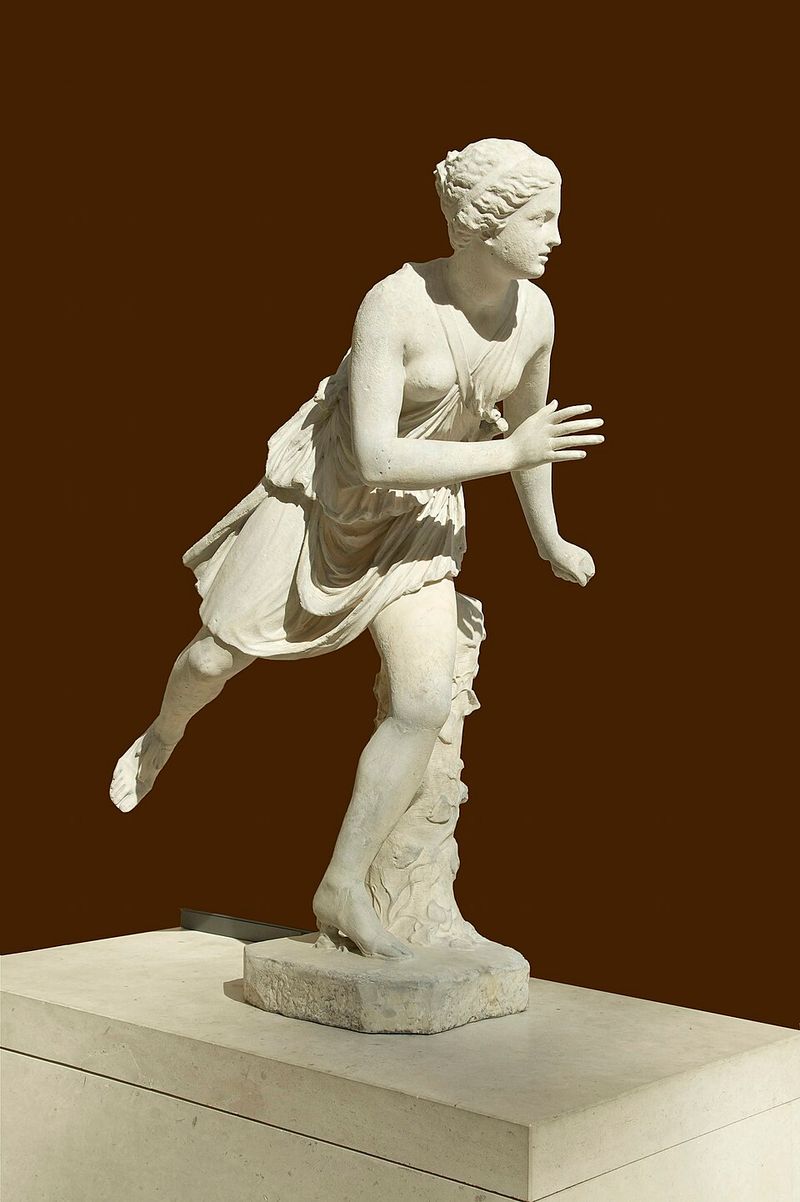
Atalanta could outrun almost any man alive, and she knew it. Abandoned at birth on a mountainside, she was raised by a bear and later by hunters, growing up completely outside the expectations placed on Greek women of her time.
She became one of the greatest athletes and hunters in all of Greek mythology.
She joined the legendary Calydonian Boar Hunt, drawing first blood and earning respect from heroes who initially doubted her. When suitors came calling, she set a condition: race her, and if you lose, you die.
Most lost. Her independence was not a pose; it was her entire identity, hard-won and fiercely protected.
Eventually she was tricked into marriage through a race involving golden apples, but even that outcome came through deception rather than defeat. Atalanta’s legacy endures as a celebration of athletic excellence and a woman who refused to shrink herself for anyone.
4. Circe (Greek Mythology)
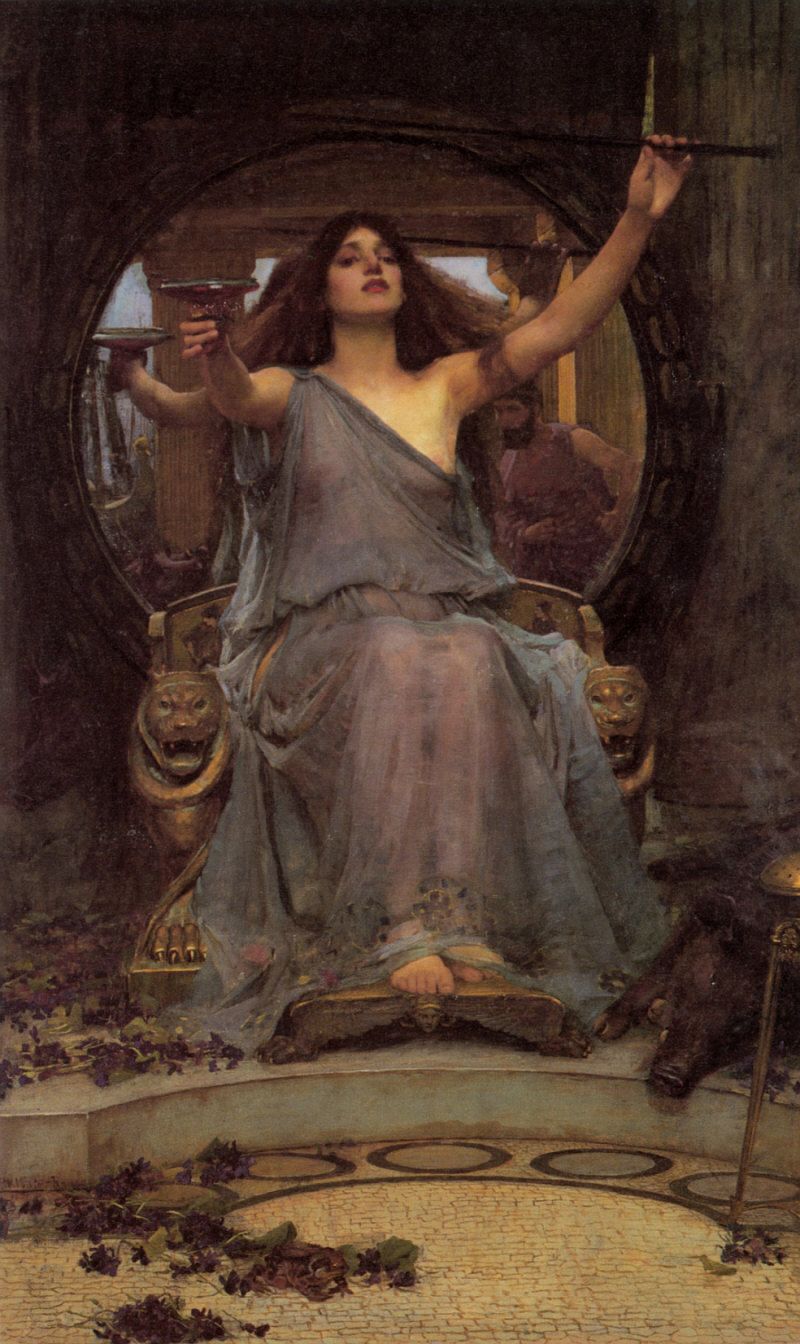
Living alone on the island of Aeaea, Circe answered to no one. She was the daughter of the sun god Helios and a powerful enchantress in her own right, capable of transforming men into animals with a wave of her staff and a sip of her magical brew.
When Odysseus and his crew arrived on her island, she turned his men into pigs without a second thought.
What makes Circe so compelling is her complete self-sufficiency. She built her own world, surrounded by the animals she had transformed, and lived entirely on her own terms.
She was neither a villain nor a simple helper; she was a fully realized being with her own desires, wisdom, and limits.
Madeline Miller’s 2018 novel Circe reimagined her story for modern readers and became a bestseller, proving that this ancient enchantress still has plenty to say. Her solitary power feels ahead of its time.
5. The Morrígan (Irish Mythology)
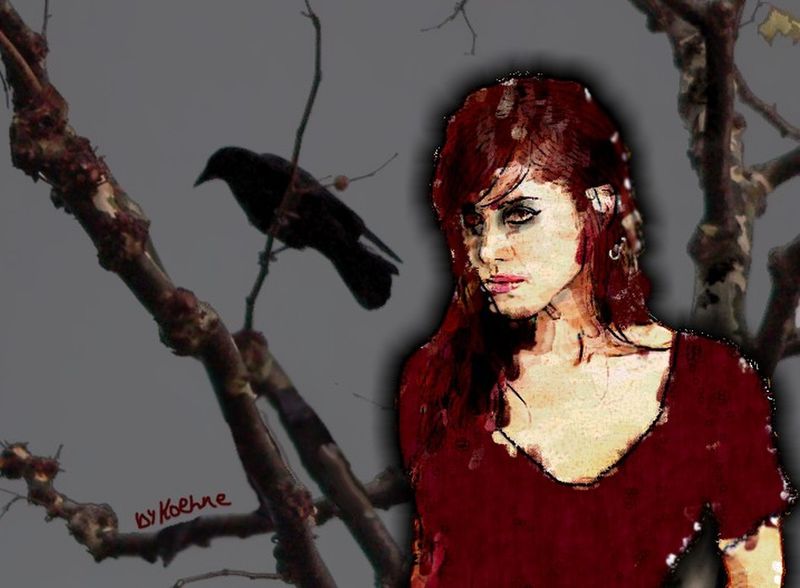
On the battlefields of ancient Ireland, warriors knew to watch for crows. The Morrígan, one of the most powerful figures in Celtic mythology, could appear as a crow, an eel, a wolf, or a beautiful woman, shifting between forms as she chose.
She was a goddess of war, fate, and sovereignty, and she picked her alliances based entirely on her own judgment.
She approached the hero Cu Chulainn and offered him her love and power. When he rejected her, she became his adversary, not out of spite alone but because he had dismissed forces greater than himself.
Her story is layered with warnings about pride, fate, and the unpredictable nature of power.
The Morrígan appears throughout the Ulster Cycle, one of Ireland’s oldest mythological texts. She was not a goddess who waited to be called upon.
She showed up where she chose, on her own schedule, for her own reasons.
6. Skadi (Norse Mythology)
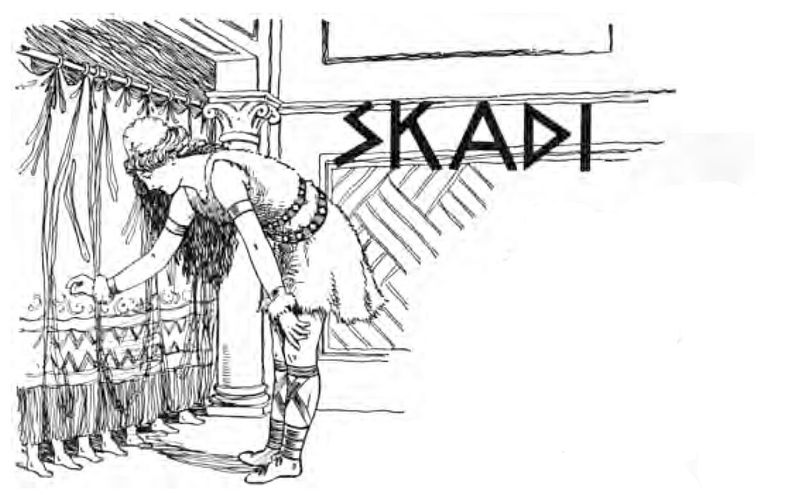
When the gods of Asgard killed her father Thiazi, Skadi did not weep quietly at home. She strapped on her armor, picked up her weapons, and marched straight into Asgard to demand justice.
That level of boldness from a giantess walking into the realm of the gods was almost unheard of, and it earned her genuine respect.
The gods offered her compensation, including the right to choose a husband from among them. The catch was she could only see their feet.
She chose what she thought were the most elegant feet, hoping for the god Baldr, but ended up with Njord, the sea god. Their marriage was famously incompatible since she loved the mountains and he loved the sea, so she simply returned to her mountains alone.
Skadi is the goddess of winter, skiing, and hunting. Her name is believed to be the root of the word Scandinavia, a legacy as enduring as the mountains she called home.
7. Sekhmet (Egyptian Mythology)
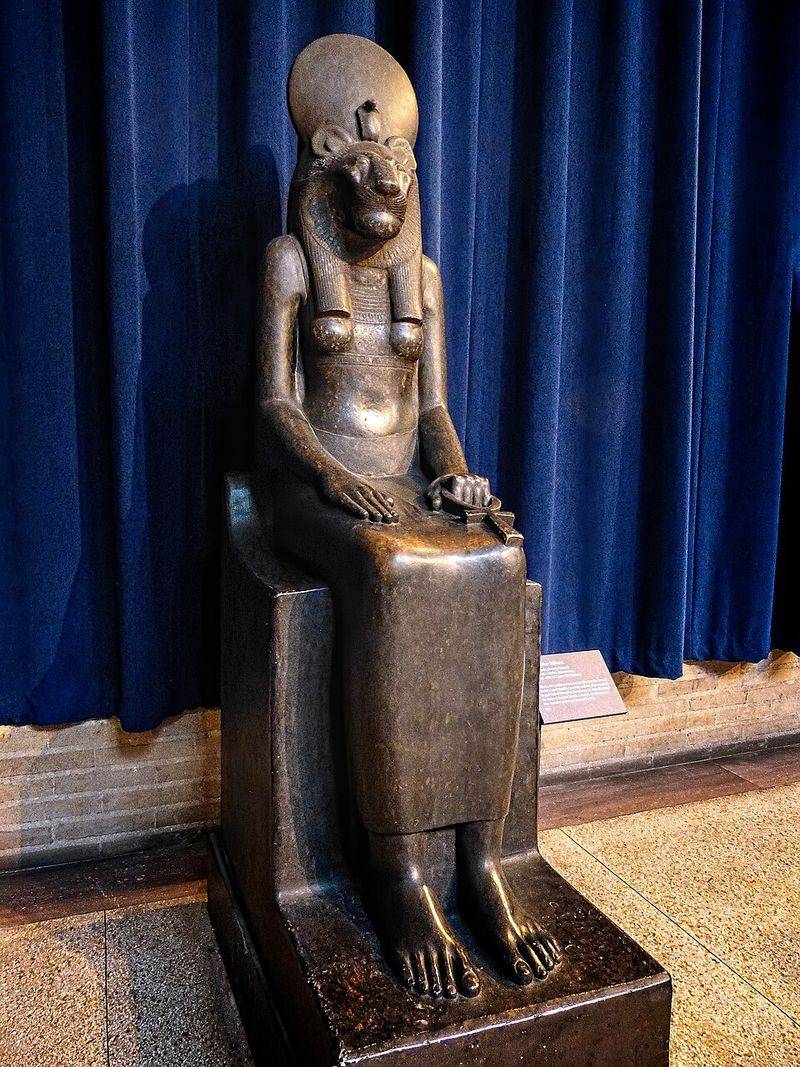
Ra, the Egyptian sun god, sent Sekhmet to punish humanity for its disobedience, and she took the assignment very seriously. The lion-headed goddess of war and destruction tore across the land with such ferocity that the gods themselves became terrified she would wipe out all of humanity.
Stopping her required a trick: flooding the fields with beer dyed red to look like blood.
Sekhmet drank the beer, became intoxicated, and the slaughter ended. But her story is more than just a tale of destruction.
She was also a goddess of healing, and her priests were among ancient Egypt’s most skilled physicians. The same power that could devastate could also restore.
Thousands of statues of Sekhmet were created during the reign of Pharaoh Amenhotep III, more than any other deity of the time. She represented the raw, uncontrollable force of nature that humans could honor but never truly command.
8. Kali (Hindu Mythology)
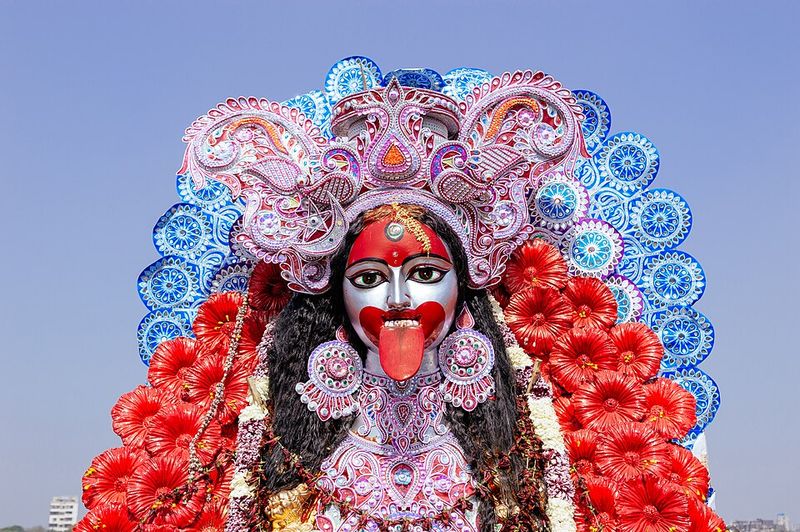
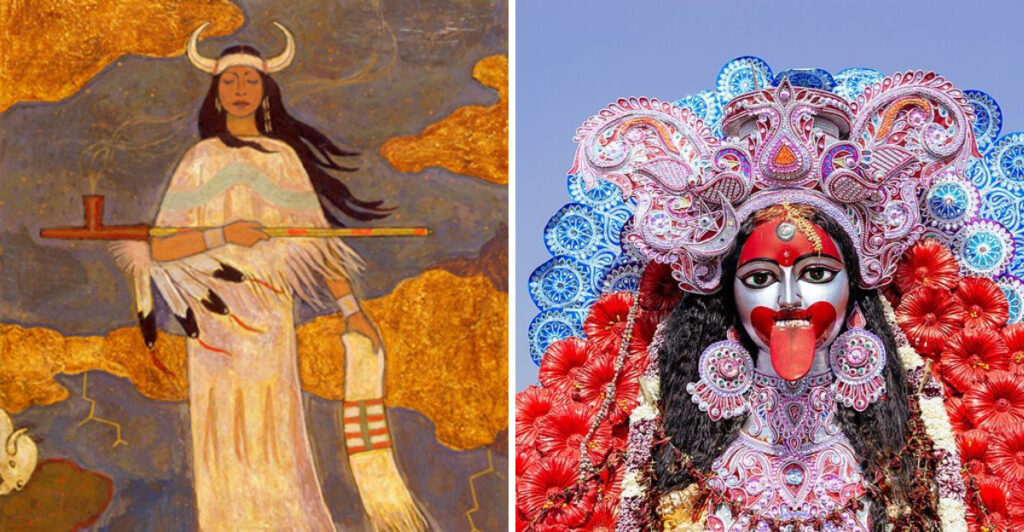
Kali arrived on the battlefield when no one else could stop the demon Raktabija, whose every drop of blood spawned a new demon when it hit the ground. Her solution was to drink all of his blood before it could fall, dancing across the field in a frenzy of destruction and liberation.
She is terrifying, yes, but her terror serves a purpose.
In Hindu tradition, Kali represents the destruction of ego, the end of illusion, and the fierce love of a mother who will do anything to protect her children. She is not simply chaos.
She is transformation, the necessary tearing down that makes new growth possible. Her tongue sticks out, her hair is wild, and she dances on the chest of the god Shiva.
Kali is widely worshipped across India and beyond, particularly in Bengal. Her festivals are joyful, loud, and full of color, a reminder that even the fiercest forces in mythology can be sources of deep devotion and community.
9. Oya (Yoruba Mythology)
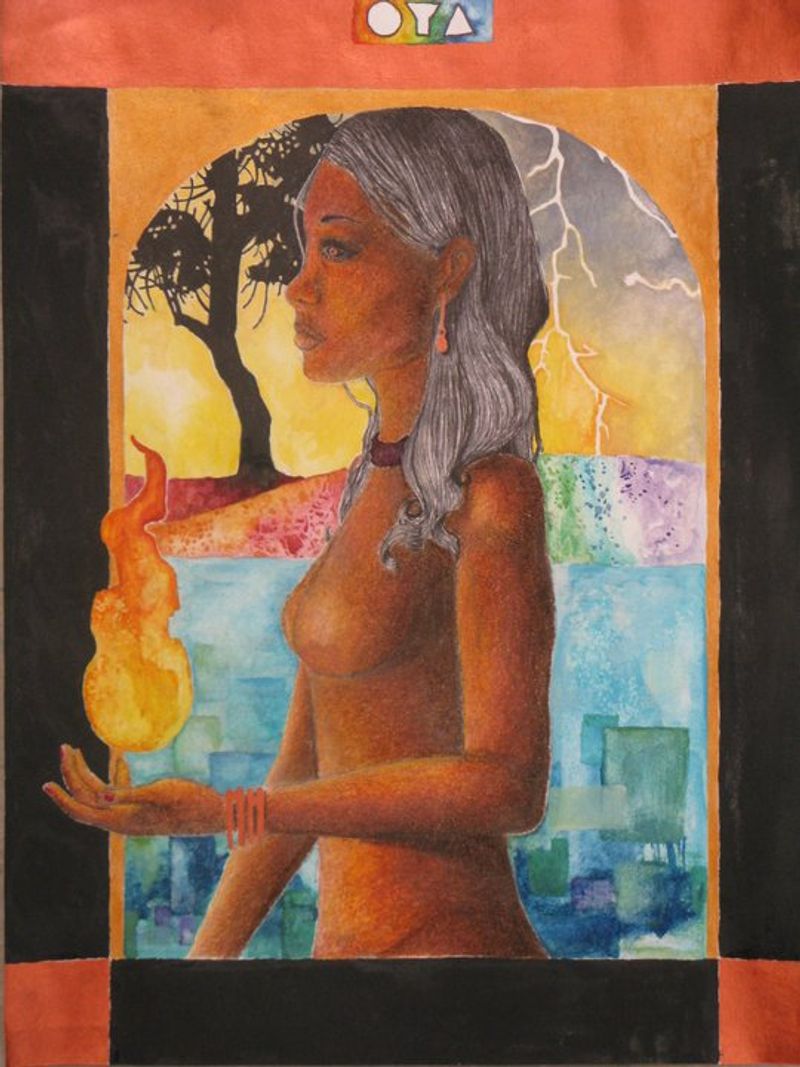
When a storm rolls in fast and the wind shifts direction without warning, some people say Oya has arrived. She is the Yoruba goddess of storms, lightning, wind, and radical change, one of the most dynamic and powerful orishas in the West African spiritual tradition.
She does not ease anyone into transformation; she blows the old away and clears the path for what comes next.
Oya is also associated with death and the marketplace, two spaces where life changes hands. She was a fierce warrior who fought alongside her husband Shango, the god of thunder, but she was never defined by that relationship.
Her power was entirely her own, and she wielded it with precision and without apology.
Her influence traveled across the Atlantic through the African diaspora, and she is honored today in traditions like Candomble, Santeria, and Trinidad’s Spiritual Baptist faith. Oya refuses to be contained by any single story or tradition.
10. Baba Yaga (Slavic Folklore)
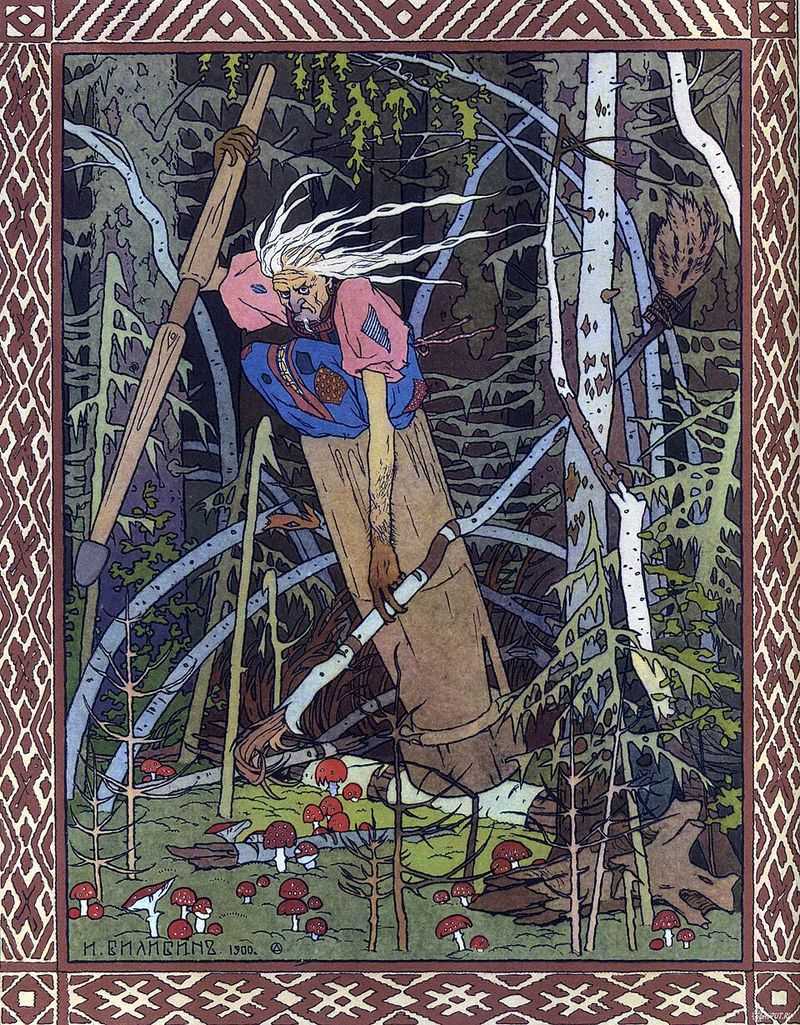
No king commands Baba Yaga. No hero impresses her automatically.
She lives deep in the Russian forest in a hut that stands on chicken legs, and she decides entirely on her own whether a visitor will leave with wisdom or become her next meal. That unpredictability is precisely what makes her one of Slavic folklore’s most unforgettable characters.
She is ancient, wild, and completely outside the social order. Heroes who approach her with arrogance tend to regret it.
Those who are respectful, resourceful, and clever often receive exactly the help they need. She is not good or evil in any simple sense; she is something older and stranger than either category.
Baba Yaga appears in dozens of Russian and Eastern European fairy tales, and her image has inspired countless books, films, and artworks. The John Wick film franchise even borrowed her name as a title of fear, proving her legend travels far from the Slavic forest.
11. Macha (Irish Mythology)
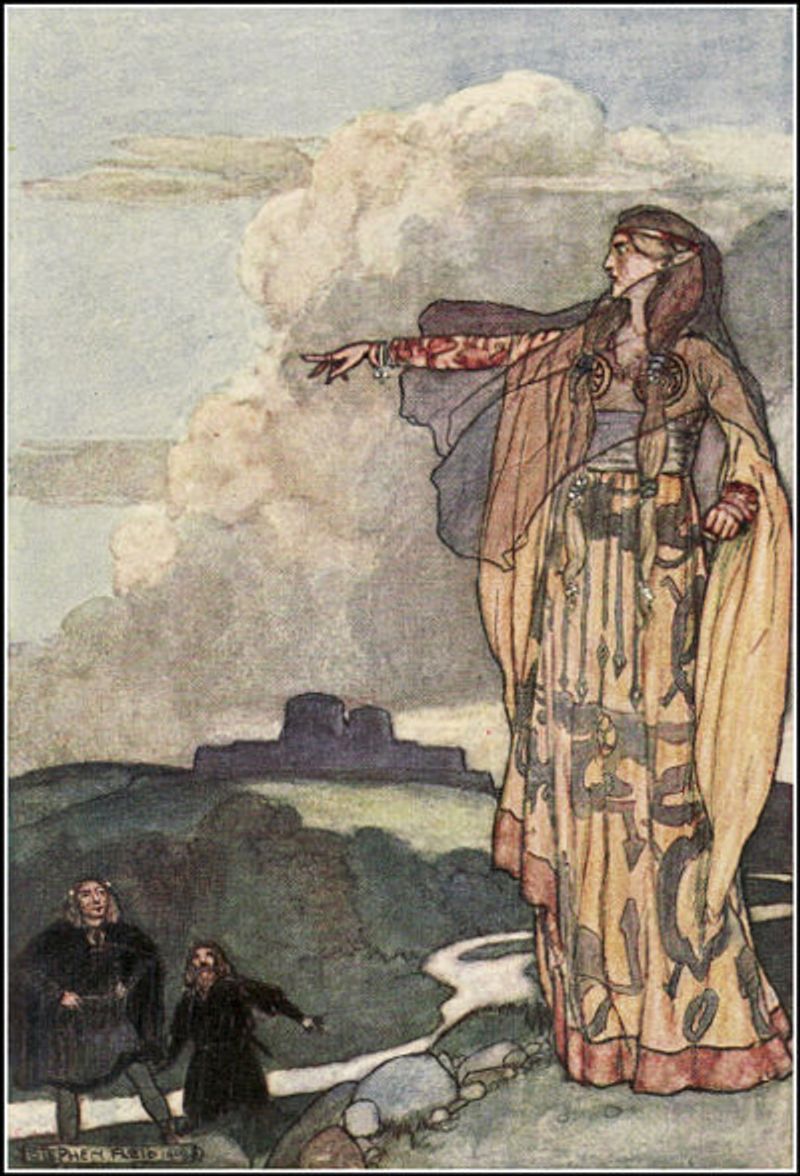
Macha’s story is one of the most haunting in Irish mythology, and it carries a message that still lands hard today. After marrying an Ulster man named Cruinniuc, she was forced by the king to race against his horses while heavily pregnant, simply because her husband had bragged about her speed.
She begged for mercy. The king refused.
She won the race and immediately gave birth to twins on the finish line. With her final breath before collapsing, she cursed the men of Ulster to suffer the pains of childbirth in their greatest hour of need for nine generations.
That curse, known as the ces noinden, plays a central role in the epic Tain Bo Cuailnge, one of Ireland’s greatest literary works.
Macha is also associated with horses, land, and sovereignty. She is a goddess who was wronged by men who underestimated her, and her response ensured they would never make that mistake again.
12. Anahita (Persian Mythology)
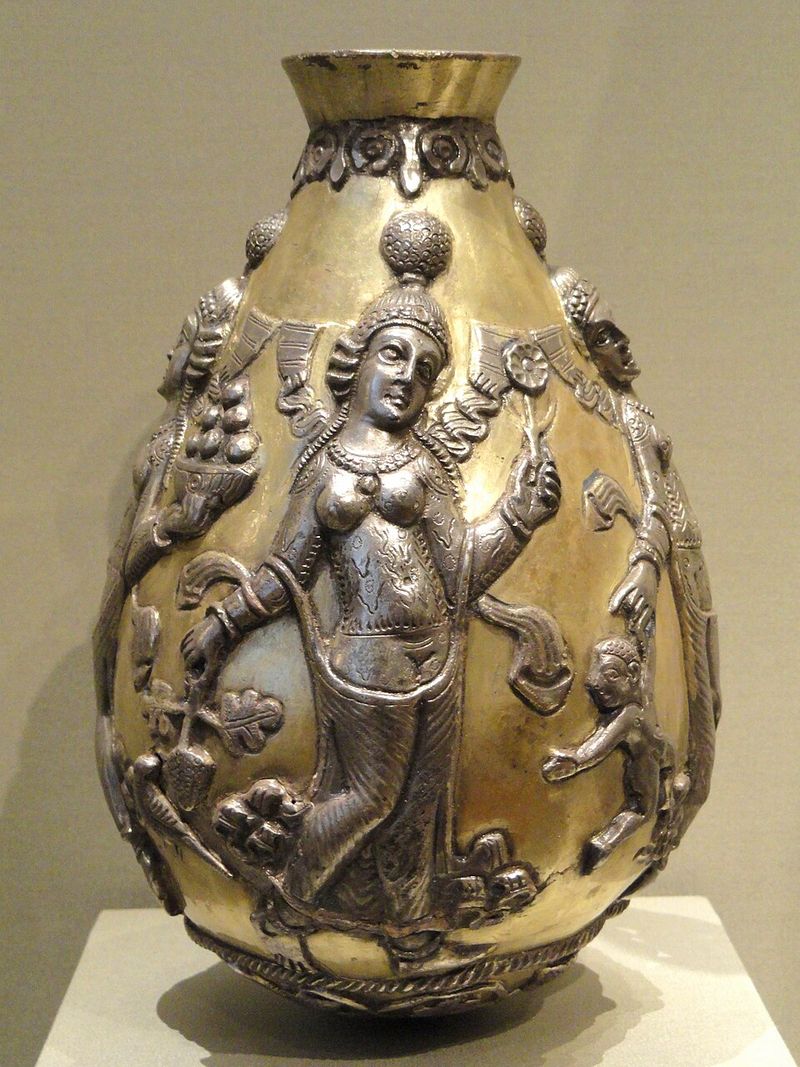
Revered across the ancient Persian Empire, Anahita was no quiet, passive deity. She was a goddess of water, fertility, and warfare, a combination that reflected how deeply ancient Iranians understood the connection between life-giving forces and the strength required to protect them.
Kings invoked her name before going to war, and farmers prayed to her for healthy harvests and clean rivers.
Her name means immaculate or pure, and she was depicted as a strong young woman wearing a golden crown, a beaver-fur cloak, and jeweled earrings. Her imagery appears in ancient inscriptions commissioned by Persian kings including Artaxerxes II, who spread her worship across the empire.
She was venerated from Egypt to Central Asia at the height of Persian power.
Anahita’s influence also filtered into Armenian, Zoroastrian, and even some Roman religious traditions over time. She represents a vision of divine femininity that is simultaneously nurturing and formidably powerful, a combination rarely given enough credit in ancient history.
13. Sedna (Inuit Mythology)
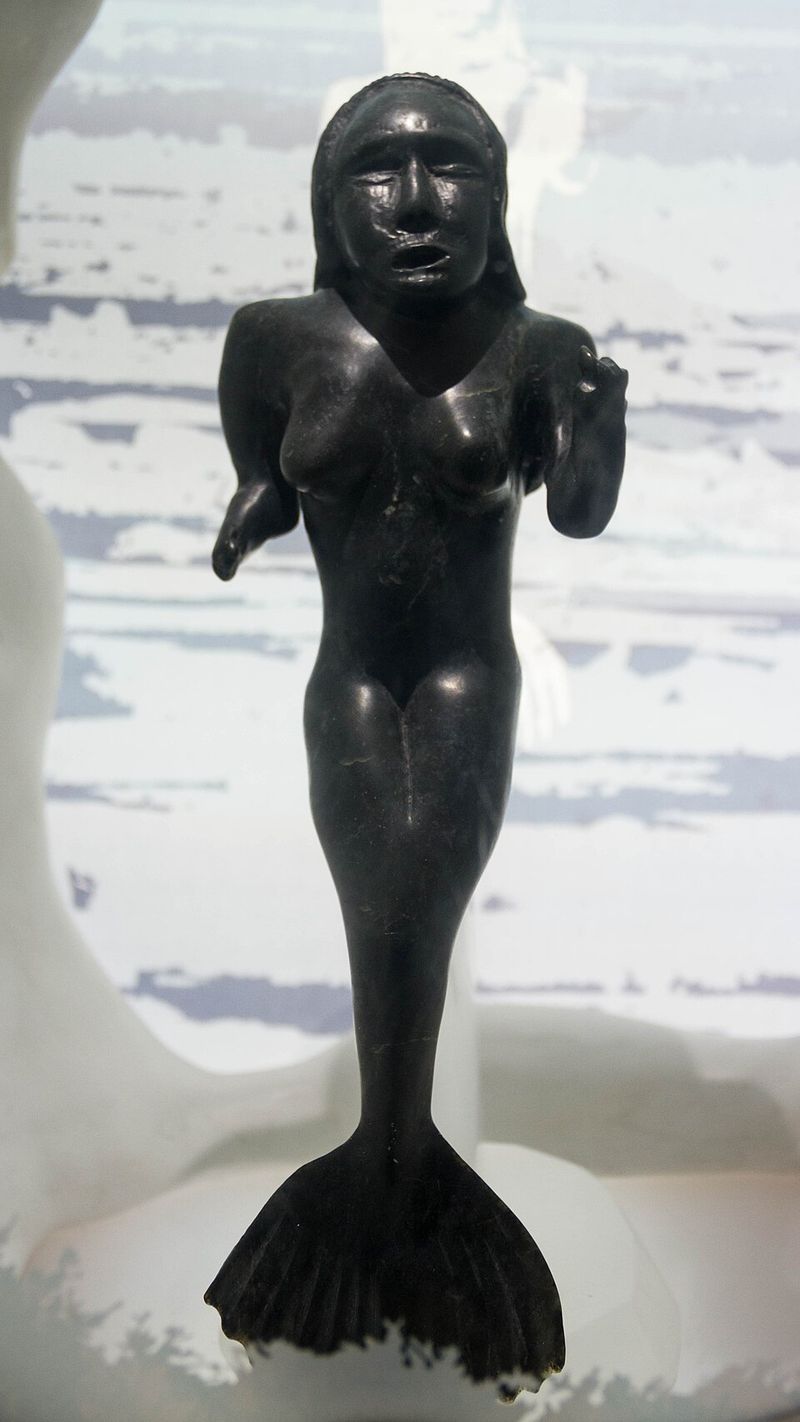
Sedna’s story begins with one of mythology’s most painful betrayals. Depending on the version, she was cast into the freezing Arctic sea by her own father, who cut off her fingers when she tried to climb back into the boat.
Her severed fingers became the seals, walruses, and whales that Inuit communities depended on for survival.
Rather than being destroyed by that betrayal, Sedna became something far greater. She sank to the ocean floor and became its ruler, the most powerful being in the Inuit spiritual world.
Shamans would journey to the bottom of the sea to comb her tangled hair, a ritual that maintained balance between humans and the animals of the sea.
Sedna’s transformation from victim to sovereign is one of mythology’s most striking arcs. In 2003, astronomers named a distant dwarf planet Sedna in her honor, recognizing that her story belongs to the cold, vast reaches of the cosmos.
14. White Buffalo Calf Woman (Lakota Tradition)
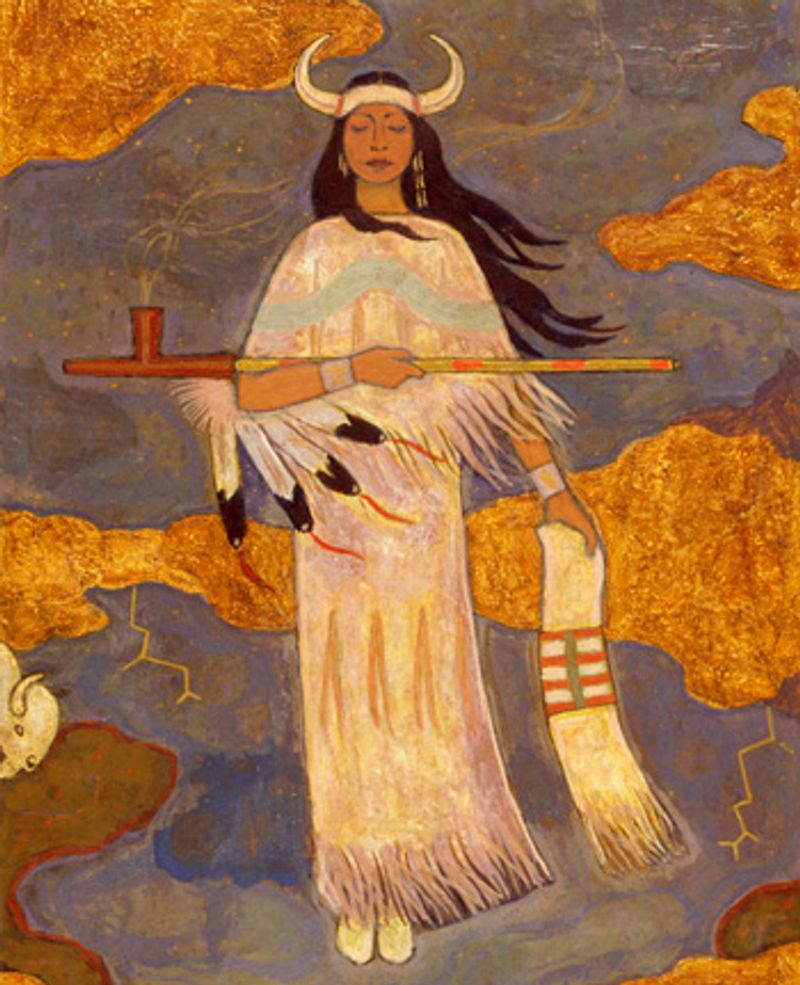
She appeared to two Lakota hunters as a beautiful woman dressed in white, carrying a bundle. One hunter approached her with disrespectful intentions and was immediately reduced to bones.
The other treated her with reverence and was told to prepare his people for her arrival. That contrast set the tone for everything White Buffalo Calf Woman represented.
She came to the Lakota people and gifted them the Chanunpa, the sacred pipe, along with seven sacred ceremonies that became the foundation of Lakota spiritual life. Her teachings emphasized balance, respect for all living things, and the deep responsibility humans carry toward the earth and one another.
After delivering her teachings, she transformed into a white buffalo calf and disappeared into the horizon.
White Buffalo Calf Woman is not simply a mythological figure to the Lakota people. She is a living spiritual presence whose teachings guide communities to this day, representing wisdom, sacred authority, and the enduring strength of Indigenous tradition.
Share this story