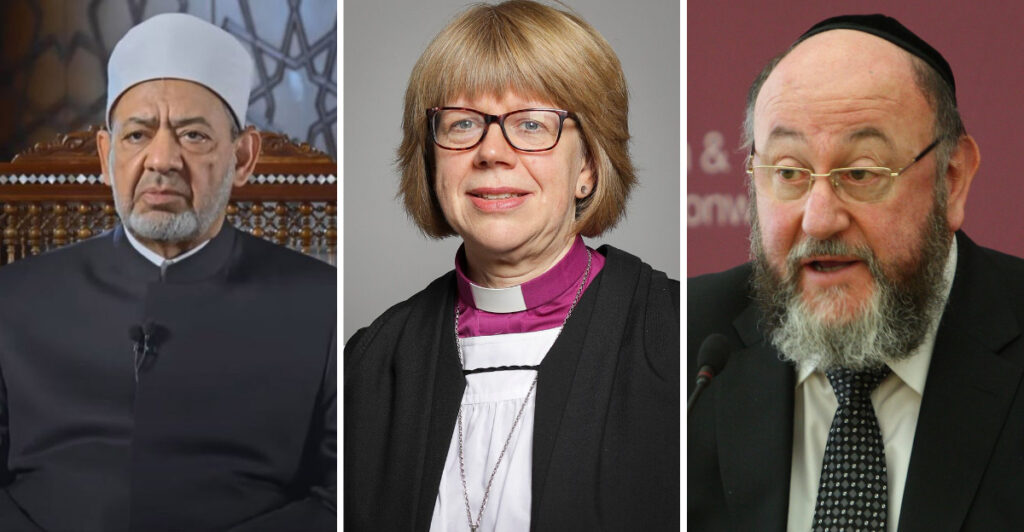
Ever wondered what the world’s most powerful religious leaders actually earn? From the pope in Vatican City to the Dalai Lama in Dharamsala, the financial arrangements behind these influential figures are surprisingly varied.
Some receive government salaries, others rely on book royalties, and a few claim to take nothing at all. Here is a straightforward look at 15 religious leaders and the real story behind their earnings.
1. Pope Leo XIV (Catholic Church)
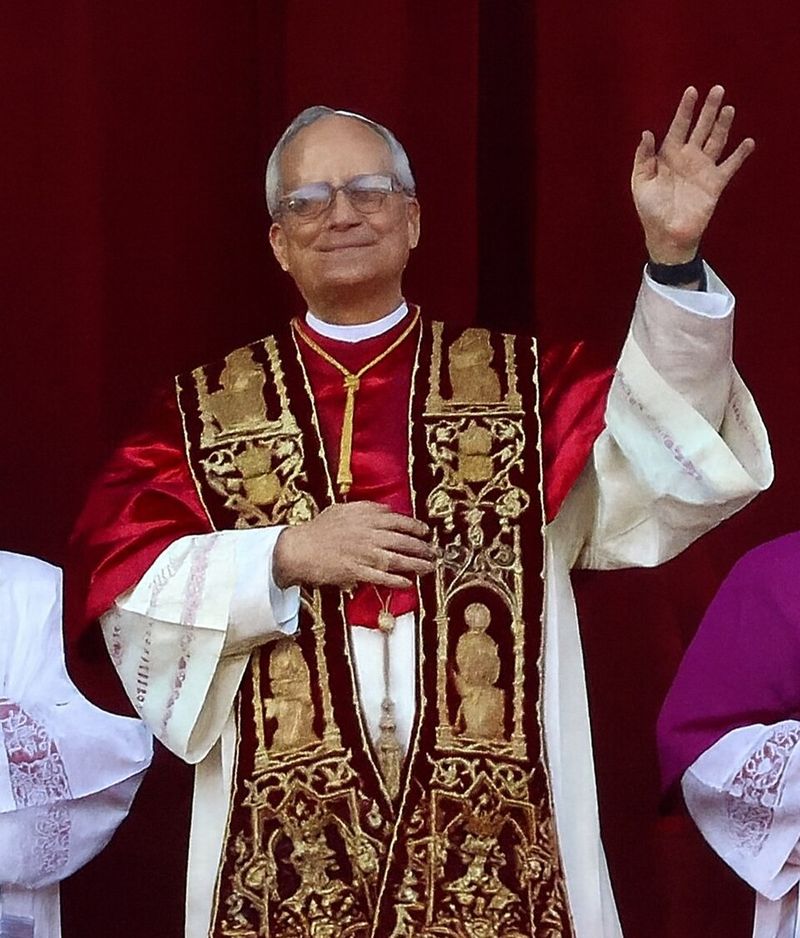
No paycheck arrives each month for the leader of the world’s largest Christian denomination. Pope Leo XIV receives no salary whatsoever from the Catholic Church or the Vatican.
Instead, the Vatican takes care of essentially everything he needs to live. Housing inside the Apostolic Palace, meals, medical care, transportation, and round-the-clock security are all covered by the institution itself.
This arrangement has been standard practice for popes for centuries. The Vatican operates as an independent city-state with its own finances, meaning the pope lives comfortably without ever needing personal income.
His role is viewed as a spiritual calling rather than a job with a paycheck attached. For Catholics worldwide, that distinction carries deep symbolic meaning.
2. Archbishop of Canterbury (Church of England)
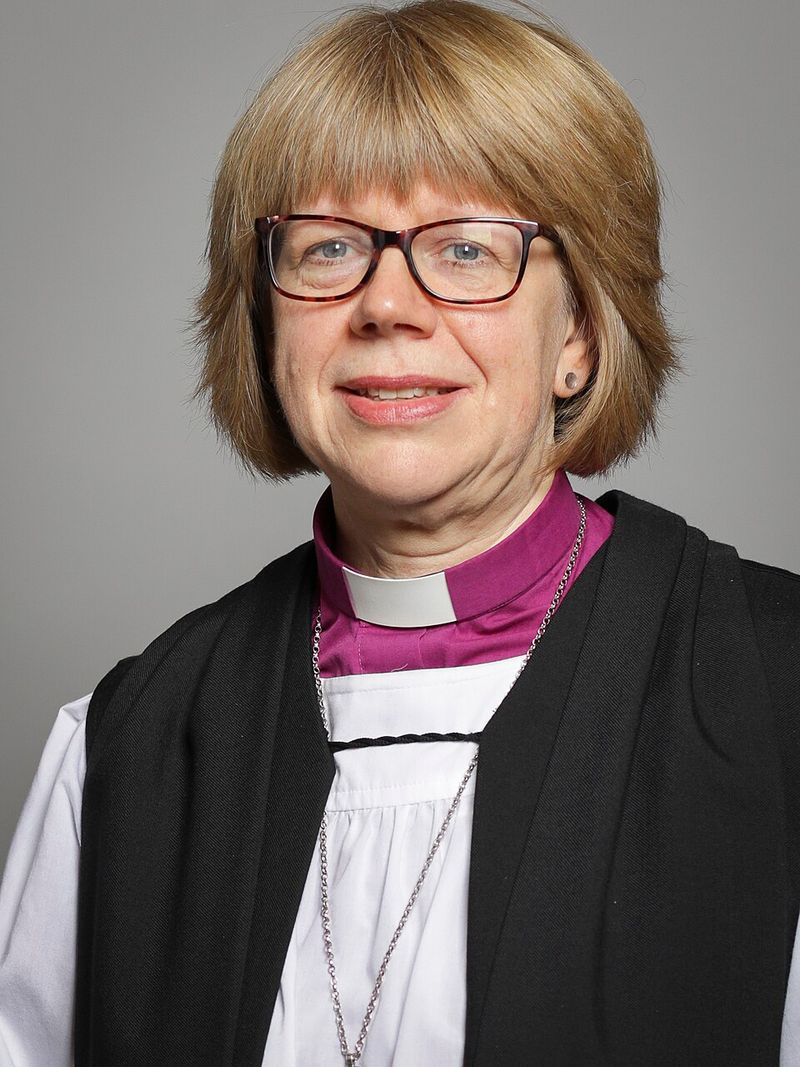
Leading the Church of England comes with a real salary, and it is publicly known. The Archbishop of Canterbury earns approximately 100,000 British pounds, which equals roughly 135,000 US dollars per year.
That funding comes directly from the Church Commissioners, the financial body that manages the Church of England’s historic assets. On top of the salary, the Archbishop receives an official residence called Lambeth Palace, a grand historic building in London.
Additional benefits and travel expenses are also covered, which makes the total compensation package considerably more generous than the base figure alone. The role involves leading millions of Anglican Christians globally, managing interfaith dialogue, and advising the British government on moral and social issues.
Given those responsibilities, many observers consider the compensation reasonable for a position of such enormous scope and public visibility.
3. Chief Rabbi of the United Kingdom
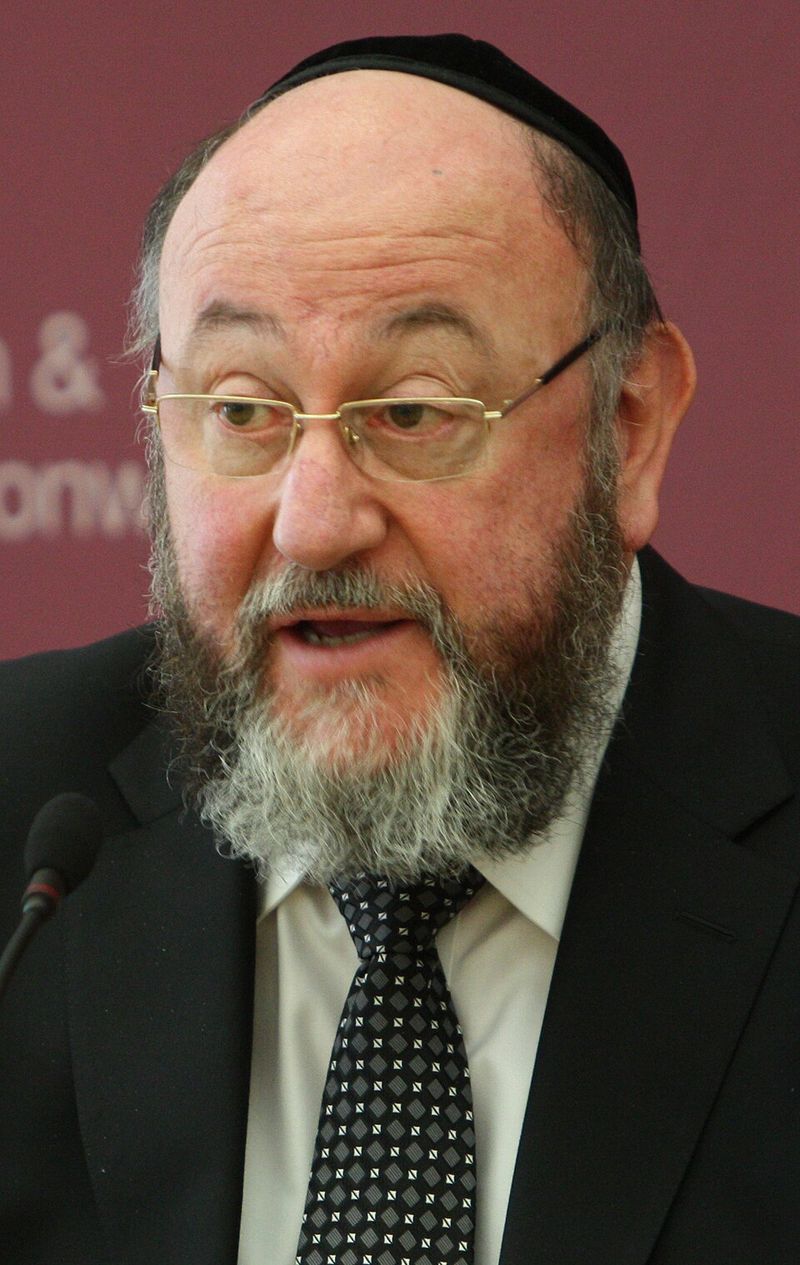
Among the highest-paid religious leaders on this list, the Chief Rabbi of the United Kingdom earns approximately 200,000 British pounds annually, or around 270,000 US dollars. That figure stands out significantly compared to many other faith leaders around the world.
Funding for the position comes from the United Synagogue, the largest synagogue organization in the United Kingdom, along with related communal organizations. The salary reflects both the prestige of the role and the financial strength of the British Jewish community.
The Chief Rabbi serves as a public spokesperson for Jewish values in Britain, engages with government officials, and provides religious guidance to Jewish congregations across the country. The position carries considerable media attention, particularly on issues affecting Jewish communities in Europe.
It is one of the most formally structured and well-compensated religious leadership roles in the United Kingdom today.
4. Chief Rabbi of Israel (Ashkenazi)
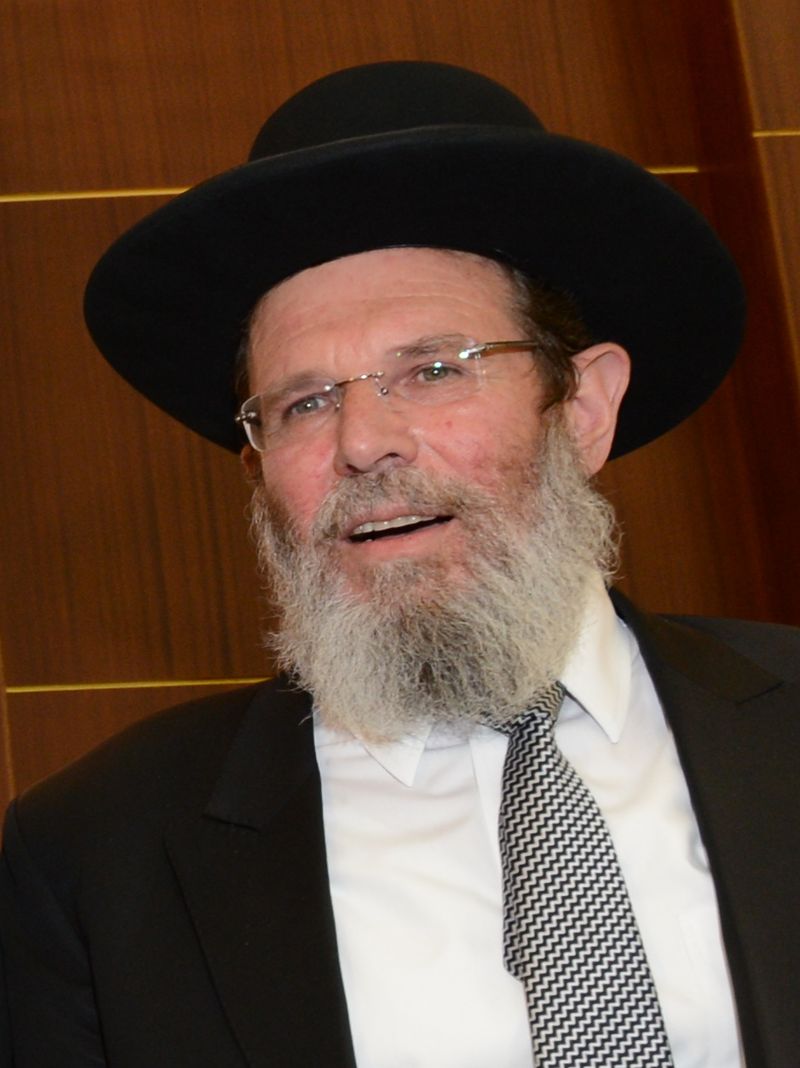
Unlike many religious leaders who depend on private donations or church funds, Israel’s Ashkenazi Chief Rabbi is paid directly by the government. The annual compensation package reaches approximately 800,000 Israeli shekels, which translates to roughly 215,000 US dollars including benefits.
That makes the position one of the most financially secure religious leadership roles in the Middle East. Israel officially recognizes both the Ashkenazi and Sephardi Chief Rabbis as state officials, which means their salaries come from public tax money.
This arrangement reflects Israel’s unique blend of religion and government administration. The Ashkenazi Chief Rabbi oversees matters of Jewish law for communities with Eastern European heritage, including marriage, divorce, and conversion rulings that carry legal weight in Israel.
Critics have occasionally questioned whether taxpayer funding for religious positions is appropriate, sparking ongoing public debate about the separation of religion and state in Israel.
5. Chief Rabbi of Israel (Sephardi)
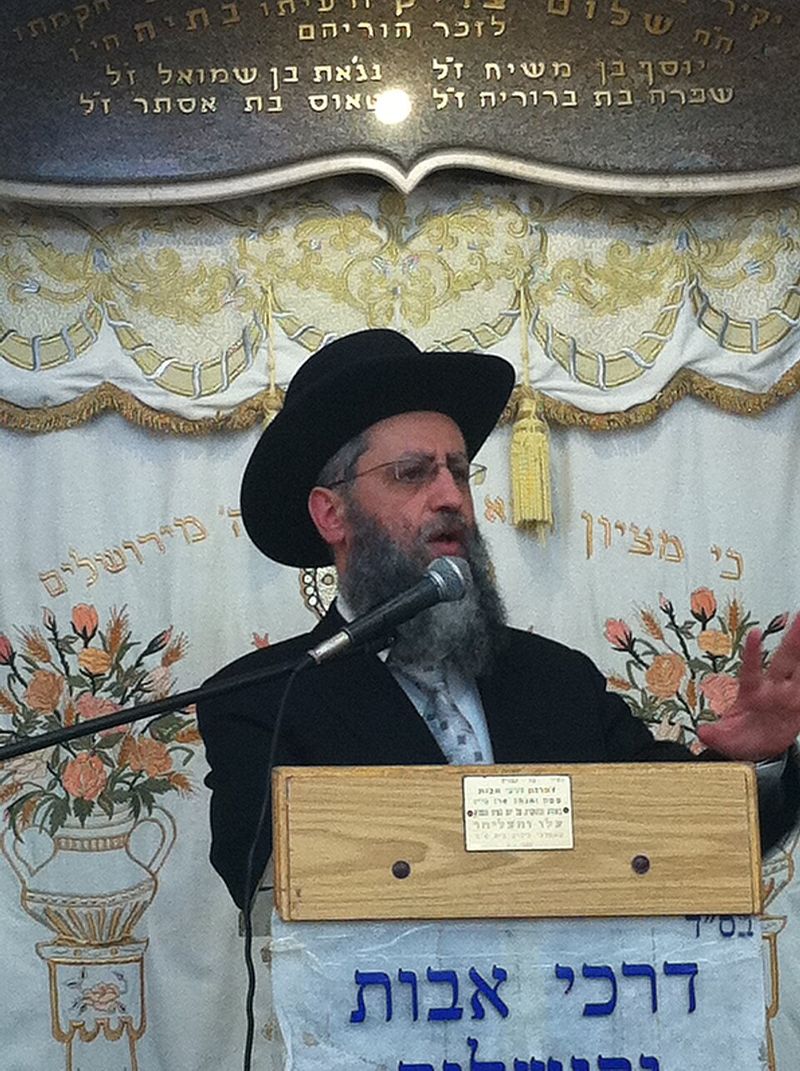
Mirroring the Ashkenazi Chief Rabbi’s arrangement almost exactly, the Sephardi Chief Rabbi of Israel also receives a government-funded compensation package of approximately 800,000 Israeli shekels per year, equal to around 215,000 US dollars with benefits included.
The Sephardi Chief Rabbi represents Jewish communities with roots in Spain, North Africa, and the Middle East. Like his Ashkenazi counterpart, he holds the status of a public official under Israeli law, making the State of Israel his employer in a very formal sense.
Both chief rabbis share authority over Israel’s official rabbinical court system, which handles religious legal matters for the country’s Jewish population. The dual-rabbi structure dates back to the British Mandate period and has continued into modern Israel.
Having two equally funded top rabbis is a distinctive feature of Israeli religious governance that surprises many people learning about it for the first time.
6. President of The Church of Jesus Christ of Latter-day Saints
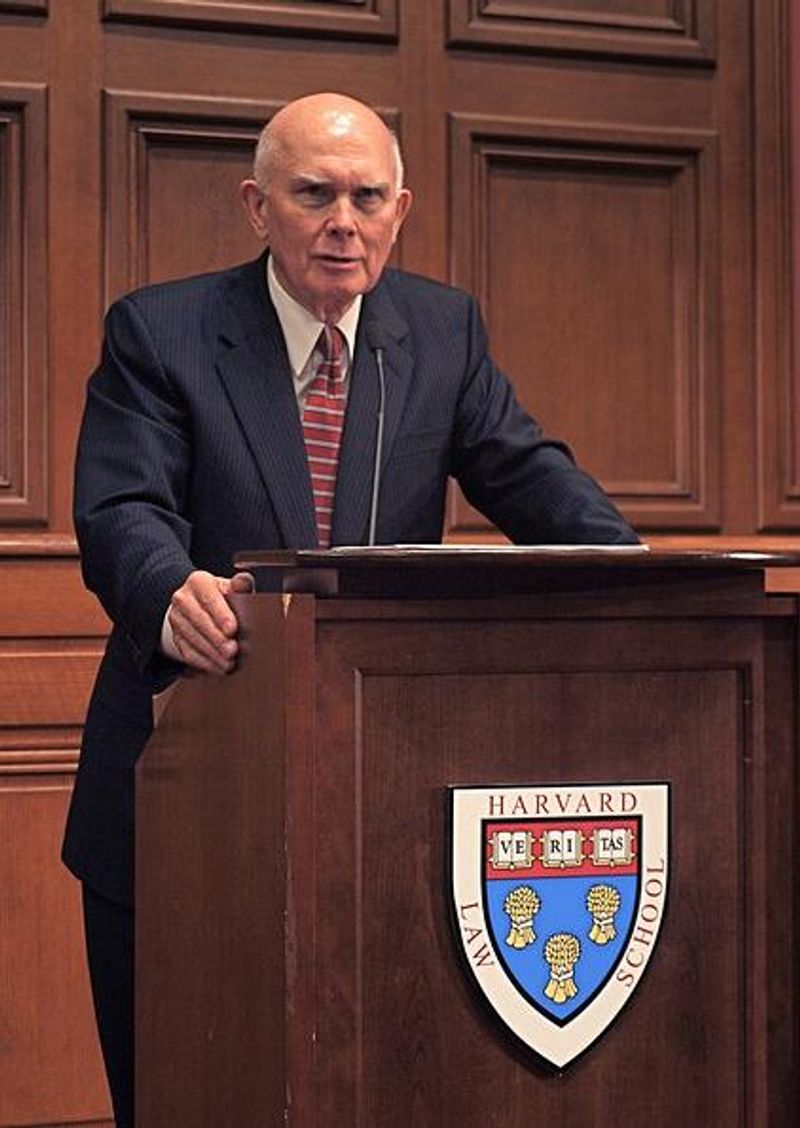
Transparency is not a strong suit when it comes to the financial details of this position. The President of The Church of Jesus Christ of Latter-day Saints does not receive a traditional salary, and the church has never publicly disclosed the amount of the living allowance provided to its top leader.
Senior General Authorities across the church receive what is described as a modest living allowance rather than a formal paycheck. The church emphasizes that leaders are not compensated in the way corporate executives might be.
However, housing, travel, and other expenses are covered institutionally. The church is one of the wealthiest religious organizations in the world, with estimated assets in the hundreds of billions of dollars.
Given that scale, the lack of public financial disclosure for its top leadership has drawn attention from journalists and former members who advocate for greater financial transparency from the institution.
7. Presiding Bishop of The Episcopal Church (USA)
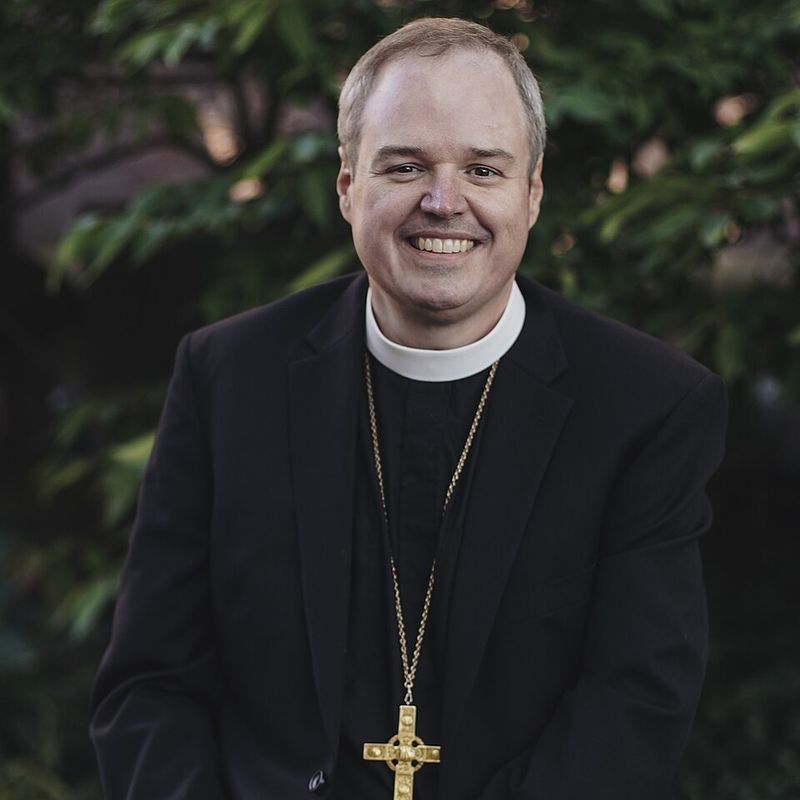
As a registered nonprofit organization, the Episcopal Church is required to report executive compensation through its governance structures, which means some financial information is available to the public. The Presiding Bishop’s total compensation package has generally fallen in the low-to-mid six figures, including benefits and housing allowances.
Exact annual totals can shift depending on the specific terms negotiated for each presiding bishop’s term. Benefits such as travel, housing, and healthcare contribute meaningfully to the overall package beyond just the base pay figure.
The Presiding Bishop leads roughly 1.7 million Episcopalians across the United States and serves as the chief pastor and executive officer of the church. The role requires extensive travel, public speaking, and engagement with global Anglican leadership.
For a denomination of this size and institutional complexity, a six-figure compensation package aligns broadly with what comparable nonprofit executives might earn in similar leadership positions.
8. Southern Baptist Convention President
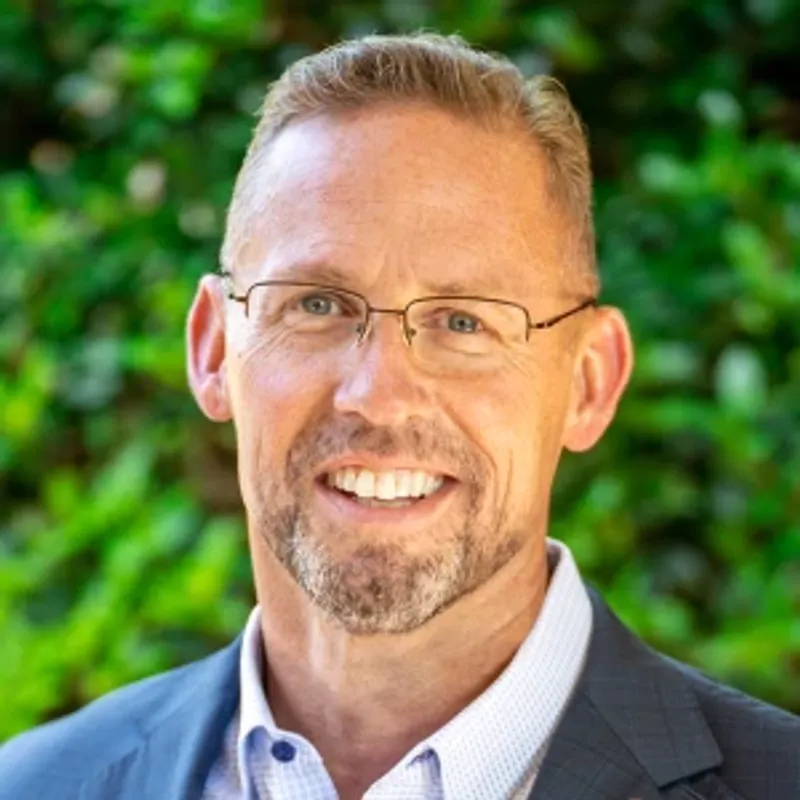
Here is something that surprises many people: the president of one of the largest Protestant denominations in the United States earns nothing from that office. The Southern Baptist Convention presidency is completely unpaid.
Whoever holds the title continues working their regular job, which is typically serving as a senior pastor at a local church or leading a ministry organization. Their church or ministry pays their salary, not the SBC itself.
The convention meets annually, and the president serves a two-year term with very limited formal powers. The SBC operates as a loosely connected network of autonomous churches rather than a top-down hierarchy, which partly explains why the presidency carries no paycheck.
The role is largely ceremonial and representational. Still, being elected SBC president carries significant influence within evangelical Christianity, making it a sought-after title despite offering absolutely zero financial compensation for holding it.
9. Joel Osteen (Lakewood Church)
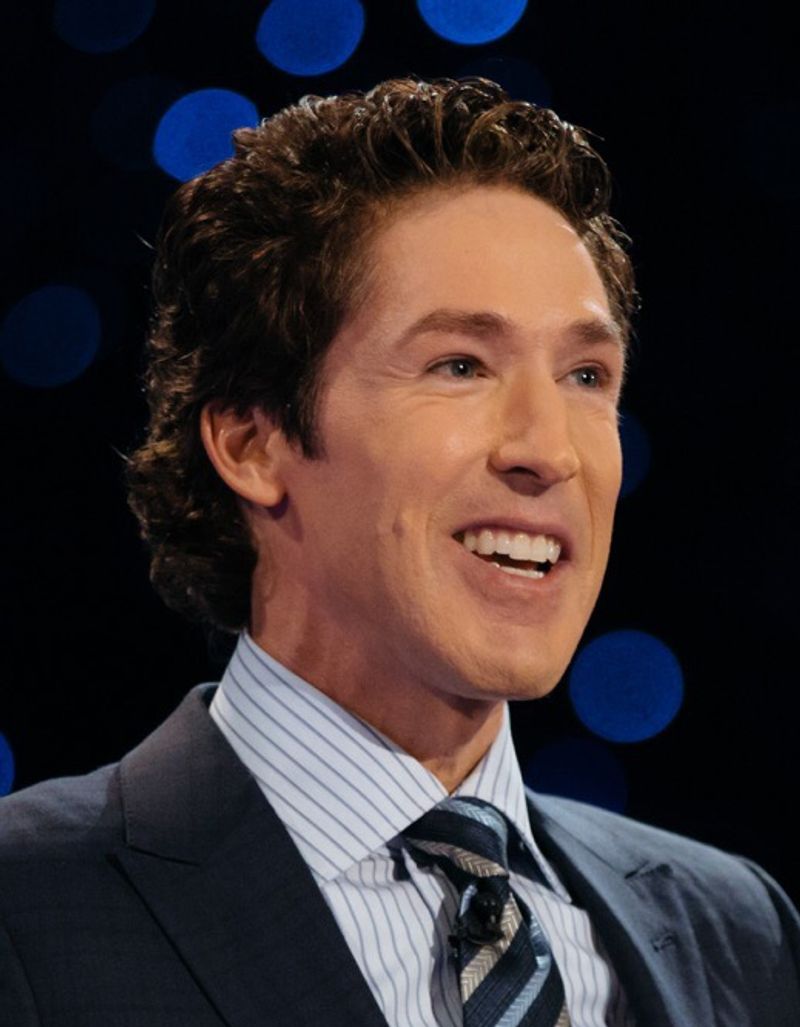
Few religious figures in America generate as much curiosity about money as Joel Osteen. The pastor of Lakewood Church in Houston, one of the largest congregations in the United States, has consistently stated that he takes no salary from the church itself.
His income flows from a different direction entirely: book deals, speaking engagements, and publishing royalties. Bestselling titles like “Your Best Life Now” have generated millions of dollars in personal revenue over the years.
Osteen began forgoing his church salary after his books became commercially successful, a decision he has mentioned in multiple interviews. This arrangement has drawn both admiration and skepticism.
Supporters see it as generous; critics point to his estimated net worth and his Houston mansion as evidence that the line between ministry and personal wealth can blur considerably. His financial story remains one of the most discussed in American religious life.
10. Rick Warren (Founder, Saddleback Church)
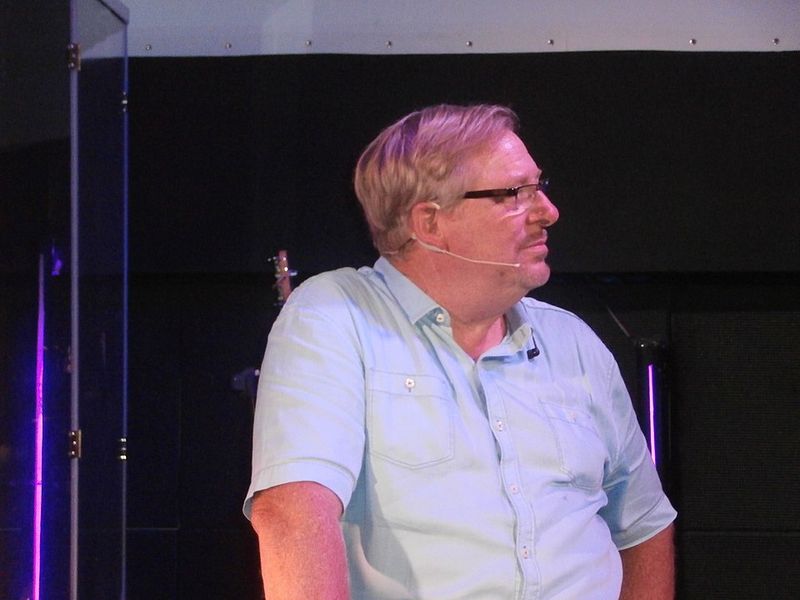
Rick Warren built one of America’s most well-known megachurches and wrote one of the best-selling nonfiction books in history, “The Purpose Driven Life.” But since 2005, he has not taken a single dollar in salary from Saddleback Church.
Warren made a deliberate and public decision to stop accepting church pay once his book royalties provided more than enough income to live on. He has also described repaying the church for all the salary he received during his earlier years of ministry.
This approach, which he calls reverse tithing, involves giving away the majority of his income rather than accumulating personal wealth. Warren stepped back from leading Saddleback in 2022, but his financial philosophy continued to attract attention.
His story illustrates how book publishing can transform a pastor’s financial picture dramatically, allowing some ministry leaders to fund their lives entirely outside traditional church salary structures.
11. Enoch Adeboye (Redeemed Christian Church of God)
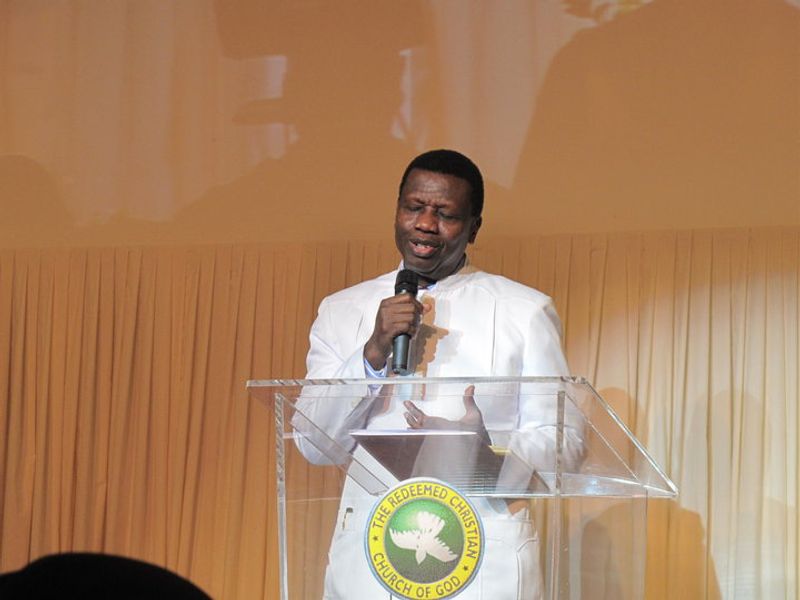
Enoch Adeboye leads one of the fastest-growing Pentecostal churches in the world. The Redeemed Christian Church of God has congregations across more than 190 countries, making Adeboye one of the most globally influential African religious leaders alive today.
Despite overseeing such a massive organization, Adeboye has publicly stated that he receives no salary from the church. He has made this claim in various interviews over the years, framing it as a matter of personal conviction and spiritual integrity.
How he funds his lifestyle and travels is not fully detailed in public disclosures. The church itself operates extensive business and educational enterprises in Nigeria, which complicates any straightforward assessment of where personal and institutional finances begin and end.
Adeboye’s reputation among his followers is deeply revered, and his claimed financial sacrifice adds to the almost legendary status he holds within the global Pentecostal Christian community.
12. Patriarch Kirill of Moscow
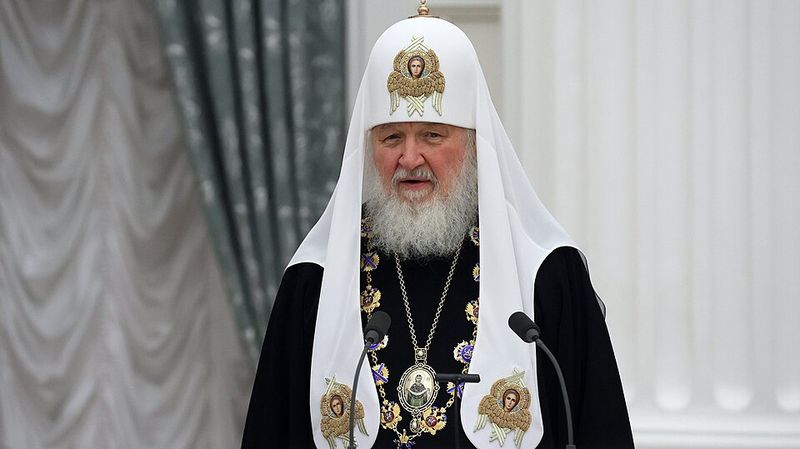
The Russian Orthodox Church does not release salary figures for its patriarch, so the exact compensation Patriarch Kirill receives remains officially unknown. What is publicly known, however, is that he lives very well by any standard.
Journalists and investigative reporters have documented luxury watches, expensive residences, and a lifestyle that suggests access to considerable resources. Kirill has denied some of these reports, and the church has pushed back against what it calls unfair media portrayals.
The financial structure of the Russian Orthodox Church is notably opaque compared to Western religious institutions. State support, donations from wealthy business figures, and church-owned property all contribute to the institution’s wealth.
Whether and how much of that flows to the patriarch personally is unclear. His position gives him enormous political influence in Russia, particularly given his close relationship with President Vladimir Putin, which adds another complex layer to any financial discussion about his role.
13. Ecumenical Patriarch Bartholomew I
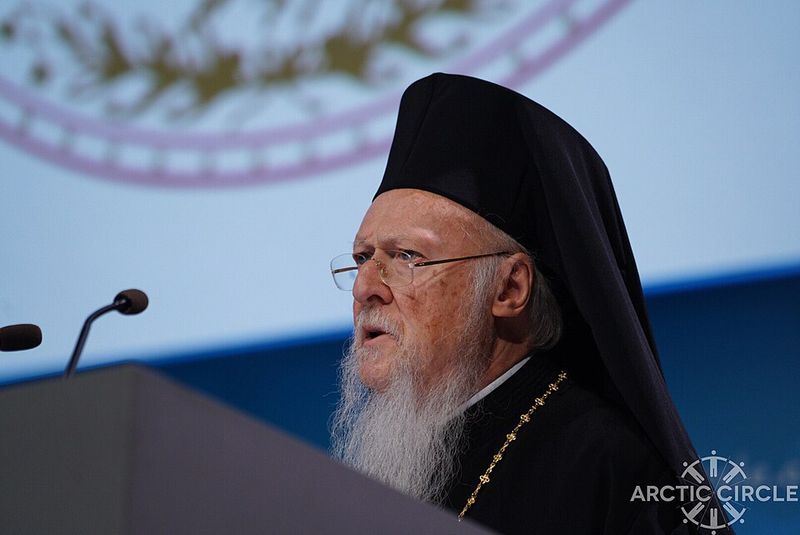
Based in Istanbul, Turkey, Ecumenical Patriarch Bartholomew I leads the Eastern Orthodox Church as its spiritual head, a role that carries enormous historical and theological weight. Yet the financial details of his position are not made public.
The Ecumenical Patriarchate does not publish compensation figures, and Bartholomew has never publicly disclosed a personal salary. He receives institutional support that covers his living expenses and the operational needs of the Patriarchate.
The Patriarchate operates with limited resources compared to wealthier Western churches, as it functions within Turkey under legal restrictions that have historically constrained its ability to own property and operate freely. Despite those challenges, Bartholomew has earned a global reputation as an advocate for environmental protection, earning him the nickname the Green Patriarch.
His influence comes not from financial power but from moral authority and centuries of Orthodox Christian tradition that his office represents worldwide.
14. Grand Imam of Al-Azhar (Egypt)
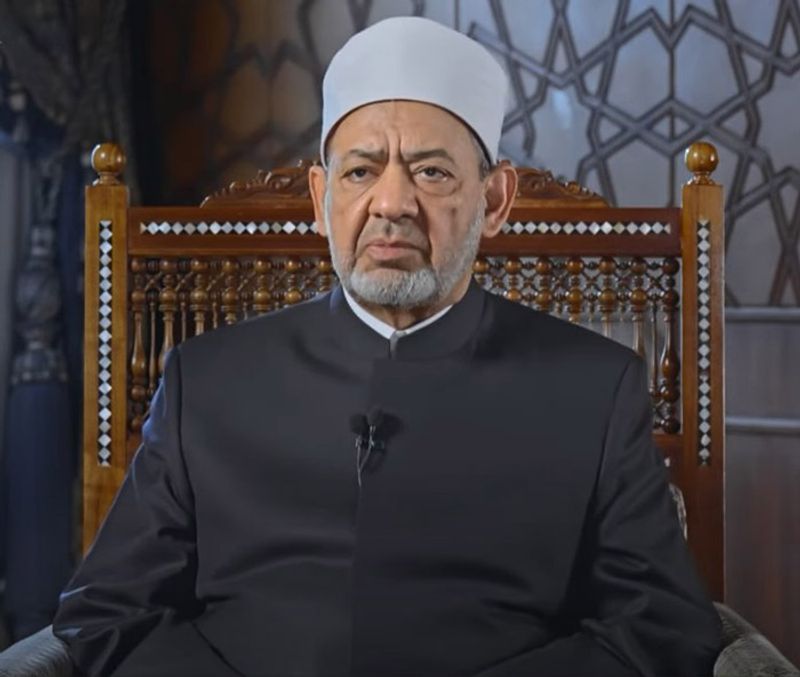
Al-Azhar University in Cairo is one of the oldest and most respected centers of Islamic scholarship in the world. The Grand Imam who leads it holds one of the most authoritative positions in Sunni Islam globally, influencing religious rulings followed by hundreds of millions of Muslims.
Despite that immense influence, official salary figures for the Grand Imam are not publicly available. The position is supported by both the Egyptian state and Al-Azhar’s own institutional resources, but specific compensation details have never been formally disclosed.
Egypt’s government funds Al-Azhar significantly, which means the Grand Imam effectively operates as a state-supported religious figure. This connection between the Egyptian government and Al-Azhar leadership has at times raised questions about religious independence.
Ahmed el-Tayeb has held the position since 2010 and has been an active voice on interfaith dialogue, extremism, and Islamic reform, making him a prominent figure on the world stage.
15. Dalai Lama (14th Dalai Lama)
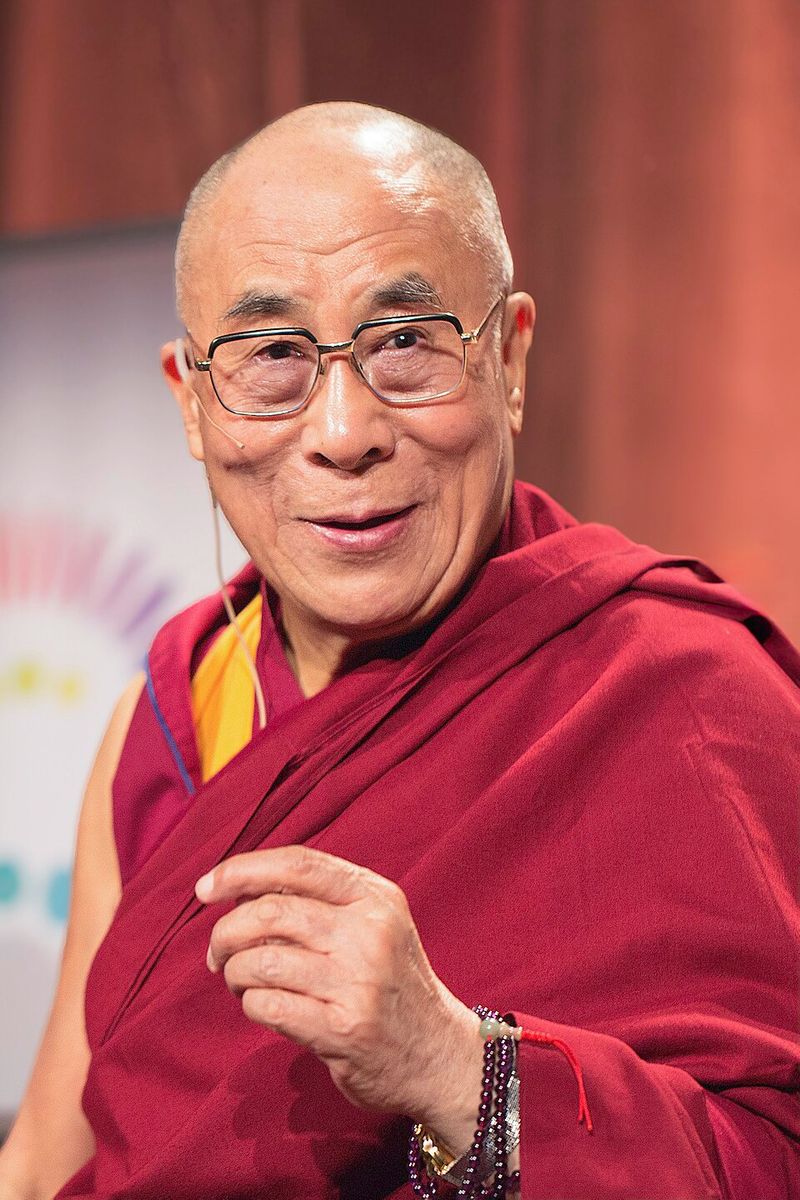
Known around the world for his warm smile and message of compassion, the 14th Dalai Lama, Tenzin Gyatso, does not hold any government position that comes with a paycheck. He has lived in exile in Dharamsala, India since fleeing Tibet in 1959, and no official salary accompanies his role.
His financial support comes from several directions. Book royalties from titles like “The Art of Happiness” generate substantial income.
Speaking fees, donations from supporters, and the operational budget of his office in Dharamsala also contribute to sustaining his work and travel.
The Central Tibetan Administration, which functions as a government-in-exile, provides institutional support as well. The Dalai Lama has spoken openly about money, often describing material wealth as secondary to inner peace.
At 89, he remains one of the most recognized spiritual figures on Earth, beloved across religious traditions far beyond Tibetan Buddhism itself.
Share this story