Georgia is packed with incredible places to explore, and you do not need a big travel budget or a week off work to enjoy them. From towering waterfalls and ancient canyon walls to coastal beaches and historic small towns, the state offers a surprising range of one-day escapes that feel far bigger than the drive required.
Whether you are looking for outdoor adventure, a quiet history stop, or a walkable downtown with good food, there is a day trip here that fits your plans. This list covers 16 real, affordable, and genuinely worthwhile Georgia getaways that are easy to pull off in a single day, no hotel booking required.
Amicalola Falls State Park and Lodge, Dawsonville, Georgia
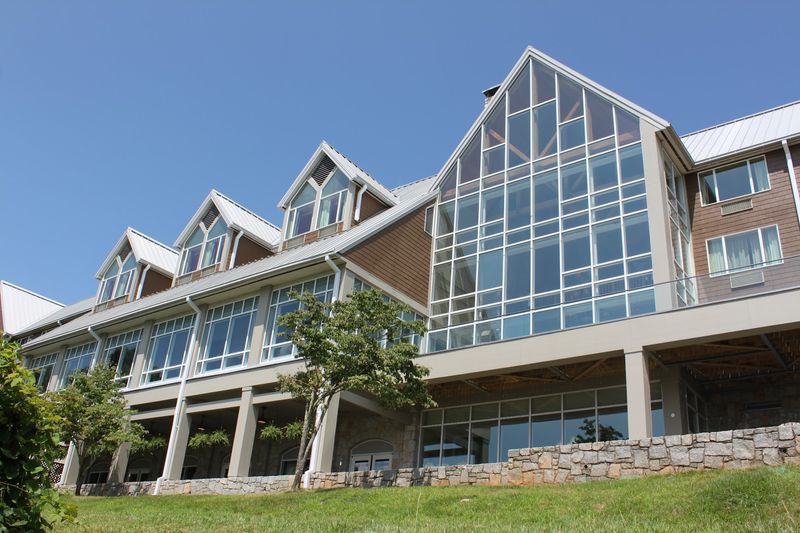
Standing at the base of a 729-foot waterfall has a way of making everything else feel small. Amicalola Falls State Park in Dawsonville is home to the tallest cascading waterfall in the Southeast, and the good news is that you do not need to be an experienced hiker to enjoy it.
The park offers viewing areas that are accessible without a strenuous climb, so families with younger kids or visitors who want a more relaxed experience can still get a solid look at the falls. For those who want more of a workout, the stair trail to the top adds real physical challenge and rewarding views.
Parking requires a Georgia ParkPass, which costs a few dollars and covers most state parks. The falls are most dramatic after heavy rainfall, so timing your visit after a wet stretch of weather makes the scenery even more impressive.
This one is worth the early start.
Providence Canyon State Park, Lumpkin, Georgia
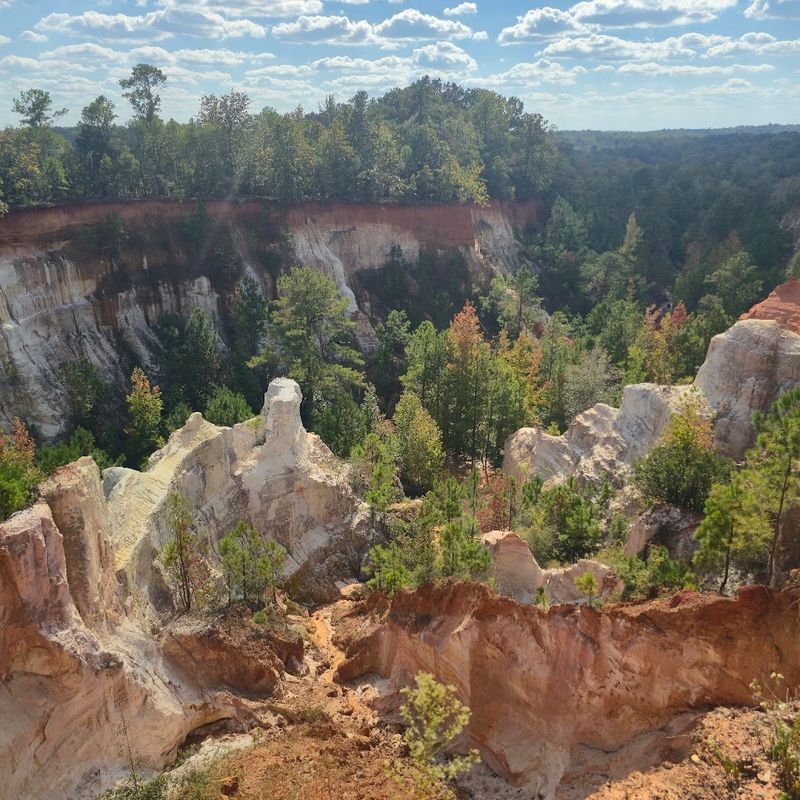
Providence Canyon earns its “Little Grand Canyon” nickname the moment you step to the rim and look down at walls of pink, orange, red, and purple layered earth. What makes it even more interesting is knowing those dramatic formations were not carved by ancient geology alone.
Poor farming practices in the 1800s caused severe erosion, and over generations, the land shaped itself into one of the most visually striking landscapes in the entire state. Today the park draws hikers, photographers, and curious families who want something that does not look like any other Georgia park.
The canyon floor trail lets visitors walk among the formations up close, which gives a completely different perspective than the rim overlooks. The park is open year-round, though spring wildflowers add extra color to an already colorful place.
Admission is covered by a standard Georgia ParkPass, keeping the trip affordable from start to finish.
Tallulah Gorge State Park, Tallulah Falls, Georgia
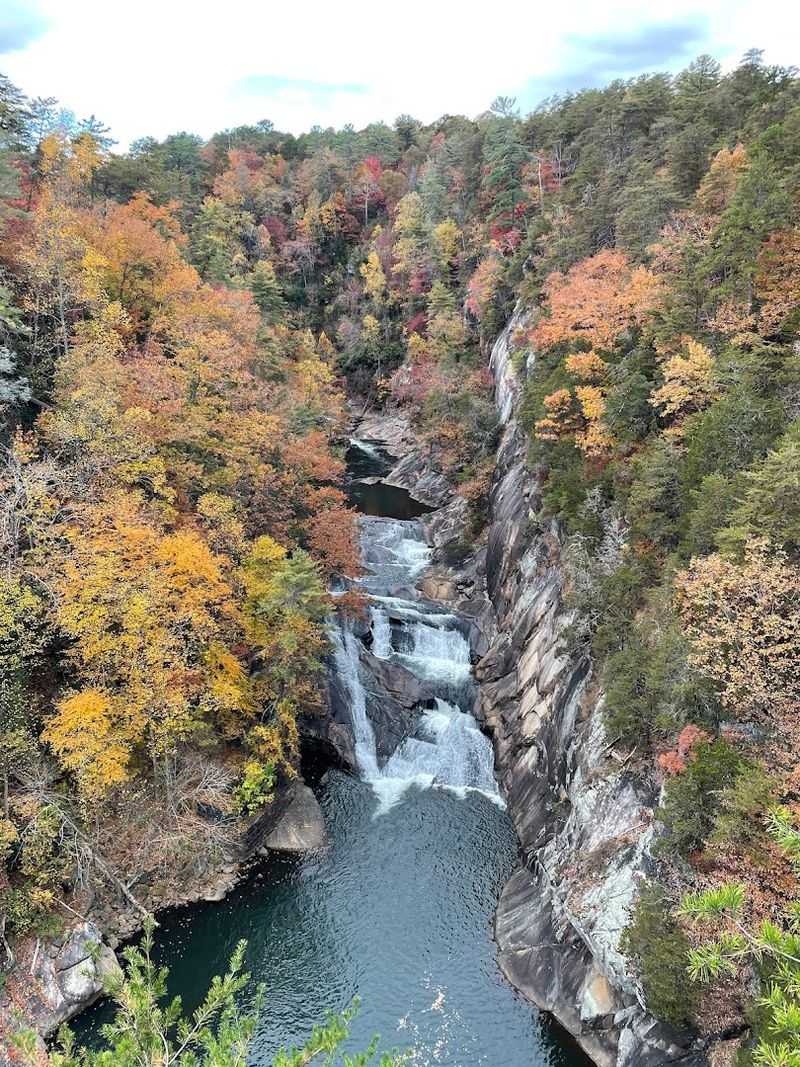
Few places in Georgia create the immediate sense of scale that Tallulah Gorge does. The gorge stretches about two miles long and drops nearly 1,000 feet deep, with waterfalls tumbling down the walls and a suspension bridge swaying 80 feet above the rocky floor below.
Rim trails are open to all visitors and provide sweeping overlooks without requiring a permit. If you want to hike down to the gorge floor, that access is limited and requires a free permit from the park office, so arriving early on the day of your visit gives you the best shot at securing one.
The park also has a beach area on Lake Tugalo and a visitor center with exhibits about the gorge’s natural and cultural history. This is the kind of place where the scenery does all the talking, and the suspension bridge crossing alone tends to become the highlight of most people’s visit.
Cloudland Canyon State Park, Rising Fawn, Georgia
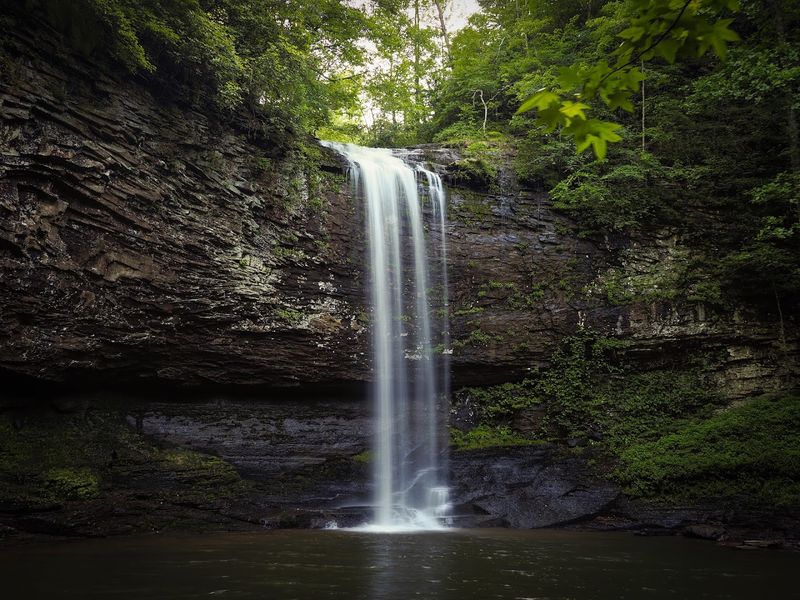
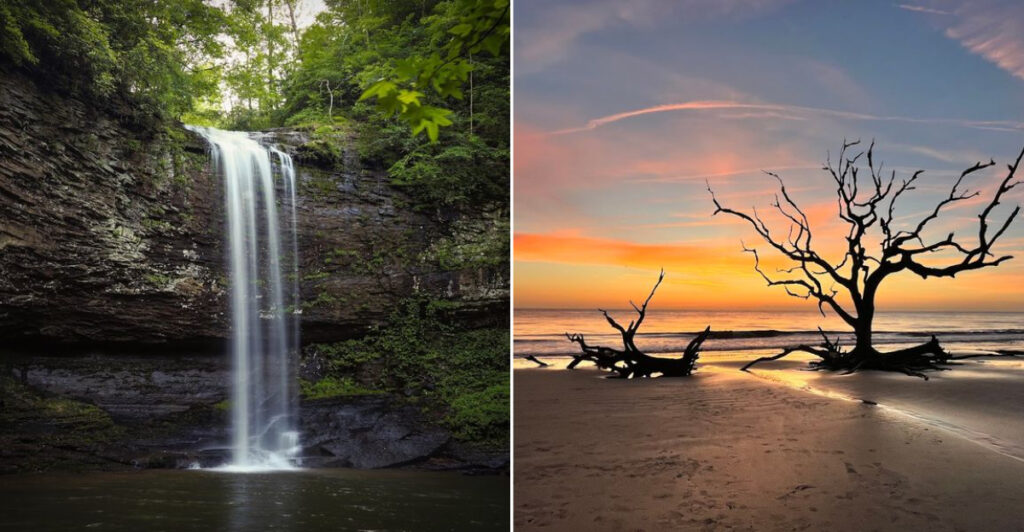
Cloudland Canyon sits in the northwest corner of Georgia and delivers the kind of mountain scenery most people assume requires a trip to another state entirely. The park features canyon walls that drop over a thousand feet, with sandstone cliffs, wooded trails, caves, creeks, and two waterfalls accessible by trail.
The short Overlook Trail is a crowd favorite because it delivers dramatic canyon views without demanding a full-day commitment. The Waterfalls Trail and West Rim Loop are better options for visitors who want a longer, more physical experience and are willing to earn those views with some elevation change.
A Georgia ParkPass covers entry, making this one of the best budget mountain day trips in the state. The park is especially beautiful in fall when the hardwood forest turns, but spring and summer visits come with lush greenery and active waterfalls.
Plan to arrive in the morning to avoid crowded trailheads on busy weekends.
Arabia Mountain National Heritage Area, Lithonia, Georgia
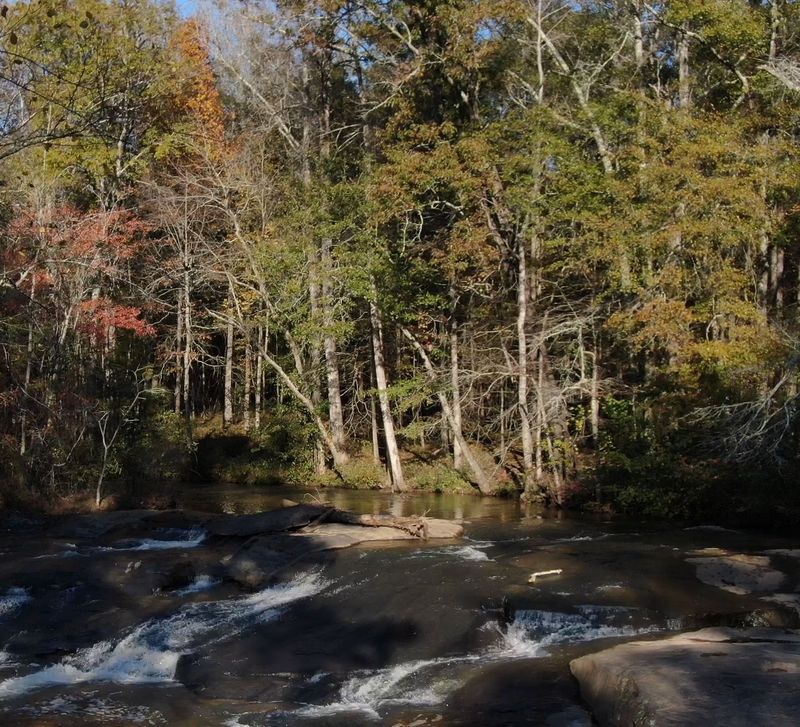
Just outside Atlanta, Arabia Mountain offers something genuinely rare for a metro-area day trip: open granite outcrops, natural quiet, and layers of history that span centuries. The National Heritage Area covers thousands of acres and is free to visit, which makes it one of the strongest budget options near the city.
The landscape here is shaped by exposed granite flatrocks, seasonal wildflowers, and wetland areas that support native plant communities. Beyond the natural scenery, the area’s history includes early settlers, granite quarry workers, freed slaves who built communities nearby, and Trappist monks who established a monastery on the land.
The Arabia Mountain Trail is the main route through the area and connects to the broader PATH trail system. The Davidson-Arabia Mountain Nature Preserve within the Heritage Area has its own parking and trail access.
For anyone who wants a meaningful outdoor escape without driving far or spending money, this stop consistently delivers on both counts.
Driftwood Beach, Jekyll Island, Georgia
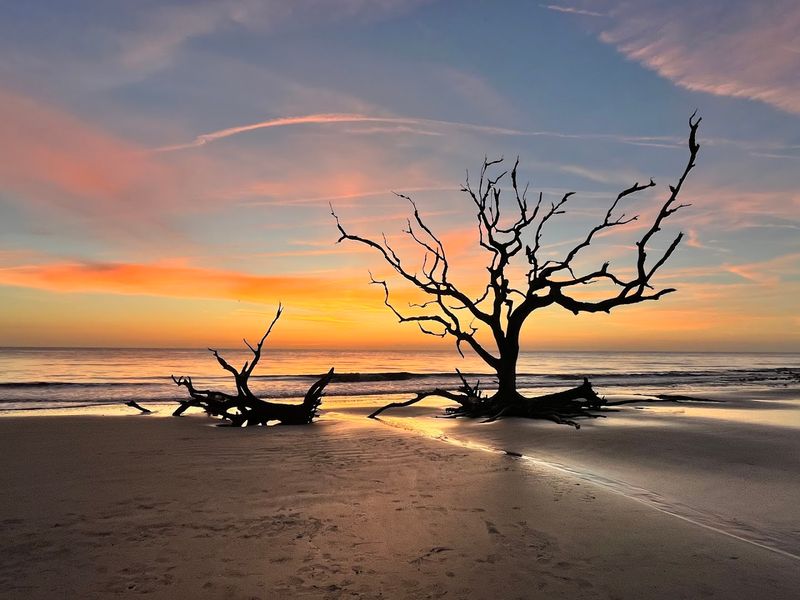
Driftwood Beach on the north end of Jekyll Island looks like a place a photographer dreamed up. Weathered tree trunks and twisted branches rise from the sand along the shoreline, left behind by years of erosion that gradually claimed the edge of the forest and deposited these bleached wood sculptures along the water’s edge.
The beach is open to the public, and several access points along North Beachview Drive make it easy to find a spot without much searching. Morning light and late afternoon light both work well for photography, and the setting draws a steady crowd of visitors who come specifically for the visual experience.
Jekyll Island itself charges a small parking fee at the entrance causeway, but once inside, most of the island’s natural areas are free to explore. Combining Driftwood Beach with a walk along the main beach or a stop at the Jekyll Island Historic District makes for a full and satisfying coastal day trip.
Tybee Island, Near Savannah, Georgia
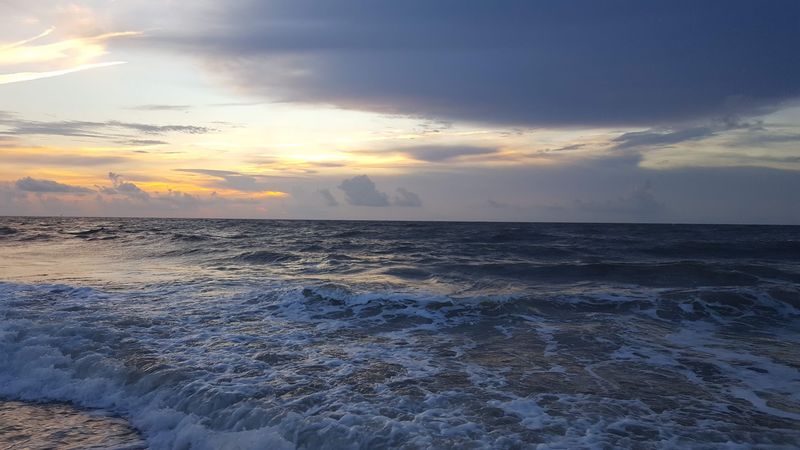
Tybee Island sits about 20 minutes east of Savannah and offers five miles of public beaches along the Atlantic coast. It is one of Georgia’s most accessible seaside destinations, and its casual atmosphere makes it a solid choice when you want a beach day without a long haul down the coast.
The south end of the island has a pier and pavilion area that gives the beach a classic, low-key seaside feel. The north beach is generally quieter, which works well for families or visitors who prefer more space.
The Tybee Island Light Station and Museum is also on the island for those who want a brief history stop between beach walks.
Parking is available in several lots near the beach, and rates vary by location and season. The island has a good mix of restaurants and casual food spots within walking distance of the shore, so building a full day around the beach without much planning is genuinely easy to do.
Indian Springs State Park, Flovilla, Georgia
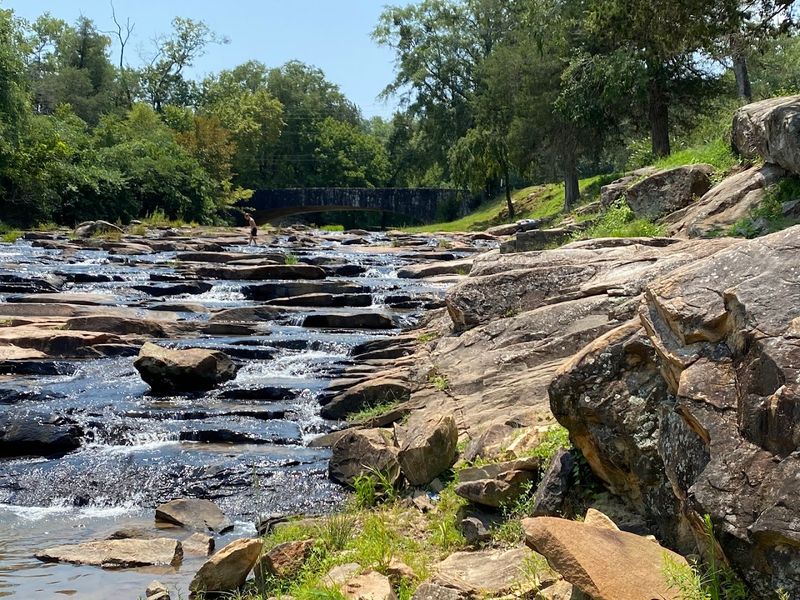
Indian Springs State Park carries a distinction that most visitors do not expect: it is considered one of the oldest state parks in the United States. The park’s history goes back much further than its official designation, with the mineral spring at its center drawing visitors for generations before the park system existed.
A stone Spring House built by the Civilian Conservation Corps still stands over the mineral spring, and visitors are welcome to sample the water directly from the source. The spring has a distinct mineral taste that reminds you this is not an ordinary water fountain stop.
Sandy Creek runs through the park and adds a quiet, natural backdrop to the grounds. Nature trails, picnic areas, and a lake with fishing access round out the experience.
Nearby Dauset Trails Nature Center offers additional hiking and wildlife viewing for visitors who want to extend the day. The park’s low entry cost and relaxed pace make it an easy choice for a mid-week escape.
Fort Mountain State Park, Chatsworth, Georgia
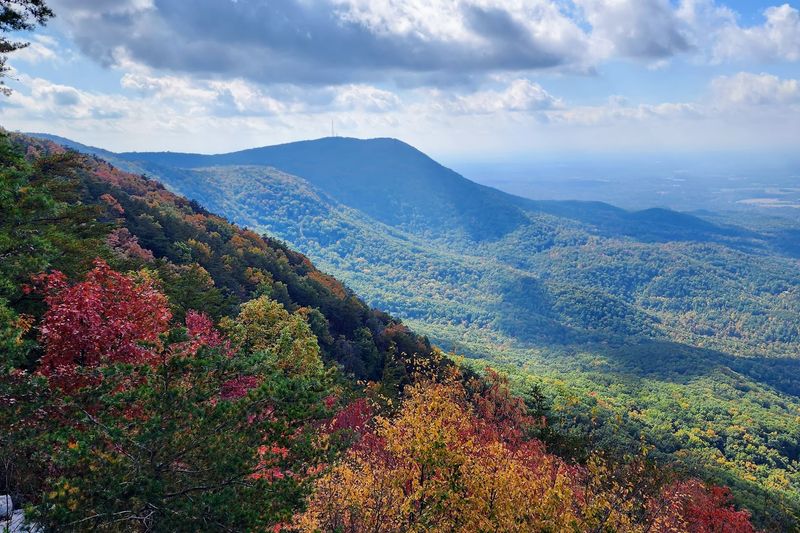
Fort Mountain gets its name from an ancient rock wall near the summit, and nobody is entirely sure who built it or why. The wall stretches nearly 900 feet along the mountaintop, and its origins remain a genuine historical mystery that adds an unexpected layer of intrigue to what is already a scenic mountain park.
Beyond the wall, the park offers a CCC-built stone fire tower, a lake with a swimming beach, hardwood forest trails, and overlooks with views of the Cohutta Wilderness. The Lake Loop Trail and the Gahuti Backcountry Trail give hikers options ranging from easy to challenging, so the park works for different fitness levels and group types.
A scenic drive through the park connects the main features for visitors who prefer a lower-effort visit. Fort Mountain is in Murray County in northwest Georgia, making it a natural pairing with Cloudland Canyon if you want to cover two parks in a single long day.
Entry requires a Georgia ParkPass.
Red Top Mountain State Park, Acworth, Georgia
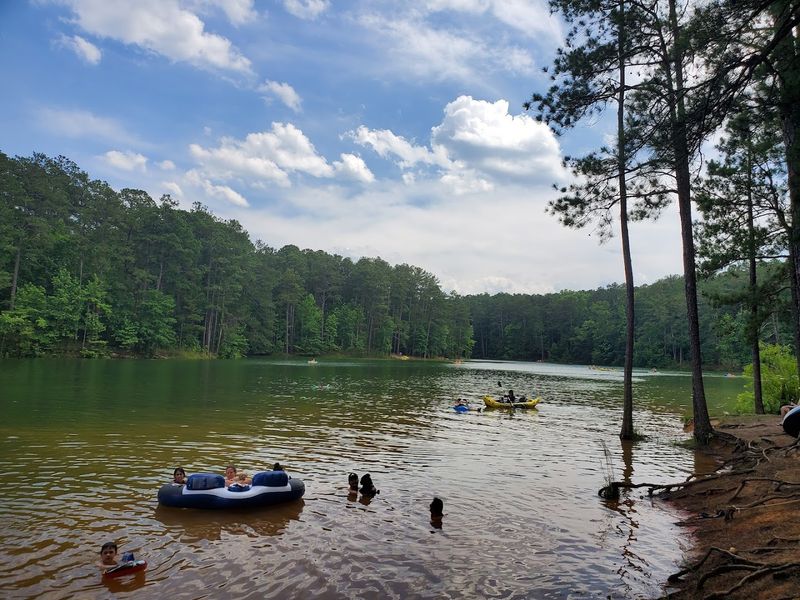
Red Top Mountain State Park sits on a peninsula stretching into Lake Allatoona, and the park’s sandy swimming beach in a tree-lined cove is one of its most popular features on warm days. The lake is large enough to feel expansive, and the park’s position gives it a genuine lakeside atmosphere that does not feel squeezed or crowded.
Visitors can swim, fish, hike, picnic, or bring a personal watercraft to the water. The park has multiple trails ranging from short loops to longer paths through the forest, with some offering lake views along the way.
The Iron Hill Trail is a good option for those who want both a workout and water scenery.
Because Red Top Mountain is close to metro Atlanta, it is one of the easiest same-day lake escapes in the state. A Georgia ParkPass covers entry, and the park’s facilities include a lodge, cottages, and a camp store for day visitors who need supplies.
Summer weekends fill up, so earlier arrival is smarter.
Gibbs Gardens, Ball Ground, Georgia
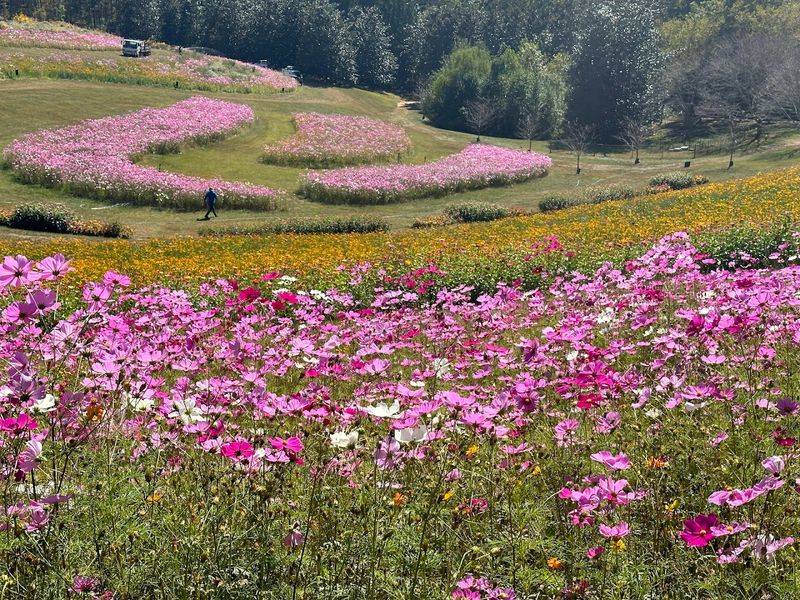
Gibbs Gardens covers hundreds of acres in Ball Ground and operates as one of the largest privately owned estate gardens in the United States. It is not a free stop, but the scale and variety of the grounds make the admission feel reasonable for a full day of outdoor wandering.
The gardens include landscaped garden rooms, spring-fed ponds, streams, waterfalls, bridge crossings, and seasonal plantings that change what the property looks like throughout the year. Spring brings daffodils in massive quantities, summer shifts toward water lilies and Japanese gardens, and fall adds foliage color across the wooded paths.
Operating days and hours change by season, so checking the official Gibbs Gardens website before your visit is important to avoid arriving on a closed day. The garden is a good fit for visitors who want a slower, more contemplative outdoor experience rather than a trail-focused or history-driven trip.
It also photographs beautifully across every season.
Etowah Indian Mounds State Historic Site, Cartersville, Georgia
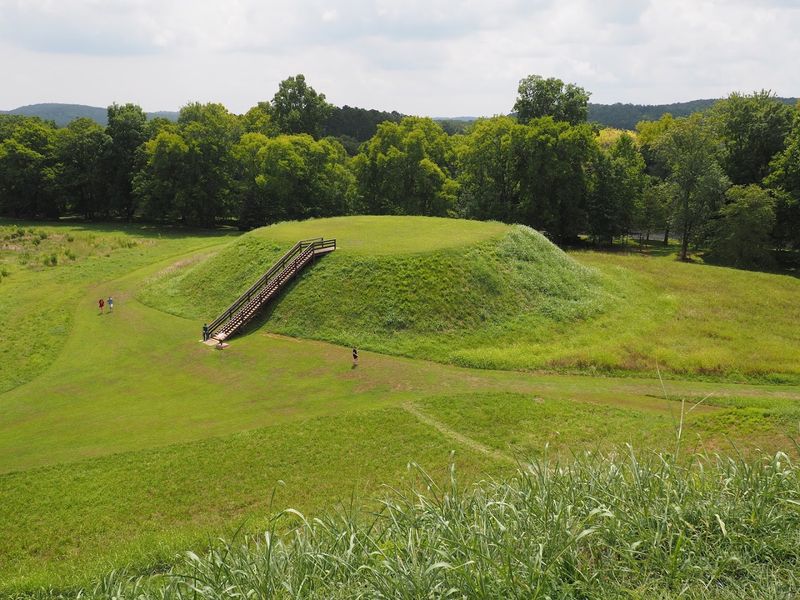
Etowah Indian Mounds is described by Explore Georgia as the most intact Mississippian culture site in the southeastern United States, and a visit here quickly explains why that description carries weight. The 54-acre site preserves six earthen mounds, a central plaza, a village area, borrow pits, and a defensive ditch built by a community that lived here from around 1000 A.D. to 1550 A.D.
The largest mound rises 63 feet and is climbable via a wooden staircase, giving visitors a view of the surrounding landscape from the same vantage point the site’s leaders once used. The on-site museum displays artifacts recovered from the mounds, including carved stone figures, copper ornaments, and ceremonial objects.
Admission is low-cost and the site is managed by Georgia State Parks. It pairs well with a stop at nearby Red Top Mountain State Park or downtown Cartersville, making it easy to build a full day around this part of northwest Georgia without stretching the budget.
Wormsloe State Historic Site, Savannah, Georgia
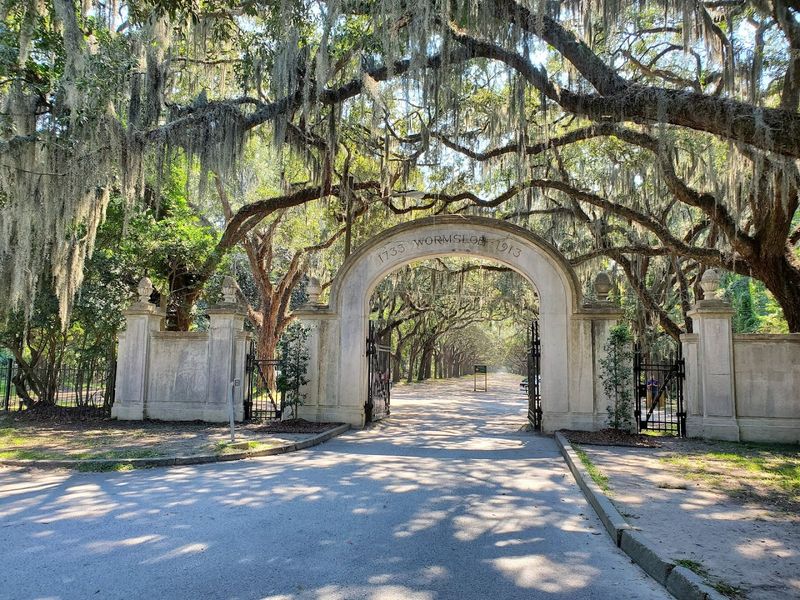
The entrance road at Wormsloe is one of the most photographed stretches of landscape in all of Georgia. A long avenue of live oaks draped in Spanish moss frames the drive to the historic site, and even visitors who arrive without knowing much about the history tend to stop and stare.
Wormsloe is connected to Noble Jones, one of the original settlers who arrived in Georgia in 1733 alongside James Oglethorpe and the colony’s first group from England. The tabby ruins on the property are considered the oldest standing structure in Savannah, and a short trail leads visitors from the visitor center to the ruins through the moss-covered landscape.
The site also includes a living history area and nature trails that wind through the marsh-edged property. Admission is low-cost and the site is managed by Georgia State Parks.
If you are already making a trip to Savannah, Wormsloe is close enough to add without adding significant drive time to your day.
Dahlonega Historic Downtown, Dahlonega, Georgia
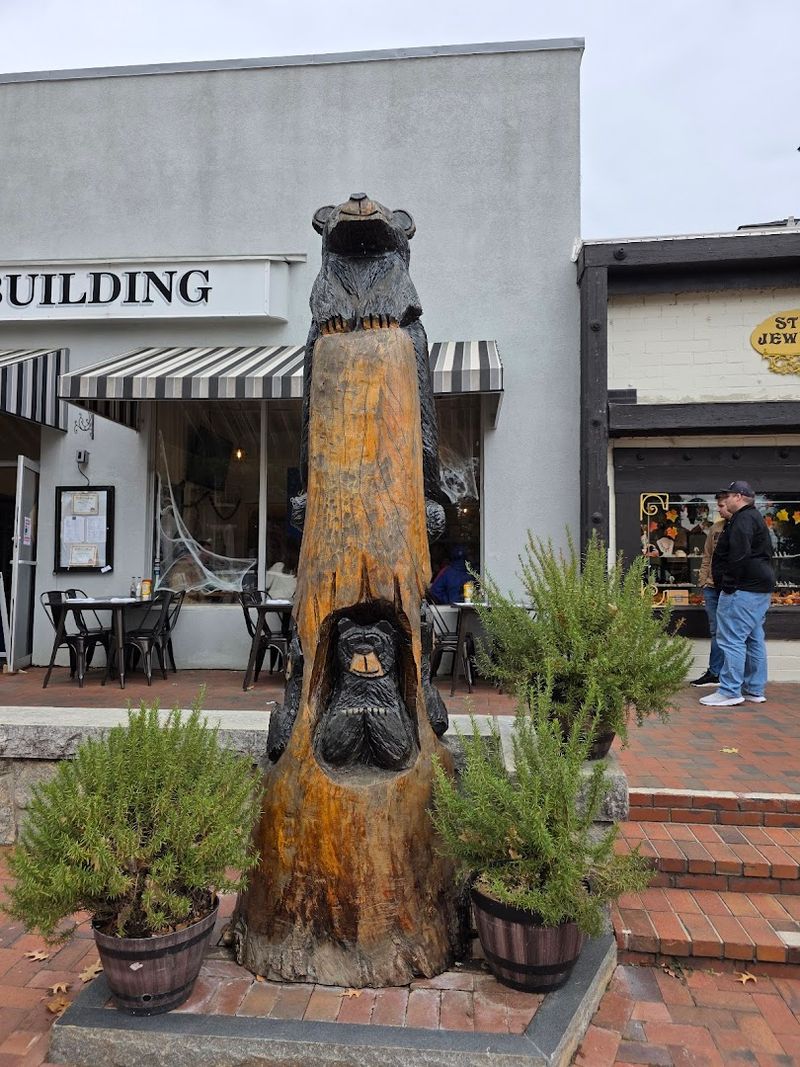
Dahlonega holds a specific place in American history as the site of the country’s first major gold rush, which began in 1828 and drew thousands of prospectors to the North Georgia mountains before the California rush overshadowed it. That history is still visible in the town’s architecture and in the Gold Museum on the historic square.
The public square is lined with shops, galleries, restaurants, and entertainment spots housed in 19th-century buildings, and the surrounding streets add more options for browsing and eating. The mountain setting gives Dahlonega a distinct atmosphere that feels different from a typical small-town shopping district.
For a low-cost day, the square is easy to explore on foot without spending much beyond a meal or a coffee. The Dahlonega Gold Museum charges a small admission fee and offers a solid overview of the gold rush story.
Fall is especially popular here because the surrounding hills turn with foliage color, but the town is worth visiting in any season.
Helen, White County, Georgia
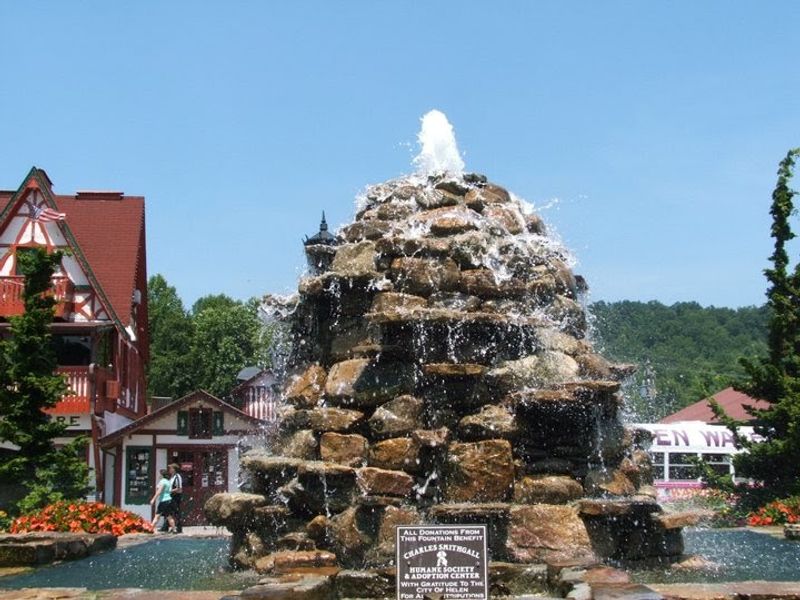
Helen is one of those Georgia towns that commits fully to its identity and makes no apologies for it. In the late 1960s, the fading mountain town reinvented itself with a Bavarian village theme, and the alpine-inspired architecture, painted facades, and themed storefronts have drawn curious visitors ever since.
The downtown area is compact and walkable, with shops, restaurants, and seasonal festivals packed into a few colorful blocks along the Chattahoochee River. Oktoberfest is the town’s biggest annual event, but Helen also hosts festivals and events across spring and summer that keep the calendar lively throughout the year.
Unicoi State Park sits just outside town and adds hiking, a lake, and cabin rentals for visitors who want to extend the experience. Anna Ruby Falls, a short drive from Helen, is another easy add-on that brings a double waterfall into the mix.
Helen is touristy by design, but it delivers a reliably fun and low-pressure day trip for groups, couples, and families alike.
Blue Ridge Scenic Railway, Blue Ridge, Georgia
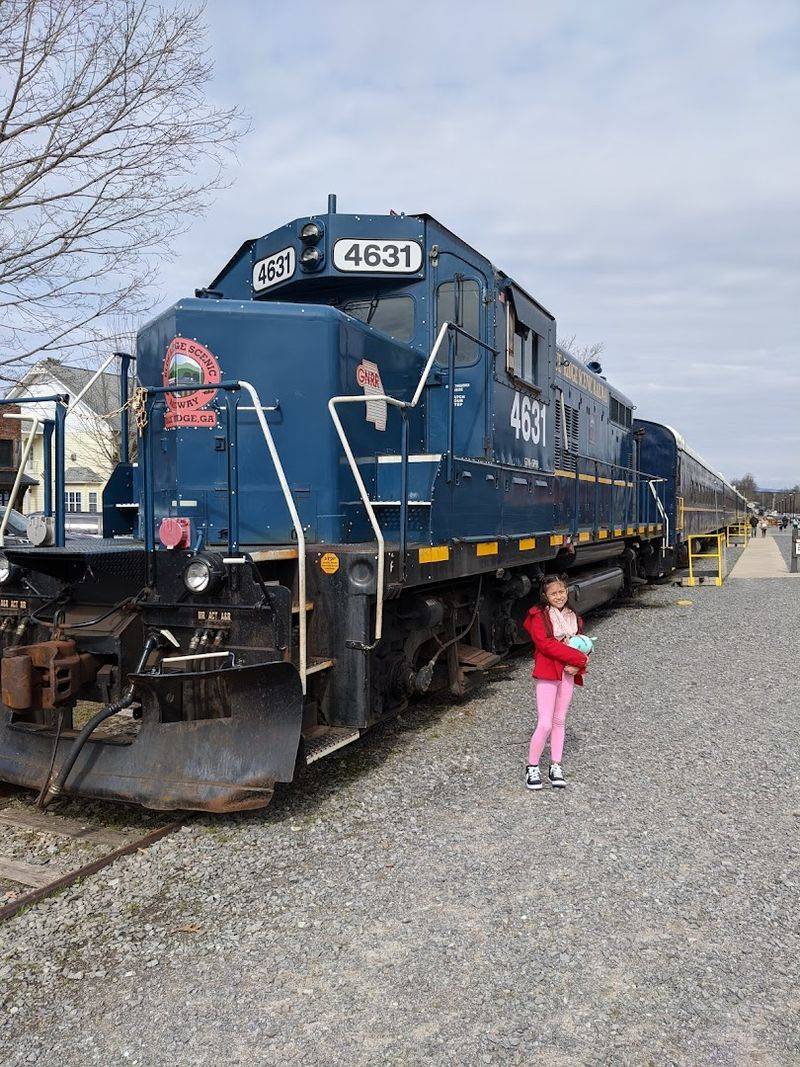
Not every day trip needs to involve a hiking trail or a beach. The Blue Ridge Scenic Railway turns the journey itself into the main event, with a round-trip excursion that runs from the historic depot in downtown Blue Ridge along the Toccoa River through North Georgia countryside to McCaysville, Georgia, and Copperhill, Tennessee.
The ride offers river views, forest scenery, and mountain landscapes from the comfort of a passenger car, making it a strong option for visitors who want a memorable experience without physical exertion. The layover in McCaysville and Copperhill gives passengers time to walk around the twin border towns before the return trip.
The railway operates from March through December, so checking the current schedule on the official website before booking is important. Ticket prices vary by seating class and season, so the trip costs more than a state park visit, but it is a genuinely distinctive Georgia experience.
Downtown Blue Ridge itself has shops and restaurants worth exploring before or after the ride.
Share this story