There is a small park in northwest Ohio where trains roll past on three sides simultaneously, and on a busy day, you can watch more than a dozen different trains without ever moving your chair. The setup sounds almost too good to be true for anyone who loves the rumble of steel wheels and the low horn of an approaching locomotive.
Three major rail lines converge here in a triangular layout unlike almost anything else left in the country, creating a round-the-clock show that draws visitors from multiple states. Once you learn what makes this park so remarkable, it is hard to think about anything else.
The Iron Triangle: Where Three Railroads Meet
Most rail enthusiasts spend their lives chasing trains from one spot to another. At Fostoria Iron Triangle Railpark, located at 499 S Poplar St, Fostoria, Ohio, the trains come to you from every direction at once.
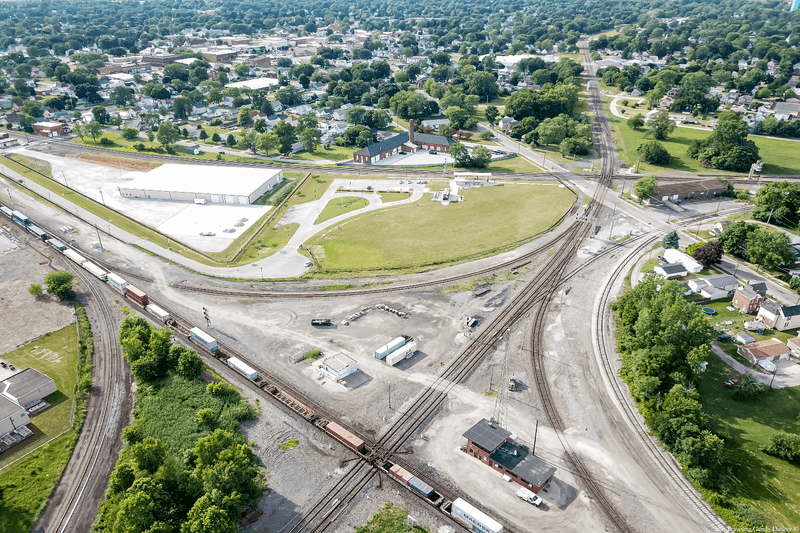
Three active mainlines converge here in a triangular configuration, creating 13 diamond crossings where tracks physically cross each other at grade. That kind of setup has largely vanished across the United States, making Fostoria a living piece of railroad history that still operates every single day.
CSX, Norfolk Southern, and other major carriers use these lines regularly. Visitors standing inside the park can watch trains approaching from the east, west, and south at the same time.
The sheer density of rail traffic packed into one small area is what separates this park from every other train-watching spot in Ohio.
A Park Built Specifically for Rail Fans
The city of Fostoria did something genuinely thoughtful when it created this park. Rather than simply fencing off the rail yard and calling it a day, planners designed the space around the actual needs of people who come to watch trains.
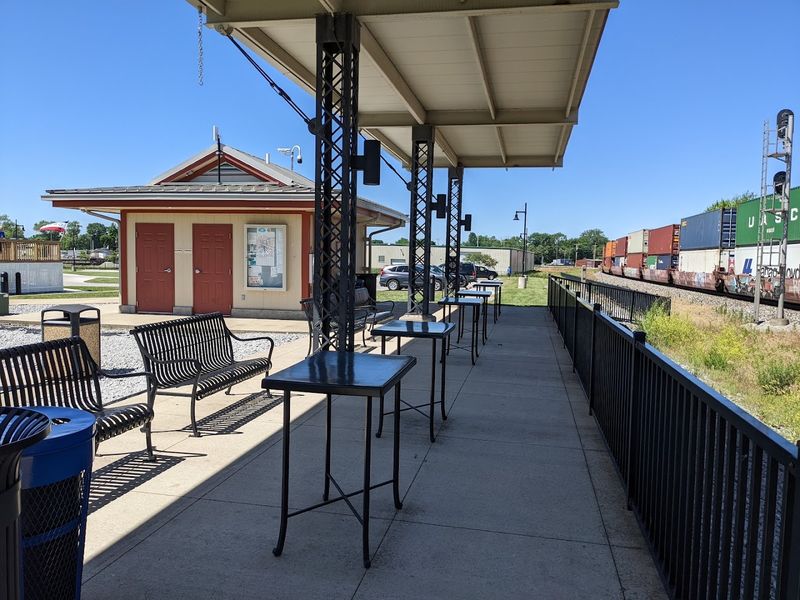
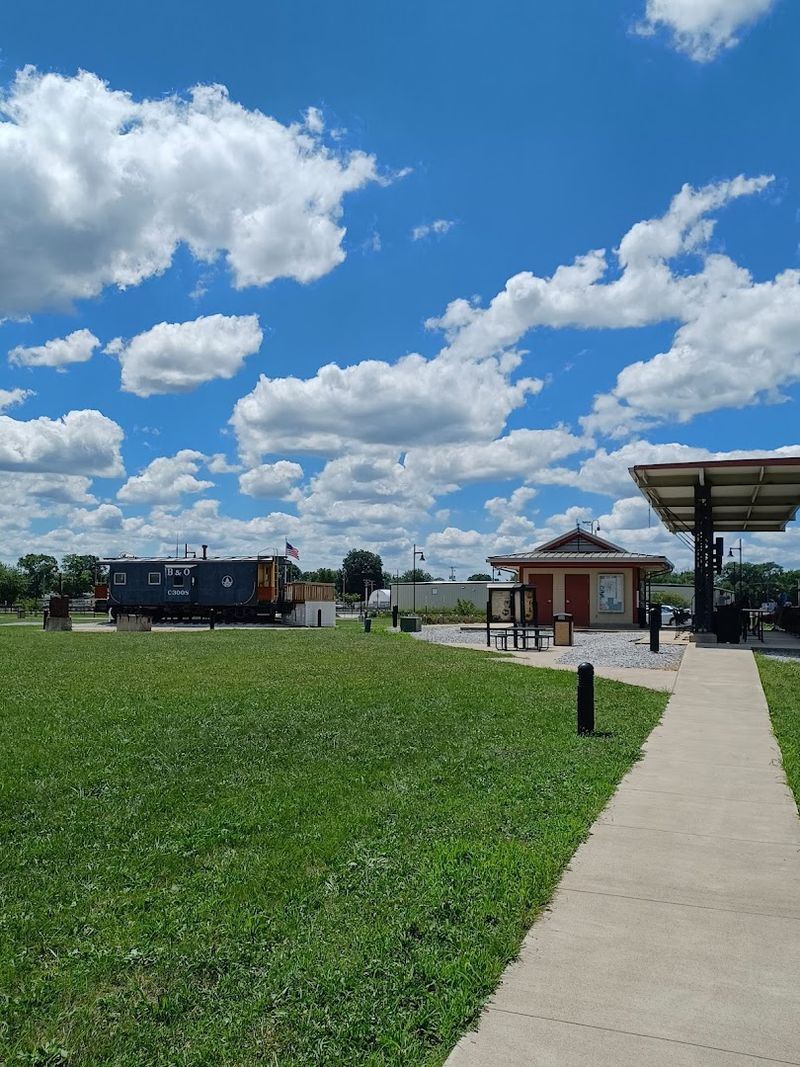
There is a covered pavilion with seating, clean public restrooms, vending machines, and informational maps displayed throughout the grounds. Large, grassy areas sit close to low fences right beside the tracks, giving photographers and casual visitors alike an unobstructed view.
Bus and RV parking is available, which tells you something about how seriously the city takes its rail fan visitors. The park is open 24 hours a day, seven days a week, every single day of the year.
Few public rail-watching spaces anywhere in America offer this level of comfort and accessibility in one location.
The Scanner That Keeps You One Step Ahead
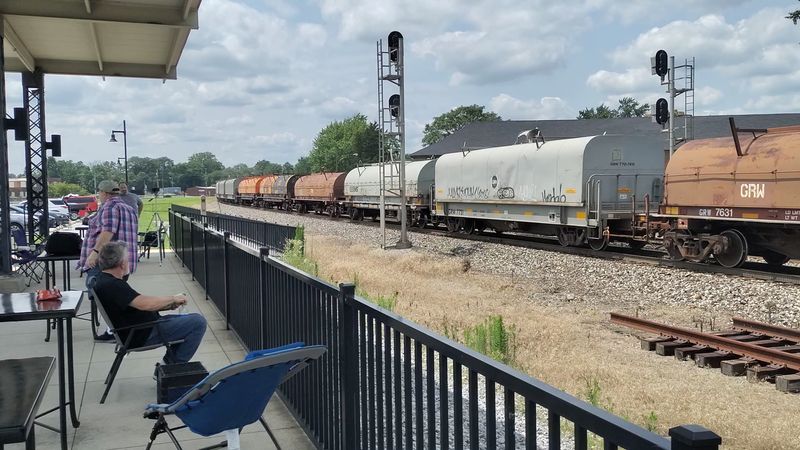
One of the smartest features built into this park is something you hear before you see it. Mounted outdoor speakers throughout the pavilion area broadcast a live radio scanner tuned to the Norfolk Southern mainline frequency, letting you hear dispatch communications in real time.
That means you can sit comfortably under the covered seating area and still know when a train is approaching miles before it arrives. The audio gives you just enough lead time to grab your camera, find your preferred angle, and get ready without scrambling.
For serious photographers, that kind of advance notice is genuinely valuable. For casual visitors, it adds an extra layer of atmosphere that makes the whole experience feel more immersive.
You are not just watching trains pass by. You are tuned into the actual working railroad, listening to the same channel the crews use.
The B&O Caboose on Display
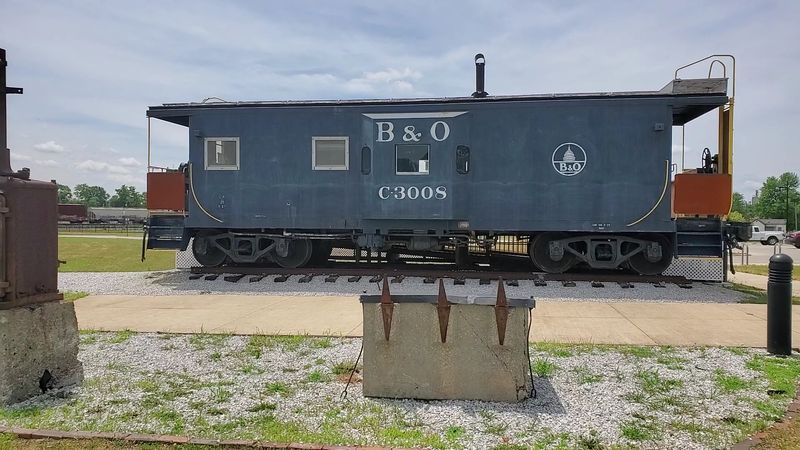
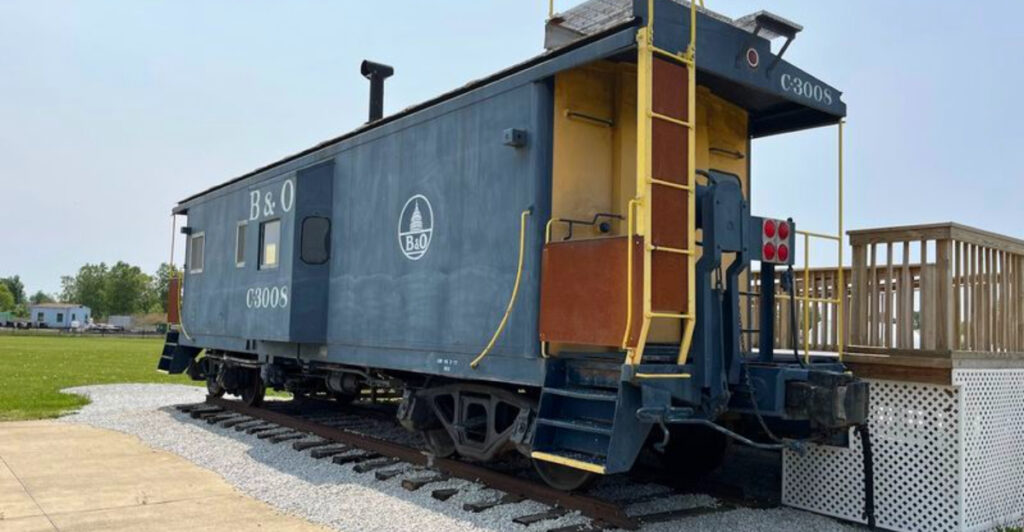
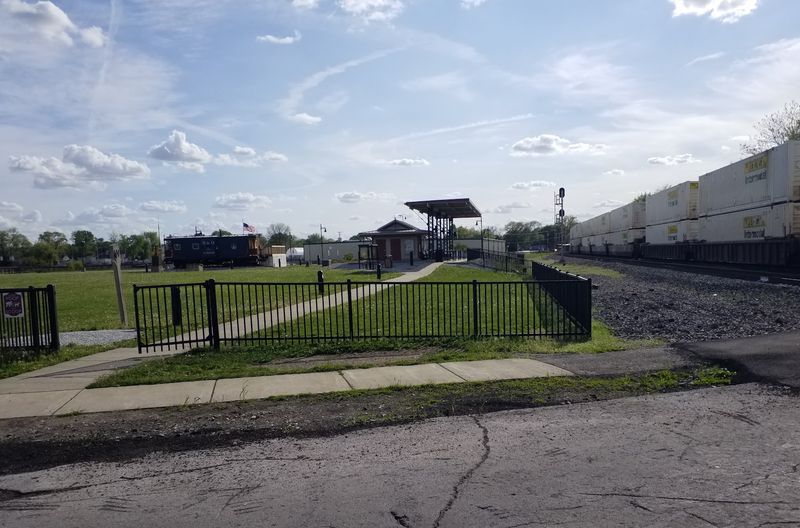
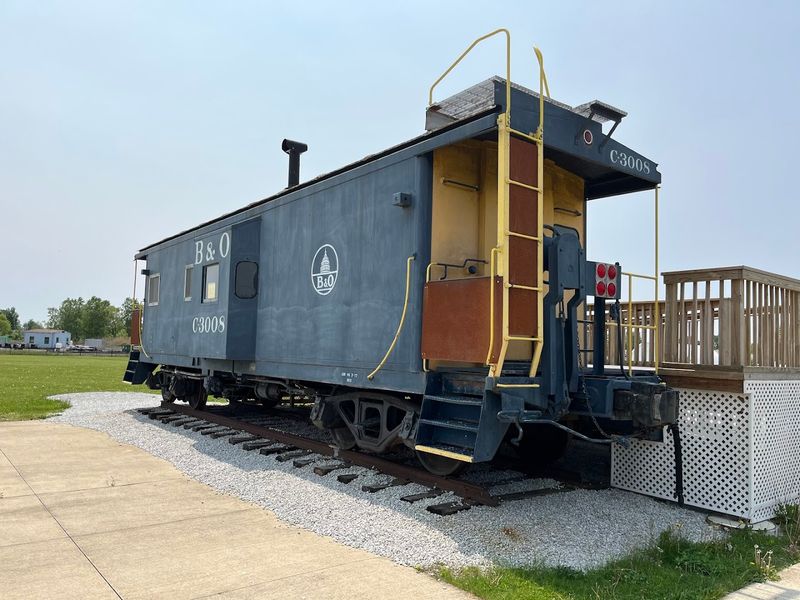
Anchoring one section of the park is a Baltimore and Ohio caboose that serves as both a historical display and a photography prop. The caboose sits on a short section of track near the CSX mainline, giving visitors a tangible connection to the era when cabooses were a standard part of every freight train.
The red car makes for a striking visual contrast against the modern locomotives that roll past on the active lines nearby. Photographers love positioning the caboose in the foreground with a live train in the background, creating a shot that spans nearly a century of railroad history in a single frame.
The caboose is reportedly available for tours on certain occasions, though availability can vary. Even when closed, it adds a museum-quality element to a park that otherwise focuses entirely on active, present-day rail operations.
How Much Train Traffic Actually Passes Through
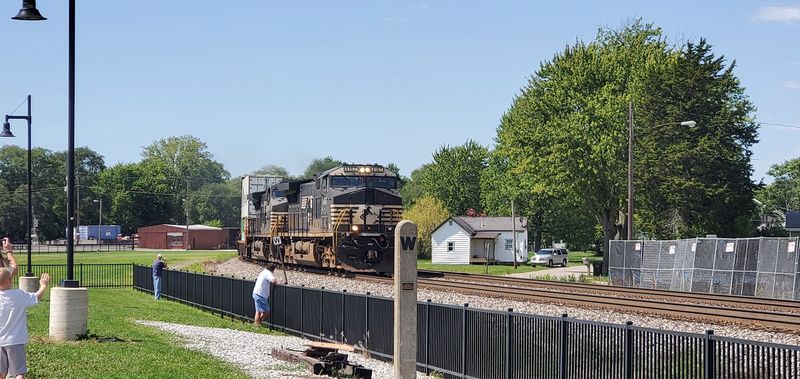
The question every first-time visitor asks is simple: how many trains will I actually see? The honest answer is that it depends on the day, but the numbers are consistently impressive.
Sit for 45 minutes and three or four trains is a reasonable expectation on a slower day. On a busy day, the action can be nearly constant, with some visitors reporting 16 or more trains during a single visit.
The three active mainlines mean trains can arrive from multiple directions without any overlap in scheduling, so the pace rarely feels predictable.
Norfolk Southern, CSX, BNSF, Canadian Pacific, and Union Pacific power have all been spotted here by regular visitors. The variety of railroads using these lines adds an extra dimension for enthusiasts who keep logs of what they see.
Even a short one-hour stop rarely disappoints.
The 13 Diamond Crossings Explained
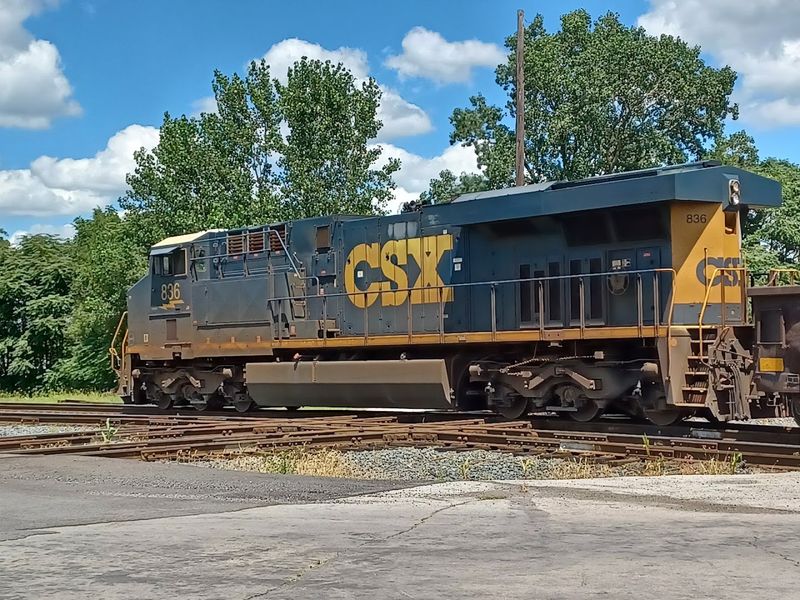
A railroad diamond is the point where two tracks cross each other at the same level, without one going over or under the other. Most rail lines eliminated their diamonds decades ago by building overpasses and underpasses, which is faster and safer for high-speed operations.
Fostoria still has 13 of them packed into one triangular area. That number alone is extraordinary by modern standards.
The diamonds create a visual and auditory experience that is hard to replicate anywhere else, as the sound of wheels rolling over crossing points produces a distinct rhythmic clatter that experienced rail fans recognize immediately.
The triangle layout also includes a cloverleaf-style interchange that allows CSX trains to travel in any compass direction from a single junction point. Understanding the geometry of the layout takes a few minutes, but once it clicks, watching the trains navigate it becomes endlessly fascinating.
Multiple Viewing Angles Around the Park
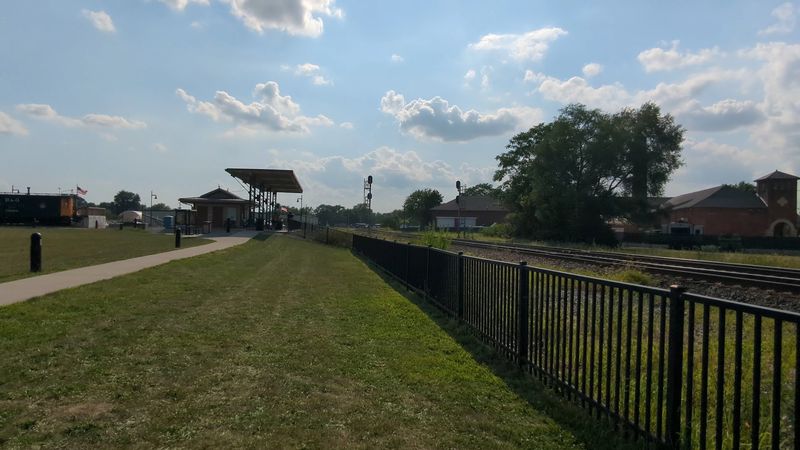
One of the things that sets this park apart from a standard rail-side pullout is the variety of viewing positions available. Tracks run along three sides of the park, which means you can choose your angle based on the light, the direction of approaching trains, or simply personal preference.
Some visitors set up folding chairs in the grassy areas close to the low fences. Others prefer staying in their vehicles, especially in cold or rainy weather, since several viewing spots are accessible directly from the parking area.
The park accommodates people with varying levels of mobility reasonably well, with level ground throughout most of the facility.
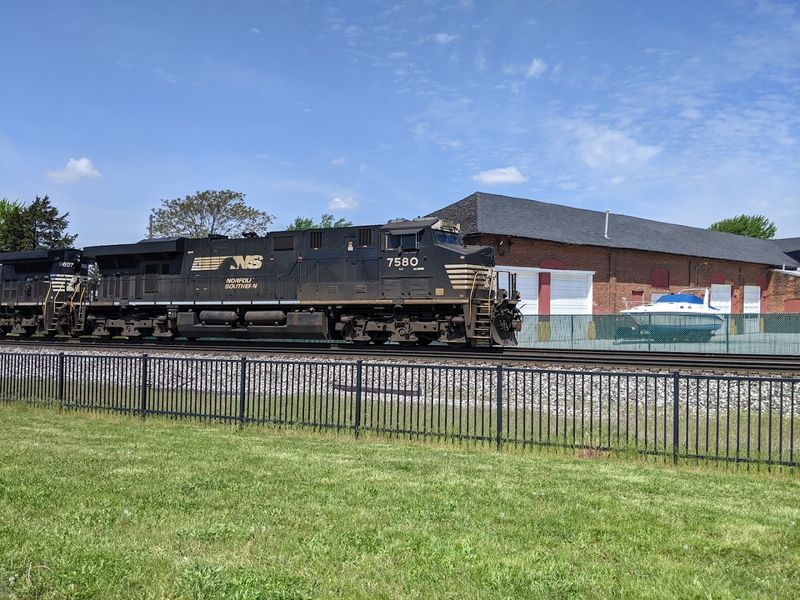
Each side of the triangle offers a slightly different experience. The NS mainline runs very close to the fence on one side, giving you an almost uncomfortably close view of passing locomotives.
That proximity is part of the appeal.
When Union Pacific Big Boy 4014 Came to Fostoria
Few moments in recent railroad history generated more excitement among enthusiasts than the whistle stop tours of Union Pacific Big Boy 4014, one of the largest steam locomotives ever built. When the Big Boy made a stop in Fostoria, the park became a gathering point for rail fans from across the region.
Visitors who were there describe the experience as genuinely moving. A locomotive of that size and age running under its own power is something most people never expect to witness in person.
The park’s open layout and proximity to the tracks made it an ideal viewing location for the event.
Big Boy 4014 is one of only a handful of operational steam locomotives of its class remaining anywhere in the world. Fostoria’s position on active mainlines means it occasionally finds itself on the path of special movements like this one, adding an unpredictable bonus to regular visits.
Open Around the Clock, Every Day of the Year
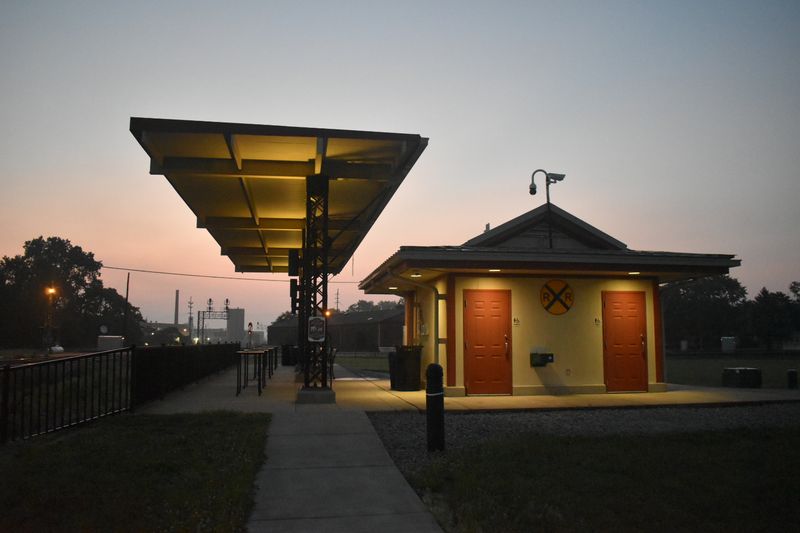
The park never closes. That is not a figure of speech.
Every hour of every day, the gates are open and the tracks are active, which means a 2 a.m. visit is entirely possible if you happen to be passing through northwest Ohio on a long drive.
Night train watching has its own particular appeal. The headlights of an approaching locomotive cut through the darkness from a surprising distance, and the sound carries much farther without daytime noise to compete with it.
Some photographers specifically come after dark to capture long-exposure shots of trains moving through the frame.
Restrooms are accessible during evening hours as well, with a code available through local law enforcement after 8 p.m. The fact that the city maintains this level of access around the clock reflects a genuine commitment to the rail fan community that is rare to find anywhere.
The Railfan Community That Gathers Here
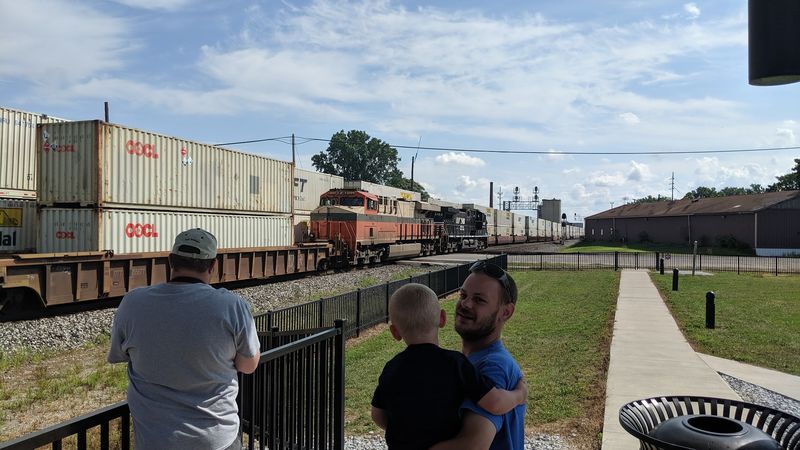
There is a social dimension to this park that surprises first-time visitors. On any given afternoon, you are likely to share the space with other rail fans who have driven from neighboring states specifically to spend a few hours here.
Conversations start easily. Someone might point out a specific locomotive number, share details about the consist of an approaching train, or mention that a particular railroad power has not been seen on this line in months.
That kind of informal knowledge exchange happens naturally in a space where everyone shares the same interest.
Visitors have encountered people with decades of professional railroad experience who come to the park simply because they love watching trains. The community that has formed around Fostoria’s rail scene adds a warmth to the experience that goes well beyond the trains themselves.
It feels less like a tourist attraction and more like a genuine gathering place.
Photography Opportunities at Every Turn
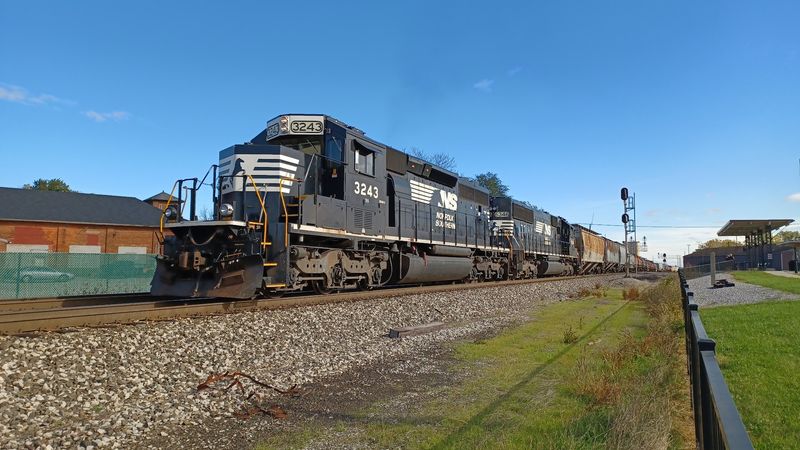
Serious rail photographers consider Fostoria one of the most productive locations in the Midwest for a single-day shoot. The combination of high traffic volume, multiple track angles, and open sightlines creates conditions that are genuinely difficult to find elsewhere.
The low fence along the track perimeter keeps you at a safe distance while still allowing clear, unobstructed shots. The grassy foreground gives photographers room to work with different compositions without crowding each other.
Early morning and late afternoon light hits the tracks at angles that make locomotive paint schemes look their best.
The B&O caboose adds a static subject for practicing composition while waiting for live action. Some photographers set up on one side of the park while keeping an ear on the scanner, then reposition quickly when a train approaches from a different direction.
The park rewards patience and preparation in equal measure.
What the Surrounding Town of Fostoria Adds to the Visit
Fostoria itself is a modest northwest Ohio town with a population that has stayed relatively small over the decades. The town’s identity has long been tied to manufacturing and, of course, the railroads that helped shape its layout and economy.
The rail lines running through town are not a relic from a distant past. They are active, working infrastructure that still moves freight through the heart of the region every single day.
That operational reality gives Fostoria a different feel from towns that have turned old rail lines into walking paths or converted depots into restaurants.
The railpark sits within the town’s existing fabric rather than apart from it, which means a visit here feels connected to a real community rather than a staged attraction. Spending time in Fostoria gives the trains context.
You understand why those three lines converge here, because the town grew up around them.
Practical Tips for Planning Your Visit
A few practical details make a real difference in how much you enjoy the park. Bringing a folding chair is worth the extra effort, especially if you plan to stay for more than an hour.
The covered pavilion has fixed seating, but the grassy areas along the fence offer better sightlines and no permanent seating at all.
Weather matters more here than at most outdoor attractions because the experience is entirely outdoors. The covered pavilion provides shelter from light rain and direct sun, but a dedicated visit during a cold Ohio winter benefits from extra layers and hand warmers.
Summer visits tend to draw the largest crowds.
Parking is spacious and free, with room for large vehicles including buses and RVs. The park is easy to reach from US-23 and sits close to the center of town.
No admission is charged, making it one of the most accessible rail-watching experiences in the country.
How Fostoria Compares to Other Rail-Watching Locations
Rail fans who have visited multiple famous train-watching spots across the country consistently place Fostoria near the top of their lists. The combination of traffic volume, multiple railroads, physical diamond crossings, and purpose-built visitor amenities is genuinely hard to match in one location.
Many popular rail-watching sites offer great views of a single busy mainline. Fostoria offers three mainlines simultaneously, with the added visual complexity of the triangle layout and the diamonds.
That layered experience keeps even experienced enthusiasts engaged far longer than a single-track location would.
The fact that the park is free, open at all hours, and maintained by the city removes barriers that exist at some other rail destinations. No tickets, no guided tours required, no scheduled hours to work around.
You show up, you watch trains, and you leave whenever you feel ready. That simplicity is its own kind of appeal.
Why Rail Fans Keep Coming Back Year After Year
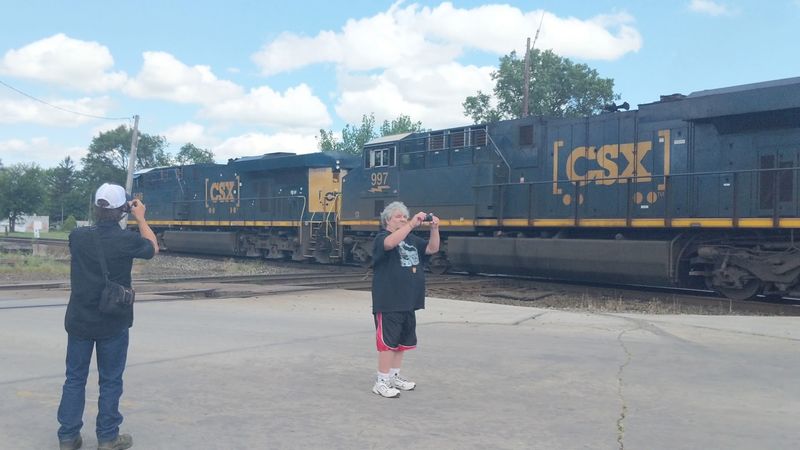
Some visitors treat Fostoria as an annual tradition, returning each year the way others might revisit a favorite national park. The appeal of repeat visits comes down to one simple truth: no two days at this park are ever identical.
The mix of railroads using the lines changes with scheduling and operational needs. Special movements like steam excursions, military equipment trains, or oversized loads can appear with little advance notice.
The variety of locomotive classes and paint schemes cycling through the junction keeps the experience fresh even for people who have logged dozens of visits.
There is also something quietly meditative about sitting near active tracks and watching the rhythm of freight moving across the country. Each train represents a supply chain, a destination, a crew somewhere on a long shift.
Fostoria makes that invisible infrastructure visible in a way that sticks with you long after you drive home.
Share this story