There is a small building in Southeast Portland that looks ordinary from the outside, but the moment you walk through the door, you enter a world where antique marionettes hang from the ceiling, hand-carved faces peer at you from every shelf, and the history of puppetry stretches across centuries in a single room. I had no idea this place existed until a friend mentioned it almost by accident, and I am so glad I did not let the tip go to waste.
The Portland Puppet Museum at 906 SE Umatilla St is one of those rare spots that feels completely personal, like someone invited you into their life’s work rather than a formal institution. It is free to enter, runs on donations, and packs more heart into its compact space than most full-scale museums manage across entire floors.
A Neighborhood Address With a Whole Lot of Soul
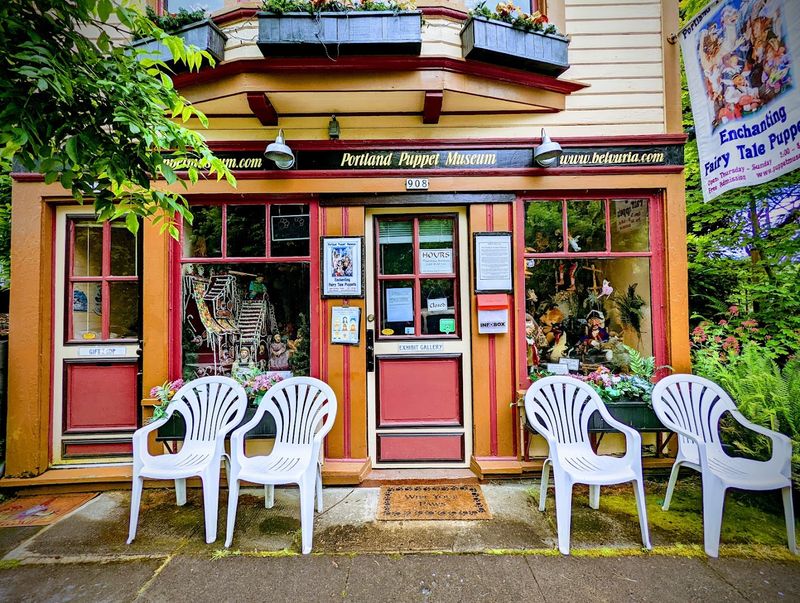
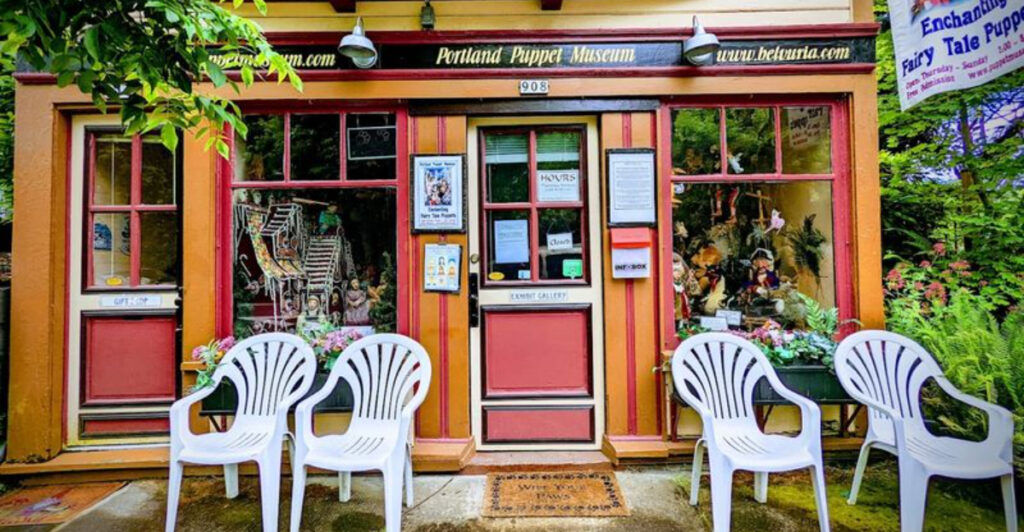
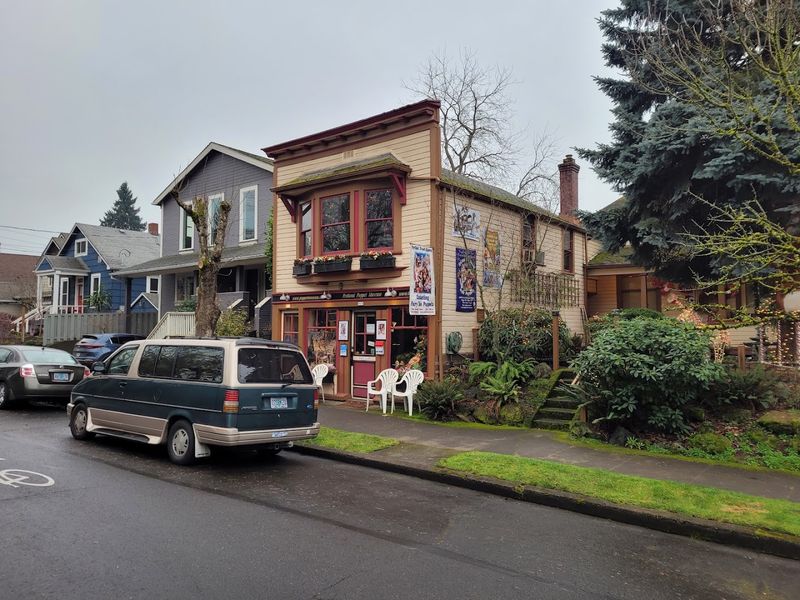
The Portland Puppet Museum sits at 906 SE Umatilla St, Portland, OR 97202, tucked into a quiet residential block in the Sellwood-Moreland neighborhood on the southeast side of the city.
From the outside, it does not announce itself with neon lights or a grand marquee. A modest sign and a handful of charming details near the entrance are the only hints that something extraordinary waits inside.
The neighborhood itself is worth a slow walk. Sellwood has a relaxed, artsy character, with independent shops and tree-lined streets that make the whole area feel unhurried.
The museum is open Thursday through Sunday from 2 to 8 PM and is closed Monday through Wednesday. That limited schedule is worth noting before you make the trip, because at least one visitor drove over an hour only to find the doors shut unexpectedly.
Always call ahead at +1 503-233-7723 or check the website at puppetmuseum.com before visiting. Arriving early is smart, especially on show days, since seating fills up fast and the intimate space rewards those who give themselves plenty of time to explore every corner.
The Story Behind the Collection
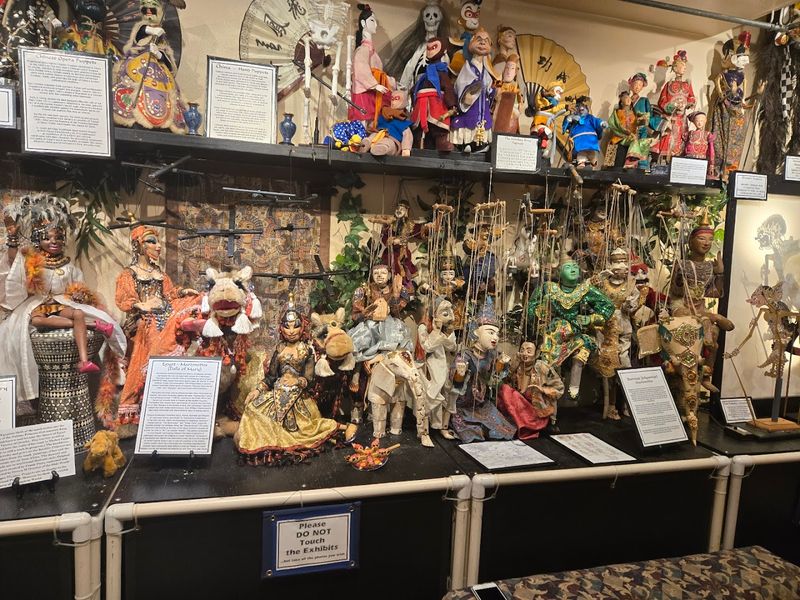
Master puppeteer Steve Overton is the heart of this museum, and his story is inseparable from the collection itself. He has spent roughly five decades working in puppetry, building characters by hand, performing across the country, and accumulating an archive that most theater historians would envy.
The museum grew out of his personal passion rather than any institutional funding, which gives the whole place a deeply human texture. Every puppet on display carries a story, and Steve tells those stories with the ease of someone who has lived alongside these objects for most of his life.
The collection spans many eras and traditions. There are antique marionettes with hand-carved wooden heads, delicate shadow puppets, bold foam-and-fabric creations, and everything in between.
One of the most talked-about pieces in the collection is Lamb Chop, donated by the late Shari Lewis herself.
That single artifact connects the museum directly to mainstream American television history in a way that catches many visitors off guard. The breadth of the collection is genuinely surprising for such a compact space, and each new section of the room reveals something you did not expect to find.
What the Guided Tour Actually Feels Like
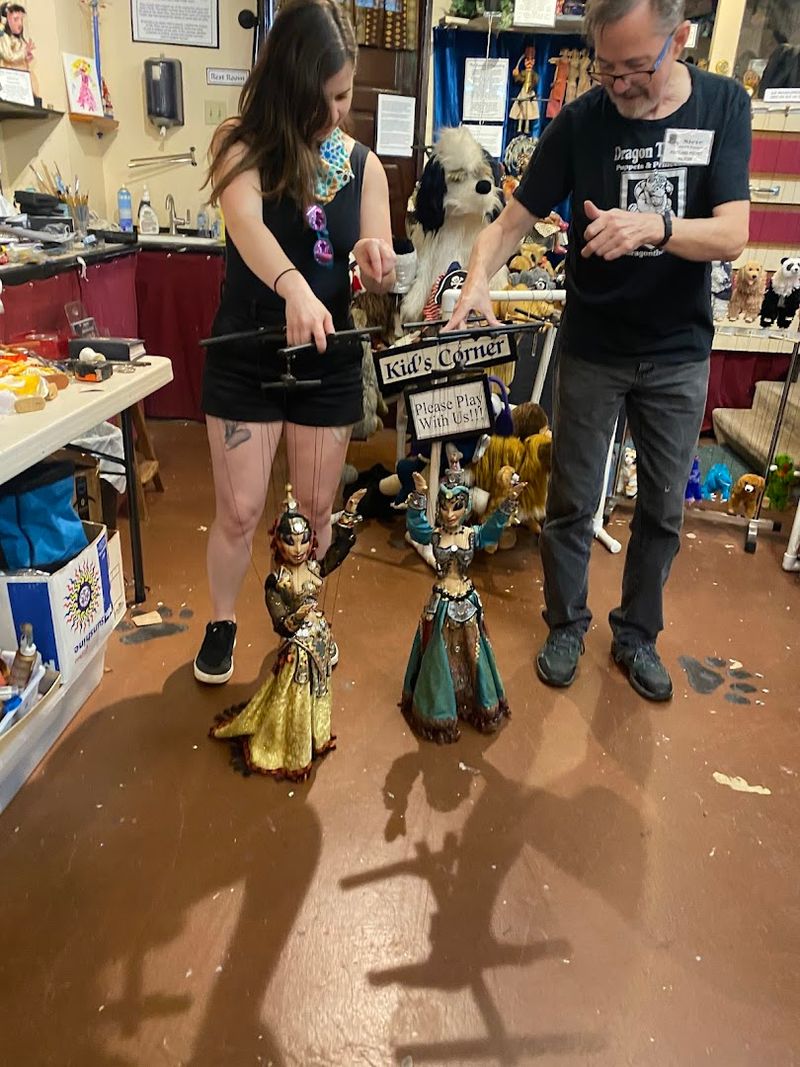
Choosing the guided tour over a solo browse is easily the single best decision you can make at this museum. The staff, which includes guides named John and Josh alongside Steve himself, do not recite scripted facts in a monotone.
They perform the history. One tour I heard about lasted a full hour and a half, covering everything from the cultural roots of puppetry in Asia and Europe to the mechanics of building a working marionette from scratch.
The guides share personal anecdotes, demonstrate how specific puppets move, and connect each piece to a broader story about human creativity. It is the kind of tour where you look up and realize forty-five minutes have passed without you noticing.
The interactive quality is what sets it apart from a typical museum walkthrough. You are not just observing objects behind glass.
The staff invite you to engage, ask questions, and sometimes handle the puppets themselves, which transforms the visit from passive sightseeing into something closer to a live theater experience packed into a very small room.
The Atmosphere Inside the Museum
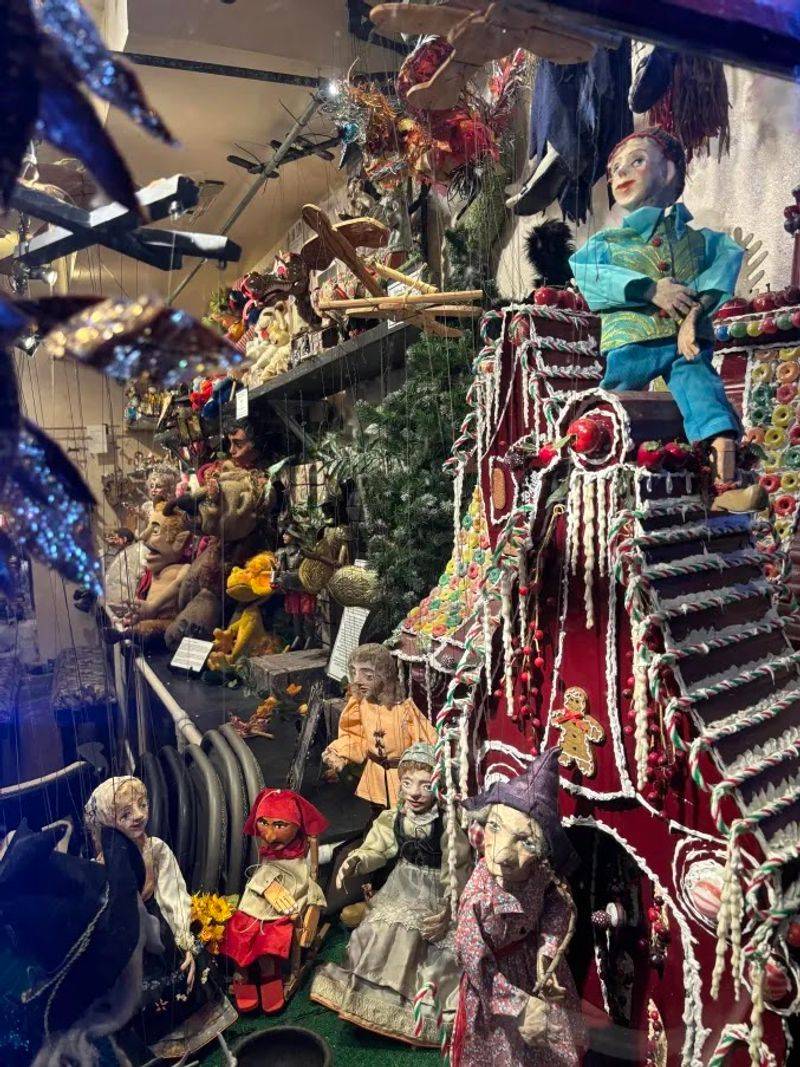
The inside of the Portland Puppet Museum is the kind of space that takes a few seconds to fully absorb. Every surface has something on it.
Puppets hang from the ceiling, cluster on shelves, and lean against walls in arrangements that feel curated but also slightly wonderfully chaotic.
There is no sterile white-wall gallery aesthetic here. The room feels alive, like the characters might start moving the moment you look away, which is either delightful or slightly unsettling depending on your relationship with puppets.
The lighting is warm and intimate, which makes the older pieces glow with a kind of theatrical drama. Antique faces catch the light in ways that highlight the craftsmanship of their makers, some of whom worked generations ago.
The space is small enough that you can see the entire room from a single spot, but dense enough that you could spend an hour without running out of new details to notice. Puppets in progress are sometimes visible alongside finished pieces, giving visitors a rare look at the construction process and making the creative side of puppetry feel tangible and immediate rather than mysterious.
Live Shows and What to Expect
The museum hosts live puppet performances, and they are a core part of the experience rather than an afterthought. Show times typically begin at 2 PM, and the advice from regular visitors is to arrive at least thirty minutes early to secure a good seat.
Children get small chairs up front, which is a thoughtful touch that keeps the youngest audience members fully engaged without blocking the view for adults seated behind them.
The shows vary in style and subject matter. Past performances have included interpretations of stories like the Ramayana and Medusa, which speaks to the range of cultural traditions the museum draws from.
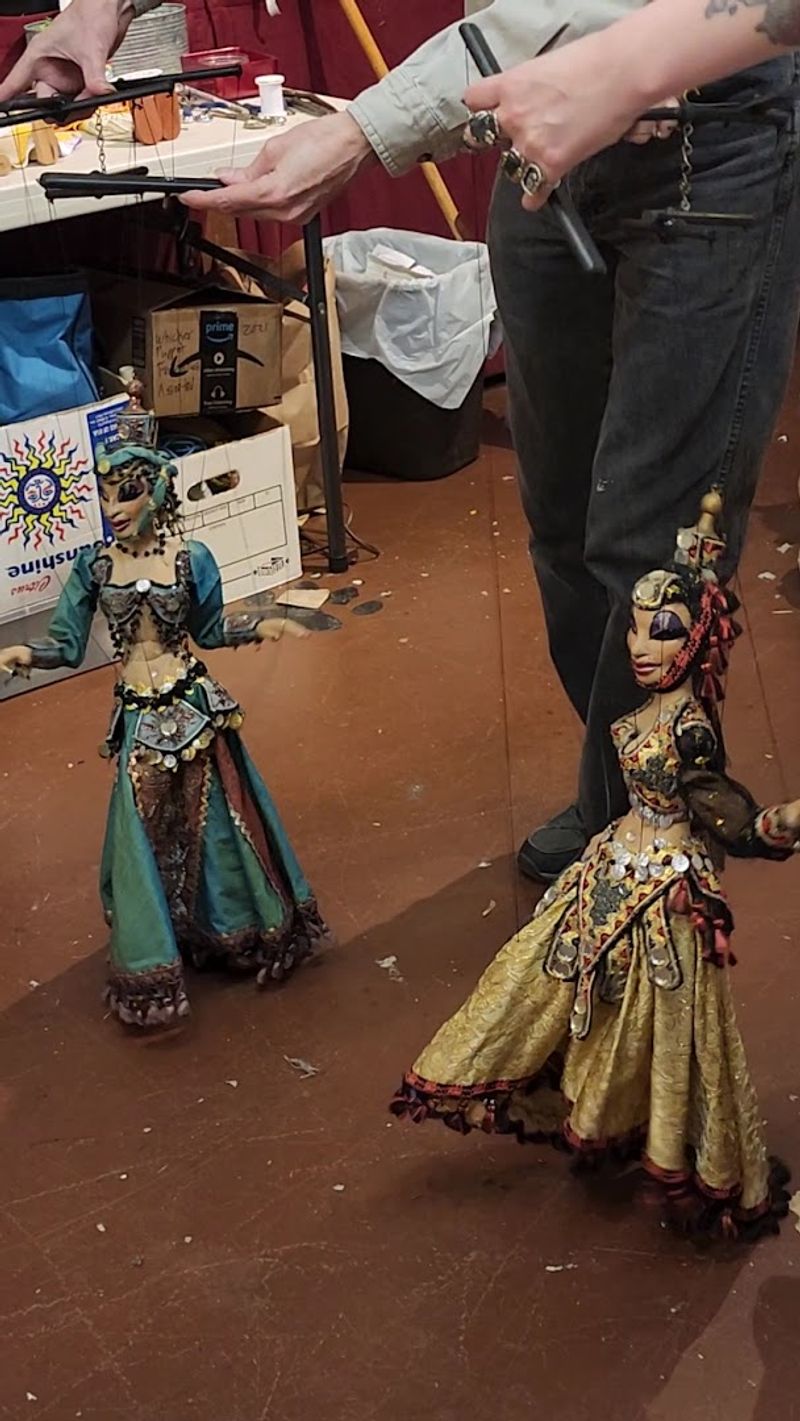
Steve has also performed a belly dance routine with an intricately constructed female marionette, which visitors consistently describe as one of the most memorable moments of their visit.
One honest note worth including: the production quality of the shows ranges from elaborate to simple, and expectations should be calibrated accordingly. The charm of a live performance in this intimate setting is real, but it is community theater in spirit, and that is precisely what makes it worth experiencing rather than something to treat with overly high expectations.
Hands-On Workshops for All Ages
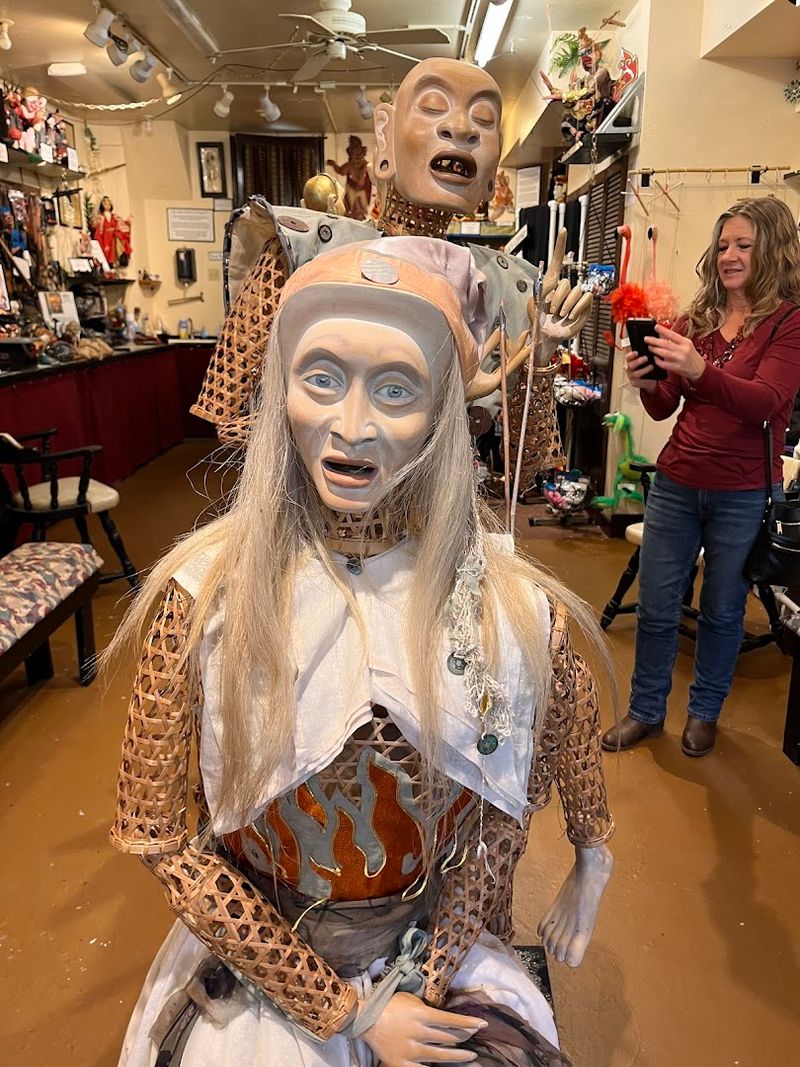
Beyond the tours and shows, the Portland Puppet Museum offers make-your-own puppet workshops led by Steve himself. These sessions are a genuine creative experience, not just a craft table with glue sticks and googly eyes.
Steve brings decades of professional puppetmaking knowledge to the workshop format, which means participants actually learn the principles behind constructing a functional puppet rather than just assembling a decorative object.
One workshop visitor walked away with a pair of fully articulated Day of the Dead marionettes, which gives you a sense of the level of craft that goes into each session. The pricing for workshops has been described as very reasonable relative to the skill and time involved.
These sessions work well for adults with a serious interest in theater or craft, and also for families looking for something more engaging than a passive museum visit. The hands-on format naturally sparks conversation, and Steve has a patient, encouraging teaching style that makes even complete beginners feel capable.
If you are visiting Portland and want to leave with something genuinely handmade and meaningful, booking a workshop slot in advance is the smartest move you can make before the trip.
The History of Women in Puppet Form
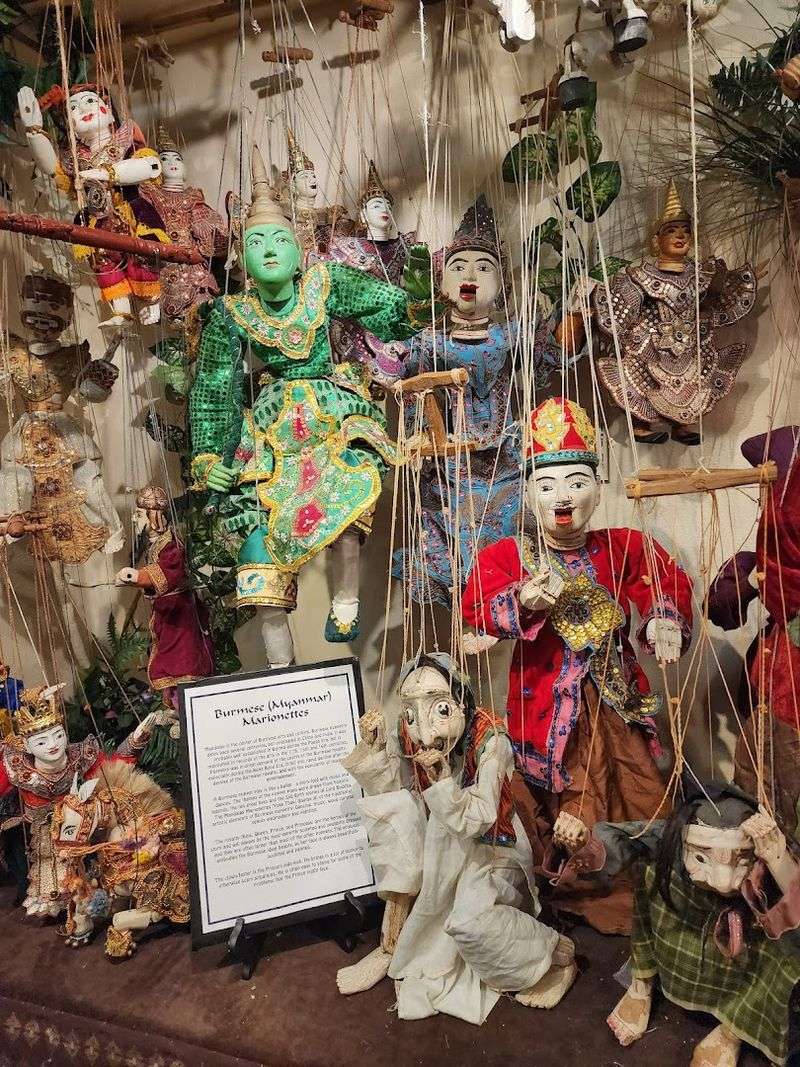
One of the most compelling ongoing exhibits at the museum traces the history of women through their representation in puppetry. This is not a topic you would expect to find explored in such depth in a small community museum, and the fact that it exists here says a lot about the intellectual seriousness behind the collection’s curation.
Steve has walked visitors through this exhibit with a level of detail and cultural context that goes well beyond the printed signs on the wall. The conversation covers how female figures were portrayed across different cultures and time periods, which puppets were considered acceptable for women to perform, and how those boundaries shifted over decades.
The original Aunt Jemima puppet is part of this collection and tends to provoke strong reactions from visitors who understand its place in American advertising and racial history. Having that object in the same room as handcrafted folk puppets from other traditions creates an unexpected but genuinely thought-provoking juxtaposition.
This exhibit is a good example of how the museum operates on multiple levels at once, working as both an entertainment space and a place where real cultural history gets examined with care and honesty.
Admission, Donations, and How the Museum Survives
The Portland Puppet Museum operates on a free admission model, which means you can walk in without paying a cent. That said, the museum runs almost entirely on visitor donations, and anyone who spends more than ten minutes inside tends to feel strongly motivated to contribute something meaningful.
The staff never pressure visitors, but the quality of the experience makes the case for generosity better than any sign ever could. Think of it less as a transaction and more as supporting something that would genuinely be a loss to Portland if it disappeared.
The museum also sells handmade puppets and related items, and a Christmas Bazaar fundraiser has become a seasonal tradition that draws visitors specifically looking for unusual, artisan-made gifts. Purchasing something from the shop is another direct way to keep the operation going.
Steve has built this place without the backing of a major arts institution or a large endowment, which makes every dollar donated feel more meaningful than it might at a larger venue. The museum’s survival depends on the people who visit deciding that what they experienced was worth passing forward, and most visitors seem to agree that it absolutely is.
Why This Place Stays With You Long After You Leave
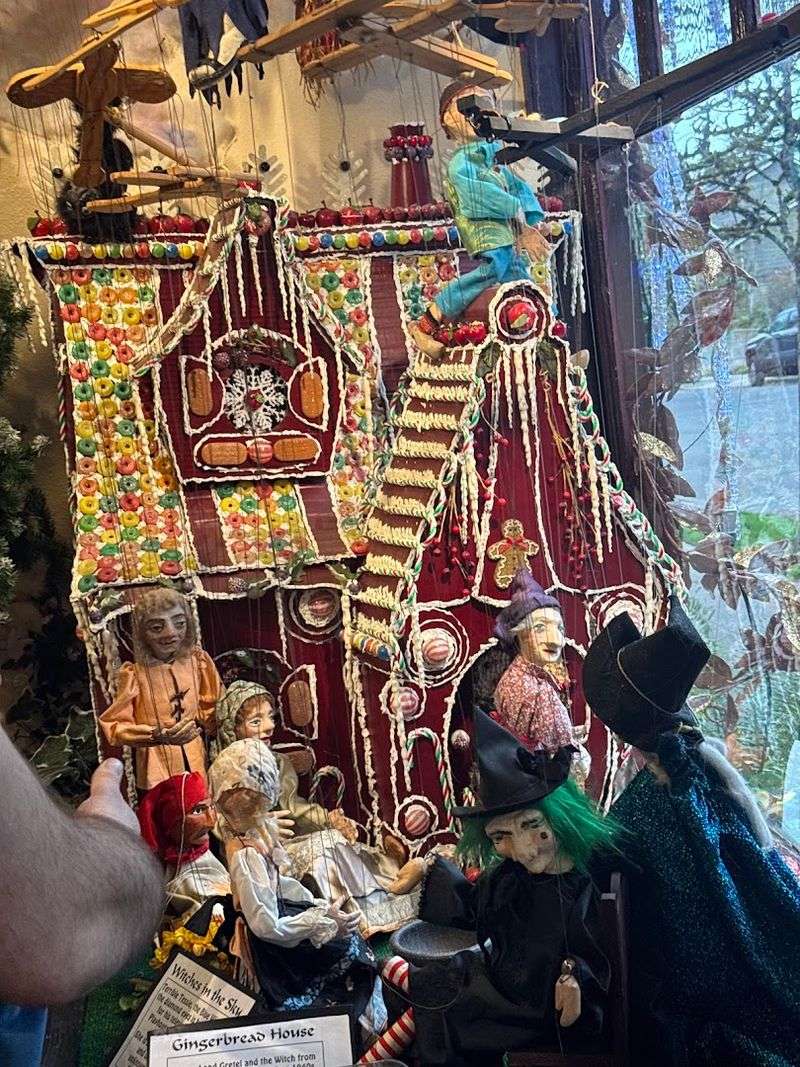
Most museums leave you with facts. This one leaves you with a feeling that is harder to name but easier to remember.
There is something about a space where one person has dedicated their entire creative life to a single art form that changes how you look at the objects inside it.
The puppets stop being curiosities and start feeling like evidence of something, proof that making things by hand, performing for live audiences, and keeping old traditions alive still matters to someone deeply enough to build a museum around it.
Visitors consistently describe the experience as unexpectedly emotional, not in a heavy way, but in the way that happens when you encounter genuine passion in an age when that quality can feel rare. The stories Steve and his team share about each puppet carry weight because they are real, personal, and told by people who care whether you understand them.
The Portland Puppet Museum is not the biggest stop on any Portland itinerary, and it does not try to be. It is the kind of place that rewards curiosity, repays a slow visit, and gives you a story worth telling when you get back home.
Share this story