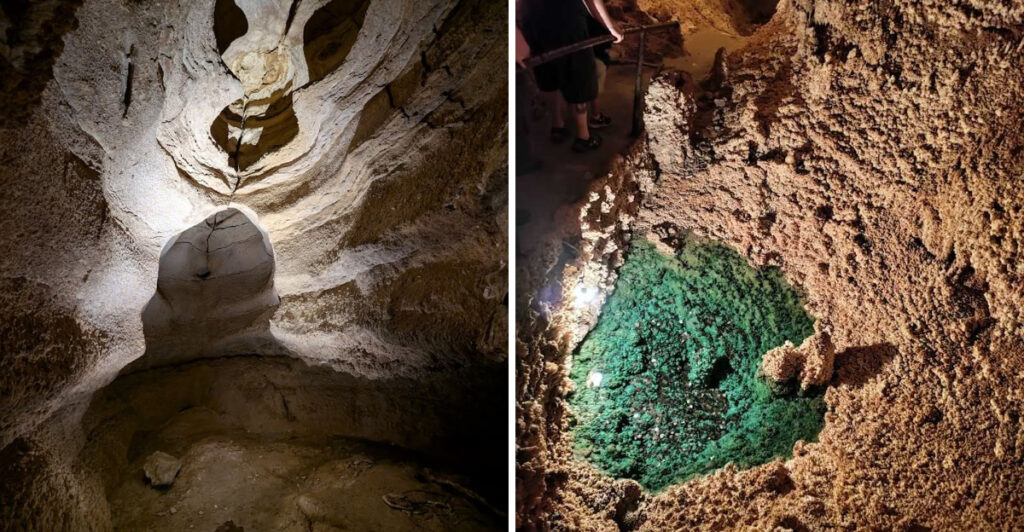
Deep beneath the dry scrubland of West Texas, something extraordinary waits underground that has stopped seasoned cave explorers in their tracks. The formations here are so dense, so varied, and so delicate that scientists and visitors alike have struggled to find the right words for what they see.
Geologists have called it one of the most beautiful show caves on the planet, and that is not a claim made lightly. What makes this place so special goes far beyond stalactites and stalagmites, and once you understand what is actually growing on those cave walls, you will completely understand why people drive hours just to spend 90 minutes underground.
Where Exactly This Underground Wonder Is Located
Not every world-class attraction sits near a major city, and this one proves that point with confidence. The Caverns of Sonora are located at 1711 Private Rd 4468, Sonora, TX 76950, tucked just off Interstate 10 in the rolling hills of Sutton County.
Sonora is a small West Texas town, but it punches well above its weight when it comes to geological wonders. The drive out to the property winds through classic Hill Country terrain, with cedar brush, open sky, and the kind of quiet that reminds you how big Texas actually is.
The approach alone sets the mood. A ranch-style entrance welcomes visitors, and the grounds feel unhurried and genuinely welcoming.
The cave entrance sits a short walk from the visitor center, and from the moment you step onto the property, there is a sense that something remarkable is just below your feet.
The Reputation That Draws Visitors From Across the Country
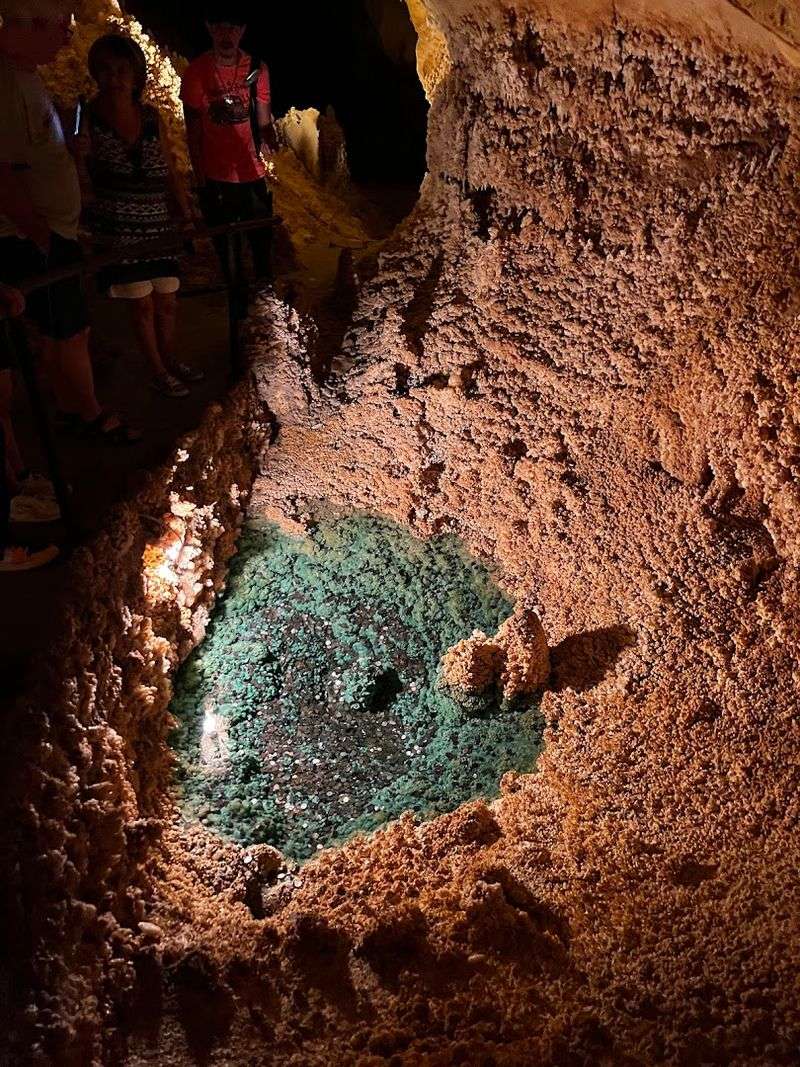
Few caves earn the kind of reputation that the Caverns of Sonora have built over the decades. Speleologists, which is the scientific term for cave researchers, have ranked it among the most beautifully decorated show caves in the world, and that distinction has held up for a very long time.
The reason comes down to formation density. Most caves have open walls with clusters of formations here and there.
At Sonora, the formations cover nearly every surface in some chambers, creating an almost overwhelming visual experience that photographs genuinely cannot capture.
Visitors who have toured Carlsbad Caverns, Mammoth Cave, and other well-known American caves frequently say Sonora surprised them the most. The cave feels intimate rather than cavernous, which means you are never far from something extraordinary.
Every turn reveals a new chamber, and every chamber holds something different from the last.
Cave Popcorn and the Formations That Set Sonora Apart
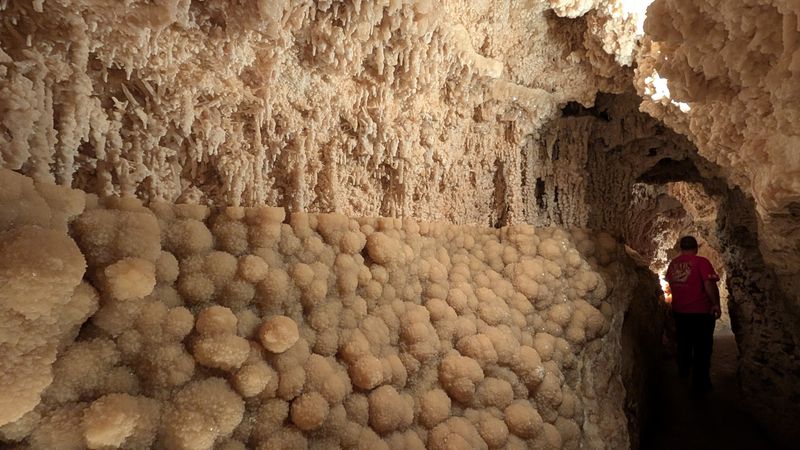
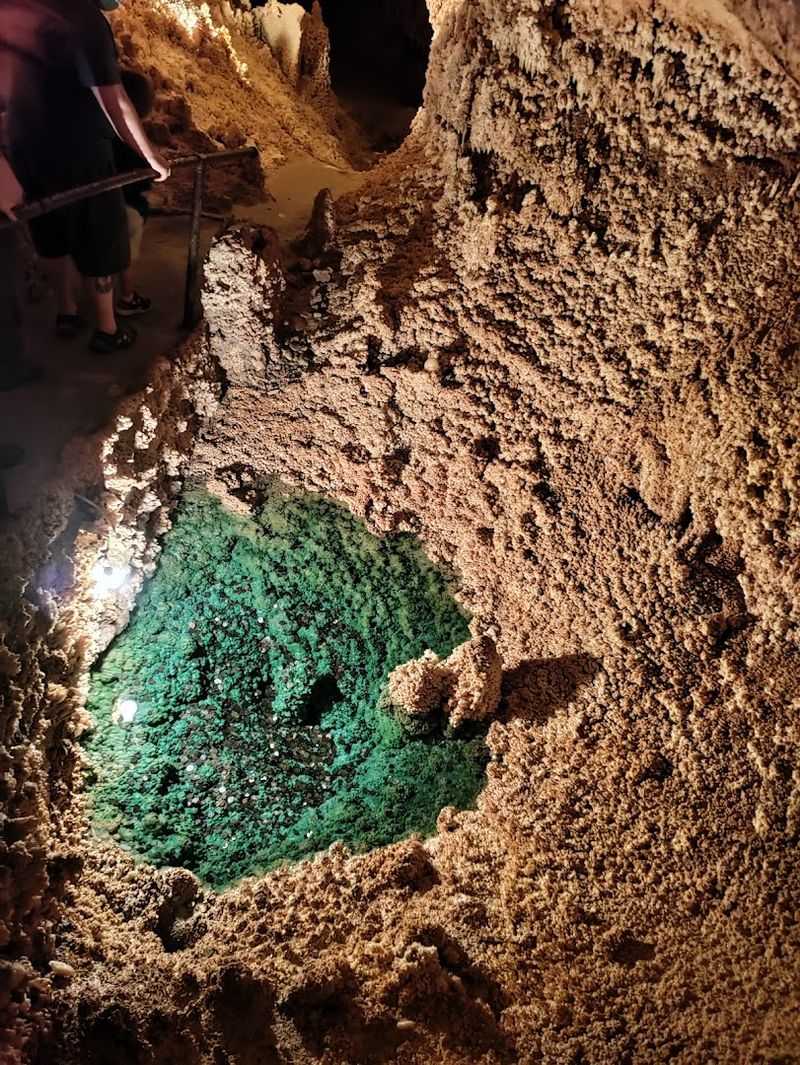
The formation that most visitors talk about long after they leave is cave popcorn, and Sonora has it in extraordinary abundance. Unlike the smooth, flowing look of typical cave minerals, cave popcorn appears as rough, bumpy clusters that coat surfaces in tight, cauliflower-like textures.
At Sonora, these formations are made primarily of aragonite, a crystalline form of calcium carbonate. Aragonite is less common than calcite in most caves, and it tends to form more intricate, delicate shapes.
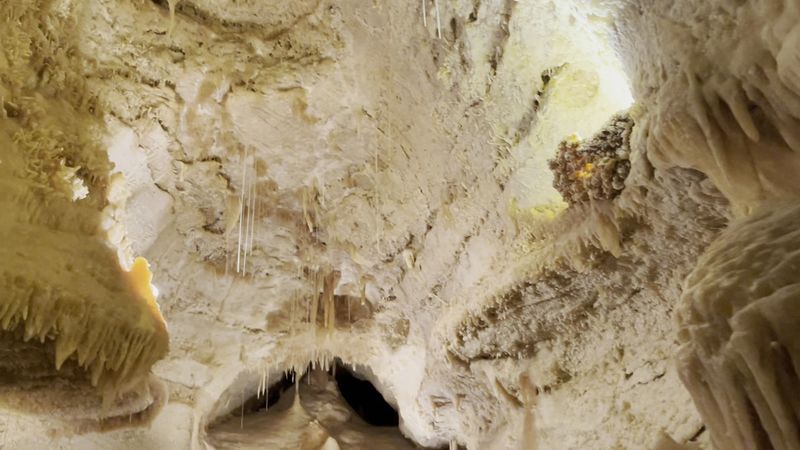
The result is a cave that looks almost furry in places, with crystals bristling outward from walls, ceilings, and existing formations.
What makes this even more unusual is how these formations grow on top of other formations. Helictites, which are thin crystal tendrils that seem to defy gravity by growing sideways and upward, are found here in remarkable numbers.
Sonora is considered one of the finest examples of helictite development anywhere in the world.
The Crystal Palace Tour and What It Includes
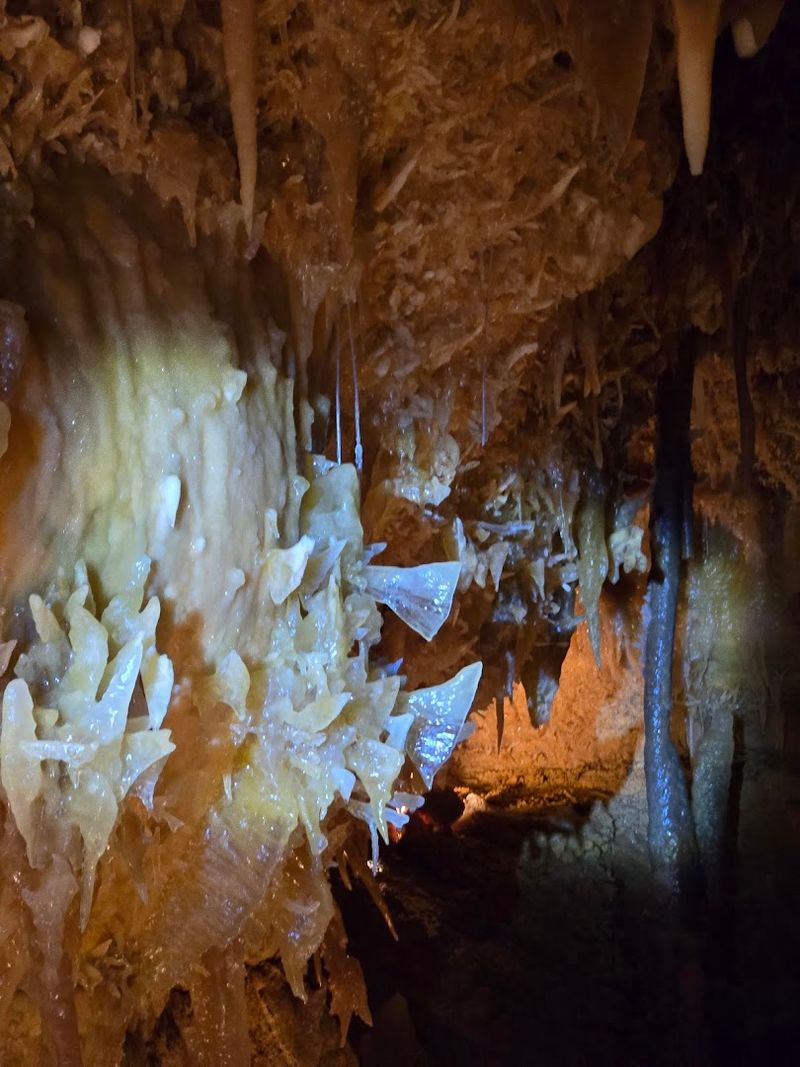
There are different tour options available at the Caverns of Sonora, and the Crystal Palace tour is the one that most visitors choose for a full experience. This tour runs approximately 90 minutes to two hours and covers a significant portion of the cave system, including the celebrated crystal room.
The crystal room earns its name honestly. The formations inside are dense with translucent and white crystals that catch the cave lighting in ways that make the room feel almost otherworldly.
The lighting design throughout the entire tour is thoughtfully done, bright enough to see details clearly but subtle enough to preserve the natural atmosphere.
A UV light demonstration is one of the highlights that visitors consistently mention. When the guide switches on ultraviolet lights, certain formations glow in unexpected ways, revealing details invisible under normal lighting.
It is a genuinely surprising moment that adds a scientific layer to what is already a visually stunning experience.
Aeolian Formations Found Nowhere Else on the Tour
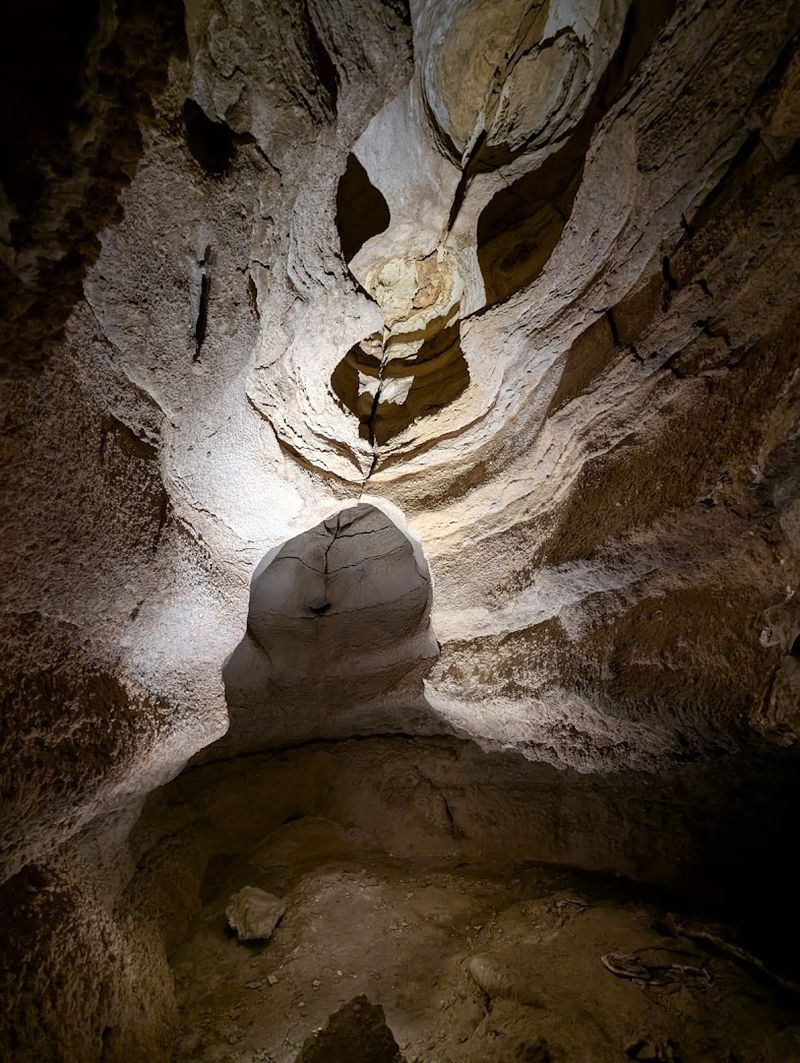
Near the end of the Crystal Palace tour, the cave reveals one of its most scientifically unusual features. Aeolian formations, shaped by ancient air currents rather than water, appear as remarkably smooth surfaces that contrast sharply with the textured formations found throughout the rest of the cave.
Most cave formations grow through water-based processes, so wind-shaped features are genuinely rare. Seeing them here, right after passing through chambers packed with delicate crystal growths, creates a striking contrast that highlights just how many different geological processes have shaped this single cave system over millions of years.
Guides typically explain the science behind these formations without making it feel like a lecture. The explanation makes the smooth surfaces suddenly fascinating rather than plain.
It is one of those moments where understanding what you are looking at completely changes how you see it, and it is a feature that few other caves in the United States can claim to have.
The Temperature and Humidity Inside the Cave
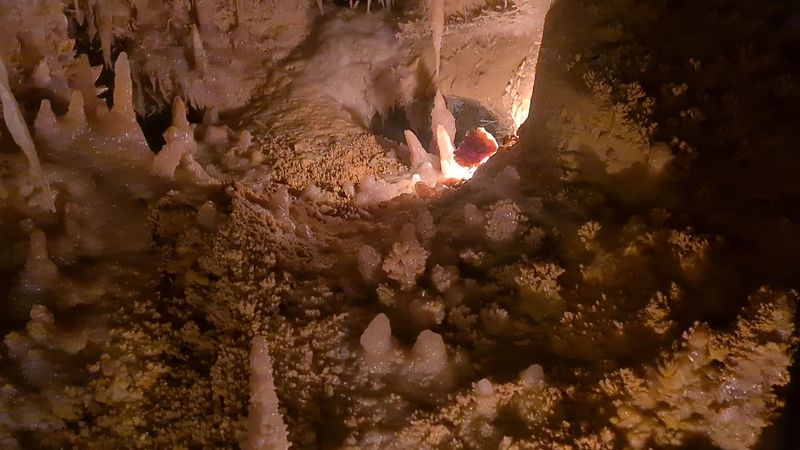
One thing that surprises many first-time visitors is how warm the Caverns of Sonora feel compared to most show caves. The temperature stays around 71 to 75 degrees Fahrenheit year-round, but the humidity runs extremely high, close to 98 percent in some areas, which makes it feel significantly warmer than the thermometer suggests.
Most caves feel refreshingly cool, so arriving at Sonora expecting a break from Texas heat can catch people off guard. Light, breathable clothing is genuinely the right call here, and comfortable shoes with good grip are essential since the cave floors can be wet and slippery in spots.
The climb back to the surface at the end of the tour is the most physically demanding part for most visitors. After spending nearly two hours underground in high humidity, emerging into West Texas sunshine can feel intense.
Staying hydrated before and during the tour makes a noticeable difference in how you feel throughout the experience.
Classic Formations That Fill Every Chamber
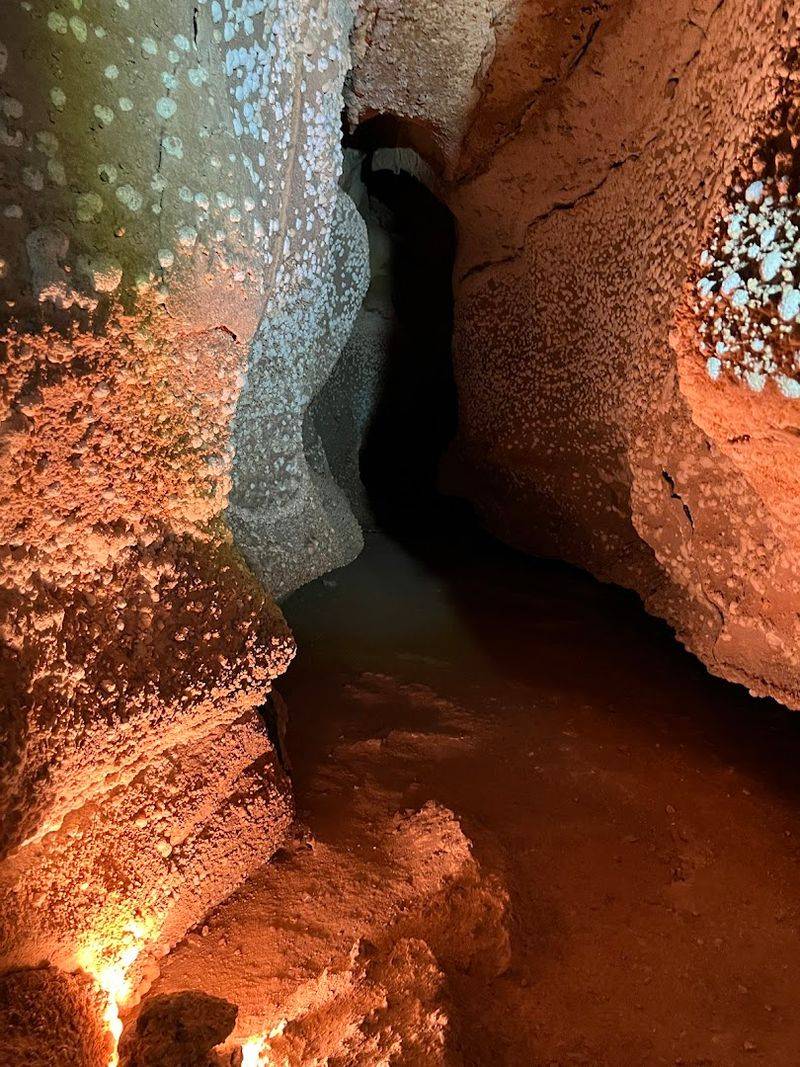
Beyond the aragonite popcorn and helictites, the Caverns of Sonora deliver every classic cave formation in impressive style. Stalactites hang from ceilings in clusters, stalagmites rise from the floor in corresponding columns, and where the two have met over thousands of years, full columns stand like natural pillars throughout the chambers.
Cave bacon, the informal name for thin wavy draperies of banded calcite, appears in several sections of the cave. The translucent sheets show bands of color ranging from cream to rust, and when backlit by the cave lighting, they glow warmly.
Soda straw formations, which are hollow mineral tubes that look exactly like drinking straws hanging from the ceiling, appear in fragile clusters that feel almost impossible given their thinness.
Flowstone coats sections of the cave floor and walls in smooth, layered sheets that look like frozen waterfalls. The variety of formation types packed into a relatively compact cave system is a big part of what makes the Caverns of Sonora so consistently impressive to experienced cave visitors.
The Living Cave and Why Touching Formations Is Off Limits
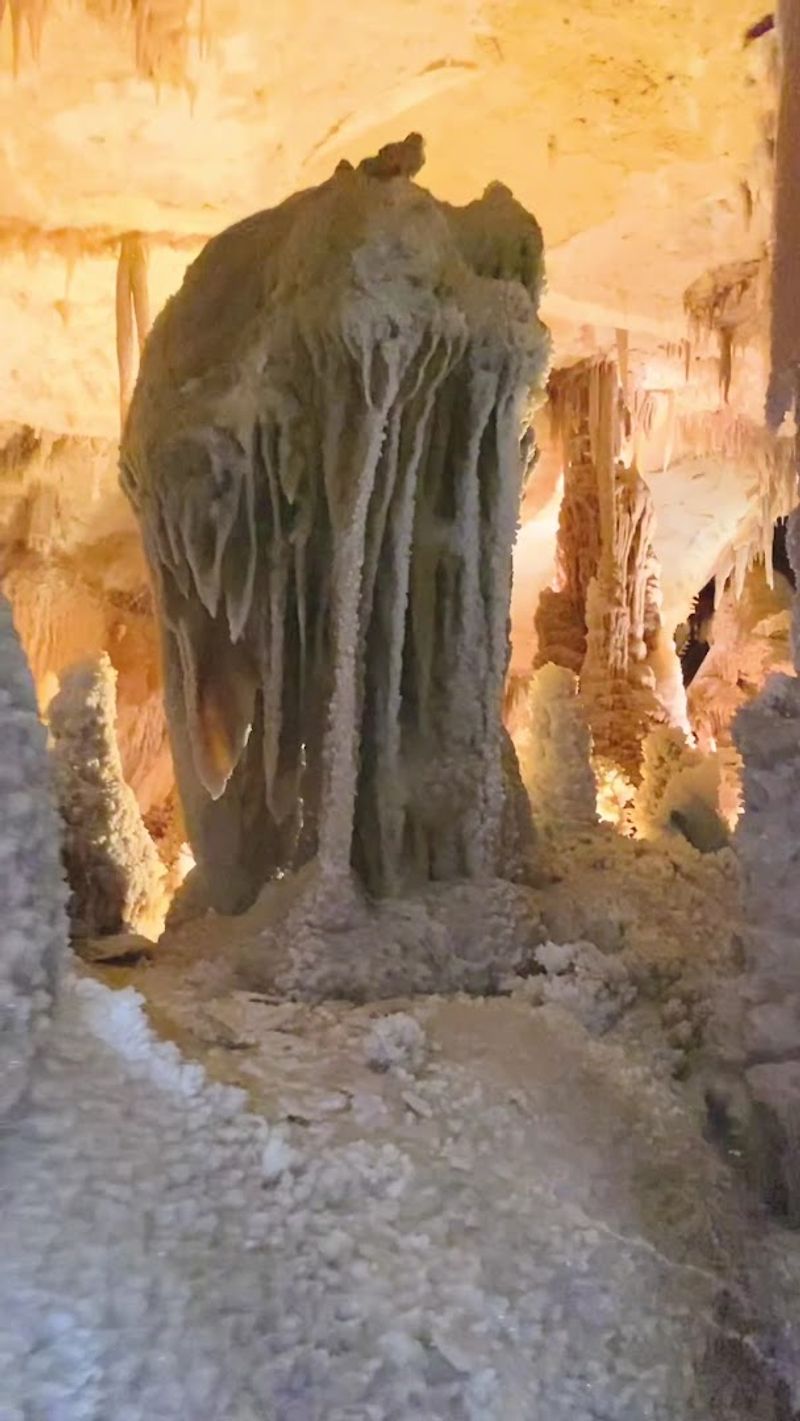
The Caverns of Sonora is considered a living cave, meaning the formations inside are still actively growing. Water continues to seep through the limestone above, carrying dissolved minerals that slowly add to existing formations over incredibly long timescales.
A single inch of growth can represent thousands of years of mineral deposit.
This is exactly why touching the formations is strictly off limits. The natural oils from human skin can disrupt the mineral deposition process, effectively stopping growth in the spot that was touched.
Early visitors to the cave did touch formations before the rules were understood, and those areas serve as a visible reminder of the long-term impact of even a brief contact.
Guides explain this clearly on every tour, and most visitors come away with a genuine appreciation for the rule rather than feeling restricted by it. Understanding that you are walking through something still in the process of being created changes the experience in a meaningful way.
Peacocks, the Gift Shop, and the Homemade Fudge
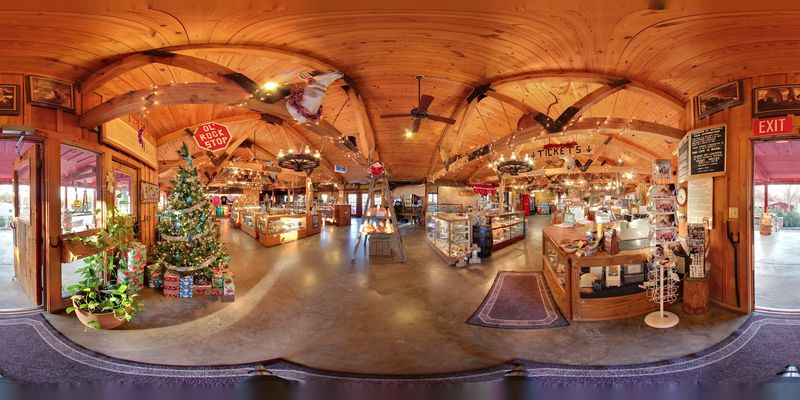
The Caverns of Sonora experience does not begin and end underground. The grounds above the cave have their own charm, starting with the peacocks that roam freely around the property.
Seeing a peacock display its feathers while standing on a West Texas hillside is not something most visitors expect, and it consistently draws smiles from people of all ages.
The gift shop inside the visitor center is well stocked with souvenirs, geological specimens, and cave-themed items that feel genuinely connected to the place rather than generic tourist fare. A resident cat named Socks has been known to hold court in the gift shop, adding a layer of local personality to the whole operation.
The homemade fudge available at the shop has developed a following of its own. Multiple flavors are usually on offer, and visitors who try it often mention it as an unexpected highlight of the trip.
It is the kind of small detail that makes a place feel like it was put together by people who actually care.
The Campground on the Property
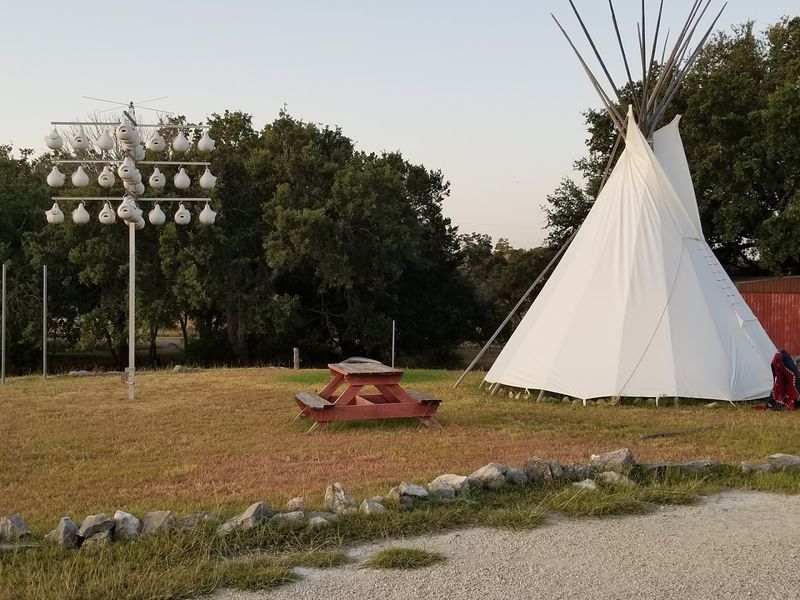
One feature that sets the Caverns of Sonora apart from most cave attractions is the on-site campground. Visitors who want to extend their stay can camp right on the property, with pull-through RV sites that include hookups available for those traveling with campers or trailers.
The setting is genuinely appealing. West Texas sunsets over the surrounding hills are the kind that make you stop what you are doing and just watch.
The nights are quiet in a way that is increasingly hard to find, with minimal light pollution and a sky full of stars that feels like its own kind of underground wonder, just pointed upward instead of down.
Staying overnight gives visitors the chance to explore the grounds at a leisurely pace, see the peacocks in the morning light, and simply sit with the experience of what they saw underground. It transforms a day trip into something more memorable and gives the whole visit a different rhythm.
The Texas Cave Trail and How Sonora Fits Into It
The Caverns of Sonora is one of the stops on the Texas Cave Trail, a self-guided passport program that encourages visitors to explore multiple cave systems across the state. Participants collect stamps at each cave they visit, and the trail has built a community of cave enthusiasts who compare notes and share experiences.
For many who complete the trail, Sonora serves as the final stop, and by multiple accounts it is a memorable way to finish. Visitors who have toured other Texas caves consistently describe Sonora as the most visually complex and formation-rich of the group, which makes it a satisfying conclusion to the broader cave-touring journey.
The passport program also gives casual visitors a reason to become repeat cave-goers. People who might never have sought out a cave tour find themselves planning road trips around the trail, and Sonora benefits from being a cave that genuinely rewards the effort it takes to reach it.
Practical Tips for Planning Your Visit
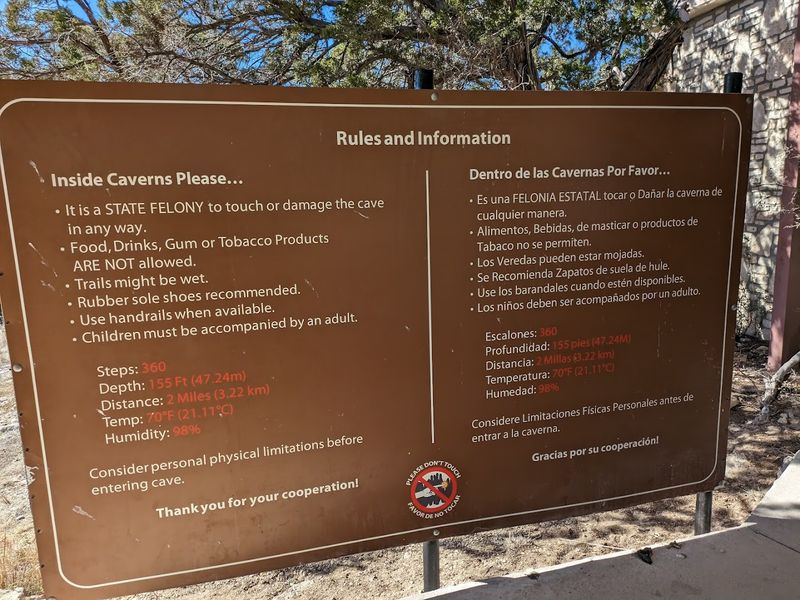
A few practical details can make a real difference in how much you enjoy the Caverns of Sonora. Tickets can be purchased online in advance, including arrive-anytime options that offer flexibility without requiring a specific departure time.
Buying ahead is a good idea during busy travel seasons to avoid a long wait.
No backpacks or bags are allowed inside the cave, so plan to leave larger items in your vehicle. The tour involves a fair amount of stair climbing and uneven surfaces, so footwear with solid grip is genuinely important rather than just suggested.
The cave also accommodates dogs in free kennels near the entrance, and baby carriers are available to borrow for families with infants.
The drive to the Caverns of Sonora from San Antonio takes roughly two and a half hours, making it a very manageable day trip. The cave sits just minutes off Interstate 10, so it fits naturally into a longer West Texas road trip without requiring a major detour.
Share this story