As more travelers look beyond the world’s busiest tourist hotspots, a growing number of cities are gaining international attention without losing their local character. These destinations still have neighborhood cafes filled with residents, bustling local markets, family-run restaurants, and traditions that remain part of everyday life.
While visitor numbers are rising, they continue to offer experiences that feel genuine rather than manufactured. If you are tired of overly polished tourist traps, these cities are worth every bit of your attention.
Bologna, Italy
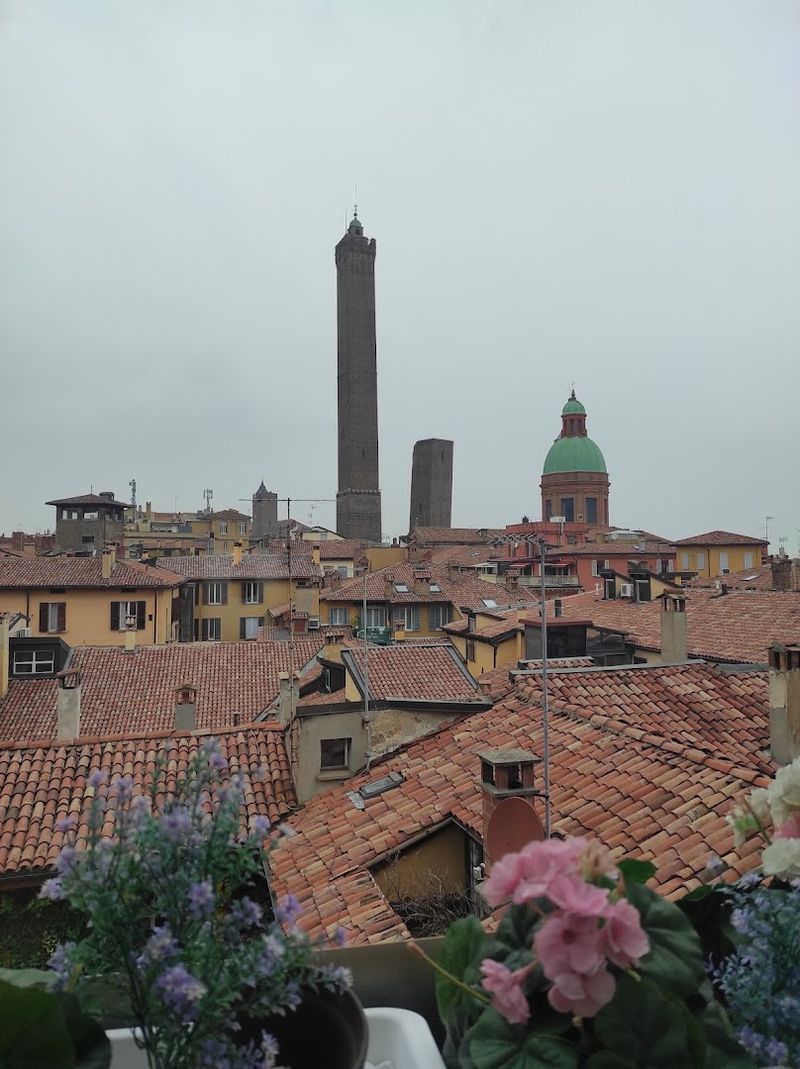
Ask any Italian food lover where they would live if they could choose anywhere, and Bologna keeps coming up. Known as “La Grassa” (The Fat One), this city earned that nickname honestly, giving the world ragu, mortadella, and tortellini.
Yet somehow, it never turned into a tourist theme park.
Bologna’s 40 kilometers of covered arcades, called porticos, are a UNESCO World Heritage Site and also just where locals walk to work every day. Students from the world’s oldest university fill the piazzas, keeping the energy young and unpretentious.
You will not find many souvenir shops selling plastic replicas here.
The Central Market is a genuine food lover’s paradise, packed with local vendors selling aged Parmigiano-Reggiano, hand-rolled pasta, and cured meats. Restaurants here serve the same recipes they have used for generations.
Bologna rewards slow exploration, and the more time you spend wandering, the more you realize this city was never performing for visitors. It simply lives its delicious life and invites you along for the ride.
Ljubljana, Slovenia
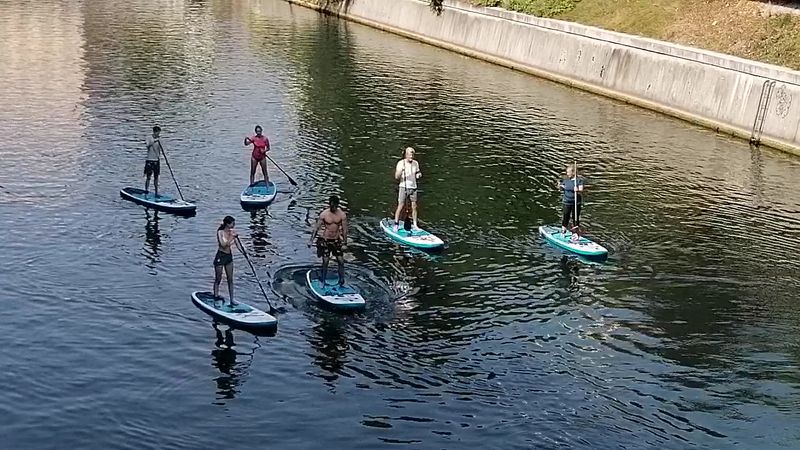
Ljubljana might just be Europe’s best-kept secret that is slowly getting out. Slovenia’s compact capital is genuinely walkable, charming without being cutesy, and refreshingly free of the kind of tourist fatigue you feel in bigger European cities.
The dragon, the city’s symbol, appears on bridges, shop signs, and even beer labels.
The Old Town sits along the Ljubljanica River, where locals actually use the riverside cafes as their regular hangout spots rather than tourist photo backdrops. The Central Market runs along the riverbank on weekday mornings, packed with farmers, bakers, and flower sellers who have been showing up for years.
Ljubljana Castle looms above it all, offering panoramic views of the surrounding Alps.
Beyond the main square, residential neighborhoods like Trnovo and Krakovo feel wonderfully unhurried. There are community gardens, local bars with no English menus, and bakeries that still bake bread the old way.
Ljubljana’s size works in its favor too. Everything is within walking distance, so you spend your time actually experiencing the city rather than navigating it.
Small cities with big personalities are rare. Ljubljana is one of them.
Tbilisi, Georgia
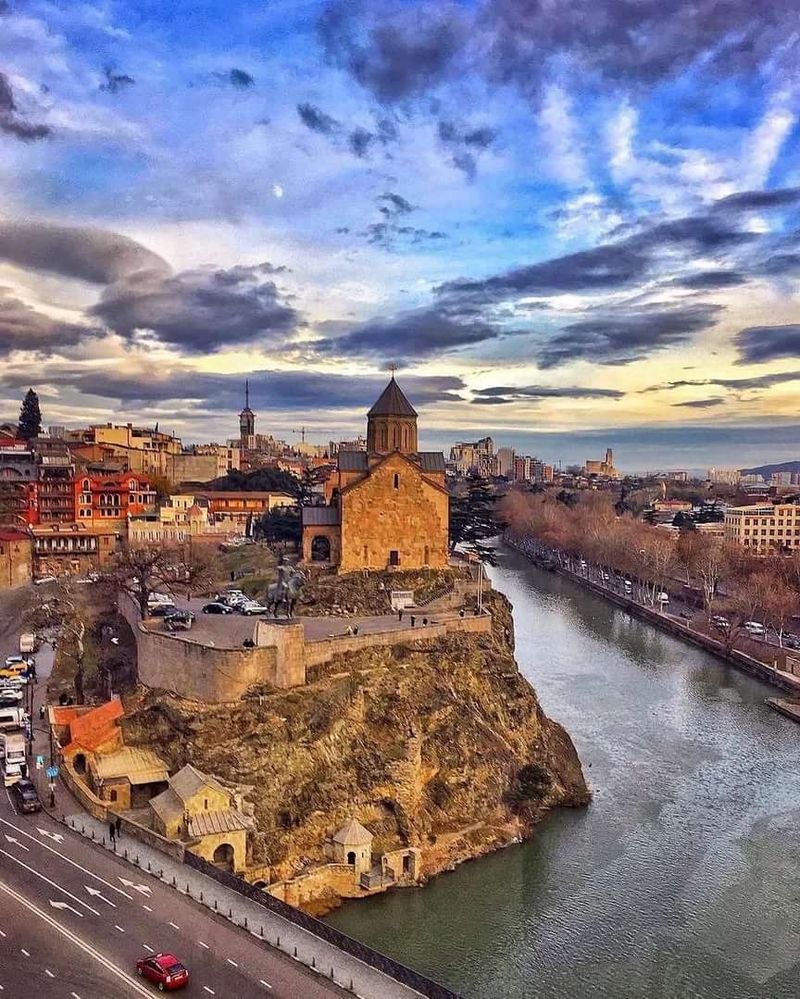
Tbilisi smells like fresh bread, sulfur from the bathhouses, and something you cannot quite name but immediately love. This city in the South Caucasus has been attracting creative travelers, digital nomads, and food enthusiasts for years, yet its Georgian soul remains stubbornly, wonderfully intact.
The Old Town, called Kala, is a maze of carved wooden balconies, crumbling churches, and courtyards where neighbors still share meals outdoors. The sulfur baths of Abanotubani have been running since the fifth century and locals use them regularly, not just for tourists.
Natural wine bars have popped up across the city, many run by winemakers from the ancient Kakheti region who are proud to explain every bottle.
Rustaveli Avenue buzzes with theaters, cafes, and bookshops that cater primarily to Tbilisi residents. The Dezerter Bazaar market is loud, chaotic, and absolutely fantastic, selling everything from churchkhela candy to homemade cheese.
Georgia’s legendary hospitality tradition, called supra, means that sharing food and wine with strangers is not unusual here. Tbilisi is a city that makes you feel like a guest in someone’s home rather than a number in a tour group.
Porto, Portugal
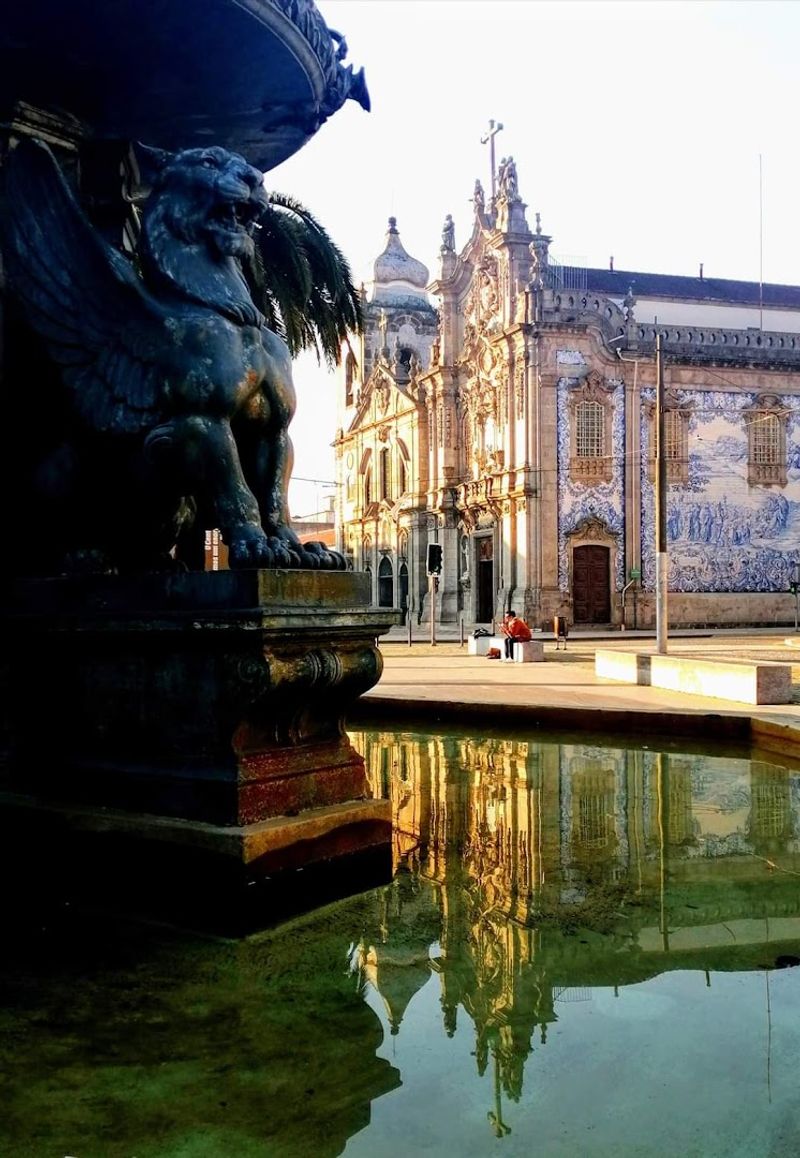
Porto has a habit of making people miss their flights home. Something about the golden azulejo tiles, the smell of grilled sardines drifting from riverside restaurants, and the sound of fado music echoing through the Ribeira district makes it genuinely hard to leave.
And unlike some of its more famous neighbors, Porto still feels lived-in.
The city’s wine culture is rooted in family-run cellars across the river in Vila Nova de Gaia, where port wine has been aging in oak barrels for centuries. Many of these cellars are still operated by the same families who founded them.
Locals will point you toward their favorite tasca, a simple neighborhood restaurant where the menu changes daily based on whatever was fresh at the market that morning.
The Bolhao Market recently reopened after restoration and remains a genuine gathering spot for Porto residents. The Cedofeita neighborhood is full of independent bookshops, coffee roasters, and galleries that serve a local crowd first.
Porto is growing in popularity, but its hills, tramways, and tight-knit communities create a sense of place that resists being smoothed over for mass tourism. Spend a few days here and you will understand why people keep returning.
Sarajevo, Bosnia and Herzegovina
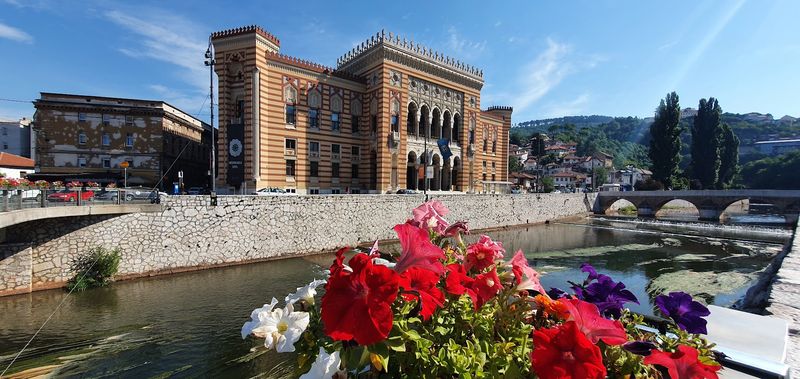
Four religions, two alphabets, and one extraordinary city. Sarajevo is the kind of place that stops you mid-sentence because you look up and realize a mosque, a Catholic cathedral, an Orthodox church, and a synagogue are all within a few minutes’ walk of each other.
That is not an accident. It is the city’s identity.
The Bascarsija bazaar is the beating heart of the Old Town, and it has been for centuries. Coppersmiths still hammer out handmade goods in tiny workshops, and the smell of cevapi grilling over coals is almost impossible to resist.
Sarajevo’s cafe culture is serious business here. Residents spend hours over a single cup of Bosnian coffee, and that slow, social rhythm is very much alive.
The city carries its complicated history openly, from the Latin Bridge where World War I began to the Tunnel Museum from the 1990s siege. None of it is hidden or sanitized.
Locals will talk about it honestly if you ask. The warmth of Sarajevo’s people is not a tourist attraction.
It is simply who they are. Few cities pack this much history, culture, and genuine human connection into such a compact and walkable space.
Mostar, Bosnia and Herzegovina
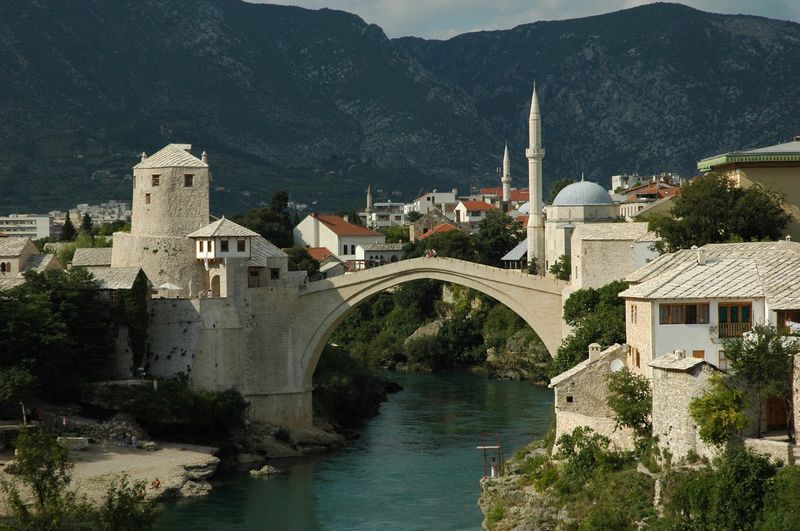
The Old Bridge of Mostar is one of the most photographed structures in the Balkans, and for good reason. Its elegant Ottoman arch over the turquoise Neretva River is genuinely breathtaking.
But arrive at seven in the morning, and you will find a completely different city from the one that fills up with tour groups by noon.
Early risers get to watch local women hanging laundry from apartment windows above the cobblestone lanes. Bakeries sell fresh burek to residents heading to work, and the only sounds are birds and the river below.
The Kujundziluk bazaar street, packed with souvenir stalls by midday, is almost peaceful in the early hours when vendors are just setting up.
Staying overnight changes everything about Mostar. Evenings belong to locals who fill the kafanas (traditional cafes) on the quieter side of the river.
The neighborhoods of Cernica and Donja Mahala feel untouched by tourism, with community gardens and old mosques that see far more residents than visitors. Mostar’s charm is real, but it requires a bit of timing.
Give it mornings and evenings, and this city will give you something far richer than a bridge selfie.
Lecce, Italy
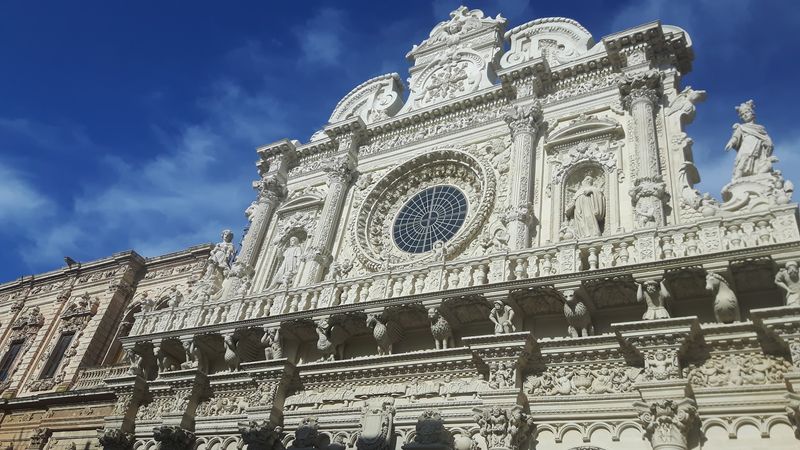
Lecce is made of a stone so golden it practically glows at sunset. Local craftsmen call it pietra leccese, and they have been carving it into extravagant Baroque facades, cherubs, and curling vines for centuries.
The result is a city that looks almost too beautiful to be real, yet somehow remains refreshingly down to earth.
The evening passeggiata here is not a performance. Families genuinely stroll through Piazza Sant’Oronzo after dinner, kids running ahead while grandparents trail behind.
Day-trippers largely clear out by late afternoon, leaving the piazzas and side streets to the people who actually live here. The local market in Piazza Libertini runs on weekday mornings and sells produce, not postcards.
Lecce’s food scene is rooted in Puglia’s cucina povera tradition, meaning simple ingredients prepared with enormous care. Rustico pastries, fresh frisella bread, and orecchiette pasta are everywhere, and locals will enthusiastically argue over which bar makes the best pasticciotto.
The city has a university, which keeps the population young and the bars lively well past midnight. Lecce is proof that extraordinary beauty and everyday normalcy can absolutely coexist in the same place.
Gdansk, Poland
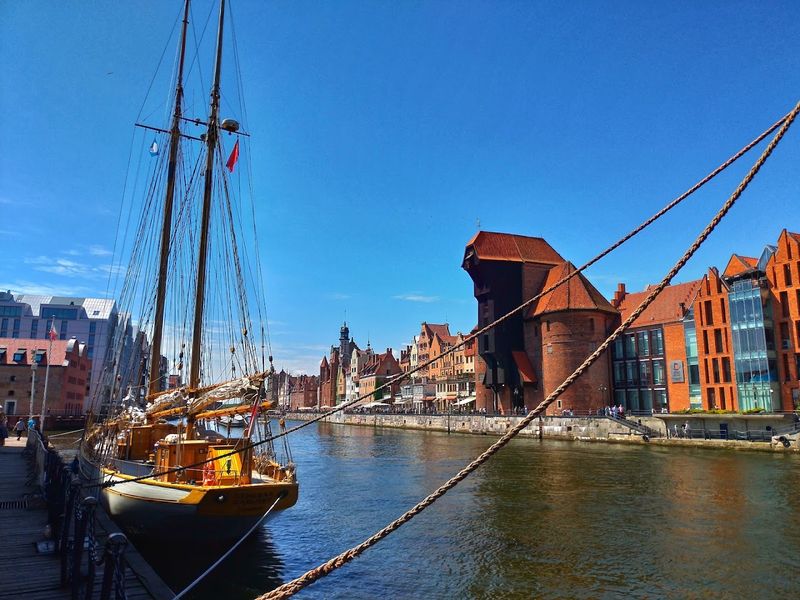
Gdansk is one of those cities that surprises people who thought they already knew Poland. Most visitors expect Krakow or Warsaw, and then they stumble upon this Baltic port city with its candy-colored merchant houses, medieval crane, and a history so dramatic it reads like a novel.
This is where World War II began and where the Solidarity movement ended communist rule in Europe.
The Long Market street is undeniably beautiful and does attract visitors, but step one block in either direction and you find local grocery stores, hardware shops, and coffee houses filled with residents. The Old Town was largely rebuilt after wartime destruction, yet it carries genuine civic pride rather than a museum-like stillness.
The Fish Market along the Motlawa River is where locals actually shop for fresh Baltic catch.
The Wrzeszcz and Wajdeloty neighborhoods away from the waterfront feel entirely unaffected by tourism, with excellent restaurants, vinyl record shops, and a creative scene that has been building quietly for years. Gdansk’s craft beer culture is also thriving, with local breweries drawing in young professionals and curious visitors alike.
Poland’s northern gem has plenty of personality and very little pretension.
Plovdiv, Bulgaria
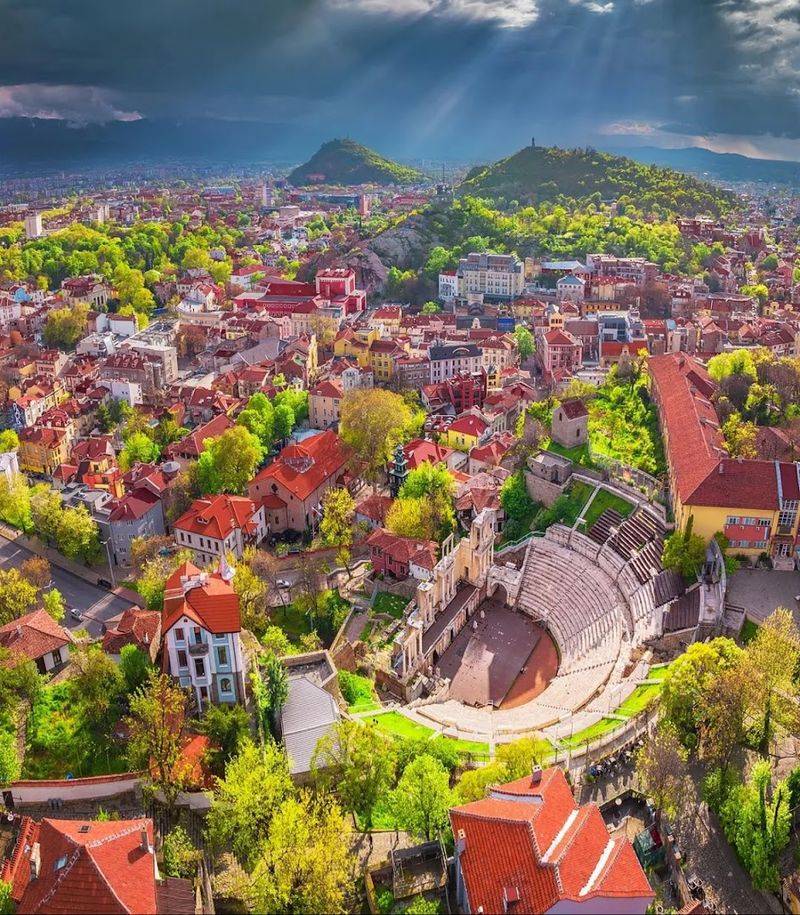
Bulgaria’s second city tends to get overlooked in favor of Sofia, which means Plovdiv gets to be wonderfully itself without the pressure of being anyone’s first choice. That suits Plovdiv just fine.
It has been continuously inhabited for over 6,000 years, making it one of the oldest cities in Europe, and it carries that age with easy confidence.
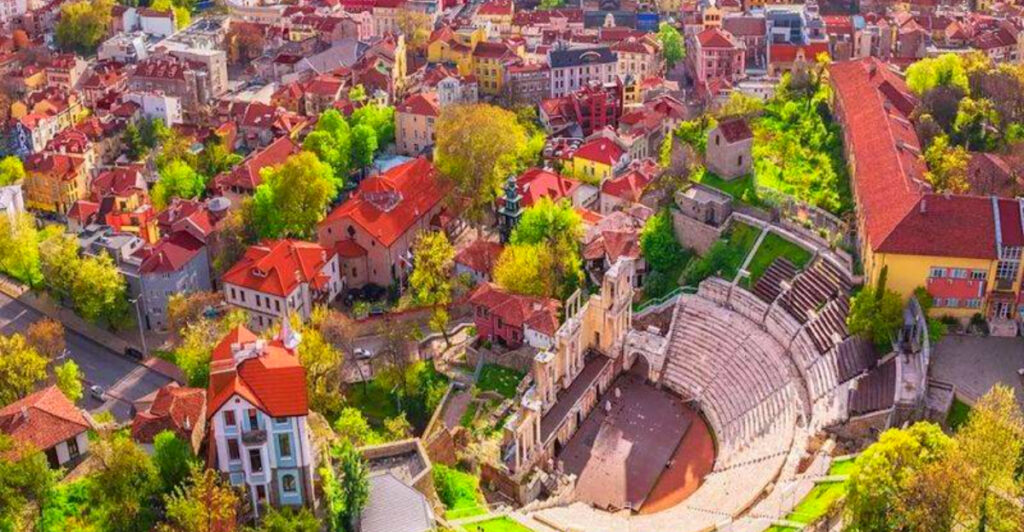
The Old Town sits on three hills and is packed with brightly painted National Revival-era houses that lean dramatically over the narrow cobblestone streets below. A Roman amphitheater from the second century sits right in the middle of the city, still used for concerts and performances.
Plovdiv hosted the European Capital of Culture title in 2019 and built a genuine arts scene around it that stuck around long after the year ended.
The Kapana district, whose name means “The Trap,” is a former craftsmen’s quarter now filled with galleries, coffee shops, and studios run by local artists. Prices are refreshingly reasonable by European standards, and the people are genuinely warm.
Plovdiv does not oversell itself, which is part of why it earns such loyal fans. Visit once and you will almost certainly want to come back.
Yerevan, Armenia
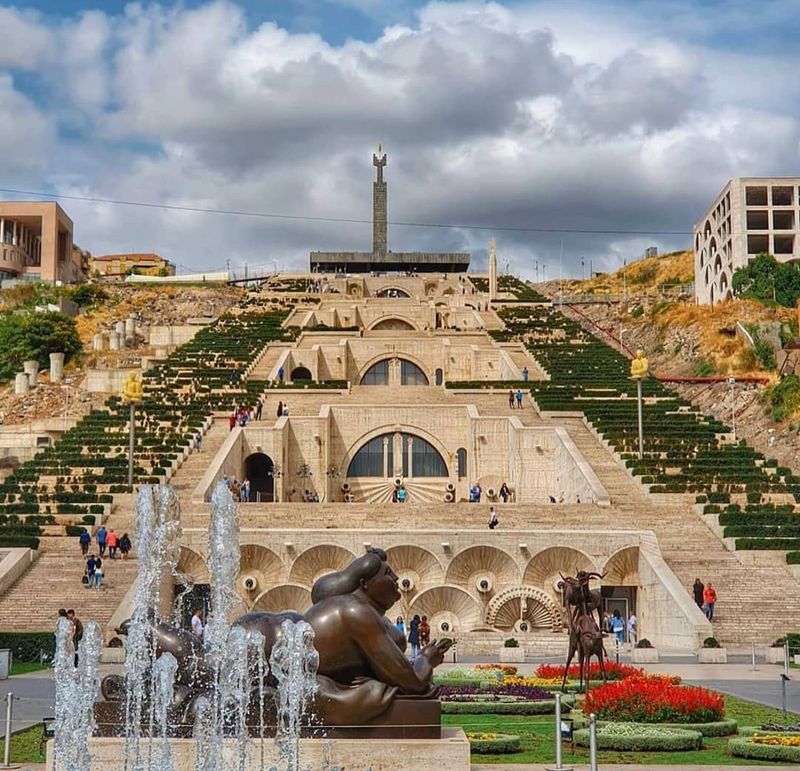
Yerevan is one of the oldest continuously inhabited cities on Earth, and yet it somehow manages to feel both ancient and energetically modern at the same time. The city is built largely from pink and orange volcanic tufa stone, which gives it a warm, rosy glow that shifts beautifully as the sun moves across the sky.
Mount Ararat looms on the horizon just across the border, visible on clear days and deeply meaningful to every Armenian.
The Cascade complex is a giant staircase of fountains and sculptures that connects the city center to hilltop parks, and locals use it daily for exercise, picnics, and evening strolls. The surrounding streets are filled with outdoor cafes where people linger for hours over Armenian coffee and apricot brandy.
The Vernissage open-air market on weekends sells handmade crafts, Soviet memorabilia, and fresh produce in cheerful chaos.
Armenian hospitality is not a cultural cliche. It is something you feel immediately when a stranger invites you to share their table or a shopkeeper offers you a small glass of homemade vodka.
Yerevan’s growing tourism scene has not changed that fundamental warmth. The city feels proud of who it is, and sharing that pride with visitors comes completely naturally.
Ohrid, North Macedonia
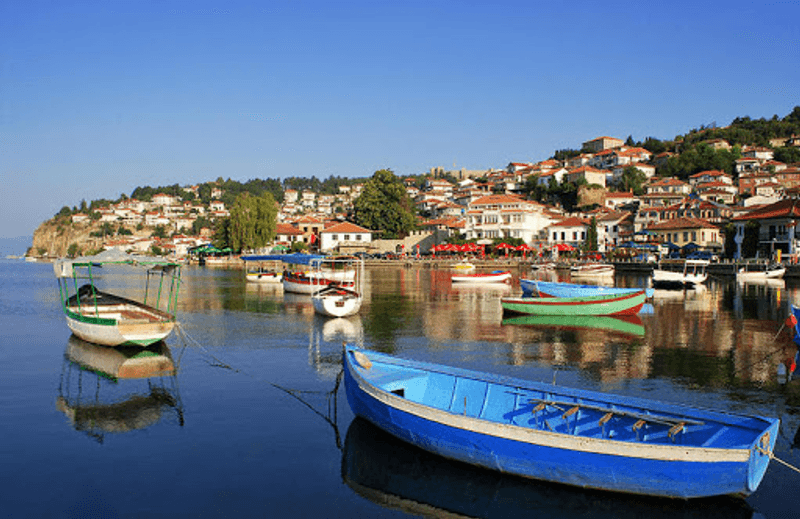
Lake Ohrid has been around for roughly three million years, making it one of the oldest and deepest lakes in Europe. The town that shares its name has been sitting on its shores for a good chunk of recorded human history too, and the combination of ancient water and ancient stone creates an atmosphere that feels genuinely timeless.
UNESCO has recognized both the lake and the town, which is rare and well deserved.
The old town climbs steeply up from the waterfront, lined with medieval churches, Byzantine frescoes, and stone houses with red-tiled roofs. Saint John at Kaneo, a small church perched on a cliff above the lake, is one of the most photographed spots in the Balkans.
Yet the surrounding neighborhoods remain quiet and residential, with locals growing vegetables in terraced gardens and fishing from small wooden boats at dawn.
The lakeside promenade fills with families in the evenings, and the pace of life here is genuinely slow in the best possible way. Local restaurants serve fresh lake trout called Ohrid trout, a protected species unique to these waters.
Ohrid has not been overrun, and the community clearly wants to keep it that way. Spend a few unhurried days here and you will understand why.
Tirana, Albania
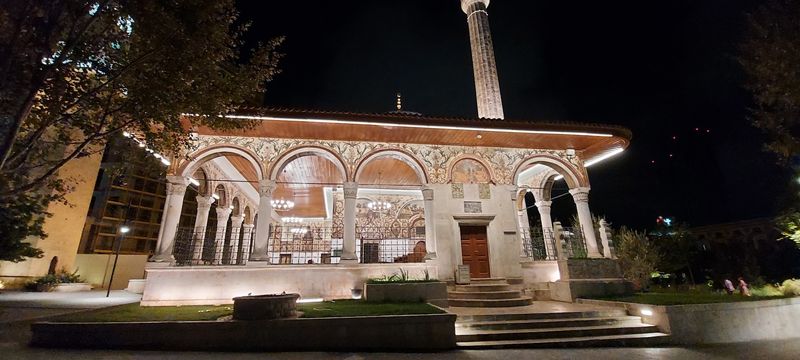
Not long ago, Albania was one of the most isolated countries in the world. Today, Tirana is one of the most energetically surprising capitals in Europe, and the transformation feels like watching a city discover its own personality in real time.
The colorful painted facades on apartment blocks were started by a former mayor who wanted to brighten the city, and the idea clearly caught on.
The Blloku neighborhood, once a closed district reserved for communist party elites, is now the city’s social hub, packed with cafes, restaurants, cocktail bars, and boutiques. Young Albanians fill the outdoor terraces from mid-morning until well past midnight.
The National History Museum and Et’hem Bey Mosque on Skanderbeg Square offer a window into the country’s layered past without requiring a lot of effort to find them.
Tirana’s street food scene is thriving, with burek shops, roasted corn vendors, and fresh juice stands on nearly every corner. Prices remain significantly lower than most European capitals, making it accessible without feeling cheap.
Albanians are famously hospitable, and that reputation holds up completely in Tirana. The city is growing fast, building new hotels and restaurants every year, but its character remains distinctly, unapologetically Albanian.
Kanazawa, Japan
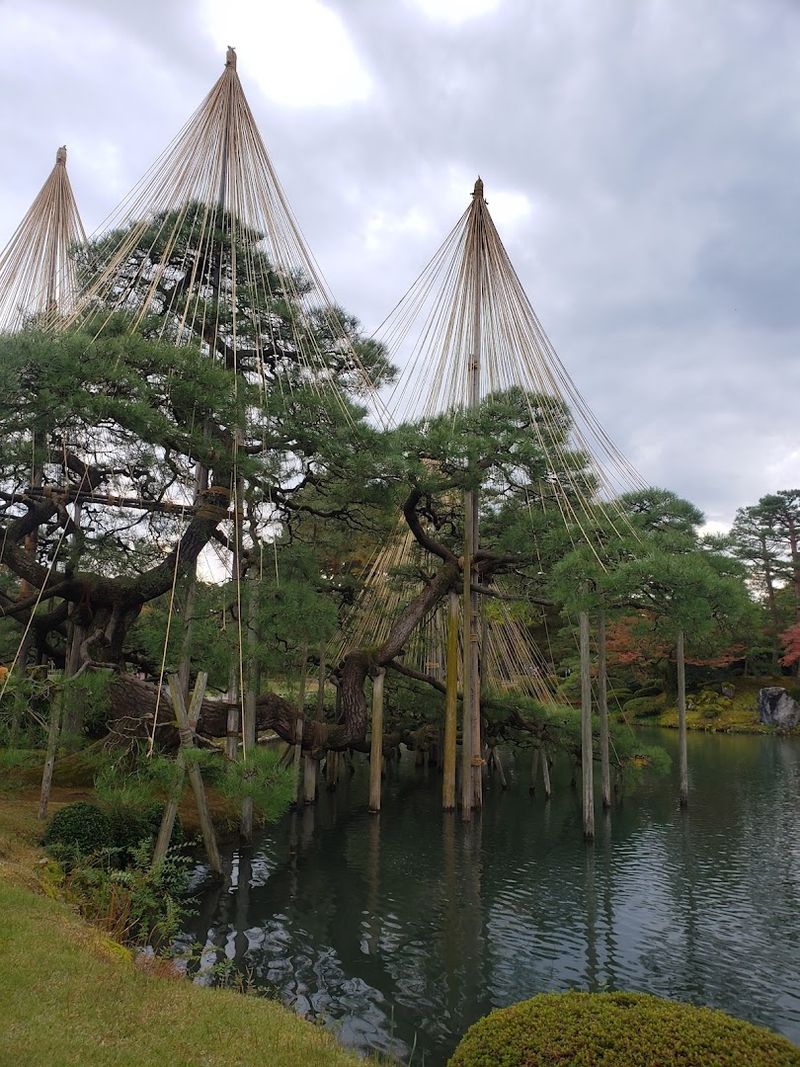
Kanazawa has been called “little Kyoto” so many times that locals have started rolling their eyes at the comparison. Fair enough, because Kanazawa is its own city with its own identity, its own crafts traditions, and its own very particular pride.
It survived World War II without significant bombing damage, which means its historic districts are the real thing, not reconstructions.
The Higashi Chaya district is a preserved geisha entertainment quarter where the wooden teahouses lining the narrow streets have been operating for centuries. The Nagamachi samurai district nearby still has mud-walled lanes and restored residences that give a tangible sense of feudal Japan.
Kenroku-en garden is consistently ranked among Japan’s top three landscape gardens, and even on busy days it retains a sense of calm.
Kanazawa is also the center of some of Japan’s finest traditional crafts, including Kaga Yuzen silk dyeing, gold leaf production, and lacquerware. The Omicho Market is a lively fish and produce market where chefs and home cooks shop side by side every morning.
The city’s culinary reputation rivals Kyoto’s, with exceptional seafood from the Sea of Japan. Kanazawa rewards those who slow down and pay attention to its quieter, more refined pleasures.
Valencia, Spain
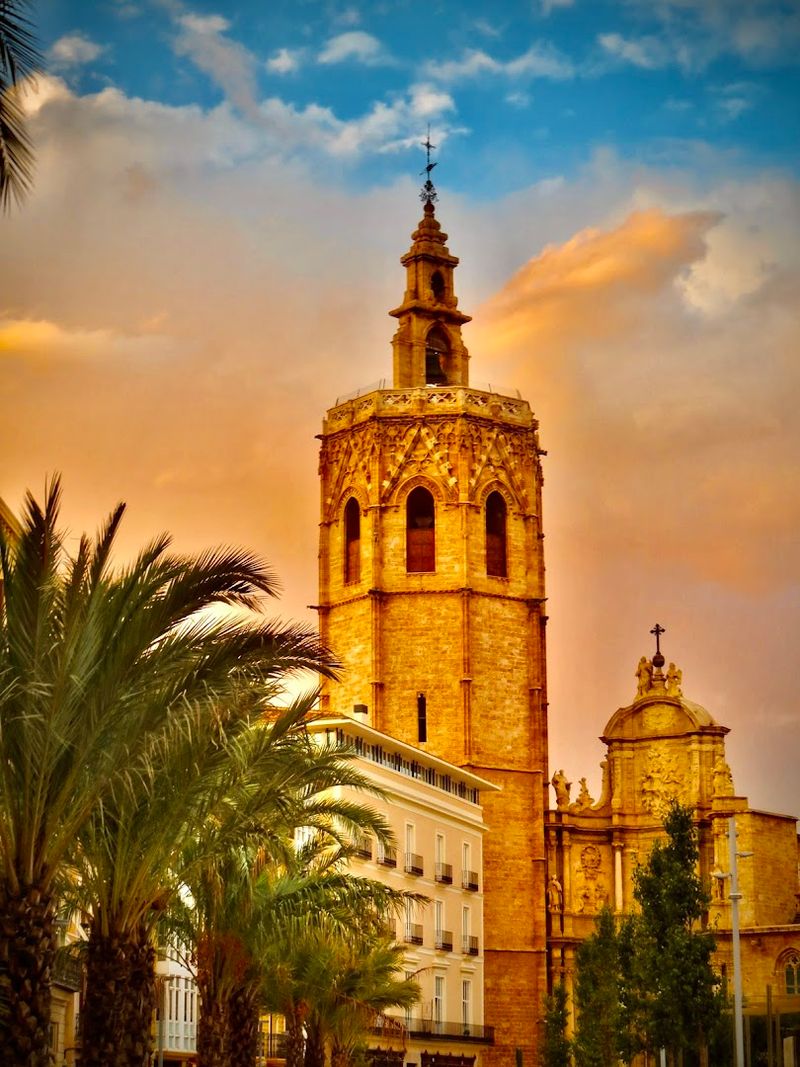
Valencia invented paella. Not the tourist version with shrimp and peas, but the real thing, made with rabbit, chicken, green beans, and saffron, cooked over orange wood in a wide, shallow pan.
Valencians are fiercely proud of this, and rightly so. Food is the best entry point into understanding what makes this city tick.
Spain’s third-largest city balances its modern City of Arts and Sciences complex, a futuristic cluster of museums and an opera house, with the gloriously chaotic Central Market, where over a thousand stalls sell fresh produce, cheese, and cured meats under a stunning Art Nouveau roof. Both exist comfortably in the same city because Valencia has always been comfortable with contradictions.
The Ruzafa neighborhood is where locals eat, drink, and socialize, with excellent restaurants, coffee shops, and a Sunday flea market that draws a genuinely mixed crowd of residents and visitors. The Turia Gardens, a former riverbed turned into a 9-kilometer green park cutting through the city, is used daily by cyclists, joggers, and families.
Valencia’s Fallas festival in March, when enormous papier-mache sculptures are burned in the streets, is one of Spain’s most spectacular and least manufactured celebrations. This city lives loudly and authentically.
Brno, Czechia
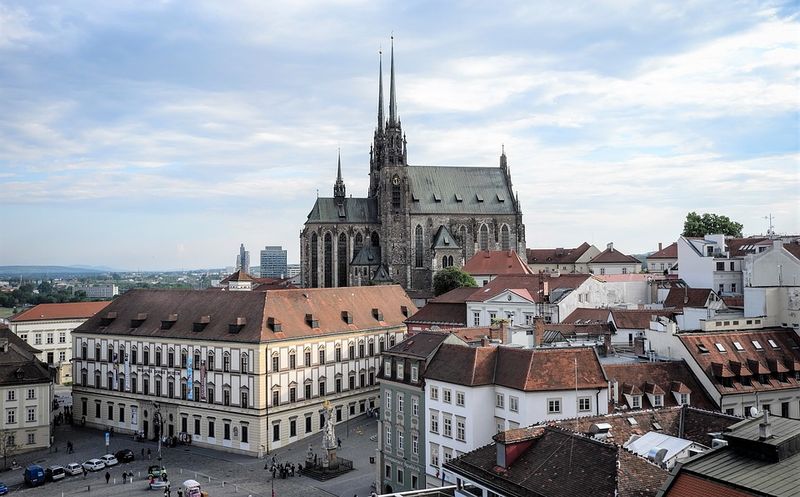
Prague gets all the postcards, but Brno gets the locals. Czech Republic’s second city has the historic architecture, the excellent beer, the charming old town squares, and the creative energy, but without the endless queues, inflated prices, and sea of selfie sticks.
Students from Masaryk University and Brno University of Technology keep the city’s population young and its cultural calendar surprisingly full.
Spilberk Castle overlooks the city from its hilltop position and is surrounded by parkland where locals walk their dogs and read on the grass. The Zelny Trh, or Cabbage Market, is a working market square that has been selling fresh produce since the Middle Ages and still does.
The underground ossuary beneath the Capuchin Monastery is one of the stranger tourist attractions in Central Europe, and entirely worth it.
Brno’s cafe culture is genuinely excellent, with independent roasters and cozy spots tucked into historic buildings throughout the center. The city’s nightlife is lively but not overwhelming, centered around local bars rather than party tourism.
Accommodation and restaurant prices are noticeably lower than Prague, which makes Brno an especially smart choice for travelers who want quality without the premium. It is a city that rewards the curious over the checklist traveler.
Ghent, Belgium
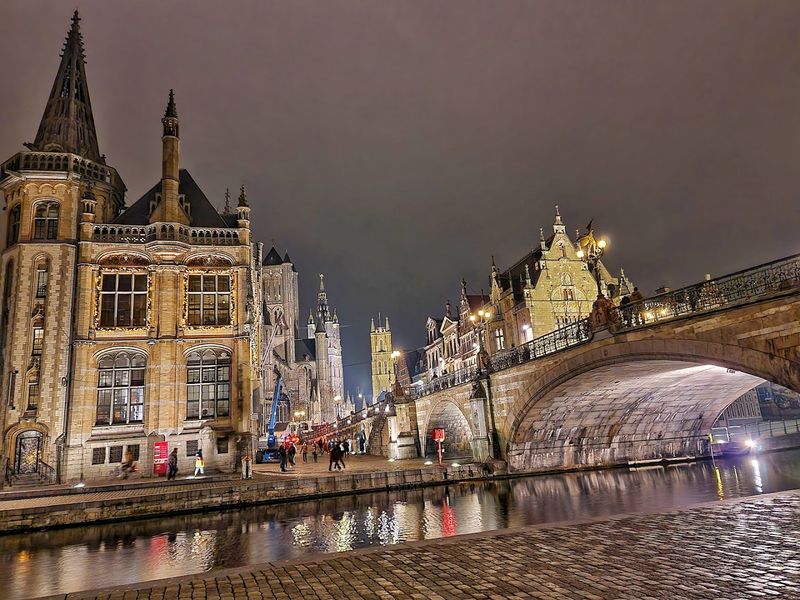
Ghent has three medieval towers that have dominated its skyline for centuries, a canal system that rivals Bruges, and a university population that keeps the whole city permanently switched on. Yet somehow it remains more popular with Belgians than with international tour operators, which is honestly their loss and your gain.
The Graslei and Korenlei waterfronts are genuinely stunning, lined with guild houses dating back to the twelfth century, and the reflection in the canal at dusk is the kind of view that makes you stop walking mid-stride. Students from Ghent University fill the surrounding streets, keeping rents reasonable and the bar scene honest.
The Vrijdagmarkt square hosts a weekly flea market that draws a loyal local crowd every Friday.
Ghent is also unexpectedly good for food, with a strong tradition of Flemish cuisine alongside a thriving vegetarian scene rooted in the city’s Thursday Veggie Day initiative, which started here and spread globally. The STAM city museum tells Ghent’s story in an engaging and non-stuffy way.
The Patershol neighborhood, a tangle of medieval lanes turned restaurant district, is beloved by locals for its warmth and quality. Ghent does not need to try hard to impress.
It simply is impressive.
Split, Croatia
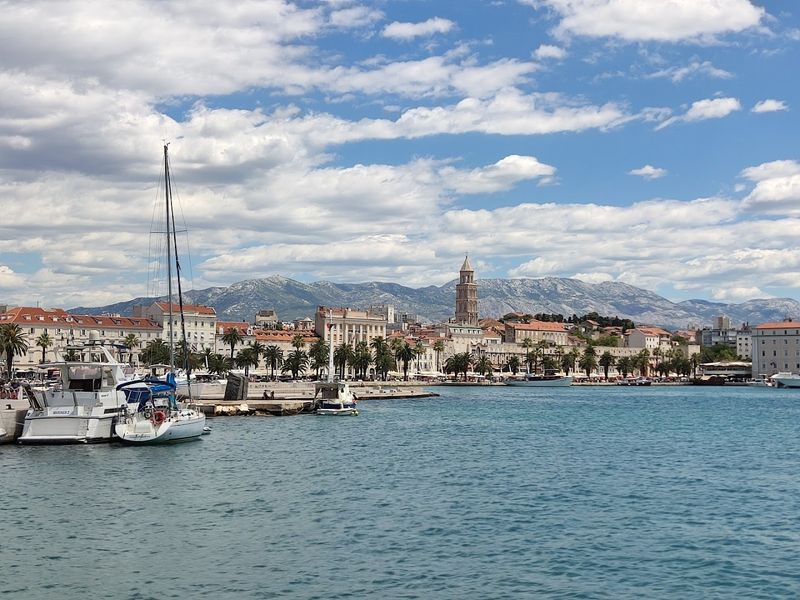
Split has a party reputation that is only half the story. Yes, the summer months bring cruise ships and festival crowds to the Riva waterfront promenade, and yes, the nightlife inside Diocletian’s Palace can get genuinely loud.
But Split is also a real city where people have been living inside a Roman emperor’s retirement home for over 1,700 years, and that is a fact worth sitting with for a moment.
The palace is not a museum. It is a neighborhood, complete with apartments, restaurants, a cathedral built inside a Roman mausoleum, and narrow lanes where laundry hangs between ancient stone walls.
Mornings are when the city belongs to its residents. The Green Market outside the palace’s Golden Gate opens early with local farmers selling figs, tomatoes, and lavender honey from the nearby islands.
The Varos neighborhood, climbing the hill above the palace, is a tangle of old stone houses and community gardens that feels almost untouched by the tourist economy below. Local konobas (traditional taverns) here serve peka, a slow-cooked lamb or octopus dish, to an almost entirely local clientele.
Split is a city that absorbs its visitors without letting them define it. Come for the history, stay for the people.
Funchal, Portugal
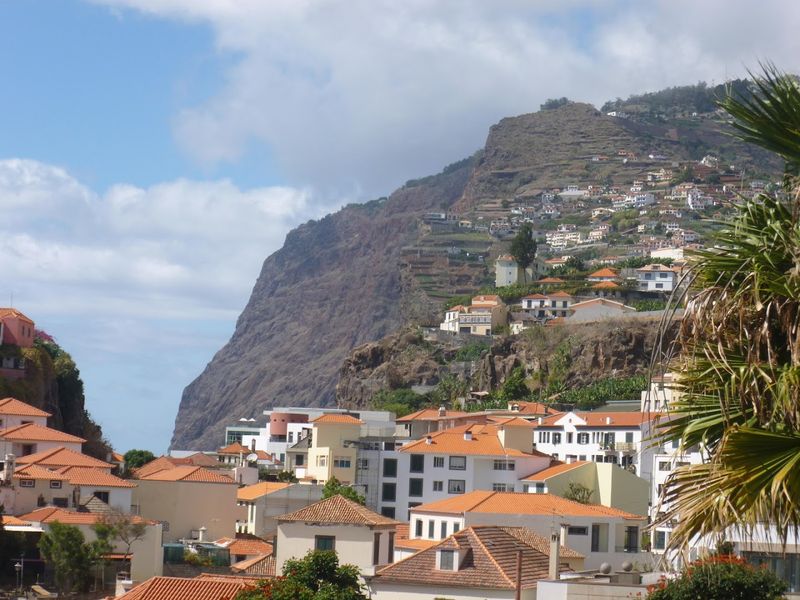
Funchal sits in a natural amphitheater of green mountains dropping down to the Atlantic, and the view alone is enough to make most visitors stop whatever they were doing and simply stare. Madeira’s capital has been welcoming visitors since the fifteenth century, which means it has had a long time to figure out how to do tourism without being consumed by it.
The Mercado dos Lavradores, the Farmers’ Market, is the city’s most vibrant gathering point, a two-story building covered in azulejo tiles where vendors in traditional embroidered costumes sell exotic fruits, fresh fish, and Madeira wine. It serves locals as much as it serves tourists, and the energy inside is genuinely electric on weekday mornings.
The surrounding streets of the Old Town are full of family-run restaurants serving espada (black scabbardfish) and bolo do caco bread.
Cable cars connect the lower city to the Monte neighborhood above, where the famous wicker toboggans carry riders back down the hill, steered by men in white suits and straw hats. It sounds touristy, but it has been happening since the nineteenth century and feels completely in keeping with Funchal’s character.
The city’s mild climate, spectacular gardens, and coastal walking trails make it an easy place to stay much longer than planned.
Tallinn, Estonia
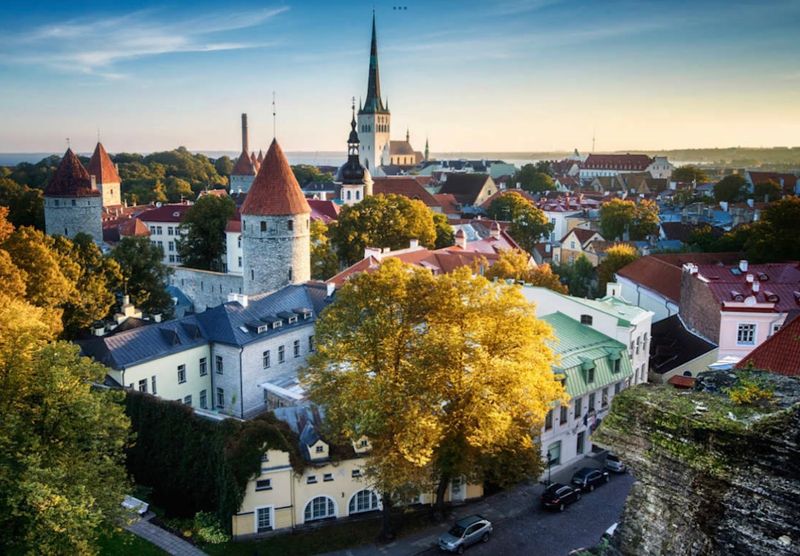
Tallinn’s medieval Old Town is so well preserved it genuinely looks like a film set, except it is completely real and people actually live there. The city walls, watchtowers, and cobblestone lanes have survived centuries of occupation by Danes, Swedes, Germans, and Soviets, and they are still standing with remarkable dignity.
Estonia joined the European Union in 2004 and has since developed one of the most digitally advanced societies in the world, which makes for an interesting contrast with the medieval surroundings.
The Telliskivi Creative City, a former industrial complex turned arts and food hub, is where Tallinn’s creative community actually gathers. Local designers, food entrepreneurs, and musicians have set up shop in the repurposed factory buildings, and the weekend market there draws a genuinely mixed crowd.
The Balti Jaam Market nearby is a more traditional affair, selling secondhand goods, local produce, and Soviet-era items to a predominantly local clientele.
Neighborhoods like Kalamaja and Kristiine, a short walk from the Old Town, are full of wooden houses, craft coffee shops, and community life that has nothing to do with tourism. Estonian bakeries deserve special mention, with their dense rye bread and cardamom pastries being among the most satisfying things you can eat in Northern Europe.
Tallinn earns its reputation and then quietly exceeds it.
Kotor, Montenegro
Kotor’s relationship with cruise ships is complicated. During peak summer days, thousands of passengers pour through the city’s medieval walls and fill the narrow lanes for a few hours before sailing away.
It can feel overwhelming. But Kotor has a secret weapon: time.
Stay overnight and the city transforms completely once the ships leave the bay.
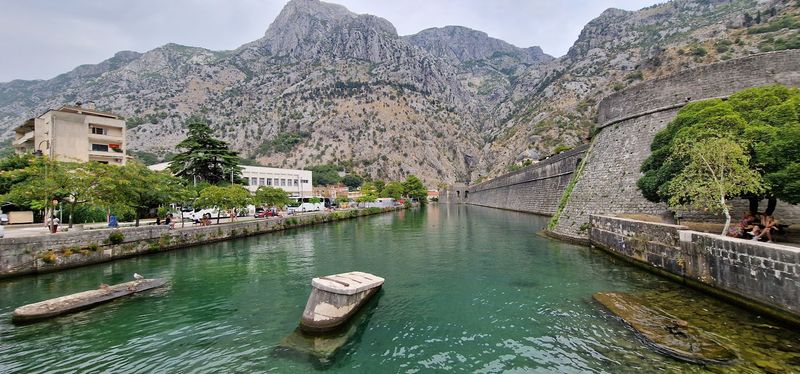
The walled Old Town is genuinely medieval, built by Venetians and Byzantines and layered with churches, palaces, and squares that feel lived-in rather than staged. Kotor’s famous cats, hundreds of them, are treated as beloved community members and even have their own small museum.
The city walls climb steeply up the mountain behind the town, and the hike to the fortress at the top rewards you with one of the most dramatic views in the Adriatic.
The Bay of Kotor itself is often called Europe’s southernmost fjord, a dramatic inlet surrounded by steep limestone mountains that plunge directly into the water. Villages like Perast and Risan around the bay remain largely untouched and offer a slower, quieter version of the Montenegrin coast.
Kotor rewards patience and early mornings. Get up before the boats arrive, walk the walls in the mist, and find a local cafe serving strong coffee.
The city at that hour is entirely yours.
Share this story