Some lakes are so deep that even scientists have had trouble measuring them accurately. The United States is home to a surprising number of these jaw-dropping water bodies, from ancient volcanic craters in Oregon to glacier-carved valleys in Washington and wild Alaskan wilderness lakes that most people will never see in person.
Whether you are a road tripper, an outdoor enthusiast, or just someone who finds deep water fascinating, this list covers lakes that genuinely earn the word bottomless. Each one has its own story, its own scenery, and its own reason to make the list.
Some are easy to visit with beaches, boat rentals, and lakeside towns nearby. Others are so remote that reaching them requires a floatplane.
Either way, these 15 lakes are worth knowing about.
Crater Lake, Oregon
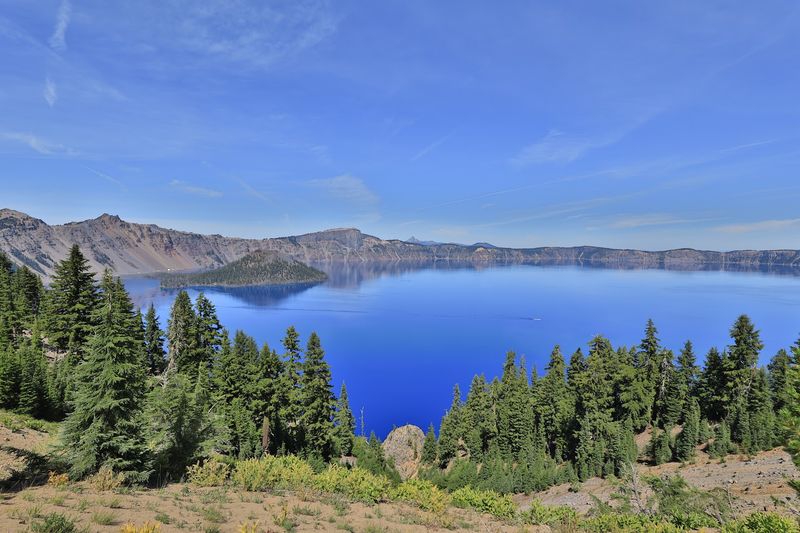
Formed inside the collapsed crater of ancient Mount Mazama, Crater Lake holds the title of the deepest lake in the United States at about 1,943 feet. That depth did not come from a river or underground spring but from thousands of years of rain and snowmelt slowly filling a volcanic basin.
No streams flow into or out of it, which is part of why the water reaches a shade of blue that photographs barely do justice.
Crater Lake National Park surrounds the lake and offers scenic rim drives, viewpoints, and hiking trails. The Cleetwood Cove Trail, which is the only legal route to the shoreline, is closed for rehabilitation in 2026 and 2027, and boat tours are not available during that time either.
Even without shoreline access, the rim viewpoints are striking on their own. Wizard Island, a cinder cone rising from the lake, adds to the visual drama from above.
Lake Tahoe, California and Nevada
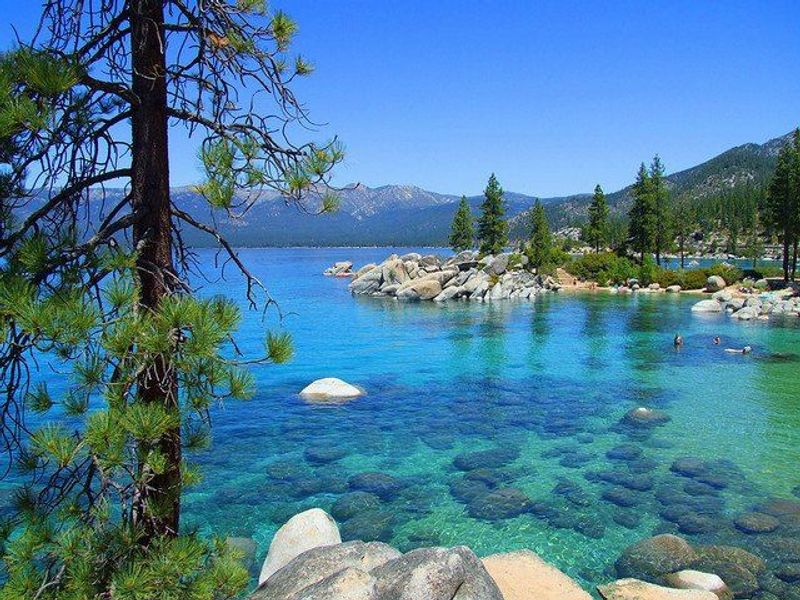
Lake Tahoe sits at around 6,225 feet above sea level and plunges to roughly 1,645 feet at its deepest point, making it the second-deepest lake in the country. The combination of elevation, clarity, and sheer size makes it one of the most recognizable lakes in North America.
You can see the bottom in shallow areas near the shore, which only makes the deep center feel more dramatic by comparison.
Unlike many deep lakes, Tahoe is fully accessible year-round with beaches, ski resorts, hiking trails, scenic drives, restaurants, and lakeside towns on both the California and Nevada sides. South Lake Tahoe and Tahoe City are the two main hubs for visitors, each with lodging, dining, and water recreation options.
Summer brings swimmers, kayakers, and paddleboarders to the surface. Winter transforms the surrounding mountains into ski terrain.
Few lakes in the U.S. offer this kind of year-round visitor appeal at such impressive depth.
Lake Chelan, Washington
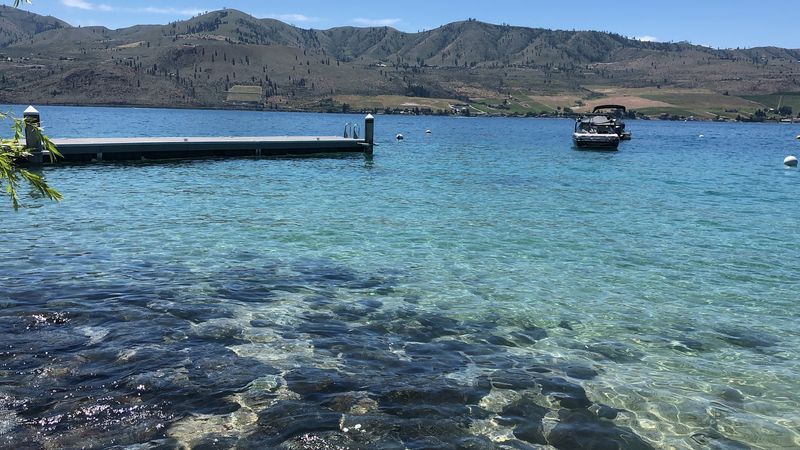
Carved by glaciers over thousands of years, Lake Chelan stretches about 55 miles through north-central Washington and drops to around 1,486 feet at its deepest point. That makes it Washington’s deepest lake and one of the top five deepest in the entire country.
The shape is long and narrow, almost fjord-like, which gives the lake a dramatic quality that surprises first-time visitors.
The lower end near the town of Chelan is the most developed, with beaches, boat launches, wineries, and lodging. The upper end near Stehekin is accessible only by boat, floatplane, or trail, giving it a genuinely remote feel even though it sits within a popular recreation region.
Washington’s Department of Natural Resources highlights Lake Chelan as a major recreation destination with options for hiking, boating, fishing, swimming, and biking. The contrast between the accessible lower lake and the wild upper end makes Chelan feel like two different destinations in one.
Lake Superior, Minnesota, Wisconsin, and Michigan
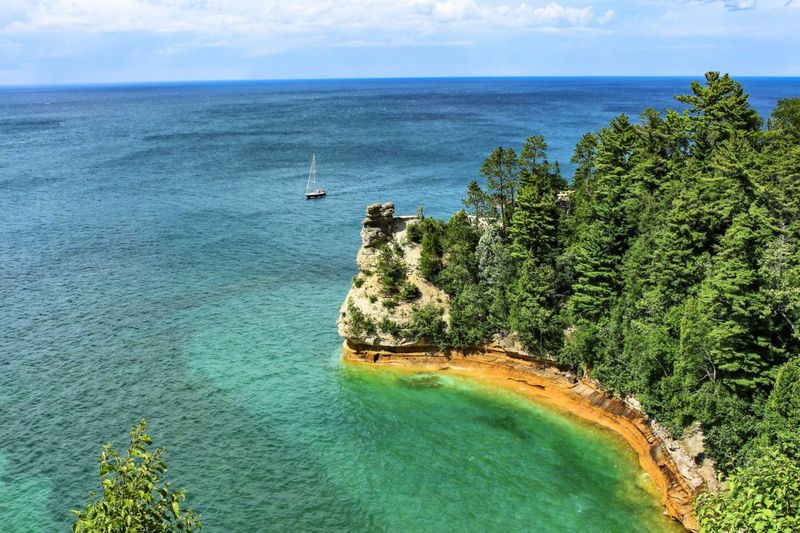
Lake Superior is the largest of the Great Lakes by surface area and reaches about 1,332 feet at its deepest point. Its scale is genuinely difficult to process from shore.
On a calm day it looks more like an ocean than a lake, with a horizon that stretches farther than the eye can follow. The EPA notes that its shoreline and islands together span 2,726 miles.
Visitors can experience Lake Superior from three U.S. states: Minnesota, Wisconsin, and Michigan. Each side offers something distinct.
Minnesota’s North Shore has dramatic cliffs, waterfalls, and state parks. Wisconsin’s Apostle Islands include sea caves and historic lighthouses.
Michigan’s Upper Peninsula coastline is rugged, scenic, and lined with small towns.
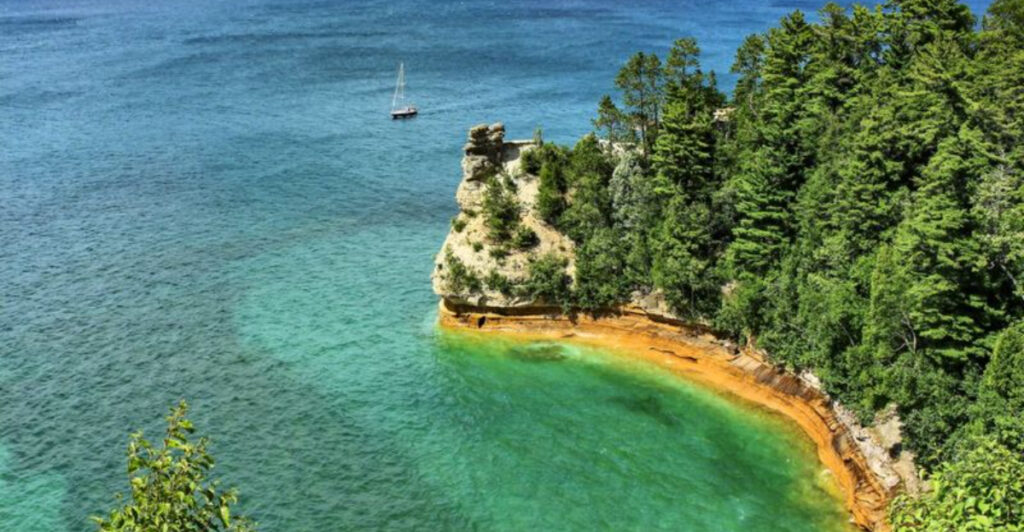
The lake runs cold year-round, which limits swimming but makes it excellent for kayaking, fishing, and scenic coastal drives. Pictured Rocks National Lakeshore in Michigan is one of the most photographed stretches of shoreline on the entire Great Lakes system.
Lake Pend Oreille, Idaho
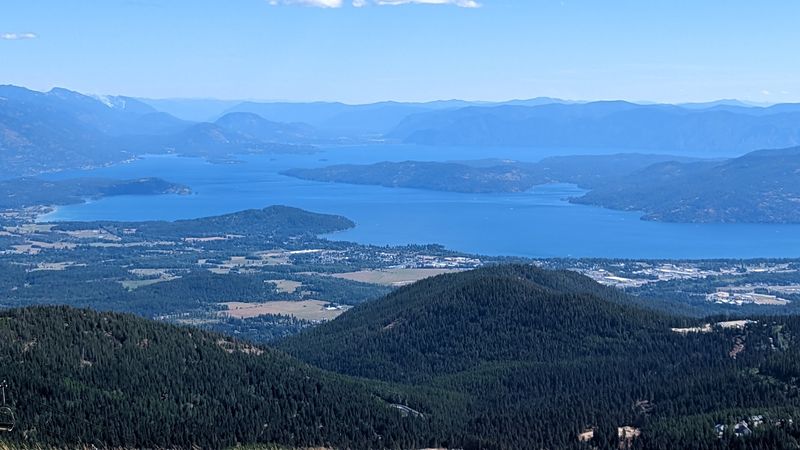
Idaho does not always come up in conversations about deep lakes, but Lake Pend Oreille deserves a spot near the top of any such list. With reported depths exceeding 1,100 feet, it ranks among the deepest inland lakes in North America.
The lake sits near the town of Sandpoint in the northern panhandle of Idaho, framed by the Cabinet and Selkirk mountain ranges.
Idaho Fish and Game describes it as a major recreation and fishing destination with 144 miles of shoreline. Anglers target lake trout, kokanee salmon, and bull trout, among other species.
The fishing history here runs deep, and the lake has long been used for U.S. Navy submarine testing because of its depth and cold, clear water conditions.
Sandpoint itself is a small but lively town with waterfront dining, a ski resort nearby at Schweitzer Mountain, and a downtown that draws visitors in both summer and winter. The lake is a genuine standout in a state full of overlooked natural scenery.
Lake Clark, Alaska
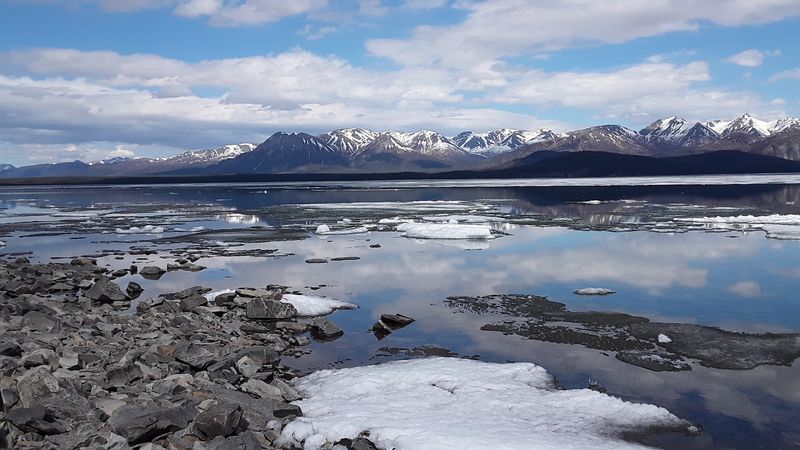
Getting to Lake Clark is not a casual afternoon trip. The lake sits inside Lake Clark National Park and Preserve, one of the most remote national park units in the entire country.
There are no roads connecting it to the rest of Alaska’s highway system, so most visitors arrive by small aircraft or floatplane. Despite that barrier, the park receives visitors each year, primarily between June and October.
The lake itself reaches roughly 1,056 feet deep and is surrounded by volcanic peaks, glaciers, wild rivers, and untouched forest. The National Park Service notes that the park is open 24 hours a day year-round, though facilities and services are extremely limited outside of summer.
Activities in the area include fishing, bear viewing, hiking, and backcountry camping. Lake Clark is the kind of place that rewards the effort required to reach it.
For travelers who want a true Alaska wilderness experience built around a genuinely deep and dramatic lake, this one fits that description well.
Iliamna Lake, Alaska
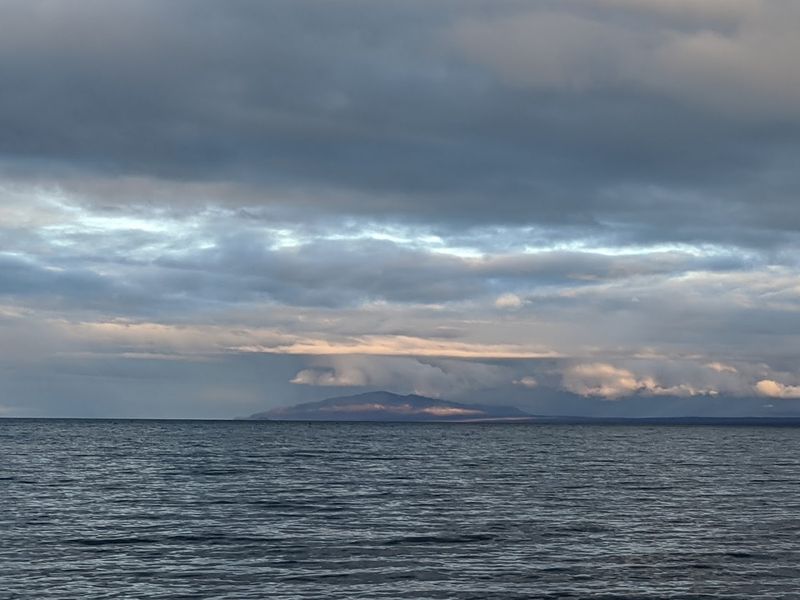
Iliamna Lake is Alaska’s largest lake and one of the most remote bodies of water on this entire list. It reaches roughly 984 to 988 feet deep and covers over 1,000 square miles of surface area.
For context, that makes it larger than the state of Rhode Island. The lake sits in a region of southwestern Alaska that most travelers never reach.
What makes Iliamna especially interesting beyond its size and depth is its resident population of freshwater harbor seals, one of the few such populations in the Northern Hemisphere. Researchers have studied these seals for decades, and their presence in a landlocked lake remains a point of genuine scientific curiosity.
Travel Alaska notes that the small community of Iliamna sits on the northwest shore and serves as a base for wilderness lodges, sport fishing, and access to nearby Lake Clark adventures. The fishing here, particularly for sockeye salmon, draws anglers from across the country each season.
Tustumena Lake, Alaska
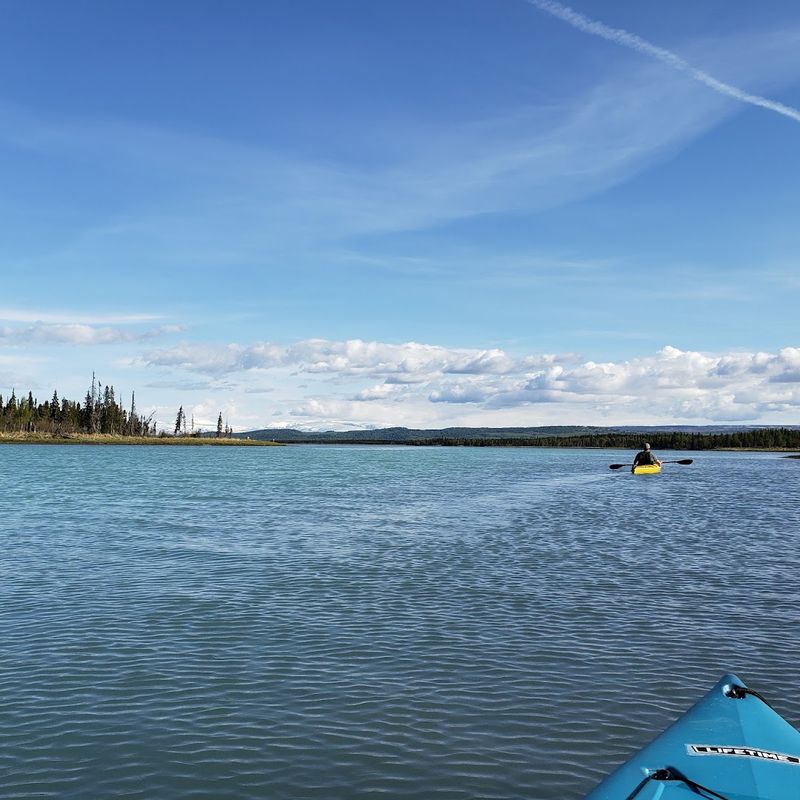
Tustumena Lake is not a name most people outside of Alaska recognize, but it earns its place on this list. U.S.
Fish and Wildlife Service bathymetric data puts its depth at around 942 feet, which ranks it among the deeper lakes in the state. The lake sits within the Kenai National Wildlife Refuge, a vast protected landscape on the Kenai Peninsula south of Anchorage.
The water here is cold and glacially fed, giving it that gray-blue color typical of Alaska’s glacier-influenced lakes. The surrounding refuge protects moose, brown bear, Dall sheep, and a wide range of migratory birds, making wildlife viewing a genuine draw for visitors who make the effort to reach the area.
The Fish and Wildlife Service notes public access through Tustumena Lake Road, which leads to campground facilities, restrooms, and a boat launch. It is a rugged experience by design.
This is not a lake with a resort town nearby, and that is exactly the point for the people who seek it out.
Lake Michigan, Michigan, Wisconsin, Illinois, and Indiana
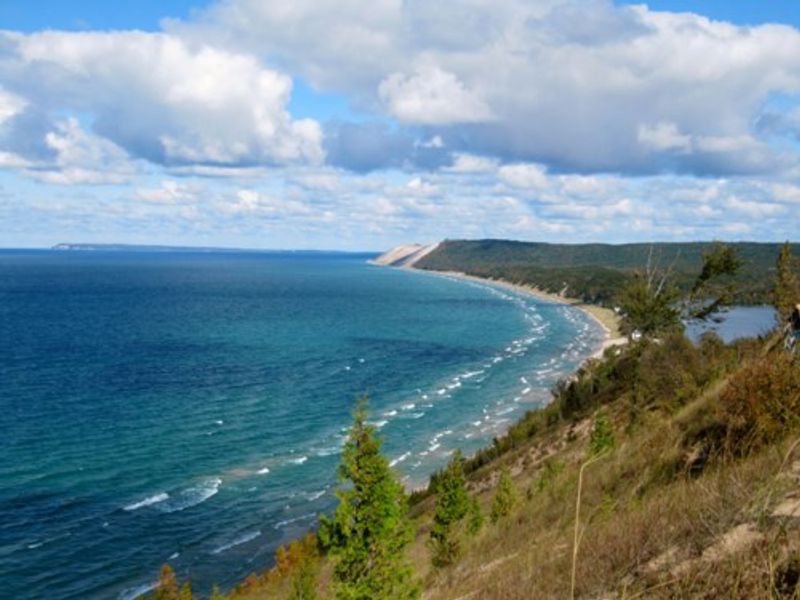
Lake Michigan holds a unique distinction among the Great Lakes: it is the only one located entirely within the United States. Its deepest point sits at around 923 to 925 feet, according to the Great Lakes Commission.
The lake stretches more than 300 miles from north to south and touches four states, each offering a different shoreline character and visitor experience.
Chicago sits on the southwestern shore and gives the lake an urban context unlike any other deep lake in the country. Moving north along the Illinois and Wisconsin coasts, the setting shifts toward smaller harbor towns, beach communities, and eventually the dramatic scenery of Door County.
On the Michigan side, Sleeping Bear Dunes National Lakeshore is one of the most scenic stretches of Great Lakes shoreline anywhere.
Indiana Dunes National Park on the southern end adds another layer of interest, with tall sand dunes, diverse ecosystems, and easy access from the Chicago metro area. Lake Michigan is genuinely the most accessible deep lake on this list for a large portion of the U.S. population.
Lake Ontario, New York
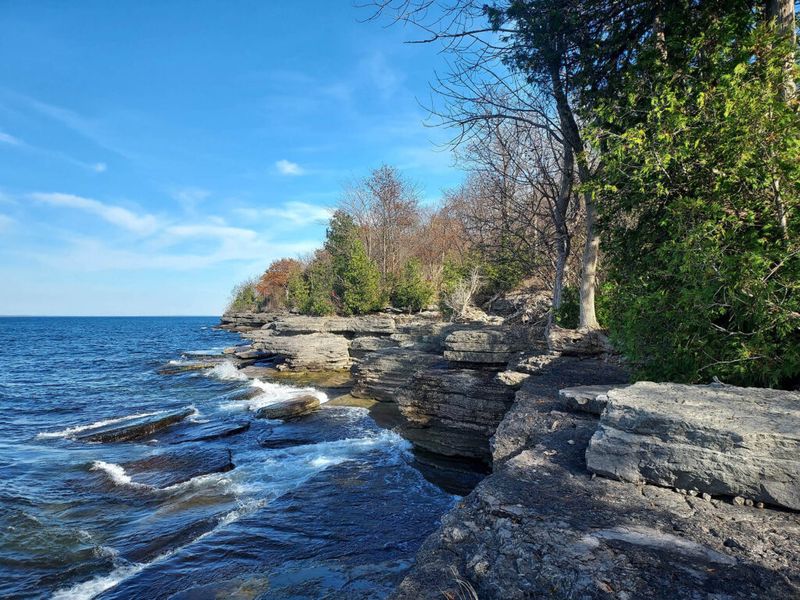
Lake Ontario is the smallest of the Great Lakes by surface area but still reaches about 802 feet at its deepest point. It sits at the downstream end of the Great Lakes chain, receiving water from all four of the other Great Lakes before it drains northeast into the St. Lawrence River.
The EPA identifies it as the final lake in the chain and notes its average depth at 283 feet.
On the U.S. side, the New York shoreline offers a range of visitor experiences. Sackets Harbor, a small historic waterfront village, has a well-preserved 19th-century character and a state historic site related to the War of 1812.
Oswego sits at the mouth of the Oswego River and has a long history as a port city with fishing access and lakefront parks.
State parks along the New York shore give visitors picnic areas, beaches, and boat launches. Lake Ontario tends to be less crowded than Lake Erie or Lake Michigan, which makes it a quieter option for those exploring the Great Lakes region at a slower pace.
Lake Huron, Michigan
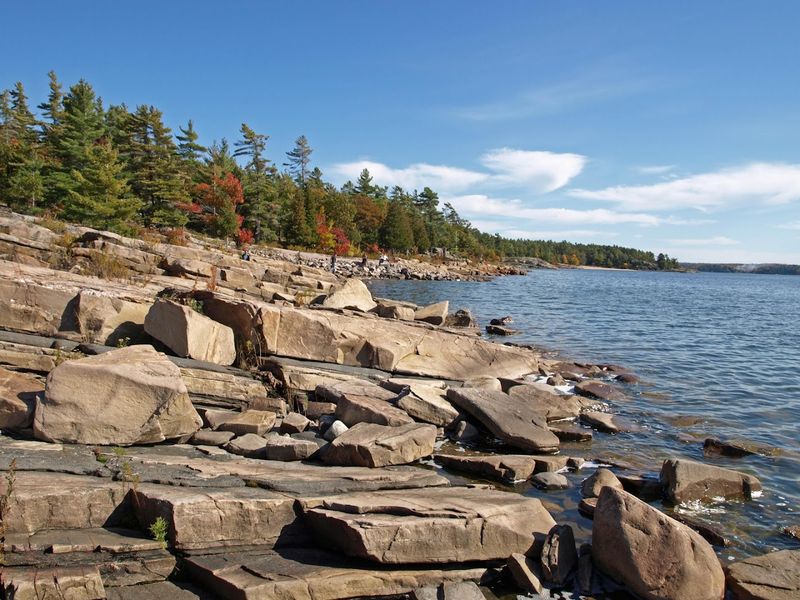
Lake Huron has the longest shoreline of all the Great Lakes, and the EPA confirms its maximum depth at 750 feet. On the U.S. side, the lake defines much of Michigan’s eastern Lower Peninsula, stretching from the St. Clair River in the south all the way north to the Straits of Mackinac.
The character of the shoreline shifts dramatically along that stretch.
Tawas City, Oscoda, Rogers City, and Alpena are among the lakeside communities that offer fishing, beaches, and access to the water. Alpena is particularly notable for its Great Lakes Maritime Heritage Center, which includes access to Thunder Bay National Marine Sanctuary, one of the largest collections of shipwrecks in the country.
The clear water in parts of Lake Huron makes the wrecks visible from above in certain conditions.
Mackinac Island, accessible by ferry from Mackinaw City or St. Ignace, sits near where Lake Huron meets Lake Michigan. The island bans motor vehicles and operates as a living piece of Great Lakes history, drawing visitors throughout the warmer months.
Lake Crescent, Washington
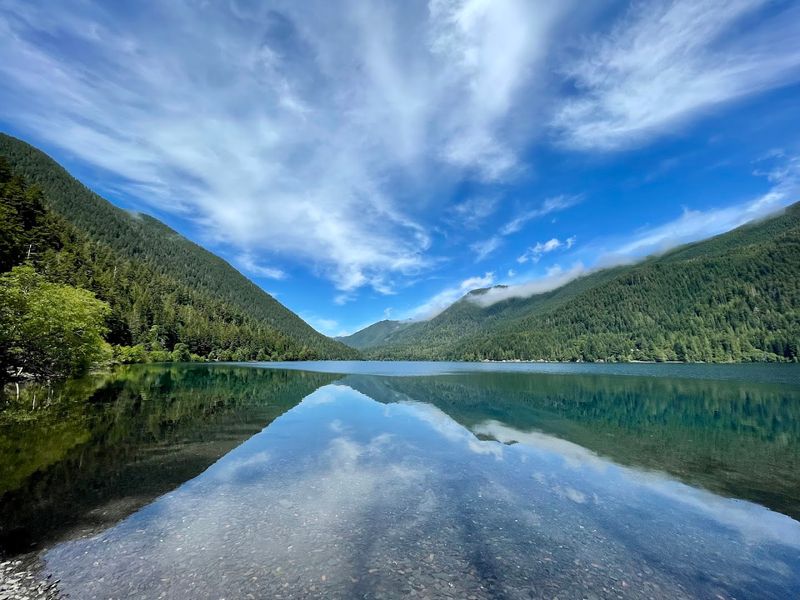
Lake Crescent sits inside Olympic National Park on Washington’s Olympic Peninsula and reaches an official maximum depth of about 624 feet. For a lake of its size, that depth is remarkable.
The water is unusually clear because the lake is low in nitrogen, which limits algae growth. On calm days, the bottom is visible at surprising depths near the shallower edges.
The National Park Service notes that Lake Crescent facilities include lodges, a restaurant, boat rentals, camping areas, and summer visitor services, though some of these close during winter months. Lake Crescent Lodge, which sits directly on the southern shore, has operated for over a century and remains one of the more atmospheric places to stay in the Pacific Northwest.
The Marymere Falls Trail is a short and popular hike that starts near the lodge and leads through old-growth forest to a 90-foot waterfall. Storm King Mountain Trail offers a steeper challenge with elevated views over the lake.
Both are worth the effort for visitors spending time in the area.
Seneca Lake, New York
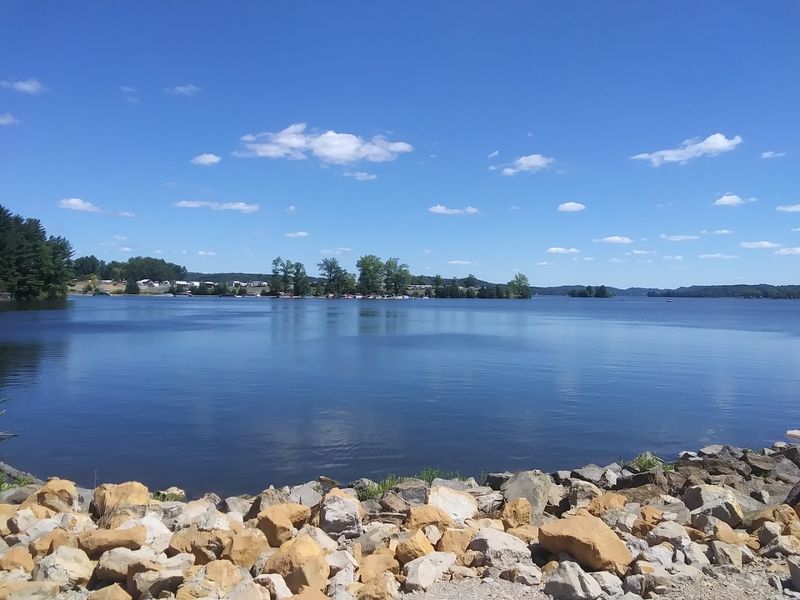
Seneca Lake earns a few superlatives worth knowing. At about 618 feet deep, it is the deepest of New York’s eleven Finger Lakes.
It is also the largest by volume and one of the longest, stretching roughly 38 miles from north to south between Geneva and Watkins Glen. The New York State Department of Environmental Conservation confirms that 618-foot maximum depth.
The surrounding landscape is wine country, with dozens of wineries lining both the east and west shores along the Seneca Lake Wine Trail. Watkins Glen at the southern tip is a separate attraction entirely, with a state park featuring a dramatic gorge, waterfalls, and stone pathways that wind through the canyon.
It is one of the most visited state parks in New York.
Geneva on the northern end has a historic downtown, Hobart and William Smith Colleges, and lakefront parks. Fishing on Seneca Lake targets lake trout and landlocked Atlantic salmon.
The depth that makes the lake visually impressive also creates ideal cold-water habitat for those species throughout the year.
Becharof Lake, Alaska
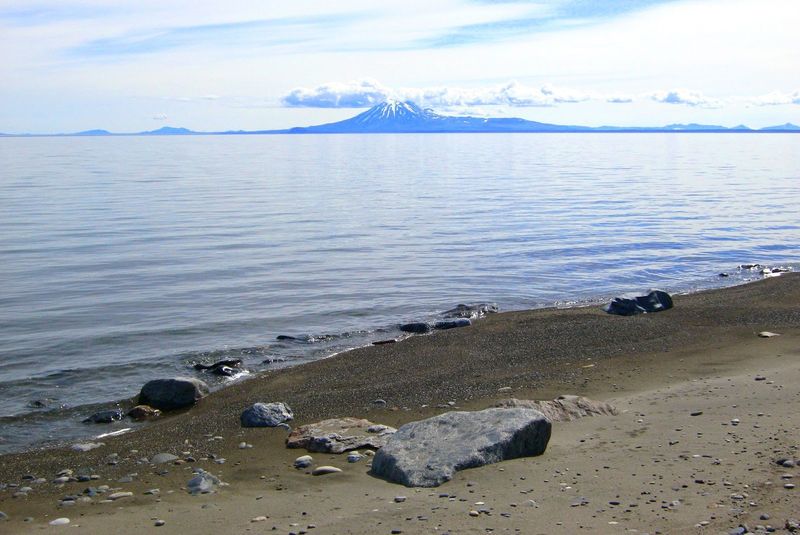
Becharof Lake sits on the Alaska Peninsula inside Becharof National Wildlife Refuge and reaches about 600 feet deep. The U.S.
Fish and Wildlife Service describes the refuge as containing the largest lake in the entire National Wildlife Refuge system, a federally designated wilderness area, an active volcano, and unusual geological features. That is a remarkable combination of characteristics for a single landscape.
The active volcano referenced is Mount Peulik, which rises on the western shore of the lake and adds a raw geological presence to an already dramatic setting. Sockeye salmon runs through the lake and its connected rivers support one of the largest salmon populations in Alaska, which in turn draws brown bears in significant numbers during the summer months.
This is not a place you drive to on a weekend. Access typically requires a small aircraft or boat, and visitor infrastructure is minimal by design.
Becharof is built for serious wildlife and wilderness travelers, not casual sightseers, and it rewards that audience with scenery and wildlife encounters that few other places in the country can match.
Cayuga Lake, New York
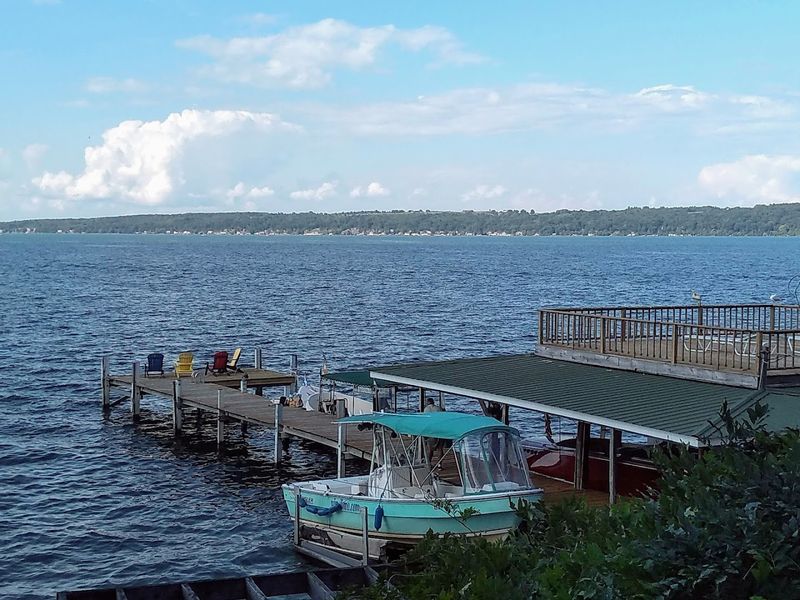
Cayuga Lake stretches about 61 miles from north to south and reaches around 435 feet at its deepest point, according to the New York State Department of Environmental Conservation. It is the second-largest of the Finger Lakes by surface area and one of the most visited, thanks largely to Ithaca at its southern tip.
Cornell University and Ithaca College both sit near the lake, giving the southern end a lively, college-town character that runs year-round.
The Cayuga Lake Wine Trail runs along both shores with wineries, tasting rooms, and vineyard views. Taughannock Falls State Park on the western shore features a waterfall that drops 215 feet, which is taller than Niagara Falls.
Robert H. Treman State Park nearby has gorge trails and swimming holes that draw visitors throughout the warmer months.
Fishing access is available at multiple public launch sites around the lake. Cayuga Lake is one of those destinations where the depth of the water matches the depth of things to do in the surrounding area, making it easy to fill two or three days without repeating yourself.
Share this story