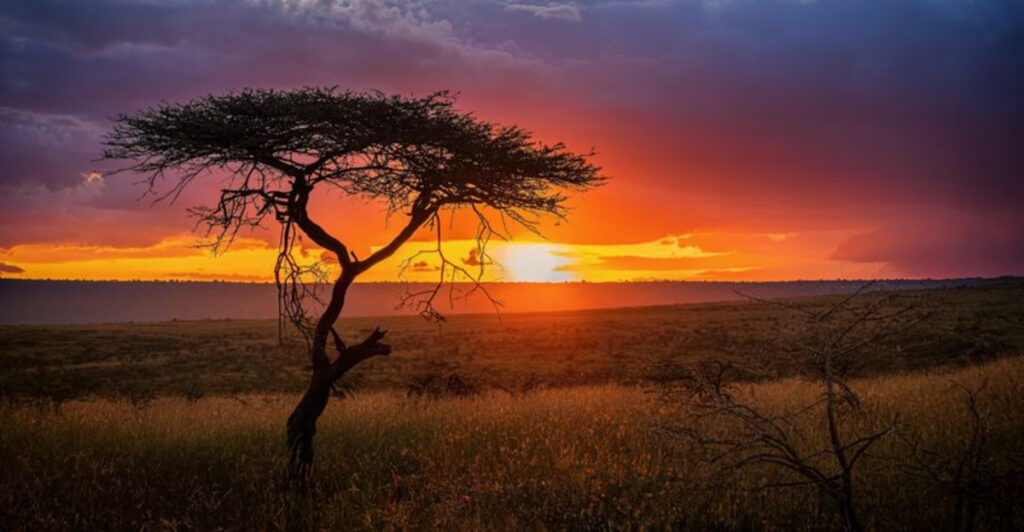
Savannahs are some of the most breathtaking places on Earth, stretching across continents with wide open skies, golden grasses, and incredible wildlife. These landscapes are not just beautiful to look at, they are home to some of the most iconic animals and plants on the planet.
From Africa to South America and Australia, savannah ecosystems cover nearly one-fifth of the world’s land surface. Whether you dream of watching a lion at sunset or spotting a giant anteater at dawn, these 15 savannah landscapes are places every nature lover should have on their list.
1. Serengeti, Tanzania and Kenya
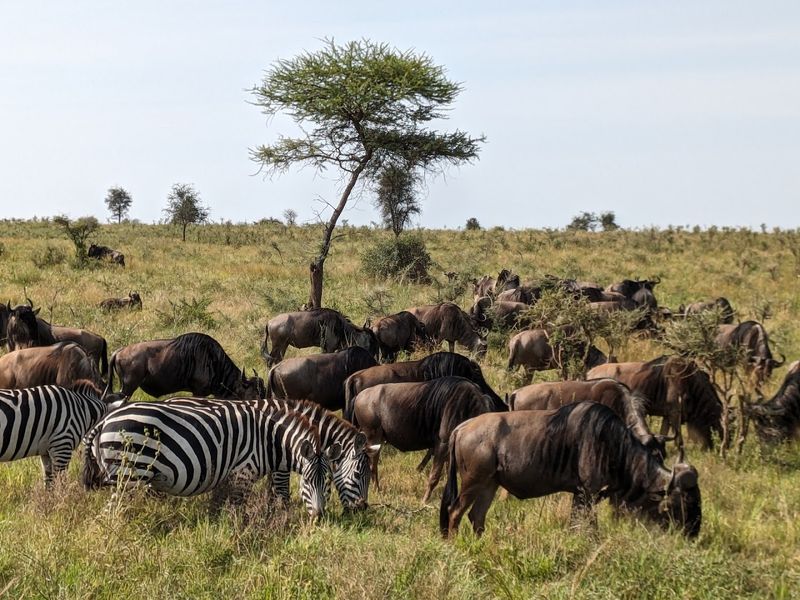
Every year, more than 1.5 million wildebeest and hundreds of thousands of zebras move across the Serengeti in one of nature’s greatest spectacles, the Great Migration. This endless journey follows the rains and fresh grass, creating a moving river of animals that stretches for miles.
Watching it unfold feels like stepping into a nature documentary.
The Serengeti spans about 12,000 square miles across Tanzania and into Kenya, making it one of the largest savannah ecosystems in the world. Lions, leopards, cheetahs, and hyenas all call this landscape home.
The open plains make wildlife spotting surprisingly easy, even for first-time visitors.
The name Serengeti comes from the Maasai word meaning endless plains, and that description could not be more accurate. Sunrise over the grasslands, with acacia trees dotting the horizon, is a sight that stays with you for a lifetime.
2. Masai Mara National Reserve, Kenya
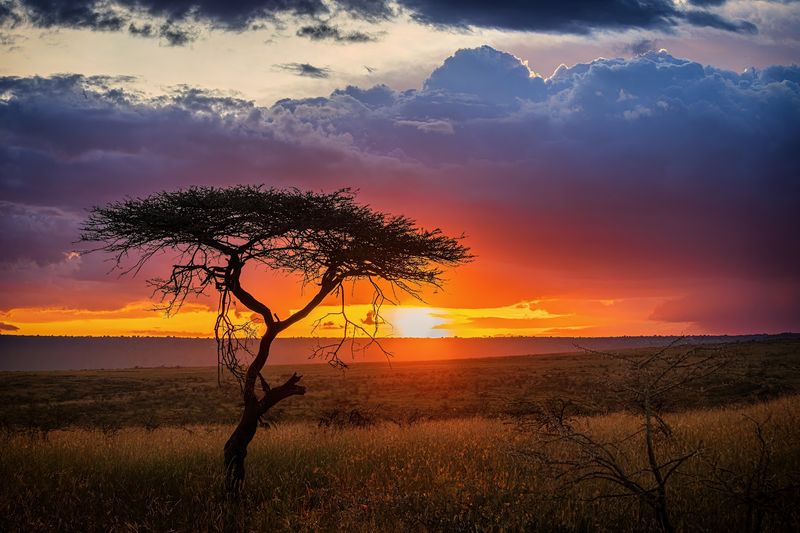
When people picture the classic African safari, the Masai Mara is often exactly what comes to mind. This legendary reserve in southwestern Kenya is famous for its extraordinary density of big cats, including lions, cheetahs, and leopards that roam openly across the grasslands.
The reserve connects directly to Tanzania’s Serengeti, which means the Great Migration passes through here too. Between July and October, wildebeest and zebras cross the crocodile-filled Mara River in dramatic, heart-pounding scenes that photographers travel from around the world to capture.
Beyond the migration, the Masai Mara offers year-round wildlife viewing that rivals almost anywhere on Earth. Elephants wander in family groups, hippos splash in the river, and hot air balloon rides above the plains at dawn are an unforgettable experience.
The Maasai people, who live alongside this reserve, add deep cultural richness to any visit.
3. Kruger National Park, South Africa
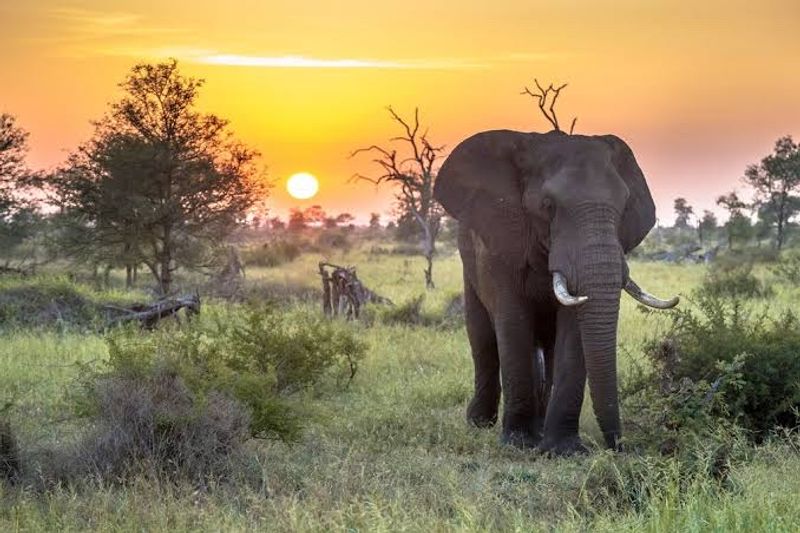
Kruger National Park is the gold standard of African safari destinations, covering nearly 7,500 square miles of classic savannah in northeastern South Africa. It is one of the best places on the continent to see all of the Big Five, which are lions, elephants, leopards, rhinos, and buffalos, often within a single day’s drive.
The park’s landscape shifts from open grasslands in the south to denser bushveld in the north, giving visitors a variety of habitats to explore. Over 500 bird species have been recorded here, making it a paradise for birdwatchers as well as big game enthusiasts.
One of Kruger’s biggest advantages is its excellent road network and well-maintained rest camps, which make self-drive safaris very manageable. You can plan your own route, stop wherever you like, and spend as much time as you want watching animals in their natural habitat.
4. Okavango Delta, Botswana
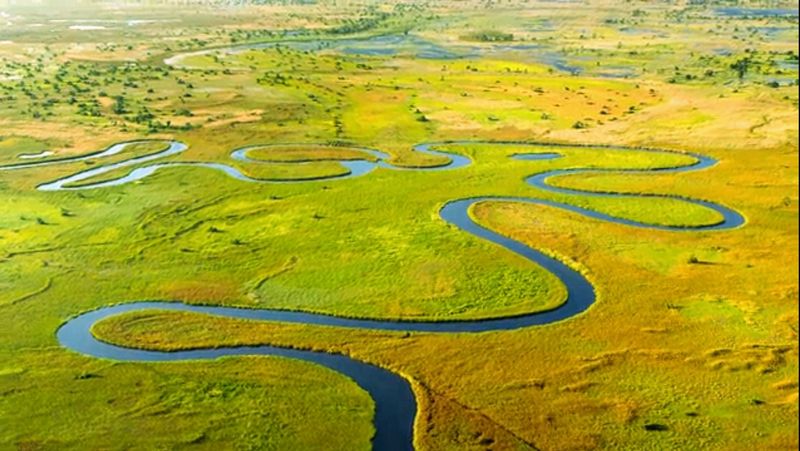
The Okavango Delta is unlike any other savannah on this list, because it only exists because of water. Every year, floodwaters from Angola’s highlands flow hundreds of miles south into Botswana’s Kalahari Desert, transforming dry savannah into a lush, waterlogged wonderland that covers up to 6,000 square miles.
This seasonal flooding creates a patchwork of islands, channels, and floodplains that attract enormous concentrations of wildlife. Elephants wade through shallow water, hippos wallow in papyrus-lined channels, and African wild dogs, one of the continent’s most endangered predators, roam the surrounding savannahs.
Exploring the Okavango by traditional mokoro canoe, gliding silently through lily-covered waterways, is one of the most peaceful wildlife experiences imaginable. The delta was declared a UNESCO World Heritage Site in 2014, recognizing it as one of the world’s rare and truly special ecosystems where water and savannah meet perfectly.
5. Hwange National Park, Zimbabwe
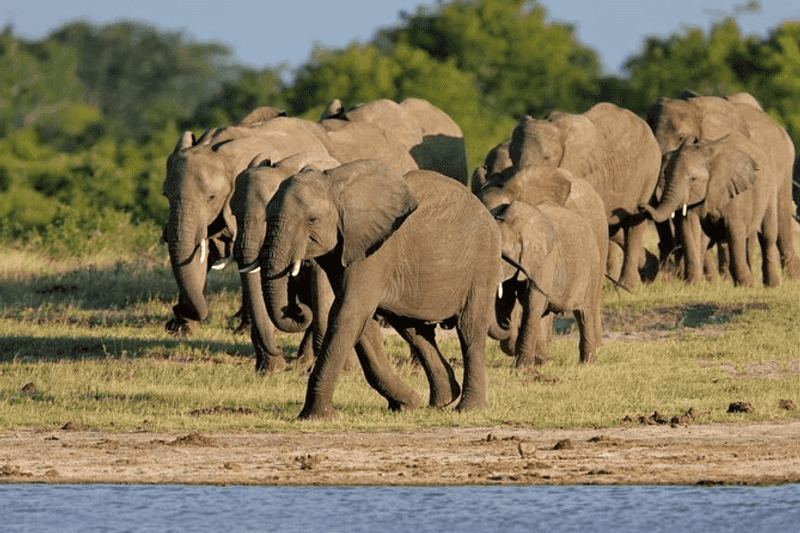
Hwange National Park is Zimbabwe’s largest protected area and one of Africa’s greatest elephant sanctuaries. With an estimated population of over 45,000 elephants, the park holds one of the continent’s most impressive concentrations of these magnificent animals, and watching a large herd gather at a waterhole is genuinely awe-inspiring.
During the dry season, Zimbabwe’s pump-fed waterholes become the heartbeat of the park. Lions, painted wolves (also known as African wild dogs), sable antelopes, and giraffes all converge on these water sources, making patient wildlife watching incredibly rewarding.
The flat, open savannah plains make sightings easy and often dramatic.
Hwange covers about 5,600 square miles near the Botswana border, and its remoteness means it sees far fewer tourists than more famous parks. That quietness is actually one of its greatest gifts, offering an unhurried, authentic savannah experience that feels genuinely wild and unspoiled.
6. Ruaha National Park, Tanzania
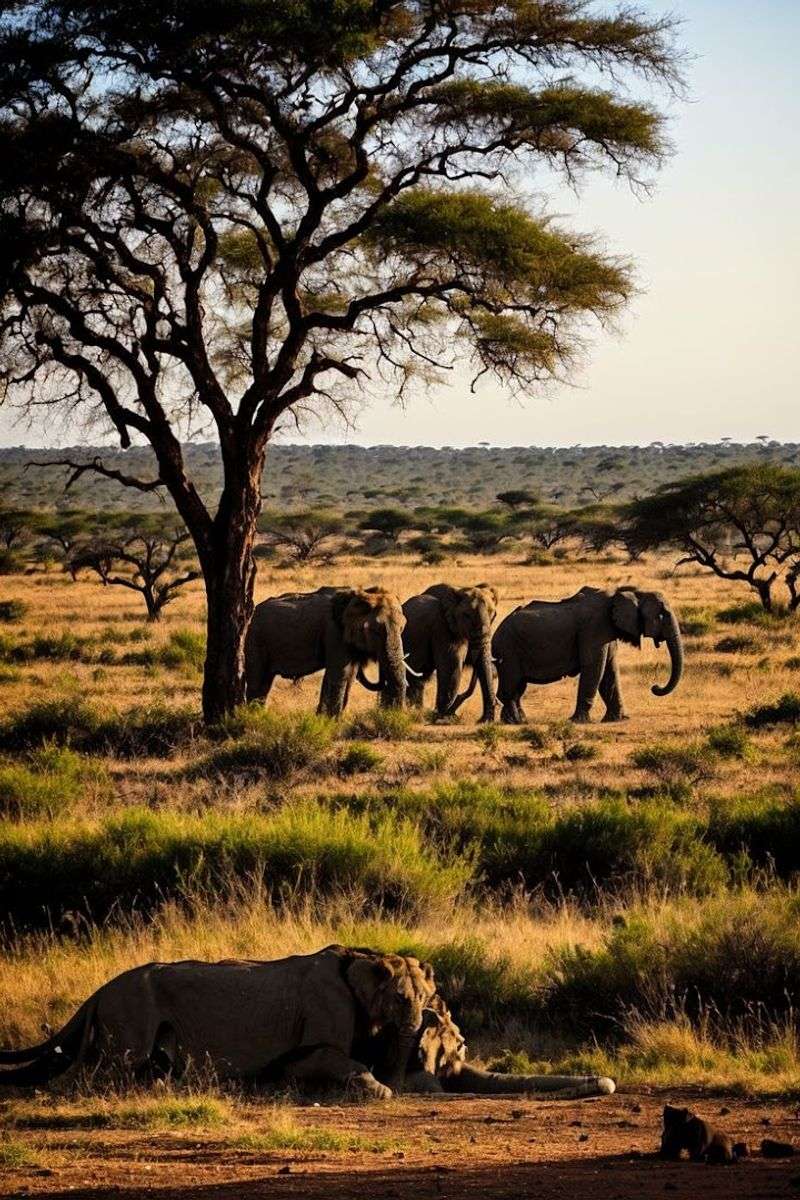
Tanzania’s largest national park is also one of its best-kept secrets. Ruaha covers over 7,800 square miles of wild, rugged savannah in the heart of Tanzania, yet it receives only a fraction of the visitors that flood into the Serengeti each year.
That means quieter game drives, fewer vehicles at sightings, and a more exclusive wildlife experience.
The Great Ruaha River is the lifeblood of the park, drawing lions, elephants, hippos, and crocodiles to its banks during the dry season. Ruaha is particularly famous for its large lion prides and impressive buffalo herds, and it holds one of East Africa’s highest densities of wild dogs and leopards.
Massive baobab trees and rocky outcrops give Ruaha a dramatic, ancient feel that sets it apart visually from other Tanzanian parks. Visiting here feels like discovering a savannah that the rest of the world has not quite found yet, which is exactly what makes it so special.
7. Niokolo-Koba National Park, Senegal
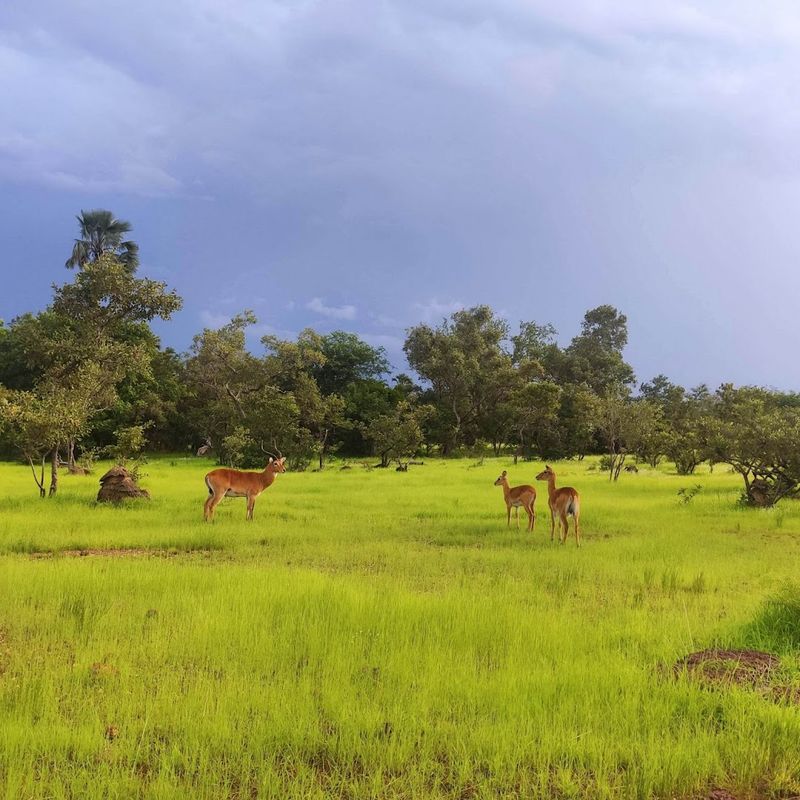
West Africa’s savannahs are often overlooked in favor of their East and Southern African counterparts, but Niokolo-Koba National Park in southeastern Senegal makes a compelling case for attention. Designated a UNESCO World Heritage Site in 1981, this park protects one of the last significant stretches of West African savannah ecosystem remaining on the continent.
The park sits along the Gambia River, where gallery forests line the riverbanks and open savannah grasslands spread out beyond. It is home to Derby elands, the world’s largest antelope species, as well as lions, leopards, chimpanzees, hippos, and over 330 bird species.
The biodiversity packed into this landscape is remarkable for a region that rarely gets spotlight coverage.
Sadly, the park is currently on UNESCO’s List of World Heritage in Danger due to poaching pressures, making conservation awareness especially important. Visiting responsibly and supporting local conservation efforts can help protect this irreplaceable West African savannah for future generations.
8. Pendjari National Park, Benin
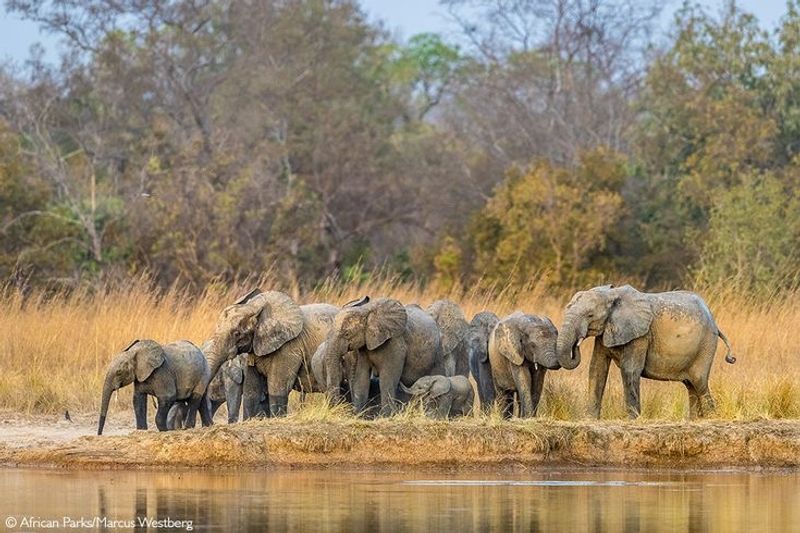
Tucked into the northwestern corner of Benin, Pendjari National Park is widely considered one of the best-preserved savannah reserves in all of West Africa. It forms part of the larger W-Arly-Pendjari transboundary complex, a connected network of protected areas that together form the most important lion stronghold in the entire West African region.
The park’s landscape is dominated by open savannah grasslands, seasonally flooded plains, and gallery forests along the Pendjari River. Elephants, buffalos, hippos, and rare West African lions all inhabit this terrain, along with cheetahs, leopards, and an impressive variety of antelope species.
Birdwatchers will find over 300 species recorded within the park boundaries.
Pendjari gained renewed international attention after conservation organization African Parks took over management in 2017. Since then, anti-poaching efforts have strengthened significantly, and wildlife populations have begun to recover.
It is a hopeful example of what committed conservation can achieve in a challenging region.
9. W National Park, Benin, Burkina Faso, and Niger
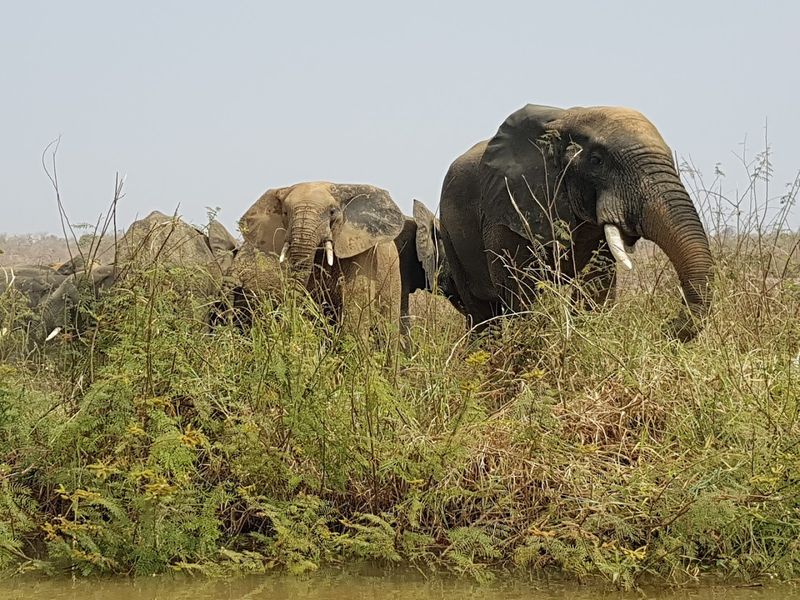
Named after the W-shaped bend of the Niger River that runs through it, W National Park is one of the most ambitious conservation projects in West Africa. Spanning three countries, Benin, Burkina Faso, and Niger, this transboundary protected area covers over 10,000 square miles of savannah, making it one of the largest contiguous ecosystems in the region.
Elephants are the undisputed stars of W National Park, with several hundred roaming freely across the borders. Lions and cheetahs are also present, along with hippos, warthogs, roan antelopes, and an impressive array of reptiles and birds.
The park’s remoteness has helped preserve its wild character in ways that more accessible parks cannot always maintain.
W National Park was designated a UNESCO World Heritage Site in 1996, and together with Arly and Pendjari parks it forms the WAP Complex. This international collaboration is a model for how neighboring countries can work together to protect shared natural heritage.
10. Kafue National Park, Zambia
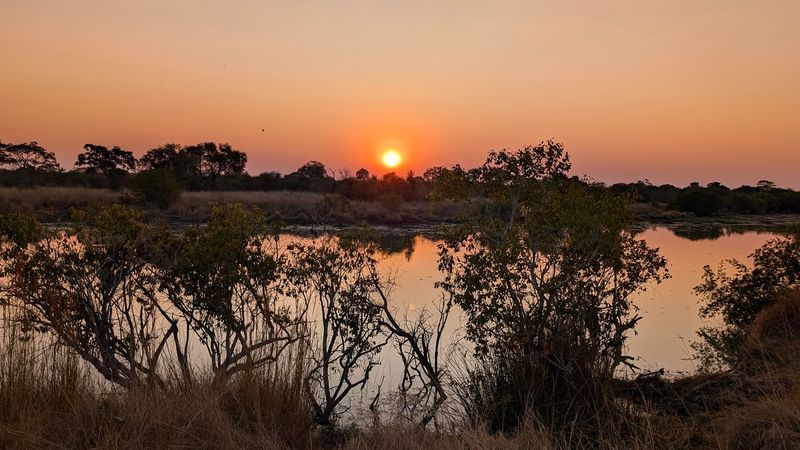
Kafue National Park is one of Africa’s largest protected areas, covering roughly 8,650 square miles in western Zambia. Despite its enormous size and rich biodiversity, it remains far less visited than parks like Kruger or the Masai Mara, giving travelers who make the effort a wonderfully off-the-beaten-path experience.
The park’s landscape is a mosaic of open savannahs, miombo woodlands, and seasonal floodplains known as dambos. The Busanga Plains in the northern section are particularly spectacular, flooding each rainy season to create a wetland paradise that attracts massive herds of red lechwe, sitatunga antelopes, and thousands of waterbirds.
Lions, leopards, cheetahs, and wild dogs all hunt across the broader savannah.
Kafue is also home to the rare blue duiker and one of Africa’s last healthy populations of Thornicroft’s giraffe. For travelers seeking raw, uncrowded wilderness with genuine safari excitement, Kafue delivers an experience that feels refreshingly authentic and deeply rewarding.
11. Llanos, Venezuela and Colombia
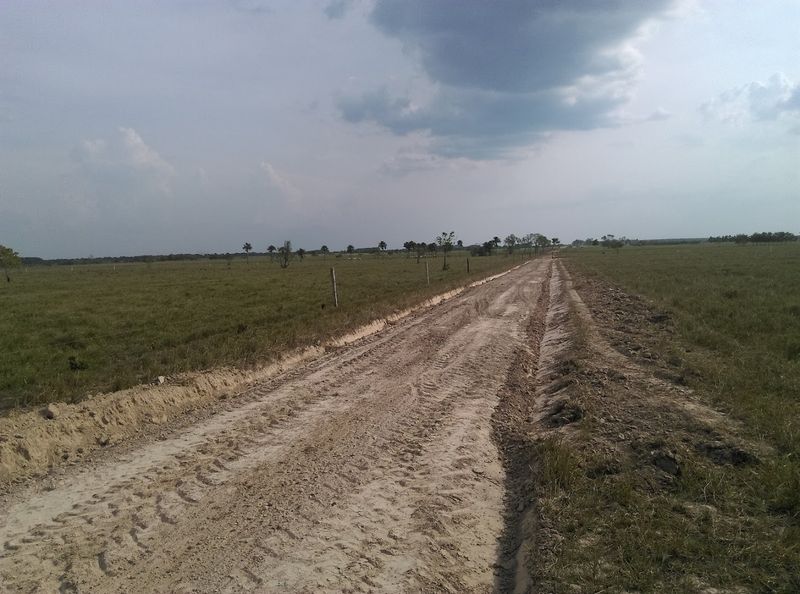
Covering roughly 220,000 square miles across Venezuela and Colombia, the Llanos is one of the world’s great tropical savannahs, yet it rarely appears on mainstream nature travel lists. That is a real shame, because the wildlife here is extraordinary and unlike anything you will find in Africa or Australia.
Capybaras, the world’s largest rodents, gather in enormous groups near rivers and lagoons. Giant anteaters shuffle through the grass, anacondas lurk in flooded areas, caimans bask on muddy banks, and the bird diversity is simply staggering, with over 700 species recorded.
During the wet season, the Llanos transforms into a vast wetland, and during the dry season it returns to open grassland.
Los Llanos is also deeply tied to Venezuelan and Colombian cowboy culture, with llanero ranchers herding cattle across these plains for generations. Staying on a working hato, or cattle ranch, that doubles as a wildlife reserve is one of the most authentic ways to experience this underrated landscape.
12. Cerrado, Brazil
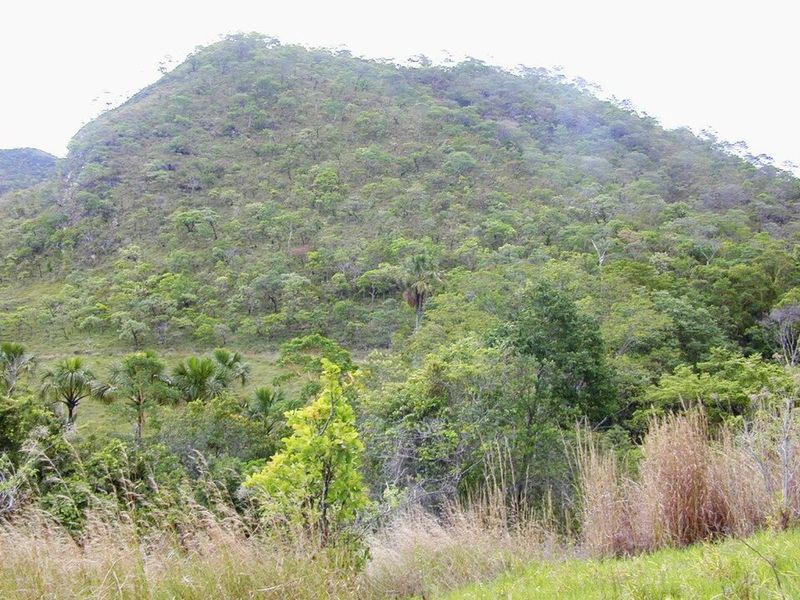
Scientists call the Cerrado the world’s most biodiverse tropical savannah, and the numbers back that claim up impressively. This vast central Brazilian ecosystem covers about 770,000 square miles and is home to roughly 5 percent of all species on Earth, including around 11,000 plant species, many of which exist nowhere else in the world.
The Cerrado’s landscape is visually distinctive, with twisted, thick-barked trees that look ancient and sculptural rising from red soil and golden grasses. Jaguars, maned wolves, giant armadillos, tapirs, and giant anteaters all roam here, along with hundreds of endemic bird species.
The giant anteater in particular is a Cerrado icon, and spotting one shuffling calmly through the grass is a genuinely thrilling moment.
Sadly, the Cerrado has lost more than half of its original cover to agriculture, making it one of the world’s most threatened savannah ecosystems. Conservation organizations are working urgently to protect what remains of this irreplaceable natural treasure.
13. Northern Australian Tropical Savannas
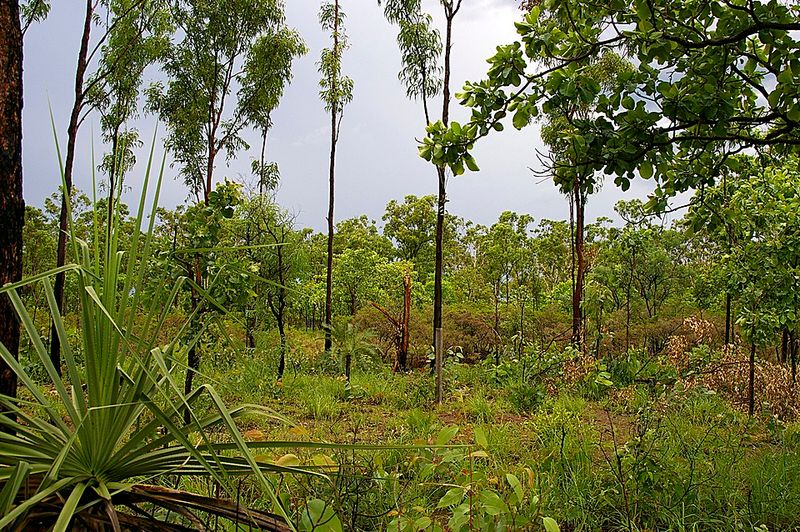
Stretching across the Northern Territory, Queensland, and Western Australia, the tropical savannahs of northern Australia rank among the largest and most intact savannah ecosystems remaining anywhere on the planet. Covering over 1.5 million square miles, this is a landscape of staggering scale and surprising ecological richness.
Kangaroos and wallabies bound through open grasslands, while freshwater crocodiles bask along riverbanks and flocks of cockatoos wheel overhead in clouds of white and pink. Kakadu National Park, one of Australia’s most famous protected areas, sits within this savannah zone and showcases ancient Aboriginal rock art alongside extraordinary wildlife, including saltwater crocodiles, barramundi, and jabiru storks.
What makes northern Australia’s savannahs particularly special is their deep connection to Indigenous Australian culture. Aboriginal communities have managed these landscapes through traditional burning practices for tens of thousands of years, a form of ecological stewardship that scientists now recognize as genuinely effective and increasingly relevant to modern conservation strategies.
14. Miombo Woodlands, Central and Southern Africa
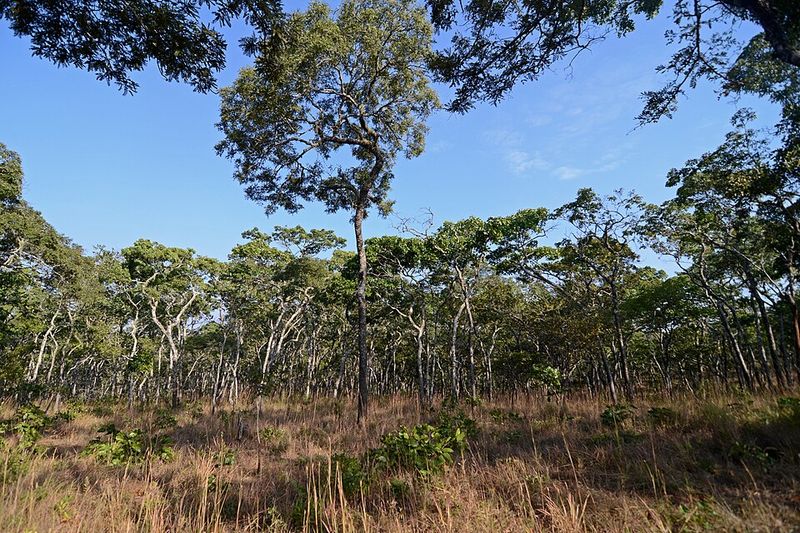
Stretching across seven countries including Angola, Zambia, Tanzania, Mozambique, Zimbabwe, Malawi, and the Democratic Republic of the Congo, the Miombo Woodlands form one of Africa’s most extensive savannah ecosystems. Covering over 1.1 million square miles, this landscape is dominated by brachystegia and julbernardia trees, which give the woodland its distinctive open, airy character.
African wild dogs, one of the continent’s most endangered and charismatic predators, find critical refuge in the Miombo’s quieter corners. Elephants move through in large herds, sable antelopes graze in open glades, and the bird diversity is remarkable, with over 300 species recorded across the woodland zone.
Seasonal rains transform the landscape from dry and golden to lush and green with striking speed.
The Miombo Woodlands are less famous than East Africa’s open savannahs, but their ecological importance is enormous. They store vast amounts of carbon, support millions of people, and harbor wildlife populations that are essential to Africa’s long-term biodiversity.
15. Beni Savanna, Bolivia
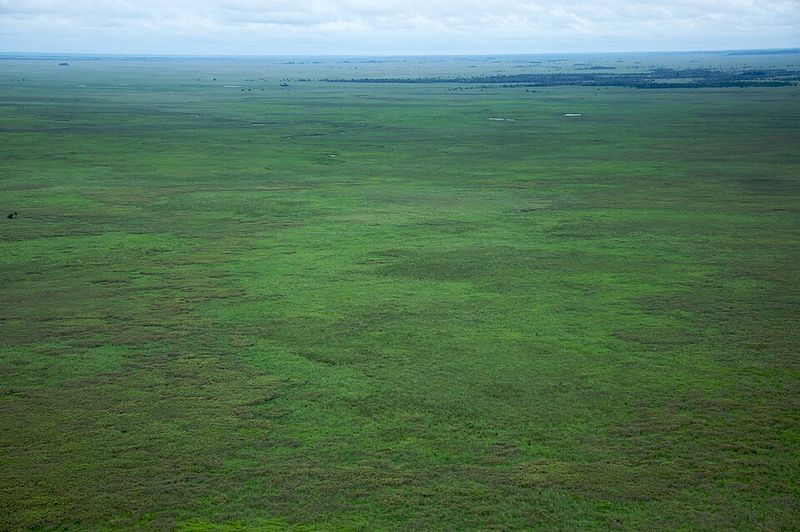
Hidden within the Bolivian Amazon basin, the Beni Savanna is one of South America’s most remarkable and least-known landscapes. This enormous tropical grassland covers roughly 85,000 square miles in northern Bolivia, forming a mosaic of open savannah, seasonally flooded wetlands, and gallery forests that together support extraordinary biodiversity.
Giant river otters, one of the world’s most endangered otter species, swim through the Beni’s rivers and lagoons. Marsh deer, giant anteaters, maned wolves, tapirs, and anacondas all inhabit this landscape, along with hundreds of bird species including the dramatic jabiru stork.
During the wet season, flooding transforms the savannah into a shallow inland sea, concentrating wildlife in spectacular ways.
The Beni is also home to the Llanos de Mojos, an area with ancient earthworks built by pre-Columbian peoples who engineered raised fields and canals to farm this flooded savannah. It is a landscape where natural wonder and human history blend in ways that few other places on Earth can match.
Share this story