At 3,491 feet above sea level, the highest peak in Massachusetts is not just a number on a map. It is a full destination with hiking trails, a historic summit lodge, and views that stretch up to 90 miles on a clear day.
Tucked into the Berkshire Hills of western Massachusetts, this state reservation draws hikers, road-trippers, and nature lovers from across New England and beyond. The combination of accessible summit roads, well-marked trails for every skill level, and a working lodge at the top makes this spot unlike almost any other state park in the region.
Whether the goal is a challenging all-day hike or a scenic drive with a stop at a war memorial tower, this mountain delivers on every front.
The Summit That Stands Above All Others In Massachusetts
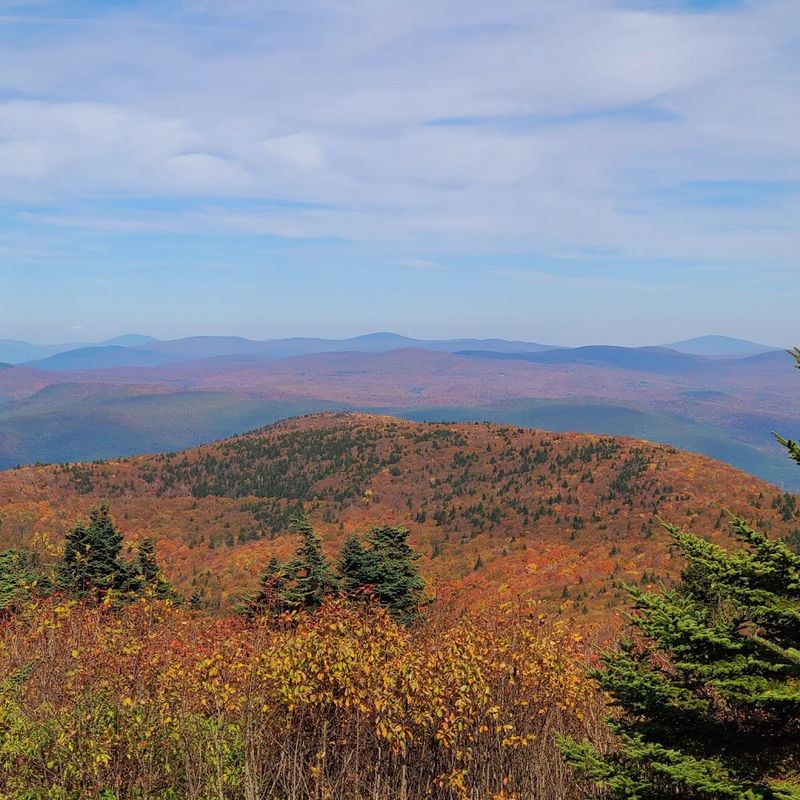
At 3,491 feet, Mount Greylock holds the title of the highest point in all of Massachusetts, and that elevation comes with serious bragging rights in the form of views that can stretch 60 to 90 miles on a clear day.
From the top, multiple mountain ranges come into view, including the Taconics to the west and the Green Mountains of Vermont to the north. On exceptionally clear days, the city of Albany, New York is visible in the distance.
The summit is accessible both by trail and by car during the warmer months, which means the experience is available to people of all fitness levels. The open summit area gives a 360-degree perspective of the surrounding landscape, making it easy to understand why this peak has been drawing people up its slopes for well over a century.
The views alone make the trip worth every step.
The War Veterans Memorial Tower: A Summit Landmark
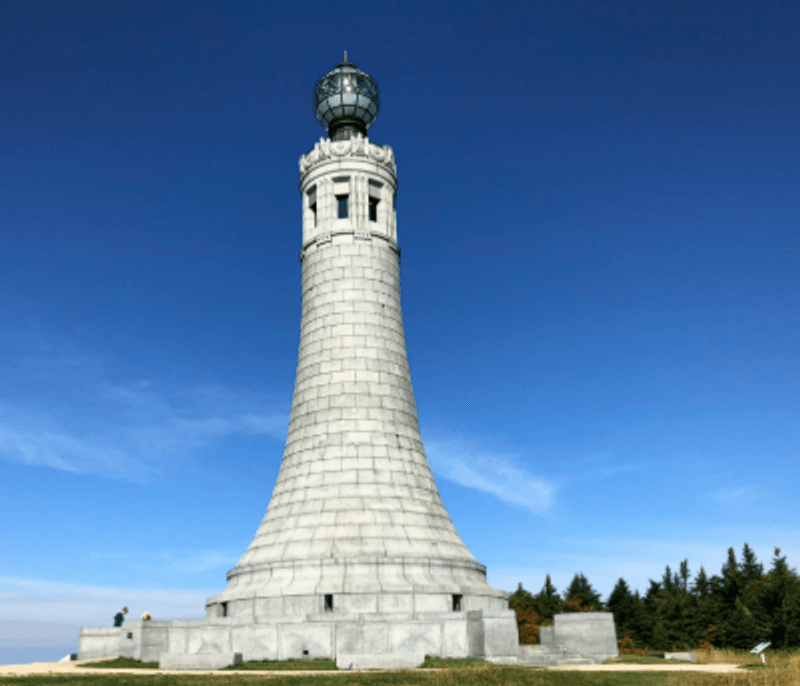
Rising from the very top of Mount Greylock is the War Veterans Memorial Tower, a lighthouse-style granite structure that has stood at the summit since 1932.
The tower was built as a tribute to Massachusetts veterans who served in World War I, and it remains one of the most recognizable landmarks in the entire state park system. Climbing to the top of the tower adds another level of elevation to the already high summit, and the panoramic views from up there are remarkable.
The walk from the summit parking area to the tower takes about five minutes, making it one of the most accessible landmark experiences in the region. The tower is open during the warmer months and gives visitors a full 360-degree view of the surrounding hills and valleys.
It is a fitting tribute and a genuinely impressive structure that rewards every person who makes the climb.
Bascom Lodge: Sleeping at the Top of Massachusetts
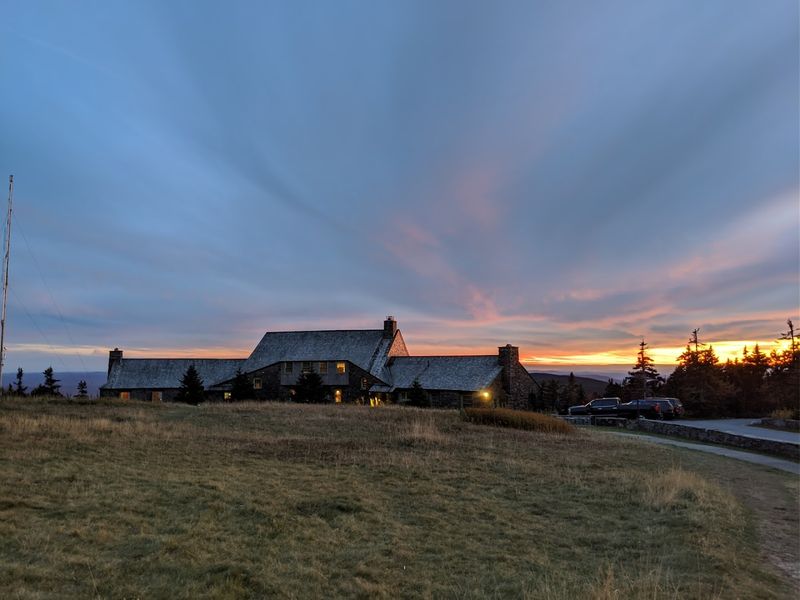
Few hiking destinations in New England can claim a full-service lodge sitting right at the summit, but Mount Greylock pulls it off with Bascom Lodge.
Built in the 1930s by the Civilian Conservation Corps, the lodge offers overnight accommodations, a small cafe with made-to-order food, and restroom facilities. The cafe menu includes soups, sandwiches, coffee, tea, and pastries, giving hikers a real meal at the end of a long climb.
The lodge typically operates Thursday through Sunday during its open season, so checking the schedule before planning an overnight stay is a good idea. The building itself is a beautiful example of rustic Adirondack-style architecture, with stone walls and wood interiors that feel completely at home on a mountain summit.
Staying the night at Bascom Lodge means waking up at the highest point in Massachusetts, which is a hard experience to match anywhere else in the state.
Trail Options for Every Type of Hiker
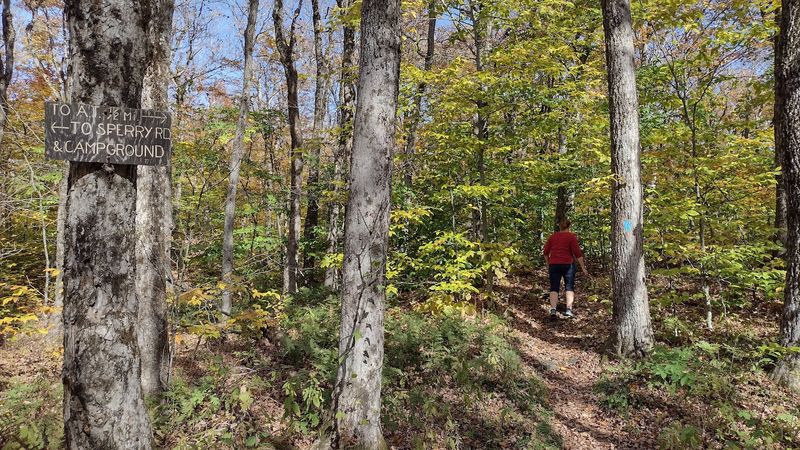
One of the strongest features of Mount Greylock State Reservation is the sheer variety of trails available across the property.
The reservation has routes ranging from short and relatively flat walks to long, rocky, and physically demanding climbs that require good fitness and proper gear. The Thunderbolt Trail is known for its steep and rugged terrain, while the Rounds Rock Trail is a better fit for families with young children.
Trails are generally well-marked throughout the reservation, though some of the less-traveled paths can become narrow and overgrown in spots.
Hikers can choose their access point based on their preferred trail and difficulty level. The Gould Road access point connects to trails like the Thunderbolt and Bellows Pipe, which offer a satisfying and challenging route to the summit.
Downloading a trail map before heading out is strongly recommended since cell coverage inside the reservation is unreliable at best.
The Appalachian Trail Passes Right Through
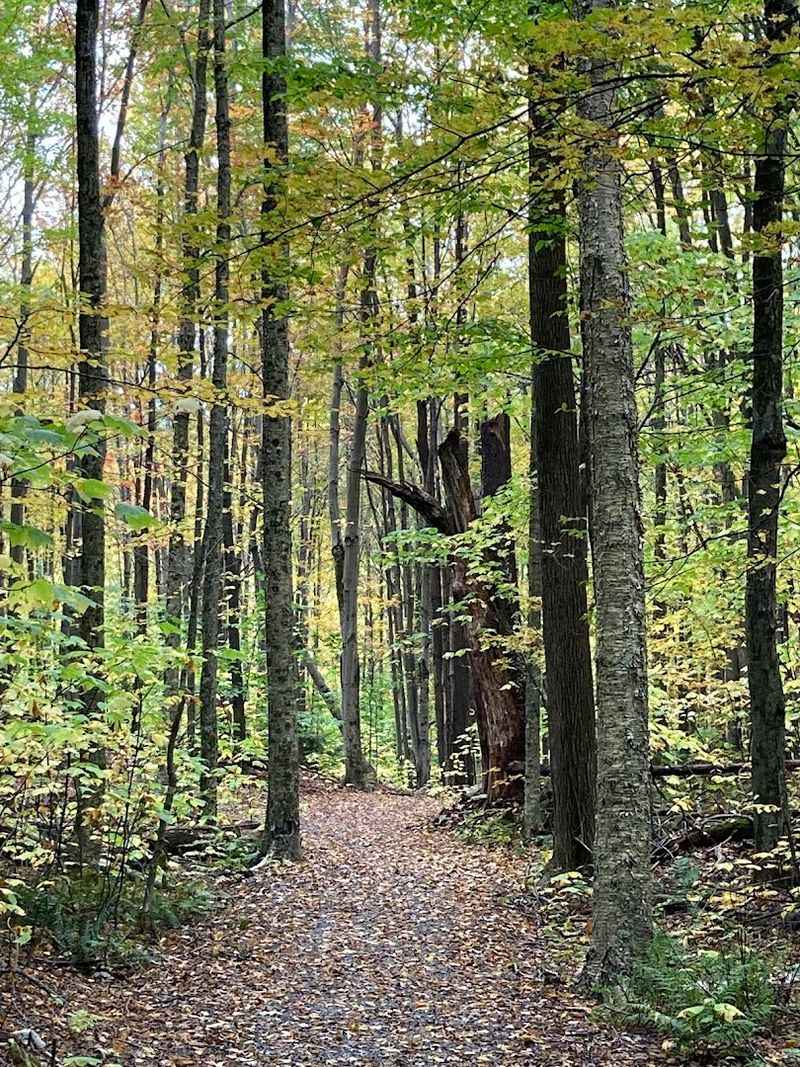
The Appalachian Trail, one of the most famous long-distance hiking routes in the country, passes directly over the summit of Mount Greylock.
This means that thru-hikers making their way from Georgia to Maine walk right through the reservation, and day hikers can access a genuine section of the AT without any complicated logistics. The Saddle Ball and Greylock stretch of the Appalachian Trail runs through a mix of wildflower meadows and dense boreal forest, offering a varied and rewarding hike.
The AT sections on Greylock are rated moderate to strenuous, with rooty and rocky terrain in several spots that keep hikers paying attention to the trail underfoot. Wildlife sightings along this stretch are not unusual, with deer, birds, porcupines, and occasional signs of bear all reported by those who spend time on the trails here.
The AT connection adds a layer of significance to any hike on the mountain.
Waterfalls Hidden Along the Slopes
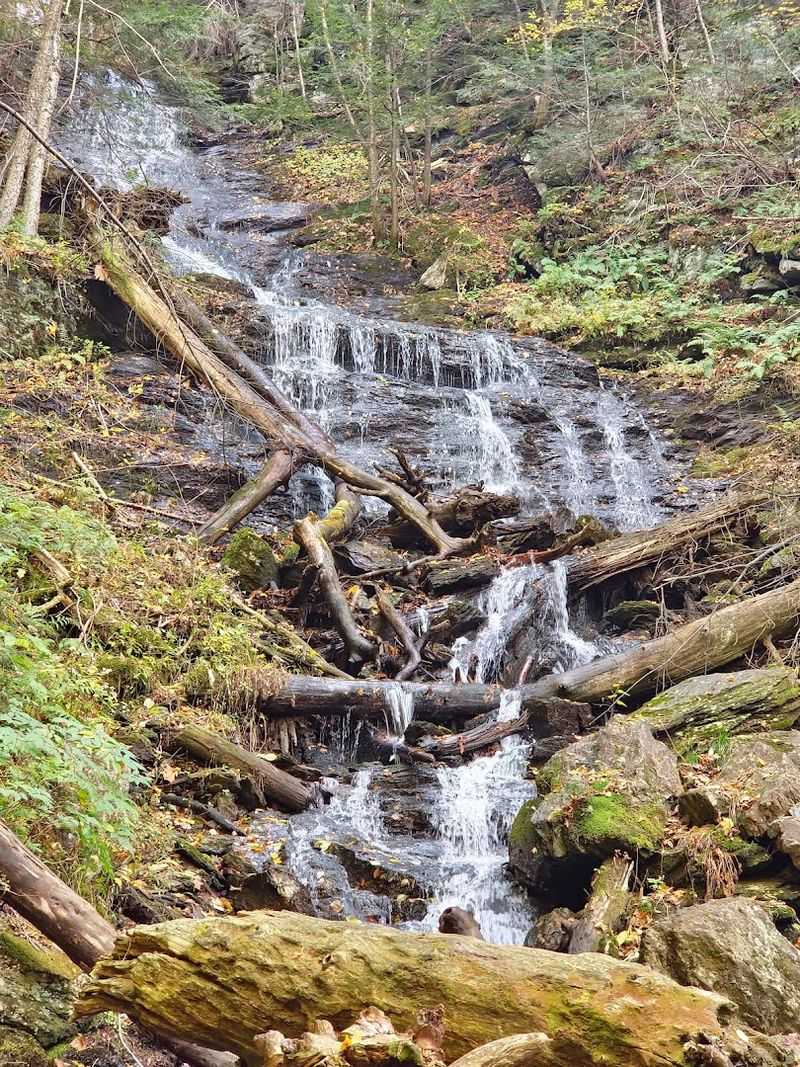
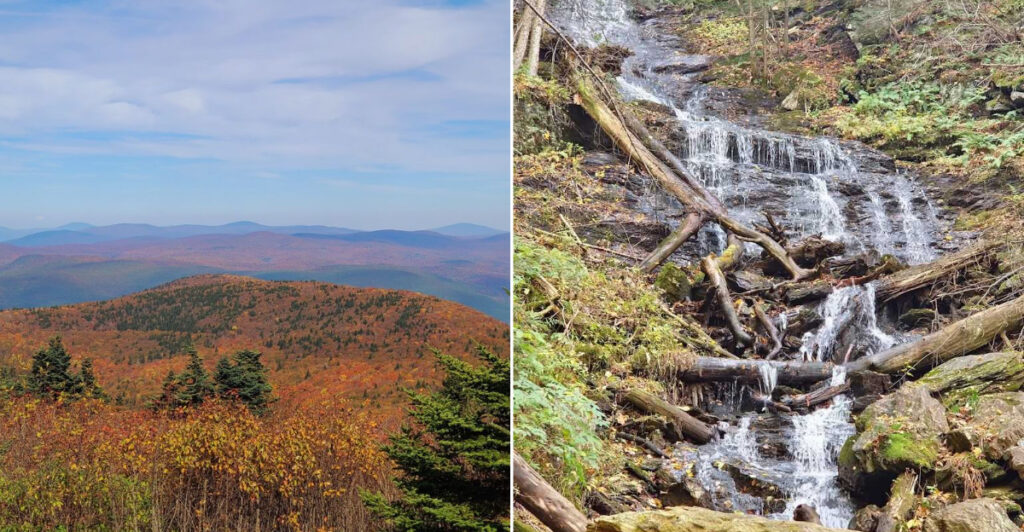
Not everything worth seeing at Mount Greylock is at the summit. The slopes of the mountain are home to several waterfalls that reward hikers who take the time to explore beyond the main summit trail.
Deer Hill Falls, March Cataract Falls, and Money Brook Falls are among the most popular waterfall destinations within the reservation. Each one requires a separate hike to reach, so planning a full day or multiple visits is the best way to experience all of them.
The waterfall trails pass through dense forest and alongside streams, offering a quieter and more secluded experience compared to the busy summit area. These routes tend to see far fewer people than the summit trails, which means a more peaceful outing for those who prefer solitude.
The combination of flowing water, forest cover, and mountain terrain makes these waterfall hikes a genuinely different experience from the open-summit routes.
Driving to the Summit: A Scenic Road Option
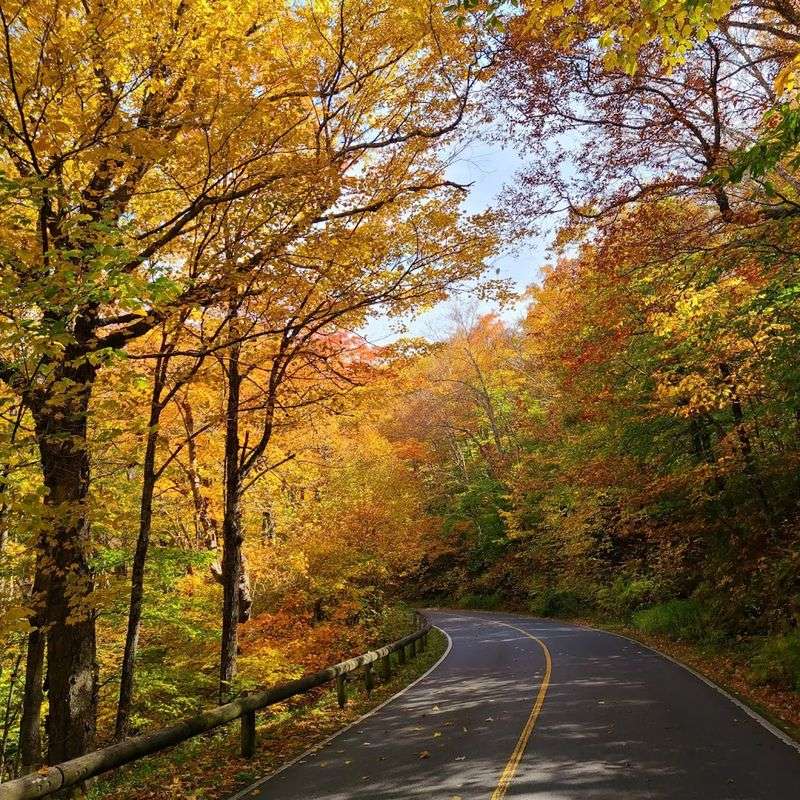
Not every great mountain experience requires lacing up hiking boots, and Mount Greylock makes that clear with its seasonal summit road.
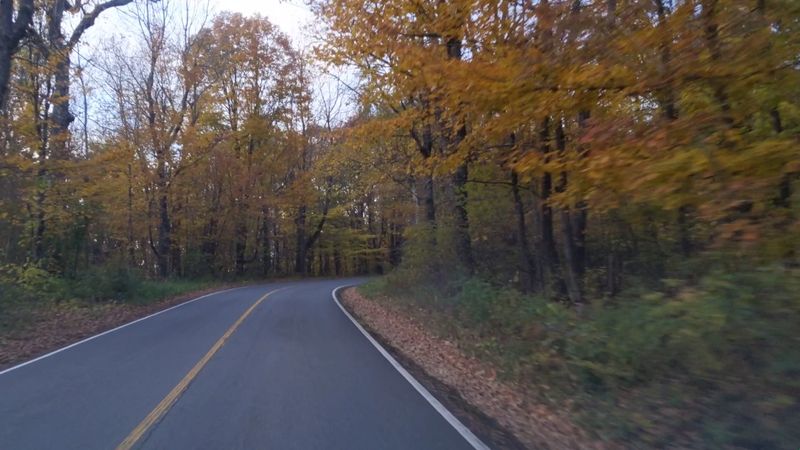
The drive up Rockwell Road from the visitor center to the summit takes approximately 20 minutes and passes through stretches of forest with several pullout areas where the views open up. The road is a legitimate destination on its own for those who want to experience the mountain without a full hike.
Families with young children, older adults, or anyone with mobility limitations can still reach the summit area by car and enjoy the views from the parking area near the War Veterans Memorial Tower. The summit road is only open during the warmer months, typically from late spring through fall, and closes for the winter season.
Arriving on a clear weekday tends to mean less competition for parking spots and a more relaxed experience at the top overall.
Camping Under the Stars at Greylock
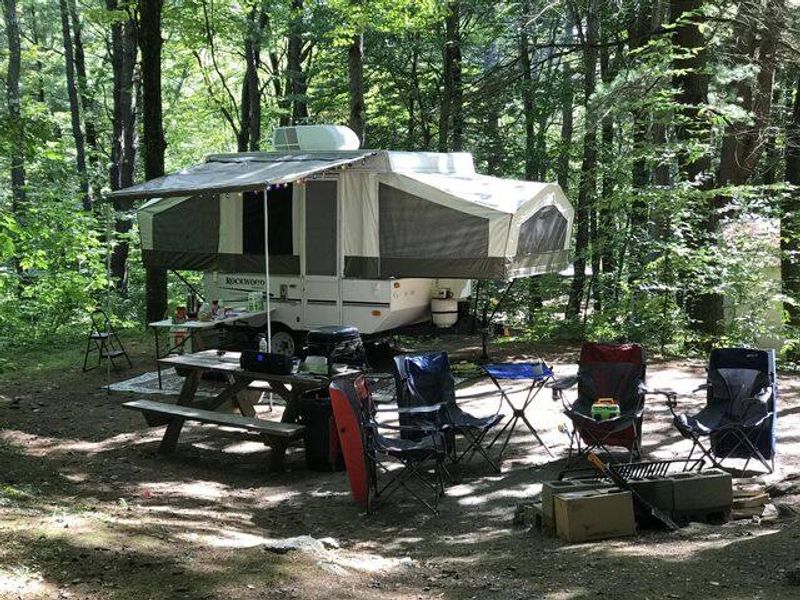
For those who want to extend the experience beyond a single day, Mount Greylock State Reservation offers camping options that put guests right inside the mountain environment.
The campsites are well-maintained and sit a short walk in from the road, which adds a bit of a wilderness feel even though the facilities are kept in good condition. Firewood delivery directly to campsites is available, which is a genuinely convenient touch that makes settling in much easier after a long day of hiking.
Camping at Greylock gives visitors the chance to experience the mountain at different times of day, including early mornings before the day-trippers arrive and quiet evenings when the trails are mostly empty. The reservation has a history of welcoming campers across all four seasons, though summer and early fall tend to be the most popular windows.
Planning ahead and reserving a site in advance is the smart approach during peak months.
Winter Hiking: A Whole Different Challenge
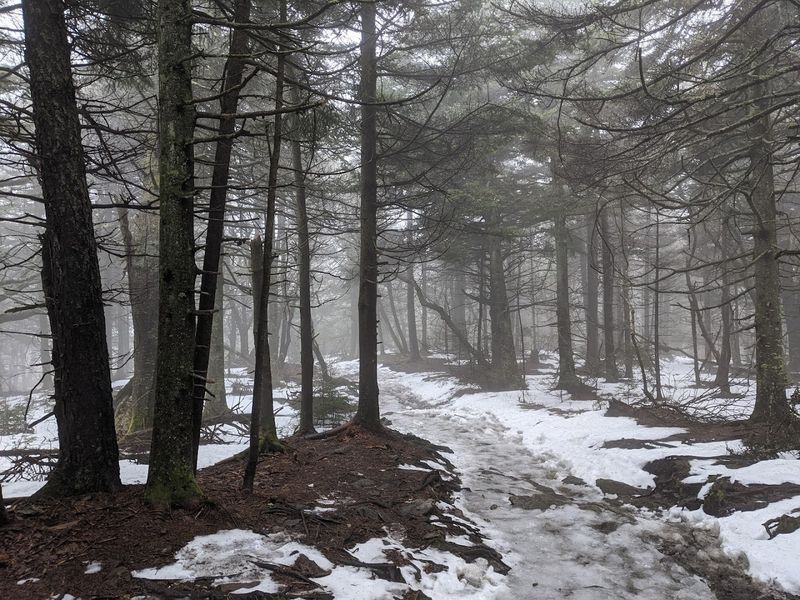
Mount Greylock does not close for winter, and the cold months bring a completely different character to the mountain that serious hikers find worth pursuing.
Snow-covered trails, ice formations on trees, and a quieter atmosphere define the winter experience here. The Thunderbolt Trail, originally built as a downhill ski run in the 1930s, becomes a demanding winter hiking route that requires solid fitness and proper cold-weather gear to complete safely.
Trekking poles, microspikes, and layered clothing are practical essentials for anyone heading up the mountain between December and March. The summit in winter is dramatically less crowded than in summer, giving those who make the effort a genuinely uncrowded experience at the top.
The landscape at elevation shifts toward boreal forest as the trail climbs, with spruce and fir trees that hold snow and create a striking visual contrast against the open sky above the summit.
Wildlife and Ecology Along the Trails
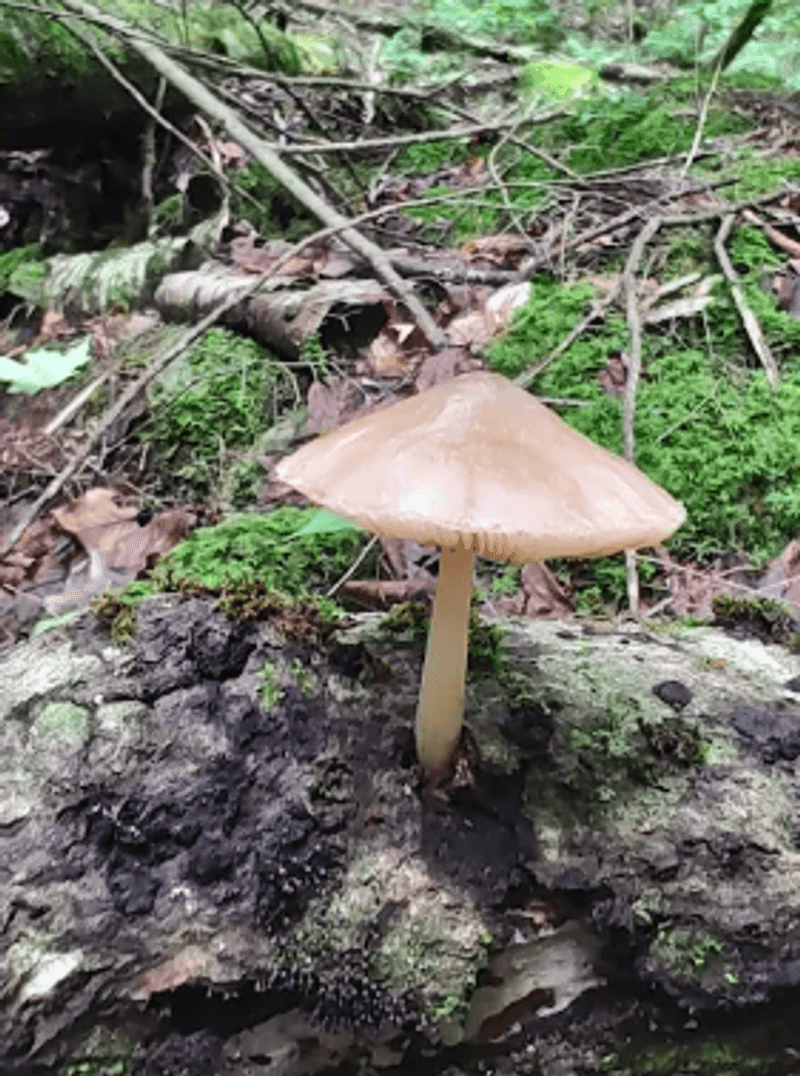
The trails at Mount Greylock pass through several distinct ecological zones, and the wildlife that lives within the reservation reflects that diversity.
Deer are commonly spotted along lower trail sections, while birds of various species can be found throughout the forest. Porcupines have been reported on some of the less-traveled trail sections, and bear activity signs have been noted by hikers in certain areas of the park.
Wildlife encounters are not guaranteed, but they are frequent enough that paying attention while hiking is both smart and rewarding.
As the elevation increases toward the summit, the forest transitions from northern hardwood to boreal spruce and fir, which creates a noticeably cooler environment even during summer months. This ecological shift is one of the more interesting aspects of a full summit hike, as it shows how dramatically the natural environment changes over a relatively short vertical distance.
The reservation is a genuinely rich habitat worth observing carefully.
The History Behind the Mountain
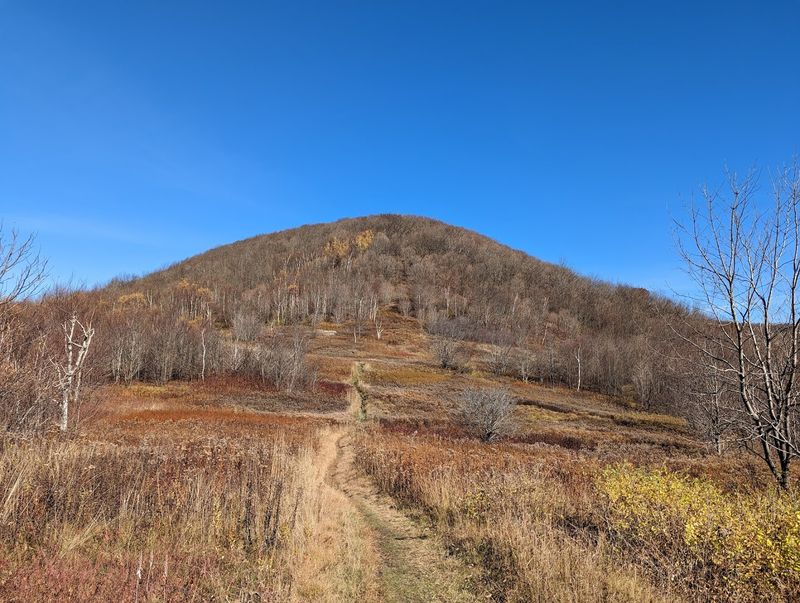
Mount Greylock carries more than a century of history as a protected public land, with roots going back to 1898 when the first 400 acres around the summit were established as a state reservation.
That original protected area became the foundation for what eventually grew into the broader Massachusetts State Forest and Parks system. The Civilian Conservation Corps played a major role in shaping the reservation during the 1930s, constructing Bascom Lodge, the Thunderbolt Ski Trail, and various other infrastructure elements that still exist today.
The Veterans War Memorial Tower, dedicated in 1932, added a layer of civic meaning to the summit that has endured through the decades. The mountain itself has inspired writers, including Herman Melville, who could see Greylock from his home in Pittsfield and reportedly dedicated one of his books to the mountain.
That kind of cultural weight is not something most hiking destinations can claim.
Best Times to Visit and What to Expect
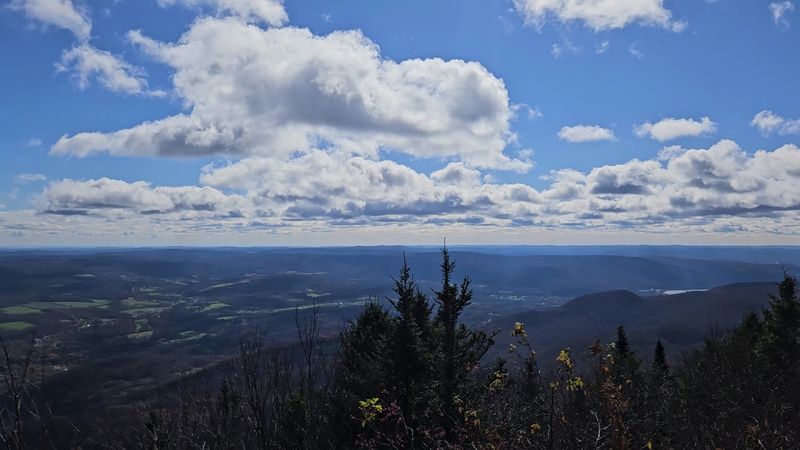
Timing a visit to Mount Greylock can make a significant difference in what the experience looks like, and each season brings its own set of conditions and crowds.
September is widely regarded as one of the best months to visit, with comfortable temperatures, lower humidity, and the early stages of fall foliage beginning to color the hillsides. The summer months bring the most visitors, particularly on weekends, so arriving early in the morning or visiting on a weekday helps avoid the biggest crowds at the summit parking area.
An entry fee of up to $20 per out-of-state vehicle may apply near the summit parking lot during peak season, though the fee is not always collected depending on the time of day or staffing. Checking the Massachusetts DCR website before visiting is the best way to confirm current access conditions, road opening dates, and any seasonal closures that might affect the planned visit.
The Visitor Center: Start Here Before the Summit
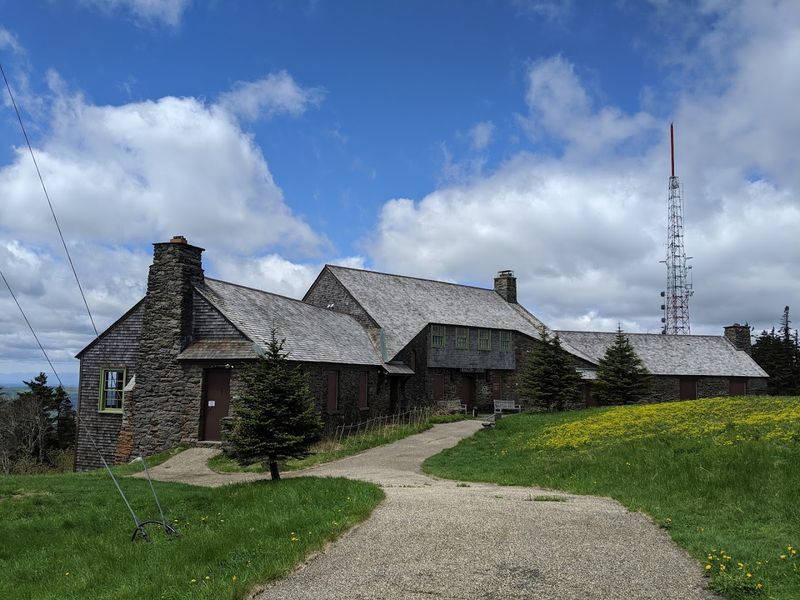
Before heading up the mountain, the visitor center near the base of the reservation is the most practical first stop available to anyone arriving for the first time.
The center offers trail maps, current condition reports, and exhibit displays that give context to the mountain’s natural and cultural history. Staff at the center are known for being helpful and well-informed, which makes planning the day much easier whether the goal is a casual drive or a demanding all-day hike.
A short film about the reservation is available at the visitor center, giving a useful overview of what the mountain has to offer across its many trails and access points. The center also displays current conditions both at the base and at the summit, which is valuable information before committing to a particular route.
Downloading any needed maps at the visitor center before heading into areas with limited cell coverage is a practical step worth taking.
Why Greylock Keeps Drawing People Back
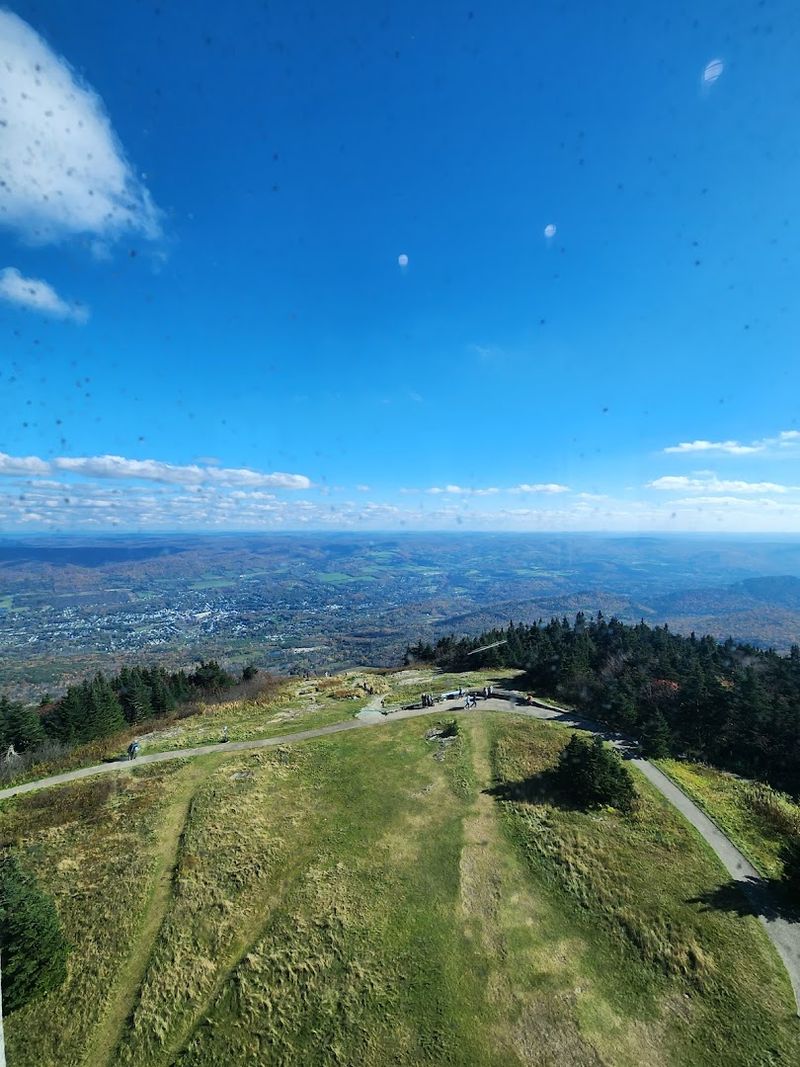
There are plenty of hiking destinations in New England, but Mount Greylock has a combination of features that makes it genuinely hard to replicate anywhere else in Massachusetts.
The summit is accessible by car or by trail, there is a historic lodge with food and lodging at the top, a war memorial tower with 360-degree views, waterfalls on the slopes, camping on the grounds, and Appalachian Trail access all within the same reservation. That range of options means the mountain works for solo hikers, families, history enthusiasts, and casual road-trippers alike.
People who visit once tend to come back, often choosing a different trail or a different season to see how the mountain changes throughout the year. The reservation covers enough terrain and offers enough variety that repeat visits consistently feel like new experiences.
As the highest point in Massachusetts, Greylock earns its reputation as the standard by which other state parks in the region are measured.
Where It All Begins: Address and Location
Mount Greylock State Reservation is located at 30 Rockwell Road, Lanesborough, MA 01237, in the heart of the Berkshire Hills in western Massachusetts.
The reservation spans across several towns, but the main access point through Lanesborough puts visitors on Rockwell Road, which winds its way up toward the summit. This road is seasonal and typically opens in late spring, depending on weather conditions each year.
The drive from the visitor center to the summit takes roughly 20 minutes and passes through dense forest with pullouts along the way. The visitor center near the base is a great first stop, offering trail maps, exhibit displays, and friendly staff who can help plan the day.
Cell service inside the park is spotty, so downloading maps before arrival is a smart move that saves a lot of frustration.
Share this story