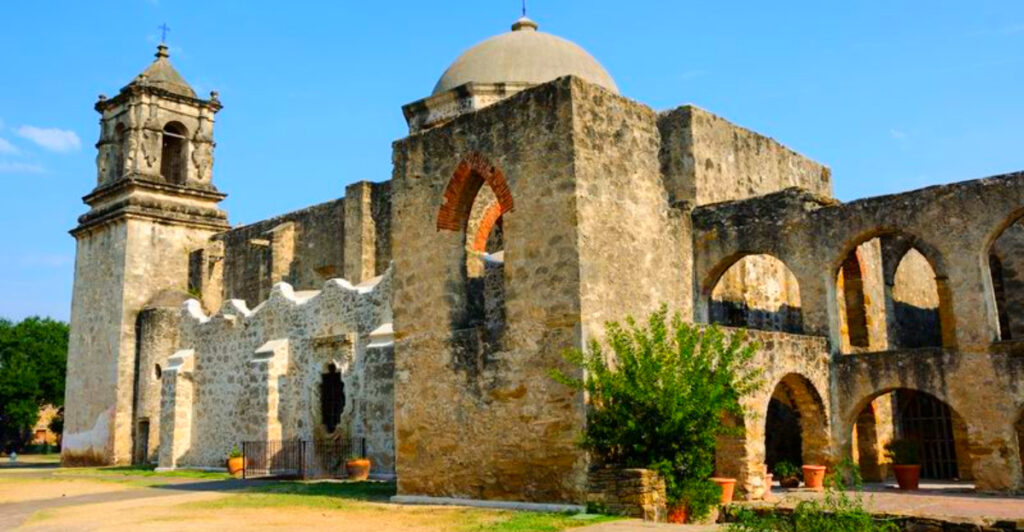
History in the United States did not begin in 1776. Long before the Declaration of Independence was signed, people had already built thriving communities, impressive missions, powerful forts, busy towns, and remarkable ceremonial sites across what is now the United States. Some of these places have stood for hundreds of years, while others trace their stories back more than a thousand years.
This list visits 19 destinations that are all older than the nation itself. Some are famous landmarks, while others remain surprisingly overlooked despite their extraordinary history. Together, they show that the land’s history stretches back far beyond the founding of the United States, and many of those stories continue today through places that are still standing and welcoming visitors.
1. Acoma Pueblo, New Mexico
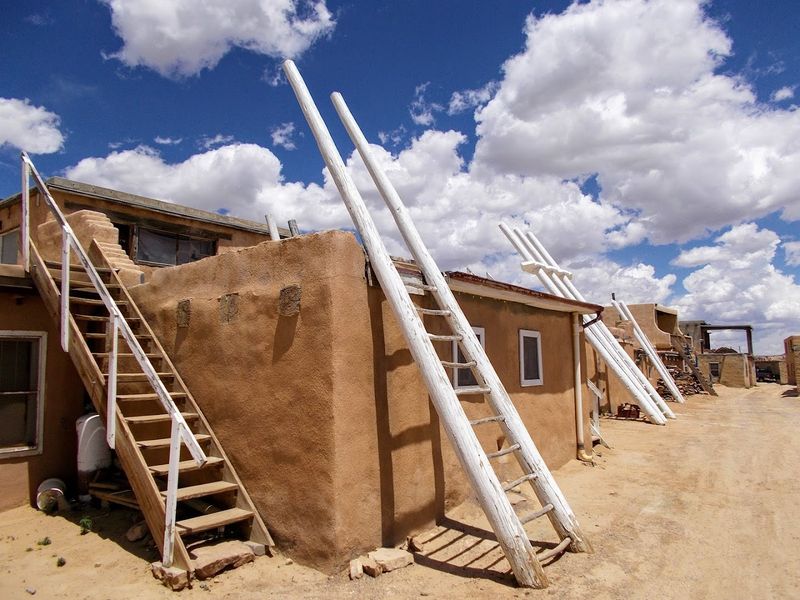
Some addresses deserve an extra line on the birthday card, and Acoma Pueblo would need an entire stack of them. Often called “Sky City,” this remarkable community sits atop a sandstone mesa about 60 miles west of Albuquerque and is widely recognized as one of the oldest continuously inhabited communities in North America. Archaeological evidence suggests people have lived here for around a thousand years, making the pueblo several centuries older than the United States itself. Unlike many historic sites frozen in time, Acoma remains an active community where tribal members continue to maintain traditions that stretch back through countless generations.
2. St. Augustine, Florida
America’s oldest continuously occupied European-established city has been quietly collecting birthdays since 1565, which gives it an impressive head start over almost every other destination in the country. Founded by Spanish admiral Pedro Menéndez de Avilés, St. Augustine predates Jamestown by more than forty years and Plymouth by over half a century. Somehow, it still manages to look remarkably comfortable with its age.
3. Taos Pueblo, New Mexico
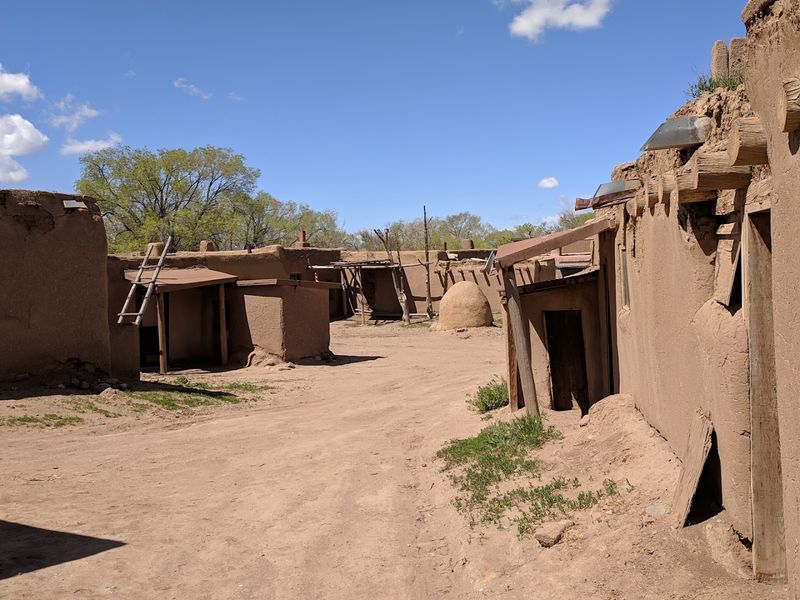
ot every apartment complex can casually mention that it has been occupied for roughly a thousand years. Taos Pueblo has done exactly that, serving as home to the Taos people for centuries before the United States existed. The multi-story adobe buildings remain one of the world’s best-preserved examples of traditional Pueblo architecture and continue to house tribal members today.
The massive earthen structures were built using adobe bricks made from local materials, with thick walls helping regulate interior temperatures throughout the seasons. While modern conveniences exist elsewhere in the community, parts of the pueblo intentionally preserve traditional ways of living. Visitors quickly notice that many architectural features remain remarkably similar to those created centuries ago, including ladders connecting upper levels and carefully planned communal spaces.
4. Jamestown, Virginia
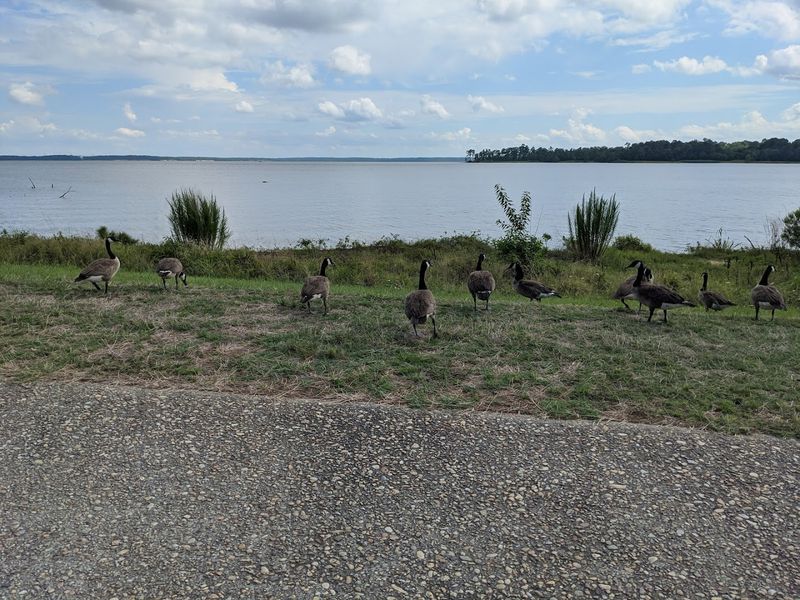
Few places carry as much historical weight while also reminding visitors that success was anything but guaranteed. Established in 1607, Jamestown became England’s first permanent settlement in what would become the United States. The colony endured disease, food shortages, political disputes, and extraordinary hardship during its earliest years, yet it ultimately laid foundations that shaped English settlement across North America.
5. Mission San Juan Capistrano, California
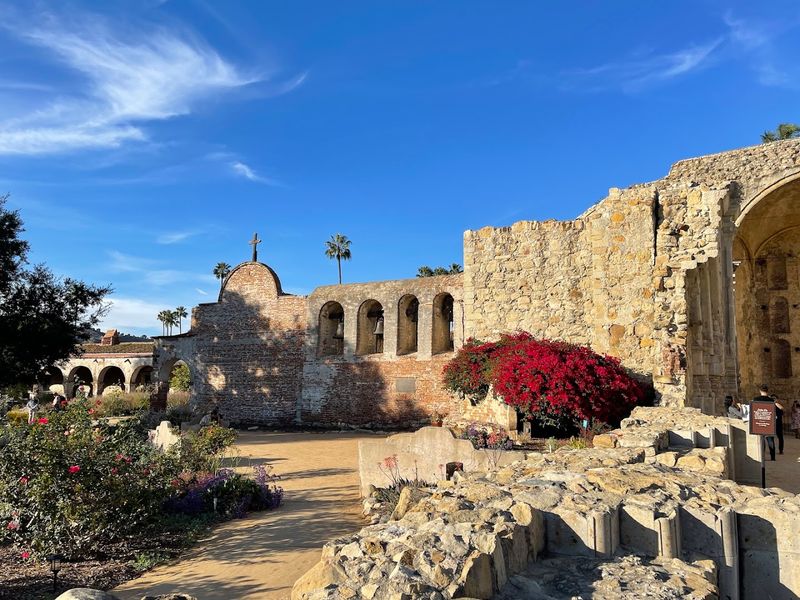
Some buildings become famous for architecture. Others earn recognition because swallows return each spring. Mission San Juan Capistrano somehow manages both. Founded in 1776, the same year the Declaration of Independence was signed thousands of miles away, this Spanish mission in Southern California was already beginning its own remarkable story.
The mission formed part of California’s extensive network of Spanish missions established to expand settlement and religious outreach. Although earthquakes damaged portions of the original complex, many historic structures remain standing, including courtyards, gardens, adobe buildings, workshops, and Serra Chapel, one of California’s oldest continuously used buildings.
6. Santa Fe Plaza, New Mexico
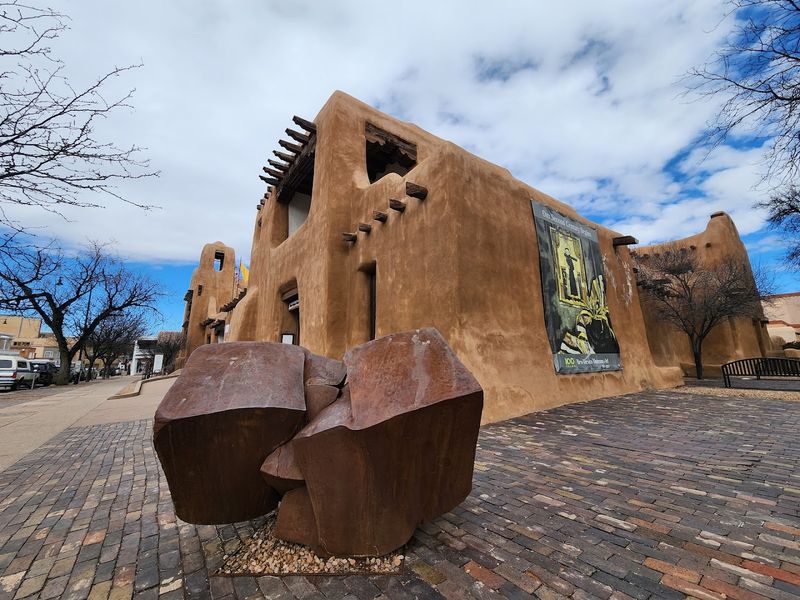
Public squares rarely spend four centuries remaining the center of community life, yet Santa Fe Plaza continues to prove that good planning can have remarkable staying power. Established shortly after the city’s founding in 1610, the plaza has served as New Mexico’s civic heart through Spanish, Mexican, territorial, and American periods without ever losing its central role.
7. Castillo de San Marcos, Florida
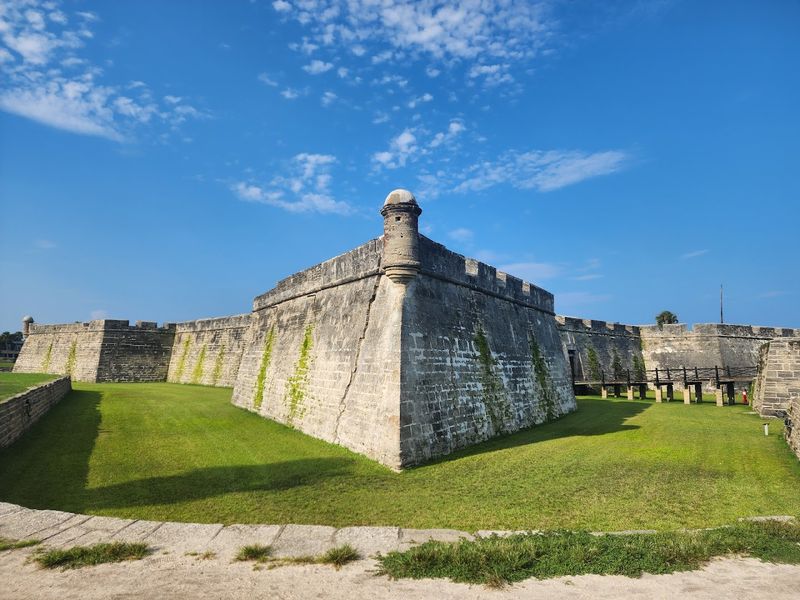
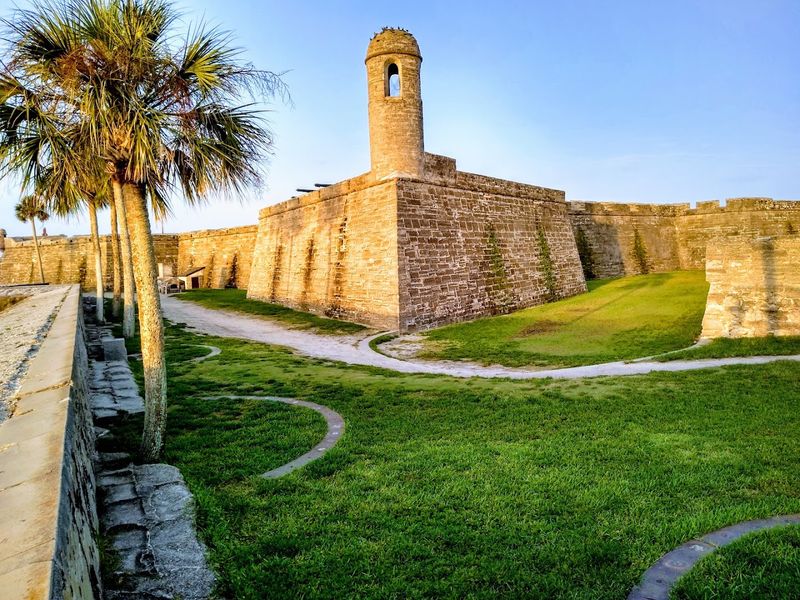
Stone walls rarely become celebrities, yet this fortress has earned every bit of its reputation. Construction of Castillo de San Marcos began in 1672 after earlier wooden defenses proved inadequate for protecting Spanish St. Augustine. Workers built the massive fort using coquina, a sedimentary stone formed from compressed shells that turned out to be surprisingly resilient.
The fortress changed hands multiple times as control shifted between Spain, Britain, and eventually the United States. Rather than being demolished or completely rebuilt, each new administration adapted the existing structure, allowing visitors today to explore remarkably authentic defensive works from the colonial period. Thick bastions, watchtowers, courtyards, storage rooms, and defensive walls remain largely intact.
8. Plymouth, Massachusetts
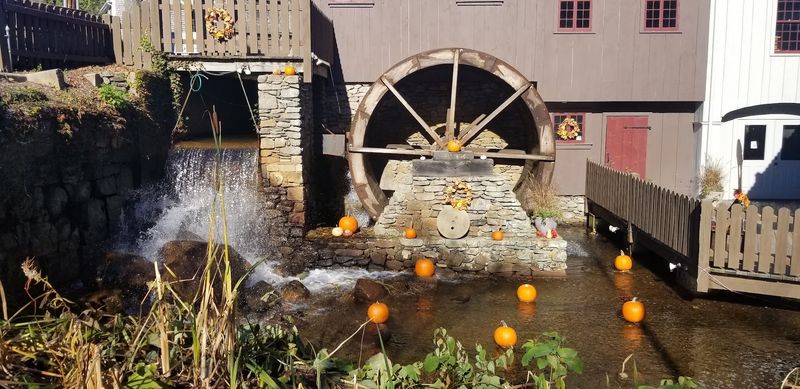
History has a habit of becoming much more interesting once you realize real neighborhoods grew around famous moments. Founded in 1620 by the English settlers aboard the Mayflower, Plymouth became one of the earliest permanent English settlements in New England. Although popular culture often compresses its story into a single Thanksgiving scene, the town’s history stretches far beyond that familiar chapter.
Plimoth Patuxet Museums provide one of the country’s most detailed living history experiences. Rather than simply displaying artifacts, the museum interprets both the English settlement and the homeland of the Wampanoag people, helping visitors understand multiple perspectives on the region’s past. Costumed interpreters demonstrate farming, cooking, woodworking, and other daily activities based on extensive historical research, while Indigenous educators share the continuing history and traditions of the Wampanoag Nation.
9. Old Salem, North Carolina
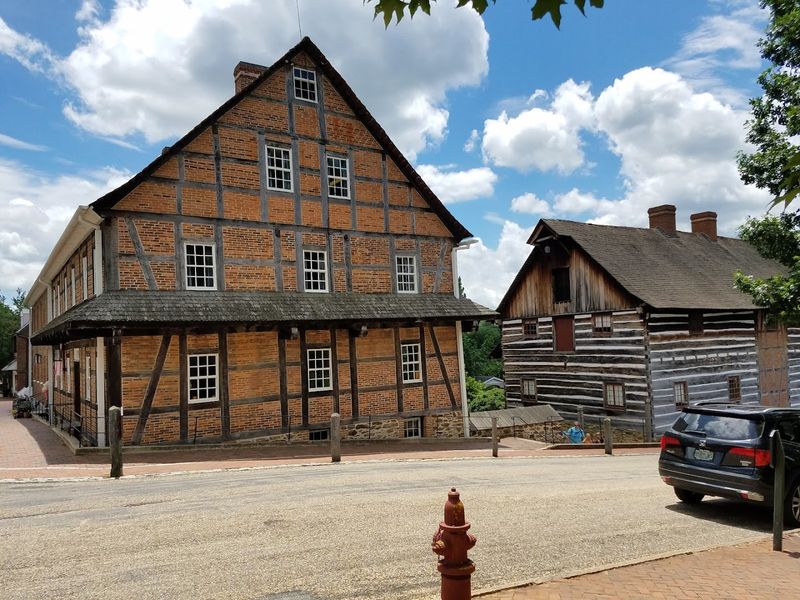
Clockmakers, bakers, potters, and cabinetmakers once turned this community into one of colonial America’s busiest workshops, and many of those trades still take center stage today. Old Salem traces its origins to 1766, when Moravian settlers established a carefully planned community in what is now Winston-Salem. Founded a decade before American independence, the settlement developed into an important center of craftsmanship, education, and commerce.
10. El Morro National Monument, New Mexico
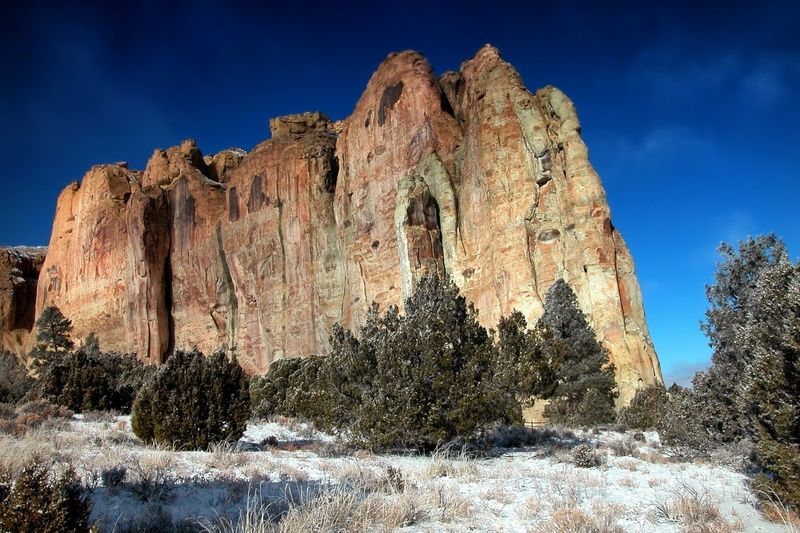
A sandstone cliff became the Southwest’s version of a guest book centuries before anyone thought of online reviews. El Morro National Monument preserves hundreds of inscriptions left by Spanish explorers, soldiers, settlers, and travelers who stopped at the natural pool beneath the massive rock formation. Even more remarkably, ancestral Puebloan people had already lived nearby long before those carvings began appearing.
Reliable water made El Morro an essential stopping point across an otherwise challenging landscape. Spanish expeditions passed through during the sixteenth and seventeenth centuries, carefully recording their journeys by carving names, dates, and messages into the sandstone. Those inscriptions remain visible today alongside much older petroglyphs created by Indigenous peoples, creating an extraordinary historical timeline carved directly into the landscape.
11. Mission San Xavier del Bac, Arizona
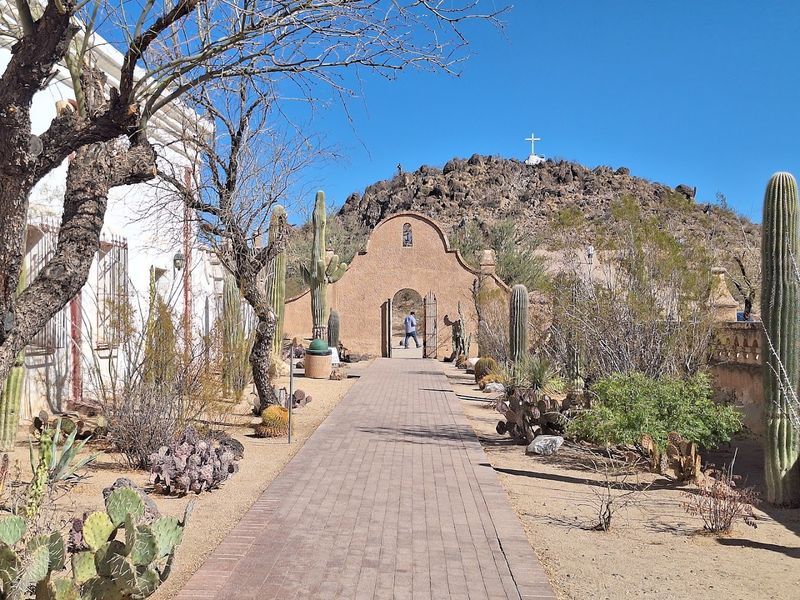
White towers have watched over the Sonoran Desert for more than two centuries, making this mission one of the finest surviving examples of Spanish Colonial architecture in the United States. Although the current church was completed in the late eighteenth century, the original mission community dates back to 1692, when Jesuit missionary Eusebio Kino established the site among the Tohono O’odham people.
Often called the “White Dove of the Desert,” the church stands out for its remarkably preserved interior and exterior decoration. Elaborate artwork, historic sculptures, painted ceilings, and carefully restored architectural details demonstrate the craftsmanship invested in the mission. Preservation projects continue today to ensure the building remains protected for future generations.
12. Fort Matanzas National Monument, Florida
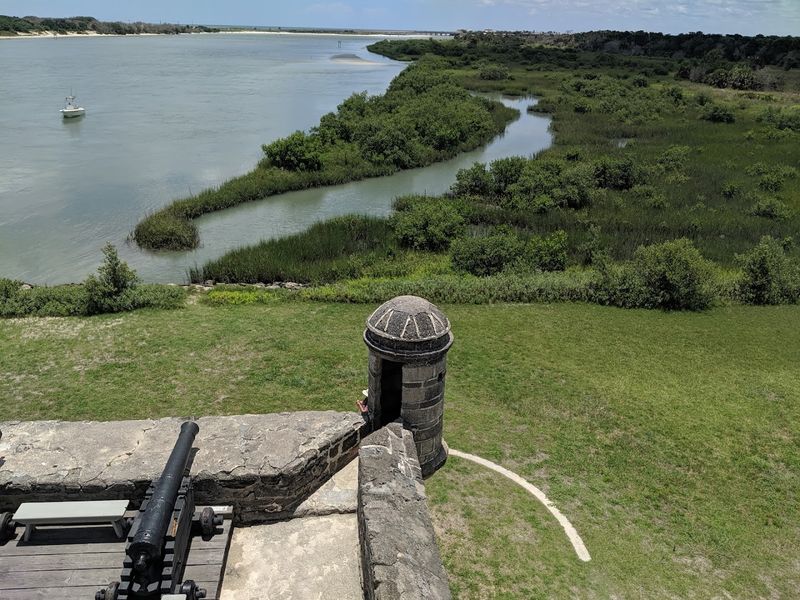
Big history sometimes hides inside surprisingly small forts. Fort Matanzas may not match the size of Castillo de San Marcos, but its strategic purpose made it an essential part of Spain’s defenses along Florida’s Atlantic coast. Completed in 1742, the coquina fort guarded the southern approach to St. Augustine by controlling access across the Matanzas River.
Its compact design reflected efficiency rather than extravagance. A relatively small garrison could monitor passing ships and discourage enemy forces from attempting to approach the city through waterways that bypassed larger coastal defenses. The fort’s thick walls, elevated observation points, and carefully chosen location created an effective defensive outpost without requiring enormous resources.
13. Cahokia Mounds, Illinois
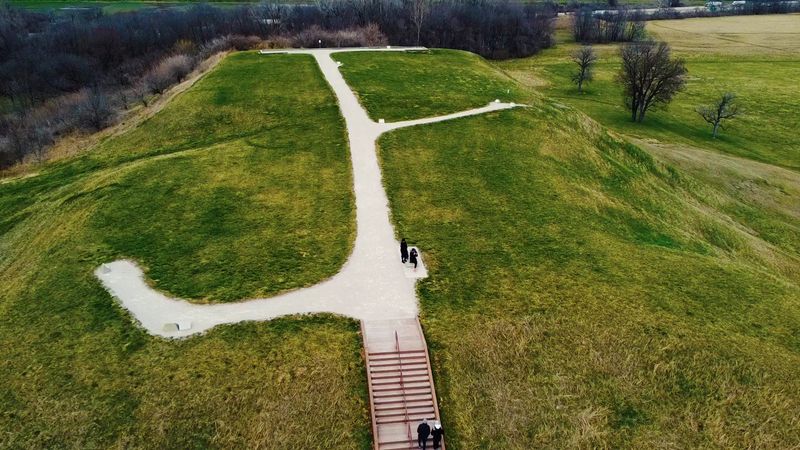
Long before European ships crossed the Atlantic, one of North America’s largest cities stood near present-day St. Louis. Cahokia flourished between approximately 1050 and 1350, eventually covering several square miles and supporting a population that rivaled many major European cities of the same era. That astonishing fact alone deserves far more attention than it usually receives.
The UNESCO World Heritage Site preserves the remains of a sophisticated Mississippian civilization known for large earthen mounds, planned neighborhoods, extensive trade networks, and complex social organization. Monks Mound remains the site’s most recognizable feature, rising roughly one hundred feet above the surrounding landscape and covering more area at its base than many famous pyramids.
14. San Miguel Chapel, New Mexico
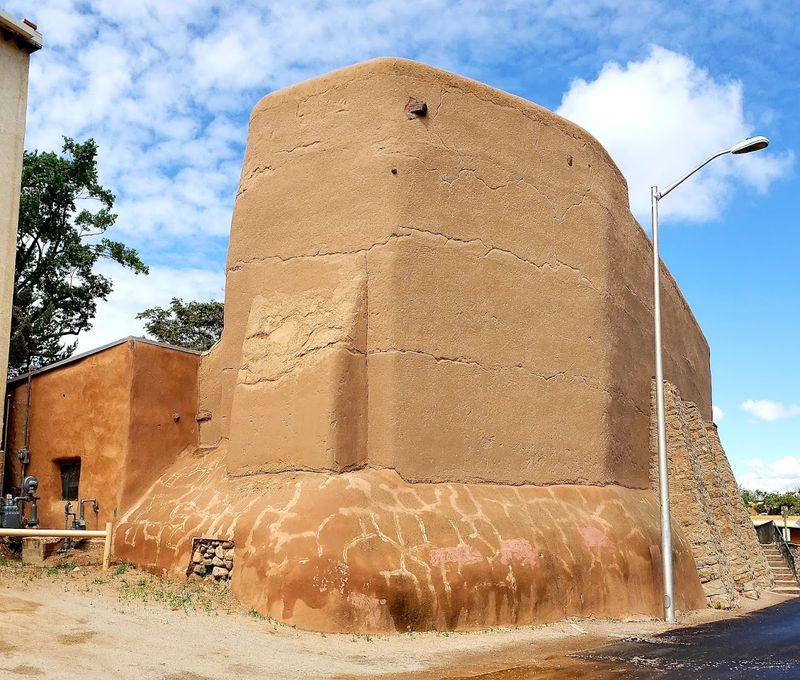
Tiny buildings occasionally carry enormous historical importance, and San Miguel Chapel has been doing exactly that for centuries. Believed to have been originally constructed around 1610, the chapel is widely recognized as one of the oldest churches in the continental United States. Its modest appearance often surprises first-time visitors who expect something much grander after hearing about its extraordinary age.
The chapel has experienced repairs, rebuilding, and careful preservation over the centuries, particularly after the Pueblo Revolt of 1680 damaged many Spanish structures throughout the region. Even with those changes, the building retains remarkable historical authenticity while continuing to serve its religious purpose. Thick adobe walls and traditional construction techniques reflect the practical building methods used throughout colonial New Mexico.
15. Palace of the Governors, New Mexico
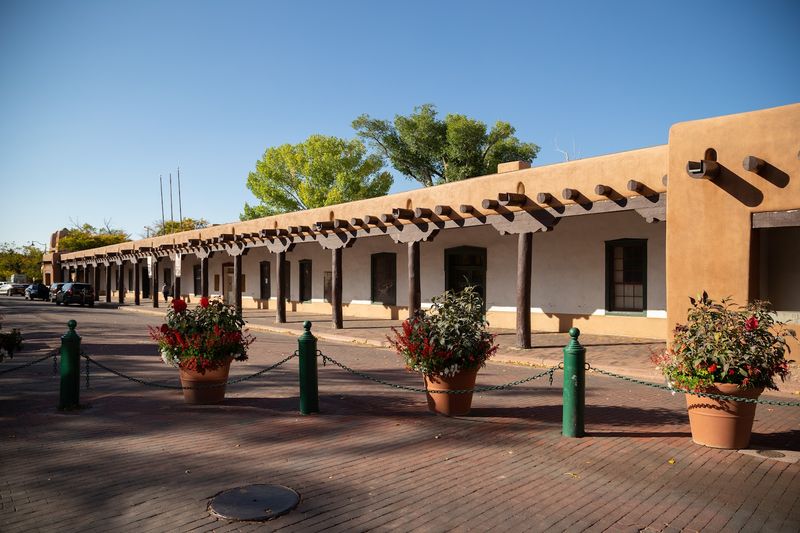
Government offices usually come with paperwork. This one comes with more than four centuries of it. Built around 1610, the Palace of the Governors in Santa Fe is the oldest continuously occupied public building in the United States. It has served Spanish governors, Mexican officials, American territorial leaders, and modern museum visitors, all without changing its address.
The long adobe building reflects practical colonial architecture rather than grand decoration. Thick walls helped create durable government offices, storage rooms, and living quarters that could withstand New Mexico’s climate. Over the centuries the palace adapted to changing political control while remaining the center of public administration for the region. That uninterrupted use makes it far more than an attractive historic structure.
It is one of the country’s longest-serving civic buildings.
16. Mission San José, Texas
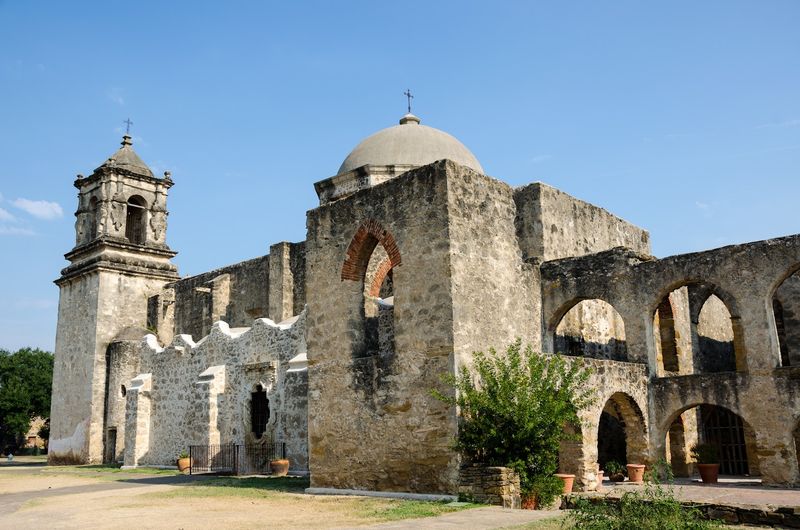
Every historic mission has its own personality, and Mission San José earned the nickname “Queen of the Missions” for good reason. Founded in 1720, it became the largest of San Antonio’s Spanish colonial missions and developed into a thriving self-sufficient community decades before the American Revolution.
Unlike a simple church complex, the mission operated almost like a small town. Residents lived within protective stone walls while workshops, farmland, living quarters, granaries, and religious buildings supported everyday life. Spanish missionaries and Indigenous converts worked together to build a community that produced food, clothing, tools, and other necessities without relying heavily on outside supplies. Much of that original layout remains easy to understand thanks to extensive restoration.
17. Fairbanks House, Massachusetts
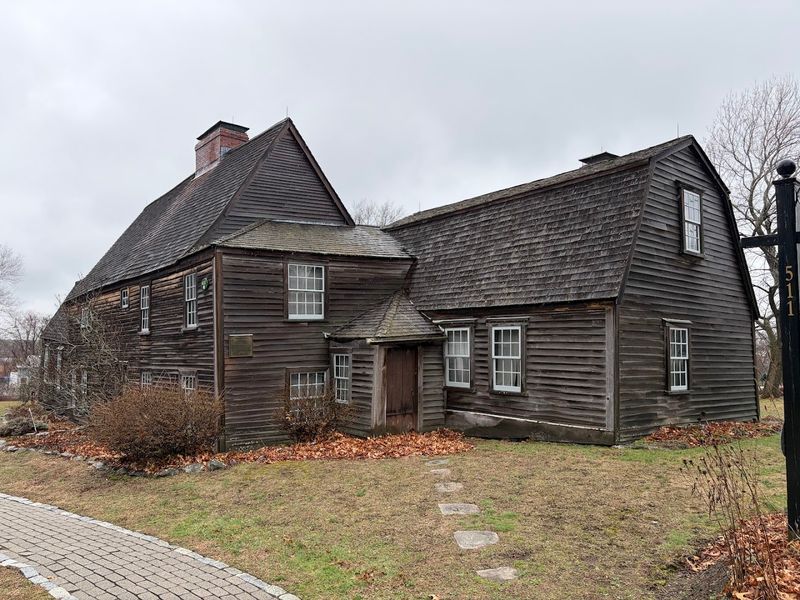
Modern houses rarely survive a century without major renovations. Fairbanks House has quietly passed the three-hundred-year mark twice. Built around 1637 in Dedham, Massachusetts, it is widely considered the oldest surviving timber-frame house in North America that still stands on its original site.
The house remained in the Fairbanks family for eight generations, an astonishing stretch of continuous ownership that helped preserve much of its original character. Instead of replacing the structure whenever fashions changed, successive generations expanded and adapted it carefully. Historians can actually trace those changes through different sections of the building, making the home an architectural timeline as much as a family residence.
18. Caddo Mounds State Historic Site, Texas
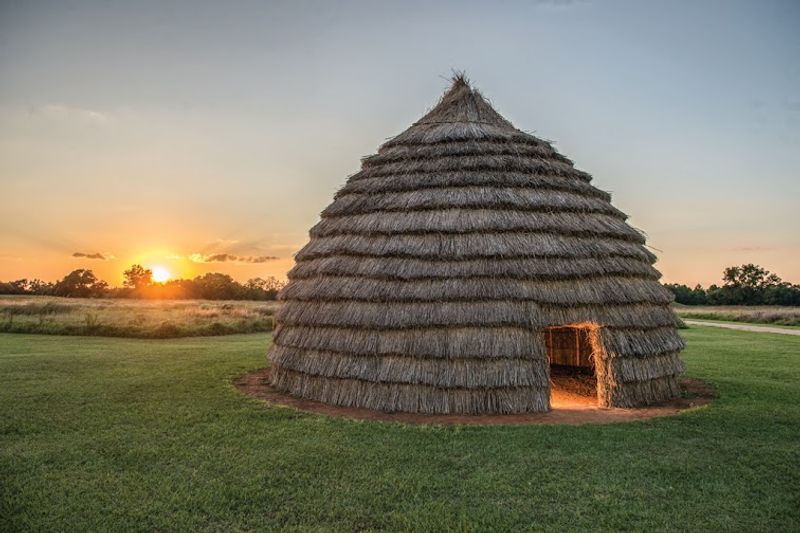
Long before Texas appeared on any map, thriving Indigenous communities were already building ceremonial centers connected by extensive trade routes. Caddo Mounds State Historic Site preserves one of the most important surviving examples of that history, representing a settlement established by ancestral Caddo people more than 1,200 years ago.
The site originally served as a political, ceremonial, and trading center rather than a permanent village packed with homes. Earthen mounds supported temples, public buildings, and elite residences, while nearby communities gathered here for commerce, ceremonies, and important meetings. Archaeological research has uncovered evidence of trade extending hundreds of miles across the Southeast, demonstrating that the Caddo maintained sophisticated regional connections long before European explorers arrived.
19. Strawbery Banke, New Hampshire
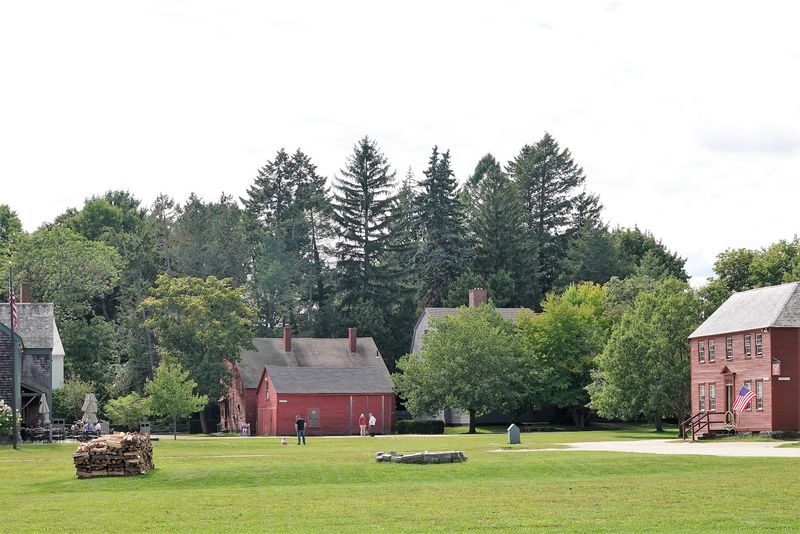
One neighborhood somehow managed to keep nearly four centuries of history under the same street grid. Strawbery Banke in Portsmouth preserves dozens of historic buildings representing life from the seventeenth century through the twentieth, making it one of the country’s most fascinating outdoor history museums.
The community began in the 1630s, when Portsmouth emerged as one of New England’s earliest English settlements. Instead of restoring the neighborhood to a single moment in time, preservationists chose a far more interesting approach. Homes, shops, gardens, and public buildings each represent different periods, allowing visitors to see how architecture, technology, and everyday life evolved over hundreds of years.
Share this story