History often remembers famous figures for their achievements, but their personal lives can be just as fascinating. Among them are rulers, artists, and political leaders whose marriages featured age differences that still attract attention today. Some reflected social customs or political alliances, while others challenged expectations of their time.
These 12 historical marriages show that age gaps have long been part of history, though each relationship was shaped by its own unique circumstances. Looking beyond the numbers offers a deeper understanding of the people behind the headlines and the eras in which they lived.
1. Pablo Picasso and Jacqueline Roque
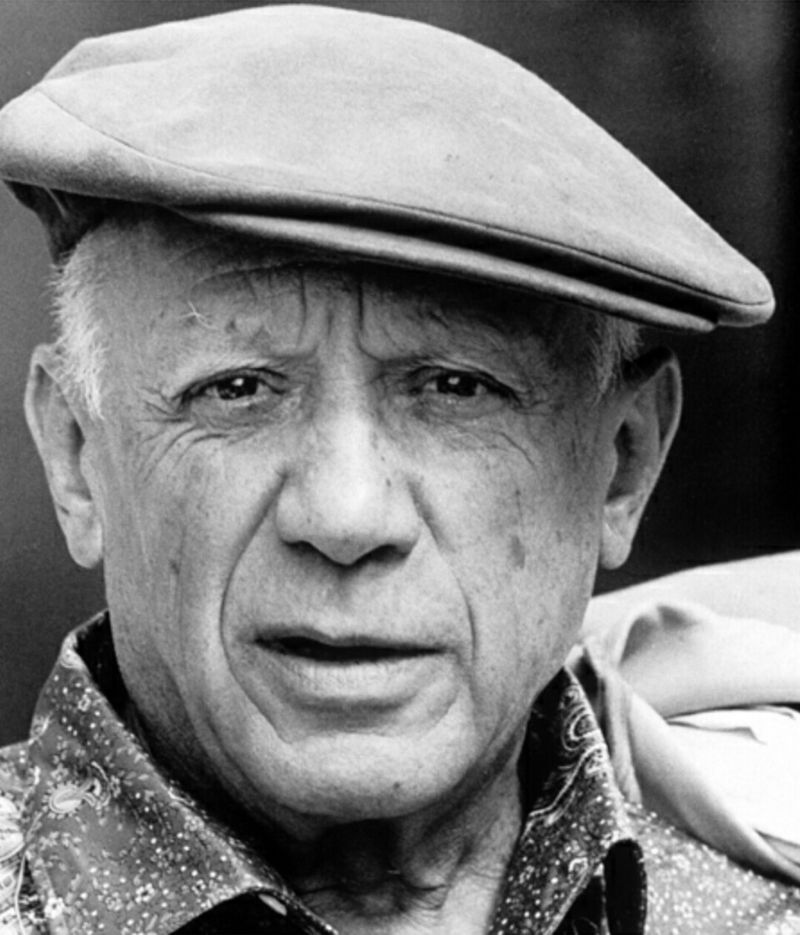
Few artists reinvented themselves as often as Pablo Picasso, and that pattern extended to his personal life. In 1961, the eighty-year-old painter married Jacqueline Roque, who was thirty-four, creating an age difference of forty-six years.
Jacqueline first met Picasso while working at the Madoura Pottery studio in Vallauris, France. According to several accounts, Picasso spent months trying to win her affection, frequently drawing doves and leaving small artistic gestures to capture her attention. Eventually the two formed a close relationship that lasted for the rest of his life.
Jacqueline became Picasso’s most frequent model during his later years. Art historians estimate she appeared in hundreds of his paintings, drawings, and prints, making her one of the most represented individuals in his enormous body of work. Her distinctive profile became instantly recognizable in many of Picasso’s late portraits.
The marriage coincided with Picasso’s final creative period, when he continued producing paintings at an astonishing pace despite his advanced age. Jacqueline also played a central role in organizing his household and protecting his privacy. Today, discussions about Picasso’s later masterpieces almost always include her influence, demonstrating that her place in art history extends far beyond simply being the artist’s wife.
2. Henry VIII and Catherine Howard
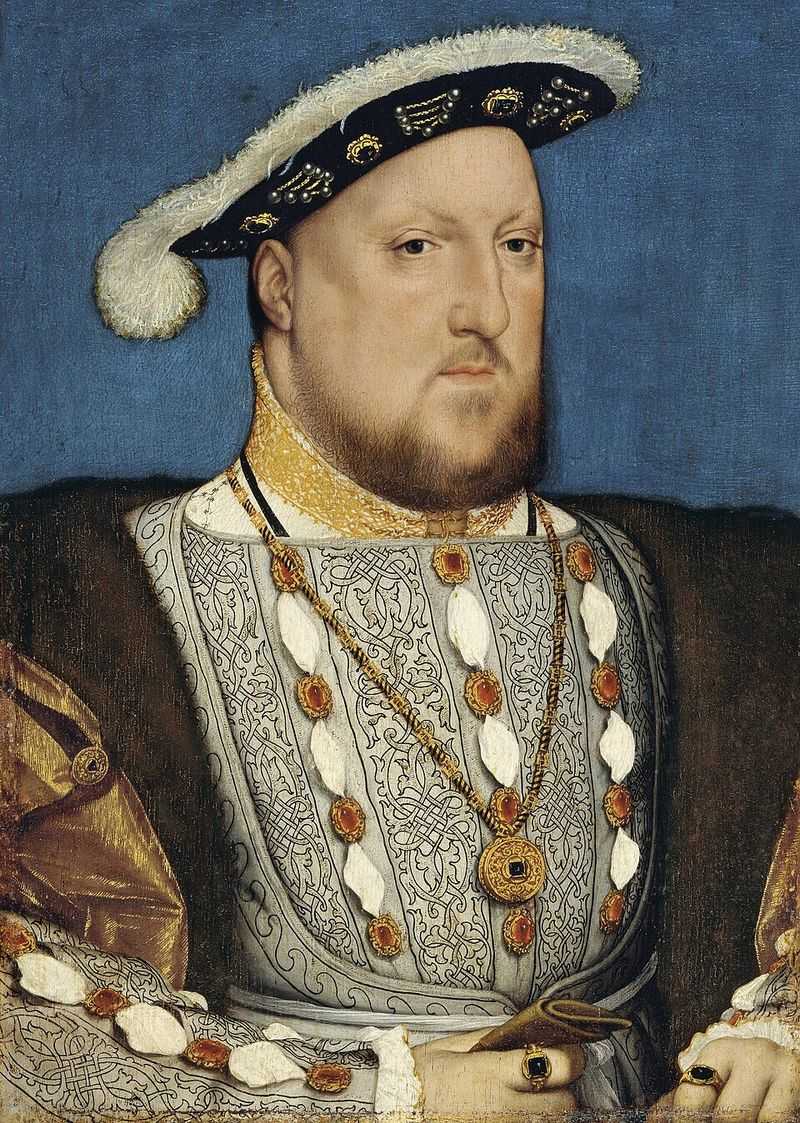
Royal weddings rarely lacked drama, but Henry VIII’s marriage to Catherine Howard immediately became one of the most talked-about unions in Tudor England. Around 1540, the king was approximately forty-nine years old when he married Catherine, who was likely between seventeen and nineteen, creating an age difference of roughly thirty years.
Catherine was a niece of Thomas Howard, Duke of Norfolk, and belonged to one of England’s most influential noble families. Henry had recently ended his marriage to Anne of Cleves, and Catherine’s youth quickly attracted his attention. Contemporary accounts describe the king as deeply devoted to his new queen, showering her with gifts and public displays of affection.
Life at the Tudor court, however, came with intense scrutiny and constant political maneuvering. Catherine’s brief time as queen became one of the best-known episodes of Henry’s reign, illustrating how royal marriages often carried enormous political consequences alongside personal relationships. Their substantial age difference has remained one of the defining details historians note when discussing Henry’s six marriages.
3. John Tyler and Julia Gardiner
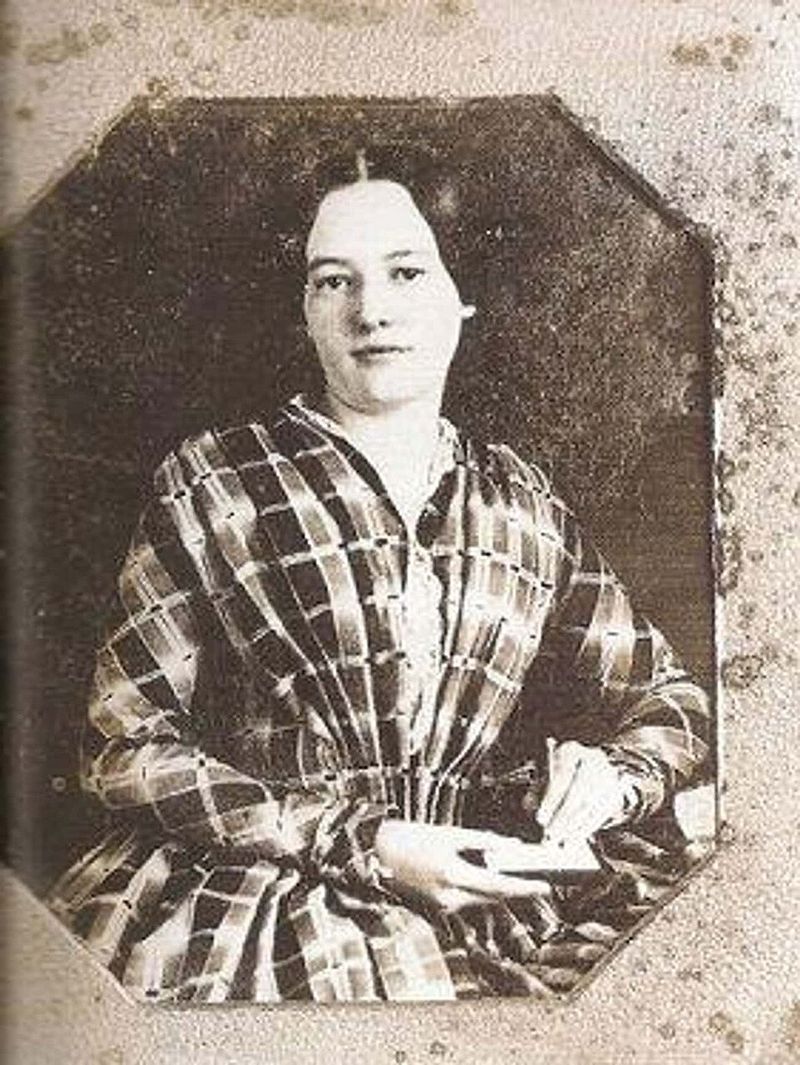
Presidents usually make headlines for elections, but John Tyler managed to surprise the public with his wedding. In 1844, the tenth president of the United States married Julia Gardiner, who was just twenty-four years old, while Tyler was fifty-four. Their thirty-year age difference quickly became one of the most discussed topics in Washington society.
The couple met after Julia’s father, David Gardiner, became acquainted with the president. Following the accidental death of her father aboard the USS Princeton, Tyler offered support to Julia and her family. The two soon became engaged, and they married in New York City while Tyler was still serving as president, making Julia the youngest First Lady in American history at the time.
Julia embraced public life with enthusiasm and helped reshape the image of the First Lady by hosting elegant receptions and participating more actively in White House social events than many of her predecessors. Together they had seven children, adding to Tyler’s already large family from his first marriage.
Even decades later, the Tyler family continued making history. Because John Tyler had children late in life, and one of his sons also became a father at an advanced age, the president still had living grandchildren well into the twenty-first century. Few family trees stretch across American history quite like his.
4. Johann Strauss II and Adele Deutsch
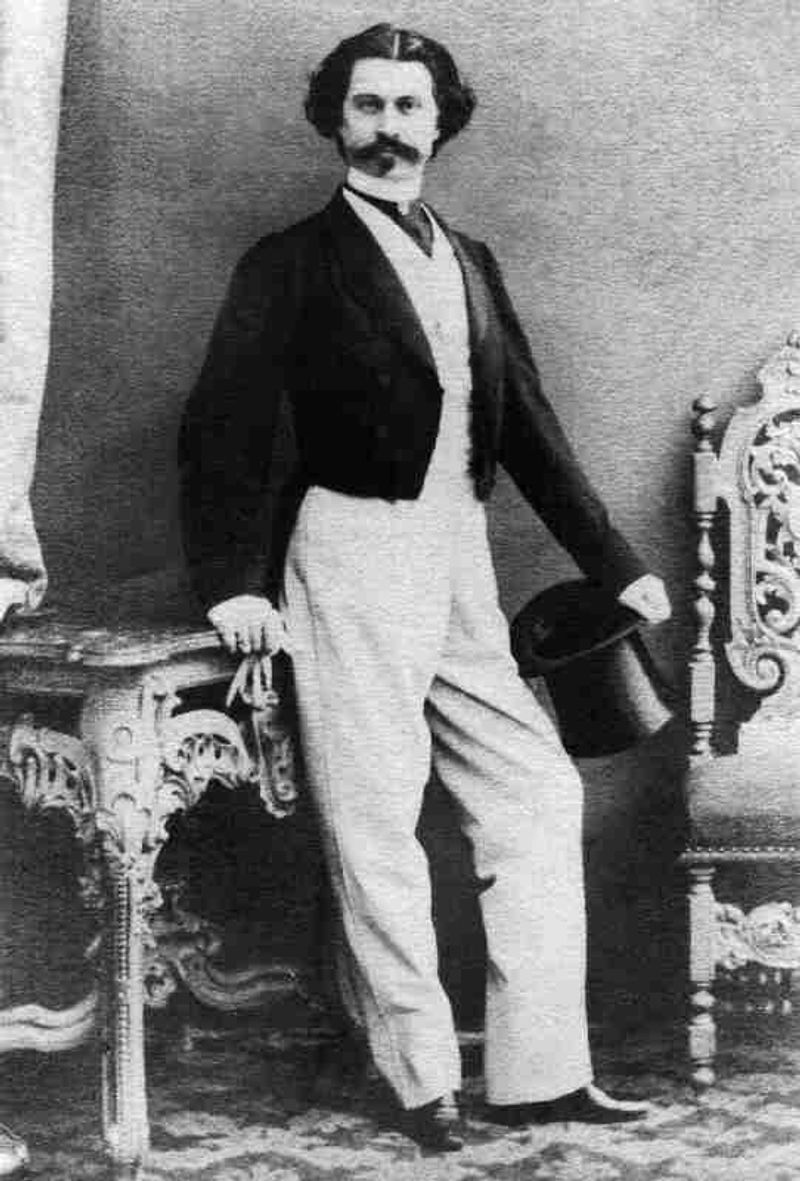
Music was already woven into Johann Strauss II’s life long before his final marriage added another surprising chapter. The celebrated Austrian composer was seventy-three when he married Adele Deutsch in 1899. Adele was twenty-six, making her forty-seven years younger.
By then, Strauss had earned worldwide recognition as the “Waltz King” through works such as The Blue Danube and Tales from the Vienna Woods. Adele had previously been married and shared many of Strauss’s cultural interests, quickly becoming an important companion during his final months.
The marriage attracted attention throughout Vienna because of the remarkable age difference and Strauss’s international fame. Although the couple spent less than a year together before Strauss passed away, Adele remained dedicated to preserving his legacy.
She later helped protect his manuscripts, promoted performances of his music, and supported efforts to maintain public interest in his extraordinary career. Her work ensured that the composer’s influence continued long after his lifetime.
5. Charlie Chaplin and Oona O’Neill
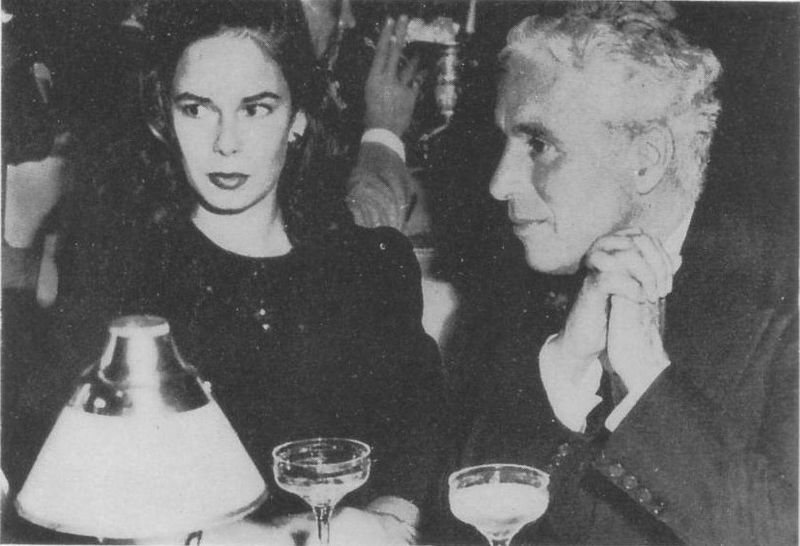
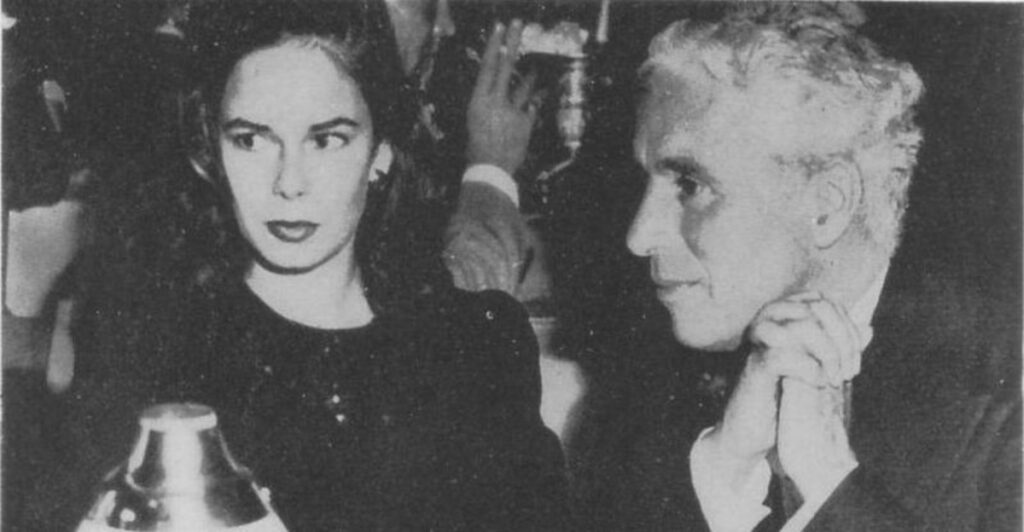
Hollywood has seen plenty of unexpected romances, but few matched the attention surrounding Charlie Chaplin’s marriage to Oona O’Neill. Chaplin was fifty-four when he married eighteen-year-old Oona in 1943, creating an age difference of thirty-six years that attracted enormous public interest.
Oona was the daughter of celebrated playwright Eugene O’Neill, although her father strongly opposed the marriage and never reconciled with her afterward. Chaplin, already one of the world’s most famous filmmakers, had built an extraordinary career through silent films such as The Kid, City Lights, and Modern Times before meeting her.
Despite the public scrutiny, their marriage proved remarkably lasting. The couple remained together for more than three decades until Chaplin’s death in 1977. During those years they welcomed eight children and eventually settled in Switzerland after Chaplin left the United States amid political controversy.
Many observers initially assumed the relationship would be short-lived because of the significant age gap. Instead, it became the longest marriage of Chaplin’s life. Oona devoted much of her attention to raising their family, while Chaplin continued writing music and working on films. Their story remains one of the most enduring celebrity marriages of the twentieth century.
6. Leonardo da Vinci’s Patron Ludovico Sforza and Beatrice d’Este

Powerful rulers often married for political advantage, and Ludovico Sforza followed that pattern when he wed Beatrice d’Este. The Duke of Milan was nearly forty when he married the fifteen-year-old noblewoman in 1491, an age difference of about twenty-four years.
The marriage strengthened important alliances among influential Italian families during the Renaissance. Political marriages like this were common among Europe’s ruling elite, where family strategy often outweighed personal preference.
Beatrice quickly established herself as one of Italy’s most admired patrons of art and culture despite her young age. She encouraged music, literature, and courtly entertainment, helping transform Milan into one of the Renaissance’s leading cultural centers. Leonardo da Vinci worked in Milan during this remarkable period, benefiting from the artistic environment supported by the Sforza court.
Although the marriage began as a political arrangement, contemporary accounts suggest the couple eventually developed genuine affection. Their partnership illustrates how noble marriages often served multiple purposes, combining diplomacy, succession planning, and personal relationships in ways that shaped European history.
7. Aga Khan III and Yvette Labrousse
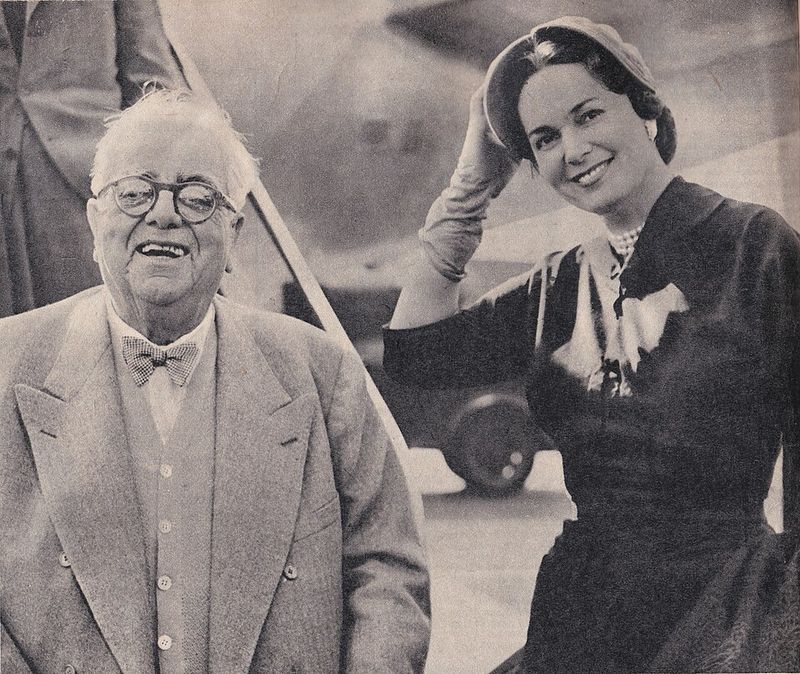
Few weddings combined royalty, international headlines, and an enormous age gap quite like this one. Aga Khan III married French model Yvette Labrousse in 1944 when he was sixty-six years old and she was forty-two years younger.
Before the marriage, Yvette had been crowned Miss France in 1930 and enjoyed a successful career in fashion. After converting to Islam, she became known as Begum Om Habibeh and assumed an active role alongside her husband.
The couple devoted considerable energy to charitable work, supporting hospitals, educational programs, and healthcare projects across several countries. Their partnership frequently appeared in newspapers because both were internationally recognized public figures.
Even after the Aga Khan’s passing in 1957, Begum Om Habibeh continued many of their philanthropic efforts for decades. The marriage demonstrated that relationships with significant age differences were not limited to European royal courts but appeared across many cultures and traditions.
8. King Leopold II and Caroline Lacroix
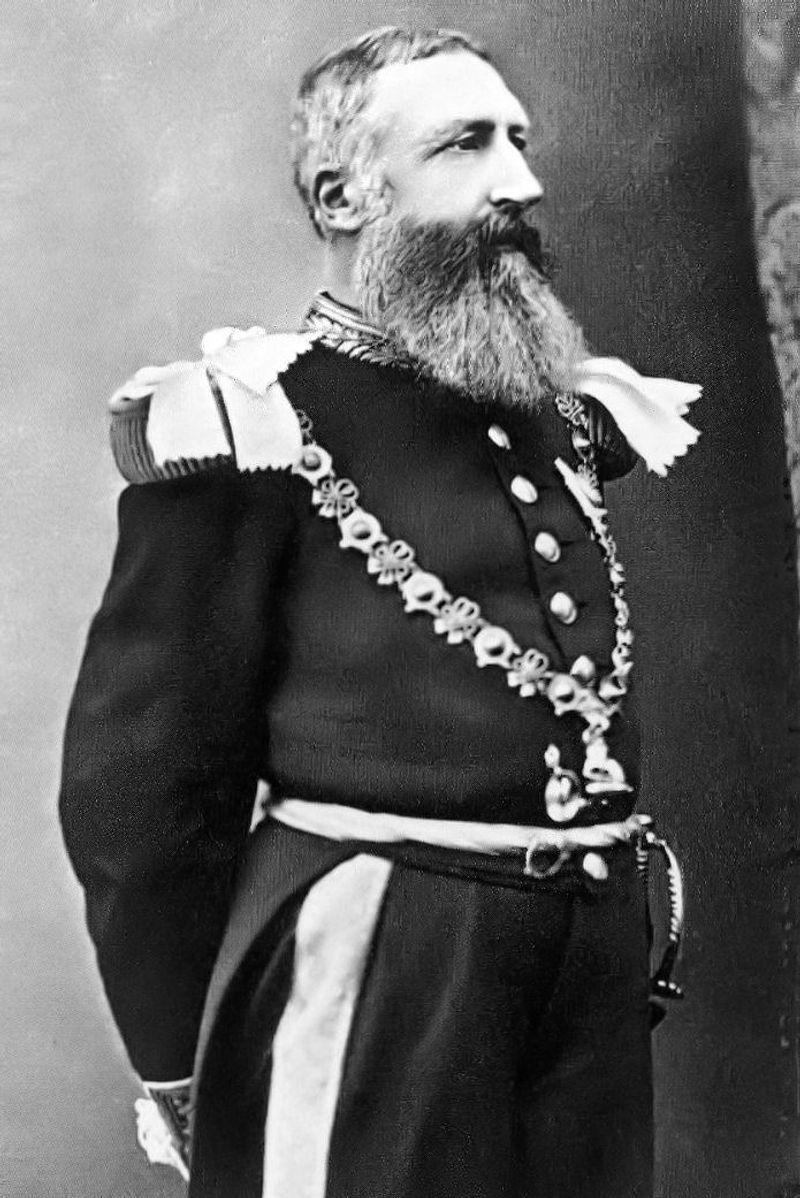
Few royal relationships generated as much public controversy as King Leopold II’s involvement with Caroline Lacroix. The Belgian king was seventy-four years old when he is widely believed to have entered into a religious marriage with the twenty-six-year-old Caroline in December 1909, creating an age difference of about forty-eight years. The ceremony reportedly took place just days before Leopold’s death and was never recognized as a civil marriage under Belgian law.
Caroline had met Leopold several years earlier and quickly became his longtime companion. Born in France, she came from a modest background, a sharp contrast to Europe’s royal families, making their relationship a constant subject of newspaper coverage and political criticism. Leopold granted her the courtesy title Baroness de Vaughan and provided her with several estates, while their two sons were also given noble titles, though neither was recognized as a legitimate heir to the Belgian throne.
Because the reported marriage occurred so late in Leopold’s life, it did not alter the royal succession or Caroline’s official status within the monarchy. Historians continue to discuss the relationship because of its unusual circumstances, the significant age difference, and the debate surrounding the legal standing of the ceremony. Even today, it remains one of the most frequently cited examples of a European monarch forming a high-profile relationship with a partner from a completely different social background.
9. Ferdinand II of Aragon and Germaine de Foix
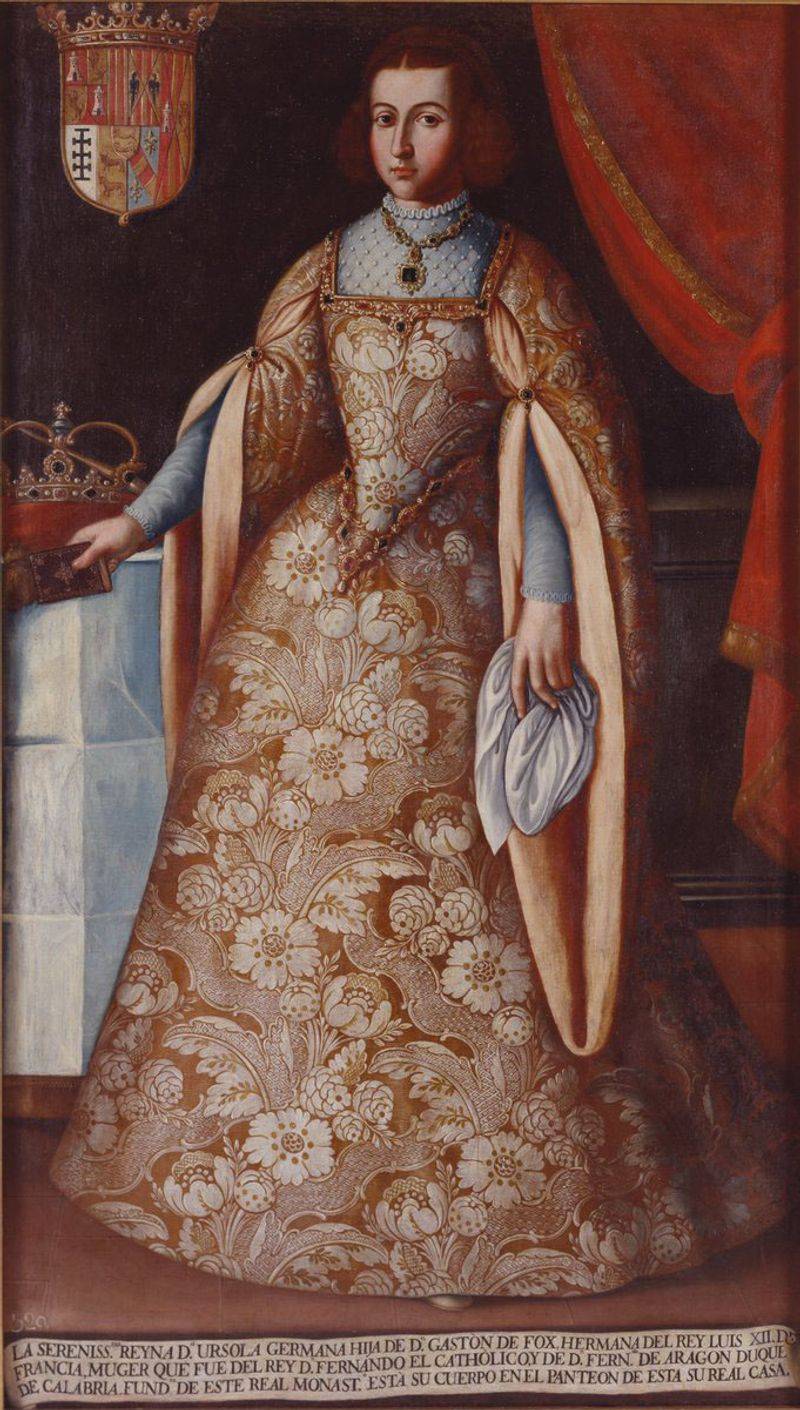
One royal wedding changed the future of Spain almost as much as a political treaty. In 1505, King Ferdinand II of Aragon married eighteen-year-old Germaine de Foix after the death of his first wife, Queen Isabella I. Ferdinand was fifty-three, creating an age difference of about thirty-five years that immediately drew attention across European courts.
The marriage was far more than a personal decision. Germaine was the niece of King Louis XII of France, and the union helped strengthen diplomatic ties between Spain and France at a time when control of territories in Italy remained a major source of conflict. The marriage contract also carried important political implications, as any surviving son born to the couple could have inherited the Crown of Aragon separately from Castile, potentially altering the future of a newly unified Spain.
Although Germaine gave birth to a son in 1509, the child died shortly after birth, leaving Ferdinand’s grandson Charles, the future Holy Roman Emperor Charles V, as his principal heir. Ferdinand died in 1516 after more than four decades as one of Europe’s most influential monarchs. Germaine later married twice more and continued playing an important role within the Spanish court, while her marriage to Ferdinand remains one of the best-known royal unions marked by a striking age difference and significant political consequences.
10. Ivan the Terrible and Maria Nagaya
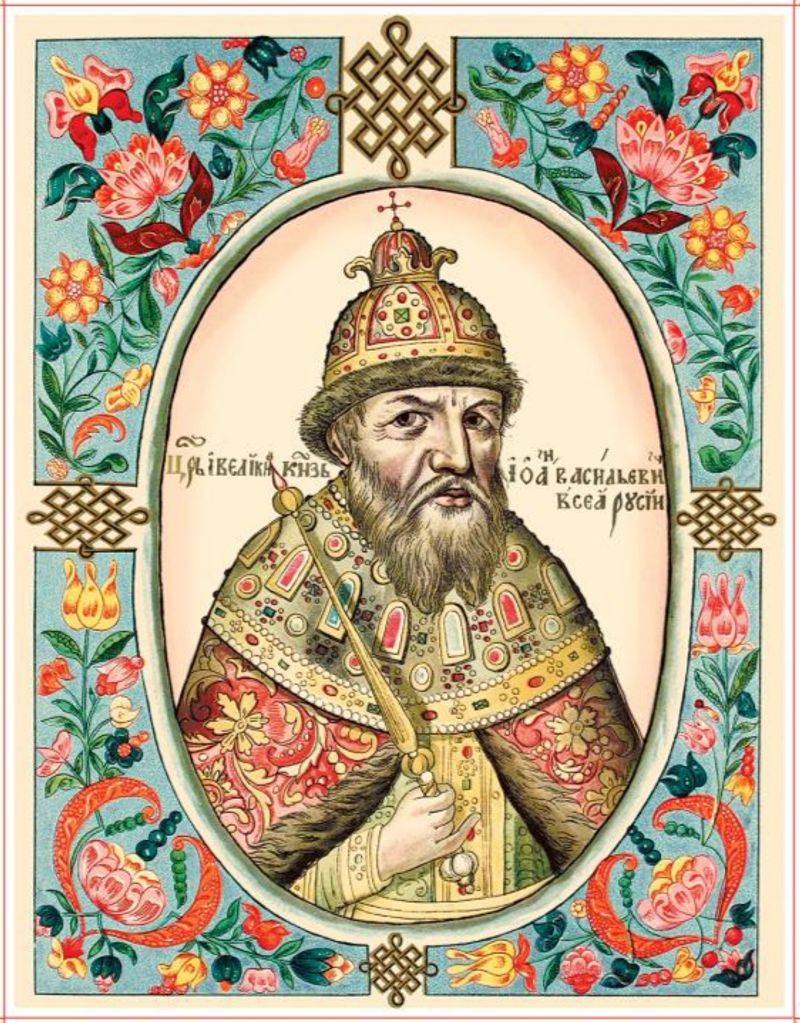
Russia’s first officially crowned tsar married several times during his life, and one of those marriages involved a striking age difference. Ivan IV, commonly known as Ivan the Terrible, was around fifty when he married Maria Nagaya, who was likely in her late teens or early twenties.
The marriage took place in 1581 after several earlier wives had passed away or been removed from court. By this stage, Ivan had ruled Russia for decades and remained one of Europe’s most powerful monarchs.
Maria became the mother of Dmitry Ivanovich, whose later fate contributed to Russia’s turbulent Time of Troubles. Questions surrounding Dmitry’s identity eventually inspired pretenders who claimed to be the surviving prince, adding another dramatic chapter to Russian history.
Although Maria spent relatively little time as tsarina, her marriage placed her at the center of events that influenced Russian politics long after Ivan’s reign had ended. Sometimes the consequences of a royal marriage extended far beyond the wedding itself.
11. Frank Lloyd Wright and Olgivanna Lazovich
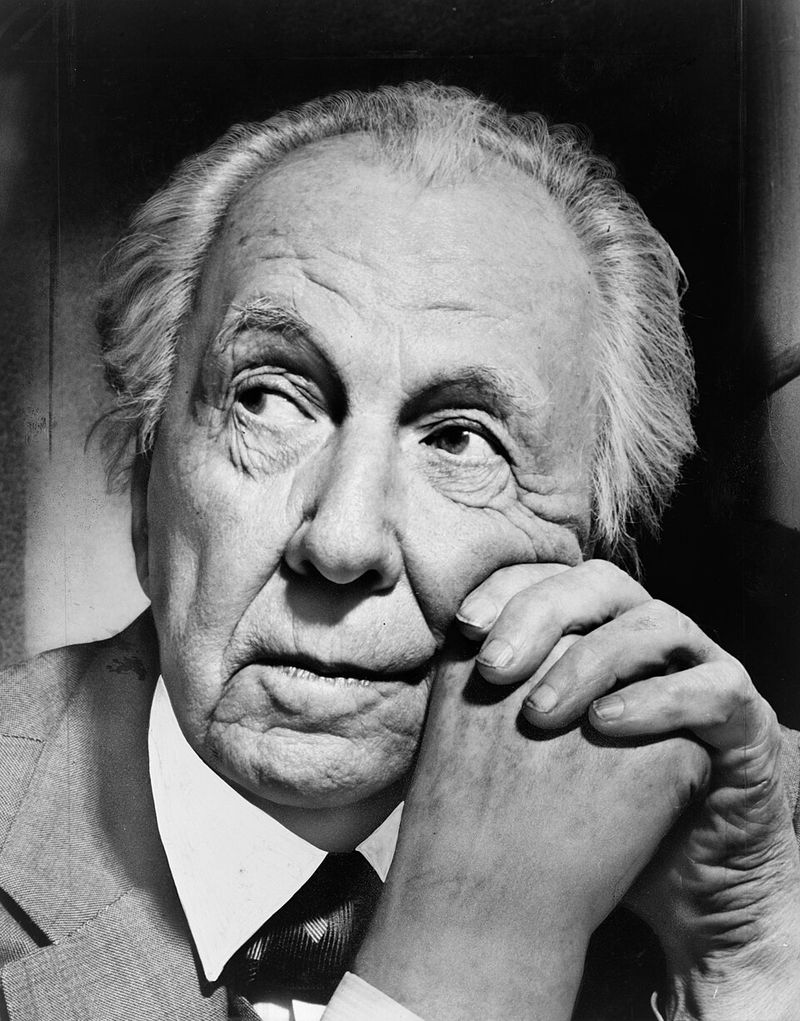
Architecture found an unexpected chapter in personal history when Frank Lloyd Wright married Olgivanna Lazovich in 1928. Wright was sixty-one years old, while Olgivanna was thirty, creating an age difference of thirty-one years.
The marriage followed years of public controversy surrounding Wright’s earlier relationships. Once married, however, the couple focused much of their energy on Taliesin, Wright’s Wisconsin estate, which also functioned as an architectural school.
Olgivanna played an active role in managing daily life at Taliesin. Students remembered her strict routines, organized schedules, and commitment to preserving Wright’s educational vision. She remained deeply involved with the Frank Lloyd Wright Foundation even after his later years.
Their partnership lasted until Wright’s death in 1959. Beyond architecture itself, the marriage influenced the operation of one of America’s most famous design communities, leaving an organizational legacy alongside Wright’s celebrated buildings.
12. Jerry Lee Lewis and Judith Brown
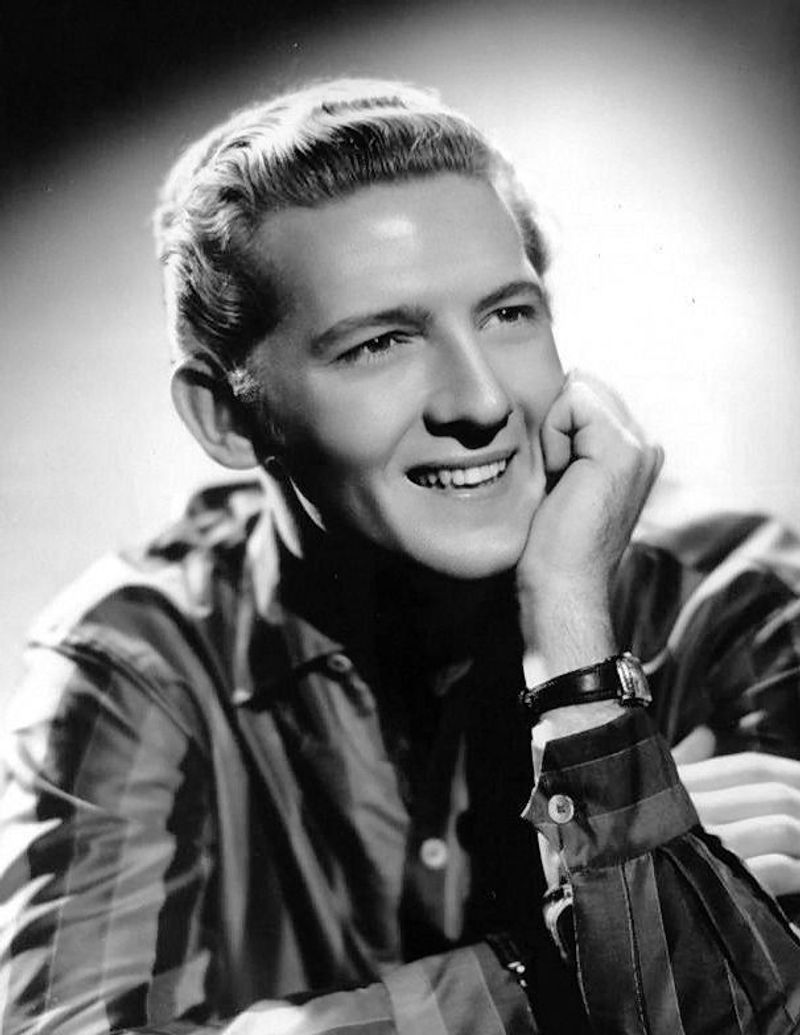
Rock and roll has produced plenty of surprising headlines, yet Jerry Lee Lewis’s later marriage still stood out. Lewis was seventy-six years old when he married Judith Brown in 2012. She was forty years younger.
By then, Lewis had already spent decades as one of the pioneers of rock and roll, known for classics such as Great Balls of Fire and Whole Lotta Shakin’ Goin’ On. The wedding marked his seventh marriage and immediately attracted media attention because of both the age difference and the family’s complicated connections.
Despite the publicity, Lewis continued performing for audiences well into his later years, demonstrating the lasting popularity of his music. Judith frequently accompanied him during public appearances and remained by his side throughout his final decade.
The marriage became another memorable chapter in a life already filled with remarkable moments, proving that even after decades in the spotlight, Jerry Lee Lewis could still generate headlines.
Share this story