Nothing captures the imagination quite like an ancient ruler who was supposedly too important to rest in peace. Add a sealed tomb, mysterious inscriptions, priceless treasures, and a few unfortunate events that happened centuries later, and suddenly history starts sounding like the plot of an adventure novel. It is no surprise that stories about royal curses have survived for generations, even when archaeologists patiently explain that most of them have far more ordinary explanations.
Still, the legends refuse to disappear. A famous excavation sparks newspaper headlines. An ancient inscription gets translated in dramatic ways. A king’s burial chamber remains unopened for thousands of years, and speculation takes over long before facts arrive.
Somewhere along the way, history, folklore, archaeology, and popular culture become impossible to separate.
Some of the figures on this list genuinely inspired famous curse legends, while others became linked to mysterious stories centuries after they were buried. A few left behind warning texts, others inspired rumors through coincidence alone, and several owe their reputation more to Hollywood than to ancient Egypt. Ready to meet the rulers and resting places that convinced generations there might be something unsettling about disturbing the past?
1. The Tomb of Seti I
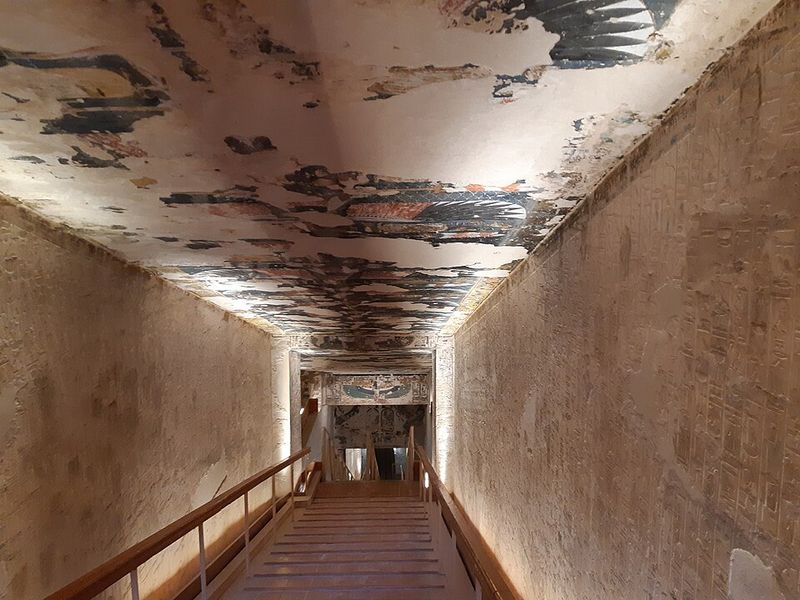
Grandeur has a way of attracting legends, and the burial place of Seti I certainly qualifies. Hidden deep within the Valley of the Kings, KV17 stretches farther than almost any other royal tomb and is celebrated for its beautifully preserved painted walls. Seti I ruled during Egypt’s Nineteenth Dynasty and oversaw an era of military success and ambitious construction projects.
Explorers who entered the tomb during the nineteenth century found remarkable artwork depicting religious texts that guided the king through the afterlife. The impressive scale of the chambers quickly encouraged speculation that such an important ruler would never welcome unexpected visitors.
Unlike Tutankhamun’s tomb, no famous ancient curse became directly associated with Seti I during antiquity. Instead, later writers and popular culture grouped the tomb into the broader tradition of “forbidden” royal burials where mysterious misfortunes supposedly followed explorers. The stories often grew with each retelling, despite lacking historical documentation.
Today, archaeologists value the tomb for its artistry, architecture, and historical importance rather than supernatural claims. Visitors and scholars are far more interested in its detailed reliefs and inscriptions than imaginary punishments, although the reputation for mystery still attracts curious audiences.
2. Ramesses II
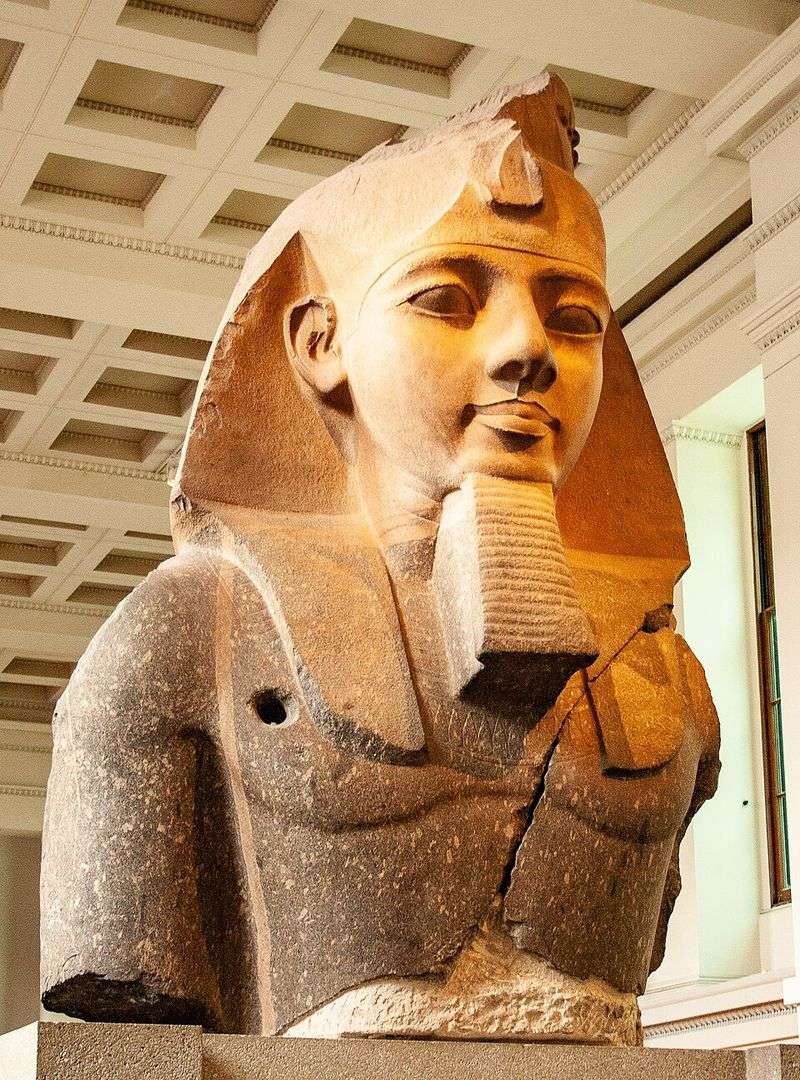
Great rulers often collect great myths, and Ramesses II accumulated plenty of both. Often called Ramesses the Great, he ruled Egypt for more than sixty years during the thirteenth century BC, commissioned enormous monuments, and ensured his image appeared almost everywhere possible. His long reign naturally encouraged later generations to view him as a larger-than-life figure.
Although no famous curse centers specifically on Ramesses II himself, stories about disturbing royal mummies frequently include him. His exceptionally well-preserved remains, discovered in the royal cache at Deir el-Bahari in 1881, became one of Egypt’s most recognizable ancient faces.
Popular tales occasionally claimed that those who handled royal mummies invited bad luck or unexplained illnesses. These stories usually blended together discoveries involving multiple pharaohs instead of focusing on documented historical events. Over time, Ramesses II became part of the wider mythology surrounding Egypt’s ancient rulers rather than the source of one particular curse.
Ironically, one of the most unusual episodes involving Ramesses II happened in modern times. In 1976, his mummy traveled to France for conservation work and was reportedly issued an official Egyptian passport listing his occupation as “King, deceased.” That real event has fascinated people almost as much as any fictional curse.
3. Tutankhamun’s Tomb
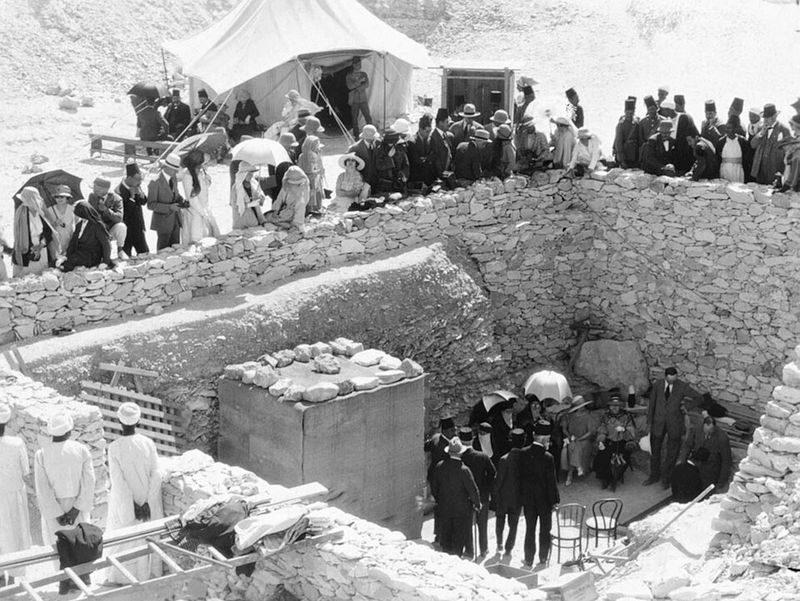
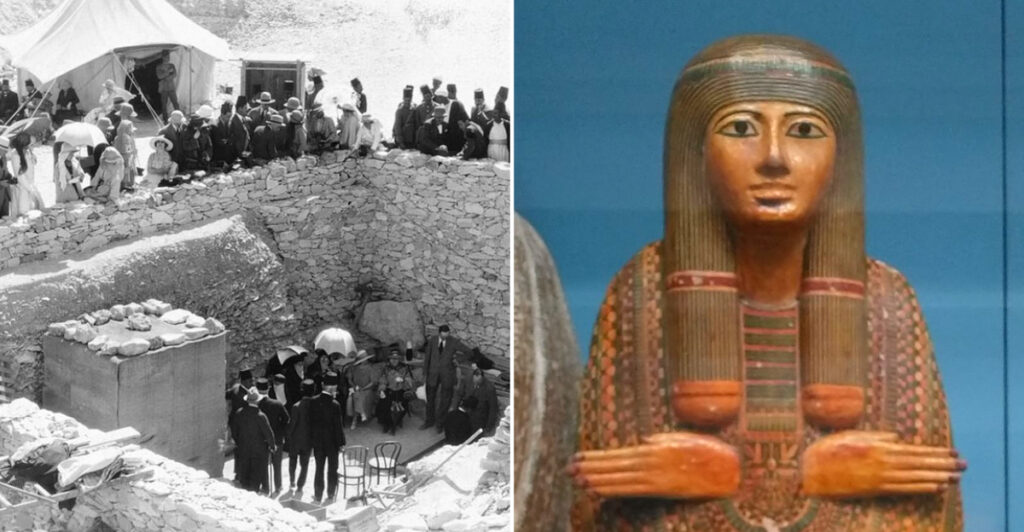
Sometimes a single newspaper headline can create a legend that outlives the facts. Few archaeological discoveries have inspired more stories than the tomb of Tutankhamun, discovered in Egypt’s Valley of the Kings by Howard Carter in 1922. Although the young pharaoh ruled for only about a decade before his death around age nineteen, his nearly intact burial became one of history’s greatest archaeological finds.
The curse story exploded after Lord Carnarvon, who financed the excavation, died several months after the tomb was opened. Newspapers eagerly connected his death to supposed warnings placed inside the tomb, despite little evidence that such dramatic curse inscriptions actually existed. Every unrelated illness or accident involving people connected to the excavation seemed to reinforce the myth.
The facts paint a much less mysterious picture. Howard Carter himself lived for another sixteen years after opening the tomb, and many members of the excavation team enjoyed long lives. Researchers have suggested everything from bacterial spores to coincidence as explanations for the stories, but none has confirmed a supernatural curse.
Even so, Tutankhamun remains the undisputed king of archaeological legends. Films, books, museums, and documentaries continue to revisit the so-called curse, proving that one remarkable discovery can shape public imagination for more than a century.
4. The Unlucky Mummy
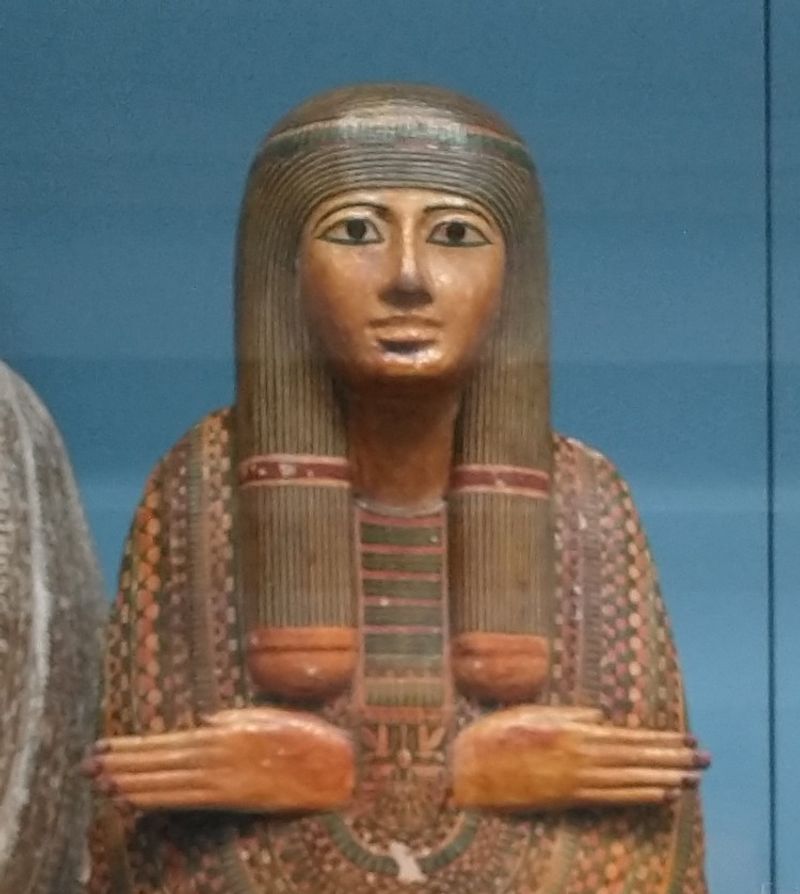
Few museum objects have collected as many exaggerated stories as a coffin lid that never actually contained a mummy. Officially known as the “Unlucky Mummy,” this decorated inner coffin lid from ancient Egypt has spent well over a century inspiring tales of mysterious accidents, unexplained illnesses, and remarkable coincidences. The artifact, now in the British Museum, dates to around the Twenty-first or Twenty-second Dynasty and depicts a woman believed to have been a priestess.
The curse stories began in Victorian Britain, where newspapers and authors eagerly published dramatic accounts claiming that nearly everyone connected with the artifact suffered terrible misfortune. Those stories became even more elaborate after writers linked the object to the sinking of the Titanic, despite the fact that the coffin lid never left the British Museum and certainly was not aboard the ship.
Researchers have repeatedly shown that virtually every famous story attached to the object lacks reliable evidence. Even so, the legend proved irresistible because it combined Egyptomania, sensational journalism, and the growing popularity of supernatural fiction during the late nineteenth century. More than a hundred years later, the “Unlucky Mummy” remains one of the world’s best-known examples of how myths can become almost as famous as the artifact itself.
5. The Tomb of Nefertari
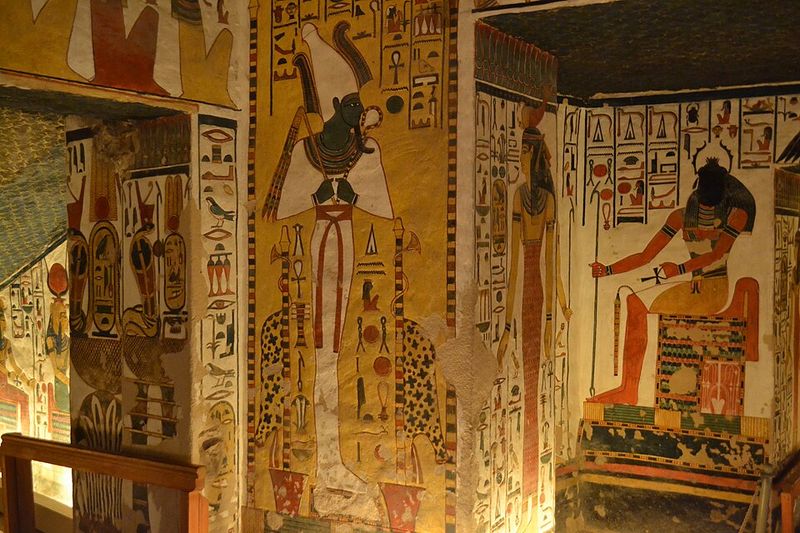
Beauty alone can create a legend, and the tomb of Queen Nefertari has certainly earned that reputation. Buried in the Valley of the Queens, Nefertari’s resting place is often described as one of ancient Egypt’s greatest artistic masterpieces. The vivid paintings covering its walls remain among the finest examples of New Kingdom funerary art.
The tomb suffered extensive damage long before modern archaeologists arrived, yet its remarkable decoration still impressed everyone who entered. Such extraordinary preservation naturally inspired stories suggesting that the queen’s resting place possessed unusual protection.
Unlike many fictional tales, there is no well-documented ancient curse attached to Nefertari’s tomb. Instead, modern visitors often encounter rumors that the paintings survived because disturbing the burial invited misfortune. Those stories appear to owe more to twentieth-century fascination with Egyptian curses than to ancient evidence.
Conservation rather than superstition now shapes access to the tomb. Visitor numbers are carefully controlled to reduce humidity and protect the delicate artwork, reminding everyone that the greatest threat to these ancient masterpieces is ordinary human impact rather than supernatural forces.
6. The Tomb of Djer
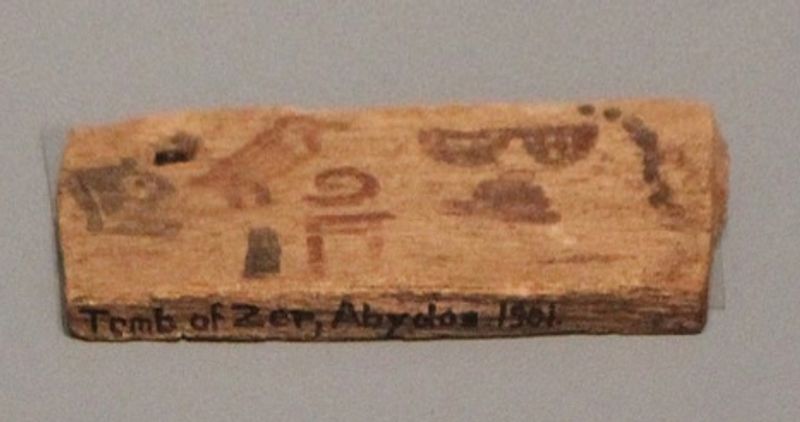
Not every mysterious burial belongs to the famous names found in school textbooks. Djer ruled during Egypt’s First Dynasty around five thousand years ago, making him one of the country’s earliest kings. His tomb at Abydos later became linked with one of ancient Egypt’s most important religious figures.
Centuries after Djer’s reign, Egyptians began identifying his tomb as the burial place of Osiris, the powerful god associated with the afterlife. Pilgrims traveled to Abydos believing they were visiting sacred ground connected to divine resurrection rather than an early king whose identity had largely faded from memory.
Because of this religious association, the site gained an aura of extraordinary importance. Respect for Osiris encouraged stories that sacred places should never be disturbed, blending historical archaeology with evolving religious traditions. Although these beliefs were not curse stories in the modern cinematic sense, they reinforced the idea that certain burials carried special spiritual significance.
Modern excavations have clarified the tomb’s original owner, yet the centuries-long connection with Osiris remains one of archaeology’s most fascinating examples of history transforming into legend.
7. The Tomb of Qin Shi Huang
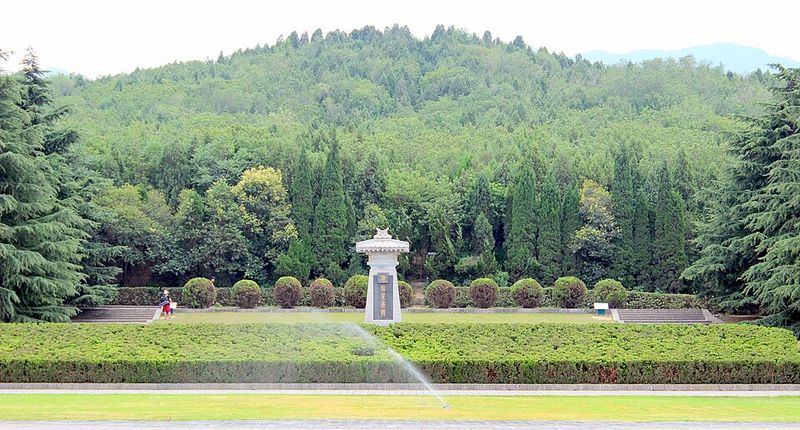
Some mysteries remain hidden simply because nobody has dared to answer them yet. China’s first emperor, Qin Shi Huang, was buried beneath an enormous mausoleum complex guarded by the famous Terracotta Army. More than two thousand years later, the central burial chamber remains unopened.
Ancient historian Sima Qian described rivers of mercury flowing through the emperor’s tomb as symbolic landscapes of his empire. Modern scientific surveys have detected unusually high mercury concentrations in the surrounding soil, adding credibility to parts of those ancient accounts.
The decision not to excavate the central chamber has encouraged countless curse stories. Some people imagine deadly traps, ancient warnings, or supernatural consequences awaiting anyone who enters. Archaeologists, however, focus on preservation rather than fear, recognizing that current technology may not adequately protect fragile artifacts once exposed.
Few unopened tombs have inspired as much speculation. Ironically, the greatest mystery survives because experts have deliberately chosen patience over immediate exploration.
8. The Tomb of Casimir IV Jagiellon
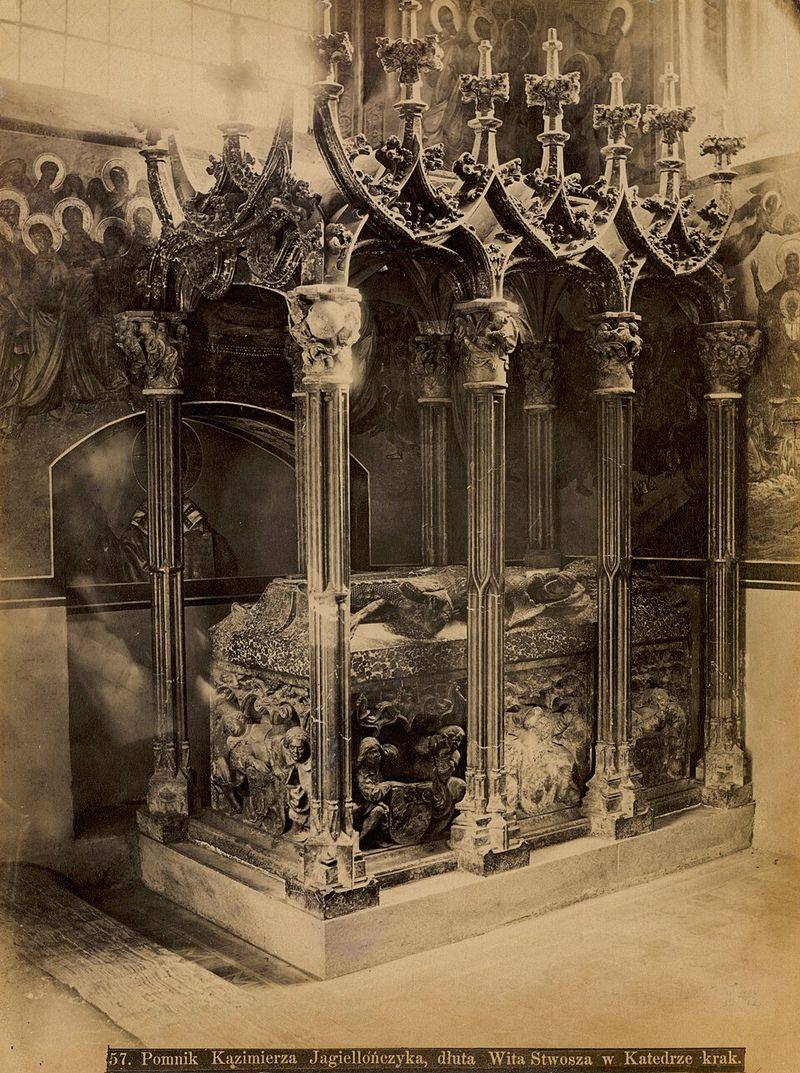
History occasionally provides coincidences dramatic enough to inspire modern curse legends. When Polish archaeologists opened the tomb of King Casimir IV Jagiellon in Kraków’s Wawel Cathedral during the 1970s, several members of the research team later developed health problems, and some eventually passed away.
The timing quickly led newspapers to suggest a royal curse similar to Tutankhamun’s famous legend. Unlike supernatural explanations, scientists later proposed that dangerous fungi, particularly Aspergillus flavus, may have been present inside the sealed burial environment.
That scientific theory transformed the discussion from ancient magic to biological hazards. The story became one of the best-known examples showing how naturally occurring microorganisms can create risks inside long-sealed archaeological spaces.
Casimir IV’s tomb demonstrates how genuine health concerns can evolve into dramatic folklore. The legend survives because it combines real events with humanity’s enduring fascination for mysterious royal burials.
9. The Tomb of Timur
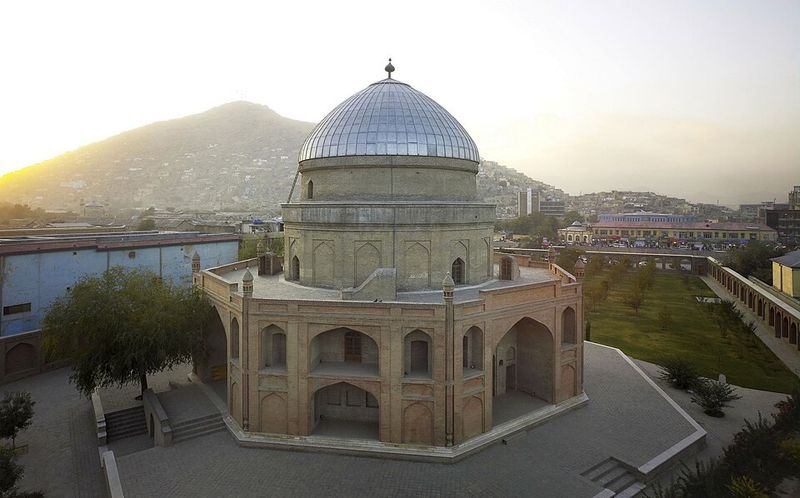
Few conquerors inspired as many dramatic stories as Timur, also known as Tamerlane. Buried in the Gur-e-Amir mausoleum in Samarkand, he became associated with one of history’s most famous modern curse legends.
According to popular accounts, an inscription warned that disturbing Timur’s remains would unleash disaster. Soviet archaeologists opened the tomb in June 1941, and just days later Nazi Germany launched Operation Barbarossa against the Soviet Union. The coincidence proved irresistible to storytellers.
Another layer of the legend claims that Timur’s remains were reburied with Islamic rites in 1942 shortly before the Soviet victory at Stalingrad began turning the tide of the war. Historians generally regard these connections as coincidence rather than evidence of supernatural intervention.
Even so, Timur’s story continues appearing in documentaries and books because it combines historical events, wartime drama, archaeology, and folklore in a way few other royal burials can match.
10. The Tomb of Ötzi the Iceman
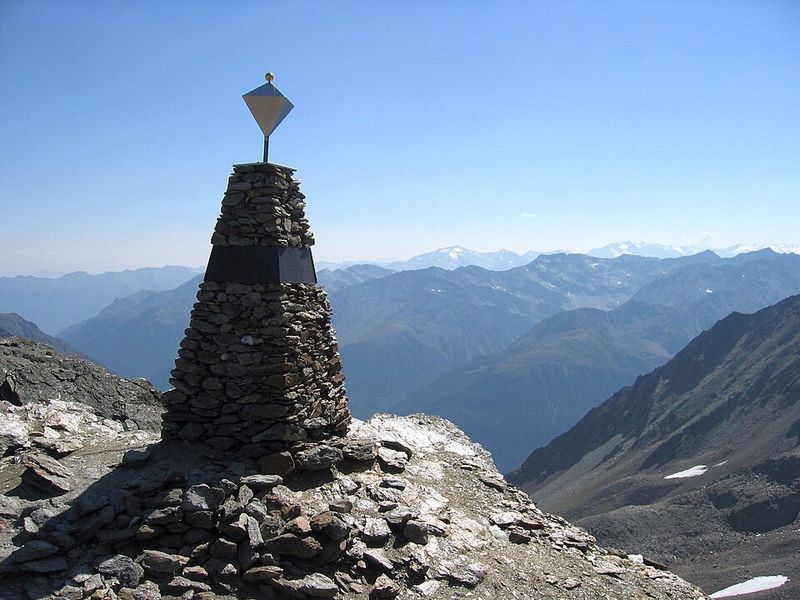
Frozen for more than five thousand years, Ötzi unexpectedly became one of archaeology’s most talked-about “cursed” discoveries. Found high in the Alps in 1991, the naturally preserved body belonged not to a king but to a Copper Age man whose remarkable condition transformed scientific understanding of prehistoric Europe.
The curse legend appeared years later after several people connected with the discovery or research passed away under unrelated circumstances. Newspapers quickly compared the story to Tutankhamun’s supposed curse, encouraging readers to connect random events into one dramatic narrative.
Statisticians and scientists repeatedly pointed out that many individuals worked on the project over several decades, making ordinary mortality an expected reality rather than evidence of supernatural intervention. Nevertheless, the media attention ensured that the legend spread far beyond academic circles.
Ötzi closes this list by reminding us that almost any extraordinary archaeological discovery can inspire stories of ancient revenge. History may provide the facts, but human imagination has always been eager to write the next chapter.
11. The Tomb of Genghis Khan

History’s greatest treasure hunt comes with an unusual warning: nobody even knows where the prize is. Ever since Genghis Khan died in 1227, stories about his hidden burial have inspired legends across Mongolia. According to medieval accounts, the funeral procession deliberately concealed the location of the tomb, and later traditions claimed that everyone involved in the burial was sworn to secrecy. Some versions even suggest that those who knew the location were eliminated to ensure the grave would never be found, although historians debate the accuracy of those stories.
As centuries passed, mystery gradually turned into folklore. Local traditions began describing the burial site as sacred ground protected by powerful forces, while modern treasure hunters added tales of curses awaiting anyone who tried to uncover it. Archaeologists have approached the search with considerable caution, not because of supernatural fears but out of respect for Mongolian cultural traditions and the desire to preserve an undisturbed historical landscape.
Despite satellite imagery, drones, and advanced archaeological techniques, no verified tomb has ever been discovered. That absence of evidence has only strengthened the legend. Unlike many famous royal burials that eventually revealed their secrets, Genghis Khan’s final resting place remains one of history’s greatest unsolved mysteries, and the belief that it is somehow protected continues to inspire documentaries, books, and countless theories.
12. The Ukok Princess
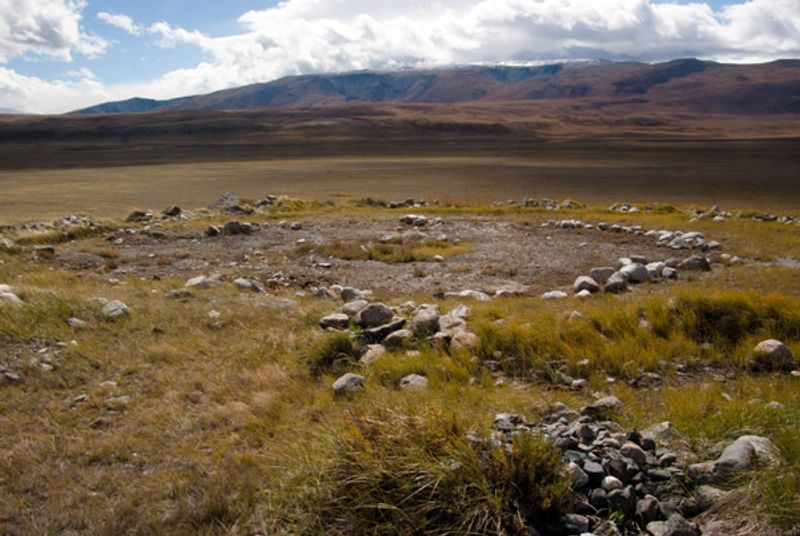
Sometimes a frozen burial creates modern legends instead of ancient ones. In 1993, archaeologists working in Siberia’s Altai Mountains uncovered the remarkably preserved remains of a woman now widely known as the Ukok Princess or the Siberian Ice Maiden. Buried more than 2,000 years ago as part of the Pazyryk culture, she became internationally famous for her preserved tattoos, clothing, and burial goods.
Not long after her discovery, local traditions began merging with contemporary events. Some residents believed the Ice Maiden had been a spiritual guardian whose removal disturbed the natural balance of the region. Earthquakes, floods, and other natural disasters were soon interpreted by some communities as evidence that the burial should never have been disturbed.
Scientists rejected any supernatural explanation while continuing to study the remarkable archaeological finds. At the same time, many Indigenous Altai people called for the remains to be returned closer to their homeland out of cultural and spiritual respect. Those discussions eventually contributed to the Ice Maiden’s relocation to the National Museum of the Altai Republic in Gorno-Altaysk.
Unlike many famous curse stories created by newspapers decades after archaeological discoveries, the legend surrounding the Ukok Princess continues to evolve today. It stands as a reminder that beliefs about sacred burials remain part of living traditions as well as ancient history.
Share this story